Español
 English

Why visit Andalusia
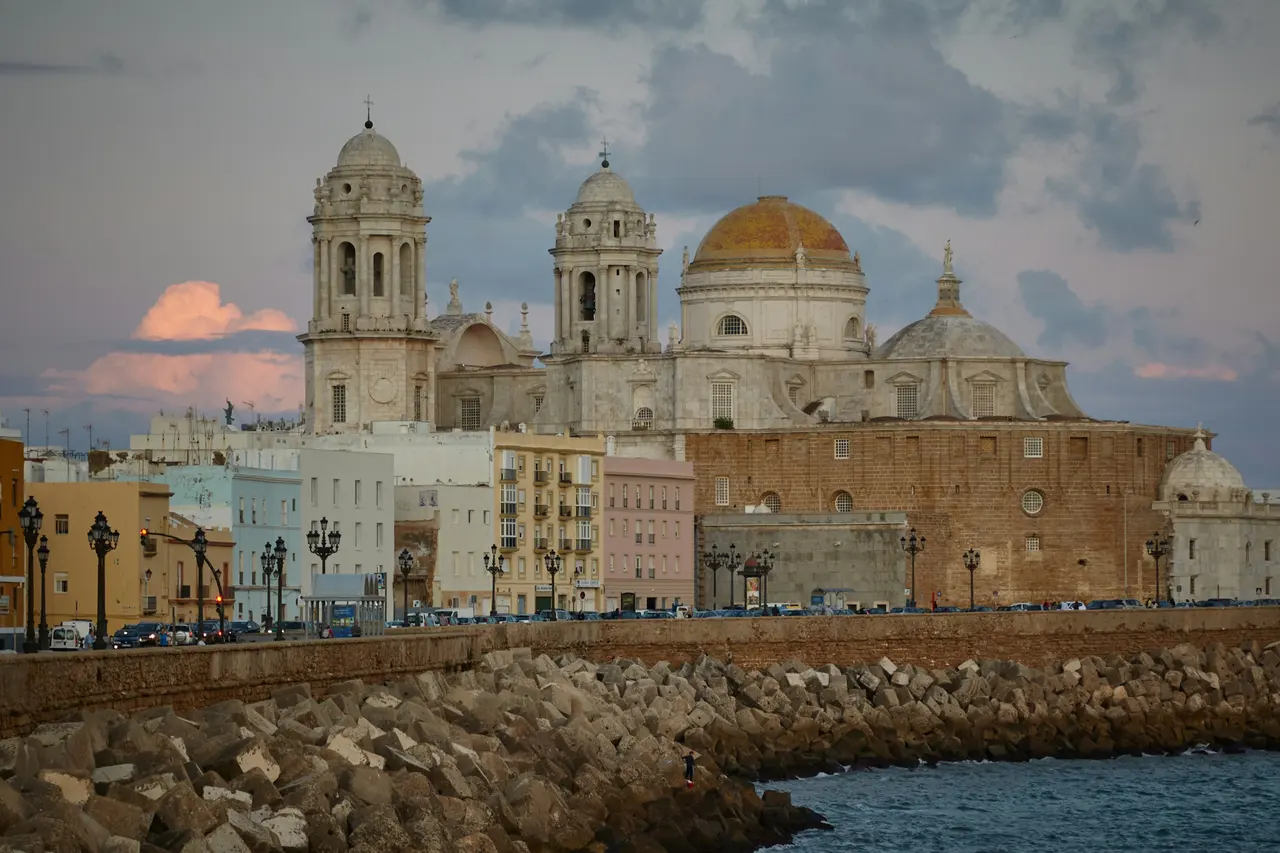
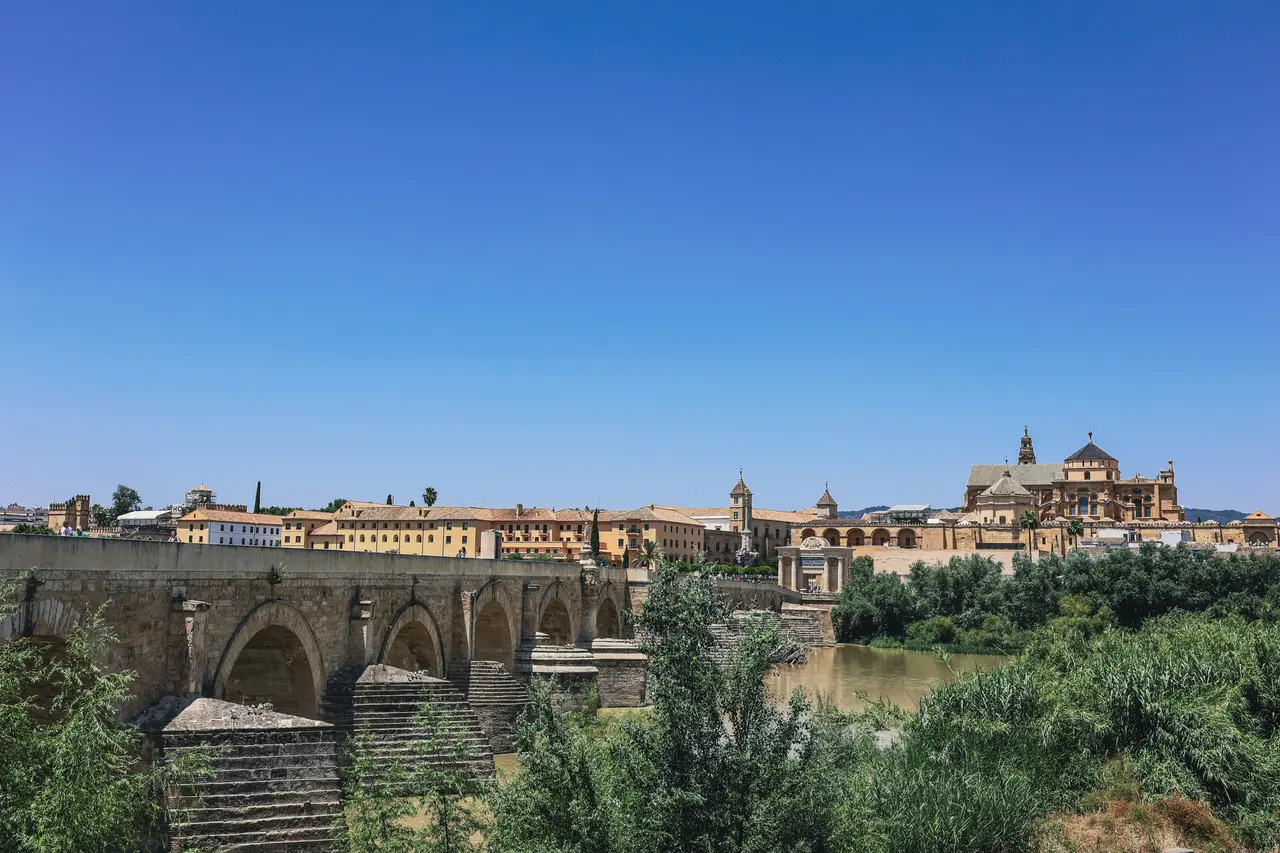
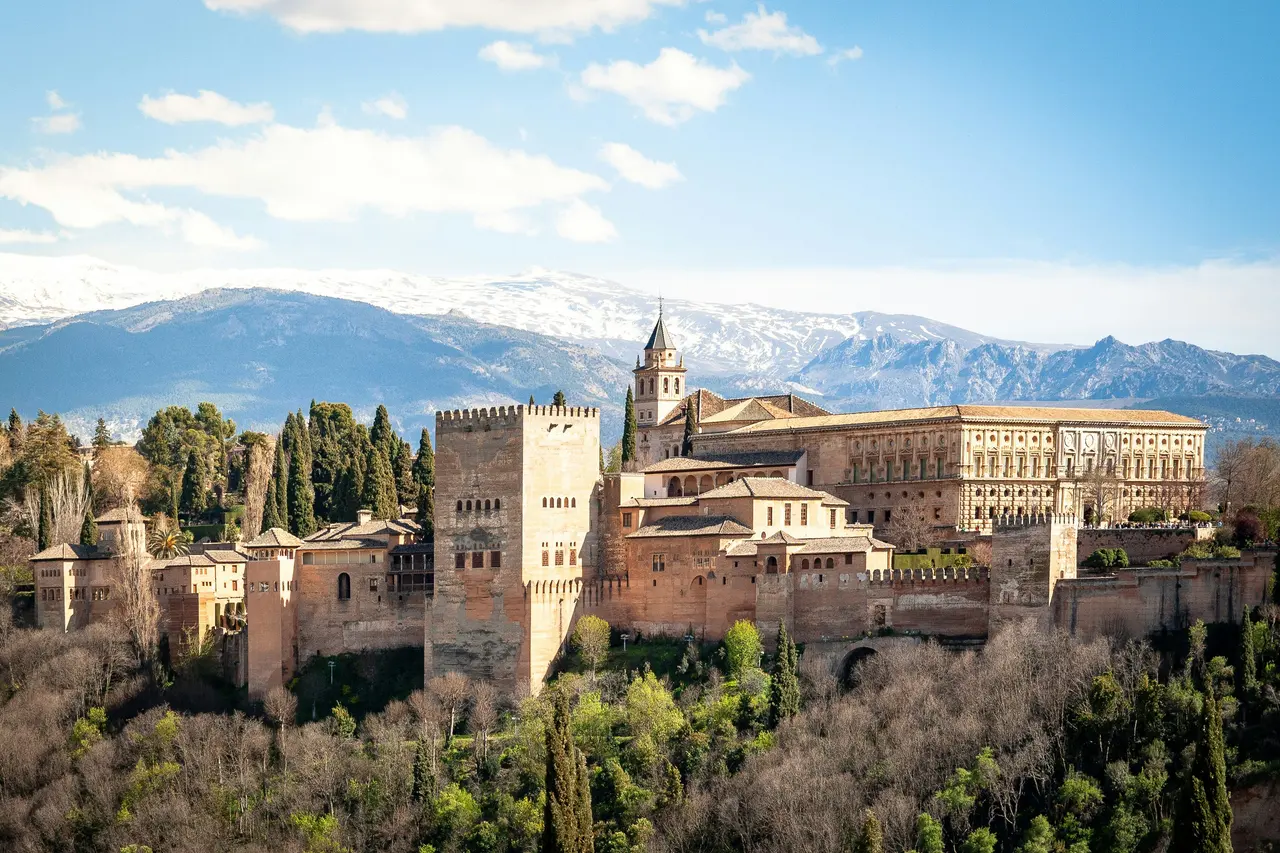
When you look for things to do in Andalusia, start with the walk you would most like to take on your first morning. In Córdoba you can step out of the Mosque-Cathedral and head downhill to the Guadalquivir. In Cádiz you can cross the old town and reach the Atlantic at La Caleta. Walking uphill through the Albaicín in Granada puts you face to face with the Alhambra, with the Sierra Nevada behind it on a clear day. Any of those walks can set the direction for the whole trip.
The region covers eight provinces. Seville and Córdoba are a good pairing if you want several days of architecture and can travel with a small bag. Cádiz and Huelva have long stretches of Atlantic shore. Málaga, Granada and Almería share the Mediterranean coast, with different landscapes in each province. In Jaén, you can spend one day with Renaissance buildings above the olive groves and another among the headwaters and valleys of the Cazorla mountains. When planning a route, look for useful rail corridors, valleys and mountain passes as well as provincial names.
For a first visit, put together two settings you know you will enjoy. A palace visit, a small-town afternoon and a few mornings by the sea can fit in one week if you choose your bases carefully. Try to stay two nights where you have several possible outings. That gives you room to swap a beach day and a museum day if you wake up to strong wind, and to leave a longer walk until the coolest part of the day.
When to go
Spring and autumn for the cities
The difference between a paved square in Córdoba and a shady lane in the Albaicín can shape the way you spend a day. Spring and autumn generally make it easier to plan long stretches on foot in the interior. Early in spring, keep an indoor visit in reserve and aim for the clearest part of the day for viewpoints. In autumn, a market or museum in the morning leaves time to get to a viewpoint before the light goes.
During the spring festivals, decide how much of your trip you want to give to the festivities. A fair changes the journey to and from its grounds. A procession can affect the streets you planned to use to get back to your hotel. Look up the programme before choosing dates if you are going primarily for architecture. If you already have tickets for two attractions in different districts, allow an unhurried walk between them.
Summer by the sea, winter in town or in the mountains
Along the Guadalquivir in summer, put the open-air parts of your plans early in the day and spend the hottest hours indoors or resting. For beach days, check the wind forecast for the stretch of coast you want to visit as well as the temperature in the nearest city. A windy day near the Strait of Gibraltar can still be a good one for an archaeological visit or a walk through sheltered streets.
In winter, mild air beside the sea tells you little about ice on a shaded mountain road. Check conditions at the actual height of a walk if your holiday includes the Sierra Nevada. For a city break, choose a base close enough to reach galleries and monuments on foot. Then you can take advantage of a bright spell outdoors and still have something to do if a shower arrives.
Getting there and around
Flights and the first train
Aena’s network in 2026 included Málaga-Costa del Sol (AGP), Seville (SVQ), Jerez (XRY), Granada-Jaén (GRX) and Almería (LEI). Compare the door-to-door journey as well as the flight. Granada-Jaén airport is in Granada province. If you are aiming for Cádiz, compare the onward trip from Jerez with the one from Seville. If you want to start beside the sea in Cabo de Gata, include Almería when looking for flights.
If you land at Madrid and continue by train, check the station on your ticket and leave time to cross the city after collecting your bags. Consider an open-jaw trip if you have a choice of flights. Starting in Seville and flying home from Málaga may spare you a final journey back to your arrival airport. Run both versions of the itinerary through the actual travel dates before choosing.
Rail between cities and driving beyond them
In 2026, Renfe listed Avant services along the Seville–Córdoba–Málaga and Seville–Córdoba–Granada corridors. Check your specific date and departure station. Sevilla Santa Justa sits away from the cathedral district. In Málaga, María Zambrano is the main long-distance station. Keeping the full station name and your hotel address to hand is useful when your ticket, map and street signs switch between Spanish and English.
If your route combines rail and driving, collect the car when you leave the last city you can explore on foot. In a white village, look for parking near the approach to the old town and continue on foot. A line that looks like a shortcut on a driving map may be a steep pedestrian passage. On rural bus trips, check where to catch the last practical return before you book an afternoon visit or stop for lunch.
What to see in Andalusia

Things to do in Andalusia on a first visit
In Seville, give the Alcázar its own visit and leave time for the cathedral, Giralda and Archivo de Indias nearby. Then walk towards the Guadalquivir and look back at the historic centre from Triana. Plaza de España and María Luisa Park make a second outing. Go when you can linger over the tiled benches and choose a route through the park, especially if the rest of your day has been spent indoors.
In Córdoba, see the inside of the Mosque-Cathedral, cross the Roman Bridge for the view back over the river, then return to the lanes of the historic centre. Seek out a courtyard if you are interested in how a house works around an open space. Set aside a separate part of the day for Medina Azahara, west of the city. Looking across the terraces gives a much better sense of the size and layout of the Caliphate’s palace city than a stop made in a hurry.
In Granada, give the Alhambra priority when booking. On a separate outing, walk from Plaza Nueva along the Carrera del Darro towards Paseo de los Tristes before heading uphill into the Albaicín. The view back across the Darro valley changes as you climb. In the lower streets, the cathedral, Royal Chapel and Corral del Carbón show another side of the city and make an outing of their own.
Ports, coastal cities and the olive country
Start a day in Málaga near the Roman theatre and Alcazaba, then walk towards the harbour. On a second morning, go up towards Gibralfaro for a view of the fortifications, the city and the shore in relation to one another. In Cádiz, walk from El Pópulo past the cathedral towards La Viña and La Caleta. On a windy day, switch sides of the old town and follow the walls of San Carlos and Alameda Apodaca on the bay side.
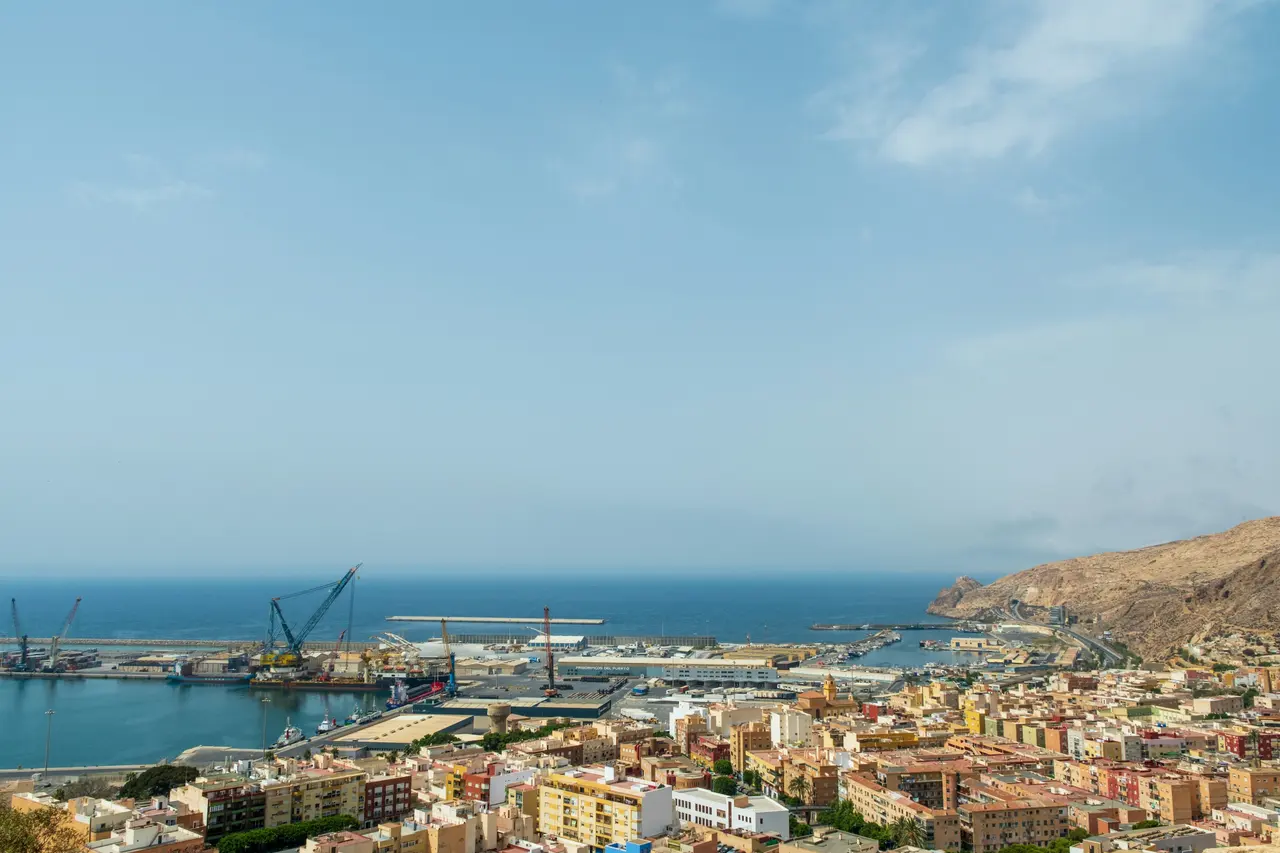
In Almería, the Alcazaba gives you a high point from which to see how the port and city fit together. From there, head inland for Tabernas or towards the coast for the volcanic terrain of Cabo de Gata. The Columbus sites in Huelva province lie in several different places. Pair La Rábida with Palos de la Frontera, then spend time in Moguer if you want to follow the story of the writer Juan Ramón Jiménez or simply walk a smaller historic centre.
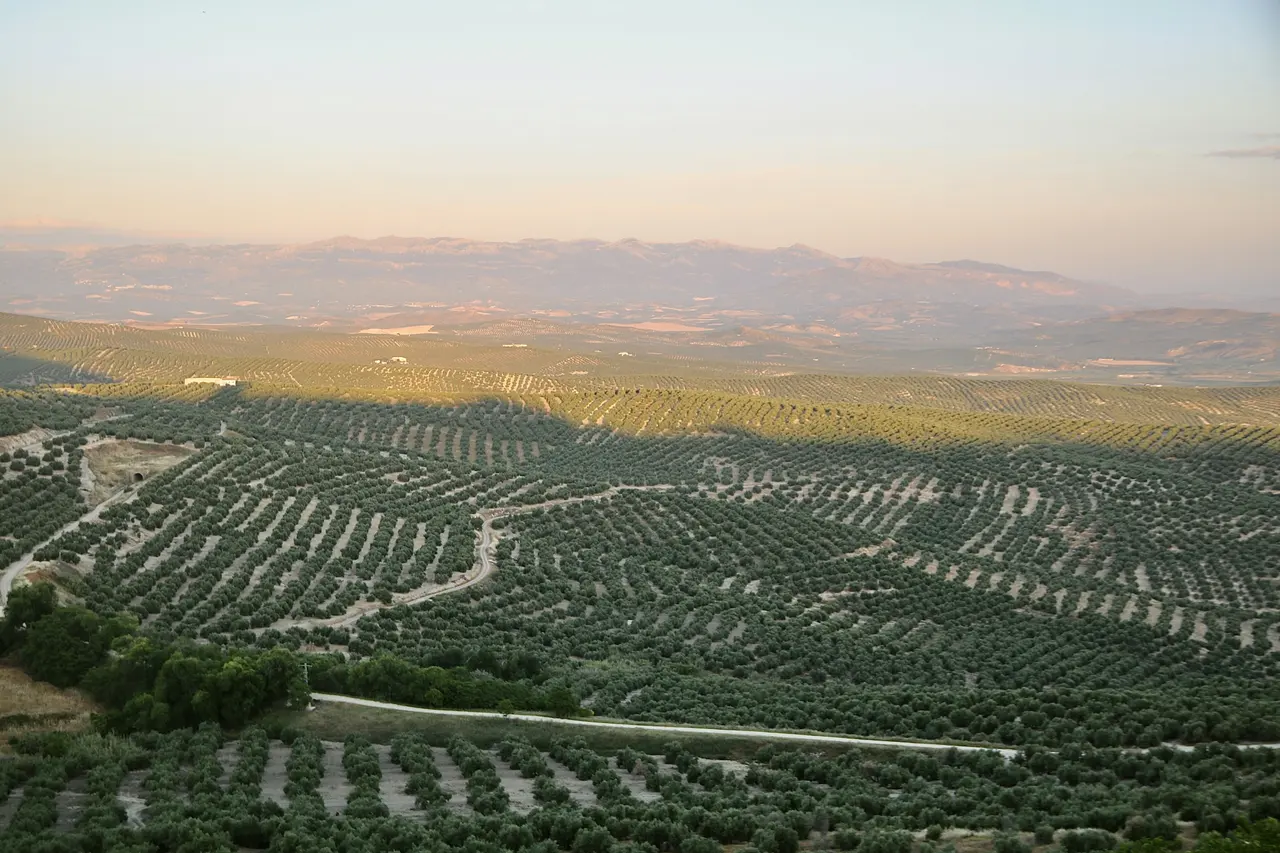
In Jaén province, the Renaissance ensembles of Úbeda and Baeza form a single UNESCO World Heritage listing. In Úbeda, give Plaza Vázquez de Molina time before walking towards the edge of town and the views over olive groves. Baeza’s cathedral square and old university buildings form a more compact circuit. Combine the towns in one day if you can leave enough time to enter a building that interests you and stop for lunch in one of them.
Monuments and heritage
Three complexes and the details to look for
At the Alhambra, the fortified Alcazaba feels different from the courtyards and water channels of the palatial areas. Under the 2026 visitor arrangements, you entered the Nasrid Palaces at the time on the ticket. Build the rest of the visit around that slot and leave time to reach the checkpoint. Keep a part of the visit for the Generalife, where the paths and gardens take you away from the dense palace precinct. A guided Alhambra visit can help put the courtyards and buildings in their historical order.
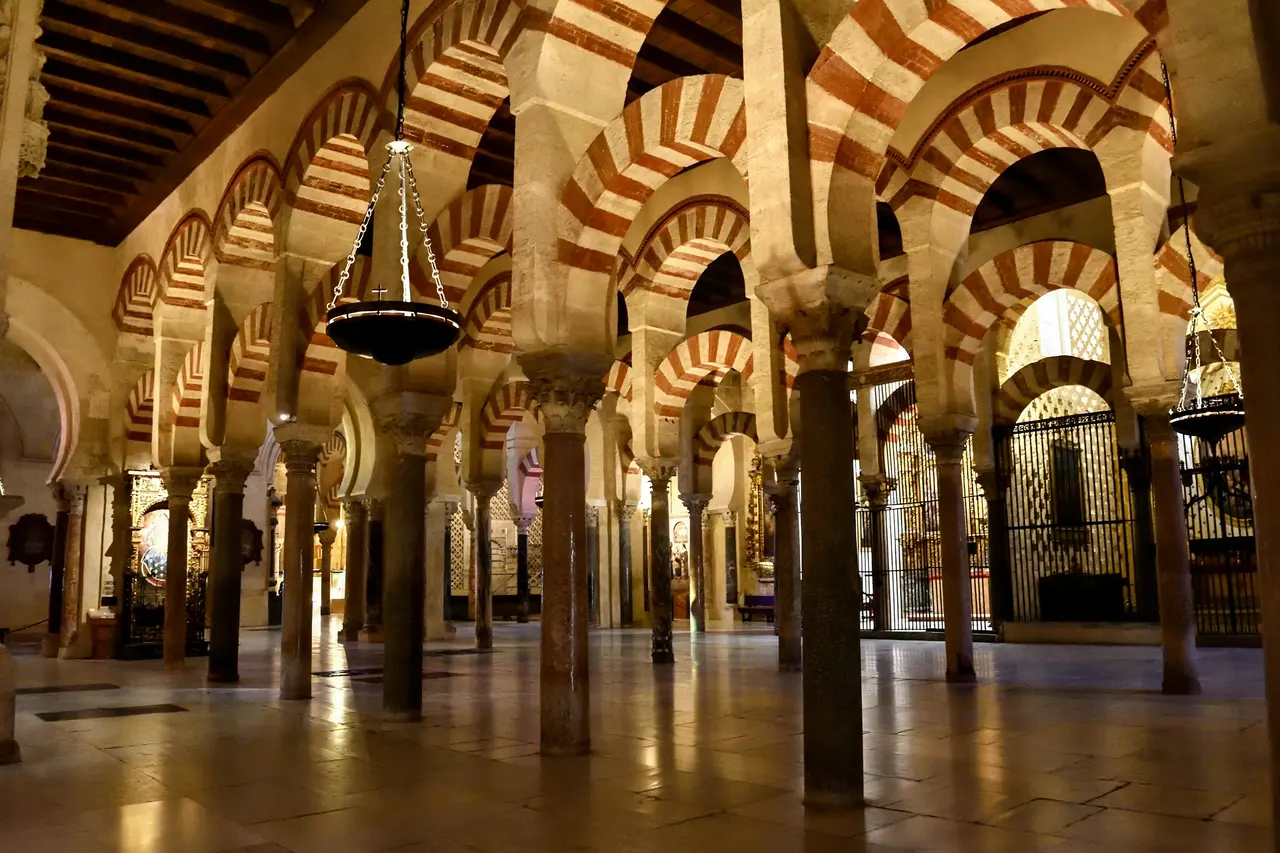
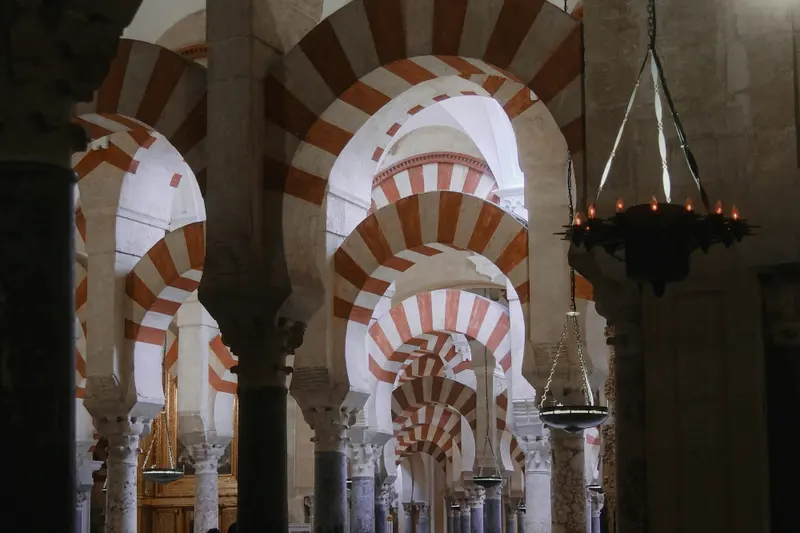
Inside Córdoba’s Mosque-Cathedral, first look across several rows of columns to get a sense of the interior’s scale. Then find the mihrab area and see where the Christian crossing fits into the building. Once outside in the Patio de los Naranjos, take a moment to reorient yourself towards the entrances and the streets sloping downhill to the river.
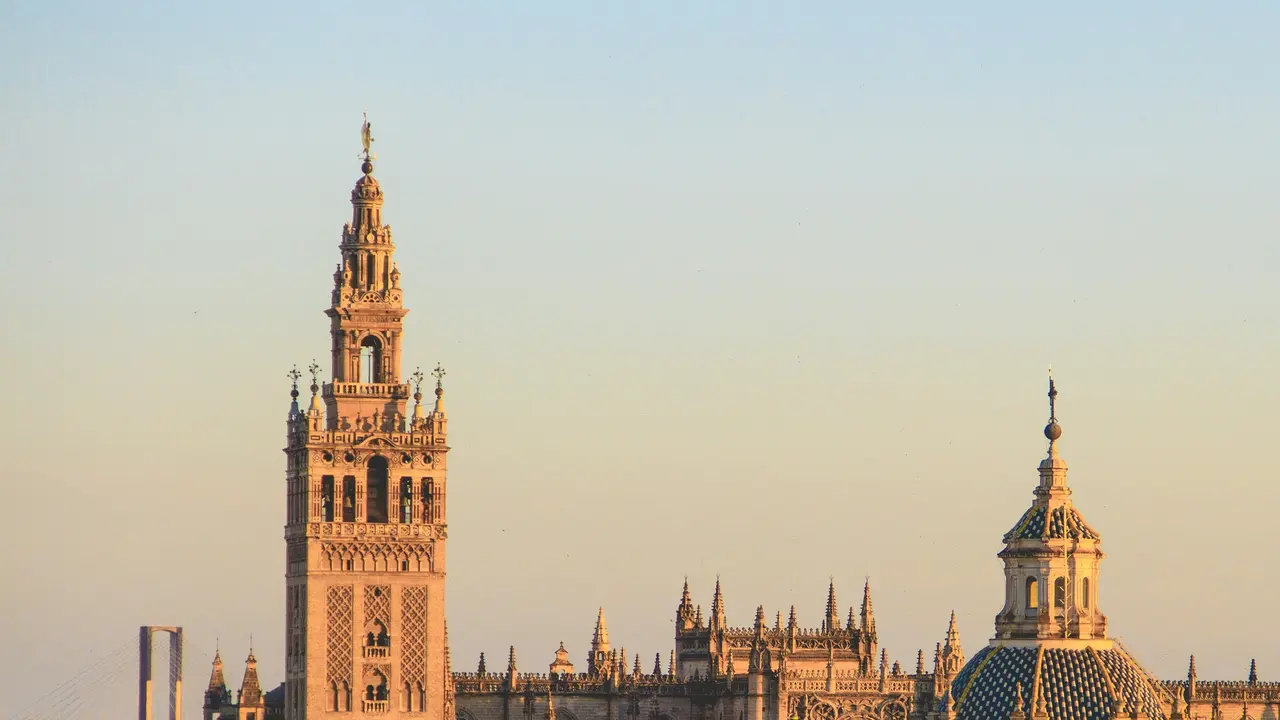
Seville’s Giralda retains the shaft of its Almohad minaret beneath the Christian bell tower. Across the square, the Alcázar is still in use and contains work from several periods. The Mudéjar palace of Pedro I is one focal point. Visit the cathedral and the palace separately if you want time to notice how differently they use their spaces. See the Archivo de Indias in the context of Seville’s role in Spain’s overseas trade.
Archaeological visits beyond the city centre
At Itálica, in Santiponce, look at the floor plans of the houses as well as the amphitheatre. Their different scales help you imagine how the Roman city was used. In Antequera, the dolmens bring a much earlier landscape into the itinerary. Look for the shape of the Peña de los Enamorados and how it lines up with Menga. You can pair the dolmens with a walk in Antequera itself. If you want to go to El Torcal as well, save enough daylight and clear conditions to see the limestone formations properly.
Museums and culture
In Málaga, the Picasso Museum occupies the Palacio de Buenavista. Leave some time afterwards for a walk in the centre so the works have a chance to settle before the next visit. Granada’s Science Park makes a change of pace after several days of churches and palaces. For Seville, Arabic-influenced architecture may be your reason to come, but the Museum of Fine Arts gives the trip another dimension. The Museum of Arts and Popular Customs suits a day spent looking at domestic objects, textiles and crafts.
Seville, Jerez and Granada all offer ways into flamenco. A performance built around singing has a different rhythm from one that gives as much time to dance and guitar. Read the description before booking and think about how you want to spend the evening. If you go to Sacromonte, consider the uphill leg and check how you will get back to your accommodation when the performance ends.
Charming villages
Around Ronda and the Cádiz mountains
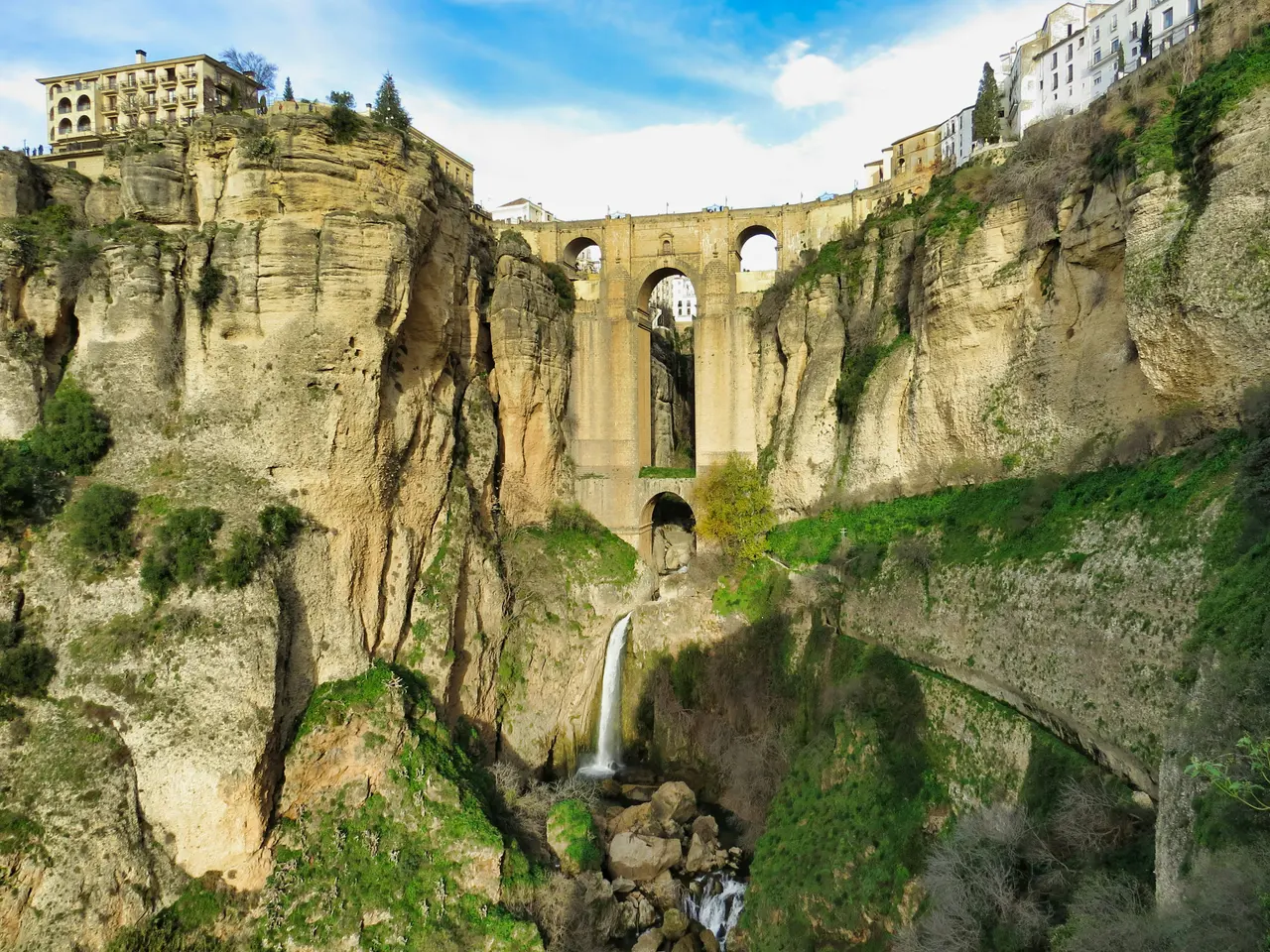
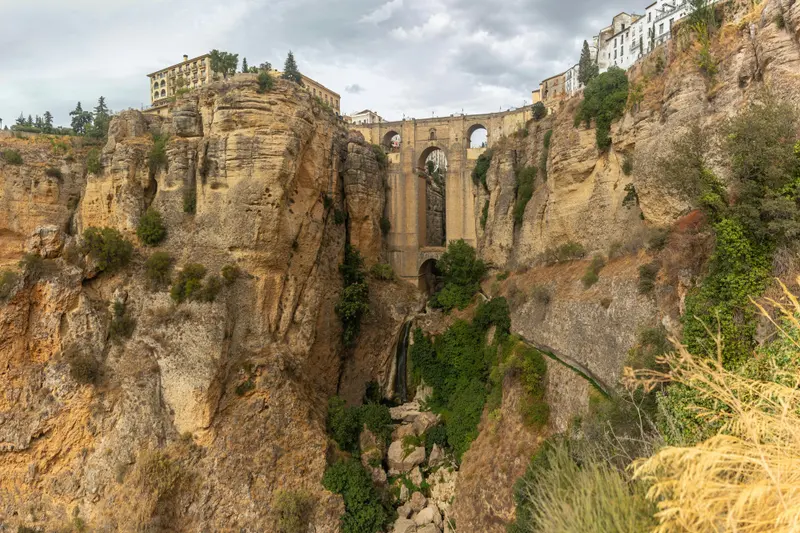
In Ronda, look down into the gorge first, then find a profile view of the Puente Nuevo to understand the distance it spans. Travelling on towards Cádiz province, Setenil de las Bodegas has streets where the rock shelters the houses. In Zahara de la Sierra, the climb towards the castle shifts your view of the reservoir. In Grazalema, an overnight stay leaves you well placed to choose a mountain walk according to the following morning’s weather.
Two stops make a reasonable day out. If you want to continue as far as Arcos de la Frontera, consider sleeping along the route. Getting into the upper part of Arcos on foot takes some time. Leave room to look around the lanes beyond the main square and to sit down for a meal instead of eating between stops in the car.
The Alpujarra and the Sierra de Aracena
On the Granada side of the Alpujarra, Pampaneira, Bubión and Capileira sit at different heights above the Poqueira gorge. Look for the tinaos, small passages roofed by part of a building, when walking through the villages. With a short afternoon, choose one village and look out over the gorge from there. If you link villages on foot, check the gradient in both directions and decide how to get back to the point where you started. Give Trevélez a separate outing to see more of its valley and learn about the local ham tradition.
In Huelva province, pair Aracena with Alájar or Linares de la Sierra. Peña de Arias Montano gives a view down over Alájar. Around Jabugo, the oak pasture and the production of Iberian ham explain much of what you see between villages. A night in the hills buys time for those small stops and lets you continue to the coast on a different day.
Nature and protected areas
Doñana and the western marshes
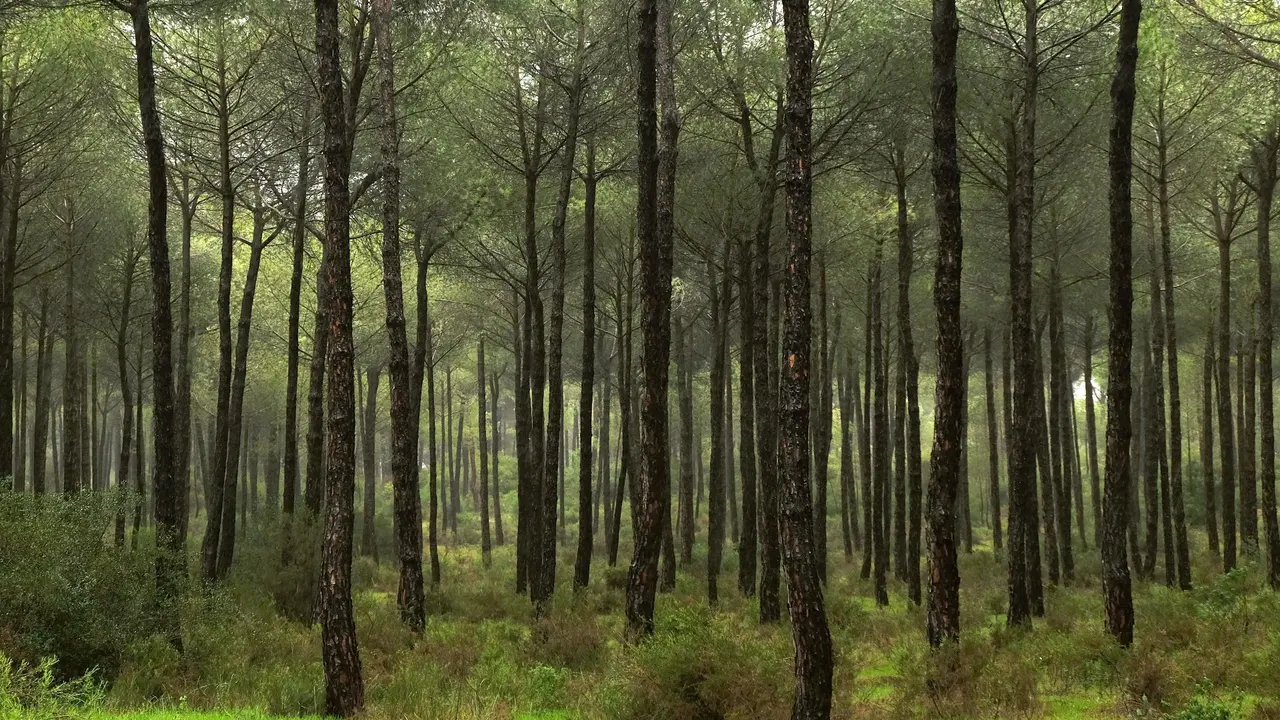
In Doñana, an outing through dunes or pines is different from a day watching birds on the wetlands. Decide what sort of landscape you want to see and find the relevant visitor centre before setting out. If you visit El Rocío, take binoculars and look across the marsh from a suitable place without obstructing the streets or paths. Compare what you can see on the day with the map of the area. A change in water levels can make one stretch more interesting than another.
Near Huelva city, the Odiel marshes show the effect of tides on the estuary. Pair a short birdwatching visit with a city outing if you have a mixed group. Time spent in one spot, watching the birds move between channels and exposed mud, is often better spent than the same time driving from stop to stop.
High ground and volcanic sea cliffs
In Sierra Nevada, a village walk in the Alpujarra and a day above the valley vegetation need different preparation. Check the forecast for the height you intend to reach and choose a lower route if the higher ground has snow or strong wind. In the Cazorla, Segura and Las Villas mountains, work out whether you are going to the upper Guadalquivir, the Tranco reservoir or another part of the park. Bends, pine-covered slopes and ravines can put apparently close stops beyond a single morning’s reach.
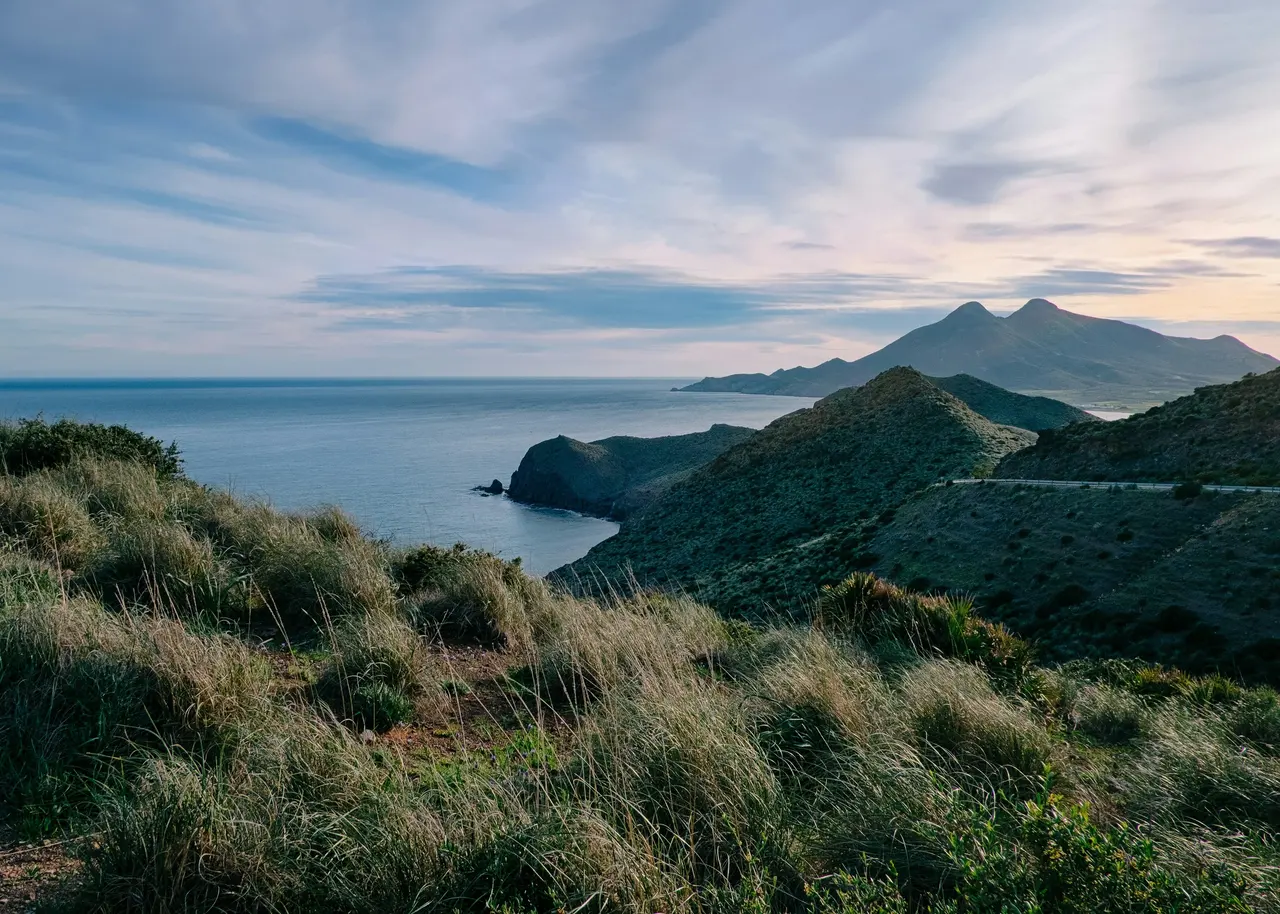
Cabo de Gata-Níjar combines volcanic cliffs, salt pans and small communities along the shore. Choose a viewpoint and a section you can walk. Near the lighthouse, take time to see the shapes of the coves and the difference between the rocks. At the salt pans, use the observation points and let the birds come into view from a distance.
Beaches in Andalusia
The Costa de la Luz from Huelva to the Strait
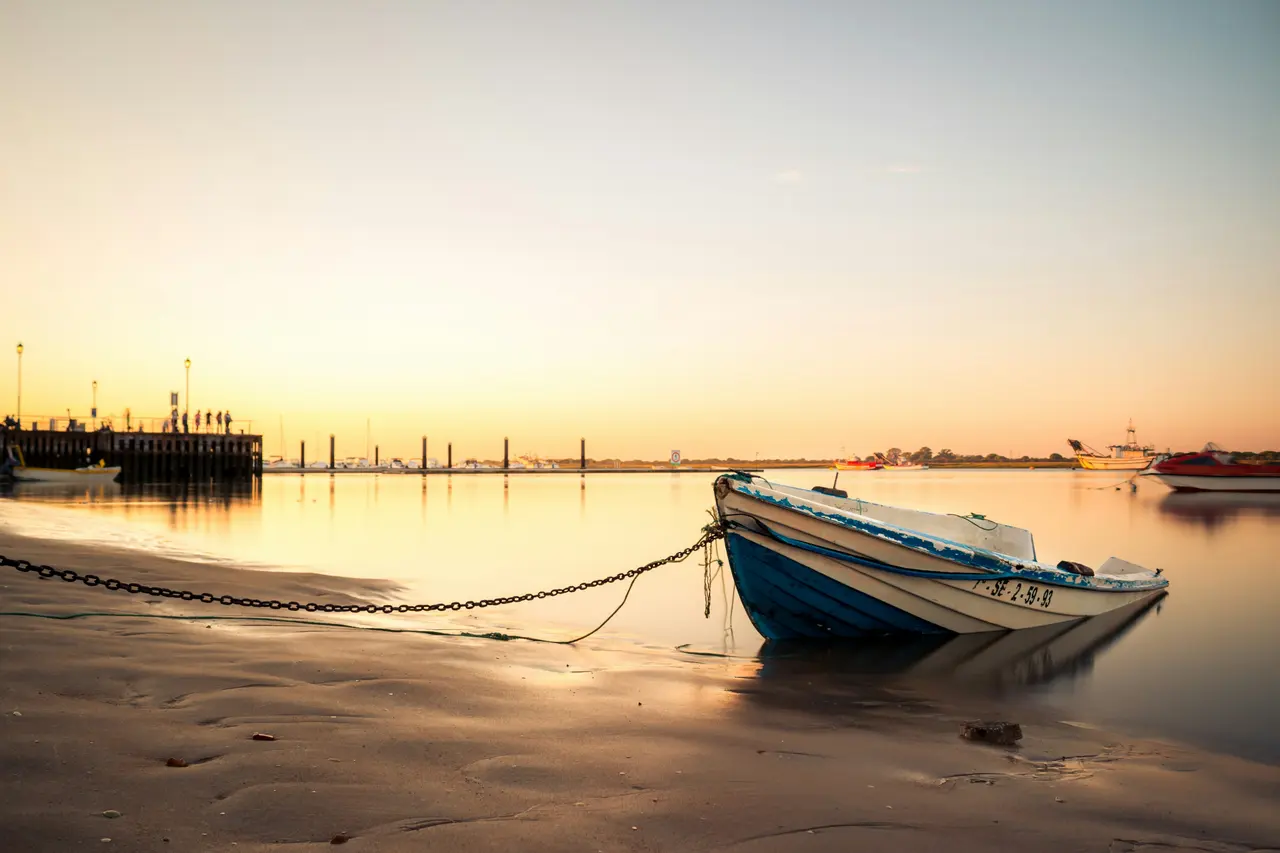
Punta Umbría and Mazagón suit visitors who like a long walk by the water. On the Cádiz side of the Costa de la Luz, choose one sector around La Barrosa or Zahara de los Atunes and leave time for lunch and a later stroll. In Bolonia, pair the beach with Baelo Claudia to see how a Roman town used the curve of the bay. Around Tarifa, use the wind forecast to choose what to do on the day.
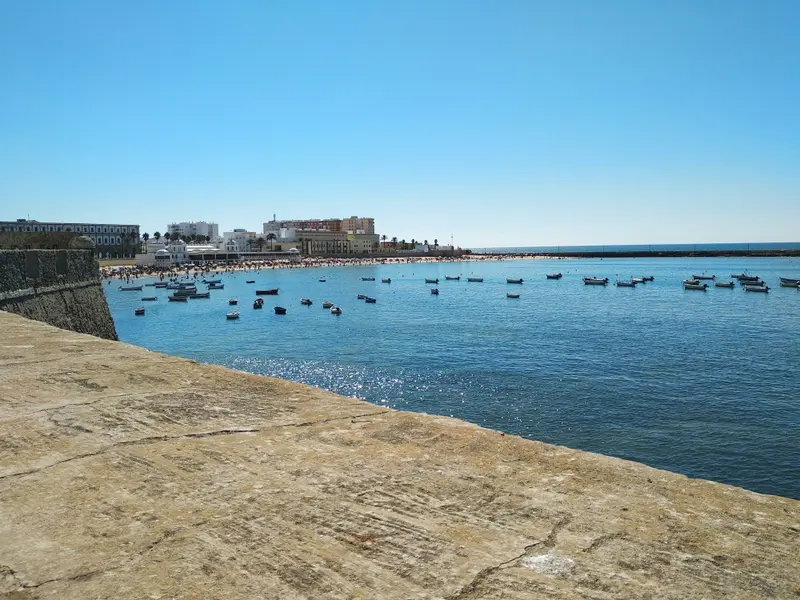
You can get to La Caleta on a walk through Cádiz old town. Look at the space available near the water as the tide changes. For a longer walk against the open Atlantic, go farther along the city to Playa de la Victoria. The two outings work well at different ends of a stay when you have time to see more than one side of Cádiz.
City beaches and Mediterranean coves
From central Málaga, walk to La Malagueta or continue towards Pedregalejo for lunch by the sea. On the western coast, Marbella combines an old town with urban beaches. Farther east, Nerja lets you combine town viewpoints with a beach visit. La Herradura and Almu??car are options on Granada’s Costa Tropical. When you choose accommodation, check how far downhill the water is and picture the return journey with your beach things.
Check access for your dates before leaving San José for Los Genoveses or Mónsul in Almería. Bring water and work out where you will eat afterwards. A beach within the town where you are staying can be easier for an afternoon swim. With two days in the same sector of the park, you can move the cove visit to whichever day has better wind and sea conditions.
Festivals and traditions
Seville’s April Fair ran from 21 to 26 April in 2026 in Los Remedios. For a future trip, find the public casetas, the temporary pavilions around the fairground, and allow time to look around on foot. If the same day includes city centre sightseeing, check the journey back from the fair before leaving the hotel.
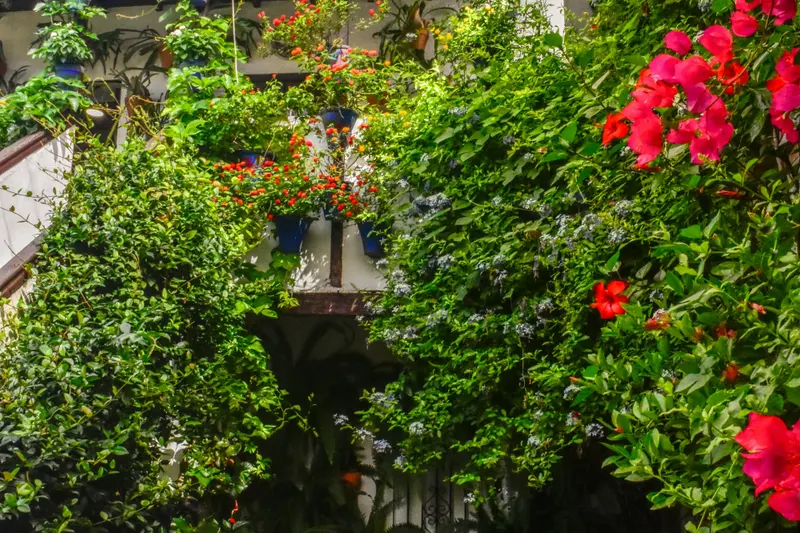
Córdoba’s Courtyards Festival ran from 4 to 17 May in 2026. Choose one district where you can see several courtyards in a short walk. Many belong to private homes. Follow the instructions at the door and take a look at how plants, paving and water change the light inside. Going into a few together lets you see how the same arrangement works in different houses.
At the Cádiz Carnival, singing groups perform satirical songs. Look at the programme to see which events are staged and when to look for groups in the streets. The El Rocío pilgrimage changes how you can move through the village and the surrounding area. For both, confirm dates for the edition you are attending before committing to a hotel booking that depends on the festival.
What to eat
Olive oil, vegetables and inland cooking
In Córdoba, try salmorejo, a thick, cold preparation of tomato, bread and olive oil. In Málaga, ajoblanco uses almonds and garlic and can come with different accompaniments. In Jaén, compare an oil made with picual olives to one with a different flavour. A mill visit gives context to both the planting and the work of getting oil from the crop, and a tasting brings you back to what you can smell and taste at the table.
In Huelva’s hills, order a portion of Iberian ham that you can share and ask which cut is being served. In Granada, ask how tapas work at the bar you choose. Some include one with a drink and some offer a separately priced list. A ración is a larger portion and suits a group. If you eat dinner earlier than is usual in Spain, check actual kitchen hours before setting out and make lunch the main meal when it fits your plans.
Sardines, tuna and wine country
In Málaga, espeto refers to fish such as sardines skewered on a cane and cooked over a fire. A seaside lunch gives you a chance to see the preparation. In Cádiz, look for shrimp fritters, fried fish and almadraba tuna. If several tuna dishes are listed, ask about the cut and how it is cooked. A grilled piece and a slow-cooked dish can feel very different even when they come from the same fish.
For winery visits, allow time around Jerez or Sanlúcar de Barrameda. Manzanilla is associated with ageing in Sanlúcar. In Montilla-Moriles, you can explore another area for fortified-style wines and the importance of the Pedro Ximénez grape. If you are booking a tasting, pick somewhere within walking distance of the hotel or decide who will drive beforehand.
Sport and outdoor activities
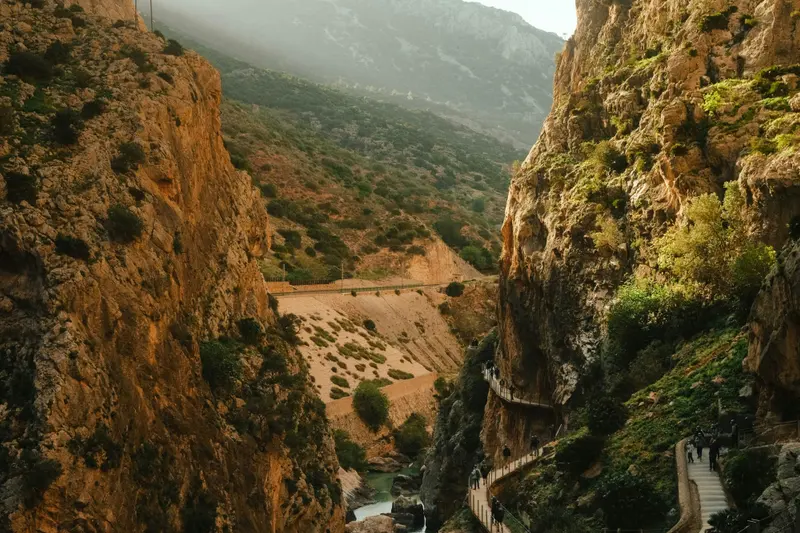
The Caminito del Rey traverses the Gaitanes gorge in Málaga province. The official 2026 information describes it as a one-way route. Locate the north access and the exit before deciding where to park or whether to go by train. Allow time for the approach as well as the return to your starting point. Read your admission conditions and check the official route status if wet or windy weather is expected.
The Vía Verde del Aceite uses former railway stretches in Jaén and Córdoba. For an easy group ride, choose an outward section with a landmark or a village you can reach comfortably, then turn back along the same track. Before renting bikes, find out where to collect them and whether both ends of your planned ride have a suitable return point.
The wind near Tarifa draws kitesurfers and can make lunch on an open beach less appealing. Beginners can use a school that will choose a site according to conditions. For a coastal walk, pick a marked stretch with a straightforward way back. If your planned trip involves skiing in the Sierra Nevada, check which parts of the resort are operating before rearranging the rest of the holiday.
Routes and itineraries
Three days from a single base
From Seville, divide two days between the main monuments, Triana and María Luisa Park. Go to Córdoba on day three if the trains give you several useful hours in the historic centre. You can also stay around Seville and put Itálica on the third morning. From Granada, set aside a day for the Alhambra and one for the Albaicín and lower city. Add a short Alpujarra outing if you have a car and the weather suits.
Five days of architecture by rail
Spend two nights in Seville. Continue to Córdoba for a night so you can take a walk by the Roman Bridge when you have had time to settle in. End with two nights in Granada. For an early Alhambra booking, give it a day when you already wake up in Granada. If Córdoba is a quick stop on a travel day, decide where to leave your bags before planning the Mosque-Cathedral visit.
Seven days between city, hills and shore
For a western route, use two days in Seville, one in the Cádiz hills and three on the coast of Cádiz. Leave the last day for the onward journey or a short stop in Jerez. In the east, combine two days in Granada, two along the flanks of Sierra Nevada and two in Cabo de Gata, with Almería and departure on the final day. If your group wants to swim most days, reduce the time spent inland and make a single change of base.
Travelling with children
Plan one substantial visit and leave space for a shorter walk and some time to play. In Seville, María Luisa Park works well as a pause. In Granada, the Science Park gives children something different to do after the Alhambra. If you use a pushchair, check whether you can return by a gentler route before heading down a steep cobbled street.
At a beach, pick a recognisable meeting point you can see from the sand and save the location of the car. For a rail trail, let a bridge or a short first section be the goal. You can always go farther if everyone feels up to it. Before a rural walk with younger children, find out whether there is a shaded turn-around point and where you can refill bottles.
Where to stay in Andalusia
Historic centre or rail station. In Seville, Córdoba and Granada, position yourself near the walks you want to do first and give yourself an easy way back for a rest. If you have an early departure with luggage, compare a station transfer from that location with staying nearer the station. In Granada, check the last few minutes to the door on a map that shows the gradient.
On the coast with somewhere to walk for dinner. In Málaga, a city room can suit both beach and town days. Along the Cádiz coast, compare a town with shops and evening activity with a stay set around one beach. In Cabo de Gata, work out which parts of your programme need the car and where you can buy provisions before booking somewhere down a track.
In a village near the start of your outings. Plot two or three walks or drives before choosing a place. In Cazorla, a room in town and a room inside the mountains suit different routes. In the white villages, ask where to drop luggage and where the car can stay until the next day. For a late arrival, identify a dinner stop along the way or check what is within walking distance when you get there.
See places to stay in Andalusia (opens in a new tab)Affiliate link: if you book through it, we may earn a commission at no extra cost to you.
Practical tips and common mistakes
Start with the things that have fixed times. Your Nasrid Palaces ticket or admission to the Caminito del Rey can decide where it makes sense to wake up. Fit markets, neighbourhood walks and other flexible visits around those bookings. Before paying, check you can identify the part of the complex on the confirmation and save a copy you can open offline.
Work with clusters of places. Cádiz city and Tarifa deserve separate days if you want to see both at an easy pace. The Alpujarra works well one valley at a time. On a day when you change accommodation, choose a single visit along the way and work out what you will do with cases while you are there.
Check the last part of each journey. In an old town, the slope and pavement matter. At a cove, look at the track and the walk down to the water. In the mountains, check the forecast for the right elevation and save your starting point and an offline map before phone coverage becomes unreliable.