Español
 English

Why visit the Canary Islands
When looking for things to do in the Canary Islands, picture the morning you want to have. You could walk among lava formations near Teide, look out over rock pools beside a harbour or enter a forest where water is still dripping from the leaves long after the sun has reached the coast. The islands share a volcanic origin. The height of the mountains, the pattern of settlement and the time it takes to get from a beach to a trail vary considerably.
Tenerife and Gran Canaria offer a mix of coast, mountain roads and city sights. Lanzarote and Fuerteventura have particularly open landscapes. In Lanzarote the eye goes to lava flows and stone walls around vines. In Fuerteventura it tends to follow the coast, where dunes and long beaches shape the trip. La Palma, La Gomera and El Hierro reward time spent exploring a smaller area in detail, especially if walking is one of the reasons you are coming.
Choose a base by working back from a day you would particularly like to have. A week built around sea swims calls for a different location from a holiday spent driving up to trails. Consider what you would do with a cloudy or windy day. A market, a sheltered promenade or a historic centre within easy reach makes it easier to change plans.
When to go
The best time to visit the Canary Islands for your plans
Spring and autumn are useful starting points for a holiday split between walking and the coast. On higher islands the trade winds can leave one side of a ridge under cloud while towns lower down are in sunshine. Look up conditions for the exact area you will visit and check the mountain forecast for a high route. The weather at an airport may bear little resemblance to conditions on a ridge.
In winter, consider staying close to the coast if your group would like to mix beach days with walks. Save the highest outing for a clear spell. On Teide and the high roads of La Palma you may need warm layers after breakfast outdoors at sea level. If a high road or path is closed, a day in an old town or on a low coastal walk can keep the mountain trip available for later.
In summer, start walks early in open terrain. Lava surfaces, dunes and dry slopes offer little shade. Plan an indoor visit, a long lunch or a rest for the hottest part of the day. Keep an eye on wind and sea conditions if you are considering a swim. Dust carried by a calima can also affect visibility, so leave a visit to an exposed viewpoint until you can see what you came for.
Flights and accommodation are worth comparing around holiday periods and major local events. If you are coming for a carnival, look up the programme before choosing your hotel. Walking back from the route may matter more than having a sea view. If your dates are flexible and the event is incidental to your plans, compare the whole cost of the trip on nearby dates.
Getting there and around
Airports, ports and moving between islands
Aena’s airport network, checked in 2026, lists Tenerife South and Tenerife North separately. The southern airport is handier for several resorts on the south-west coast. Tenerife North is close to La Laguna. Check airport codes on every segment if you arrive from abroad and connect to a domestic flight. Collecting a bag and crossing Tenerife by road makes for a very different connection from changing aircraft at the same airport.
Gran Canaria, Lanzarote, Fuerteventura and La Palma also have routes from outside the islands, depending on the route and season. Compare inter-island flights with ferries for La Gomera and El Hierro. Two neighbouring-island crossings listed in the 2026 planning information are Playa Blanca to Corralejo and Los Cristianos to San Sebastián de La Gomera. Check your sailing and the boarding arrangements before booking a room that depends on the last ferry.
For a fair comparison, start from your hotel and finish at the next one. Add the time and cost of port or airport transfers, boarding and picking up a car at each end. If you want to take a hire car on a ferry, get confirmation from the rental company and check the coverage. Separate bookings deserve a substantial buffer on the way back, particularly if you have an international flight to catch.
Getting around without doing all the driving
Local buses are called guaguas. A town near a departure point makes planning easier, especially if you want to reach urban beaches or combine two large towns. A stop named after a municipality can be a long way from a trailhead or from the strip of coastline that drew you there. Look up the actual stop and the walk to the start, including how steep it is.
A car gives you flexibility for scattered viewpoints and villages, but measure a drive by the road and terrain as well as the map distance. A steep-sided ravine can put two seemingly close places on opposite sides of a long detour. For a linear walk, plan how you will get back before you set off. A short out-and-back route can be more satisfying than spending the end of the afternoon searching for a lift.
What to see in the Canary Islands
Things to do in Tenerife and Gran Canaria
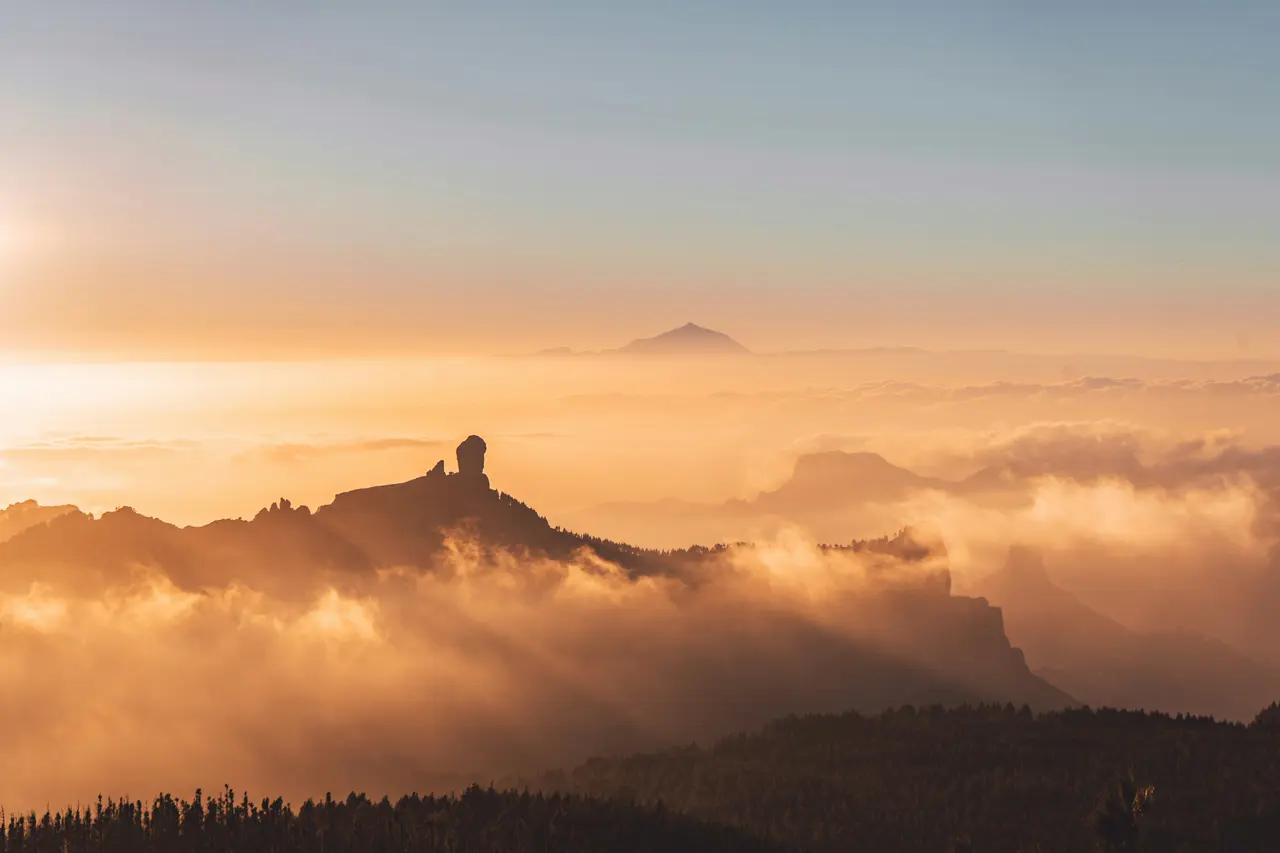
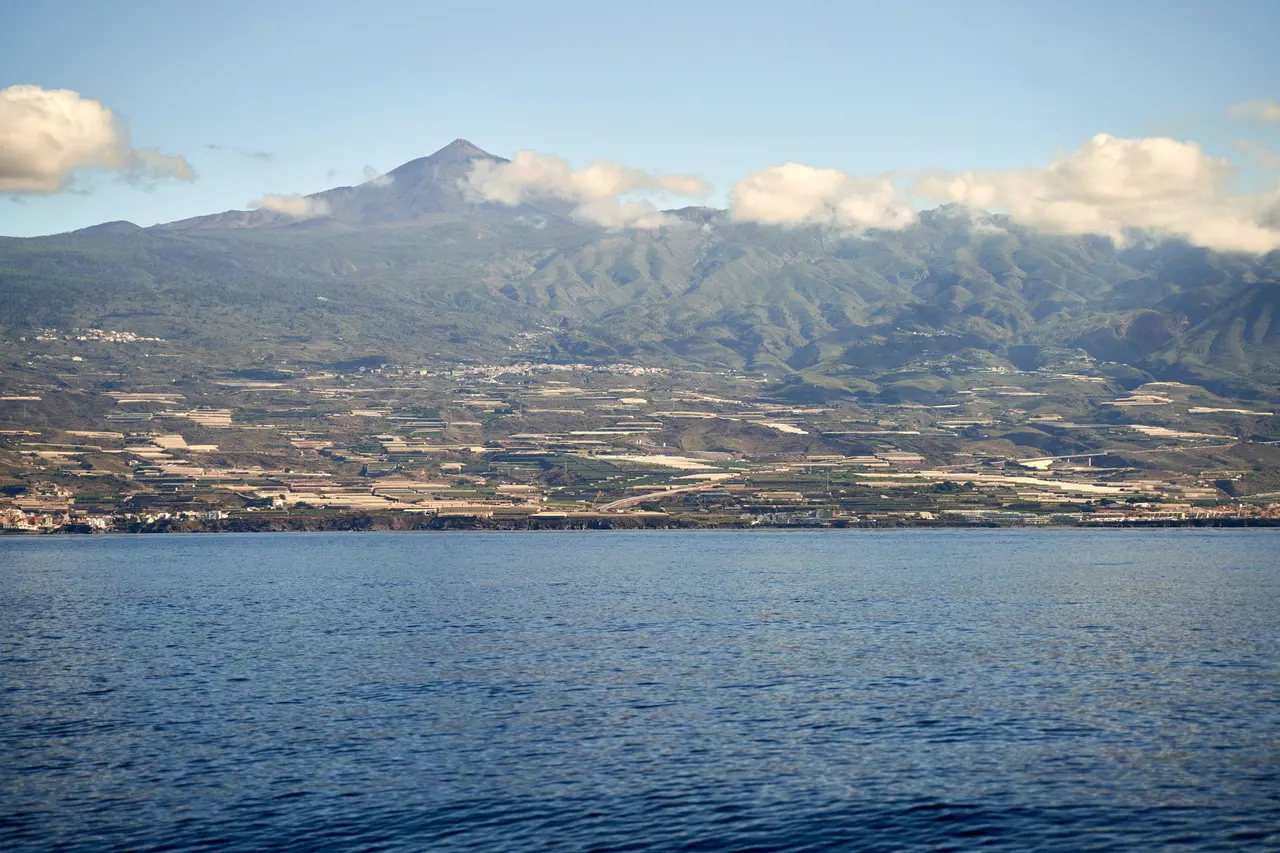
In Tenerife, give the Teide area and the north separate days. Explore part of Las Cañadas and look at how the colours and textures change near the Roques de García. Down towards the coast you can pair La Laguna with Anaga in good weather, or continue to Santa Cruz for a second urban walk. For smaller streets leading down to rock pools and a view of a harbour, spend another morning around Garachico.
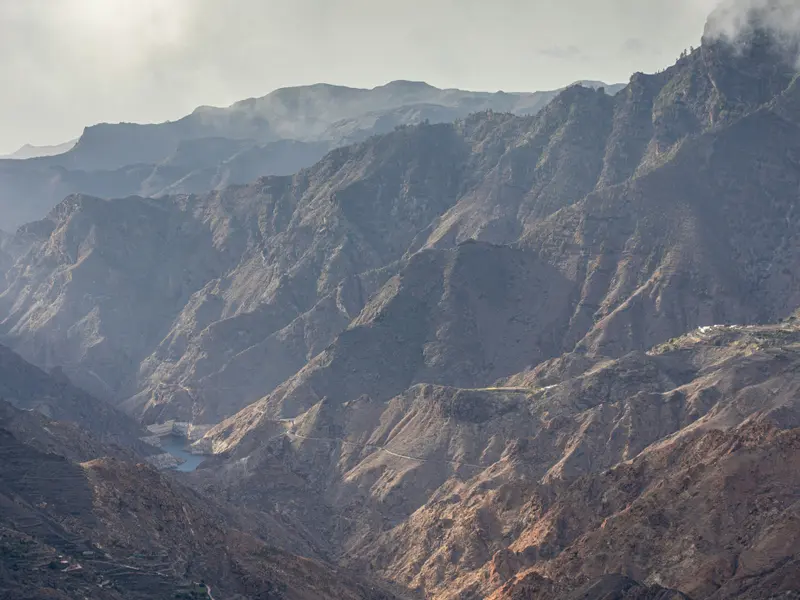
In Gran Canaria, use part of a day in Vegueta followed by a walk at Las Canteras. If you stay in the south, the coast around Maspalomas is easier to make part of your daily routine. Give Tejeda and the central mountains a full day if you want to stop, walk and eat on the way. Roadside views help explain the relief, especially when the cloud lifts in gaps along the ascent.
Lanzarote, La Graciosa and Fuerteventura
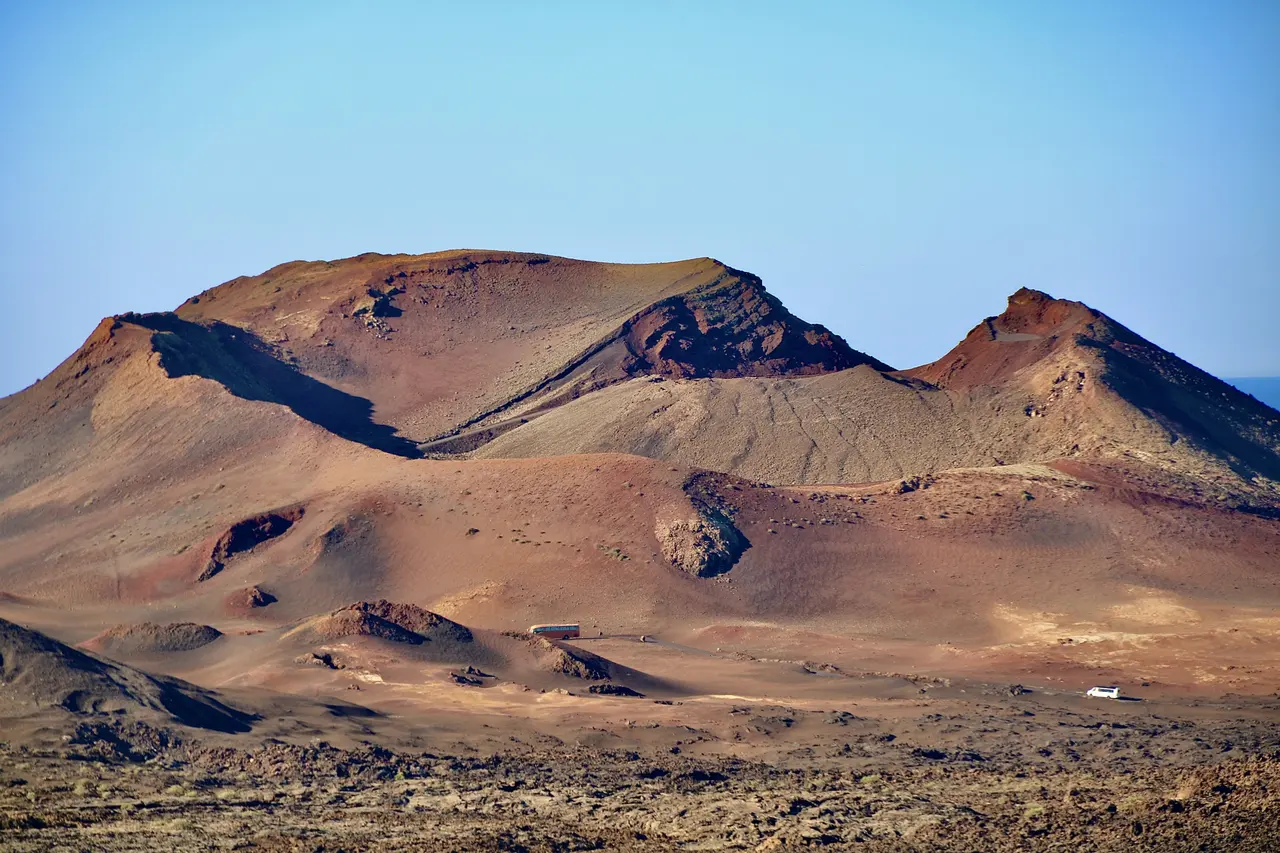
On Lanzarote, begin with Timanfaya or the volcanic landscape around it. The growers’ hollows and stone screens in La Geria show how vineyards fit into a surface covered in volcanic material. Jameos del Agua and the Mirador del Río, farther north, demonstrate two ways César Manrique worked with the shape of the island. Two days for west and north allow for villages, a meal and time outside the car.
La Graciosa works as a day trip from Lanzarote with a well-planned return. Take time to walk around Caleta de Sebo, then decide how much farther you want to go with the wind and sun on the open shore. The day starts at the dock in Órzola, so include the journey there from wherever you are staying and the wait for the return boat.
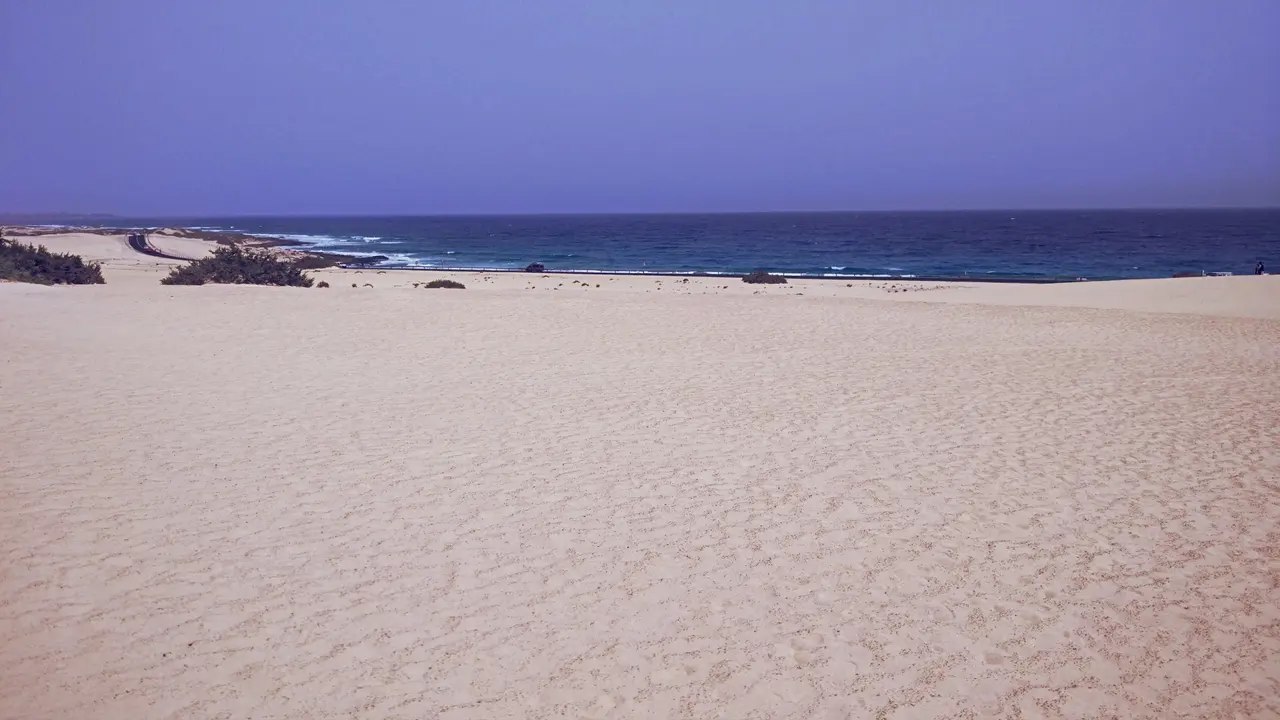
On Fuerteventura, base yourself near Corralejo for dunes and harbour walks or head to the south for the long coastal stretches near Jandía. Betancuria offers a different line through the island, with rounded hills and a compact old centre. Cofete sits on the far side of the mountains from Morro Jable. Treat it as its own outing and check access and sea conditions before you set out.
La Palma, La Gomera and El Hierro
In La Palma, an old-town walk in Santa Cruz de La Palma takes you past balconies on Avenida Marítima and up into the streets behind the waterfront. Set aside time for the Caldera de Taburiente and decide whether you want to look into it from the rim or walk down into its ravines. The high road towards Roque de los Muchachos is another day out, with a different viewpoint on the caldera and the coast.
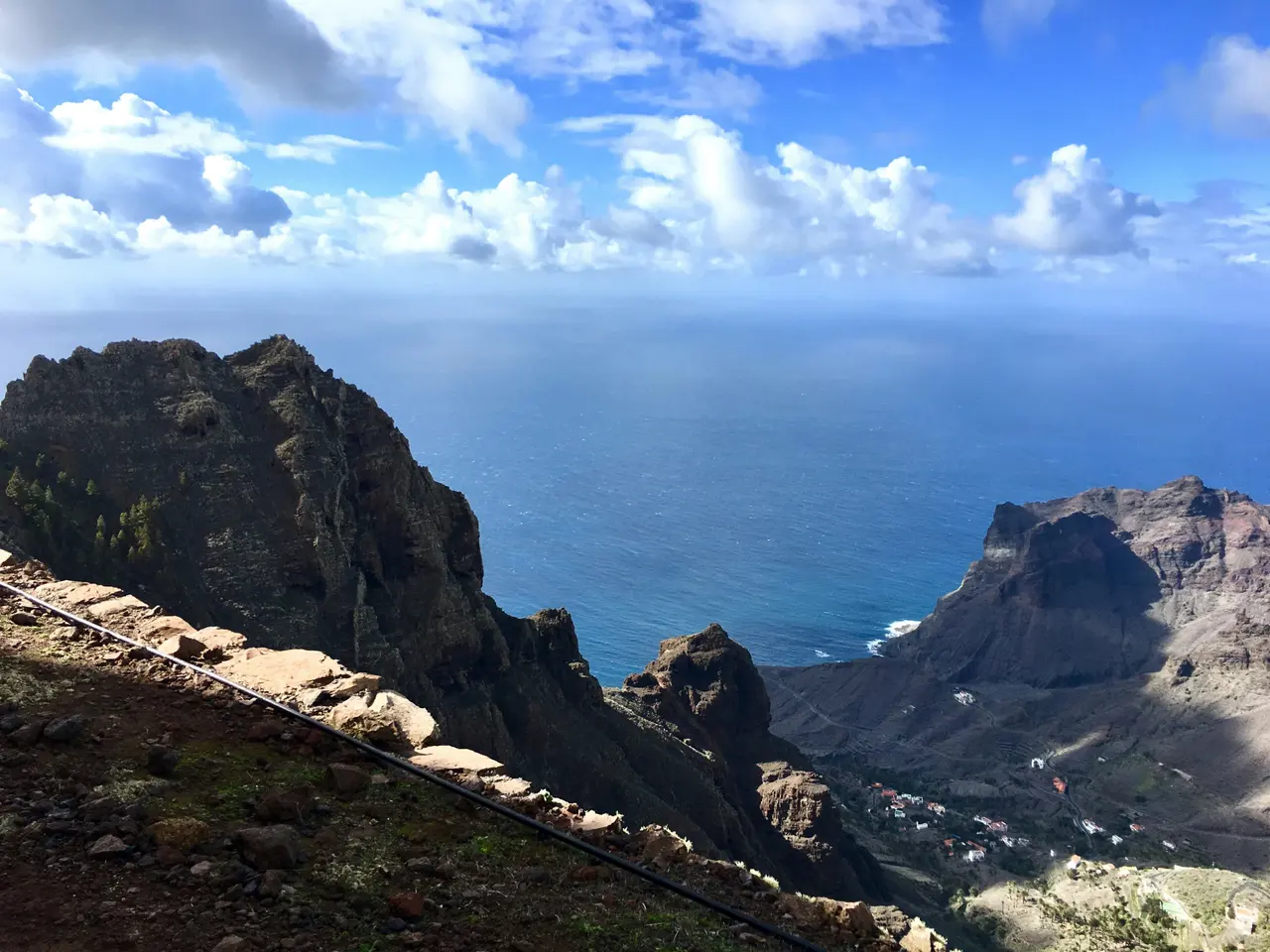
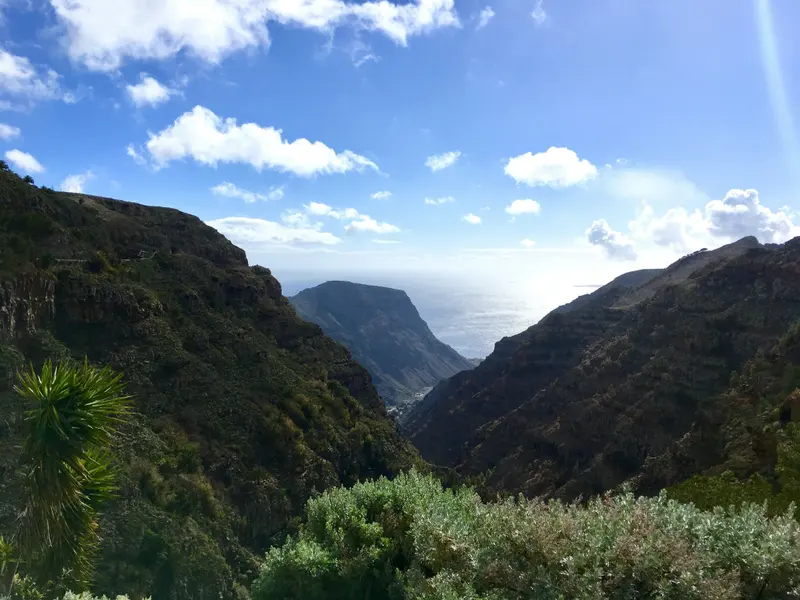
In La Gomera, travel from San Sebastián towards the forest in the centre of the island, or spend a day below the ridges in valleys that open towards the sea. Pick one circuit in Garajonay that suits the weather. Valle Gran Rey shows another aspect of the same terrain. Walls supporting agricultural terraces climb the slopes above a coastal settlement where you can finish on foot.
In El Hierro, start above El Golfo, then go down to explore a stretch of its shoreline. La Peña is a useful viewpoint from which to trace the shape of the valley. La Restinga, in the south, suits a day centred on the sea. If you have several days, include time on the plateau and around La Dehesa so you can see how noticeably the wind and vegetation change.
Monuments and heritage
San Cristóbal de La Laguna, on Tenerife, is a UNESCO World Heritage Site. Walk between its squares and look into courtyards where you have permission. This gives a sense of how buildings and blocks were laid out inland. In Santa Cruz de La Palma, compare the facades on the waterfront with those on the streets behind. The proximity of the port and the use of wooden balconies give a different perspective on Atlantic town life.
In Vegueta, the square of Santa Ana, cathedral and Casa de Colón are close enough to see on a single walk. To understand an earlier period in Gran Canaria, consider an interpretation centre for the UNESCO cultural landscape of Risco Caído and the Sacred Mountains. It helps put cave dwellings and mountain sites in the context of Indigenous communities and their uses of the island’s terrain.
In Lanzarote, walk through the low-rise historic centre of Teguise before visiting the buildings associated with Manrique. The contrast shows how local architecture has responded to the land in different periods. In Betancuria, compare the scale of the houses and church with the slopes around them. In San Sebastián de La Gomera, a walk into the old town gives the harbour and ferry terminal a wider context.
Museums and culture
In Las Palmas de Gran Canaria, the Casa de Colón and El Museo Canario address different chapters of island history. In Santa Cruz de Tenerife, the Museo de Naturaleza y Arqueología complements an outing in volcanic country by setting out how the islands formed and how they were inhabited. With one city morning, choose one collection and leave enough time to see the streets around it.
At the Fundación César Manrique in Tahíche, rooms cut into volcanic terrain make it possible to examine how the artist adapted a house to its setting. The Jameos del Agua and Mirador del Río extend the idea on a different scale. For another kind of urban space in Lanzarote, walk around Arrecife’s Charco de San Ginés afterwards and see how the streets meet the water.
Charming villages
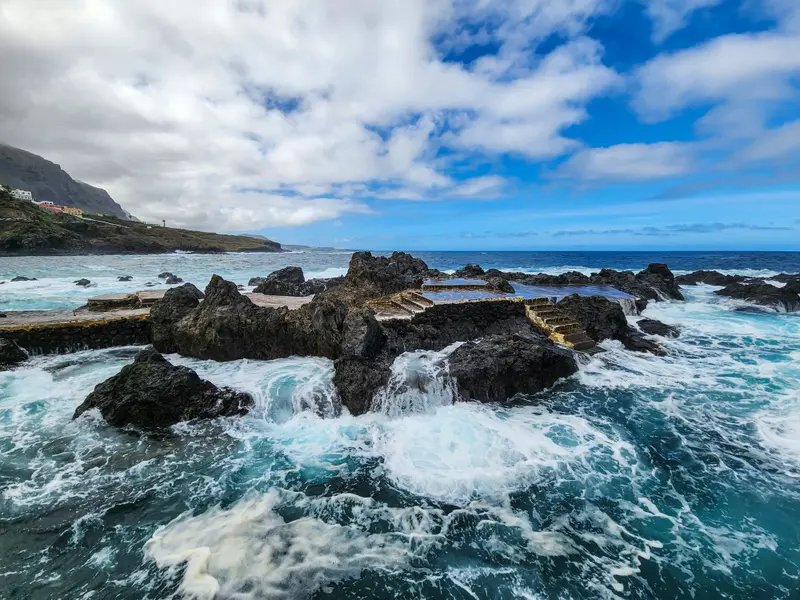
In Garachico, follow the streets as far as the edge of the lava and look down at El Caletón from the promenade. Whether the pools make sense for a swim depends on the day’s conditions. In Gran Canaria, Agaete makes it easy to combine a village walk with time at a nearby harbour. Teror works well if you want to stay around a square, explore side streets and look for examples of wooden balconies.
In Haría, on Lanzarote, palms and slopes form a counterpoint to the lava fields. Link the village with one worthwhile northern stop and leave time to walk around. Betancuria fits into an inland day on Fuerteventura with a viewpoint stop. The central streets and the surrounding hills are better appreciated with time to get out of the car and spend a little while in one place.
In La Gomera, Agulo sits above the coast. Its streets give you a sense of the steep ground before you see the view from farther uphill. In north-eastern La Palma, San Andrés offers an introduction to the coast away from the airport and capital. In El Hierro, Valverde has a noticeably different feel from the shoreline. Set aside time for a walk and a meal instead of squeezing another drive in between them.
Nature and protected areas
What to expect at the four national parks
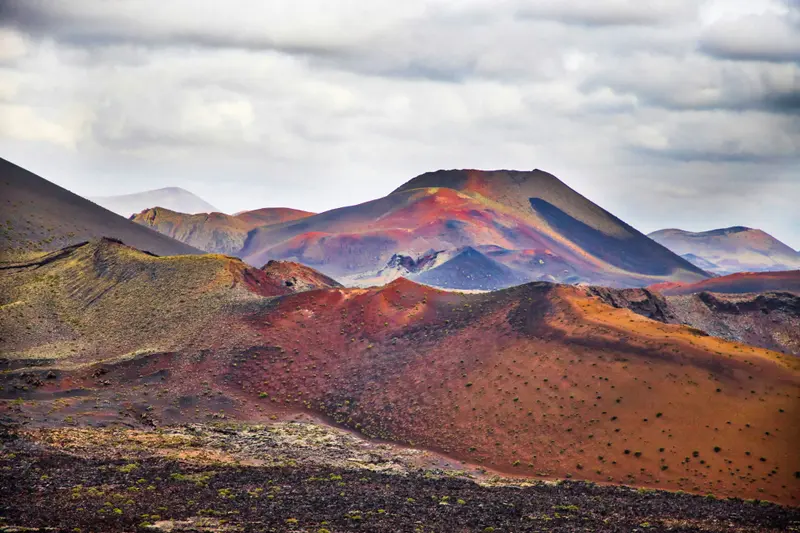
Teide, Timanfaya, Garajonay and Caldera de Taburiente protect four distinct environments. At Teide you can see volcanic formations from the Las Cañadas floor. The summit is a separate undertaking. The park’s official information checked in 2026 identifies trails that require authorisation. Check the specific route and access alerts before travelling. If you want transport and interpretation together, compare guided trips to Teide.
Check the permitted ways to visit Timanfaya and the starting point for each one. An organised route through the main visitor area and a permitted walk nearby help you see the lava on different scales. In Garajonay, look at path surface, climb and length before picking a walk. A short route inside the laurel forest can be a good choice when the view from exposed ground is hidden by fog.
At the Caldera de Taburiente there is a difference between viewing the depression from above and walking through its ravines. Start with a visitor centre or a marked viewpoint if you want to learn about the terrain before committing to a longer day. If you will enter the ravines, check the conditions and the transport needed on the way back. Rain in the mountains can matter when the coastal road is dry.
Consider an additional protected area if you have time. Anaga combines humid forest with settlements reached by slow roads to the coast. The Corralejo dunes and Jandía work as separate days at opposite ends of Fuerteventura. In El Hierro, a walk around La Dehesa shows the effect of prevailing winds on the junipers. Use the designated paths, particularly where loose rock or fragile soils lie beside them.
Beaches in the Canary Islands
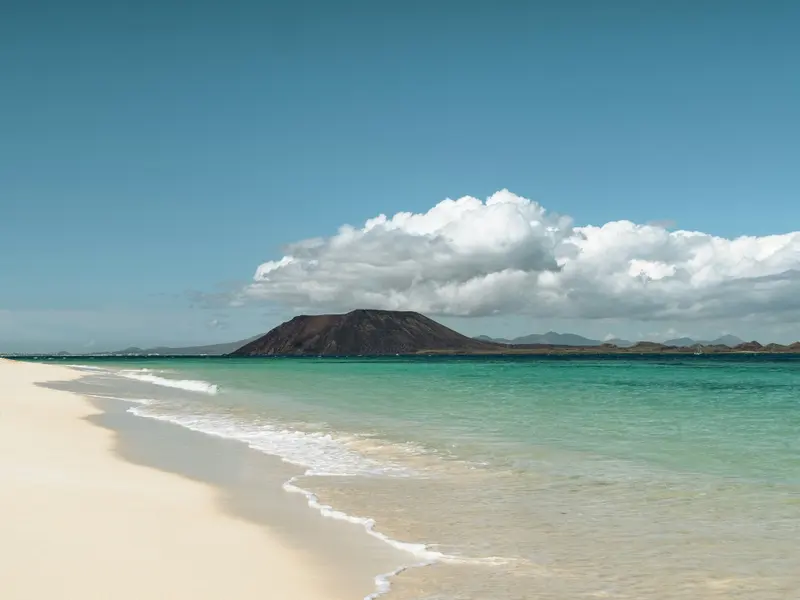
Choose Las Canteras if you want an urban beach with a promenade and somewhere to eat on foot. Las Teresitas can be a separate outing near Santa Cruz de Tenerife. Maspalomas has a faro, or lighthouse, and a protected dune system with designated paths. Around Fuerteventura, compare the wind and tide at the exact beach you intend to visit. The dunes near Corralejo, Sotavento and the beach by Morro Jable give quite different days.
On Lanzarote, Papagayo lends itself to a day visiting coves and Famara to a long walk beneath high cliffs. On La Graciosa you can see Lanzarote from a short walk near Caleta de Sebo. For a beach further from the harbour, calculate how long you will spend walking back in the afternoon sun. For swimming, choose a guarded beach and follow the flags and guidance on the day.
La Palma has beaches of black volcanic sand and swimming areas edged by dark rock. The sand can become very hot. Valle Gran Rey in La Gomera is a useful choice if you want a beach and a walk without another drive. On El Hierro, approach rock pools in calm conditions and read signs from land before descending. A pool with a wall or ladder can still be affected by swell from the ocean.
Festivals and traditions
The Cabalgata Anunciadora opened the street celebrations of Santa Cruz de Tenerife’s carnival in 2026. Look up the programmes in Santa Cruz and Las Palmas de Gran Canaria for the year you are travelling. For a parade, trace the actual route and decide how you will get back. Staying near the event makes walking home easier. A room on the route can also be noisy if some of your group want to turn in early. Allow more time for transfers if a major event coincides with your arrival.
The Bajada de la Virgen de los Reyes on El Hierro takes a route through the island’s interior and sheds light on the paths linking its communities. The Bajada de la Virgen de las Nieves on La Palma is associated with the Danza de los Enanos. Use the official programme for the edition you plan to attend and check access for the particular event you have in mind.
Silbo gomero, La Gomera’s whistled language, makes sense when you have seen the depth of the ravines and the separation between houses on either side. Ask a visitor centre or tourist office about opportunities to hear and learn about it locally. It brings a different kind of history to a day that might otherwise revolve around the forest or a set of viewpoints.
What to eat
Order papas arrugadas with mojo to share, then ask how gofio is used in dishes on the menu. It can be mixed with stock for an escaldón or used in sweet and savoury recipes. In a harbour, ask what fish is available that day and how it is prepared. Sharing a few plates gives you more scope to try unfamiliar foods and leaves room for a later meal.
Look for queso majorero on Fuerteventura and cheeses from the uplands on Gran Canaria. On La Gomera, almogrote is a spread made with mature cheese. Palm syrup is another local ingredient you may see. Almond sweets are a good place to start on La Palma, while quesadillas on El Hierro are cheese cakes that make a useful snack stop when heading inland.
The vineyards of La Geria show how growers use a volcanic surface and build shelter around vines. Spend time looking at the arrangement of the hollows before tasting wines from Lanzarote. For a walk, pick up bread, cheese or fruit somewhere near your accommodation. It is much easier to enjoy an unhurried meal at the end of a route if everyone has carried enough food and water on the way.
Sport and outdoor activities
Choose walks by ground and gradient. A sunny lava trail can require more water and slower progress than it appears on a map. Wet laurel forest calls for footwear with grip. Save a route offline, note where you could turn back and check connections on a one-way walk. Keeping one shorter option in reserve lets you adapt a multi-day walking holiday when a higher route is windy or covered by cloud.
At Famara and along parts of Fuerteventura, wind and wave conditions shape days spent on the water. Ask a local school which beach suits your experience and the forecast. If one part of your group wants to dive near La Restinga, agree on a meeting place at the harbour for everyone else. Check with the operator on the day before building a long drive around a session.
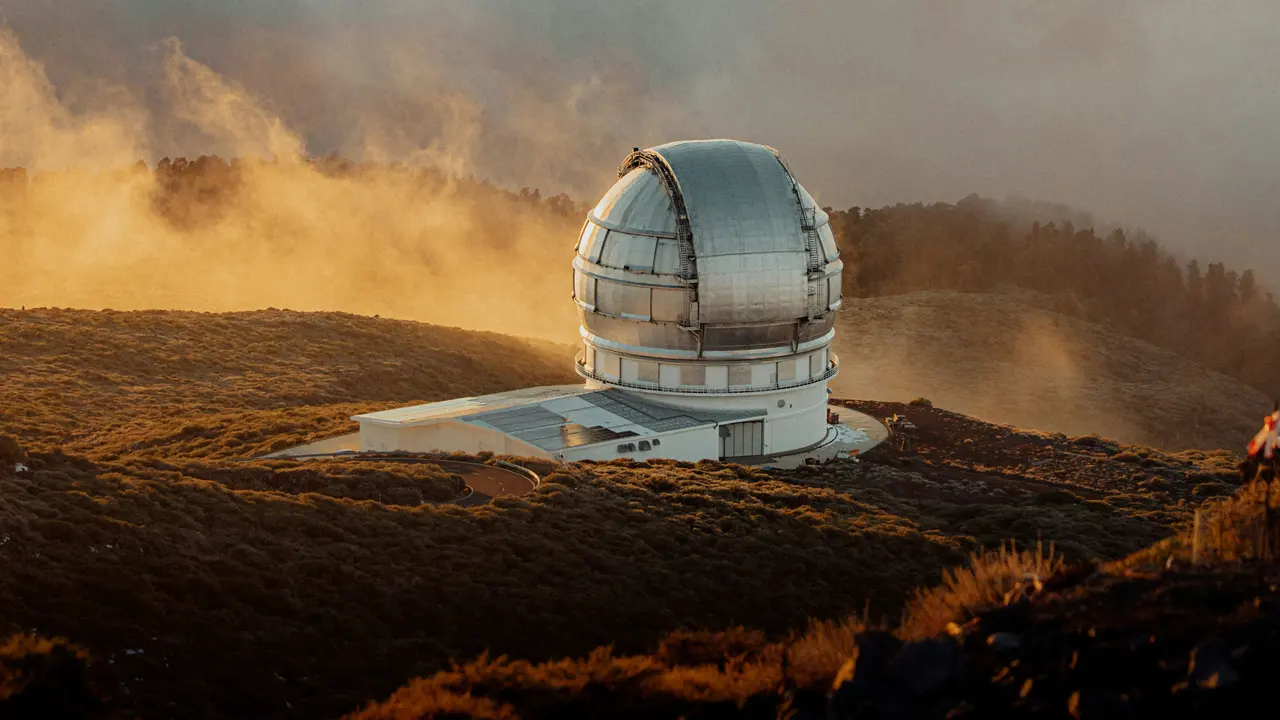
For stargazing, consider places officially accessible to visitors on La Palma and Tenerife. Remember that the trip back may be on an unfamiliar mountain road at night. Take warm clothes and check both access and cloud forecasts. If you plan to spend several days in the mountains, keep the evening flexible so it can move to the clearest night.
Routes and itineraries
Four days from a single base
In Tenerife, walk near your accommodation on arrival, spend one day in La Laguna and the north, one around Teide and one near your home beach or town. Swap the mountain and coast days if the forecast changes. In Gran Canaria, use one day for Vegueta and Las Canteras, another for the central mountains and another for the south. Choose your base according to which two days benefit from the easiest start.
A week across Lanzarote and Fuerteventura
Start in Lanzarote with a western day including La Geria, a northern day and another for the coast or La Graciosa. Cross to Corralejo and set aside one day for the dunes and another for the interior. If you are also staying in Jandía, work out the last airport transfer before deciding where to sleep on the final night. Avoid a return sailing that leaves little time for a separately booked flight.
Forests and ravines in a week
Pair Tenerife and La Gomera if you want to compare laurel forests and add a city day between walks. Give La Gomera at least one night and an undivided day. La Palma can fill the week on its own if you combine high viewpoints and forest walks with the capital and the north-eastern coast. With a free day, you can swap the order if a road or a trail is affected by weather.
Travelling with children
Start with a base that gives you a shop and a short walk out of the door. Plan outings as two manageable pieces: a village and a beach, or a visitor centre and a short stretch of trail. A place with shade and somewhere level to sit makes it easier to keep going after a long drive. Avoid stacking several stretches of winding mountain road into one day if you can spread them out.
To introduce a volcanic landscape, pair an explanation indoors with a short walk on the rocks. Take shoes that cover the toes and bring water from your accommodation. For beach time, think about access from transport, toilets and supervision as well as scenery. On a ferry, keep a warm layer and a snack accessible so you can change between the deck and the cabin as needed.
Where to stay in the Canary Islands
In Tenerife and Gran Canaria, an urban base helps with evenings on foot and public transport. Stay on the coast if you want to build every day around some beach time. Two bases can work for a week covering both coast and mountains, particularly if each area has several outings nearby. For a long weekend, it usually pays to spend the time you save on unpacking once on a walk or a good meal.
In Lanzarote and Fuerteventura, decide whether you want to live near one particular beach or make day trips in different directions from a central position. On La Gomera and La Palma, consider how many times you would repeat an uphill drive if you stayed in a port. In El Hierro, think about whether you will spend more time near the diving harbour or exploring the north and west. Check food options near the accommodation for the nights you return late.
See places to stay in the Canary Islands (opens in a new tab)Affiliate link: if you book through it, we may earn a commission at no extra cost to you.
Budget guide
Compare complete day costs as well as room and flight prices. Include luggage, transfers at both ends of a crossing and any parking you need near the hotel. A car for part of the holiday can make more sense for two people than booking several separate transfers. A solo visitor with an urban base can put some of that budget towards a good meal or an interpreted walk after several days using local buses.
Pick the paid visits that matter most, then keep the other days open. A ferry, a guided volcano trip and a visit to a monument meet different needs. A room in a walkable location can save both money and time across a week. If you are travelling between islands, price both possible arrival and departure airports, then compare what each arrangement leaves you time to do.
Practical tips and common mistakes
The Canary Islands use the same local time as the UK and are one hour behind mainland Spain. Keep the airport or port name alongside the time on your itinerary. If you plan a high viewpoint and an exposed beach within a day, look for two forecasts. Sunshine at your hotel gives you limited information about a cloud-covered mountain road or waves on the other side of the island.
Leave one movable day when your itinerary depends on park access, mountain visibility or sea conditions. Download directions and keep reservations at hand. Marked paths help you avoid damaging loose volcanic ground or walking through recovering dunes. At beaches, read the local signs on arrival and follow instructions from lifeguards even if the beach was calm on a previous day.
If you need to shorten an outing, keep the experience that depends on that particular landscape. You can often move a meal or a waterfront walk closer to where you are staying. Exploring the contrasts of one island at a manageable pace makes it easier to decide what kind of trip to take when you return.