Español
 English

Why visit Granada province
If you are deciding what to see in Granada province, start with how often you want to change scenery and unpack somewhere new. In this part of Andalusia, an Alhambra ticket can anchor a city break on foot or start a week that ends on a Mediterranean beach. Head east of the city and the ochre ridges of the Granada Geopark and the cave homes of Guadix add another landscape to the trip.
Think of the province in four parts when choosing where to stay. Granada city has the main monuments and works well without a car. The Alpujarra occupies the southern slopes of Sierra Nevada, where roads curl between villages built into steep hillsides. The Costa Tropical brings together seafront promenades, a castle overlooking the coast and orchards growing subtropical fruit. In the east, Guadix, Gorafe and the high plains make a trip of their own, especially if you want to see how the ground shaped the local buildings.
For a first visit, arrange the city around your Alhambra booking and give the best weather day to the outing that depends on it. If you are coming for architecture, one city base and a day trip may be enough. Move to the mountains or coast after the main monuments if you want to spend consecutive days walking or swimming.
When to go
April, May and early autumn suit a trip that mixes old towns and village walks. In spring, dry roads in the lower Alpujarra can lead to a much colder trailhead. In autumn, start earlier if you will need to drive out of a remote valley after the walk. Leave one day free to move between indoor and outdoor plans.
In summer, expect heat in the Granada plain and inland basins. AEMET’s 1981–2010 figures for Granada Airport show hot summers and little summer rain at that station. Walk up into the Albaicín early or later in the afternoon. If you are heading to Gorafe, see the viewpoints in the morning and take water from wherever you are staying. Shade is scarce on the bare ground between the gullies.
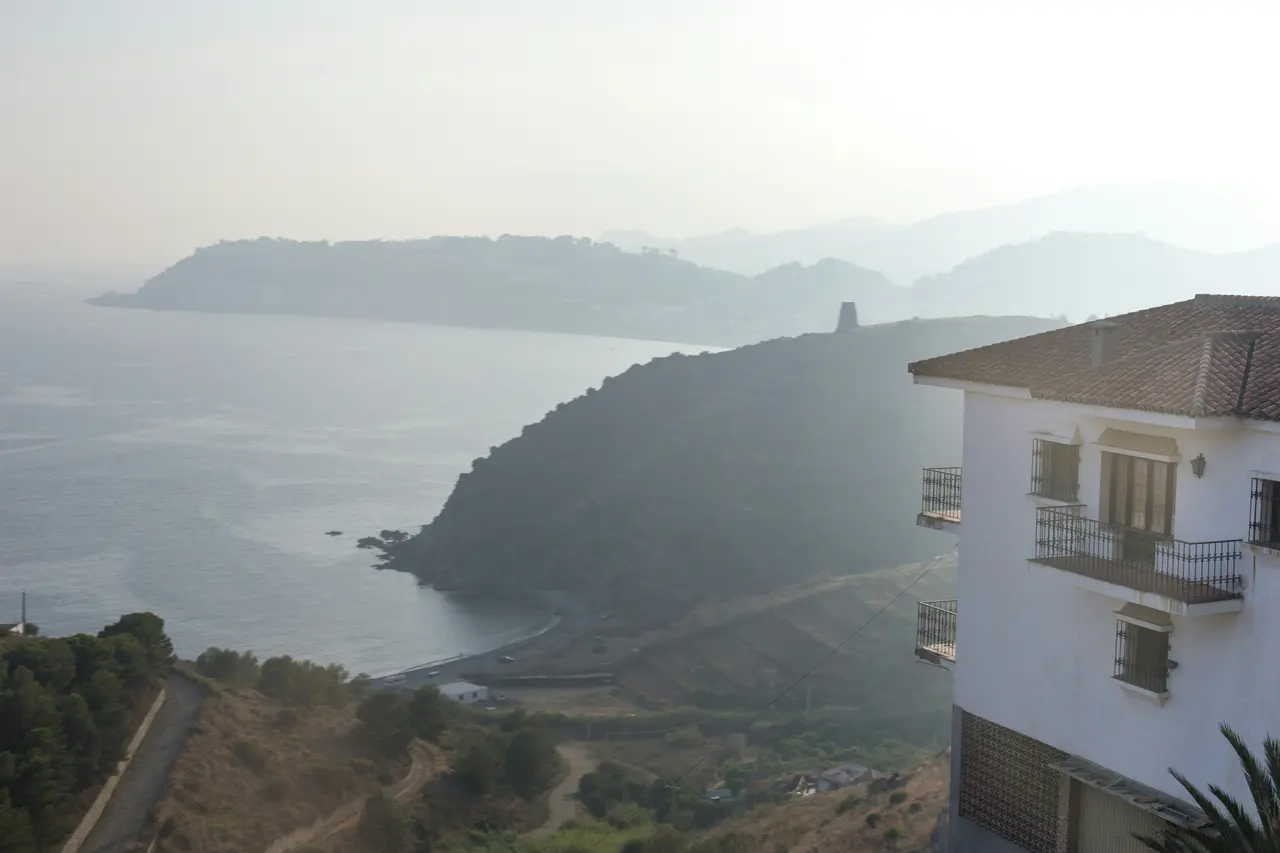
On the Costa Tropical, a seafront walk is an option through much of the year. Choose the warm season if most of your holiday will be spent at the beach. Check the wind, flags and lifeguard coverage before swimming. In winter, the coast and the city museums give you alternatives when snow, ice or wind make the high ground less appealing. For skiing, use the resort report and check road conditions before making the uphill drive.
Getting there and around
Flights, trains and roads
Federico García Lorca Granada-Jaén Airport (GRX) lies west of Granada in the plain. In 2026, Aena listed a bus to the city with stops at the coach station and on Gran Vía de Colón, and put the full journey at around 45 minutes. Look up the stop nearest your accommodation before travelling, particularly if you are landing late. When comparing fares from overseas, compare the whole transfer from the terminal to your first night’s stay.
Renfe listed services between Granada and the Madrid region in 2026. If you plan to fly into Madrid, check the precise station named on the train ticket. Leave time for the cross-city transfer and for collecting checked luggage if the bookings are separate. You can spend the city part of the trip on foot and pick up a car when you are ready to leave for the mountains or coast.
The A-44 links Granada with the Motril area. The A-7 follows the coastal corridor, while the A-92 takes you towards Guadix and onwards to Almería province. To get to the Poqueira gorge, leave the motorway for valley roads and a hillside climb. Set aside time for the last stretch and ask which entrance to the village leads to the parking your host recommends.
Exploring with and without a car
In Granada city, group visits by terrain. The cathedral, Royal Chapel and Corral del Carbón belong on a walk through the lower town. Give the climb into the Albaicín and Sacromonte a separate stretch of the day. For a coach outing, find the return first if you want to have lunch at the destination. On the coast, check whether the stop is in an old town, near the beach or in another part of the municipality.
If driving, save the precise pin for each trailhead, cave or viewpoint. A place name may take you to the centre of the nearest village, some way from the turn you need. Download a map before heading into the countryside. When arriving in an old town with luggage, ask where vehicles can reach and locate the pedestrian approach so you can take the right street with your bags.
What to see in Granada province
What to see in Granada province on a first trip
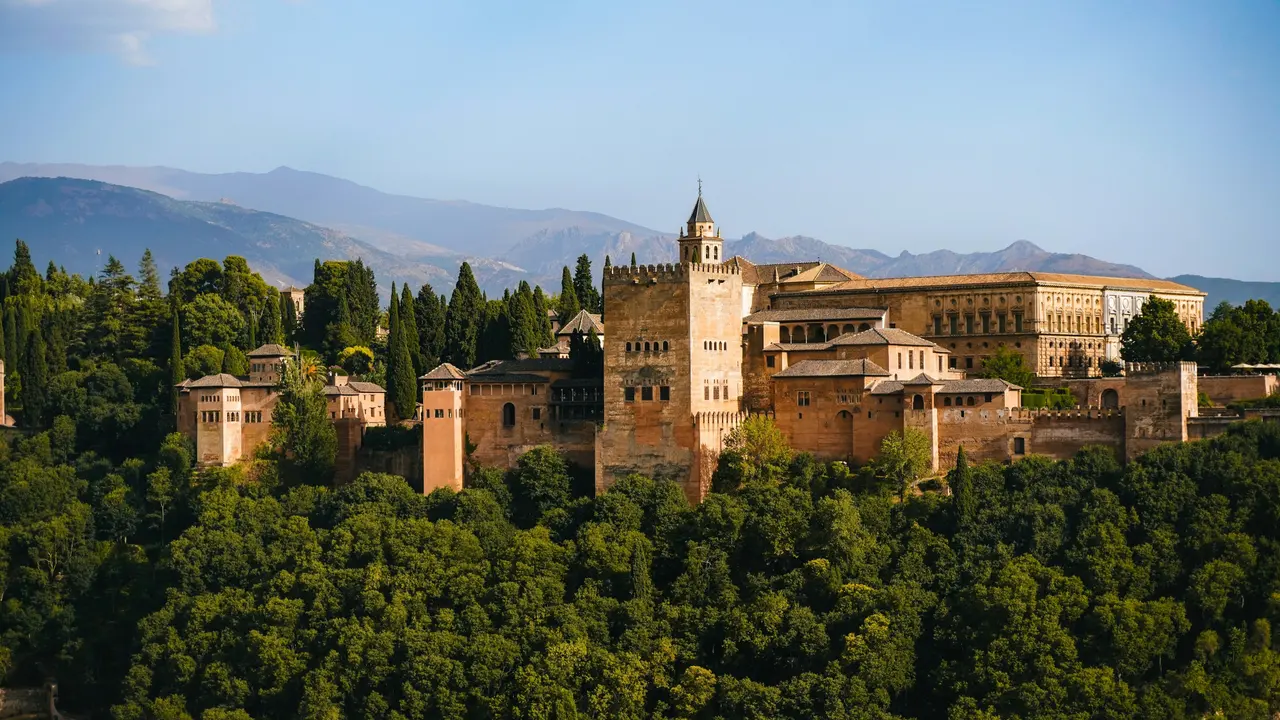
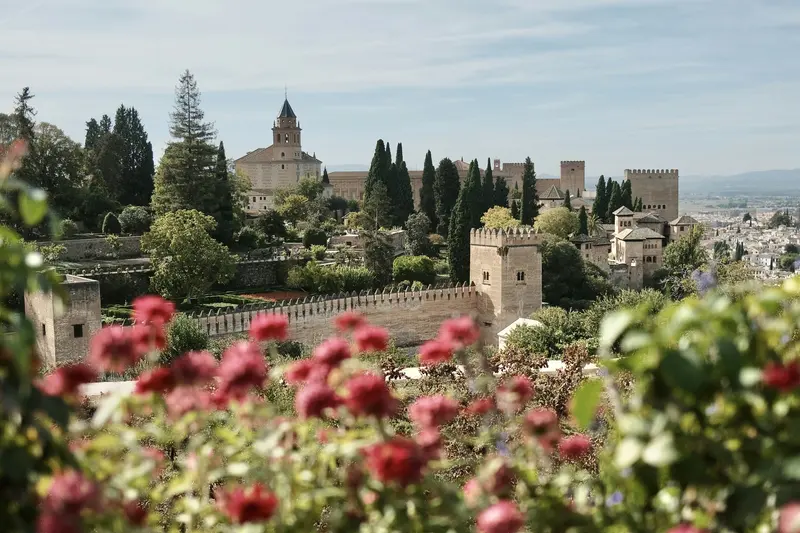
The Alhambra and Generalife. Set aside half a day for the buildings and gardens. The Alhambra Trust’s general ticket checked in 2026 covered the Nasrid Palaces, Partal, Alcazaba and Generalife, subject to visitor notices. Start with the time on your palace ticket, then work out where the other stops fit. Allow for the walk between gates and buildings. If you prefer a guided Alhambra visit, check which parts of the site the tour includes.
The Albaicín and Darro. From Plaza Nueva, follow the Carrera del Darro to Paseo de los Tristes. The height of the fortress is easier to appreciate from down beside the river. Take the walk up towards the San Nicolás viewpoint at your own pace. Look for gardens over the walls along the way. Continue into Sacromonte if your group still has time and energy, and save the cathedral for another morning.
Guadix. Begin by the cathedral or head straight for the Barrio de las Cuevas. In the upper part of town, chimneys stick out of the hills and doors open directly into the slopes. Seeing a cave home open to visitors makes it easier to picture the rooms behind those small frontages. People live here, so stick to public paths and ask permission before entering or photographing a private interior.
The Costa Tropical. Pair Salobreña castle with a coastal walk or give Almu??car and La Herradura a day together. If you want time both in the water and in an old town, do the visit on the hill first and leave the afternoon available for the beach. On a beach holiday, check the route from your room to the water and choose the promenade you will enjoy using every day.
Monuments and heritage
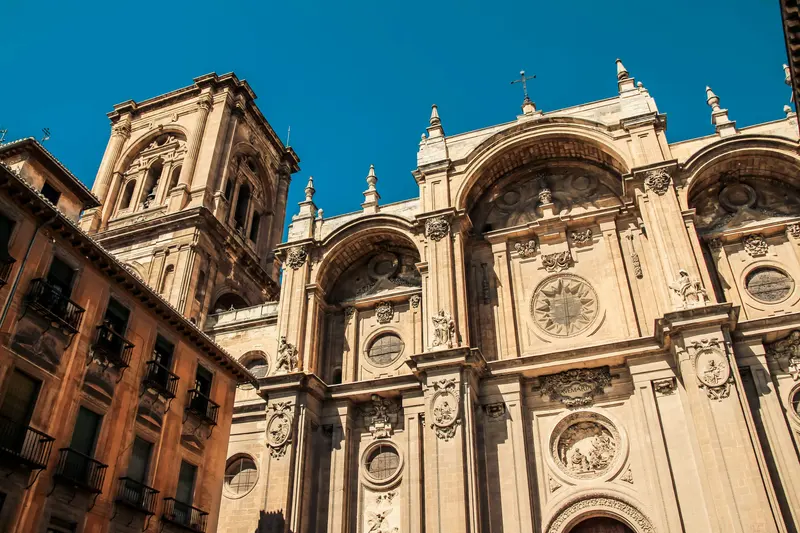
The Alhambra, Generalife and Albaicín are together on the UNESCO World Heritage List. Give yourself time to read the site from different angles. The towers of the Alcazaba belong to a defensive complex. In the Nasrid Palaces, rooms open around courtyards, and in the Generalife you can see how water was used across a garden. From the Albaicín across the river, the relationship between the fortress and the city makes more sense.
For Renaissance Granada, start with the cathedral and the adjoining Royal Chapel, where the Catholic Monarchs are buried. The Corral del Carbón is a short walk away. It was once a merchants’ building, with rooms and galleries set around a central courtyard. From the entrance, you can see how the whole structure was arranged around that shared space.
In the Marquesado del Cenete, the castle of La Calahorra stands above the plain. Stop there on an outing from Guadix to see why the hill matters and how it sits in relation to Sierra Nevada. Check access arrangements if you are going for its Renaissance courtyard. For a much earlier kind of monument, visit the Gorafe dolmens. Choose a group reached by a signposted approach and take time to look at where the tombs sit in the valley.
Museums and culture
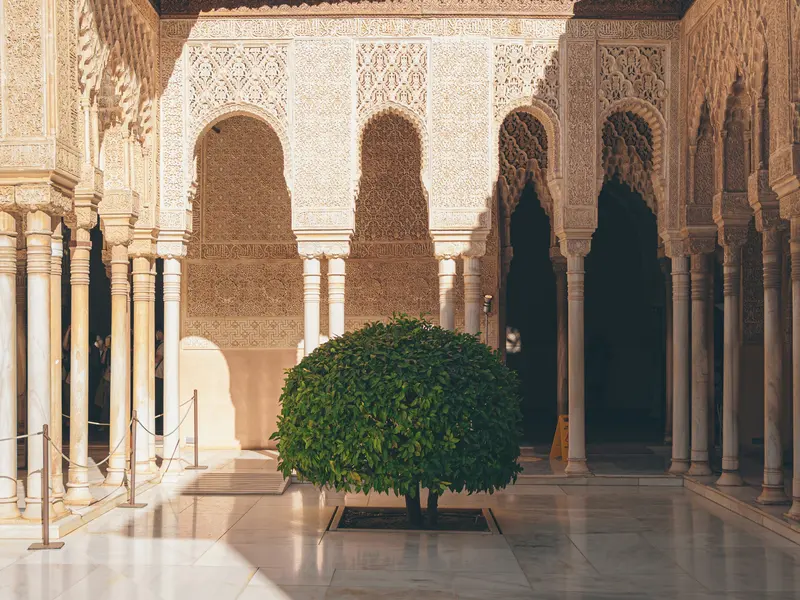
The Museum of the Alhambra, inside the Palace of Charles V, houses ceramics and other examples of art from al-Andalus. Look at the detail on the smaller pieces, then watch for the use of materials and decoration on a larger scale around the complex. Give the museum a slot apart from the time on your palace ticket so you can take it at a slower pace.
The Sacromonte Caves Museum looks at everyday life and trades associated with cave homes. In Guadix, the Barrio de las Cuevas offers a chance to compare the way excavated homes spread across several hills. For a different sort of day, Granada’s Science Park and its BioDomo make an outing away from the main monuments, with displays and environments to explore at your own pace.
Charming villages
Pampaneira, Bubión and Capileira
In Pampaneira, head for the square and look for lanes with water running along a channel. Walk beneath a tinao, a covered passage where a building extends over part of the street. Bubión descends the hillside from the road, so head towards the church and take a different lane back. The houses of Capileira, higher up the gorge, look onto the valley and give a clearer sense of the height of the mountains.
To fit all three into one day, choose one for lunch and a different one for a proper walk. If you want to link them on foot, look up the terrain and plan the return. Trevélez lies up a different valley, beyond the Poqueira gorge. Give it a separate half-day to see the different levels of the village and try the cured ham made in the area.
Montefrío and Alhama de Granada
In Montefrío, use the hill above the old town and the round Church of the Encarnación to get your bearings. See the town from a viewpoint first, then choose where to walk. In Alhama de Granada, the gorge sets the boundary of the old town. Start on the historic streets and look over from a designated viewpoint before deciding whether to go down towards the river. A longer stay in either town gives you a chance to see the terrain that helped determine where it was built.
Nature and protected areas
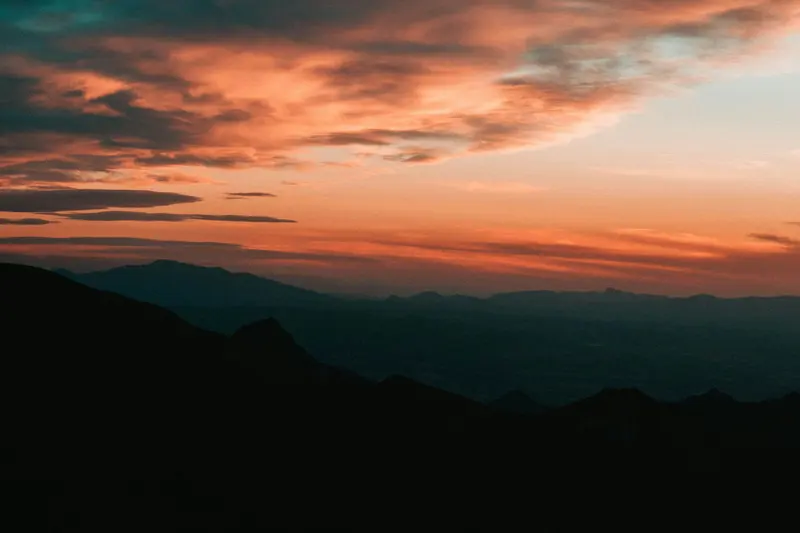
Sierra Nevada from north and south
In the Sierra Nevada National and Natural Park, the road towards Pradollano gains altitude quickly from Granada. The Alpujarra villages on the southern slopes give you access to walks past terraces and irrigation channels. Pick your approach according to the day you want: a short village walk, a longer outing in the middle elevations or a trip towards the high ground.
The Sulayr is divided into stages around the range. For a first walk, pick a stretch on the official route description that you can cover and return from on foot. Check exposure, water and the way back before you set off. Use the forecast for the altitude of the walk. Keep a shorter option in the valley if the wind picks up or cloud covers the ridges.
Badlands and viewpoints in the Granada Geopark
The Granada Geopark takes in the country around Guadix, Baza and the high plains. Near Beas de Guadix, the Fin del Mundo viewpoint looks out across erosion gullies and bare hills. At Gorafe, combine a view into the valley of the river Gor with the dolmens. The two stops give you different things to look for, from the way the ground has been carved out to the places people chose for their monuments.
After a storm, confirm the condition of the approach before turning onto an unpaved road. For a first trip, choose viewpoints with clear access descriptions from the Geopark. Allow time to stop and pick out the layers and the smaller ridges. Side lighting in the morning brings out features that can look like one slope from the road.
Beaches in Granada province
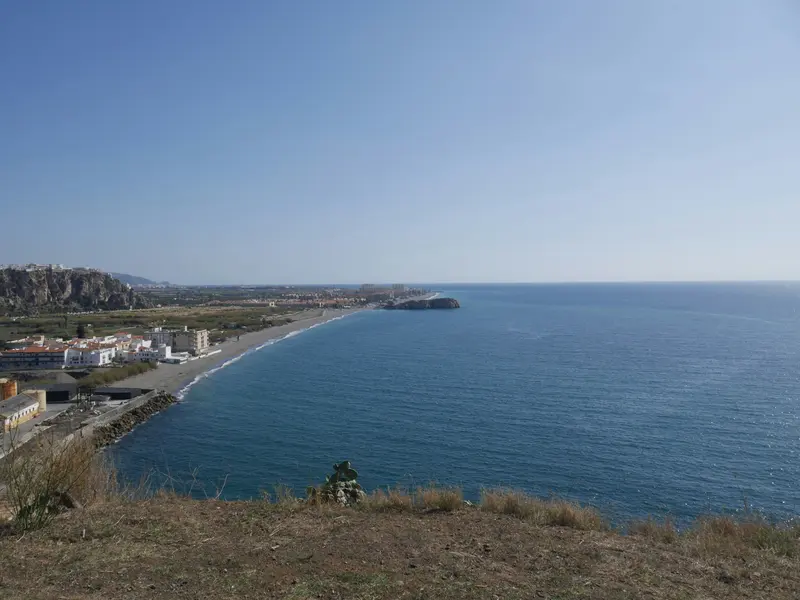
La Herradura fills a wide bay between headlands. Spend the morning by the water and have lunch near the promenade. In Almuñécar, San Cristóbal lets you go from the beach to a walk by the Peñón del Santo. If some of your party want to swim while others go sightseeing, agree on a meeting point along the promenade before you split up.
In Salobreña, La Guardia beach and the hilltop castle call for separate approaches. If you are carrying beach gear for a family, decide where to park for each rather than carrying it up through the old streets. Playa Granada, near Motril, is another option for a stretch of shoreline away from a historic centre.
Farther east, Calahonda works for a beach day with a village close by. Water shoes can be handy on the coarser surfaces. Check flags and how quickly the bottom slopes away at your chosen spot, especially with children. On a windy day, a shorter walk by the water and a visit in town can be a better use of your time than driving between exposed coves.
Festivals and traditions
Granada’s Corpus Christi celebrations take place both at the fairground, with its casetas or festival booths, and in the centre. In 2026, the Tarasca parade with its giants and big-headed figures took place on 3 June. The religious procession followed on 4 June. Check the council programme for the year you are travelling and allow for separate journeys to the fair and the city events.
Cascamorras is shared by two inland towns. In 2026, the main runs were on 6 September in Baza and 9 September in Guadix. The tradition enacts a dispute over the image of the Virgin of Piety. If you are there to watch, find a position clear of the runners. Between the paint, water and moving crowd, it is a very different experience from a procession watched from a pavement.
What to eat
Granada’s tapas bars let you try several dishes over a single outing. Ask what comes with a drink and what is ordered separately, as this varies. For a meal at a table, try remojón granadino, a salad combining orange and salt cod, or look for broad beans with ham. A ración is a larger plate to share. If you prefer an early dinner, check kitchen opening times before you go and consider making lunch the main meal on a village day.
In the Alpujarra, the plato alpujarreño brings together preparations such as soft fried potatoes, egg, sausage and ham. Try local cured ham in Trevélez and ask which cut is being served if you are buying some to take away. On a walking day, share plates or save the longer meal for afterwards. Having lunch in the village you want to explore keeps the afternoon free for the walk.
On the coast, look for the fish of the day, Motril prawns or grilled sardines, depending on the menu. At a market, ask about chirimoya, the custard apple grown on the coast under a protected designation. If you are buying for the rest of the trip, ask when the fruit will be ready to eat and choose one for the day you have in mind.
Sport and outdoor activities
Los Cahorros, skiing and valley walks
At Monachil, the Los Cahorros route enters a gorge with hanging bridges and low overhangs. Think about how your party will manage narrow sections, heights and wet ground before committing to the full walk. A stroll nearer the village gives you a gentler way to get to know the river. Check for problems along the path after heavy rain or high water.
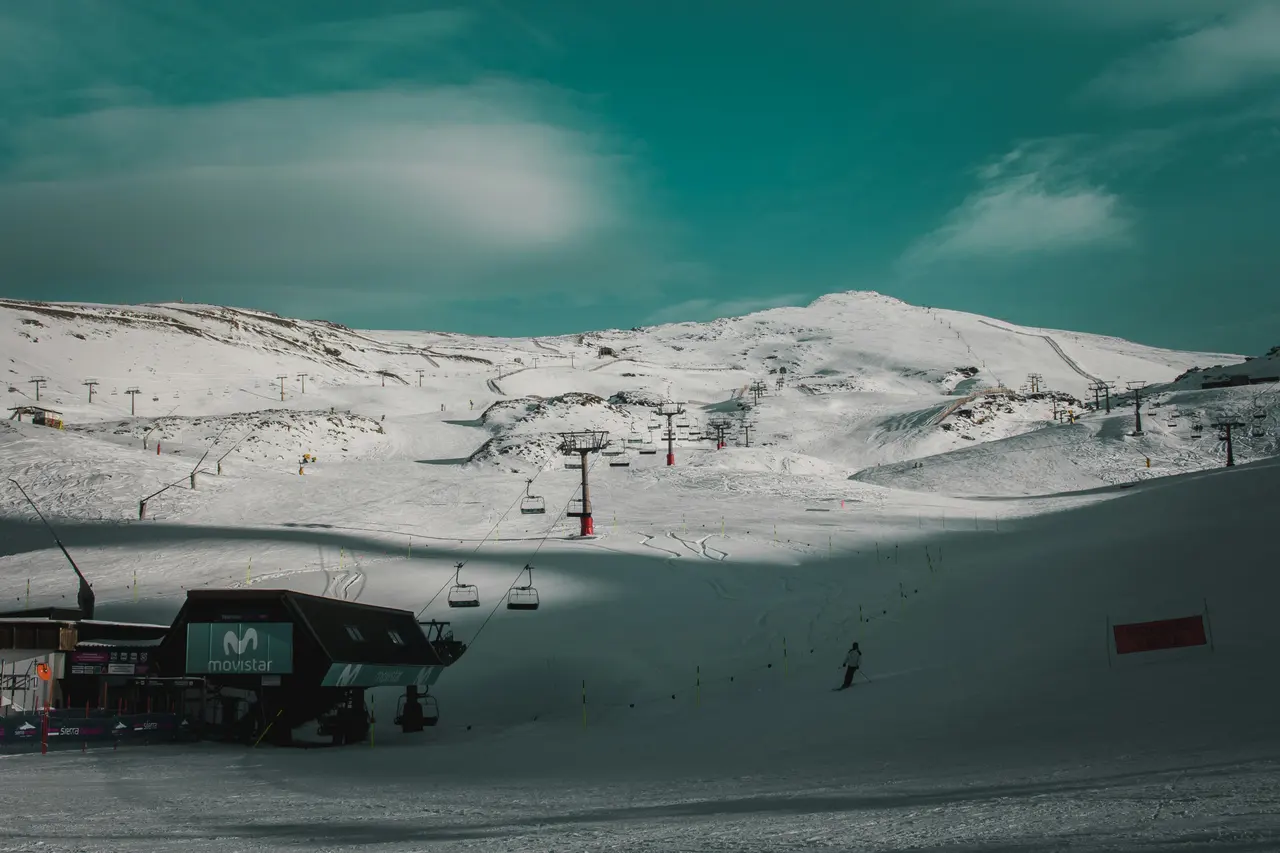
If you plan to ski in Sierra Nevada, decide where you want your morning to begin. Staying at Pradollano makes it easier to focus on the resort. From Granada, allow for the drive both ways. Check which runs are open, along with wind and road conditions, before hiring equipment or arranging the rest of your day. In the warmer months, gradient and sun exposure still make a big difference when choosing a walking route.
At La Herradura, diving or kayaking depends on sea conditions. Ask an operator where you will enter the water, what conditions are suitable for a beginner and how the plan changes if the wind turns. For a walk, choose a stretch of the coast that lets you get back to the beach or village without a complicated transfer.
Routes and itineraries
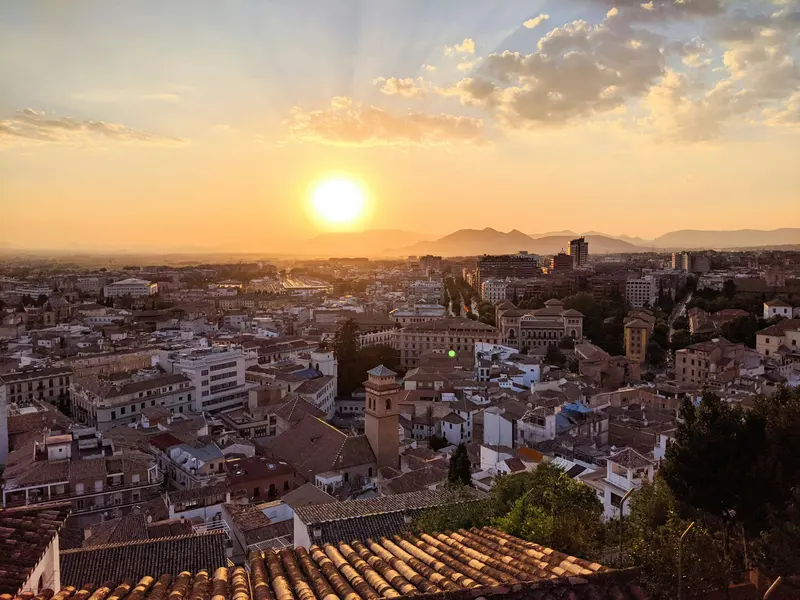
Three days based in Granada
Day one. Arrange the Alhambra around your ticket time and leave a short walk for later. Day two. Visit the cathedral, walk beside the Darro and climb to the Albaicín as the day cools. Day three. Pick Guadix for the architecture of the cave district, or Pampaneira and one other village if you would rather get into the mountains. Plan lunch and a walk in the same area to make better use of the outing.
Five days from the city to the mountains and coast
Spend the first two days in Granada. On day three, visit Pampaneira and Bubión, then sleep in the gorge if you want to see the valley in the morning. Walk around Capileira on day four before continuing to Salobreña. On the last day, combine the castle and the beach or take the morning in Almuñécar. If your priority is a longer break by the sea, book two nights on the coast and visit the Alpujarra on a day trip from Granada.
A week with Guadix and the Geopark
Keep two days for Granada and use the next two to explore east of the city. Give one day to Guadix and La Calahorra, the other to Gorafe. Then travel towards the southern slopes of Sierra Nevada and spend a day in the Alpujarra. Finish around Salobreña and La Herradura and plan your departure according to which end of the coast works best for the next leg. In warm weather, reserve the more exposed Geopark stops for the cooler part of the day.
Travelling with children
Use a change of pace to break up the monument days. The Science Park makes a good morning’s outing on its own. At the Alhambra, check the current instructions if you will have a pushchair, and allow enough time to find the Nasrid Palaces checkpoint. Water channels and reflections make good pauses for children walking around the site without adding another lengthy visit.
Choose a cave home open to the public and look together at where the daylight comes in, where the smoke went and how the rooms sit inside the hill. At the coast, being able to get back to where you are staying for a rest can matter more than fitting in a second beach. In the Geopark, one accessible viewpoint and a stop at the dolmens may be plenty for a family outing on dry ground.
Where to stay in Granada province
Granada city. The lower town puts several sights within walking distance and makes it easier to go back to your room during the day. If the views draw you into the Albaicín, check the approach with luggage and the route you will take at night. For an early train, weigh the transfer from the old town against staying near the station.
Alpujarra. Órgiva gives you access to several valleys. Pampaneira, Bubión and Capileira put the village walks right outside your door and let you see the gorge later in the day. Ask where you can leave your car and how steep the last part of the walk is. In winter, check the heating and look up conditions on the road you will take.
Costa Tropical and Guadix. Salobreña and Almuñécar both work for a trip with some beach time and a historic centre. Check whether the address is on the hill or by the sea. In Guadix, a cave stay is tied closely to the landscape and puts Gorafe and the Marquesado within reach. Ask about natural light, ventilation and access if any of those matter to your stay.
See places to stay in Granada province (opens in a new tab)Affiliate link: if you book through it, we may earn a commission at no extra cost to you.
Practical tips and common mistakes
- Allow time for the Nasrid Palaces. In 2026, the visit began at the time shown on the ticket and staff could ask for original ID. Work out which entrance you will use and keep the ticket until you leave.
- Use separate pins for separate stops. At Salobreña, the castle and beach have different approaches. In Guadix, plan for slopes between the cathedral, the cave district and the viewpoints.
- Check the weather for each setting. A forecast for the city helps with city plans. For Pradollano, a walk in the Alpujarra or a cove, look for a local forecast and keep an alternative nearby.
- Plan around one Alpujarra valley at a time. Allow for parking and the drive back to the main road. Saving the farthest village for another morning gives you more time to explore the first one on foot.