Español
 English

Why visit the Region of Murcia
The best things to do in the Region of Murcia sit in three different landscapes. In Murcia city you can walk from the cathedral to the River Segura and eat tapas made with produce from its irrigated farmland, the huerta. Cartagena has Roman ruins above a Mediterranean harbour. Beyond both cities, the north-west has hillside towns, paths along an old railway and the pilgrimage basilica at Caravaca de la Cruz. Pick two of these areas for a first trip and keep a day free for the coast.
The Costa Cálida is the name you will see for the region’s coastline. Its north-eastern shore wraps around the Mar Menor, a saltwater lagoon. On the other side of La Manga, the narrow strip that defines the lagoon, you face the open Mediterranean. Farther south-west, Mazarrón and Águilas have their own bays. Decide which shore you want to spend time on before you book. A hotel advertised as near the sea can be a long drive from the beach you have in mind.
When to go
Spring is a good time for old towns, walks and lunch outside. Fruit orchards around Cieza can start flowering in late winter or early spring. The display varies with the weather and from one plot to the next. Check with the local tourist office before choosing a weekend around the blossom, and use the routes it suggests. Farm tracks are working access for the orchards, and a turn that looks promising can lead straight into a private field.
In July and August, walk and visit exposed sites early, make lunch a proper break and save the waterfront for later. AEMET’s climate normals at Alcantarilla illustrate how hot summer gets around the capital. A mostly level greenway can feel demanding in direct sun. If your main reason for coming is the beach, choose somewhere you can walk to the water and keep the car for a few outings farther along the coast.
September and October work for a mix of towns, shore and walking. Keep an indoor option if storms or strong winds are in the forecast. A winter trip can focus on the museums and the towns inland, with a coastal stroll on a clear day. Pack a warm layer for the north-west and for higher parts of Sierra Espuña, especially if you are still walking late in the afternoon. Use the forecast for the trailhead as well as for the town where you are staying.
Getting there and around
Flights, trains and onward travel
Region of Murcia International Airport is at Corvera. Look for the code RMU when booking. In 2026 Aena listed bus services from the airport to the bus stations in Murcia and Cartagena. Check the last departure for your arrival day and look up how far your accommodation is from the station. For a late flight or a first night at the beach, get the airport transfer clear before you book a room.
Compare Alicante–Elche Airport if its flights suit your dates, especially when you are flying in from abroad. Factor in the onward travel to your actual base. The drive to the western coast is a different proposition from a stay in Murcia city. In 2026 Renfe listed trains to Murcia from Madrid, along with its Proximidad services between Murcia and Cartagena. When looking up the latter, use the date you intend to travel and check the evening return. The main station in Murcia is Murcia del Carmen.
Where a hire car helps
You can see the centre of Murcia and the main sights of Cartagena on foot. If the second half of the holiday is rural, collect a hire car when you leave the city. In La Manga check the kilometre marker and the nearest beach access as well as the town name. The road enters from the south and the strip is long enough for the position of your hotel to shape your day trips.
A car is useful for stringing together a few Ricote Valley villages or visiting Sierra Espuña and the north-west. Ask about parking when booking a room in an old hill town. On some visits, such as Aledo, arriving on foot from the edge of the village is an easier start than trying to drive into the narrowest streets. If you are using public transport, plan around one main outing each day, with the return leg checked in advance.
What to see in the Region of Murcia
Murcia city, from the cathedral to the river
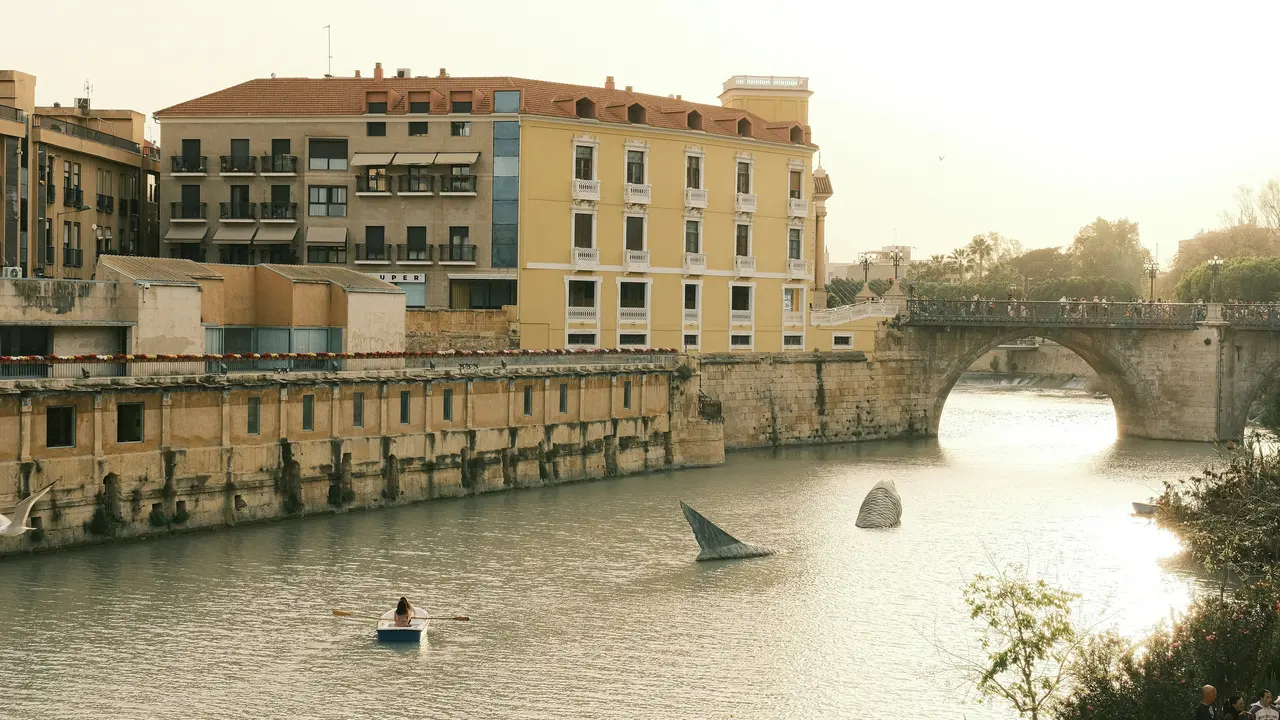
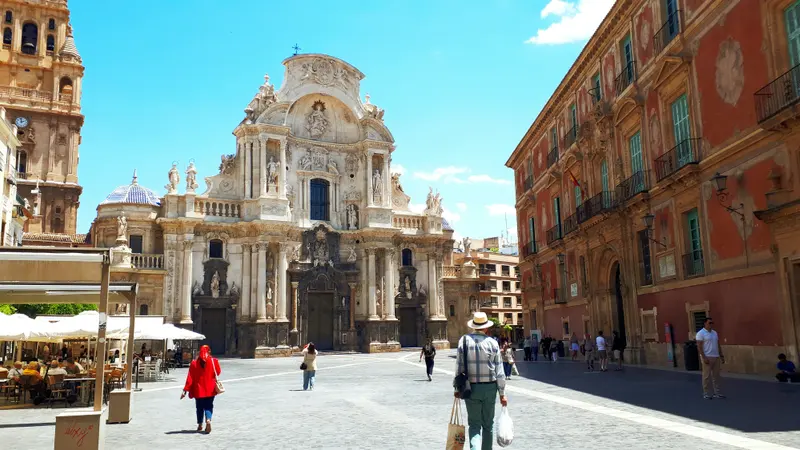
Start at Plaza del Cardenal Belluga, where the cathedral façade shares the square with the Episcopal Palace. Head towards Plaza de las Flores and the Mercado de Verónicas. Allow time to look around the market area if you want to buy food for the day or sit down for tapas. At the river, cross the old Puente de los Peligros to get a view of the city from the Carmen side.
For another stretch on foot, Calle Trapería runs between the cathedral area and Santo Domingo. The Real Casino and the Santa Clara Museum reveal two different periods in the city’s history. You can reverse the walk and finish in Belluga by the time the terraces fill up. If you have another afternoon, the area around the Fuensanta sanctuary gives you a view back towards the plain and makes sense as a separate outing from the centre.
Cartagena, from the Roman theatre to the waterfront
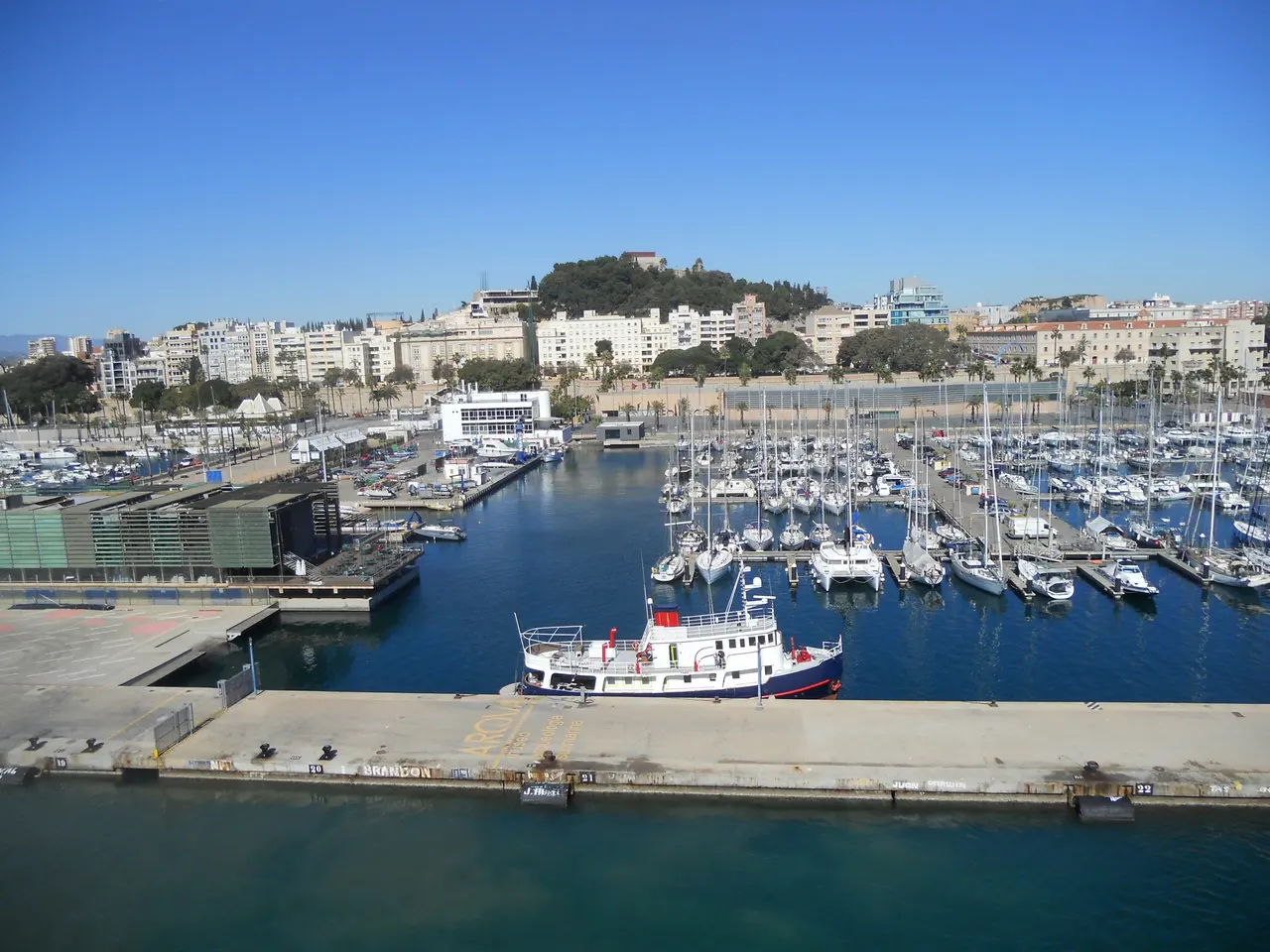
Begin at the Roman Theatre Museum. The route through the displays leads out to the theatre, so you get the context before seeing the curve of the seating. At the Roman Forum Museum on the Molinete hill, the baths and places of worship give an idea of another side of life in the old city. There are places for a meal between the two sites. With a walk along the harbour afterwards, that is a full day at a comfortable pace.
If you have half a day, choose the theatre and walk to the waterfront by the Palacio Consistorial. With more time, the Castillo de la Concepción gives you a higher view of the bay, while the underwater archaeology museum is an indoor option at the port. If you would like someone to explain the site as you walk, you can look for guided visits in Cartagena.
Lorca and Caravaca de la Cruz
Lorca’s castle overlooks a route through the Guadalentín valley. From the fortress you can see why its position mattered. Down in the city, Plaza de España, the former collegiate church of San Patricio and the embroidery museums offer a different kind of visit. Put aside part of the day for the castle and part for the old town. Lorca makes a practical one-day introduction to the inland region.
In Caravaca de la Cruz, walk from the old centre up to the Basilica of the Vera Cruz. There are inclines and uneven surfaces around the upper streets, so allow time for the climb. The springs and trees at Fuentes del Marqués make a second stop for a walk after lunch. If you are also visiting Cehegín that day, keep the walk short or give the springs their own morning.
Monuments and heritage
The cathedral, the palace and Lorca Castle
Murcia Cathedral rewards a look from the square and another from inside. The Baroque façade and the Vélez Chapel give a sense of the different periods that shaped the building. At the Santa Clara Museum, the remains of an Islamic palace tell an older story. The courtyard and pool give you a point of reference for the rooms around them. Both visits fit on the same walking route through the centre.
At Lorca Castle, the towers and the Jewish archaeological quarter show how people used the enclosure for defence and for daily life. The synagogue is a reason to set aside time for the archaeological visit. In the lower town, the church and public buildings facing each other around Plaza de España show how the centre took shape beyond the fortress. Decide which interiors matter most to you and give yourself time to move between the hill and the square.
Pilgrim paths and mining country
Caravaca’s basilica sits inside a fortified enclosure and is the destination of pilgrimage routes. The Noroeste Greenway follows an old railway, with part of it shared by the Camino de Levante approaching Caravaca. If you want to experience the arrival on foot without doing a long stage, give yourself time for the final climb from town. You can see how the path changes once the open country gives way to steep streets.
Near the coast, the hills between Cartagena and La Unión still show traces of mining. Use an authorised visitor site to learn what was extracted and how the landscape was worked. Check which areas are open before travelling. Disused workings, spoil heaps and access roads can cross private or unstable ground, and a brief look from a managed site gives you better context for the wider landscape.
Museums and culture
The Salzillo Museum in Murcia displays processional sculptures by Francisco Salzillo and a large Nativity scene. Look for the small figures going about everyday work, as well as the main scenes. If you are also going to Santa Clara, leave a break between museums so that both visits have room. The two collections cover different parts of the city’s religious and artistic history.
At ARQVA, Cartagena’s National Museum of Underwater Archaeology, the process of recording and conserving finds is part of the visit. Step outside afterwards and you are back on the waterfront. For a change of subject, the Civil War shelters inside the hill by the Castillo de la Concepción show how the city used the same terrain much later. One museum and one Roman site make a useful pairing, especially on a hot day.
In Lorca, the embroidery museums are a way to see Holy Week craftsmanship outside the festival itself. Pick a collection and spend time with a few of its larger pieces. Later, walk along Calle Corredera to place what you have seen in the streets where the processions unfold. This also gives you a good indoor stop if you are visiting the castle on a day when the weather changes.
Charming villages
Aledo, Cehegín and Archivel
Aledo stands on a ridge near Sierra Espuña. Walk around the streets clustered close to the castle tower and look down towards the valley to see why the village was built here. It combines easily with Totana if you allow time for a meal. If the weather is good for walking, pair it instead with a short outing in the mountains and start the walk while the day is cool.
The lanes of old Cehegín run steeply between small squares. If you can park legally near the upper town, begin there. If you start lower down, remember the climb on the way back. The nearby archaeological site of Begastri adds another reason to stay in the area. Confirm the visit arrangements before including it on the same day as Caravaca, when you will already have a good deal of walking to do.
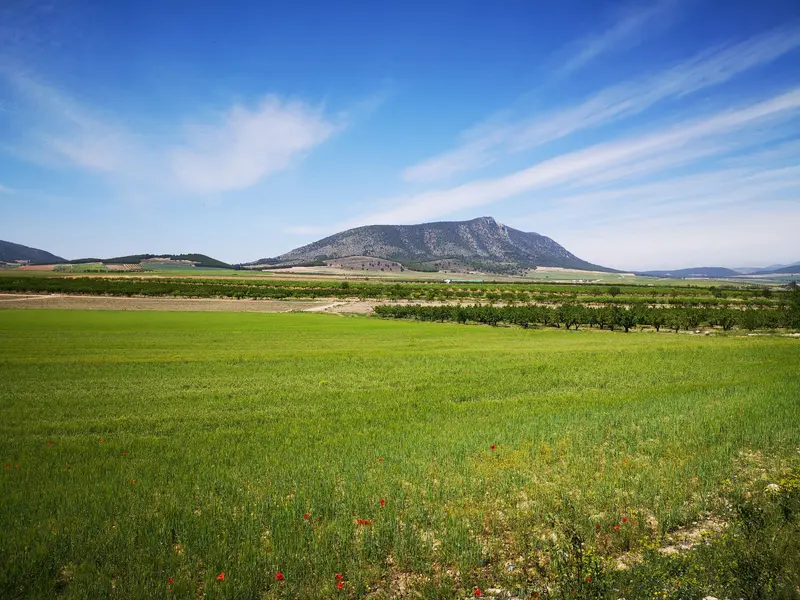
Archivel, a village in the municipality of Caravaca, shows a different side of the north-west. Fields open up between the ridges on the way to the village. It makes a short stop on a longer drive inland, especially if you are coming from the narrow river valley or the steep streets of Caravaca. Look at where the fields end and the hills begin to get a sense of how the land is used here.
Ojós, Blanca and Abarán
The Ricote Valley is where the dry sides of the hills meet the irrigated orchards along the Segura. Ojós makes a compact first stop, Blanca lends itself to a longer walk by the river and Abarán is the place to look at waterwheels. Choose two stops and take time to follow the route water takes from the river to the cultivated land. You can spend a whole morning in one part of the valley if you are interested in how the irrigation works.
For a group with different walking abilities, start with a riverside stretch and check the surface and shade before setting off. Keep the upper streets as a short extension for anyone who wants a climb. Stick to the signed paths past the orchards. Some short links on a mapping app are private tracks used by farmers and may end at a gate.
Nature and protected areas
Calblanque and the San Pedro salt pans
Calblanque is a protected stretch of Mediterranean coast between Cartagena and La Unión, with dunes, beaches, scrub and salt ponds. A permitted walking route lets you appreciate the different terrain without heading down to every cove. Ask the Las Cobaticas visitor centre which access point suits your route. Vehicle access was regulated in 2026 and a summer shuttle ran to the beaches. Check the current park notice each time you plan a visit.
At the northern end of the Mar Menor, the Salinas y Arenales de San Pedro del Pinatar Regional Park has paths past working salt pans. Take binoculars and give yourself time to look from one or two points. Birds move around the pools, and they can be a long way from the path. Signs mark where you can walk and where the operational part of the saltworks begins.
Sierra Espuña and the Almadenes gorge
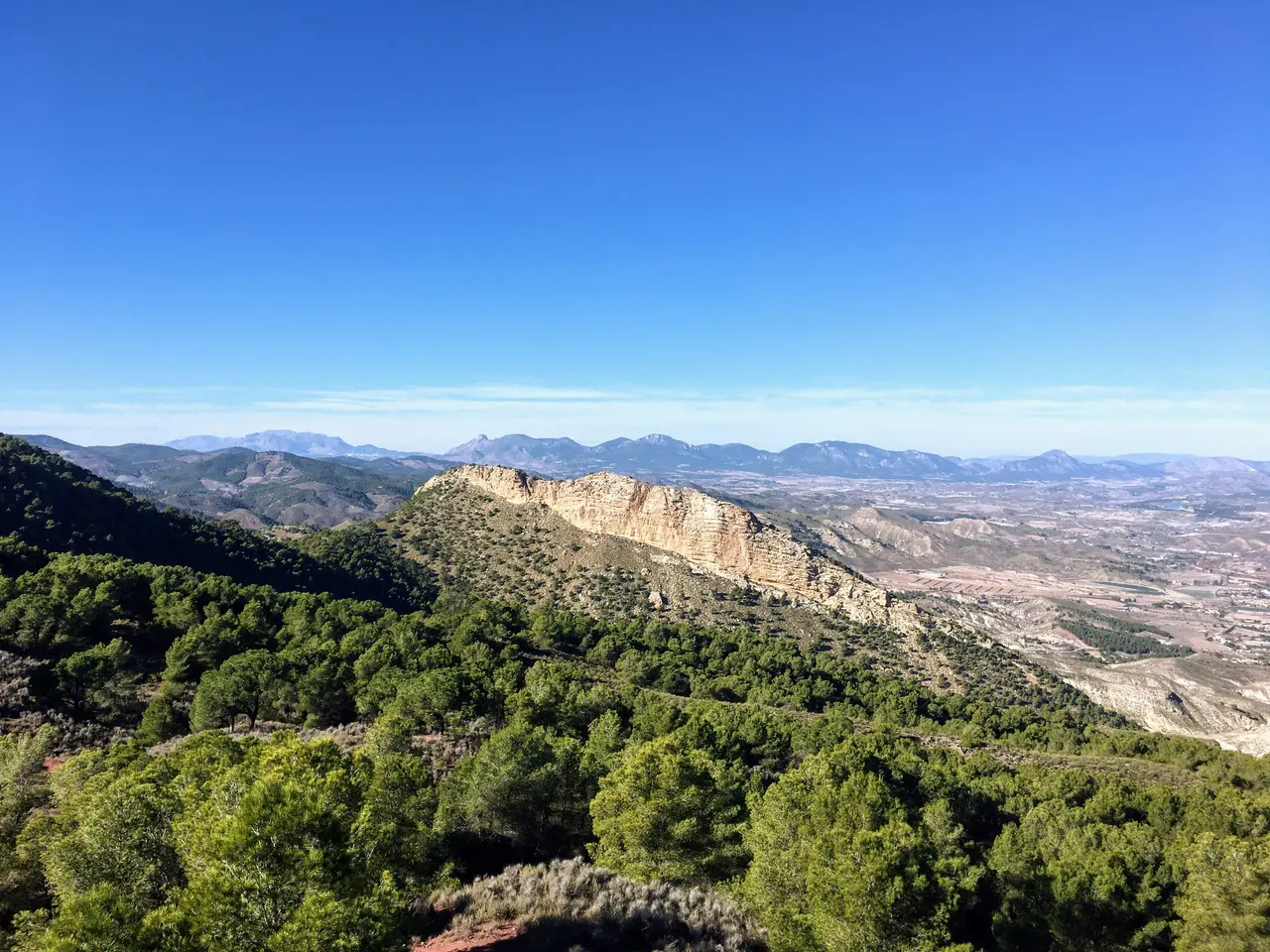
Sierra Espuña gives you pinewoods to explore above the Guadalentín valley. Choose from shaded stretches in the forest and more exposed routes higher up. The Ricardo Codorníu visitor centre is a good starting point for finding a suitable walk. Check the ascent and how long the return takes. On a mountain road, two landmarks that look close on the map can take a while to link by car.
Between Calasparra and Cieza, the Segura has cut the Almadenes gorge. Choose a permitted walking route or arrange an accompanied activity if you want to see the river from closer up. Near Calasparra, the Virgen de la Esperanza sanctuary occupies a natural rock shelter by the water. A day organised around these two stops shows how the gorge and the cultivated stretches of river sit in the same landscape.
Beaches in the Region of Murcia
Mar Menor and La Manga
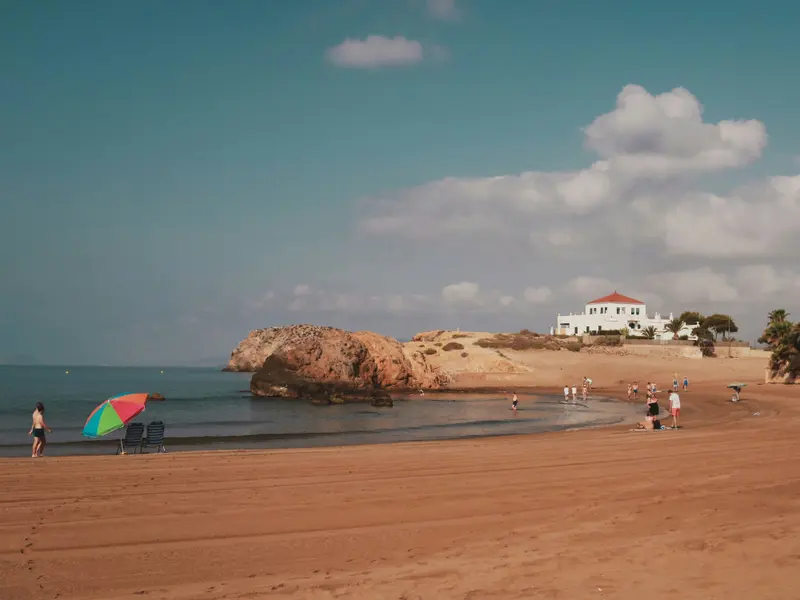
Los Alcázares, Santiago de la Ribera and Lo Pagán all have paths or promenades along the lagoon. If you want a beach holiday with a break at noon and another walk in the evening, choose somewhere within walking distance. In La Manga, look up the exact access point and which side it faces. The lagoon and open sea can feel quite different even on the same afternoon.
Check the latest result and notices for the beach you plan to use. Murcia Salud published a bathing water monitoring calendar for individual locations in 2026. Local flags and signs are what you will have in front of you on the day. If anyone in your group needs step-free access or a short walk from the car, check the facilities at that specific point before leaving the hotel.
Calblanque, Mazarrón and Águilas
Calblanque works best if you can give it a morning and take your own food and water. Follow the marked ways across the dunes. For an easier outing with more facilities, choose a town beach and save the park for another day. The harbour and walk towards the lighthouse at Cabo de Palos are a coastal outing in their own right when the beach conditions are poor.
At Puerto de Mazarrón you can divide the day between the beach, lunch and an easy walk back along the waterfront. Nearby Bolnuevo is worth a separate stop for the eroded rock formations beside the coast. Farther south-west, there are town beaches either side of central Águilas, and an open landscape in the direction of Cabo Cope. Have one sheltered or land-based option for a day when the beach you wanted is exposed to wind and waves.
Festivals and traditions
Murcia’s spring celebrations include the Bando de la Huerta, with traditional clothes, a parade and food associated with the area’s market gardens. The Entierro de la Sardina, literally the Burial of the Sardine, brings a different set of floats and crowds. The official calendar consulted in 2026 listed the Bando for 30 March 2027 and the Entierro for 3 April 2027. Check the parade route when booking, especially if you want to reach a central hotel by car.
Holy Week gives you several ways to experience the same religious calendar. In Murcia some of the carvings in the processions will be familiar from the Salzillo Museum. In Cartagena, watch the rhythm of the lines of marchers. In Lorca, textiles and embroidered pieces are a distinctive part of the spectacle. The dates move each year, and the choice of a particular procession depends on each town’s programme.
In Caravaca’s Wine Horses celebrations, the decorated horses run up towards the castle with their handlers. The regional calendar lists the wider Vera Cruz festivities for 1 to 5 May 2027. Cartagena’s 2026 Carthagineses y Romanos festival was scheduled for 18 to 27 September. If timing a trip around a future edition, visit the archaeological sites first and check the official festival schedule for the re-enactments you want to see.
What to eat
Market and tapas food in Murcia
A marinera is potato salad on a crisp ring of bread with an anchovy on top. A bicicleta comes without the anchovy. Add zarangollo, a soft scramble of courgette, onion and egg, or order michirones, a thick broad bean stew. The streets around the market and the squares in the city centre are good places to try several small dishes in the same meal.
For dessert, a paparajote is a lemon leaf fried in batter, usually finished with sugar and cinnamon. Eat the batter and leave the leaf on the plate. A pastel de carne, or meat pastry, is another option between visits. In Cartagena, ask about the ingredients of a café asiático before ordering for someone who avoids alcohol. Condensed milk and spirits are part of the usual preparation.
Fish rice and the inland wine regions
Order caldero in the Mar Menor area or around Cartagena. The rice is cooked in fish stock flavoured with dried ñora peppers, and the fish can arrive on a separate plate. Ask how the restaurant serves it and how much to order. Allow time for the meal and leave the following hour for a walk by the coast. If the rice is the reason for the trip, contact the restaurant ahead of a holiday weekend.
Look for Calasparra rice inland and try a dish from the vegetable-growing areas. Bullas, Jumilla and Yecla each have a wine designation, with Monastrell a good starting point when choosing a tasting. Check what is included and arrange an alternative for the driver. A single winery and a walk around its town leave time for both. If you are used to eating early, have a look at the kitchen’s serving times before fitting lunch between two bookings.
Sport and outdoor activities
The Noroeste Greenway uses the former railway between Murcia and Caravaca. Pick one stretch and decide how you will get back before you set off. Around Cehegín and Bullas a ride out and back gives you control over the distance. Near Mula you can combine a ride with a walk around town. Carry bike lights for tunnels and work out the distance for the return as well as the outward leg.
The Mar Menor and the coastal bays offer different conditions for kayaking and paddleboarding. Ask where the trip begins and how exposed it is if the wind picks up. Cabo de Palos is a centre for diving around the marine reserve. Ask a local centre to match the site to your experience and check where the boat leaves from. The point of departure matters if you are arriving from another part of the coast.
For longer walks, carry water from your base and keep the route available offline. In the Ricote Valley you can choose a waterwheel walk for a less strenuous outing. In Sierra Espuña or on the coastal hills, check whether the return has shade and how much climbing is left. Avoid dry channels and low crossings when storms are forecast, as water can arrive from farther up the catchment.
Routes and itineraries
Three days for Murcia, Cartagena and the coast
Spend the first day in Murcia, from Belluga and Trapería to the river. On the second day, visit Cartagena’s theatre, choose between the forum and ARQVA, then explore the harbour. On the third, pick one coastal area. A walk and a rice lunch in Los Alcázares make a low-effort day. To spend the time on the Mediterranean side, check access to Calblanque and keep Cabo de Palos in mind as an alternative.
Five days with an inland base
Keep the two city days and one day at the coast. For the final two days, base yourself in Lorca or in the north-west. From Lorca, spend one day at the castle and in the centre, then choose Águilas or an outing into Sierra Espuña. From Caravaca, visit the basilica and Fuentes del Marqués, then use your extra day for Cehegín or a stretch of greenway. If you have an early flight, check the route from the last hotel before choosing where to sleep.
A week between the coast, orchards and mountains
Use three nights in Murcia or Cartagena and switch to a coastal or inland base. Alongside the two cities, spend a day on the lagoon or at Calblanque and a day in the Ricote Valley. Fit Lorca, Caravaca and a mountain outing into the remaining days. If wine is a priority, give a vineyard its own day in place of one longer trip. Where you stay on nights three and four determines how often you have to double back across the region.
Travelling with children
Cartagena’s theatre provides a concrete place to explain how a Roman performance worked. Add a short harbour walk afterwards or keep ARQVA for another day. In Murcia, a square, a riverside walk and a snack can work better with tired children than a second long indoor visit. If you are travelling in summer, keep one museum in reserve for the hottest part of the day.
At San Pedro del Pinatar, children can look for birds on the salt pans through binoculars. Pick a short section of trail that you can retrace at any point and bring water. It is also an outing for a day when no one feels like swimming.
Where to stay in the Region of Murcia
Choose Murcia city if you are arriving by train, want to eat out near the old centre or plan to spend time near the Segura. Choose Cartagena for the Roman sites, the harbour and the eastern Costa Cálida. Check parking before reserving a room if you will be driving out several mornings. For days spent mostly in one city, walking from your accommodation can simplify both sightseeing and lunch breaks.
Stay around the Mar Menor if you want several easy days near the shore. For the western part of the Costa Cálida, choose between Puerto de Mazarrón and Águilas by looking at the beaches and harbours you want to visit more than once. In La Manga, check the location twice, for walking to the right beach and for driving back down the strip. Two hotels with the same resort name can have very different day-trip times.
Caravaca and Cehegín are convenient for the north-west and the greenway. Lorca works for a mix of monuments and the western shore. Choose Alhama de Murcia or another town close to your chosen entrance into Sierra Espuña if the holiday is organised around walking. Ask about check-in before planning an afternoon out on arrival day. A chance to leave your bags first makes a walk or a swim more straightforward.
See places to stay in the Region of Murcia (opens in a new tab)Affiliate link: if you book through it, we may earn a commission at no extra cost to you.
Practical tips and common mistakes
Check what a ticket or booking means by Murcia. It may point to the city, the region or the airport in Corvera. Cartagena can refer to the old seaside centre or to an address elsewhere in the municipality, including Cabo de Palos. Save the exact meeting point for a guided outing or the particular car park for a trail. The municipality name is only the start of the address.
Choose beaches according to access and the weather forecast. Have an alternative with facilities if an exposed cove is too windy or park access changes. In town, check opening days and leave time for lunch between indoor visits. Check Sunday plans individually. During major festivals, leave additional time for diversions and plan to do the last stretch into the centre on foot.
If Murcia is part of a longer trip, the province of Alicante lies towards the east and the province of Almería lies towards the south-west. Arrange your nights in the direction you are travelling. Allow at least one full day for the Murcia coast and another for the Segura Valley if you want a sense of how the region changes beyond the motorway.