Español
 English

Why visit Córdoba province
The best things to do in Córdoba province fall into three areas. In the Guadalquivir valley, the city of Córdoba, Medina Azahara and the castle at Almodóvar del Río tell different chapters of the region’s history. South of the river, vineyards give way to olive groves and the limestone hills of the Subbética. Cross Sierra Morena to the north and you reach Los Pedroches, where granite villages stand among open pastures dotted with holm oaks. Give each area a day of its own.
On a first trip to Andalusia, you could spend two nights in Córdoba before setting out into the countryside. If walking or cycling is the main reason for your trip, move to a rural base after seeing the city. From Doña Mencía or Zuheros, you can get to the greenway without having to drive back to Córdoba after dark. Priego suits a trip that combines old streets with short drives into the hills. An evening in Montilla leaves time for a cellar visit without having to get back behind the wheel afterwards.
Medina Azahara is worth setting apart from the city’s historic centre. The remains of the palace city occupy a hillside to the west of Córdoba. Once there, you can see how the buildings were arranged in levels, with the valley in view below. Make time for the museum as well as the ruins, even if the Mosque-Cathedral is already on your itinerary.

When to go
Spring. March and April suit a trip that alternates walking and sightseeing. After heavy rain, choose a broad path or an indoor visit if you had planned to head into a gorge. May is the month most closely associated with the courtyards in Córdoba. If the festival is the reason for your trip, look up the programme for your year and allow time to walk between districts and wait at the entrances.
Summer. Spain’s weather agency, AEMET, records an average July maximum of 36.9°C at Córdoba Airport. Use that figure as a guide to conditions in the valley. Get your longest walk done early and leave the middle of the day for lunch, a rest or an indoor visit. Before walking in the countryside, check where you can find shade and carry the water you need. An easy profile on the map tells you little about how exposed the path will be among the olive groves.
Autumn and winter. Autumn gives you more scope to spend a day outdoors in the campiña, the rolling farmland south of the river, or in the Subbética hills. In winter, plan a bodega or a monument around the colder part of the day and go out for a walk when it warms up. Nights and mornings can feel colder in the north and at elevation. Keep a nearby alternative in mind. In Priego, for instance, the lanes and fountains will still make a good outing when mist obscures the view from the Adarve.
Getting there and around
In 2026, Renfe listed trains from Madrid Puerta de Atocha to Córdoba, as well as Avant services linking Seville with Málaga and Granada via Córdoba. If starting in the Madrid region, check the full departure station on your ticket. When flying into Spain first, factor in the transfer between the airport and the departure station. Allow extra time if your flight and train are on separate tickets. Leave your first afternoon flexible in case you arrive late.
The historic centre and riverfront are easy to link on foot. For arrival day, weigh up the walk from the railway station with your bags, especially in the summer heat. You can pick up a hire car when you leave the city to explore the province and drop it off before your last walk. This lets you deal with parking and street access only on the days when you need a car.
For Medina Azahara, Córdoba’s tourist office listed a city coach from Paseo de la Victoria in 2026, with a connection to the shuttle between the visitor centre and the ruins. If driving, save the visitor centre and the archaeological site as separate points on your map and check the shuttle arrangements for your date. On the coach outing, start by noting the return time and work back from it when planning the museum and ruins.
Think of the rest of the province in four groups: Almodóvar and Hornachuelos along the Guadalquivir, the wine country around Montilla, the Subbética and Los Pedroches. If relying on buses, check the outward and return journeys for the exact village and date, including weekends. Start with one stop. Add a second only if the connection leaves enough time to see it. Look up the walk between the bus stop and your destination before choosing which village to visit.
What to see in Córdoba province
The city of Córdoba and Medina Azahara
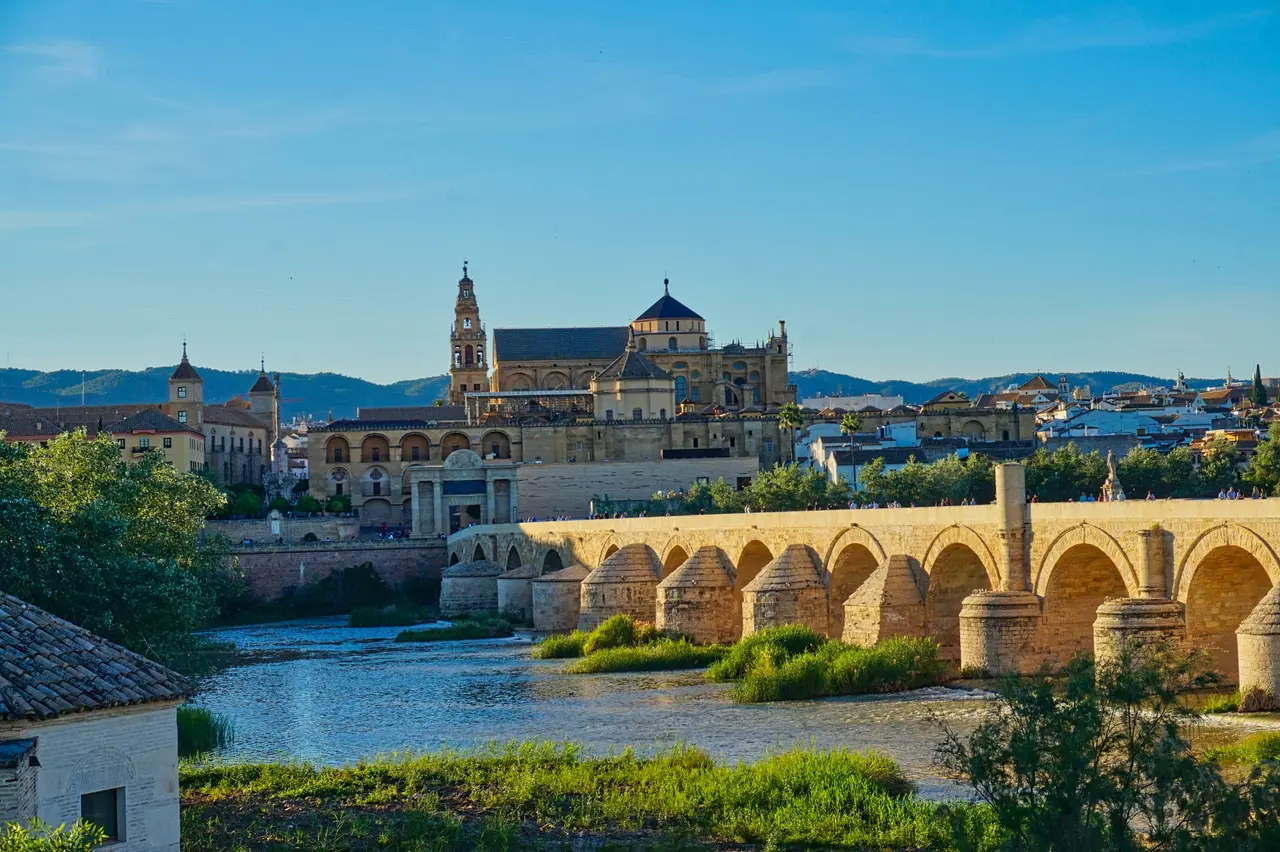
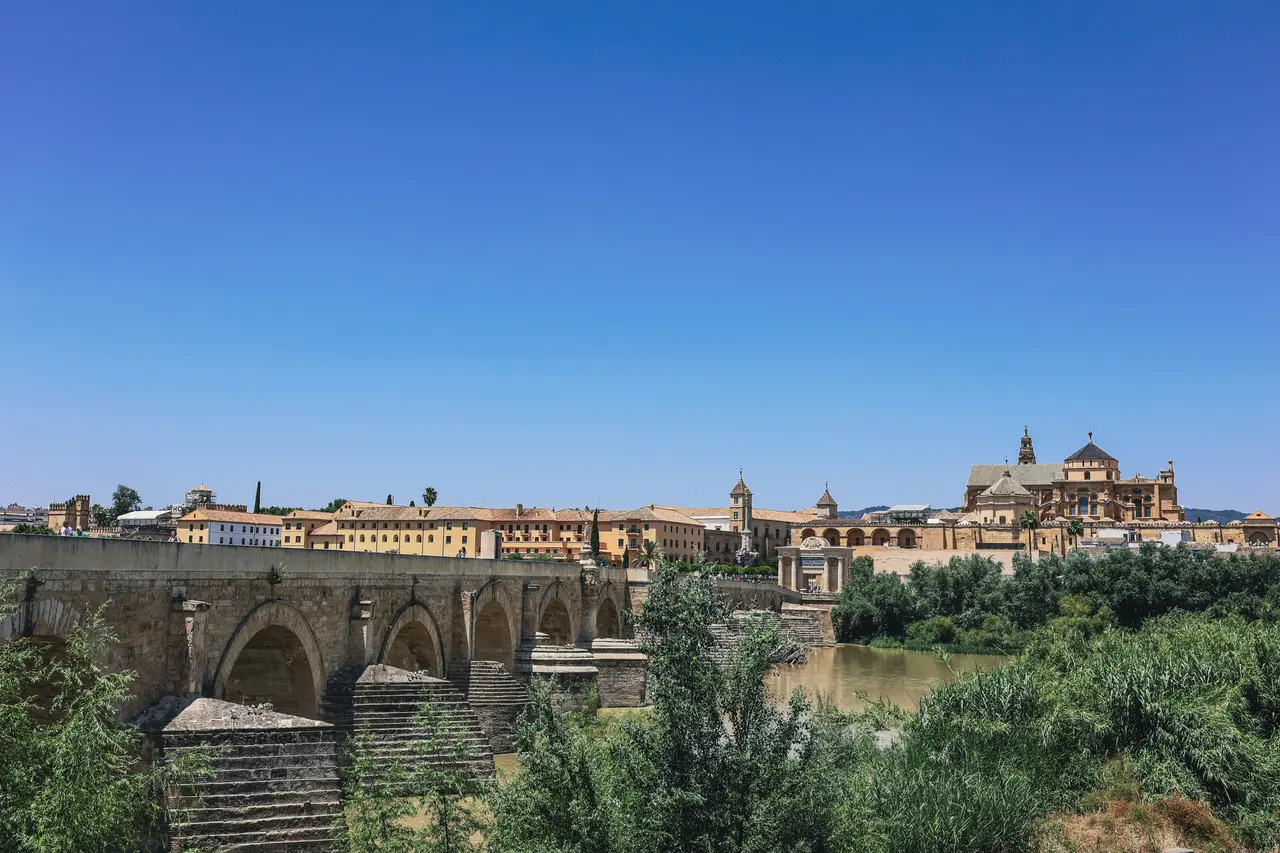
Start outside the Mosque-Cathedral. Walk down past the Puerta del Puente and cross the Guadalquivir to the Calahorra Tower. Looking back from the south bank shows how the river, bridge and old city fit together. Once you cross back, you can pick up the old streets and head to Plaza del Potro or Plaza de la Corredera. If time is tight, choose one square and leave the rest of the centre for a walk later in the day.
Allow half a day for Medina Azahara. The Umayyad dynasty established the palace city in the tenth century as the seat of the Caliphate of Córdoba. At the museum, look at the layout before going up to the site. Once on the terraces, notice the routes through the gates and across the different levels, and how they connect spaces with different functions. These are open ruins on a hillside. Sun and wind are more noticeable here than in the narrow streets of Córdoba.
Almodóvar del Río and the road towards Hornachuelos
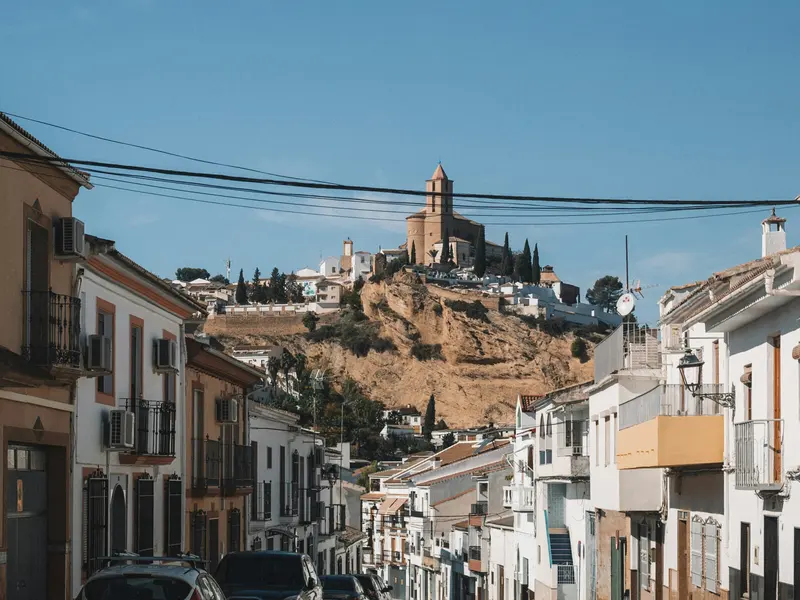
Almodóvar’s castle stands on a hill above the town. Look at it from below before going up. From the top, you can see why this point above the Guadalquivir valley mattered and how the streets lie in relation to the slope. A visit can involve towers and stairs. If anyone is less comfortable on steep ground, find out which parts of the route will suit them and allow extra time.
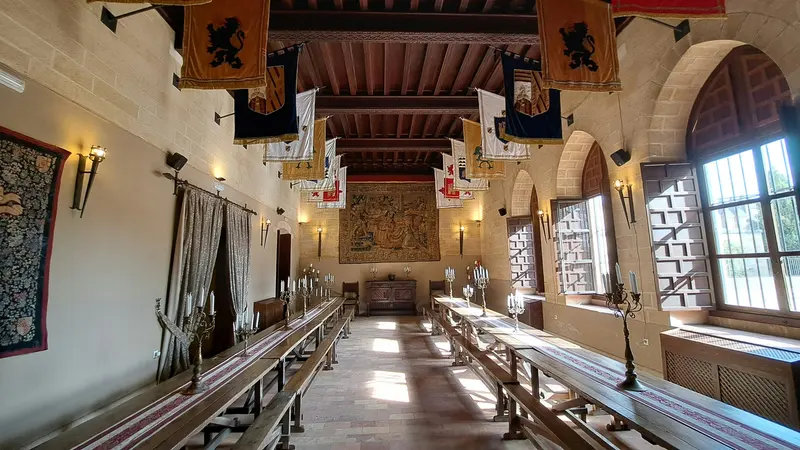
If you continue to Hornachuelos, leave the afternoon for one walk near the Bembézar. The castle and the wooded hills tell you different things about the west of the province. The rooftop views reveal the broad corridor of the Guadalquivir, while the road into Sierra Morena leads to more enclosed river valleys. If you want a longer trail, give the park a day of its own and keep a shorter option in mind if conditions change.
Wine country around Montilla and the road south
Plan a winery visit in Montilla and leave time to walk through the town. Ask whether the tour is in a town cellar or at a lagar, a wine-making property among the vineyards. That affects the transport and changes what you get to see. For a different stop in the same area, look up the Roman cisterns at Monturque. Either visit can break a drive towards Lucena or Cabra on the way to the Subbética.
Monuments and heritage
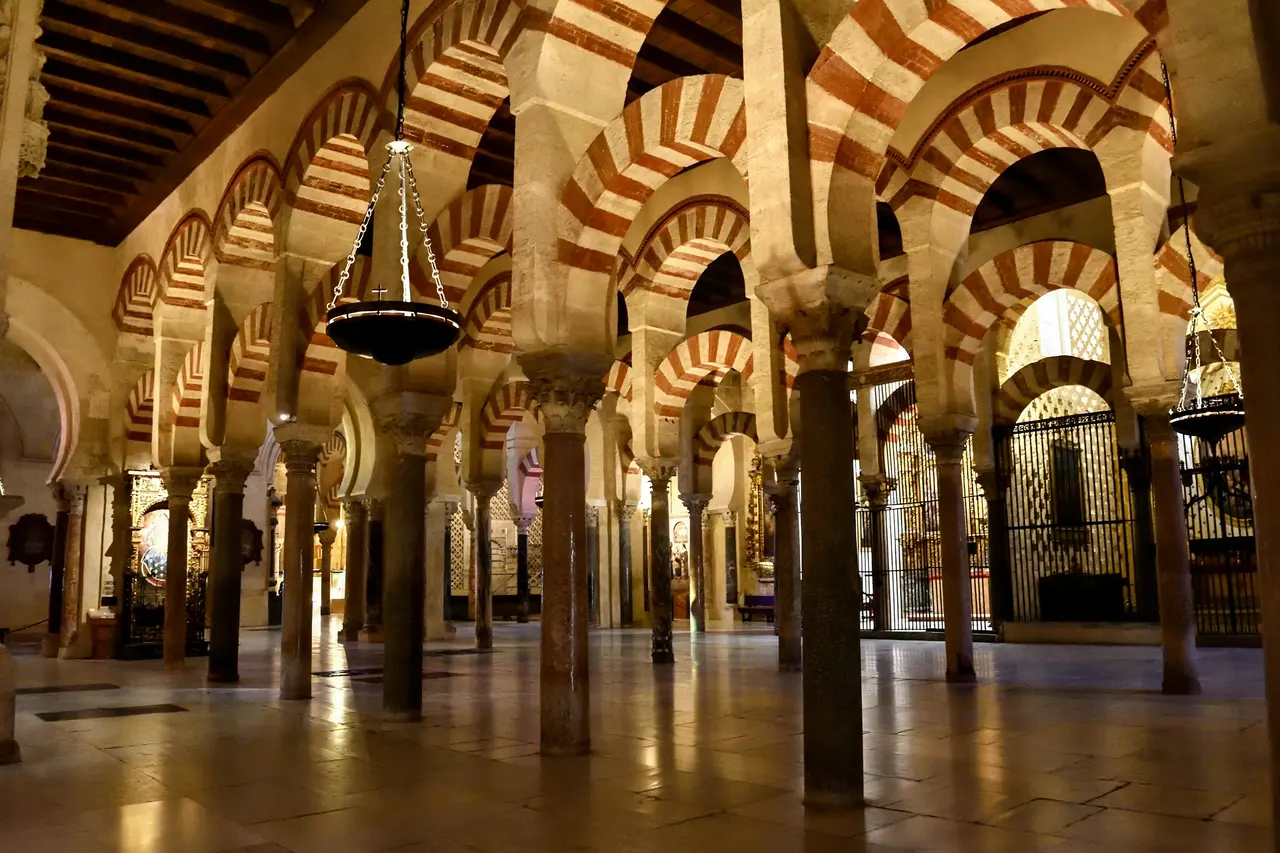
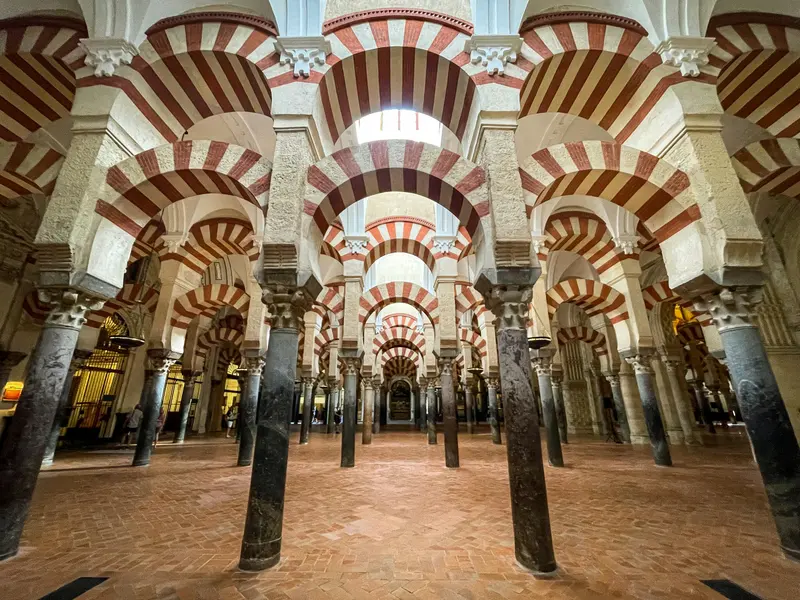
Inside the Mosque-Cathedral, take a moment to look along several rows of arches before moving closer to the mihrab, the prayer niche. Then see where the space opens up around the Christian crossing. The change in height and light makes it easier to understand how the building evolved. If you have a floor plan, use it to orient yourself, then return to a point where you can see how the different parts meet.
For Roman archaeology, compare the cisterns at Monturque with the rural villa of El Ruedo in Almedinilla. Both are manageable visits, but they tell different stories. The first shows how water was collected and stored. The second gives you an idea of the layout of a country residence. If coming from Priego, combine Almedinilla with a short walk beside the river. Check which parts of the site and museum you can visit that day.
In Los Pedroches, pair Belalcázar Castle with the Church of San Juan Bautista in Hinojosa del Duque, locally known as the Catedral de la Sierra. The castle shows what a raised position could command in this open country. At Hinojosa, the size of the church becomes clear as you approach it on foot through the town. Compare the granite doorways and walls in Los Pedroches with the limewashed streets and limestone you see in the south.
Charming villages
Priego de Córdoba
Walk into the Barrio de la Villa and follow the lanes towards the Balcón del Adarve. From the edge of the old town, you can see the drop that the houses hide from the street. Make time for the Fuente del Rey in a different part of town to see how water shapes the public spaces here. If you have time for a church, pick a Baroque interior that fits your visit and finish with a walk back to the Adarve.
Zuheros and Doña Mencía
Start in Zuheros by looking up at the castle and the rock that supports it. From the village, the gorge gives you a sense of how quickly the olive country rises into the hills. The Cueva de los Murciélagos, or Bat Cave, is outside the village. Work out how you will visit before setting off. For an easier outing on the surface, combine the lanes of Zuheros with a stretch of greenway from the old station at Doña Mencía.
Iznájar, Rute and Carcabuey
Iznájar climbs from the reservoir towards its castle. Allow time for the uphill walk and the changes of view along the way. Near the church and castle, look for the Patio de las Comedias. Later, go down to a designated spot beside the water to see the reservoir from below. If adding Rute, keep room for lunch or a visit connected with its sweets and aniseed drinks. Carcabuey works well as a short outing on another day from Priego.
Los Pedroches around Pozoblanco and Villanueva de Córdoba
Driving between villages in Los Pedroches takes more of the day than a loop around a cluster of Subbética villages. Choose one part of the district. Pozoblanco and Villanueva de Córdoba are useful in the central sector if you want to see a town and take a short walk in the dehesa, the grassland with scattered oaks used for grazing. In the west, Hinojosa and Belalcázar make a day of their own. From a public path, look for stone walls, granite outcrops and the trees that shelter livestock.
Nature and protected areas
In the Sierras Subbéticas, water has shaped the limestone into gorges, depressions and caves. La Nava de Cabra helps make sense of the landscape at the surface. Underground, the Cueva de los Murciélagos at Zuheros has formations within a protected cave system. Factor in the walking and access needs of your group. If everyone wants to see the cave, arrange it first and fit the village and any other walks around it.
In Sierra de Hornachuelos Natural Park, the wooded slopes of Sierra Morena drop towards the Bembézar and its riverside vegetation. Take binoculars if birdwatching interests you, and look from a spot where you can keep clear of steep edges. Distances on the map can be deceptive where paths wind around ravines. Use the park’s trail map to choose how far to walk and leave enough time to get back.
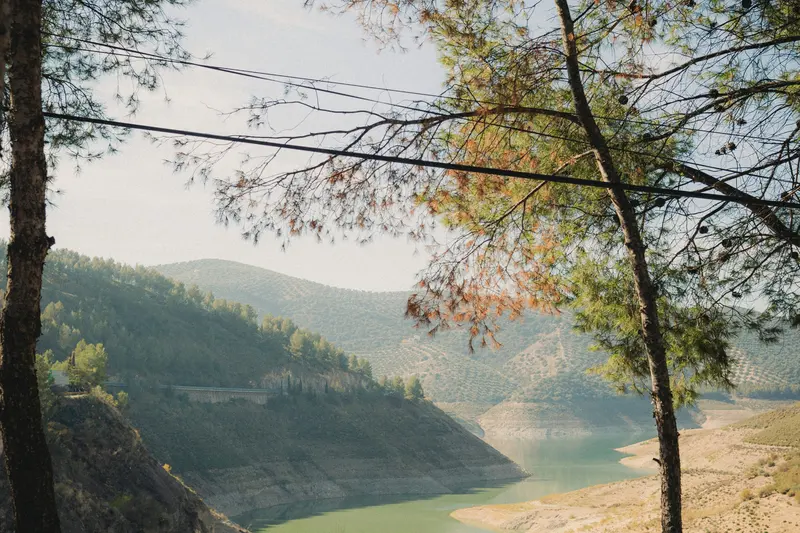
See the Iznájar reservoir, on the river Genil, from two levels. From the village above, you can see the branches of water reaching between the hills. Down by the shore, a designated recreation area gives you a different sense of its scale. Water levels vary, so stick to marked access points. On a windy day, give yourself more time in the village and keep the shoreline visit short.
Festivals and traditions
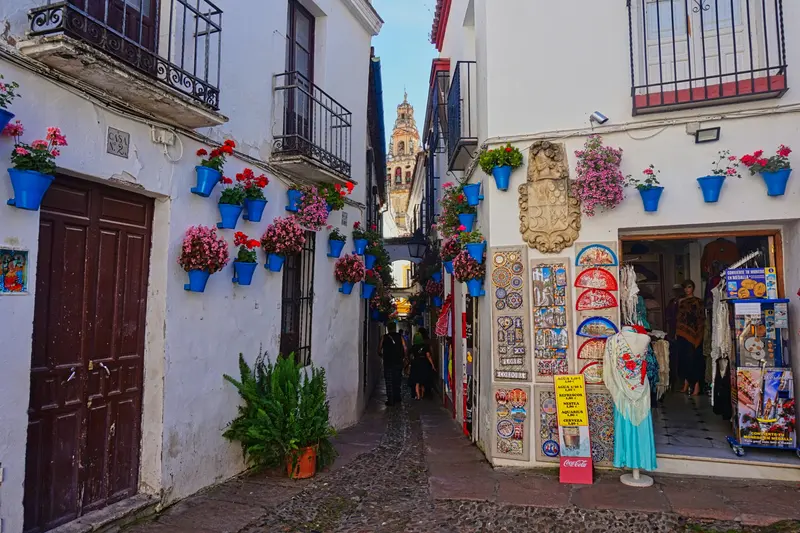
The Córdoba Courtyards Festival ran from 4 to 17 May 2026, according to the city’s tourist office. UNESCO lists the celebration as intangible cultural heritage. Pick a handful of courtyards close together on the official map, perhaps around Alcázar Viejo. Many are part of people’s homes. Follow the instructions at each door, keep the entrances clear and move on to another nearby courtyard if a queue is taking longer than expected.
Córdoba’s May Crosses took place from 29 April to 3 May 2026. Residents put up crosses decorated with flowers in various squares and neighbourhood venues. Use the event’s own map for a walk, since it has a different set of stops from the courtyards festival. Further south, Montilla’s September events focus on the grape harvest. Distinguish the town’s festival programme from individual cellar tours when you are deciding what to book.
What to eat
In a city tavern, start with salmorejo, a thick, cold preparation of tomato, bread and olive oil, often topped with egg and ham. Flamenquín, a breaded and fried roll, is worth sharing if you want to order several dishes. For a longer lunch, look for rabo de toro, a slow-cooked tail stew, and ask about the day’s other local dishes. Menus may offer several serving sizes. Check whether you are ordering a small plate or a full portion when planning to share.
In the Subbética and the campiña, try local extra virgin olive oil with bread before adding other flavours. Baena and Priego give their names to different protected designations. A mill visit can show where the olives come from and how the oil is made. In Los Pedroches, look for the local designation on Iberian ham and ask about the cut if you are buying some to eat later. In Rute, a stop for sweets or aniseed drinks fits into a drive through the south of the province.
The Pedro Ximénez grape makes several styles of wine in Montilla-Moriles. Start with a dry fino, then compare it with an amontillado, which spends time ageing under a layer of yeast before further ageing in contact with oxygen. Taste a sweet Pedro Ximénez separately to see a third use of the same grape. If you drive into the vineyards for a tasting, arrange a designated driver or plan to stay near the winery.
Sport and outdoor activities
Cycling the Vía Verde del Aceite
The Olive Oil Greenway follows a former railway corridor from Jaén to the area around Puente Genil. In Córdoba province, Doña Mencía and Luque work as starting points for shorter rides. Head towards Zuheros from Doña Mencía if you want a view of the village above the route. If the group prefers to stay on the gentle railway grade, save the climb to the village for another outing. Agree on a turnaround point, carry water and take a light for any stretch with tunnels.
Gorges and hill trails
The regional government describes the Río Bailón as a linear walk of about 12 km between the area around Cabra and Zuheros. Its trail page carries a partial closure notice from November 2026. Check the status and access requirements before planning the walk. If the route is affected, choose another open trail or the greenway. Walking the whole route out and back doubles the distance. Allow time for climbs, wet ground and a return before dark.
In Hornachuelos, pick a walk near the Bembézar from the park’s trail information. Decide whether to turn back along the same path or arrange a lift from the far end. If you want to go out on the water in Iznájar, check access and the availability of activities for your date. For a shorter afternoon, walk at a designated area beside the reservoir and go back up to the village before the light goes.
Routes and itineraries
Things to do in Córdoba province in two days
Day 1. Visit the Mosque-Cathedral in the morning, then cross the Roman Bridge and spend the rest of the day along the river and around a second district or square. During the courtyards festival, swap that last block for several stops within the same neighbourhood.
Day 2. Give the morning to Medina Azahara. If you have a car and enough daylight, continue to Almodóvar del Río for the castle. If you are using the coach to Medina Azahara, take your booked service back to Córdoba and save the late afternoon for the old town.
Four or five days with a change of base
After two days in the valley, head south. Make a winery visit in Montilla the main stop on the drive if it interests you, then carry on to your base in the Subbética. Set aside the next day for Priego and a short outing to Almedinilla or Carcabuey. On the final day, choose Zuheros for the greenway or Iznájar for the reservoir and a walk around the upper village. With four days, choose the one village or activity you would most like to keep on the shorter day.
A week including Los Pedroches
Add two days in the north for granite villages and oak pastures. Base yourself in Pozoblanco or Villanueva de Córdoba and use one day for a short outing through the surrounding country. Save the other for Hinojosa del Duque and Belalcázar. On a round trip from Córdoba, put the north at the start or end of the journey. That avoids spending two days crossing the province to alternate between the Subbética and Los Pedroches.
Travelling with children
In Córdoba, cross the bridge after the Mosque-Cathedral and ask children what they can spot looking back from the Calahorra side. At Medina Azahara, choose two details in the museum to look for in the ruins. Take water and something to cover up from the sun. Check the ground and access if bringing a pushchair. It is easier to make that decision before taking the shuttle up to the site.
In the Subbética, a short out-and-back trip on the greenway can be shortened at any point. Before committing to a cave visit, ask about steps, time underground and access arrangements. In Iznájar, pair a short walk in the village with some time outdoors in a designated area by the water. In hot weather, start with shade and keep the walk short enough to leave the children time for a rest before the next stop.
Where to stay in Córdoba province
Córdoba city. Stay in the old town for mornings on foot and an easy return for a rest. A base near the station is handy if you have a rail connection or heavy luggage. If you are driving and want to have dinner in the historic centre, ask how to unload and where to park. For the courtyards festival, look at your chosen cluster of patios and decide which other walks you want to do from your door.
The Subbética. Priego is useful for historic buildings and trips to Almedinilla. For cycling, search around Doña Mencía or Zuheros and check the exact route to the greenway from the property. Iznájar works for a trip focused on the reservoir. A room in the upper village and a place near shore access make for different days. Before booking a rural house, check the surface of the final stretch of road and where you will have dinner.
Montilla or Los Pedroches. Spend a night in Montilla if you want a winery visit and an evening on foot. Choose Pozoblanco, Villanueva de Córdoba or a rural property in the north if you want to get out among the oaks early. If looking at a remote stay, map the drive to the two places you most want to see before you book.
See places to stay in Córdoba province (opens in a new tab)Affiliate link: if you book through it, we may earn a commission at no extra cost to you.
Practical tips and common mistakes
Check whether a pin identifies a town centre, a station, a visitor building or the monument itself. The distinction is especially useful at Medina Azahara and the Cueva de los Murciélagos, and when finding a starting point for the greenway. Save the outward and return points for a linear route separately. In hillside towns, check the gradient from the parking area as well as the distance.
Build each day around one visit that depends on a booking and a walk or town stop you can shorten if necessary. Outside the main centres, check where you can have lunch and when the last return bus leaves, particularly if you plan to eat in another village. Download the trail map, carry water and check the park’s notices for the date of your visit.
For a weekend by train, put Córdoba and Medina Azahara first. Travellers who know the city already can choose a base in the countryside. The Subbética and Los Pedroches look like comparable day trips on paper. An afternoon and a morning in the same district give you time to see a village and get out into the surrounding land without repeating the drive.