Español
 English

Why visit Cádiz province
The best things to do in Cádiz province make more sense once you have picked a base. From Cádiz city you can walk through the market to La Caleta and catch a train to Jerez for a sherry bodega the following day. Farther south, a Roman town overlooks a wide curve of sand at Bolonia. Inland, the road climbs past reservoirs and rocky slopes to the white villages of the Sierra de Grazalema.
This corner of Andalusia works well with two places to stay. Start around the bay for markets, salt marshes and sherry. Then move down the Atlantic coast if you want to choose a beach each morning according to the wind. If walking in the mountains matters more, take the second base in a hill village so that the trail and an evening meal are both close at hand.
The ways people have made a living here tie the places together. Salt pans and tidal channels run through the bay. Sanlúcar looks out over the mouth of the Guadalquivir and the Doñana shore. At Baelo Claudia, the remains of Roman fish processing sit within sight of the sea. A short trip can show you one of those connections in depth. With longer, compare how the Atlantic shaped different towns.
When to go
Spring and autumn for walking and sightseeing
Spring gives you scope to walk in the hills and spend the afternoon in a town. Bring a layer for the seafront even if your accommodation is in a warm, sheltered street. Early autumn can suit both coastal walks and time on the sand. If swimming matters, check the sea and lifeguard cover for the particular beach and day you have chosen.
Look up the hill forecast separately from Cádiz city. A dry morning in the bay says little about visibility on a ridge, and stone underfoot can stay slippery after rain. Keep an outing to Arcos or an indoor visit in Jerez in reserve if you are staying within reach of both. When the weather changes, you can switch plans without turning the day into a long drive.
Beach holidays in summer and city breaks in winter
In summer, pick accommodation within walking distance of the beach you expect to use most. You can go back for lunch or a rest and return to the shore later. Save exposed walks in the hills for the cooler part of the day. In winter, anchor the trip around Cádiz, Jerez or Sanlúcar and use a clear morning for marshes, cliffs or a short visit inland.
Local forecasts refer to easterly Levante and westerly Poniente. At the Strait, gusts and the shape of the coast also matter. Keep two nearby options in mind and decide after looking at the water. On a windy day you can spend longer in Tarifa old town, switch to the sheltered streets of Vejer, or visit the interpretation centre at Baelo Claudia if it is open.
Getting there and around
Flights to Jerez and trains around the bay
Jerez Airport (XRY) is north of the city. In 2026, Aena listed Cercanías suburban trains and Media Distancia regional trains at the airport. The C-1 serves Jerez, El Puerto de Santa María, Puerto Real, San Fernando and Cádiz. Renfe revised the timetable in September 2026. On a train booking screen the airport and central Jerez are separate stations. Check the departure you can reach after allowing for baggage collection.
Seville is another gateway. Aena’s 2026 rail information included the Media Distancia service between Seville and Cádiz. A flight to Seville and a train from the city involve a transfer to the station and a second check on departure times. Work out when you will reach the door of your accommodation, especially if you are deciding whether to spend the first night in Jerez.
If you are continuing to Ceuta, the port authority listed passenger and vehicle ferries from Algeciras in 2026. Allow time to reach the terminal and check which entrance to use as a foot passenger or driver.
Where a hire car saves time
A break split between Cádiz and Jerez works well from a base near a railway station. For trips by bus farther south, check the last usable service back and look at the walking route from the stop. A bus to a coastal municipality may leave you a long way from a particular beach. Tarifa town and Bolonia need separate searches.
A hire car is most useful for linking the white villages to the southern shore and for trailheads away from the towns. Ask your accommodation where to leave the car before driving into an old centre. Narrow lanes, steep streets and steps may lie between the car park and your room. In the mountains, plan using driving times and allow for a slow stretch through a pass or a stop along the way.
What to see in Cádiz province
Cádiz city and the far side of the bay
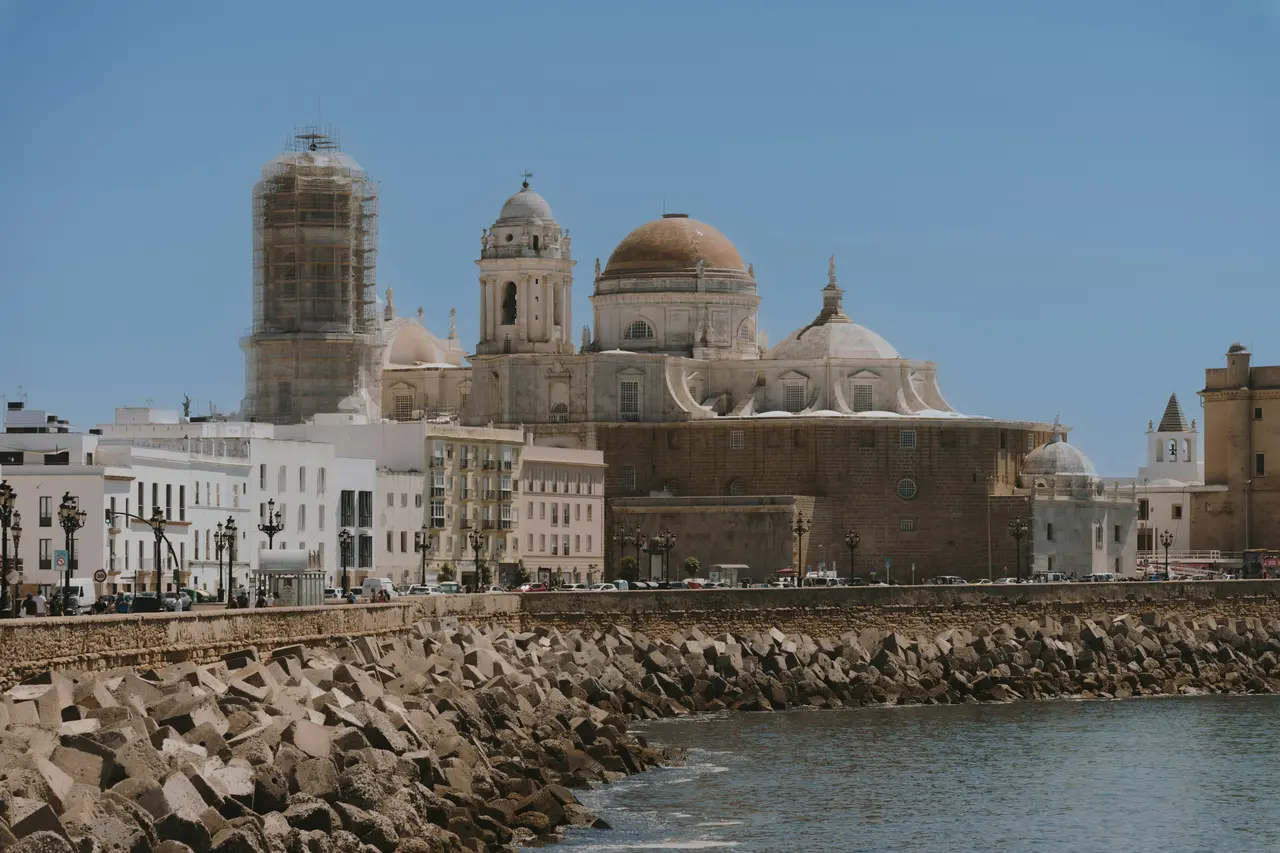
Start in Cádiz around El Pópulo and the cathedral, where narrow streets and vaulted passages make a compact first walk. Continue to the Central Market when the stalls and surrounding streets are busy. From there, walk out to Campo del Sur and La Caleta when the light suits the Atlantic side. If the wind is strong there, go round to Alameda Apodaca and the bay-facing walls for a different view of the city.
In El Puerto de Santa María, the area around San Marcos Castle and the Guadalete riverfront fit into one visit on foot. Valdelagrana beach is across the river, so plan the onward trip if you want to see both. In San Fernando, give the town centre and the tidal channels separate stops. Choose a marked walking route through the marsh landscape and save some time for lunch in town.
Sherry towns and the Guadalquivir estuary
In Jerez de la Frontera, walk from Plaza del Arenal to the Alcázar and the cathedral. A sherry bodega can take up much of a city block, so check which door the booking uses. After the tour, find a tabanco, a traditional wine bar, and explore the streets around the main squares. If your tour is early, leave the other sights for afterwards so that you arrive with time to spare.
In Sanlúcar de Barrameda, walk between the upper town around Santiago Castle, Plaza del Cabildo below and the riverside at Bajo de Guía. The opposite shore belongs to Doñana. A bodega visit here gives you the chance to taste manzanilla where it is aged. Try a glass with lunch as well if you want to see how it works with cured fish or shellfish.
Tarifa and the Strait of Gibraltar
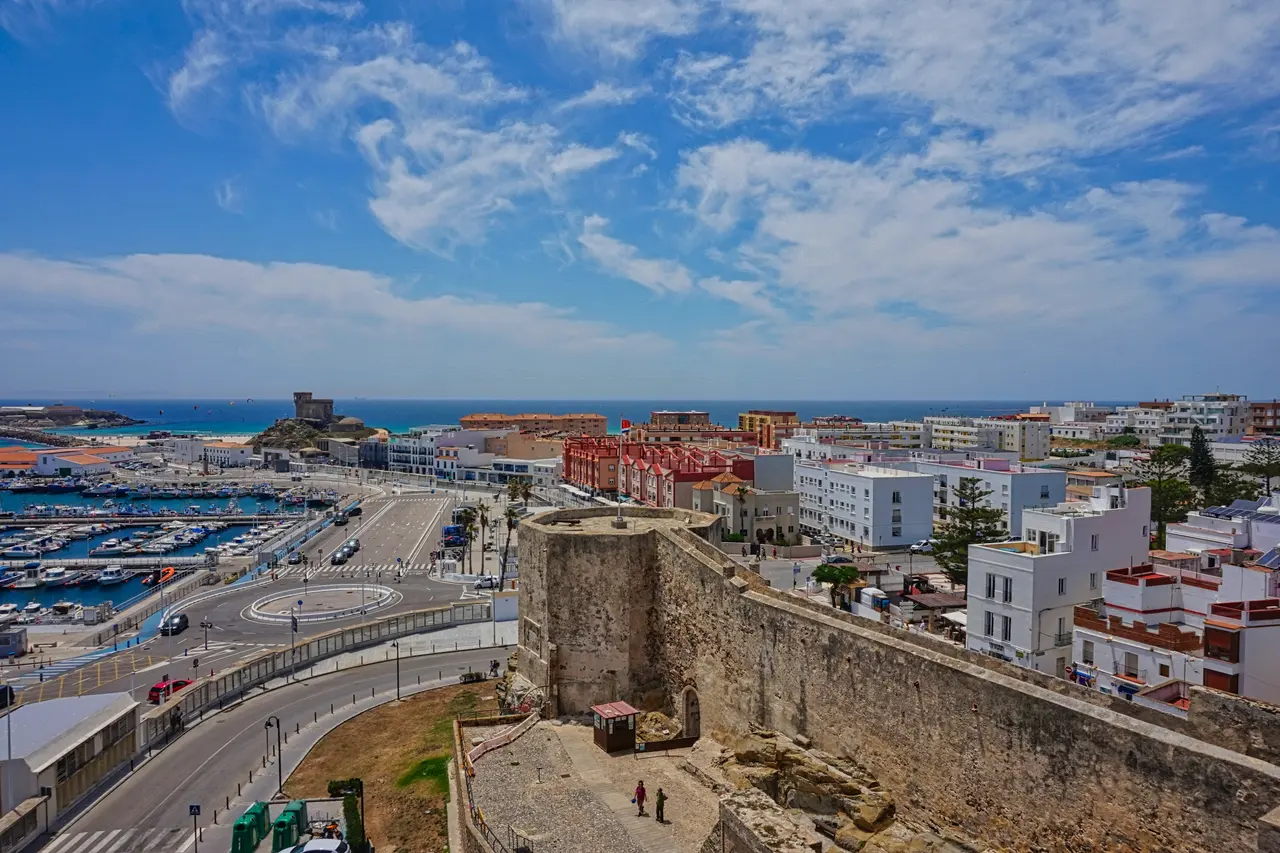
Enter Tarifa old town through Puerta de Jerez and walk towards Guzmán el Bueno Castle and the harbour. From the outside you can already see how the fortifications relate to the shipping channel. On a clear day the African shore comes into view. Walk towards the causeway to Isla de las Palomas and look to either side from the public section. Keep time for the lanes inside the walls if your beach plans change with the wind.
Monuments and heritage
Watchtowers, sea defences and the Jerez Alcázar
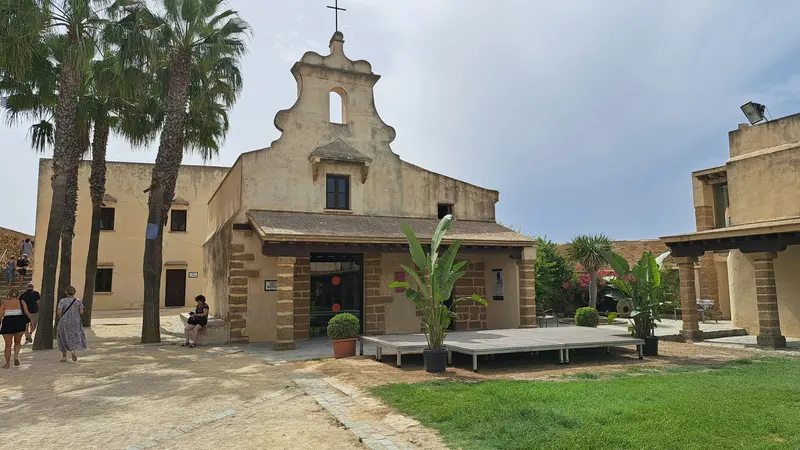
Look up from the old streets of Cádiz to see the watchtowers above the roofline. They are a reminder of the importance of sea trade. Torre Tavira makes a good focus for a walk if you want to see the relationship between the streets and rooftops. At La Caleta, Santa Catalina Castle and the walkway towards San Sebastián Castle frame the old approach from the water. Seeing the bay from both sides gives you a better sense of its shape.
The Alcázar in Jerez preserves parts of an Almohad fortification, including its mosque and baths. Look at how the inner spaces are arranged, then cross towards the cathedral quarter. The two sights are close enough for one morning if the opening hours line up. Give a bodega tour its own slot if you are interested in hearing the account of how the wines age.
Baelo Claudia above Bolonia beach
At Baelo Claudia, start where you can see the archaeological remains in relation to Bolonia bay. The forum gives you the layout of the civic centre, and the fish salting area closer to the shore shows another aspect of Roman life here. Leave time to move between the two areas and relate them to the beach. On a hot day it is easier to make sense of the site before you settle on the sand.
Charming villages
Arcos, Grazalema and Setenil
In Arcos de la Frontera, climb towards Plaza del Cabildo to see how the houses and lanes follow the ridge. Wear shoes with grip and take different streets down if your knees are happy with the slopes. If part of the group would prefer an easier walk, agree on a lower meeting point before splitting up. A morning here can be as much about the walk as the view from the top.
In Grazalema, walk uphill from the main square and look back over the roofs towards the surrounding mountains. Save the river between Benamahoma and El Bosque for a separate outing if you want time to walk it. In Zahara de la Sierra, the path towards the castle opens views over the reservoir. Give yourself a clear afternoon and time for the descent.
In Setenil de las Bodegas, look for the houses under the rock on Cuevas del Sol and Cuevas de la Sombra. Then climb towards the upper streets, where the distance from the river changes the shape of the village. Setenil makes sense at the eastern end of your stay in the hills. A visit here and a visit across the mountains towards Ronda can each take the better part of a morning.
Vejer and Medina Sidonia

In Vejer de la Frontera, use Plaza de España to get your bearings, then follow the lanes and gates through the walled centre. From the edge of the hill you can look over La Janda. Stay in town for lunch if you are interested in the courtyards and alleys. Allow a separate drive to El Palmar if you want to add time on the sand.
Medina Sidonia lies between the bay and La Janda. Walk through the area around Arco de la Pastora and climb towards the higher lookouts if the sky is clear. For a short break, ask for alfajores, a local sweet. Lunch is a good way to build a visit around the hillside streets, especially if you are passing through on the way to a second base.
Nature and protected areas
Sierra de Grazalema and Los Alcornocales
The Spanish fir, or pinsapo, grows on shaded slopes in the Sierra de Grazalema. The Andalusian government listed an authorisation requirement for the Pinsapar trail when checked in 2026. Check the rules and availability for your dates, including which way you are allowed to walk. The Majaceite river trail between El Bosque and Benamahoma takes you into a different landscape at the water’s edge. It runs from one village to the other, so decide how you will get back before setting off.
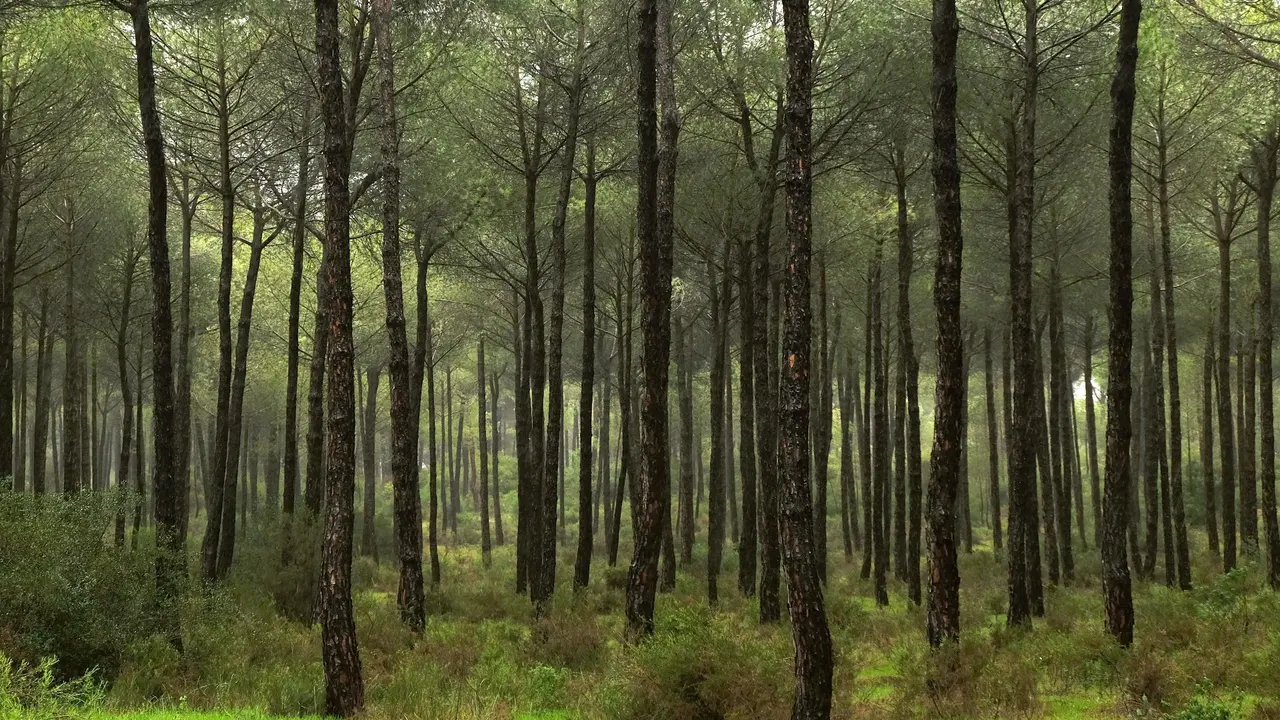
In Los Alcornocales, look for cork oaks and for the narrow, humid ravines known locally as canutos. Select one marked walk near Alcalá de los Gazules or in the Campo de Gibraltar according to the rest of your itinerary. A single trail gives you time to notice where the undergrowth changes as the ground drops into a valley. Check the visitor information before choosing a route after rain.
Dunes, marshes and migrating birds
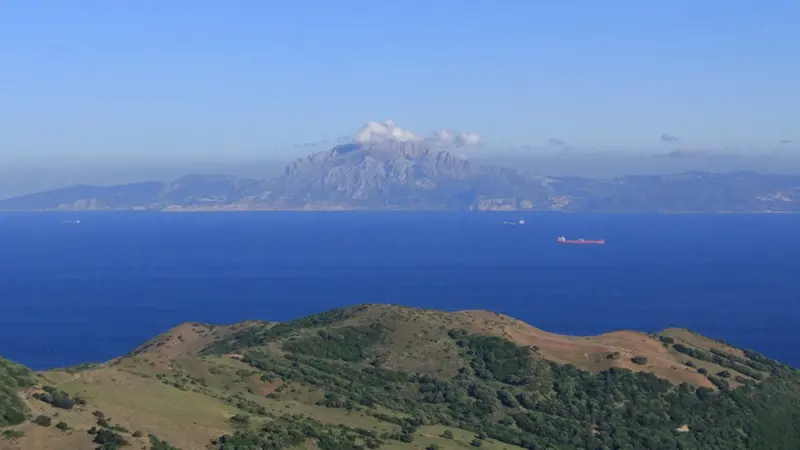
The Strait of Gibraltar Natural Park includes the Bolonia dune, where wind carries sand up against a slope. Use the marked access and give the plants at the margins room to grow. In migration seasons the countryside around Tarifa gives you a chance to see birds gathering or crossing the Strait. Wind and visibility affect which viewpoints are worth a stop.
On the bay side, different stages of the tide reveal full channels or mud where birds feed. Take binoculars and watch from the path. At the mouth of the Guadalquivir, Sanlúcar looks across to Doñana. If you want an organised visit to the protected area, check the departure point before booking. Looking at the opposite shore and taking a tour into it are separate outings.
Beaches in Cádiz province
City beaches and easy bases
La Caleta fits into a walk through Cádiz old town. From the beach, look back towards the former bathing pavilion or out towards San Sebastián Castle. For a longer walk by the ocean, keep going towards Victoria and Cortadura. La Barrosa, in Chiclana, is a different base. Pick the stretch you want to use according to beach access, services available on the day and where you plan to stop for lunch.
The Atlantic shore from Conil to Tarifa
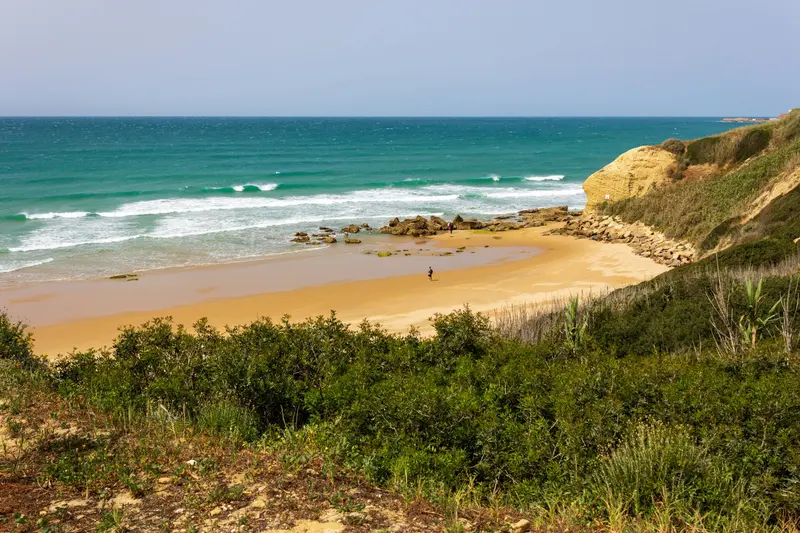
At Conil, La Fontanilla works for a day that includes a walk through town. Towards Roche, some small coves have steps or slopes down to the water. Think about the climb back before carrying chairs and bags. Between Los Caños de Meca and Zahora, Cape Trafalgar provides a landmark for a coastal walk. Stay on marked access paths and judge the surf from the shore before considering a swim.
Zahara de los Atunes has a long beach and places to eat in the same village. Give Bolonia a day of its own if you want both time on the sand and a look at the Roman site. Valdevaqueros, closer to Tarifa, gets plenty of attention from visitors interested in wind sports. Find the bathing area and keep clear of the places where boards and kites enter and leave the water.
Festivals and traditions
Cádiz Carnival took place from 12 to 22 February in 2026. The city programme distinguished stage events from groups performing in the streets. The musical groups often use local references and satire. If you stumble on a performance, stay for a whole song before moving on. If you are with children, look for daytime events and work out a walk back to where you are staying.
The 2026 Jerez Horse Fair took place from 9 to 16 May around Parque González Hontoria. For a future edition, use the programme to choose between watching the horse parade and going to a particular event. In Sanlúcar, the 2026 beach horse races took place 8 to 10 and 21 to 23 August. Check the current edition before booking a room around the races.
What to eat
Around the bay, order tortillitas de camarones, thin shrimp fritters, and ask what comes in a plate of pescaíto frito. Try the lightly spiced and vinegary cazón en adobo alongside a small fish fried whole. You can order one round of fish to share and decide on shellfish afterwards. In Spain, lunch and dinner may be served later than you are used to. If you have a late arrival or a long afternoon drive, check the kitchen opening hours ahead of time.
In Sanlúcar, try prawns from the estuary with a glass of manzanilla, the dry wine aged locally. In Jerez, a tabanco gives you a chance to compare a fino with an amontillado. A tour of a bodega can help you place terms such as flor, the layer of yeast on the wine, and solera, the system used to blend wines at different stages of ageing. Plan a walk or train ride back if you intend to taste several wines.
In Barbate and Zahara, ask about cuts of tuna and how the kitchen prepares them. Belly and loin have different textures, and mojama is salt-cured tuna served in thin slices. In the hills, a local cheese can tell you something else about the landscape. Ask which milk it uses and how long it has aged before choosing between a fresh cheese and a firmer one for the journey.
Sport and outdoor activities
Wind sports near Tarifa and cycling inland
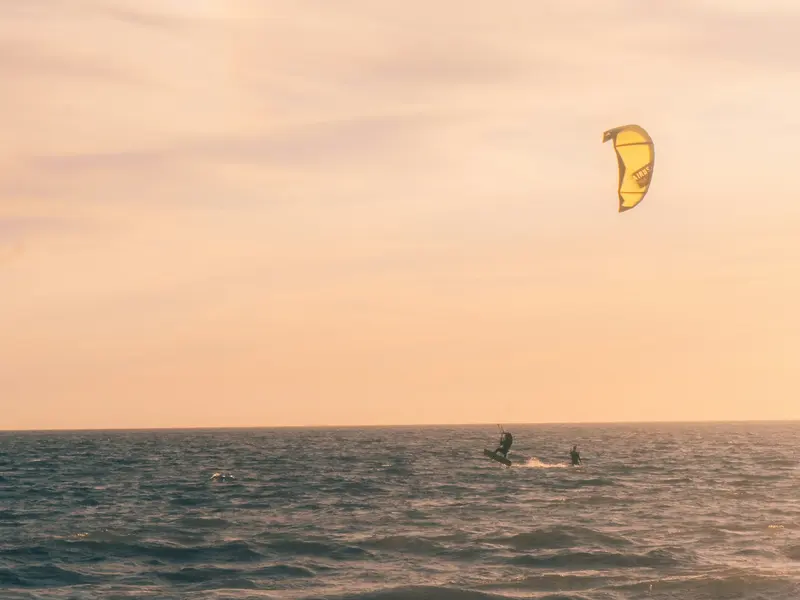
Around Tarifa, choose a windsurfing or kitesurfing school that can change the beach or timing in response to the forecast. For a first lesson, find out where you meet, what happens if conditions are poor and how much time you will spend learning to handle the equipment on land. If only some of the group are taking a lesson, agree on a place to meet away from the launch zone.
The Vía Verde de la Sierra follows a former rail route between Puerto Serrano and Olvera. You can choose one stretch and ride back to where you began. If you are hiring bikes, look at the collection and return points before choosing a distance. Carry a light for the tunnels and allow for a stop near Peñón de Zaframagón to look at the rock from a designated viewpoint.
Routes and itineraries
Three days for the bay and the sherry towns
Use the first day for the old centre of Cádiz, La Caleta and the promenade on the bay side. On the second, go to Jerez and put the bodega in the slot you can book. Spend the third in Sanlúcar for lunch near the estuary and a walk through the upper town. If you are sticking to rail services, use El Puerto de Santa María for that last day and walk between the old town and the Guadalete.
Five days for Vejer, Bolonia and Tarifa
Start with Cádiz and Jerez, then move towards the southern coast on day three. Visit Vejer that morning and use the afternoon for Trafalgar if the wind suits a coastal walk. Spend day four around Bolonia and Baelo Claudia. On day five walk through Tarifa old town and save part of the day for a beach, a sports lesson or a viewpoint. Check your drive from Vejer before booking an early meeting near Tarifa.
One week with the mountains as well
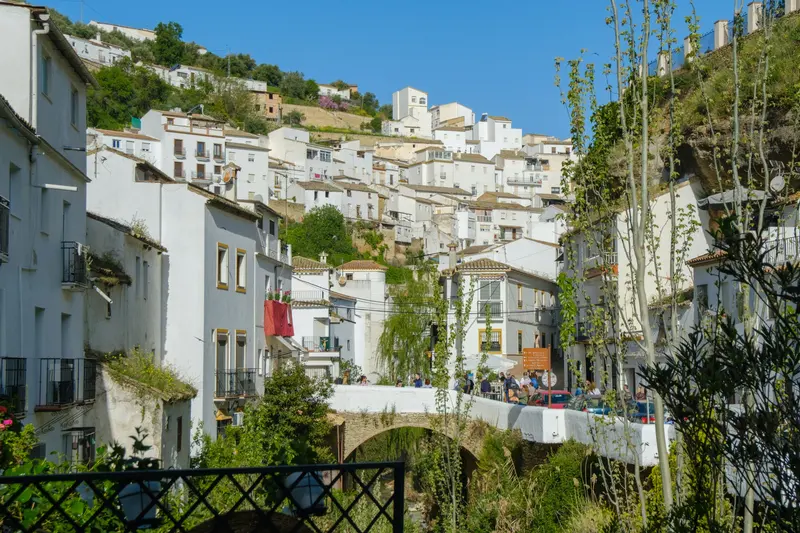
Start with Cádiz and Jerez, spend two days in the south and save the final part of the week for the hills. Stop at Arcos on the way to your mountain base. The next day, pick the Majaceite trail or the climb through Zahara de la Sierra according to conditions. On the last morning, Setenil makes sense if you are driving east afterwards. Grazalema gives you a village walk before a more direct journey back towards Jerez Airport.
Travelling with children
In Cádiz, the market and La Caleta can be two short outings in the same morning. At Bolonia, give the Roman site and the beach separate blocks of time. Ask children to look for the public square in the ruins before you walk towards the beach. If the surf looks rough, you still have the sand, the view of the dune and time to take another look at the site.
On the railway greenway, choose a distance with an easy turnaround and ask the hire shop about sizes, seats or trailers. When picking a beach base, look at the walk to the water and where you can find shade. A short evening promenade near your room can be the most practical thing about a base if your children have already spent much of the day outdoors.
Where to stay in Cádiz province
Stay in Cádiz city to spend your evenings on foot and make day trips along the bay. Choose a room near the old town if the market and La Caleta matter, or near Victoria if you want a longer beach on the doorstep. Jerez is well placed for bodegas, Arcos and Sanlúcar. Check the route from the city station to your room if you are arriving with a case.
For a beach base, Conil and Zahara de los Atunes offer the option of going out to eat after a day on the sand. Vejer is a hill town with a drive to the water. Tarifa makes sense for visits around the Strait, though the beaches and lesson meeting points are spread along the coastal road. For somewhere between villages, check the final approach and where you can pick up food if you arrive late.
In the mountains, Grazalema, El Bosque and Benamahoma all put different walks within easy reach. Ask about breakfast if you have an early start. If you are switching between a coastal base and the hills, use the move for a visit to Arcos or Medina Sidonia and check how you will handle luggage during the stop.
See places to stay in Cádiz province (opens in a new tab)Affiliate link: if you book through it, we may earn a commission at no extra cost to you.
Practical tips and common mistakes
- Save the name of the actual access point. A beach in the same municipality as your room may be a separate drive. Save the parking area or bus stop along with the beach name.
- Check wind, swell and tide. Use all three to decide where to walk and whether to swim. Pay attention to beach flags and local advice when you arrive.
- Allow time around bookings. Fit the beach, lunch or a walk around the timed bodega visit or guided activity. Include the distance from the car park or station.
- Choose where you want to spend the evening. A night in Jerez makes it easier to walk back from a tasting. A night in the hills lets you start a walk early without a drive up from the coast.
- Have a shore-based plan. You can see coastal scenery and birds even on days when the water is unsuitable for swimming. Keep to marked paths through dunes and marshes.