Español
 English

Why visit Seville province
If you are deciding what to see in Seville province, give yourself a choice of trips beyond the cathedral quarter. The agricultural plain east of the capital, known as the Campiña, has walled towns, towers and palaces. The hills to the north have a former mining railway you can cycle and a limestone outcrop cut through by old workings. The lower Guadalquivir has rice fields, lagoons and wide views for birdwatching.
For a first visit to Andalusia, the city makes an easy base. You can walk between major sights, take a short outing to Itálica and stay put if the weather changes. Give the Campiña, the marshes or the Sierra Morena a full day if you are going beyond a single town. Staying a night in Cazalla de la Sierra or around Carmona can give you a long morning there and save a return drive through the capital.
When to go
Spring weekends, autumn walks and summer heat
Spring works for combining museum visits with a long walk through towns and gardens. Allow for rain and look up the festival calendar before booking. Holy Week processions and the April Fair change where crowds gather and how easily you can move around the capital. Decide whether you want to be there for a celebration or have a few unhurried days for the buildings and neighbourhoods.
In autumn, spend the warmer part of the day in the old towns or on a trail in the hills. In winter, a clear morning can be a good time to look at Écija’s towers or watch birds on the marshes. Carry a layer for the first hours of the day and check track conditions after rain. The water level and the number of birds vary from one visit to the next.
At Seville Airport, AEMET’s climate averages give 36°C for the average daily high in July. Plan outdoor archaeology, unshaded streets and longer walks for early in the day if you visit in summer. Use the middle of the day for an indoor stop or a rest and return to the river when the sun is lower. Even a hill walk that starts in shade can finish among exposed limestone, so take enough water for the return.
Getting there and around
Flights, train stations and local journeys
Seville Airport (SVQ) appears as Sevilla on Spanish maps. In 2026, Aena listed the EA bus from the terminal to stops including Santa Justa and Plaza de Armas. Pick the stop with the easiest onward route to your accommodation. If you are travelling from Madrid, check which trains are on sale for your date. Look for Sevilla Santa Justa as the arrival station. If you are changing from plane to train in Madrid, budget time to cross the city and check the Madrid station on your ticket. In Seville, allow for the transfer from Santa Justa to the cathedral district before making a timed booking.
If your trip continues east to Córdoba, the train works well for a town-centre stay. For outings within the province, check each journey separately. On Renfe’s suburban rail map checked in 2026, Utrera was on line C-1. For a bus trip to Carmona or Santiponce, check where the service actually drops you, how far you will walk at each end and which service you can use on the way back.
When to hire a car
Walk between the cathedral, Archivo de Indias and the palace. Give Plaza de España and Triana time of their own. If you need to drive through the hills or combine more than one Campiña town in a day, picking up a car when you leave the city saves dealing with it during the city stay. Ask about vehicle access and parking before choosing a collection point or driving to your accommodation.
On a Sierra Morena cycling day, distinguish Cazalla-Constantina station from the two towns in its name. Pin the trailhead, bike collection and return arrangements on the map before leaving. Around the marshes, follow the approach indicated for the visitor site or viewpoint. A straight line across rice fields can lead along a farm track or end at an irrigation canal. Download the route in advance if you plan to spend time away from towns.
What to see in Seville province
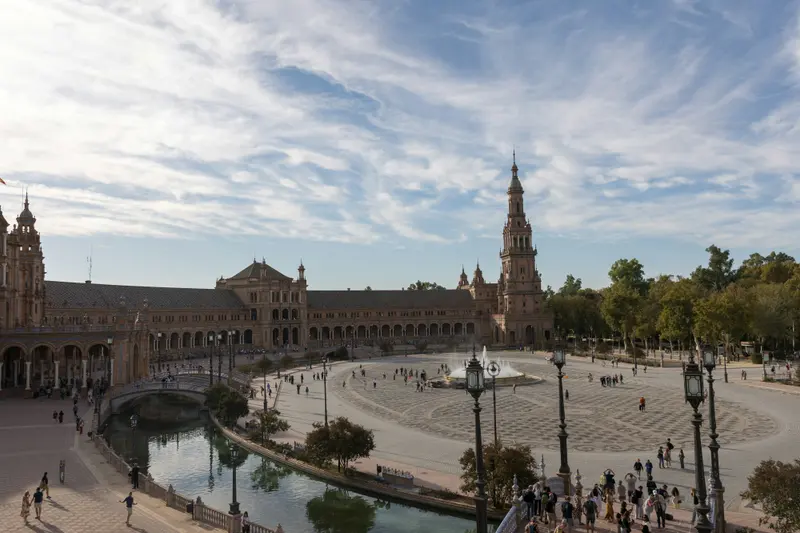
What to see in Seville province on a first visit
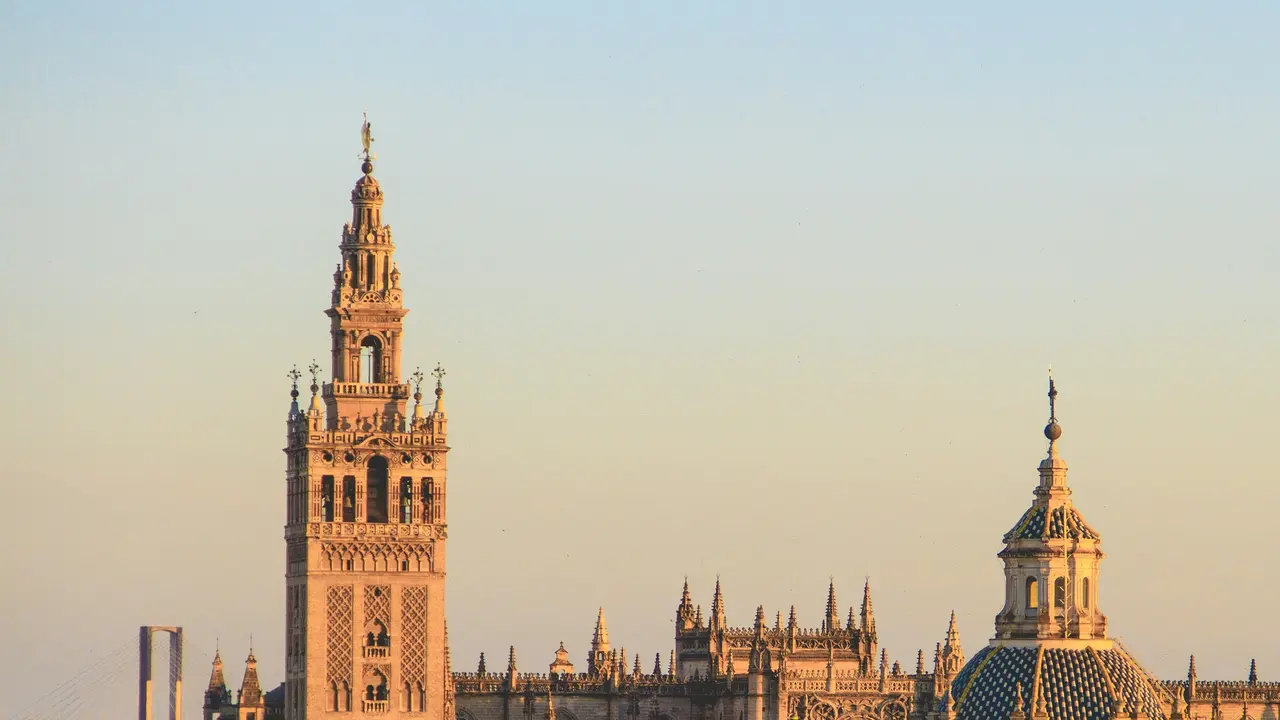
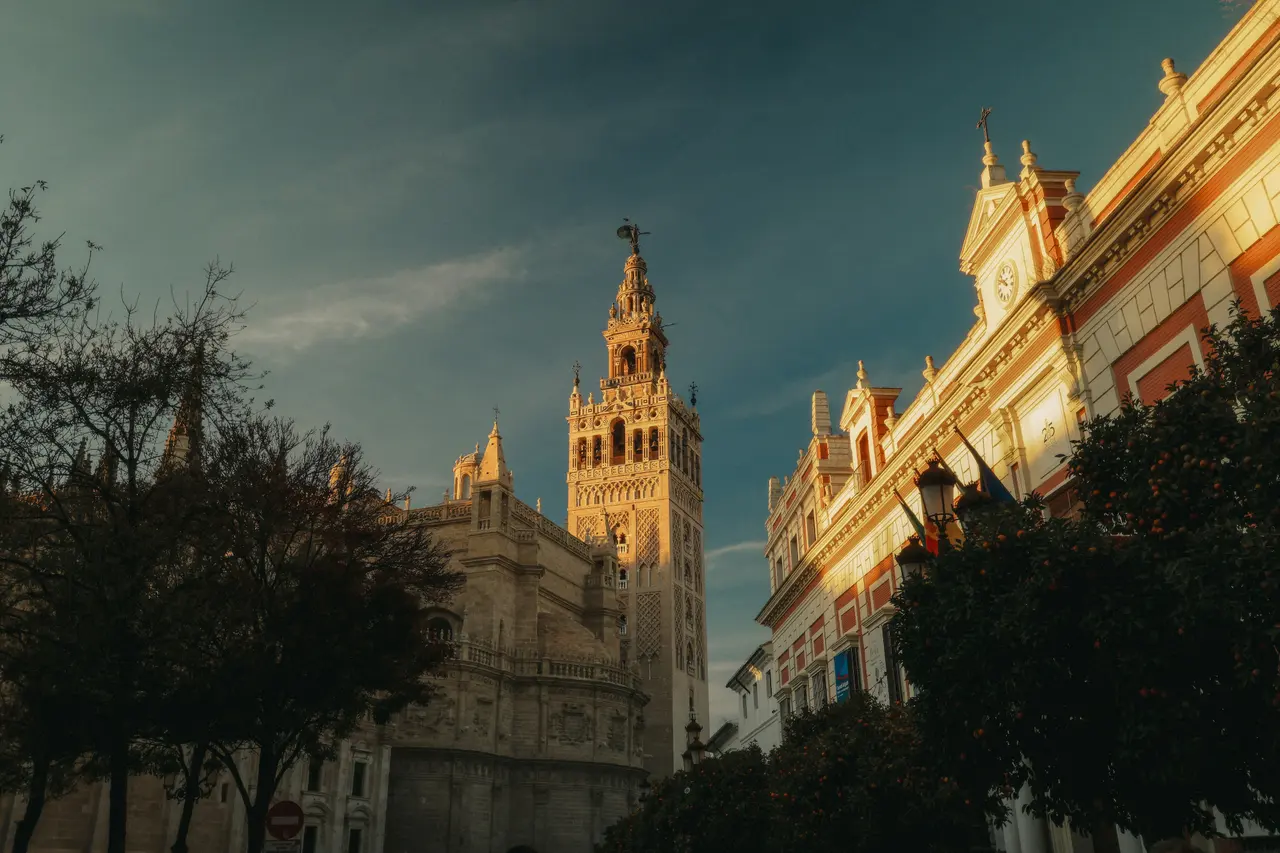
Start with the Royal Alcázar, the cathedral and Giralda and the Archivo de Indias. Together they form a UNESCO World Heritage property. Give the Alcázar time for both the courtyards and the gardens. Walk past the Archivo and into the Patio de Banderas to see how the palace walls meet the surrounding lanes. If you arrive late or have a timed slot, work from the confirmed booking and keep the other stops flexible.
Make Plaza de España and María Luisa Park a second outing. The square was built for the 1929 Ibero-American Exhibition. Walk the semicircle to see the tiled benches and look at the bridges from both banks of the canal before continuing through the park to Plaza de América. Later, cross to Triana or follow the promenade near the Torre del Oro. Breaking the park and river into separate walks leaves more time to rest, particularly on a hot day.
Roman remains and the Campiña towns
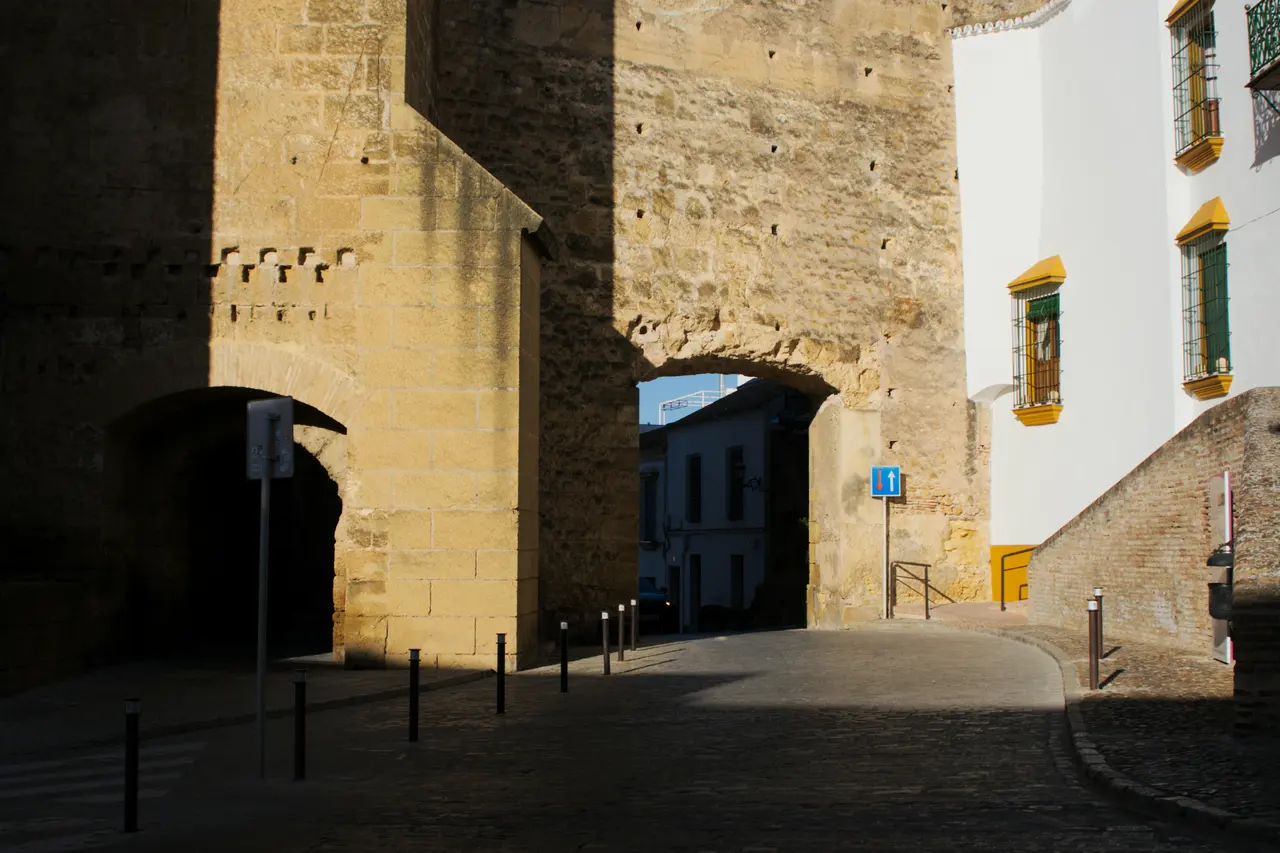
Itálica is an easy first outing if archaeology is the reason you are leaving the capital. In Carmona, the Puerta de Sevilla explains the town’s defensive position, while a Roman necropolis sits elsewhere in town. Either can fill a long half-day. Give them separate mornings if you want time to compare Roman urban planning with a gate and fortification that were modified across centuries.
Further east, choose Écija for its towers, palaces and archaeological collection, or Osuna for a walk from grand town houses to a collegiate church on its own hill. Both reward a full day with time for lunch. On a longer trip, treat them as separate stages. If the group tires easily, put the building or museum you care most about first and leave its surroundings for later in the day.
Monuments and heritage
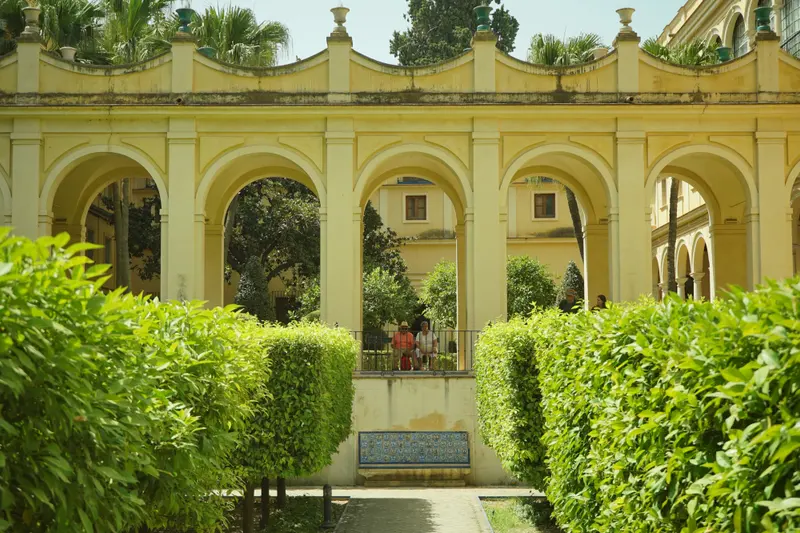
From the Giralda to the mosaics at Itálica
The Giralda retains the shaft of an Almohad minaret beneath its Christian bell tower. In the Royal Alcázar, the plasterwork and courtyards of Pedro I’s palace show how techniques and decorative forms from Islamic Iberia were used in a Christian royal residence. Look at the channels and galleries in the gardens after visiting the rooms. If you would like help placing the buildings in order, compare guided visits to the Royal Alcázar and check the official visitor information before choosing a ticket.
At Itálica, in Santiponce, walk from the amphitheatre towards the excavated residential blocks of the Roman town. Look for the footprint of a house and the position of its courtyard before focusing on the mosaics. The regional government added the theatre to the ordinary visit in 2025 and its public listing was checked in 2026. Look up the theatre’s specific entrance and any changes to the visitor route for your day. Shoes with a good grip help on uneven ground after rain.
Gateways, churches and palaces east of the capital
In Carmona, start at the fortified Puerta de Sevilla. From above you can see the relationship between the walls and the open land below. At the Roman necropolis, allow time for the site interpretation and the arrangement of the burial chambers. Check how you will get between the two areas if you want to visit both on foot.
In Osuna, the Collegiate Church of the Assumption stands above the town. The climb gives you an open view before you see the chapels and artwork associated with the dukes of Osuna. On the way back down, look at the deep doorways and long façades on Calle San Pedro. In Écija, start near Plaza de España and follow the towers into the surrounding streets. Each turn gives you a different view of how the churches fit into the town.
Museums and culture
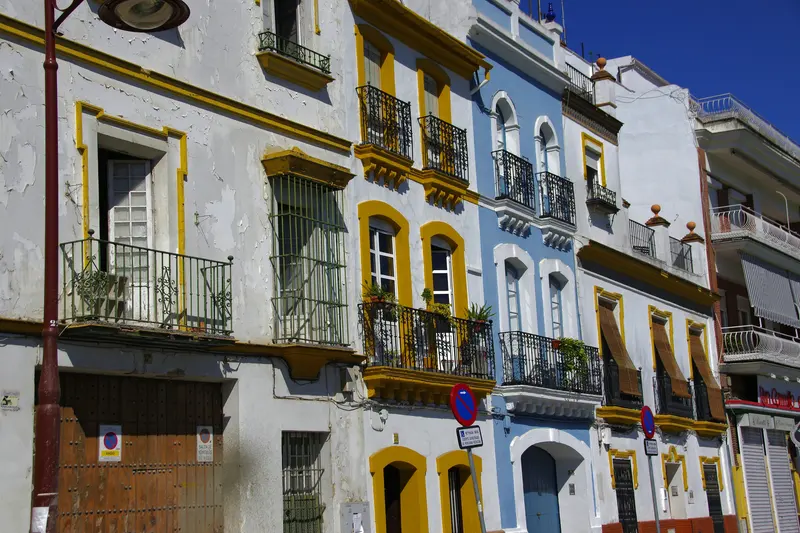
The Museum of Fine Arts in Seville occupies the former convent of La Merced. Go for the religious commissions and work of the city’s painters, and break up the visit in the courtyards. Across the river, the Triana Ceramics Centre displays the craft in a former factory. Look at the kilns, then walk around the neighbourhood and see where tiles were used in doorways and along shopfronts.
At Écija’s Municipal History Museum, in the palace of Benamejí, look for the Wounded Amazon, a Roman marble sculpture. Afterwards, pass the remains of the Roman pool in Plaza de España. The two stops help place ancient Astigi beneath the streets you have been walking. If you reach town around lunchtime, plan the rest of the walk around the museum’s published opening arrangements.
For flamenco, decide whether you want a recital mainly devoted to cante, the singing, or a show that includes a fuller programme of guitar and dance. The capital and Utrera give you different ways into that tradition. For an evening performance outside the place where you are staying, check how you will get back before making a booking.
Charming villages
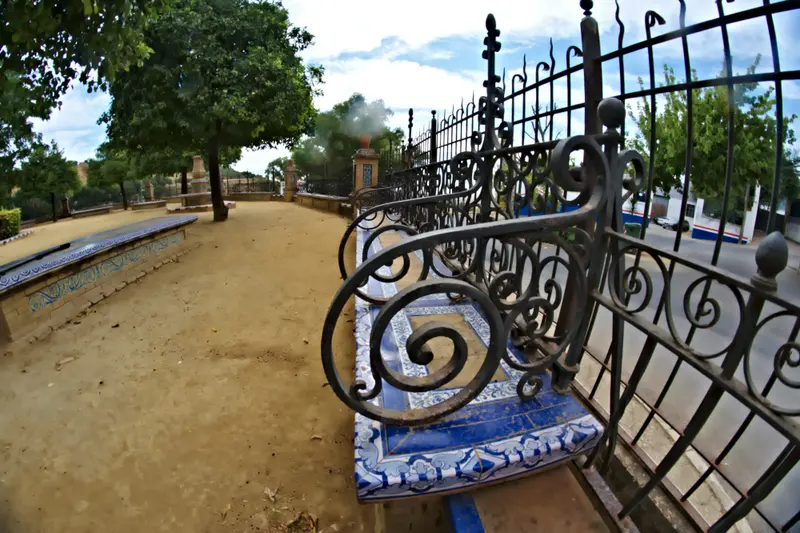
Carmona, Utrera and Estepa
From Carmona’s Puerta de Sevilla, walk to Plaza de San Fernando and the church of Santa María. The smaller streets show how courtyard houses fit into the old walled town. Find an uphill viewpoint if you want to look over the plain. If you plan to finish at the necropolis before going back to the city, check whether that order fits the visiting hours and your return journey.
In Utrera, the castle and church towers provide a focus for an old-town walk. Stop for a mostachón, a local sponge biscuit. If you come by train, allow time to walk from the station to the centre. The Sanctuary of Consolación sits beyond this core walk and works as a second stop if you have time to spare.
At Estepa, the Cerro de San Cristóbal overlooks the houses and surrounding plain. If you are interested in the town’s biscuits and Christmas sweets, find an advertised visit and check that there will be something to see on your day. A stop in Estepa fits a longer trip between Osuna and Málaga province, especially if you want an outing on either side of lunch.
Cazalla de la Sierra and Constantina
Cazalla de la Sierra makes a useful base for the Huéznar valley. Begin your town walk around the parish church of Nuestra Señora de Consolación. In Constantina, the streets rise towards the remains of the castle. Walk far enough up to see the pattern of the lanes before driving on to Cerro del Hierro. When staying only one night in the hills, choose the end nearest to what you want to do first in the morning.
Nature and protected areas
Sierra Morena and Cerro del Hierro
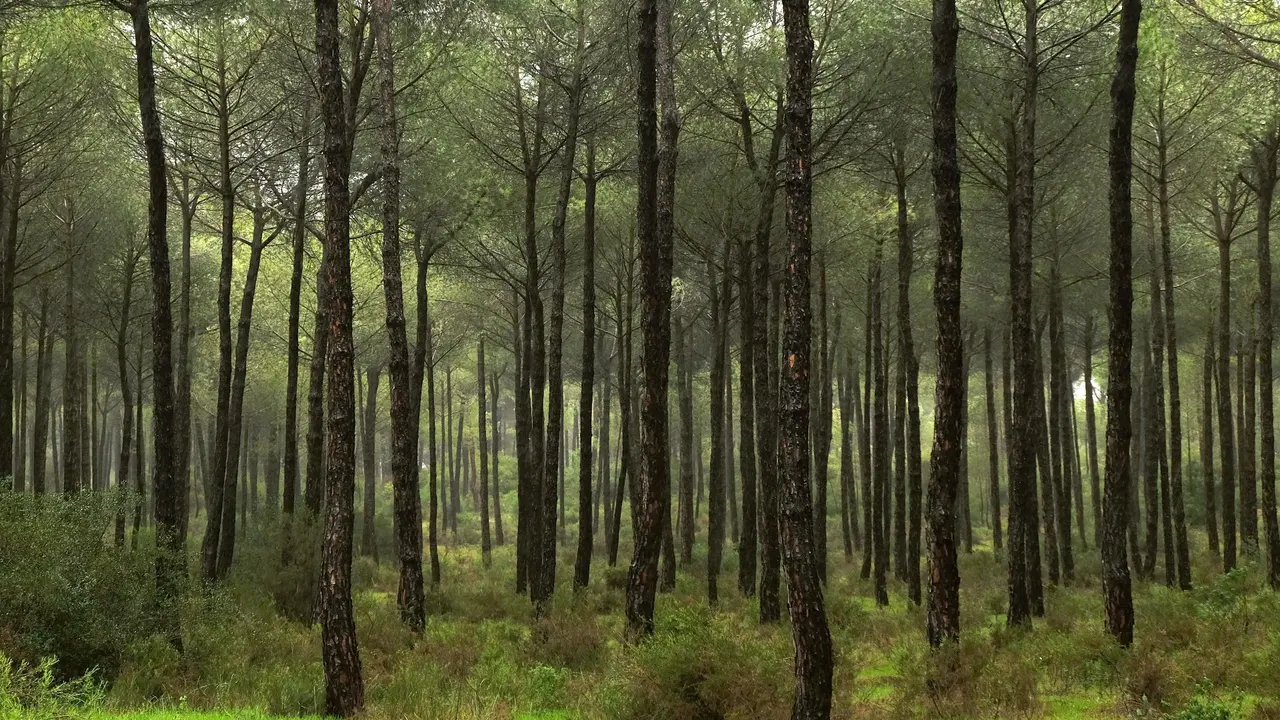
The Sierra Morena de Sevilla Natural Park, also known as Sierra Norte, has oak pastures, river woodland and former mine sites. At Cerro del Hierro, erosion and mining have left limestone spires, narrow rock passages and traces of the old workings. The marked route helps you recognise geological features and where people removed ore. Stay on the official path and observe excavations from designated points.
Along the Huéznar, choose a riverside walk and see the waterfalls from the viewpoints. Some sections have shade from the trees beside the water. For a day that combines the valley and the old mine, keep enough time for both walks. The limestone underfoot is uneven and exposed, so visit with daylight in hand and carry more water if the forecast is hot.
Marshes and rice fields of the lower Guadalquivir
For the Seville side of Doñana, start with La Puebla del Río, Dehesa de Abajo and Isla Mayor. The lagoon and seasonally flooded ground attract waterbirds when conditions suit them. Settle at one viewpoint with binoculars for a while before trying another. Allow time to take in the field channels and the changing water levels as well as the birds.
Check access to Dehesa de Abajo after heavy rain. Respect the farm tracks and use the designated places for observation. Doñana spans more than one province and its visitor sites use different approaches. Plan a separate journey if you are going on to El Acebuche or La Rocina in Huelva, with the right visitor centre and road route for that stop.
Festivals and traditions
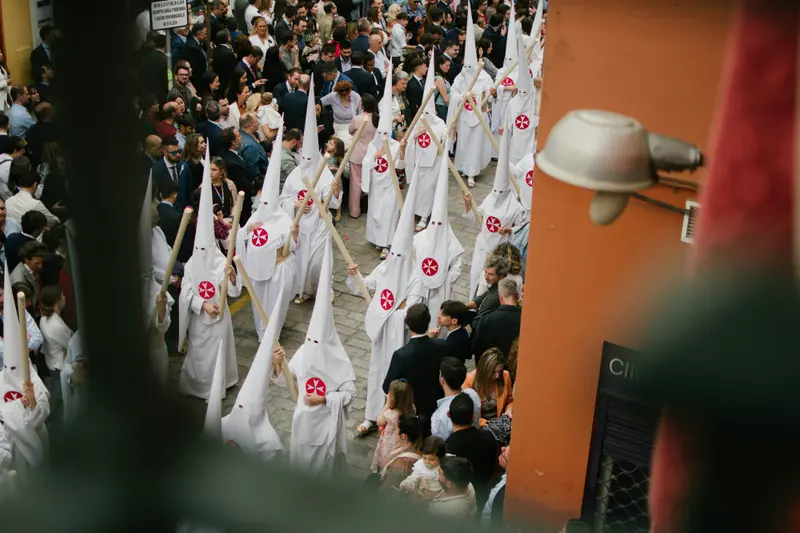
Seville’s Holy Week ran from 29 March to 5 April in 2026. If you want to see a particular brotherhood, find its route and pick a place to watch with a way out afterwards. The official route can get very crowded. At Osuna, the steep streets of the old town give the processions a different setting. Look up the local programme for the year you visit before deciding where to go.
The 2026 April Fair ran from 21 to 26 April in Los Remedios, with the lights switched on the night of 20 April. The fairground has streets of temporary pavilions called casetas. Find the public ones on the plan for your edition and leave time to walk from the transport stop. Agree a meeting point if you are going with children. For a visit focused on buildings and museums, leave yourself a quieter morning to cross the centre on foot.
What to eat
City tapas and rice from the marshes
In the capital, try spinach and chickpeas, a small pringá sandwich made with meat from a stew, or a plate of fried fish. A tapa is a small helping and a ración is a full serving to share. Ask about portion sizes and order in rounds. In Triana, a meal around San Jacinto or the market fits easily into a walk from the bridge to the waterfront. Check the time the kitchen starts serving if you want to eat before a late-afternoon visit or an evening train.
In Isla Mayor and La Puebla del Río, ask about rice and produce from the channels or tidal ponds, known as esteros. A look over the rice fields before lunch gives the meal some local context. Ask whether the rice dish needs to be booked for a certain number of people. Give yourself time to reach the table if you are watching birds beforehand.
Campiña baking and food from the hills
Utrera’s mostachón is a flat sponge traditionally sold on its baking paper. Mantecados and polvorones from Estepa are especially associated with Christmas. If you are travelling out of season, check which bakeries have a shop or show visitors how the sweets are made. In the hills, see whether the menu has a stew, cured meats or oil from the area. Leave a tasting of anise spirits from Cazalla or Constantina until after you have finished driving for the day.
Sport and outdoor activities
Cycling a former mining railway
The Sierra Norte de Sevilla Greenway covers about 19 km from the area of Cazalla-Constantina station to Cerro del Hierro. Count the return if you need to bring the bike back to your starting point. Take the gradient, the type of bike and the temperature into account. For a shorter ride, pick an out-and-back section near San Nicolás del Puerto and choose your turnaround point before leaving.
If you hire a bicycle, confirm where you can pick it up and whether you can return it at the other end. Take water and lights if your route uses a tunnel. Slow down around people walking and check the state of the trail after heavy rain. Reserve Cerro del Hierro for a separate morning if you want more time to walk through the old mining area.
Riding along the banks and paddling on the river
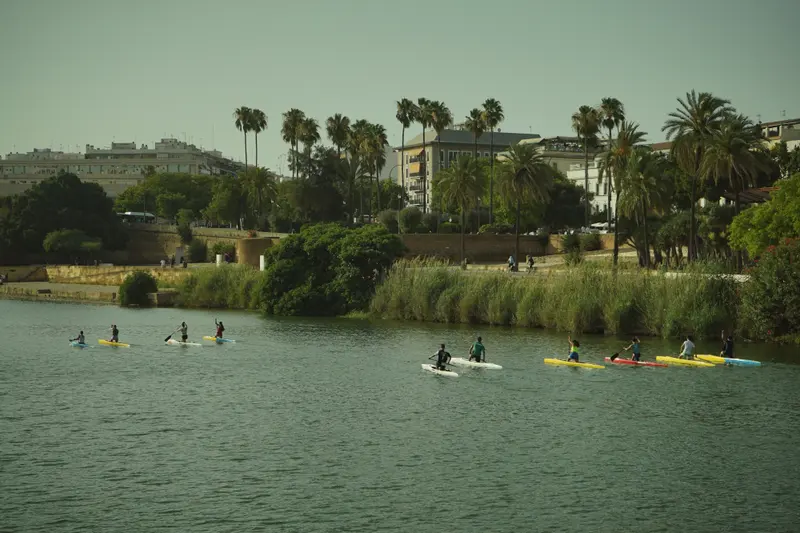
A bicycle ride along Seville’s waterfront gives you a different angle on the two banks. You can continue on foot around the cathedral quarter afterwards. If you want to paddle, choose a session on the urban stretch of the Guadalquivir suited to your experience. Check the launch point, equipment and conditions with the operator. For walking in the hills, choose either a sheltered river route or an exposed limestone trail based on the forecast and your footwear.
Routes and itineraries
Three days with one base
Visit the Royal Alcázar and the cathedral precinct on day one. Give Plaza de España and María Luisa Park the next morning and cross to Triana after a break. On day three, choose Itálica for the amphitheatre and Roman houses or Carmona for the old town, views and necropolis. With the same base throughout, you can change the order around your entry bookings.
Five days with the Campiña and a change of landscape
Add Écija or Osuna for a day of architecture and a longer lunch. Finish with Dehesa de Abajo if you are taking binoculars or the Sierra Norte Greenway if you would rather walk or cycle. Put the outdoor day where it fits the forecast. If your trip continues to Córdoba, you can use the last day for Écija to make progress eastwards.
One week with two bases
Use two days for the capital and one for Itálica and the Aljarafe area. Give the fourth day to the marshes and the fifth to Carmona or Écija. Spend two days in the Sierra Morena, one for the greenway and one for Cerro del Hierro and Constantina. If your onward route takes you towards the Cádiz coast, move the marshes to the end so that you finish on the side of the Guadalquivir that suits the next drive.
Travelling with children
Pair a visit with something easy to find and a break you can take whenever you need it. At Plaza de España, look for tiled benches representing two provinces you know and continue into the park until it is time to stop. At Itálica, give children a courtyard or a mosaic pattern to look for. Check surfaces before bringing a pushchair and carry water for the open sections.
On the marshes, take turns with binoculars and stay at one viewpoint long enough to see what moves. Choose an out-and-back bike ride so you can turn around when anyone starts to tire. On a hot day, leave time for play in the shade and make sure you can get back easily if you need a break.
Where to stay in Seville province
Within Seville, stay in the old town to walk to the Royal Alcázar and cathedral first thing. Triana puts you by the river across from the historic centre. Around Santa Justa, it is easier to make an early train or find your accommodation with luggage after arriving. If you are bringing a car, check the approach to the street and where you can leave it overnight.
In the Campiña, a room in Carmona lets you explore the historic streets on foot when you wake up. Écija works for a route continuing towards Córdoba, while Osuna gives you an early start on the hill above town. Choose Cazalla de la Sierra or Constantina depending on whether the river or Cerro del Hierro is your first goal. Around La Puebla del Río, a nearby base can save time on a birdwatching morning. Confirm where you can eat in the evening if staying outside town.
See places to stay in Seville province (opens in a new tab)Affiliate link: if you book through it, we may earn a commission at no extra cost to you.
Practical tips and common mistakes
- Save the exact entry point. Itálica’s theatre, Carmona’s necropolis and the Alcázar entrance have separate map searches. Mark where you left the car as well.
- Keep part of the day flexible. If a palace or museum takes longer than expected, leave space to move the next walk or indoor visit. Allow extra time when transferring with luggage.
- Work backwards from the return. Find the last bus or train that lets you finish the visit and allow time to walk to its stop.
- Plan around the terrain. On the greenway, the uphill stretch and the return can affect how far you go. Near hilltop buildings in the Campiña, expect the final approach to include a slope or cobbles.
- Allow for heat and rain. Carry water at ruins or on the marshes and check the state of the tracks after rain before tying up the rest of your day.