Español
 English

Why visit Navarre
The things to do in Navarre spread across three very different landscapes. You can spend the morning on Pamplona’s city walls, walk through beech woods on a second day and finish your trip in Tudela, where the Ebro supplies water to the vegetable fields. The distances on the map make that sound like a single short drive. Choose where to spend the night for each part and you can walk while it is cool, have lunch near the places you came to see and spend less of the evening on the road.
Navarre is both a region and a single province. For trip planning, it helps to divide it into three bands. The north includes the Pyrenees and the greener valleys of Baztan and Bidasoa. Central Navarre takes in Pamplona, castles and vineyards, and a run of towns on the French Way of the Camino de Santiago. The Ribera follows the Ebro in the south. Here the land flattens out, the river feeds market gardens and the dry ground of the Bardenas breaks into gullies and ridges. In the north, check what a road actually does between valleys before planning the day around two nearby points on a map.
This is a good part of Spain for a group with different ideas of a day out. In the centre, you can walk to a medieval bridge and still have the afternoon for a palace. In the mountains, a single valley can occupy a full day. If your group likes to choose dinner on foot, start in Pamplona or Tudela. If you book a rural stay because of the view or the trail outside, ask what is available to eat once you arrive.
When to go
The best time to visit different parts of Navarre
Spring works well for a first trip that takes in Pamplona, Olite and the south. Seasonal produce can set the agenda in the Ribera, and you can decide on higher walks once you know the weather. In the 1981 to 2010 record from Spain’s weather agency AEMET, the mean daily maximum at Pamplona Airport in May was around 21°C. Use it as a guide to the capital. The conditions on a mountain pass or on an exposed track near the Ebro can feel quite different on the same day.
In summer, start exposed walks early. The shade of a beech wood can make for a more comfortable morning. Keep an eye out for afternoon storms if you are heading into the mountains. In Pamplona, work out whether the San Fermín festival is part of the trip before you fix your dates. The city feels different during the celebrations. Visit on another week if you mainly want to walk the old streets, explore the cathedral and take your time over lunch.
September and October suit different priorities. September is a good month to put outdoor monuments, walks and a day in the Bardenas on the same trip. In October, look for autumn colour in Irati, Bertiz or one of the surrounding valleys. Elevation, rain and wind affect how long the leaves last. Keep a day that you can swap with Pamplona rather than tying the forest walk to a single date.
In winter, build the trip around the old towns and interiors. Pamplona has enough to fill a day even if snow rules out the highest trails. Add a museum or a town in the central belt if the roads are clear. Check the specific approach into a valley before setting off, and leave enough daylight for the return. Confirm which winter services are operating if snow is the reason for the trip.
Getting there and around
Arriving from abroad or elsewhere in Spain
Pamplona Airport (PNA) is at Noáin. In 2026, the airport operator Aena listed Madrid-Barajas among its destinations. If you are flying into Madrid, compare an onward flight with taking the train. Renfe offered routes from Madrid to Pamplona/Iruña and Tudela in 2026. Check the departure station on the ticket and allow for the trip from the airport if you book separately. Arriving in Tudela first may save a detour for a short break centred on the river valley or Bardenas Reales.
Pamplona’s railway station lies north-west of the old town. If you book near Plaza del Castillo, budget time for the last leg and ask where you can leave your bags if you arrive before check-in. The bus station is closer to the centre. Check which one you need for your next journey, especially if you are making a connection and have never been to the city.
Choosing which days need a car
You can base a car-free trip around Pamplona and Tudela. Check the rail and coach options for your date, then visit the old towns on foot. Before adding a village, work out where the bus stops and check the last service back. The stop in the village may still be a long way from the forest entrance or viewing point you plan to visit.
A hire car gives you more flexibility in Tierra Estella, Irati, Baztan and around Bardenas Reales. If the trip starts in Pamplona, you can collect it on the day you leave town. Mark the exact car park or signed entrance for a Pyrenean walk, as one valley name can cover several branches and approach roads. Save your shorter roadside stops for the day you transfer between bases. That leaves the mornings free for outings closest to where you are staying.
What to see in Navarre
Things to do in Navarre on a first trip
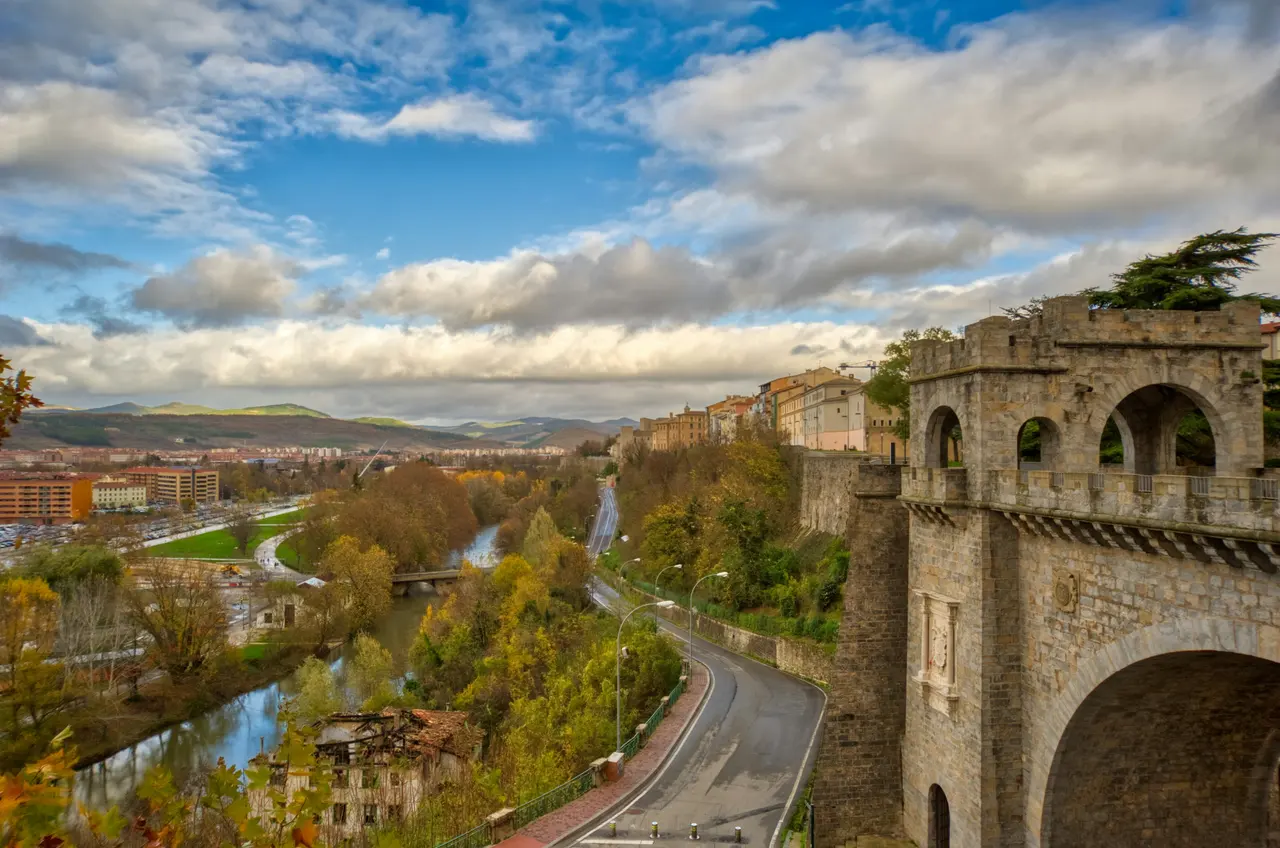
Start in Pamplona at Plaza del Castillo. Follow Estafeta and Mercaderes to the city hall square, then continue to the Cathedral of Santa María la Real. At Rincón del Caballo Blanco, look out beyond the walls to see how the high ground meets the river valley. Make a separate loop through the Taconera gardens or the Citadel if you want more space after the narrow old streets. You can look for guided walks in Pamplona if you would like someone to explain the layout before you explore further.
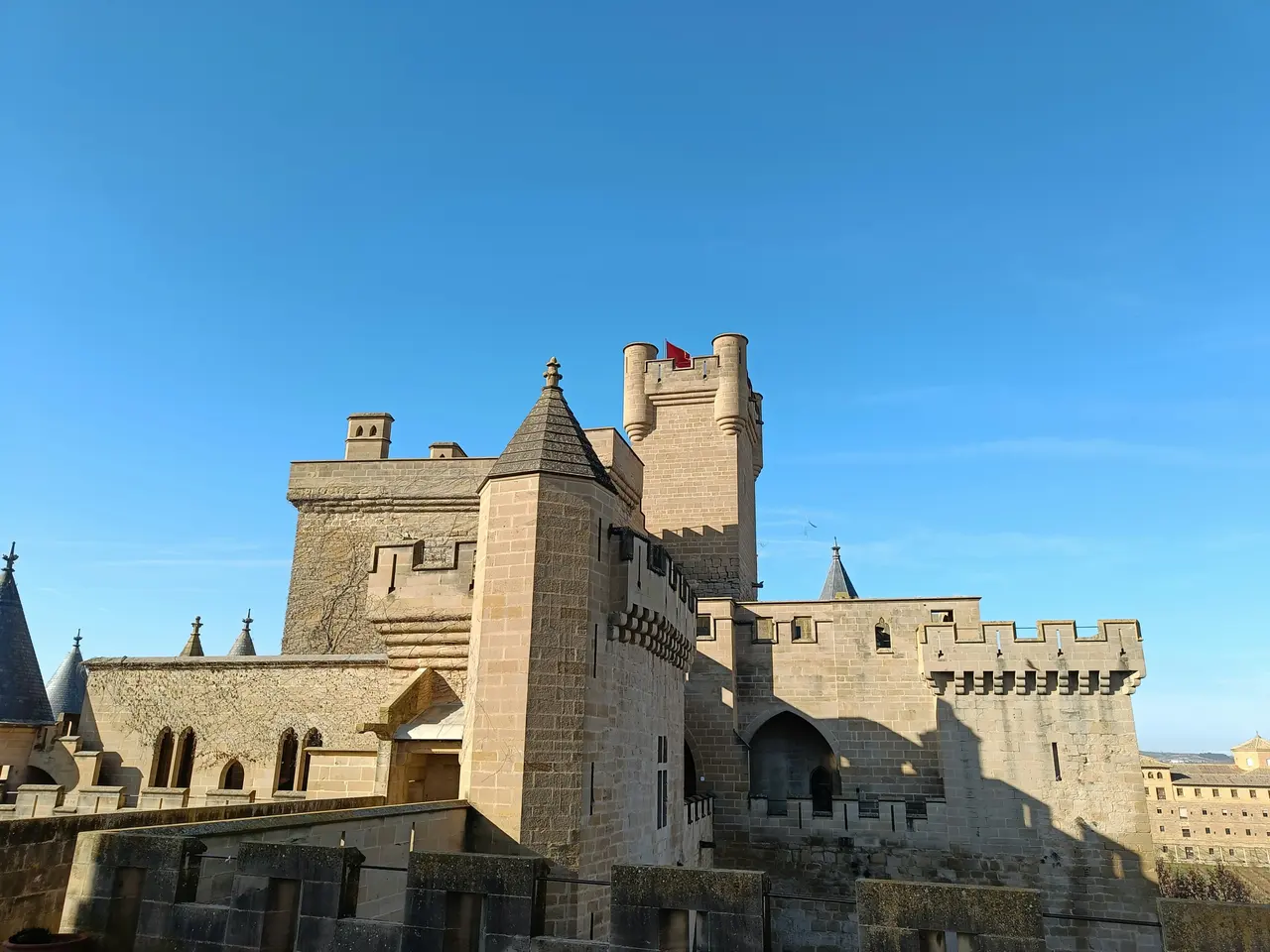
In Olite/Erriberri, give yourself a morning if you want to explore the Royal Palace. Look up at the towers from the streets before going in. The courtyards and stairs make more sense when you have seen how the building sits beside the old town. Afterwards, look for Santa María la Real and wander around the square. Stay in the area for lunch, then decide between hilltop Ujué and the walled enclosure at Artajona according to how much uphill walking suits your group.
Spend a night in Tudela if you plan to explore the Ebro valley. Walk from Plaza de los Fueros to the cathedral and stop at the sculpted Puerta del Juicio, the Door of the Last Judgement. You can carry on through the old Jewish quarter or head towards the Ebro for a different end to the walk. If the Bardenas are on the itinerary, put the park first and leave the city’s streets for the warmer part of the day.
Finding your valley in the north
Choose Irati for a day among beeches and firs. If you stay in Ochagavía, walk through the village on your arrival afternoon and keep the next morning for the drive to Casas de Irati. If you come via Roncesvalles, a night in Aezkoa gives you a start on the Orbaizeta side. The Irabia reservoir is useful for getting your bearings. Match the entrance to the walk you have in mind and plot the drive to that car park.
Choose Baztan if you want to mix riverside walks, old farmhouses and short village visits. Elizondo, on the river, works well as a base for the smaller settlements. Further towards the Bidasoa, you can add a walk around Señorío de Bertiz. If you are drawn to caves and local history, spend a separate afternoon in Zugarramurdi and consider the village museum for context on the witchcraft accusations.
Monuments and heritage
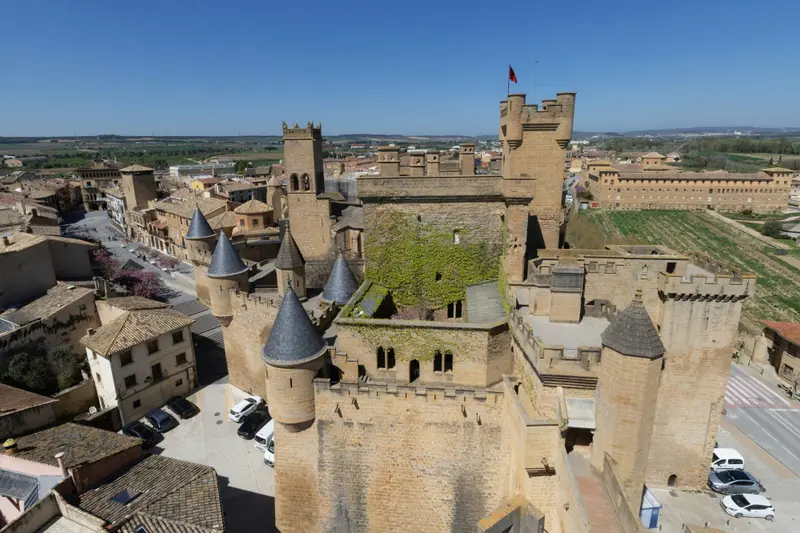
From Roncesvalles to Puente la Reina and Estella on the Camino
The collegiate church at Orreaga/Roncesvalles makes a good introduction to the Camino Francés, the route that crosses the Pyrenees from France and continues through Pamplona towards Santiago. Look around the complex, then walk a little way along the marked route to see the ground the pilgrims are about to cover. If you want to walk a full section, work out how you will get back to your starting point before you set off.
In Puente la Reina/Gares, follow Calle Mayor to the Romanesque bridge over the Arga. Go down to the bank first so you can see the shape of the arches. Near Muruzábal lies Santa María de Eunate, an octagonal church ringed by an arcade. Check whether you can go inside on the day you are passing. In Estella-Lizarra, walk by the Ega, climb to San Pedro de la Rúa and look for the Palace of the Kings of Navarre. For a final stop on this stretch of the Camino, visit the area of the Irache monastery near Ayegui.
Castles, a monastery and carved doorways
The Castle of Javier introduces the story of Francis Xavier. Near Yesa, Leyre Monastery has a crypt where you can see the columns and capitals at close quarters. Pair the two for a day in the Sangüesa area. If you also want to walk the Foz de Lumbier gorge, choose just one of the two interiors. A short visit leaves more time to enjoy the walk and stop to look for birds.
In Sangüesa/Zangoza, stop at the carved entrance of Santa María la Real. If Romanesque architecture is your reason for travelling, put it alongside Eunate and San Pedro de la Rúa. The setting changes how you approach each building. Eunate stands in open country, San Pedro de la Rúa rises above the street and the church at Sangüesa stands near the bridge over the Aragón.
Museums and culture
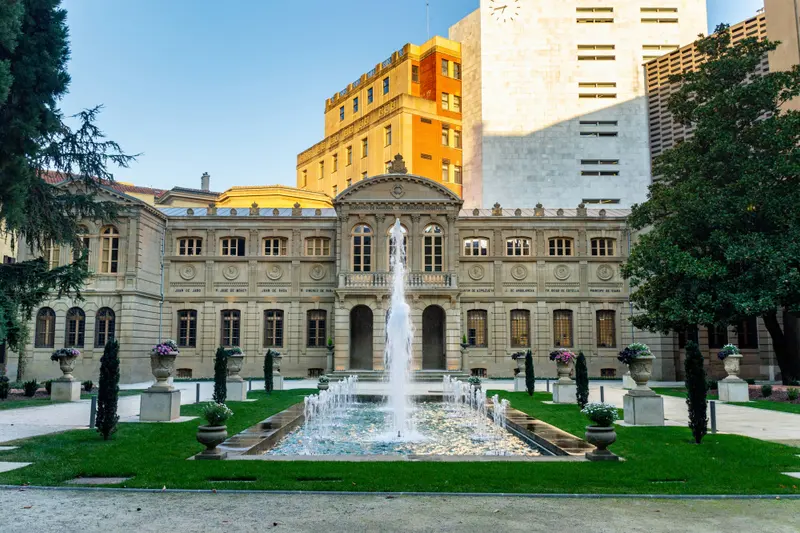
The Museum of Navarre in Pamplona gives some context to the buildings you will see elsewhere in the region. Visit before walking the walls or save it for a wet afternoon. If you are more interested in twentieth-century sculpture, head to the Jorge Oteiza Museum in Alzuza. Play the journey by ear if you are driving. If you are relying on public transport, confirm how you will get back before setting out.
In Olite, Enozentrum introduces the wine culture of central Navarre and fits between the palace and time in the surrounding vineyards. If you want to tour a working winery, check what the visit includes and decide how you will get back after a tasting. In Estella-Lizarra, the Museum of Carlism offers a change of period after the medieval sights. Choose one collection that fits the day and check its opening calendar before leaving town.
Charming villages
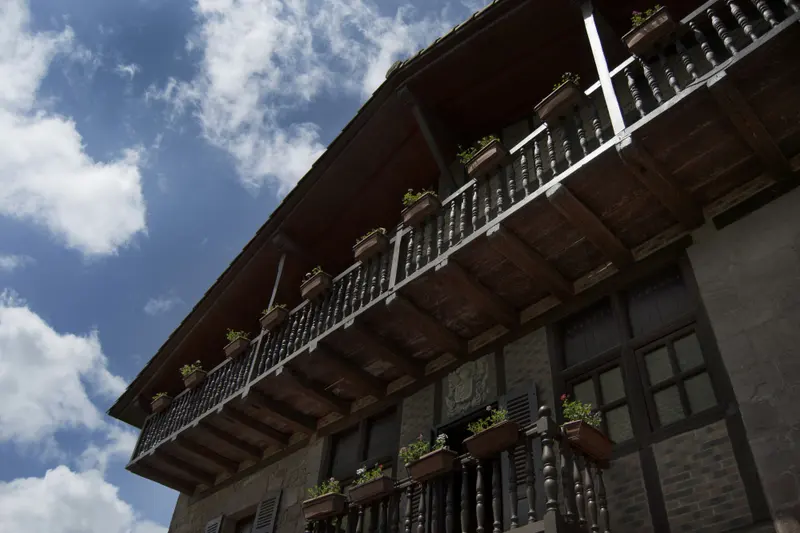
River villages, mountain roofs and fortified hilltops
In Ochagavía/Otsagabia, cross the bridge and walk both banks of the Anduña. From the river you can see the pitch of the roofs and how close the houses stand together. To the east, Isaba/Izaba is a base in the Roncal Valley for travelling up towards Belagua. Choose between the two villages according to the main walk you want to take. Either gives you a chance to stretch your legs on arrival before heading to higher ground.
In Elizondo, begin with the bridges and return on the streets where the balconies overlook the water. Further north, walk the main street in Amaiur/Maya and climb to the remains of the castle if the path is in good condition. The view shows you the shape of the village. Give the two places a morning between them. Leave Zugarramurdi for a separate outing if you want enough time for both the caves and museum.
In Ujué/Uxue, the fortified church of Santa María sits above steep lanes. Look up the distance from the car park if anyone in your party finds uphill walks difficult. At Artajona, walk towards the Cerco and look at the line of its towers before exploring around San Saturnino. If you have time for one smaller stop near Olite, look for the church of San Martín de Tours and the hillside lanes in San Martín de Unx.
Nature and protected areas
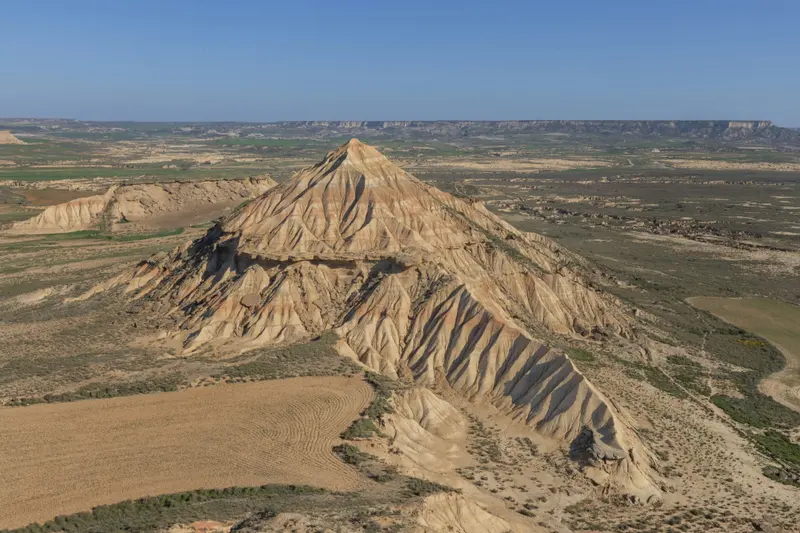
Bardenas Reales
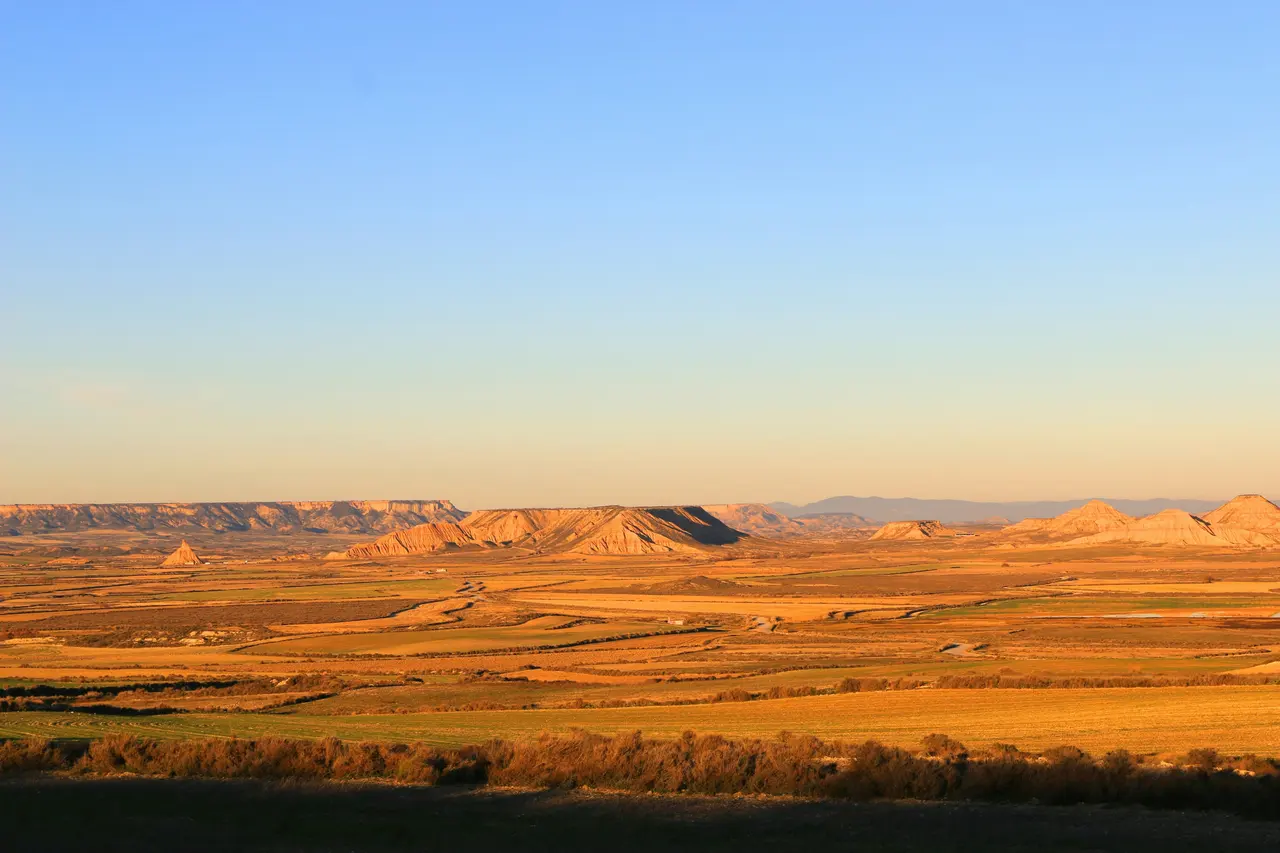
In the Bardenas Reales, the light brings out the shapes of the badlands as it moves across slopes and gullies. In the Blanca sector, start by locating Castildetierra and the designated stopping points around it on the park map. You can plan a short walk and still see something of the way the landscape changes from flat ground to eroded ridges. Guided trips in Bardenas Reales are worth comparing if you want a commentary on the landforms and how people use the area.
The rules checked in 2026 limited motor traffic to authorised tracks and parking to signed spots. Follow the latest notices and the signs on the ground. Persistent rain can leave the tracks difficult to use, and shade is limited on a clear day. Bring water and read the conditions of your car hire agreement before taking it on unpaved roads. In wet weather, switch the park day with a walk in Tudela or by the Ebro.
Irati, the Urederra springs and the gorges
In the Irati Forest, decide whether you want a short walk under the trees or a longer route. In 2026, Visit Navarra gave a road distance of around 23 km from the Ochagavía turning to Casas de Irati. On the Orbaizeta side, look for routes starting around Arrazola or the Irabia reservoir. Wet leaves hide roots and stones. Wear shoes that grip and set your turnaround point by the time you need to get back to the car.
The Urederra springs lie in Urbasa and Andía Natural Park. The marked trail starts in Baquedano and advance booking was required in 2026. Use the signed path and respect any closures. The water emerges below the limestone plateau and its colour changes with the light. If there is no availability for your date, walk in another part of the park and keep the springs for a day when you have a booking.
At Foz de Lumbier, the old railway brings you along the river level under limestone walls. Take a torch for the tunnels. At Foz de Arbaiun, the Iso viewpoint gives you the opposite perspective above the gorge. If you have binoculars, take time to look for birds of prey. One of the two gorges makes a good stop between Pamplona and the eastern valleys without taking up the whole day.
Festivals and traditions
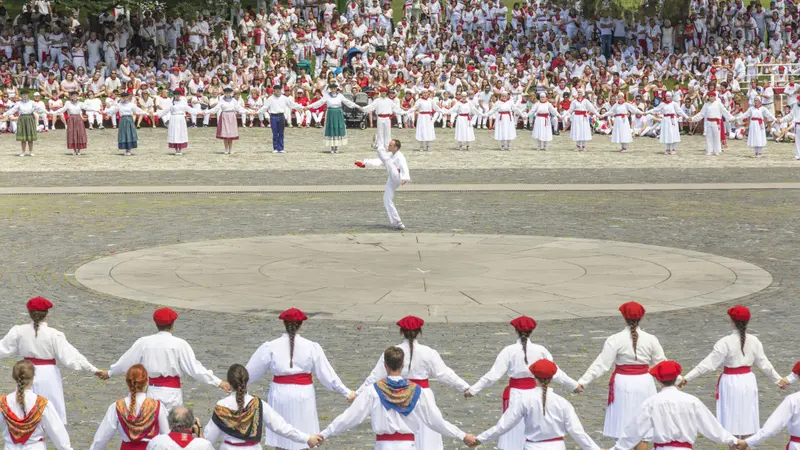
In 2026, Pamplona held San Fermín from 6 to 14 July. The opening rocket is called the chupinazo, and the singing of Pobre de mí marks the end of the festival. Look up the parade routes for the giants and big heads, the large costumed figures that appear in the streets. If you are going for the music, start with the programme for the neighbourhood where you want to spend the evening. Staying in the centre makes it easier to return on foot. A room farther out can be a better fit if you want peace after the festivities.
Tudela’s Vegetable Festival ran from 17 April to 3 May in 2026, with events in other Ribera towns as well. Plan a tasting or a visit related to the market gardens before you pick a time to eat. Later that year, Santa Ana took place from 24 to 30 July. The programme is another way into life around Plaza de los Fueros. Use the dates for your own travel year before arranging accommodation around either event.
What to eat
Market garden vegetables and mountain cheeses
In Tudela, look for menestra, a dish of seasonal vegetables such as artichokes, peas, broad beans and asparagus. In winter, ask what is on the menu with cardoon or borage. A market visit gives you a sense of what is coming off the land. After an early trip to the Bardenas, give yourself time to sit down to lunch in Tudela. If you have a train afterwards, allow time to get to the station.
Try roasted Lodosa piquillo peppers, on their own or as part of another dish. Navarre asparagus is worth trying fresh when in season. You can also buy it preserved to take home. In central Navarre and Tierra Estella, look for pochas, tender beans often served in a stew. This can make a good lunch on a day that ends with a town walk and a long coffee.
In the north, try Roncal, a sheep’s milk cheese. Idiazabal is another protected cheese made in parts of Navarre as well as elsewhere, and you can ask where the piece you are buying comes from. In Ujué, migas de pastor, made with fried crumbs, suit a stop after climbing the village lanes. Finish with cuajada, a set milk dessert, or try pacharán, a sloe liqueur, once you are done driving.
In Pamplona, a pintxo is a small snack you can order at the bar. Choose one at a time if you want to walk on to another place. For a full meal, ask when the kitchen serves food. In a smaller village a bar can be open between meals without serving the main menu. Check before setting off for a valley in the afternoon, particularly on a Sunday or outside the main season.
Sport and outdoor activities
Hiking, cycling and walking part of the Camino
On a bike, try a section of the Plazaola Greenway around Lekunberri or Leitza. The railway alignment continues into the Basque Country. Check the route for tunnels, surface changes and any notices that might affect your turnaround point. On the Bidasoa Greenway, the area around Bertiz gives you a starting point without committing to the whole former railway. Bring lights for tunnels. An out-and-back makes sense if moving the bikes by bus or taxi would complicate the day.
In the south, the Tarazonica Greenway leaves Tudela through farmland on gentle gradients. The Foz de Lumbier path works for a shorter outing and lets you see how a railway once fitted through the gorge. With children, choose an easy point to turn back and bring a layer for the shaded and damp parts.
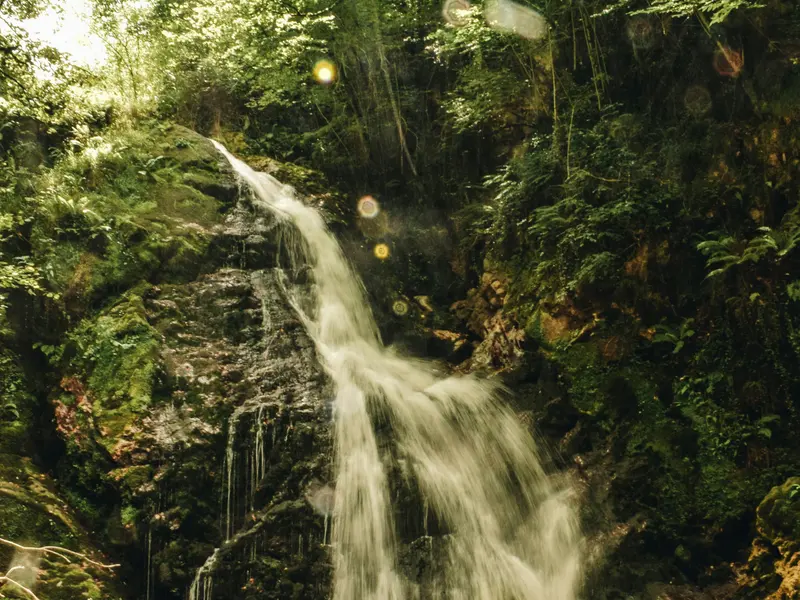
The walk to Xorroxin waterfall can be paired with an unhurried visit to a village in Baztan. Check the marked route and access details after rain. For a sample of the Camino Francés, look at the ascent as well as the distance. The stretch over the Alto del Perdón offers views and a substantial climb. A walk from Puente la Reina towards the Arga is easier to fit around lunch if you plan to come back the same way.
Routes and itineraries
Three days based in Pamplona
Start with the cathedral and city walls, then choose between the Museum of Navarre and the Citadel before dinner. On the second day, visit the palace in Olite and add Ujué if visibility is good and you still feel like walking uphill. On day three, choose between the Foz de Lumbier gorge and a Camino day in Puente la Reina and Estella. If you are travelling by public transport, stick to one town for the final excursion and confirm your return first.
Five days from the capital to the Ebro
Base yourself in Pamplona for the first two nights. Spend one day in town and one in Baztan, where you can see Elizondo and Amaiur. If you would rather go to Irati, swap one Pamplona night for a stay near Ochagavía or Aezkoa and devote the day to just that side of the forest. On the third day, break the drive south at Olite and continue to Tudela. Use the fourth day for the Blanca sector of the Bardenas and the fifth for the cathedral, the Ebro and lunch. You can switch the last two days if there is rain on the tracks.
A week from north to south
Spend two nights in Pamplona and two in a northern valley. In Baztan, give Xorroxin and the villages separate outings and leave time for Bertiz. From Ochagavía, put Irati on one day and use the other for the valley or a drive towards Roncal if the forecast is good. On your way towards the south, plan the Tierra Estella day around your Urederra entry if you have booked one. Finish in Tudela for the Ribera and fit Olite into a transfer day that gives you time for the palace.
Travelling with children
Pamplona’s squares and the space around the Citadel give children room to move between visits. If they are interested in towers and passages, try the Royal Palace of Olite as a short trip. Expect stairs and check whether the route you have in mind works with a pushchair. On a wet day, leave a steep section until the children have had a break.
On a greenway, set a flexible distance. If you are taking children into the Bardenas, choose a few designated places to stop and keep any longer walk for somewhere with shade. In Irati, you can start with a short woodland path and turn back once everyone has had time by the stream. Ask which facilities are available near your starting point and carry something to eat if you are heading well beyond the village.
Where to stay in Navarre
In Pamplona, a room near the old town lets you walk the walls and return easily after dinner. If you are driving, ask where to unload and how far away you will park. Olite works for the palace, vineyards and villages of central Navarre. Estella-Lizarra makes more sense if your priorities are the Urederra springs, the Camino and the western hills.
In the north, Elizondo puts you in Baztan, Ochagavía serves the eastern entrance to Irati and the Aezkoa Valley serves the western one. Check whether accommodation is in the village itself or along a side road, and ask about evening meals. In the south, Tudela combines access to the Ribera with dinner on foot. Arguedas or Valtierra suit an early start for the Bardenas if you have already worked out where you will eat.
See places to stay in Navarre (opens in a new tab)Affiliate link: if you book through it, we may earn a commission at no extra cost to you.
Practical tips and common mistakes
- Save both names when a place has two. Examples include Pamplona/Iruña, Estella-Lizarra and Orreaga/Roncesvalles. Save the address of your accommodation and the local name for the right trailhead, especially when combining a bus and a walk.
- Look at the forecast for your actual outing. Check the park notices and the track conditions for the Bardenas. For Irati, look at the road on the side you will be using. The forecast for central Pamplona is only a guide for the city.
- Book the visit that sets the shape of the day. For Tierra Estella, that may be your Urederra slot. For an interior visit or lunch in a small village, check the opening hours for your date before adding more stops.
- Plan how you will get back. On a greenway or the Camino, decide whether to retrace your steps or arrange a transfer. If you finish in another village, check that you will arrive before the last bus.
- Allow time for lunch. Ask when the kitchen closes if you are sitting down after a long morning out. Buy water and a snack before driving into the mountains or taking the unpaved tracks in the south.