Español
 English

Why visit Jaén province
What to see in Jaén province depends on how much time you want to spend in the mountains. The provincial capital has a cathedral below Santa Catalina hill and medieval baths beneath a palace. Across the olive country, the palaces and squares of Úbeda and Baeza sit above the slopes of La Loma. Further east, the upper Guadalquivir runs through the mountains of Cazorla, Segura and Las Villas. You can visit all three areas on a trip through inland Andalusia, with time for a change of base.
Olive groves connect much of the route. From the edge of Úbeda, you can pick out tracks and boundaries that are hard to see from the road. At a mill, you can ask how the fruit that grows on those slopes becomes extra virgin oil. The Olive Oil Greenway serves groups with different interests particularly well. Spend one day walking between Renaissance buildings and another cycling along a former railway through that same agricultural landscape.
Choose how many nights to set aside for the east of the province before booking your first room. Jaén, Úbeda and Baeza work from a single base if the driving or transfers suit you. For a morning walk in the natural park, a room close to the trail can save a drive across the hills before breakfast. Over a short weekend, concentrate on the Renaissance towns or book a stay around one part of the mountains.
When to go
Spring walks and autumn olive oil
In spring, use bright spells for the viewpoints over the groves and keep an indoor visit for a change in the weather. A forecast for Baeza tells you little about a high route in Sierra Mágina. Check the elevation of the walk and the recent rainfall if it takes you through a gorge. In autumn, ask at the olive mill whether your visit includes production or a tasting only. The working day depends on when the fruit comes in from the groves.
Plan around summer heat and winter conditions
In summer, start early on the greenway or at an exposed hilltop fortress. Shade in a narrow old-town street is much easier to find than shade between the olive trees. After lunch, fit in an indoor visit or take a break. If you finish high above a town, leave enough time to walk down and find dinner before the group gets tired.
In winter, keep a city day in reserve for fog, rain or ice in the mountains. A sunny stretch at the bottom of a climb can lead into ice that has lingered in the shade. If you are arriving after dark, consider staying in a town with services and driving into the mountains the next morning. The cathedral, Arab Baths and Iberian Museum make a flexible combination for a day in Jaén with showers.
Getting there and around
When coming by rail from Madrid, compare Jaén station with Linares-Baeza, which is in an outlying neighbourhood of Linares. Work out the final transfer before buying a ticket for a late arrival, especially if your hotel is in central Úbeda or Baeza. In 2026, Renfe announced replacement road services on routes affecting Jaén because of infrastructure damage and works. Check the journey on the date you intend to travel and read the boarding instructions if part of it is by road.
Aena’s network in 2026 included Federico García Lorca Granada-Jaén Airport (GRX), which is in Granada province. If you are flying in from abroad, include the onward road transfer in your comparison, particularly when the plane arrives late. If you are spending your first few days in the historic towns, you may want a hire car only for the excursions. Most visits within the old quarters of Úbeda and Baeza can be done on foot.
Plan the return before leaving
With a car, treat Jaén and La Loma as one area for planning and the upper Guadalquivir as another. Mountain drive times depend on bends, the exact trailhead and the last stretch of road. Save the car park or entrance you need, since a route to the centre of the municipality can take you to the wrong side of the hills.
When travelling by coach, look up the last service back before choosing the outward journey. Check which settlement the stop serves and how far the old town is from it with luggage. If an onward bus leaves little room for a timed ticket, book the visit for the following day. You can see more on a trip without a car by spending a full day in one old quarter and reserving separate transport for the mountains.
What to see in Jaén province
What to see in Jaén province on a first trip
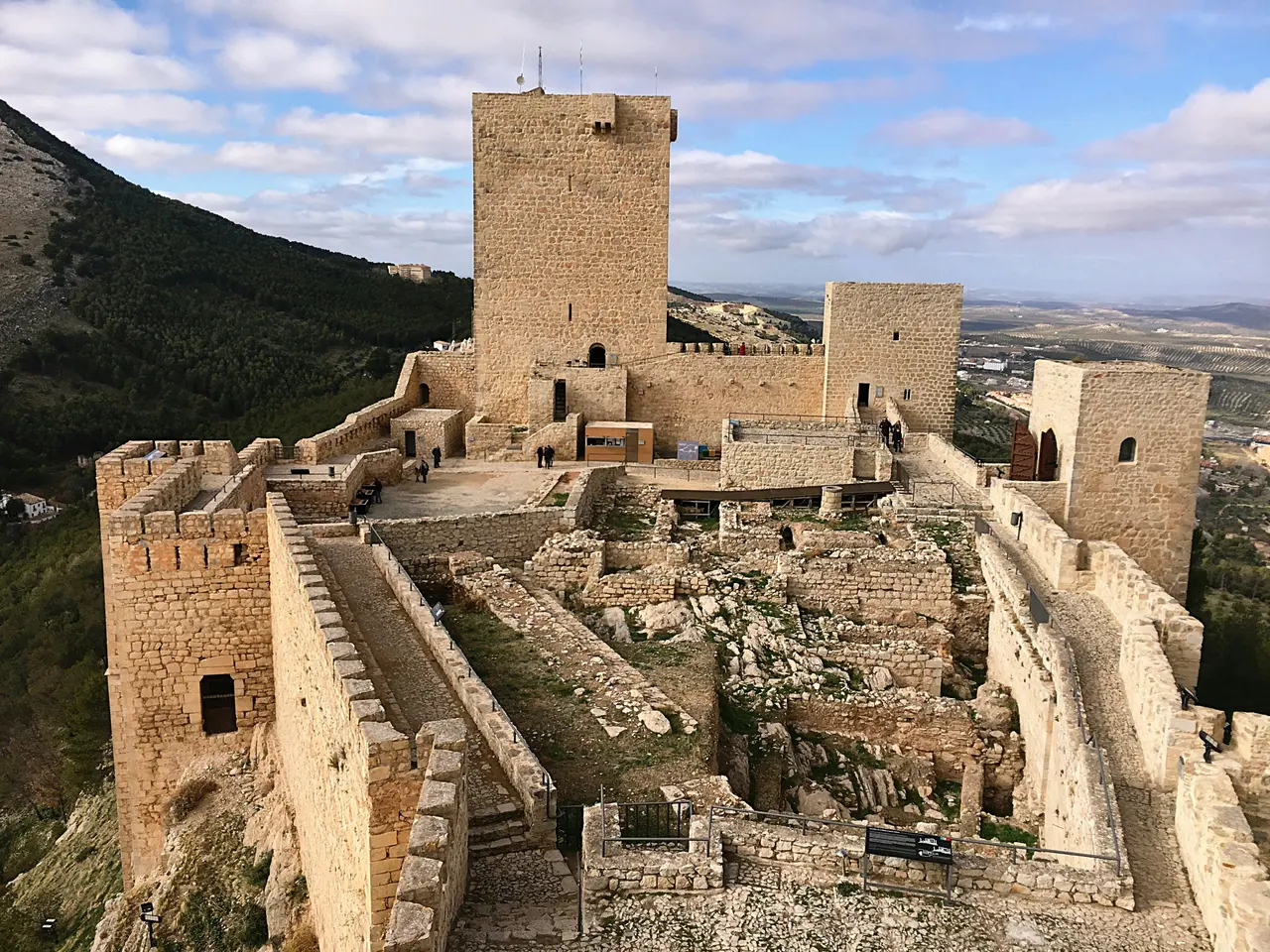
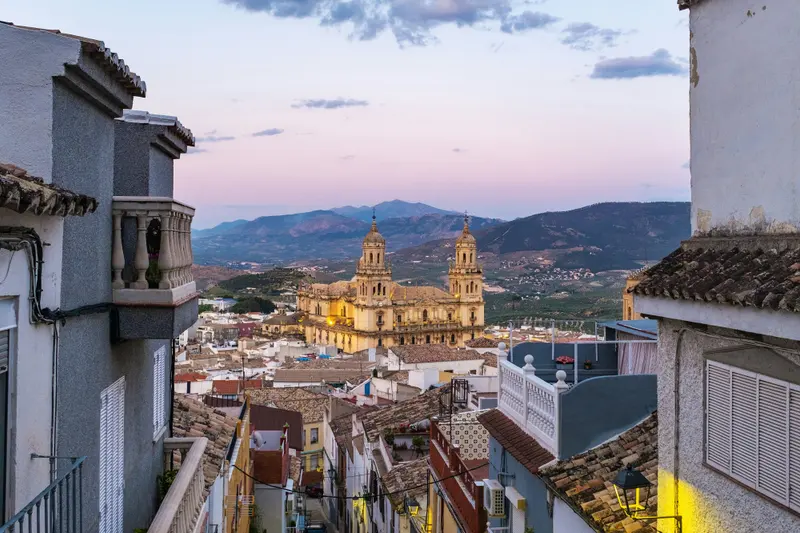
In Jaén city, begin in Plaza de Santa María to see how the cathedral sits against the streets around it. Head towards La Magdalena for the Arab Baths in the Palacio de Villardompardo. Leave Santa Catalina Castle for another part of the day. From the hill you can pick out the cathedral among the rooftops and see where the flatter ground gives way to the olive groves and the hills.
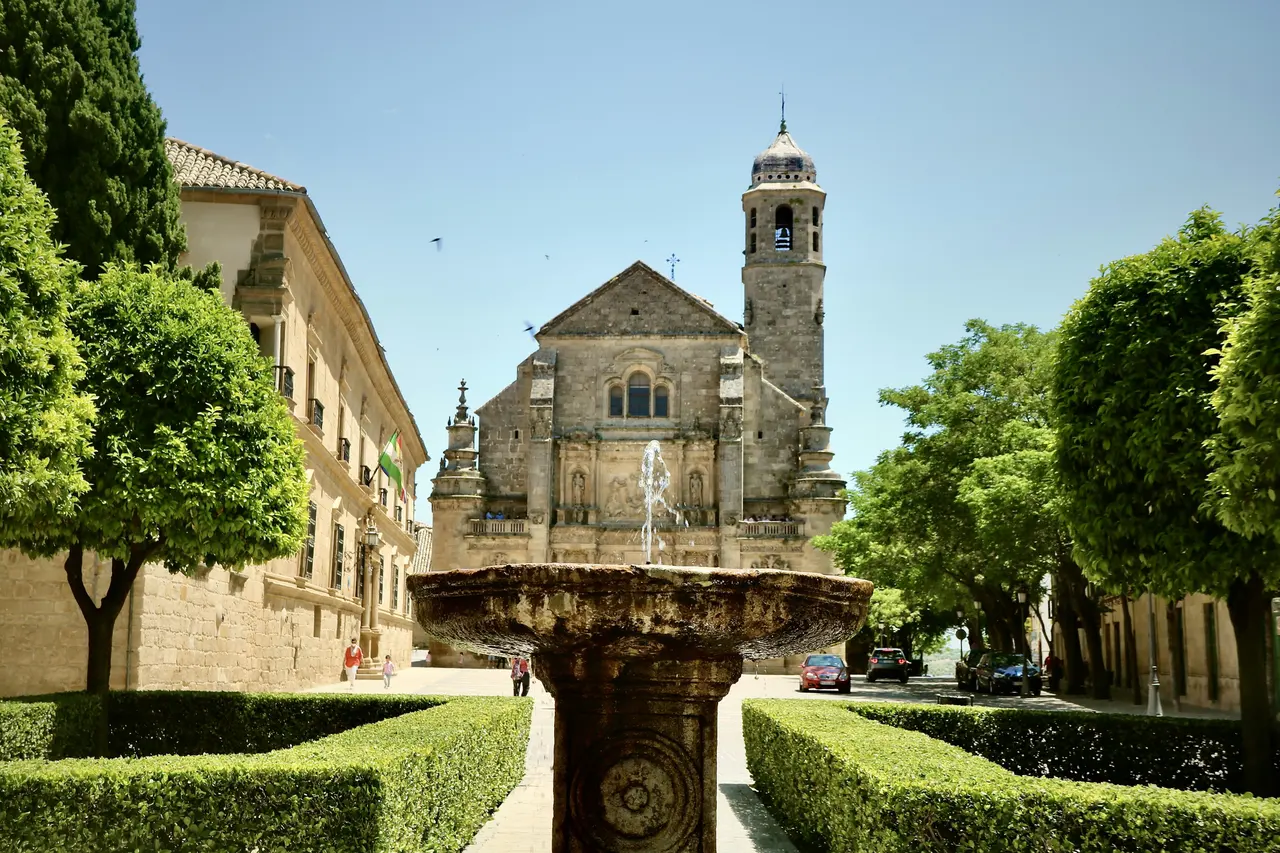
In Úbeda, start at Plaza Vázquez de Molina and choose between an interior visit at the Sacra Capilla del Salvador and a walk towards the Puerta de Granada. In Baeza, make a circuit from Plaza del Pópulo past the old university to Plaza de Santa María. Their Renaissance ensembles have shared a UNESCO World Heritage listing since 2003. If you want to learn who commissioned the buildings and how they were used, consider one of the guided visits in Úbeda.
For a third stop, follow the direction of your trip. Baños de la Encina fits a route from the north and is a good place to see a castle above an olive town. Cazorla is a better starting point if you have another night and want to continue towards the upper Guadalquivir. Leave time for lunch and a walk as well as the main monument. The surrounding streets make more sense when you see how they rise towards the fortifications.
Monuments and heritage
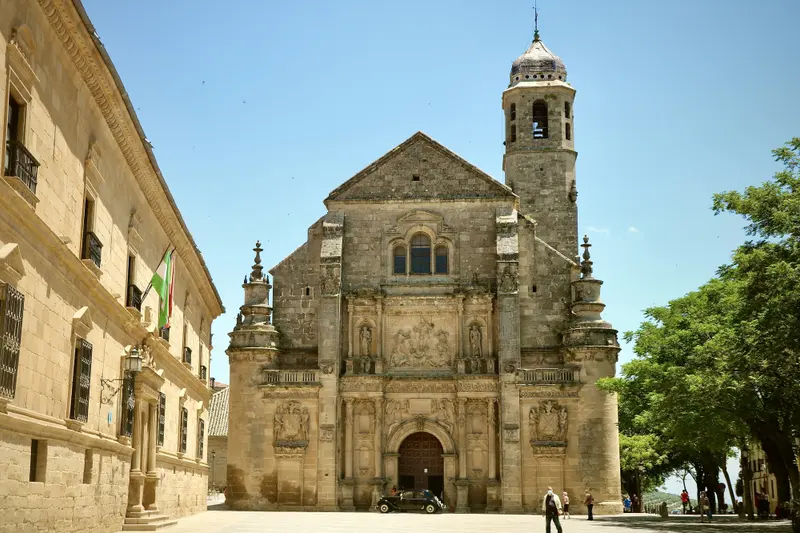
From the Arab Baths to Renaissance squares
At the Palacio de Villardompardo, go down to the Arab Baths and follow the sequence of rooms. Look up to see where light enters through openings in the vaults. The rooms help explain the functions of heat and light before the palace was built over them. At Jaén Cathedral, look for the Renaissance work associated with Andrés de Vandelvira and walk round the outside to see how the building meets the sloping streets.
In Úbeda, compare the chapel front on Plaza Vázquez de Molina with the neighbouring Palacio de las Cadenas, now the town hall. Across the old town, the Hospital de Santiago shows how a building of a different purpose was laid out around a courtyard. In Baeza, look closely at the detail on the front of the Palacio de Jabalquinto before heading to the cathedral. These comparisons give you plenty to see even if you only have one interior visit in each town.
Iberian sites, hilltop fortresses and literary Baeza
The Iberian Museum in Jaén gives you a starting point for exploring the province’s archaeological sites. Near Linares, Cástulo is a site in the open air with remains from several periods. Check which parts can be visited before planning the whole outing around one mosaic. Bring the questions you had in the museum about where people lived and how the settlement changed.
At Alcalá la Real, the Fortaleza de la Mota gives a view of the town from the height that shaped it. On the way through, look at the space between the gateways, the church and the remains of the settlement within the walls. Pair it with Alcaudete if you are entering from the south and want one day on the old frontier. The provincial Castles and Battles route offers other combinations if your journey takes you across La Loma or the north.
In Baeza, the old university adds a literary stop to the circuit. The poet Antonio Machado taught French in the town. His classroom gives that part of his life a setting you can picture. In Úbeda, the San Millán neighbourhood is a starting point for learning about local pottery. Ask where a piece was made and, if you hope to see a potter at work, arrange the visit ahead of time.
Charming villages
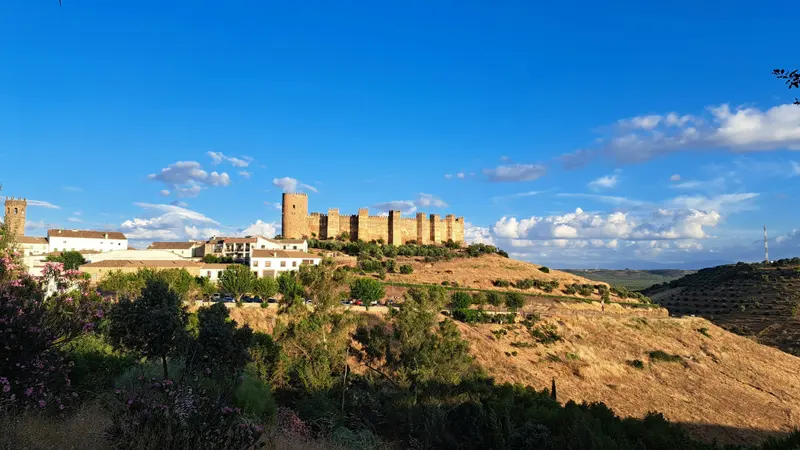
Baños de la Encina and Sabiote
In Baños de la Encina, look at Burgalimar Castle from outside before heading up to it. The row of towers is easier to take in from a little distance. At the foot of the walls, walk through the streets where the houses fit onto the slope. If you want a view of the Rumblar reservoir as well, choose the exact viewpoint before leaving the town.
Sabiote extends a visit to La Loma beyond the main Renaissance squares. Go to the castle and return through the old streets to see how the town follows the edge of the plateau. It fits after a morning in Úbeda if you can keep a separate day for Baeza. For a short trip with just one castle that day, choose Sabiote or Baños according to your onward route.
Cazorla, La Iruela and the Tranco area
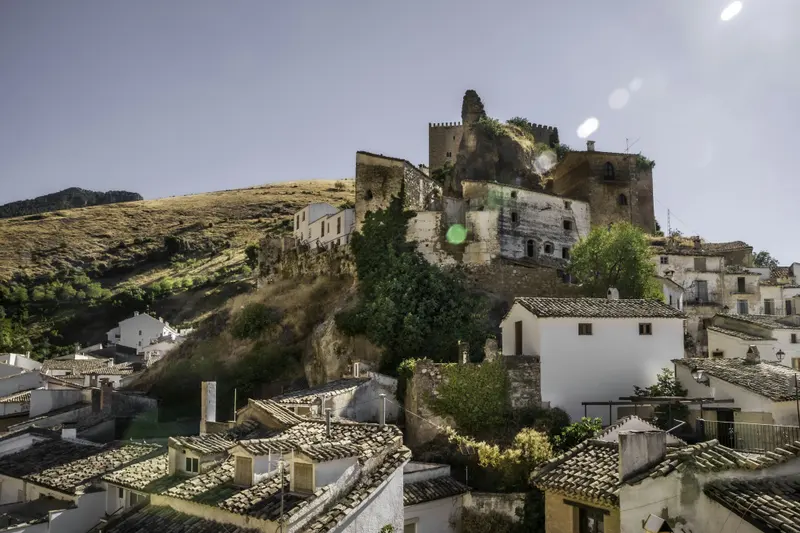
In Cazorla, follow the lower part of the old town around Plaza de Santa María and the River Cerezuelo before climbing towards Yedra Castle. In nearby La Iruela, the fortress stands on a rocky outcrop above the village. The two stops give you a view of the edge of the mountains before you go deeper into the valley. With limited time for climbing, start by the square and choose one higher viewpoint.
Further north, Hornos de Segura looks down over the Tranco reservoir. At Segura de la Sierra, the streets climb towards the castle and open onto views of the surrounding slopes. Pair these towns on a day based in the north of the park. If you are driving from Cazorla, check both approaches and choose your lunch stop in advance so you have time to walk in each place.
Nature and protected areas
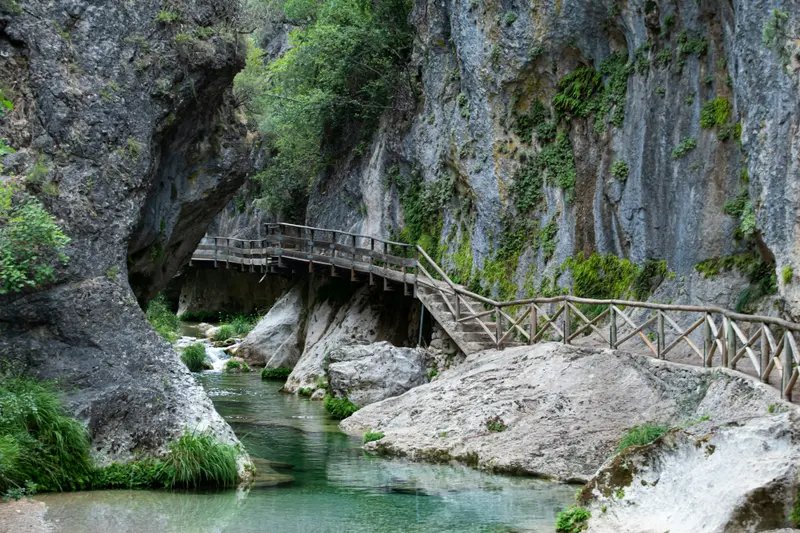
Choose one part of Cazorla, Segura and Las Villas at a time
For an introduction to the upper Guadalquivir, find Torre del Vinagre, its visitor centre and the area around the start of the River Borosa trail. Give the Tranco reservoir its own day if you want to combine views over water with visits to the hill towns. For the source of the Guadalquivir near Cañada de las Fuentes, plan the road and track approach separately before adding another stop that day.
In November 2026, the Junta de Andalucía listed only the first part of the Borosa trail, as far as Puente de los Caracolillos, as open. The Cerrada de Elías gorge was beyond the open stretch. It also listed a temporary closure of Cerrada del Utrero from 16 November 2026 because of the risk of falling rocks. Read the latest notices for both places before setting out. If your chosen trail is affected, ask at the visitor centre for an alternative with a similar walking time and amount of climbing.
Sierra Mágina and Sierra de Andújar
In Sierra Mágina, rocky slopes rise quickly out of olive country. Choose a short outing from a town at the foot of the range, or set aside the day for the higher ground towards Pico Mágina and Miramundos. For a summit walk, check the elevation gain, exposed sections and weather at the height of the route. The change in vegetation on the way out of town is worth looking for even on a short trip.
In Sierra de Andújar, part of Sierra Morena, the route takes in oak pasture, Mediterranean scrub and valleys such as the Jándula. For wildlife watching, find an approved viewpoint and bring binoculars. Iberian lynx live here, and you may spend the outing watching birds and looking for signs of other animals. If you hire a guide, ask how much time you will have in the field and where the outing starts.
Festivals and traditions
Winter bonfires and the first oil of autumn
The Lumbres de San Antón bring people together around bonfires in neighbourhoods across Jaén city. In 2026, the town programme put the bonfires and night race on 17 January. If your trip coincides with the event, choose a neighbourhood and check road closures for that edition. Runners travelling with family can pick a meeting point away from the finish before separating for the race.
Úbeda hosted the Fiesta del Primer Aceite on 7 and 8 November 2026, with tastings and activities about oil from the early harvest. Check the programme for registration if you plan a trip around a future edition. An autumn mill visit outside the festival weekend leaves more space to ask how the harvest is going and compare samples at your own pace.
What to eat
Picual olive oil and dishes to try
Taste a picual extra virgin olive oil by smelling it before dipping bread into it. The bitterness and peppery finish vary from oil to oil. At a mill or cooperative, ask when the fruit was picked and how that affects the flavour. Comparing two oils with the same bread makes it easier to tell the difference. Ask how locals might use each one at home, for dressing a salad or finishing a stew.
Look for pipirrana in warm weather, a tomato dish with a dressing that includes olive oil and egg. Andrajos are pieces of dough cooked in a stew and served in versions that vary from kitchen to kitchen. In the mountains, look for rinrán, which brings together potato and dried pepper and can include salt cod. The three dishes show how the same pantry staple can be used in a dressing, a stew or a mountain dish.
In a small town, check where you can get lunch on the day you are passing through and carry a snack for long gaps between stops. If you buy oil to take home, pick a size you will use while it is fresh. Anyone flying with cabin baggage should check the departure airport’s liquids rules before buying a bottle for the flight.
Sport and outdoor activities
Cycling the Olive Oil Greenway
The Olive Oil Greenway follows the former railway corridor towards Córdoba province. In the Jaén stretch, look at access around Torredelcampo, Martos or the Víboras viaduct near Alcaudete. Check the route map before hiring bikes. An out-and-back ride gives your group the freedom to turn round earlier if the wind picks up or someone needs a shorter day.
The railway grade is modest, but long stretches in the sun and changes in the surface still affect the ride. Carry water, a light for tunnels and a way to fix a puncture. If you ride in one direction, arrange to get back to the start before setting off, especially if a vehicle is staying behind near the trailhead.
Walking in the mountains
Try one short walk before committing the group to a longer day in Cazorla or Segura. Agree on a turnaround time. After heavy rain, check whether footbridges or sections in a gorge are affected. If you are booking a guided outing with children, ask what age or ability the route needs and what the operator does if water conditions change.
Routes and itineraries
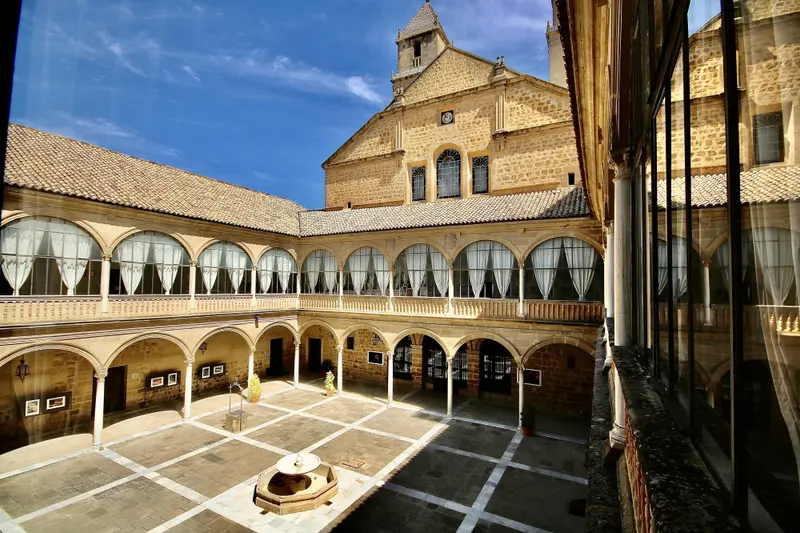
Three days of architecture and olive country
- Jaén. Pair the cathedral with the Arab Baths. Save the afternoon for Santa Catalina Castle in clear weather or the Iberian Museum if you would prefer another interior.
- Úbeda. Start in Plaza Vázquez de Molina, walk to the Puerta de Granada and leave a separate slot for the Hospital de Santiago. Put an oil tasting at the end if you want time for the main monuments first.
- Baeza. Walk from Plaza del Pópulo to Plaza de Santa María, then out towards the edge of town for views over the groves. Allow time for lunch in Baeza or an onward stop in Sabiote, depending on your route.
Five or six days with a second base
Use the fourth day to reach Cazorla in time for Plaza de Santa María and a viewpoint above the town. If the next day begins with a walk inside the park, continue to a room near the area you have chosen after visiting the town.
On the fifth day, plan an outing in the Guadalquivir valley and have a shorter option ready. Torre del Vinagre is a good place to orient yourself for the Borosa area. For reservoir views and hill towns, choose the Tranco area. On the sixth day, switch areas if you want to add Hornos and Segura de la Sierra, allowing for the separate drive between the towns.
Travelling with children
In Jaén, pick two places where children can do something different. At the Arab Baths, ask them to look for the holes that let light through the vaulted ceilings. At Santa Catalina, have them find the cathedral in the view and trace a way back into town. Check the climbs before taking a pushchair. In Cazorla, start at the square by the Cerezuelo, look up at the castle and decide together how far to climb.
In Úbeda, give them a square and a courtyard to explore. Look for shields and carved figures at the chapel, or compare the arches on different floors of the Hospital de Santiago. For a cycle ride, choose a short greenway stretch with a landmark as the turnaround point. On a mill visit, try smelling two oils before tasting them with the same bread. Ask where the visitor route runs if the machinery is working.
Where to stay in Jaén province
A city, a Renaissance town or the valley
Stay in Jaén city for the cathedral, Iberian Museum and Santa Catalina, or if you plan to pick up a car after arriving. In the old town, check how close you can get by car and how steep the last stretch is with luggage. Úbeda and Baeza suit evenings in the historic squares and give you a base for visiting both towns without moving rooms.
Cazorla offers evenings on foot in town. For an early start in the valley, compare rooms in Arroyo Frío and near Torre del Vinagre. For the northern part of the park, look around the Tranco, at Hornos or in Segura de la Sierra. Use the address to check whether the property is in a town, on the valley road or along a track. For the Jándula and wildlife watching, consider a base near Andújar in a different part of the province.
If someone needs a step-free approach, ask for the entrance address as well as the parking location. Old-town streets can climb steeply over a short distance. In the valley, find out where you can buy food and whether you can walk to dinner. Spanish meal hours may be later than you are used to, so check the kitchen’s serving times if you are arriving after a walk.
See places to stay in Jaén province (opens in a new tab)Affiliate link: if you book through it, we may earn a commission at no extra cost to you.
Practical tips and common mistakes
- Pick one main objective per mountain day. Choose a trail or hill town and add a stop on the same route.
- Check the actual location. A station, the centre of a municipality and a rural address can be a long way apart. Check before booking your ticket or room.
- Allow time between reservations. If a chapel or a mill has a timed visit, leave room for the previous drive and the walk from parking or public transport.
- Look up the trail by name. Use park notices and keep a shorter alternative handy. The Cerrada de Elías photograph shows the walkway as it was when the photo was taken.
- Include the return ride. When reading greenway distances, add the return leg or arrange a transfer from the point where you plan to finish.