

 Español
 English

Why visit Santander
The best way to work out what to see in Santander is to begin at Pereda Gardens. The streets of the city lie behind you and the bay opens in front. Follow the waterfront east through Puertochico and Gamazo to the Magdalena Peninsula. The coast turns there, opening onto the beaches of El Sardinero and the Bay of Biscay. That change of direction takes you through most of the landscapes you will want to see on a first visit.
The capital of Cantabria suits a cultural break as well as a holiday by the sea. For art and history, set aside time for the Botín Centre, the cathedral and the prehistory museum. For views and walking, make two outings of the bay and the cliffs at Cabo Mayor. Families can put a museum, a garden and a beach in the same day without leaving the city.
Santander also makes a convenient first stop on a trip through northern Spain. Spend two nights by the bay before heading to Santillana del Mar and Altamira. If you have another morning to spare in town, go as far as Cabo Mayor in clear weather. The cliffs and rocky inlets beyond El Sardinero are a different side of Santander from the harbour you see in the centre.
When to go
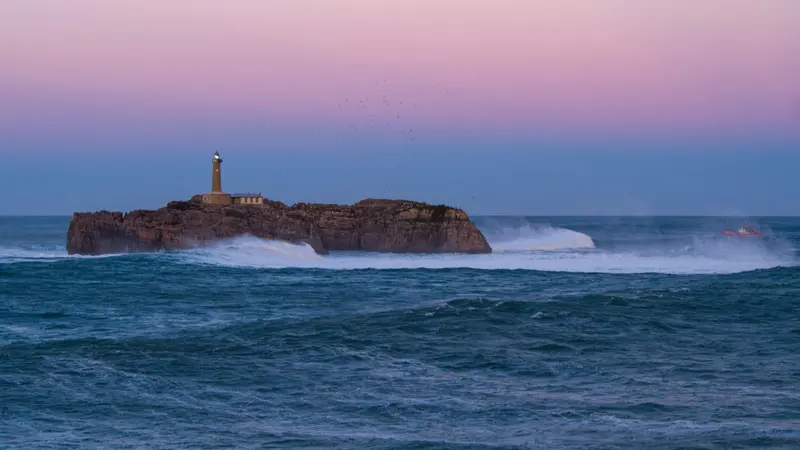
In June and September, it is easier to build a day around a long walk and move indoors if a front comes through. The headland at Magdalena is a good place to spend a clear morning, with views across the mouth of the bay to Mouro Island. On a windy day, follow a shorter route around Pereda Gardens and the old squares, where you can readily step inside.
In July and August, separate any museum bookings from the time you want on the beach. You might begin at Piquío and pick one of the two Sardinero beaches after seeing the conditions. In winter, use daylight for the coastline and save a museum for the afternoon. Airport climate averages give you an idea of the temperatures, but a street along Pereda feels very different from the exposed ground near Cabo Mayor.
For a short trip, keep the choice between the bay and the historic centre open until you arrive. Most of the central sights are close enough to fit a short outdoor visit between showers. For the north-facing cliffs, visibility and wind matter at least as much as how warm the day feels.
Getting there and around
Aena listed an airport bus to Santander’s bus station in 2026. Seve Ballesteros-Santander Airport sits outside the city on the south side of the bay. When arriving on a late flight, check the last departure for your travel date. From the city bus station, the cathedral side of the centre is within walking distance. For a destination farther east, look up the onward urban connection.
The railway station is in Plaza de las Estaciones, near the bus station. Renfe listed long-distance, regional and Cercanías suburban trains in 2026. For an onward trip from Madrid, check the departure station on your ticket before booking a hotel in the Spanish capital. By road, the A-67 links Santander with the A-8. If you plan to hire a car for the countryside, consider picking it up when you leave the city.
Think of the walkable sights as two clusters. The first stretches from the cathedral to the Botín Centre and on to Puertochico. The second runs from Magdalena through El Sardinero to Mataleñas. Between them, follow Avenida de la Reina Victoria or take the waterfront route towards the Maritime Museum and Los Peligros. With children or limited time, make it a one-way walk and check the current bus route against the 2026 city map before setting out.
What to see in Santander
Pereda Gardens and the Botín Centre
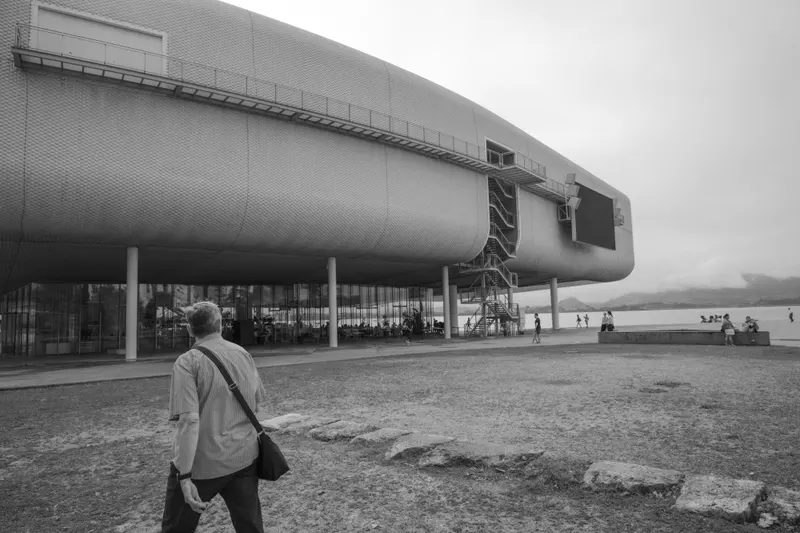
The gardens connect the old centre to the quays. Start at the open waterfront beside the Botín Centre and look across the bay. Then step back under the trees and approach the building from another side. Renzo Piano raised the two main volumes above the promenade. Walking around them is a good way to see what the design does to the space, even when another museum is the main indoor visit of the day.
Keep to the waterfront past the stone crane, a reminder that this was a working quay. Farther along, the figures known as Los Raqueros recall boys who dived by the boats. These are brief stops on a walk that reaches the yacht club and Puertochico with the water beside you throughout.
From Puertochico to Gamazo
Masts mark the little harbour below Calle Castelar. From there, pass the Palacio de Festivales and continue to Gamazo. The dock and its sheds show an industrial side of the bay. Climb the Duna de Gamazo viewpoint for a look towards the entrance of the harbour before deciding whether to press on to the Maritime Museum or head back into town.
Allow time for the whole journey if you have booked a visit at the Magdalena Palace. On a map, Puertochico and the peninsula sit on a single sweep of water. Walking beside the docks and beaches, with stops on the way, makes it a longer outing. You can pair the museum with the city centre and give the peninsula a fresh start the next morning.
The Magdalena Peninsula
Take a path through the park up to the palace, then return by whichever side of the peninsula has the better light. On the bay side, you can see the beaches and look towards the opposite shore. On the seaward side, watch for Mouro Island and its lighthouse. The walk up to the top puts both views in context. Check the palace’s visit calendar if you want to go inside.
Monuments and heritage
The cathedral and the church of El Cristo
Approach from Plaza de las Atarazanas, where it is easier to see how the lower church of El Cristo sits beneath the upper church. The scale of the space changes as you move between levels. Carry on to Plaza Porticada and the town hall to see how the older religious buildings fit into the streets rebuilt after the fire of 1941.
Mercado de la Esperanza stands behind the town hall. Its stone exterior and ironwork give a different impression from the civic buildings around Plaza Porticada. Mercado del Este is lower down, between that square and Plaza Pombo. Visiting both on one walk helps to show how trade was distributed between the upper part of the centre and the streets leading to the quay.
Magdalena Palace
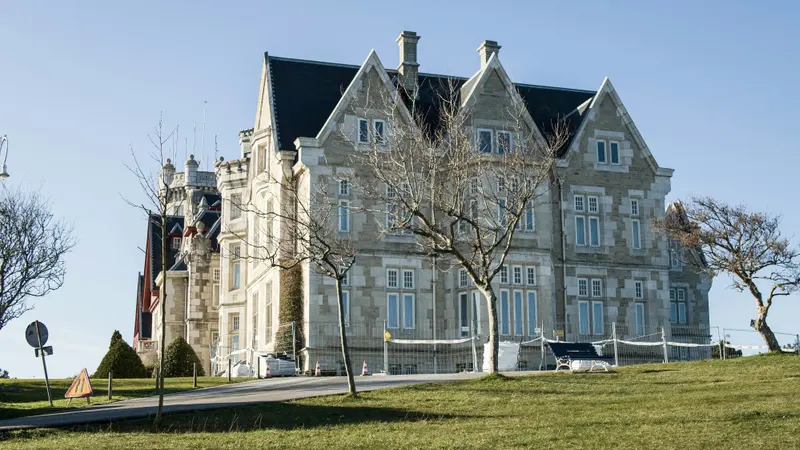
Alfonso XIII and Victoria Eugenia used the palace as a summer residence. Walk around the outside to see the roofline change with each angle. From the lawn it feels like a house in a park. From the water it is a landmark at the top of the peninsula. Continue towards La Cerda lighthouse for a closer look at the small boats using the bay entrance.
Museums and culture
Start with the exhibition programme at the Botín Centre if you are visiting for art. Leave time to see the edge of the gardens as part of the same visit. At the Museum of Prehistory and Archaeology of Cantabria, usually abbreviated to MUPAC, exhibits put tools and other objects from the region’s caves and archaeological sites into context. For a trip that includes Altamira, see how objects in Santander can help you interpret the setting of the cave the next day.
The Cantabrian Maritime Museum lies farther along the bay near Magdalena. See it after watching boats on the waterfront to connect its displays about fishing, navigation and marine life with the landscape outside. For a smaller visit, go to the art centre in Cabo Mayor lighthouse. The collection associated with Eduardo Sanz is a chance to compare representations of lighthouses with the structure on the headland itself.
Group visits by location. MUPAC works with the squares of the centre, the Maritime Museum with Los Peligros and Cabo Mayor with the coastal path. In changeable weather, the Botín Centre and MUPAC make a convenient pairing because the walk between them is short.
Neighbourhoods and areas
The waterfront is the flattest way across the centre. The streets start to rise around Río de la Pila, where the funicular marks the change in level. Around Plaza Pombo it is easy to switch between busy shopping streets and the quays. If your hotel is uphill from that area, consider the approach from the station when you have luggage with you.
Puertochico and Tetuán divide the waterfront into manageable stretches. Castelar leads either back towards Pereda or onward to Gamazo, while Tetuán sits slightly inland. For an area still tied to the working harbour, head west of the centre to the Barrio Pesquero. The Maliaño docks help explain how differently this part of Santander faces the bay.
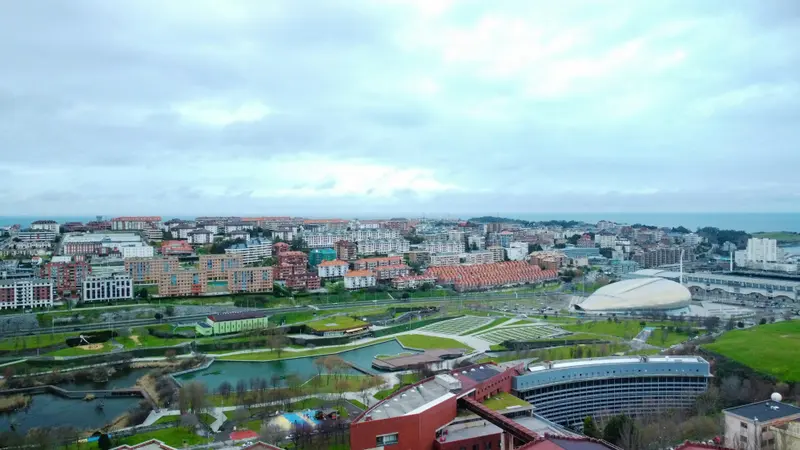
El Sardinero is arranged around its two beaches, Plaza de Italia and the gardens. Piquío is a good point to choose which beach to follow. Behind the northern beach, the Mesones and Las Llamas parks offer green space away from the exposed edge of the coast.
Nature and protected areas
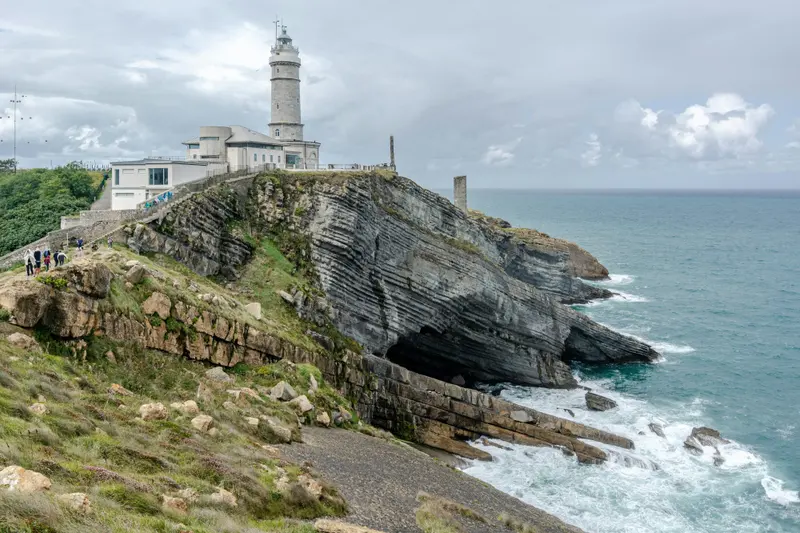
The section from Cabo Menor to Cabo Mayor feels different from the urban waterfront. Slopes, the cove of Mataleñas and the cliffs reveal the shape of the coastline. According to the Port Authority, Cabo Mayor lighthouse was first lit in 1839. Up here you can look back towards the bay entrance and compare its sheltered water with the sea against the headland.
Las Llamas Park is an alternative when it is windy on the cliffs. Paths run around a wetland, with several viewpoints for watching birds. Make it part of a walk in El Sardinero when you want some time away from the seafront.
Beaches in Santander
El Sardinero and Piquío
The First Beach is opposite the Gran Casino and Plaza de Italia. The Second Beach stretches north towards the García Lago viewpoint. Piquío Gardens divide the two and make a convenient place to pick where to stop. You can walk the length of both beaches without going down to the sand, then return via Mesones Park for a different view.
Los Peligros, Magdalena and Mataleñas
Los Peligros, Magdalena and Bikini face into the bay. They are a useful alternative to the more exposed Sardinero side, depending on the conditions that day. Los Peligros pairs well with the Maritime Museum. Use Magdalena beach if you want to take a turn through the park as well.
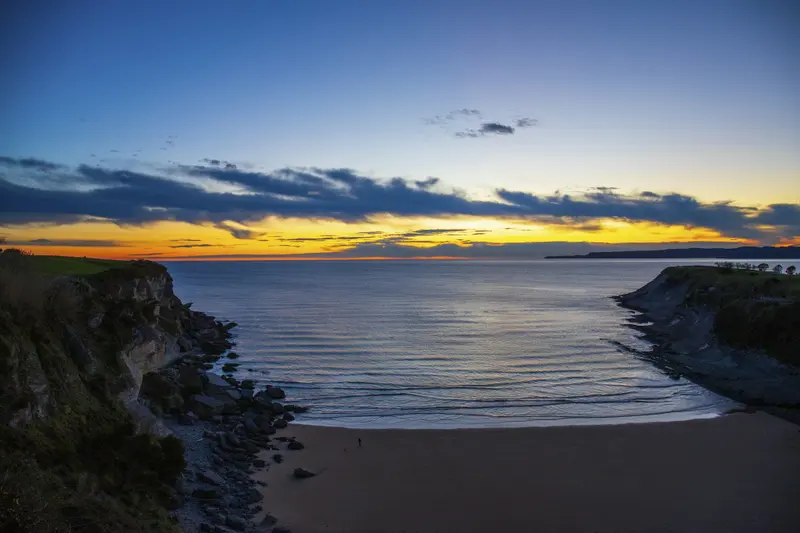
Mataleñas is a cove reached by steps. The view from the upper path is good enough to make the walk worthwhile if anyone in your group would rather stay above the beach. For a morning by the cliffs, admire the cove from above and follow the coast to Cabo Mayor.
Festivals and traditions
Semana Grande takes place around the feast of Santiago. The 2026 city programme ran from 17 to 26 July, with events at the town hall, Plaza Porticada and other locations. If you visit at that time of year, look up the venue for the event you want to see. You can often combine one part of the programme with a walk by the water earlier in the day.
The Baños de Ola festivities look back to the days when visitors came to El Sardinero for sea bathing. Santander’s tourism office recorded the start of the 2026 edition on 2 July. The promenade and the beach are the points of reference for this celebration. Check the programme for your year before planning around it.
Routes and itineraries
One day. Start at the cathedral, cross to Pereda and walk along the bay as far as Puertochico. Carry on to Magdalena and finish at Piquío. If a long exhibition takes up part of the morning, shorten the waterfront leg. Travellers based in El Sardinero can start with the palace and reach the centre in the afternoon.
Two days. Use the first for the cathedral, markets, Botín Centre and Gamazo. On day two, begin at Magdalena and walk past El Sardinero to García Lago. Decide there whether you want to continue to Mataleñas and Cabo Mayor. On the way back, choose between the second stretch of beach and the greener paths at Las Llamas.
Three days. Save the clearest day for the coast and use another for Santillana and Altamira. Spend the remaining time in the city at the Maritime Museum or in the Barrio Pesquero. Staying in Santander throughout makes it easy to swap the coastal walk and the day trip if the weather changes.
Day trips
Santillana del Mar and Altamira. Set aside part of the day for the replica cave and the museum’s exhibition before walking around the market square and the collegiate church in the village. The two sites are separate. Check the walk from your stop and the return service to Santander if you are using public transport.
Comillas. El Capricho, Sobrellano and the former university are separate visits. Choose one interior and leave time to see the harbour. Combine Comillas and Santillana in a day if you can organise the transfers and have picked the interiors you most want to see.
Across the bay. The sand spit of El Puntal changes the view of Santander entirely. Somo also puts you within reach of beaches that face the open sea. Take the day at a relaxed pace if you are looking for sand and space. If setting out from the quays, check the connection in both directions for your travel date.
Travelling with children
At Magdalena, there are lawns, boats to watch and beaches within the same area. Break the outing into the climb to the palace and a short wander by the water. If the hill wears everyone out, save Cabo Mayor for another day and pick a nearby stretch of sand.
In the centre, stop at the stone crane and ask children to find Los Raqueros on the quay. Give the Maritime Museum its own time rather than putting it at the end of the whole bay walk. At El Sardinero, use Piquío as a meeting place and Mesones as somewhere to run around when the sea is rough.
Where to stay in Santander
Centre and Pereda. This area is convenient for public transport arrivals, museums and early departures. Look at the gradient between your accommodation and the stations. Two places that look equally close on the map can be different walks when you are carrying a bag.
Puertochico. This is a midway base for the old centre and the approach to Magdalena. Walk towards Pereda to the west or Gamazo to the east. Take the return distance from El Sardinero into account if you plan to stay out by the beach late.
El Sardinero. Stay here if you want to go straight out onto the promenade every morning. Near Piquío you can choose between the two beaches. Allow time for the journey in the other direction if you plan an early train or flight.
See places to stay in Santander (opens in a new tab)Affiliate link: if you book through it, we may earn a commission at no extra cost to you.