Español
 English

Why visit Castile and León
When choosing things to do in Castile and León, start by finding Segovia’s aqueduct, the vineyards of the Duero and the mountains around Riaño on a map. Each gives you a different trip. You can spend a day on foot among old stone buildings and sleep near a city square. Or you can make a circuit of wineries, hilltop castles and villages. Up north, where weather can dictate the day’s walk, it makes more sense to stay near the particular valley you plan to explore.
On the central plateau, the horizon makes distances deceptively hard to judge. A long straight road through cereal fields can give way to bends on the descent to the Duero or the climb up a pass. One city and one stop on the way will fit into a day. Add a timed admission and a walk before sunset and the day starts to depend on everything running to schedule.
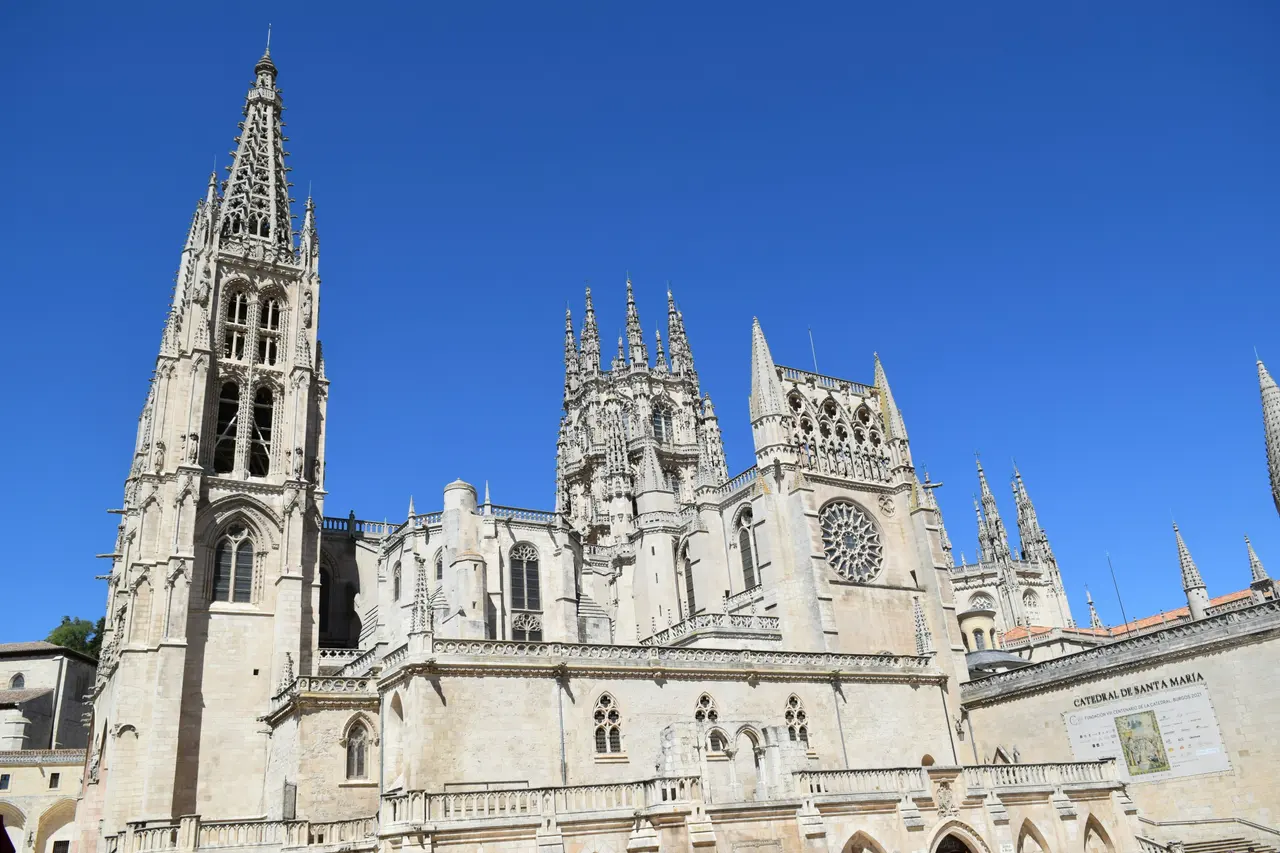
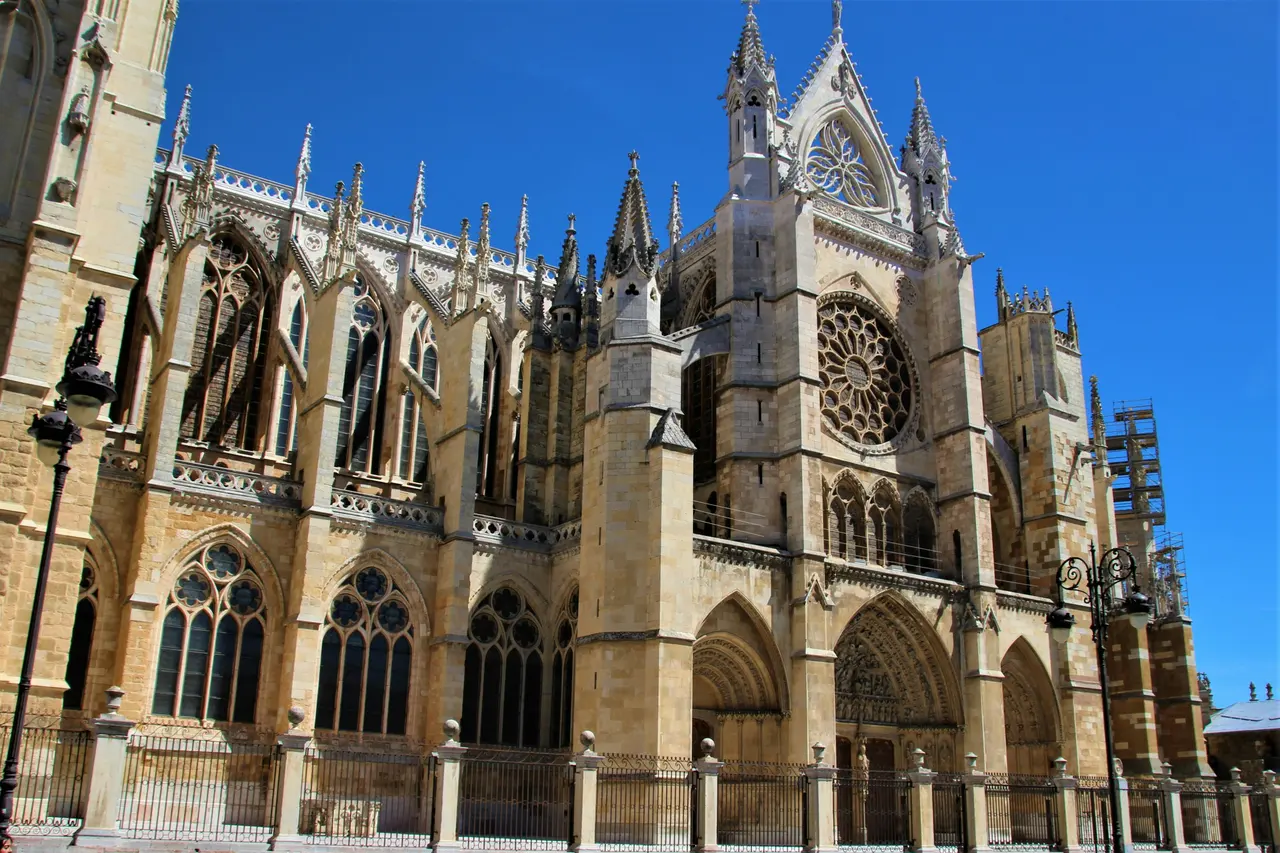
One strong interest makes a good starting point. For Gothic architecture, pair the cathedrals of Burgos and León. For Roman history, the aqueduct in Segovia, the mosaics at La Olmeda and the workings at Las Médulas show three different uses of Roman wealth and technology. If the aim is to put several walking days together, the Camino Francés has stages and places to stop built into the route.
On a first visit, a single city and a change of landscape often make a satisfying combination. From Salamanca you can head into the timber-framed villages of the Sierra de Francia. From Segovia, La Granja’s gardens and the wooded edges of the river canyons each offer a change of pace. If you have come for high mountain walking, choose accommodation there and save the more distant cities for another visit.
When to go
The best months for a mixed trip
April, May and June are good starting points if you want both city streets and countryside. The fields of Tierra de Campos change as the cereal grows and the long evenings give you time to see a stretch of city wall or walk beside a river in softer light. At altitude, spring comes later than it does in town. Check the forecast for the elevation of your walk if it crosses a pass or reaches a mountain lake.
September and October lend themselves to a trip built around vineyards, stretches of river and deciduous woodland. If you visit during harvest, ask the winery what the tour covers and leave lunch until afterwards. Work in the cellar shapes what visitors can see. In a nature park, save the woods for a bright day and keep an indoor visit in mind in case of rain.
In summer, plan outdoor visits to castles and archaeological sites for early in the day. A museum, a slow lunch or a walk near sunset suits hot afternoons better. Bring a warmer layer even on a summer trip if you will be outdoors after sunset in Gredos or Sanabria. On exposed terrain, an early start also gives you room to shorten the route if storms are forecast later.
Winter is a good time for sculpture, museums and hearty food. Allow for frost on rural roads, particularly in shaded sections and early in the morning. On a short winter break, put your longest walk and the viewpoint before lunch. A late backup visit is easier to arrange in a city than in a village with one interior to see.
Getting there and around
Where to begin
If you are flying into Spain, Madrid makes a practical gateway. When comparing flights and rail fares, count the time from the terminal to the departure station and allow for delays before booking a fixed train. Renfe’s routes as consulted in 2026 show Chamartín on the Madrid corridor towards Valladolid and León. Use your operator’s journey planner to check the exact stations. Cities that look close to each other in the region can be served by different rail lines.
Coming by road from Galicia, Ponferrada and Sanabria make good first stops at the western end. From Cantabria, consider the north of Burgos or the mountains of Palencia. Putting the first night on the side you enter saves a long crossing at the end of a travel day. It also helps you decide which city to add later, when you have a clearer idea of driving distances.
When rail works and when to hire a car
Rail works best when the itinerary is based on places you can explore on foot. Check both directions before planning a lunch in one city and an evening back in another. For Segovia Guiomar, include an extra journey to or from the old town. If a last connection would make the day feel rushed, stay in the second city. That often gives you time for an evening circuit and a visit the following morning.
A car is useful for linking several villages, wineries or park entrances. If you want one or two days in town first, consider collecting the car on your way out. Put any timed appointments on the itinerary before adding short stops in towns or river valleys. When travelling between villages, decide in advance where to buy food or stop for lunch. A detour can be worth making for a museum or viewpoint, but simply looking for an open table takes time away from both.
What to see in Castile and León
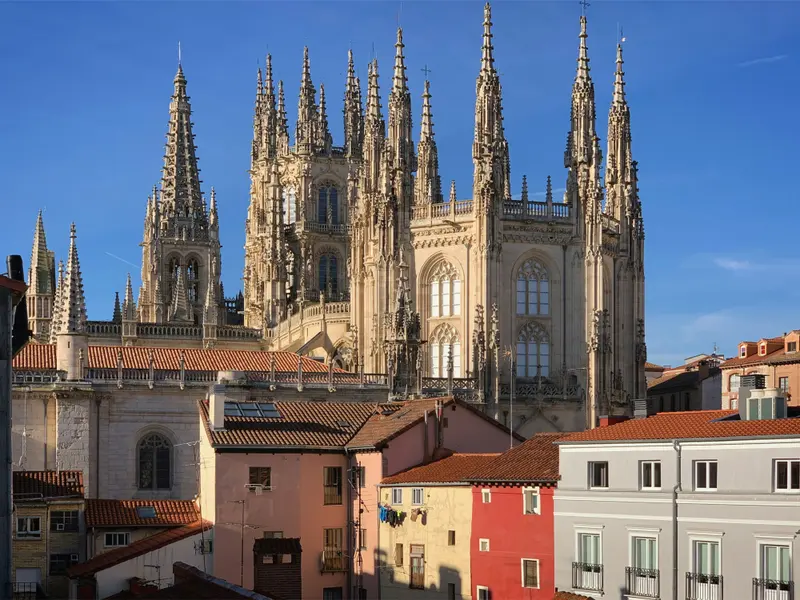
Three cities for a first visit
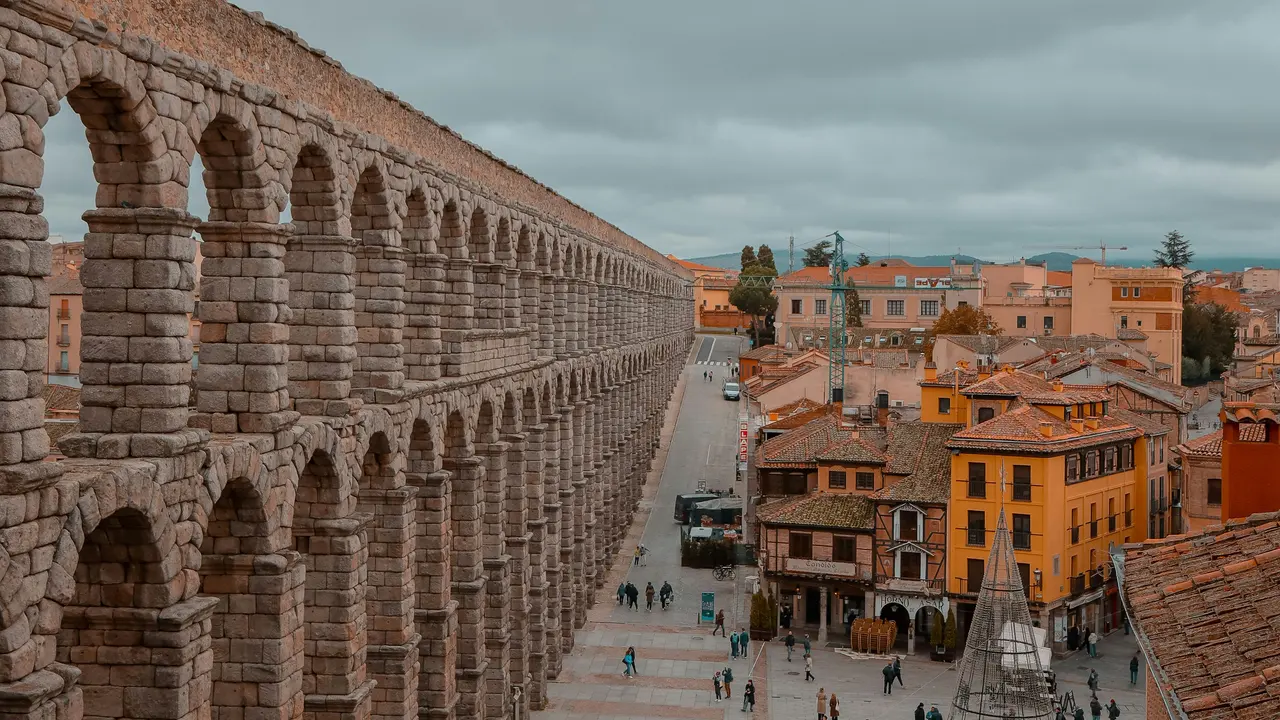
Segovia is easy to understand on a single walk. Start below the aqueduct in the open space of the Azoguejo, climb to Plaza Mayor and follow the ridge to the Alcázar. From the Eresma valley you can see how the fortress sits above the meeting point of two valleys. A night in town gives you time for both perspectives and a second look at the aqueduct when the square has emptied.
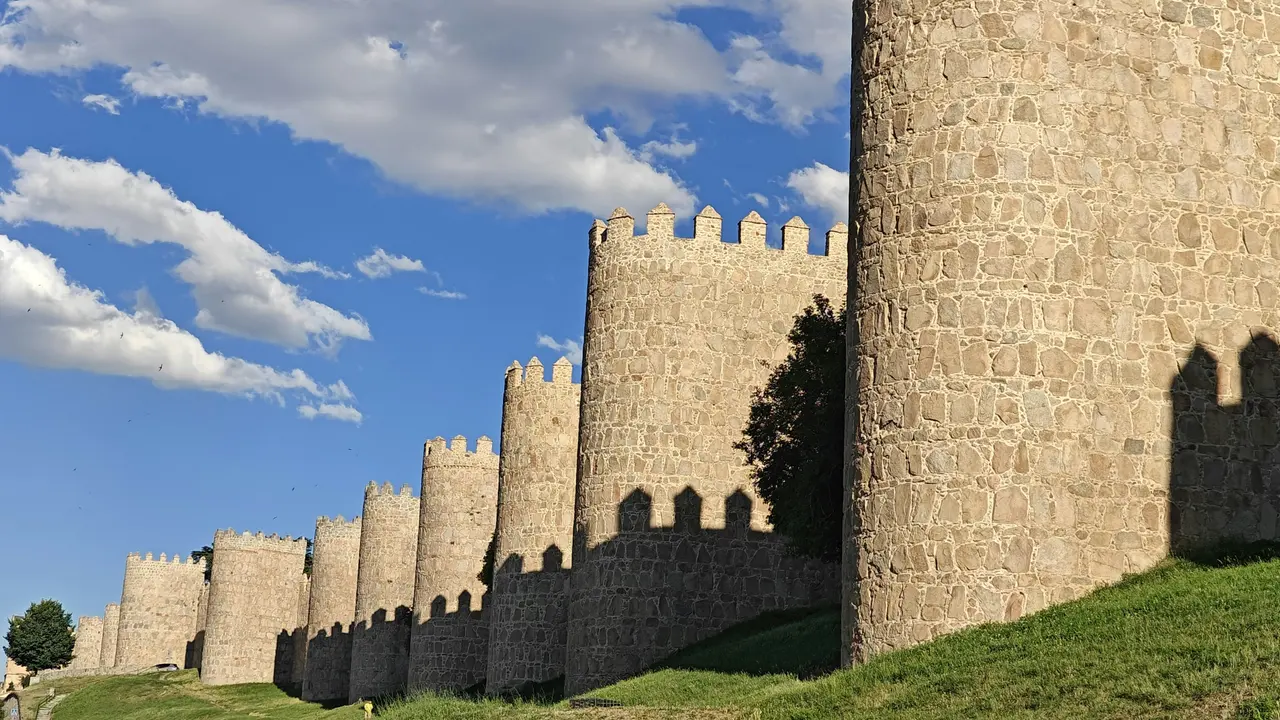
In Ávila, start outside the walls. The viewpoint at Los Cuatro Postes shows how the enclosure sits high above the Adaja. Inside the walls, use the cathedral to get your bearings and keep time for a Romanesque church beyond the gates. If Salamanca is next, pick one major interior and one view from outside in each city. The way the cities differ comes through far better if you photograph some streets and also take time to study a building from within.
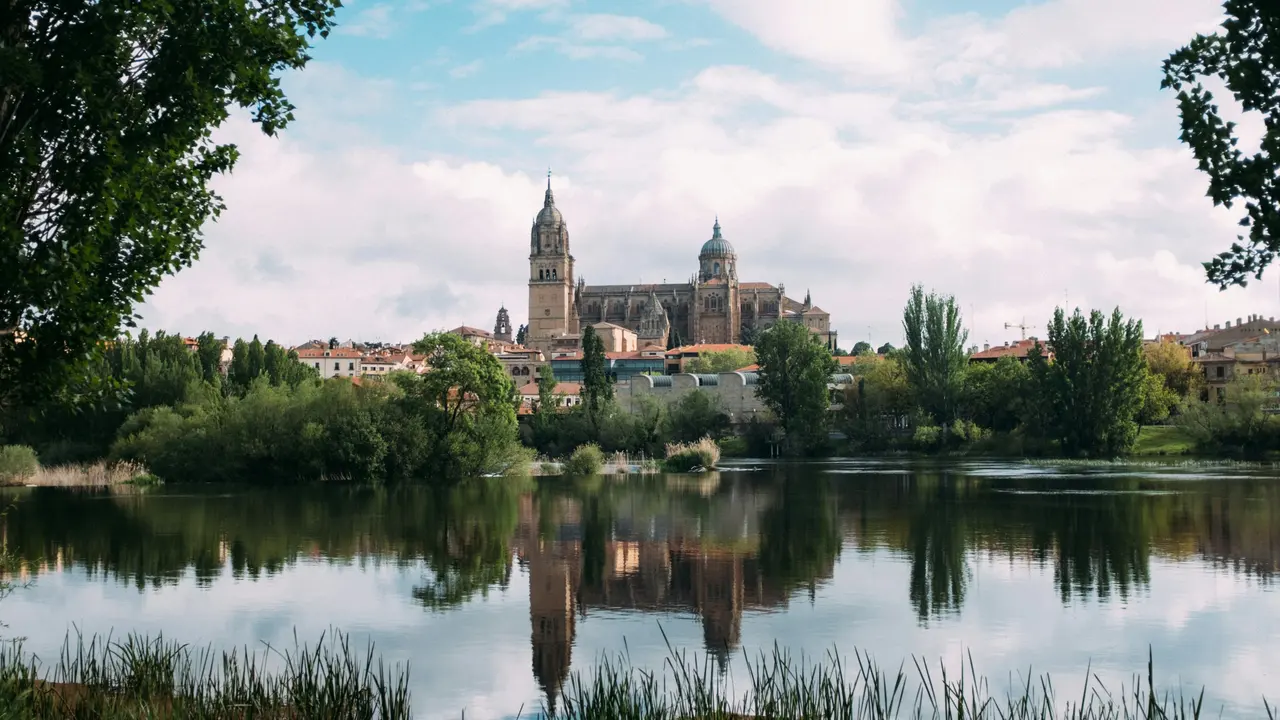
In Salamanca, walk from Plaza Mayor to the old university quarter, continue to the cathedrals and descend to the Roman bridge. Cross the Tormes to see the towers together, and return over the bridge if you plan to eat in the centre. For a half-day visit, concentrate on the university streets and outdoor walk. Staying the night lets you fit in the interior you most want to see without having to skip the river.
From the Arlanzón to the mountains of León
In Burgos, set the cathedral alongside a walk beside the Arlanzón. The Museum of Human Evolution provides the context for Atapuerca and can occupy much of a morning. Atapuerca itself needs a separate journey, so check what type of site visit you are booking. Visiting the museum first helps you recognise what trenches and excavated layers reveal when you see them in the field.
In León, the cathedral glass and the painted Royal Pantheon at San Isidoro reward different kinds of attention. Walk from one to the other, then continue towards the Renaissance façade of San Marcos and the Bernesga. For the west of the province, move your base to Ponferrada. The mining landscape at Las Médulas and the villages of El Bierzo then fit into days with less driving.
Four cities that fit longer itineraries
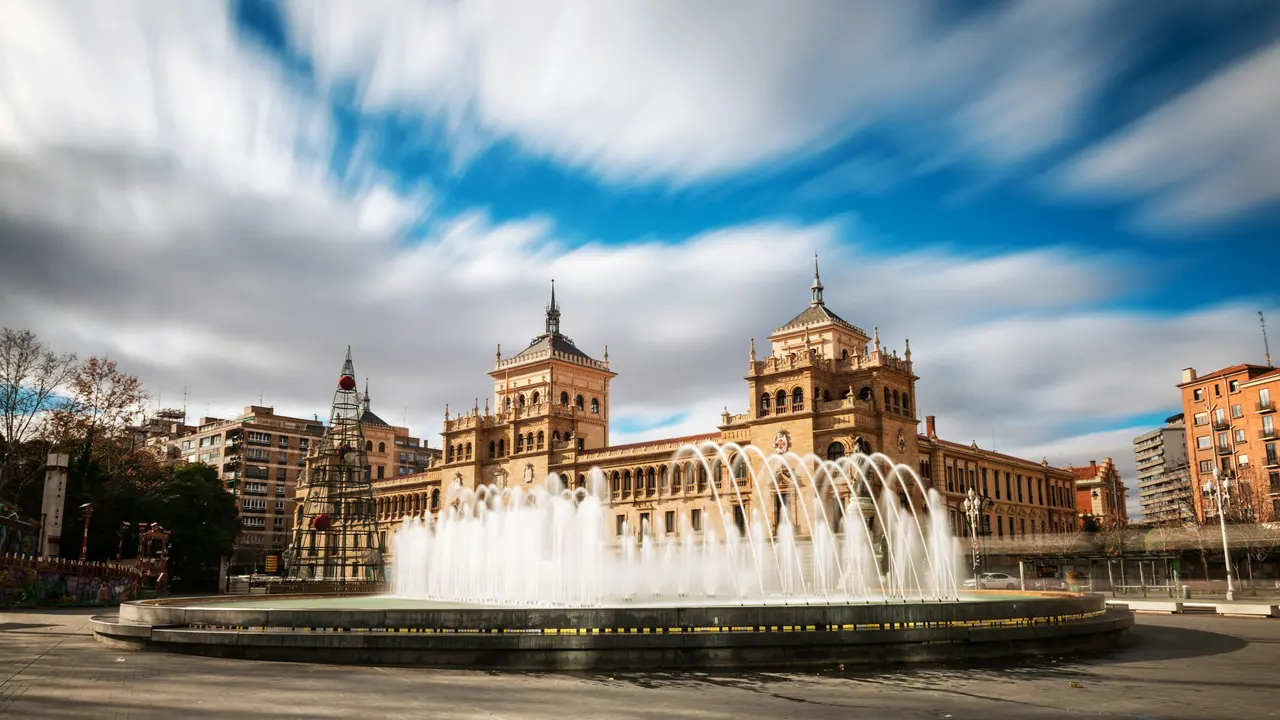
Palencia works as a stop on the rail corridor and as a gateway to the Canal de Castilla. Allow enough time for the cathedral and the Carrión riverfront before heading for Frómista or the mountains. In Valladolid, one day works for the National Sculpture Museum, Campo Grande and the streets around Plaza Mayor. Choose between the vineyards and Tierra de Campos for the next day, depending on how far you want to travel.
Base yourself in Soria to combine the cloister of San Juan de Duero with riverside walks and archaeological sites in the surrounding country, including Numancia. In Zamora, trace the Romanesque churches across the centre, ending at the cathedral and walking down to the Duero. Leave a separate half day for Toro if you want to compare old towns. Travellers aiming for the Arribes can continue west and sleep closer to their chosen sector of the river.
Monuments and heritage
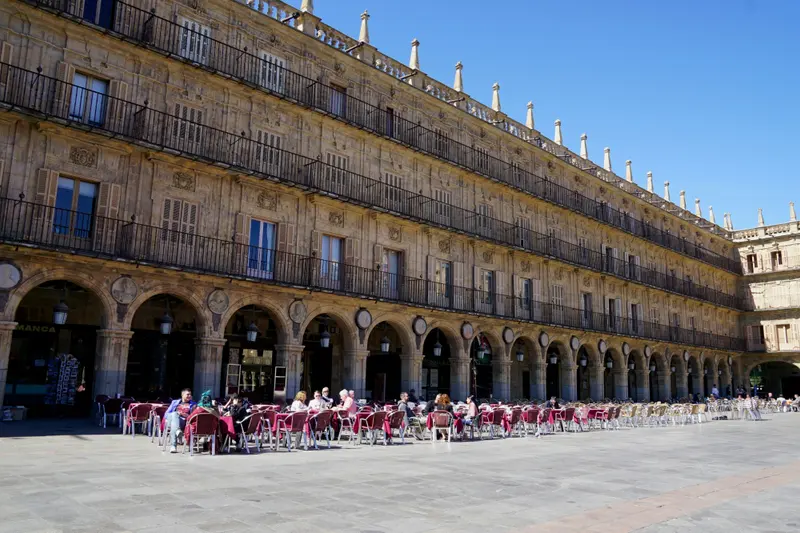
How to read the churches, castles and palaces
A Romanesque church is a good place to look closely at how sculpture and buildings fit together. Examine a capital where you enter, walk around the curve of the apse and notice how little light reaches the nave. San Martín in Frómista and the churches near Aguilar de Campoo pair well with the urban Romanesque sites in Zamora. Check in advance if an interior is important to your trip. A small village church may be worth the stop for its position and exterior alone.
The cathedrals in Burgos and León can be approached differently. In Burgos, study the sequence of chapels and the ways later generations furnished them. In León, leave time at first for your eyes to adjust to the stained glass. Walk towards the crossing and notice how the strongest colours shift as your angle changes. In Salamanca, the adjoining old and new cathedrals make it possible to compare building styles within the same extended visit.
Peñafiel Castle runs along the crest of a hill above the town. At La Granja de San Ildefonso, below the Guadarrama mountains, the palace sits within a planned arrangement of paths, gardens and fountains. The grounds can be appreciated on an ordinary walk. If you specifically want to see the fountains working, check the programme with Patrimonio Nacional before setting your dates.
Pilgrims and archaeology
The Camino Francés crosses Burgos, Palencia and León before entering Galicia. To see how pilgrimage shaped the route, compare the open stages across Tierra de Campos with the bridges and towns that once housed hospitals for travellers. For a short visit, pick one practical example. You can walk between two villages, trace the routes around San Marcos or study how the path and the canal come together at Frómista.
At Las Médulas, cut faces and red ridges show how Roman mining transformed the hillside with water. A high viewpoint gives you a sense of the size of the workings, while a walk through the site shows where the altered ground meets the surrounding fields. For a different sort of evidence about Roman life, allow half a day for the villa mosaics at La Olmeda near Saldaña.
Museums and culture
Museums give a city day a structure, especially in wet or hot weather. At Valladolid’s National Sculpture Museum, look at details in the painted wood that are difficult to see from the roadside during a procession. Make time for the exterior of the Colegio de San Gregorio as well. If you plan two museums on one day, consider the distance between their buildings and the amount of time you want to spend with the first collection.
MUSAC in León provides a contemporary counterpart to the city’s medieval architecture. The Royal Glass Factory at La Granja focuses on craft and manufacture. If you are interested in seeing the work carried out, check which visits include a demonstration. The Museum of Human Evolution in Burgos remains worth visiting if weather changes your plans for Atapuerca. What you see there can also help you decide how much time to allow for an archaeological site elsewhere.
Charming villages
Walled towns and mountain villages
Pedraza, in the south of Segovia province, is good for a circuit inside the walls and time in the arcaded square. Sepúlveda is steeper and gives you a starting point for the Duratón. Pair them if you mainly want to see the towns. If you plan to walk in the gorge, keep the second town for the journey home or for another day. Two historic centres and a long walk compete for the same daylight in winter.
In the Sierra de Francia, La Alberca and Mogarraz share an architecture of narrow lanes and timber framing. In La Alberca, the village square is an obvious place to sit and watch the streets. In Mogarraz the portraits on house fronts draw you into the side lanes. Candelario, in the Sierra de Béjar, shows a different relationship between water and steep streets. Pick nearby villages and give yourself enough time to walk up and down on foot.
On the Camino and along the Duero
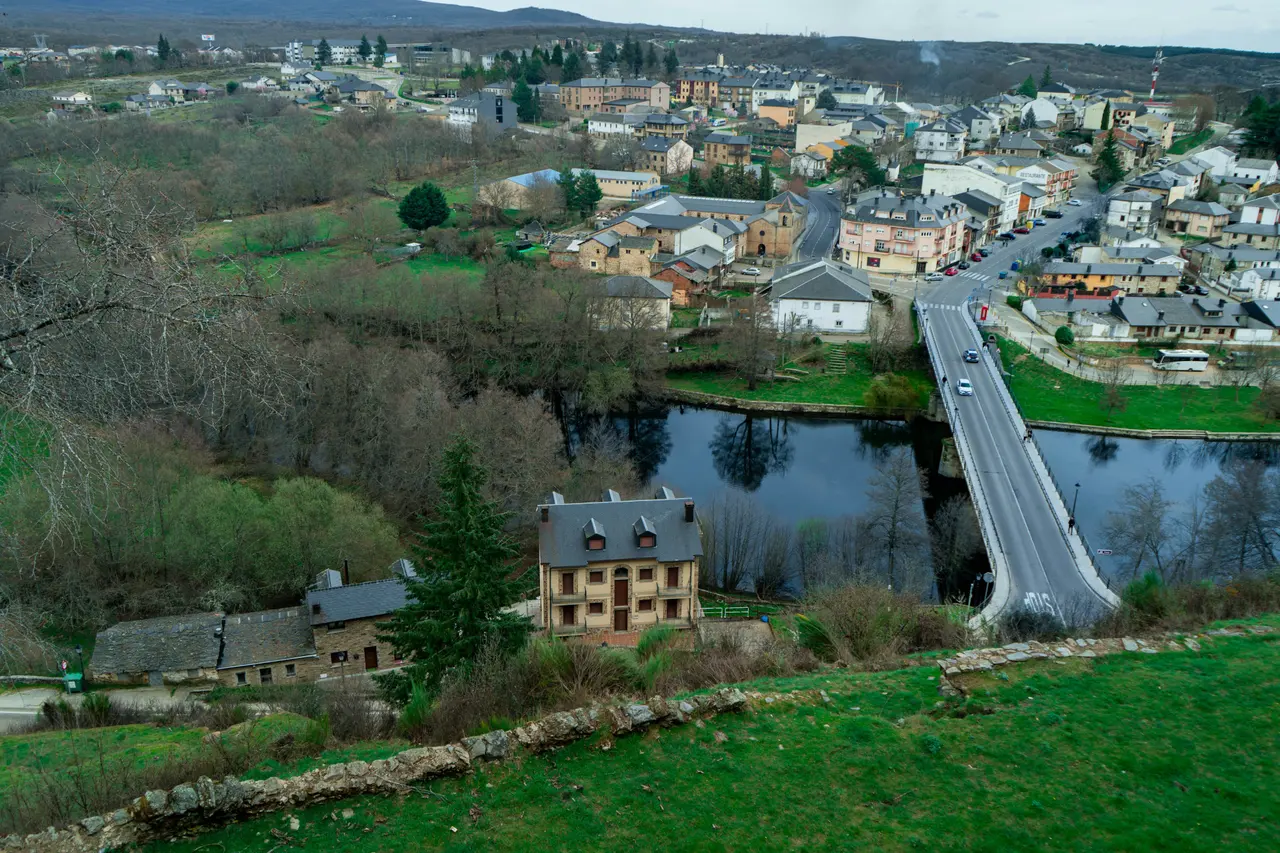
The bridge and houses of Hospital de Órbigo are an easy stop between León and Astorga. Further west, Villafranca del Bierzo combines the churches of the Camino with walks towards the valley. Castrillo de los Polvazares suits a trip from Astorga focused on Maragato streets and food. Choose a day when lunch can run long without a subsequent drive across the province.
In Burgos province, Covarrubias, Santo Domingo de Silos and Lerma can form one route for squares, a cloister and the Arlanza valley. Frías fits better into a trip around the north. For a day on the Duero in Zamora province, Fermoselle sits near a sector of the Arribes gorges. Work from a road map when adding viewpoints: places close to each other across a bend in the river may require a long journey around it.
Nature and protected areas
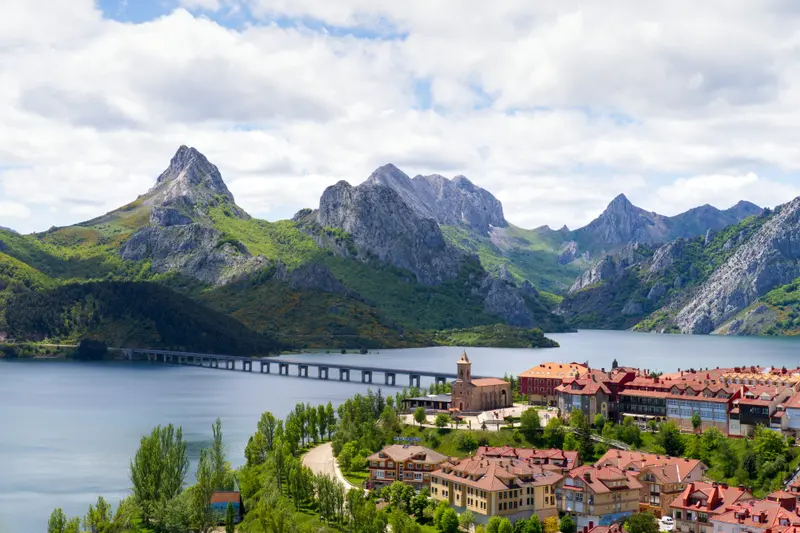
The plateau and its river gorges
At Hoces del Río Duratón, you can look down on the meanders from above or follow a stretch of the river on foot. The two perspectives call for different starting points, so choose one before setting out. Binoculars are useful for watching birds without leaving paths or edging towards a drop. At the Cañón del Río Lobos, shared by Soria and Burgos, the Ucero sector gives a route towards the limestone walls and the chapel of San Bartolomé.
The Arribes del Duero follow the Portuguese frontier through parts of Zamora and Salamanca. Pick a bank and a section for each day. Start high for a view of the gorge, then visit a village to see the terraces and look at how the landscape opens up in places. At Lake Sanabria, treat the shore and the higher glacial landscape as separate visits. A hot afternoon near the water and a hill walk require very different clothing and supplies.
Bases for mountain walking
In Gredos, the ravines of the southern flank and the higher approaches on the north side work better on separate days. Staying close to your trailhead lets you take advantage of the first clear part of the morning or start walking before the heat builds. Ice can remain on high ground after it has disappeared from the valley. Choose a lower-level route if some of the group have little mountain experience.
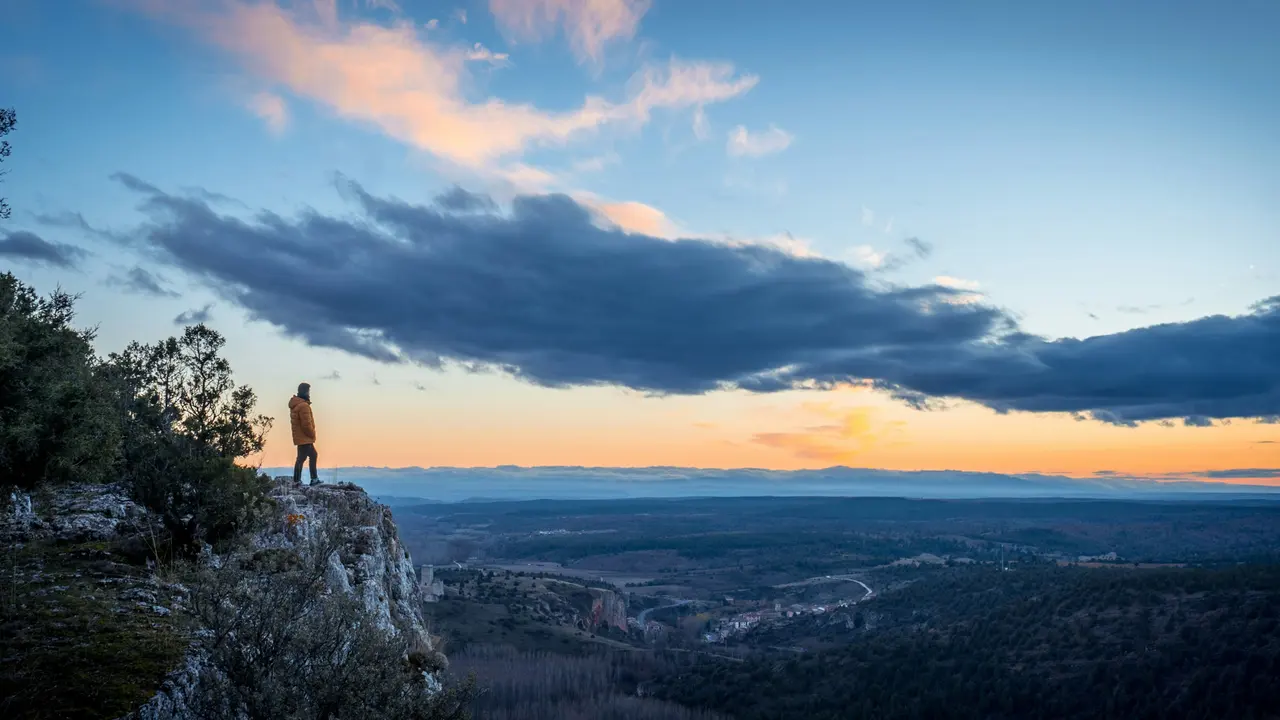
In the north, the Montaña Palentina, the mountains around Riaño and the León side of the Picos de Europa call for similar allowances for driving time. Start with a valley walk and a viewpoint to get a feel for the scale of the area. If cloud comes down, an outing beside a river or in a village may be more rewarding. On flatter ground, the Villafáfila lagoons make a change from uphill walking and offer dedicated points for observing birds.
Festivals and traditions
The regional Holy Week programme for 2026 covered dates from 27 March to 5 April. In Valladolid the processions give context to the painted sculpture that can also be seen in museums. In Zamora, look at the route on a street map in advance. The choice between a wider space and a narrow street changes what you can see and how easily you can leave. Medina de Rioseco gives the same tradition a smaller-town setting. For a future visit, use the calendar for your year and check road closures before deciding where to sleep.
There are local traditions you can see without timing a festival. In the Maragatería, the order in which a cocido comes to the table is part of the meal. In Tierra de Campos, dovecotes show what centuries of building with local earth looked like away from the largest monuments. In wine country, cellars dug into hillsides show how wine was stored and worked. A visit led by someone who knows the site brings out details you might miss when looking at the entrances from the road.
What to eat
From roasts to a slower lunch
Lechazo is roast suckling lamb. In the Duero basin, Aranda de Duero, Peñafiel and Roa are places to seek it out. Ask about serving sizes if you travel alone or as a pair. Cochinillo, or roast suckling pig, is closely associated with Segovia. If you already have a roast on the itinerary, La Granja’s large white beans or a garlic-based sopa castellana bring some variety. Confirm the dish is available before booking a table around it.
In the west, buy hornazo in Salamanca if you want a filled savoury pastry to share and try arroz a la zamorana around Zamora. León is known for its cured beef, cecina, while Astorga and the Maragatería are places to try the local cocido. Burgos offers rice-based morcilla and fresh cheeses. In Soria, order a plate of crisp torreznos to share. If you are after truffles, check what’s in season and what’s actually on the menu.
Cheese, pulses and the wine districts
The wine labels also work as a travel map. Ribera del Duero crosses provincial boundaries. Peñafiel and Aranda are different starting points for a visit. Rueda, Toro and Bierzo each suggest a separate detour. For more than one wine style in the same afternoon, look for a tasting with a selection or order by the glass where you are staying. Decide who is driving before booking a tasting outside town.
At a market or shop, look for sheep’s cheeses, local bread and cured meats for an outdoor lunch if the forecast is good. Buy supplies before starting a rural walk. When arranging a sit-down meal, avoid booking a tight afternoon slot afterwards. If you usually eat early in Britain or Ireland, check that the kitchen will be serving when you arrive. A longer lunch break also puts the less strenuous part of the day in the hottest hours.
Sport and outdoor activities
The Canal de Castilla is a useful option for exploring by bicycle on level ground. Ride out and back from Frómista or Medina de Rioseco to follow the water and see how the locks work without arranging transport at the far end. Wind can change the effort of the outing substantially in open country. Choose your first direction with the return in mind, and agree on a turnaround point for riders who want less distance.
To walk a single stretch of the Camino without carrying your luggage, work out how you will get back from the finish. A stage can start in a town with several services and end in a small village. Confirm the return first, or walk out and back from one end. In the mountains, check the elevation gain as well as the distance. A short-looking route can have loose rock, lengthy exposure to wind or steep ground that slows everyone down.
Routes and itineraries
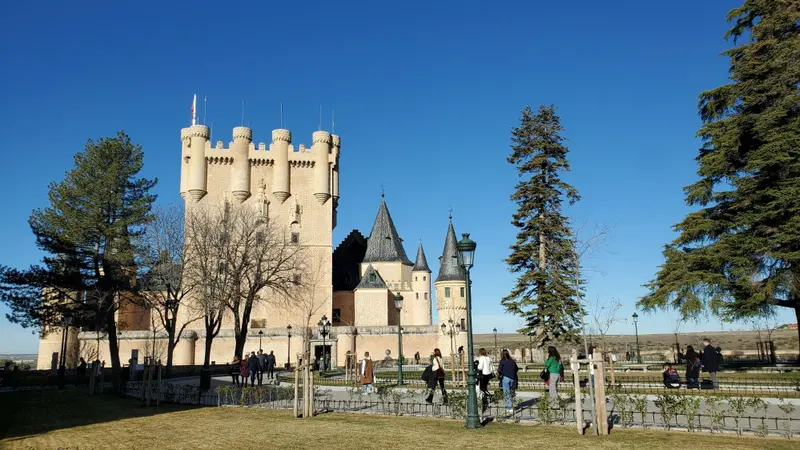
Three days in Segovia and Ávila
Spend day one between the aqueduct, Plaza Mayor and the Alcázar. On day two, go to La Granja for the gardens in the morning and finish the Segovia walk in the afternoon. Keep the third day for Ávila and see the walls from outside before walking into town. By car, you can spend two nights in Segovia or move accommodation once. By train, check how each city connects to Madrid and make La Granja an extra when you have arranged how to get back.
Five days along the Camino and the canal
Allow two days in Burgos, one for the capital and one for Atapuerca or the Arlanza valley, depending on whether you favour archaeology or villages. On day three, head towards Palencia via Frómista to see San Martín and the canal. Continue to León and devote day four to the centre. On the fifth you can go to Astorga and the Maragatería. A car makes the intermediate stops easier. For a train-based version, keep the three main cities and give yourself a longer walk in each.
A week from the Tormes to Lake Sanabria
Begin with two days in Salamanca, one in the city and one for villages in the Sierra de Francia. If you want a full day by the river, give two nights to a section of the Arribes. Stop in Zamora when you move from one rural base to the next. Finish with two nights in Sanabria, using one day for the lake and another around Puebla. If you are returning to Madrid, keep the final journey as part of the last day’s plan and make your timed visits earlier in the week.
Travelling with children
In Segovia, start with the aqueduct and choose one indoor visit before lunch. On the uphill walk, look for places where the towers or roofs reappear from a different angle. On day two, the gardens at La Granja give children room to move and let you turn back when you need to. Check the surfaces and gradients if you bring a pushchair, particularly when planning a return from the lower part of the town.
Beside the canal, pick a short walk where children can see the difference in water level on either side of a lock. In Sanabria, a shore outing with a change of clothes is easier to adjust than an uphill route with a fixed destination. In a museum, two things to look for can be enough to get started and leave time for what catches their attention when they get inside.
Where to stay in Castile and León
If you are travelling by train, look in the old town or somewhere convenient for the station transfer. Think about how you will get back at night after dinner or a day trip. Salamanca, Burgos and León have many sights you can link on foot. Valladolid is useful for a trip with onward rail connections. In Segovia, decide whether you would rather walk out of your accommodation straight into the old town or start nearer your arrival point.
For a road trip between opposite ends of the region, two bases are often more practical. A city works for monuments, dinner and wet days. A rural stay in Gredos, the Sierra de Francia, El Bierzo or Sanabria brings you closer to the first walk of the day. At a historic centre address, ask where you can unload luggage and where you can leave the hire car. At a rural property, check what is within walking distance for dinner before your first evening.
See places to stay in Castile and León (opens in a new tab)Affiliate link: if you book through it, we may earn a commission at no extra cost to you.
Practical tips and common mistakes
When drawing up a route, count everything that happens after you get out of the car. Every viewpoint has an approach, every town needs somewhere to park and every interior takes its own time. Group timed visits around one sensible drive or lunch stop. Fitting two fixed visits into a rural day leaves room to enjoy the places between them.
Check small churches, archaeological sites and wineries individually if an interior is the point of the outing. Save directions in case reception drops in the valley. If a walk depends on a rural track, mountain parking or a water crossing, check with whoever manages the site and pick a second option for wind or rain. From birdwatching points, stay on the marked route and watch from a distance.
Pack shoes that grip smooth stone and a layer for later in the day. If you photograph buildings, use a time when light reaches the outside you want to see. That leaves space in the day for things a photograph from the street rarely shows, such as shifts in colour inside a cathedral and the relationship between a square and the small streets that feed into it.