

 Español
 English

Why visit Ceuta
Some of the best things to do in Ceuta start at Puente del Cristo, a bridge over a saltwater moat. From here you can see the wall that defended the approach to the Almina peninsula. Beyond it are Plaza de África and the shopping streets around the Revellín. Follow the water south and you are at the edge of a city beach. A morning on foot is enough to see how closely the harbour, the old town and the fortifications fit together.
Ceuta is a Spanish autonomous city on the North African shore of the Strait of Gibraltar. The centre begins at a narrow neck of land and extends east towards Mount Hacho, which rises at the end of the peninsula. To the west lie the wooded slopes of García Aldave and the shore around Benzú. Use the Royal Moat to get your bearings on arrival. Then give the eastern headland and the western coast a separate block of time if you plan to see both.
Two nights work well for a first visit. An afternoon in town can survive a late arrival and you still have a full day to explore the medieval remains or walk on Mount Hacho. If you are coming over for the day, choose a handful of places close together. The Royal Walls, lunch and a stroll by La Ribera make a complete day out with room to spare for the return ferry.
When to go
The best time to visit Ceuta for walking and swimming
May and June suit a trip built around outdoor sightseeing. Make a start in the squares and leave the steep part of the walk for the cooler hours. September can work if the group wants both beach time and historic sites. In the 2003–2010 record for Ceuta, Spain’s meteorological agency AEMET puts the average daily high near 26°C in June and September and around 29°C in July. Use those figures to choose a season, then look up the forecast for your dates.
July and August make sense for a trip with several afternoons in the water. If you also want a viewpoint, head uphill earlier in the day and return to the seafront later. The AEMET figures show more rain from late autumn into winter. For a short winter break, check one indoor visit in advance and leave enough flexibility to move the seaside walk to the clearer day.
Look at the marine forecast as well as the town forecast. The streets around the Revellín may feel sheltered when the wind is up on the coast, and the crossing has conditions of its own. If there is a connection to catch on the way back, read the ferry company’s updates before leaving your accommodation and allow time on the mainland between the two legs.
Getting there and around
Ferry from Algeciras and helicopter from mainland Spain
In 2026, the Port Authority lists the regular passenger and vehicle ferry from Algeciras in Cádiz province, Andalusia. Baleària lists crossings of about an hour to an hour and a half depending on the vessel. Add the cross-town journey, check-in and time to disembark to the sailing time. Keep the tickets accessible and check where you board as a foot passenger or driver. When searching for the ferry online, use Ceuta as the arrival port to bring up the right crossing.
If you are flying through Málaga-Costa del Sol, Aena lists a helicopter connection with Ceuta in 2026, as well as a connection from Algeciras. Check that the service is bookable on the day you need it. Compare the full journey for each option, especially if you have a suitcase or are combining separately booked tickets. On the way back, think about which mainland connection you can still make if the first leg runs late.
Ceuta also has an overland approach from Morocco through El Tarajal. Treat this as a separate stage of a two-country trip and check the document and vehicle requirements with the relevant authorities. A visit based on the mainland ferry can begin and end at Ceuta’s ferry terminal.
Walking from the terminal and getting to the outer coast
Look for Estación Marítima on maps and signs. Puente del Cristo and Plaza de África are good landmarks for the walk into the centre. With heavy luggage, check the last stretch to your room before setting off. Once you have dropped your bags, the historic centre, moat, Maritime Park and La Ribera can all be covered on foot.
For destinations on Mount Hacho, look up the actual starting point. A stroll around San Amaro park takes you somewhere different from a walk up to the San Antonio viewpoint. The same applies in Benzú, where the neighbourhood, shore and archaeological site are distinct stops. Save both ends of the walk on your map and check how you will return before committing to an outing away from the centre.
What to see in Ceuta
Things to do in Ceuta on your first morning
Start with the Royal Walls, or Murallas Reales. From Puente del Cristo, look along the moat in both directions. The Foso de San Felipe cuts through the isthmus and links the bays. During the Portuguese expansion of the defences, the ditch was turned into a navigable channel. On the landward side, find Plaza de Armas and look at how the defensive structures follow one another. At the southern end of the main wall, look for the projecting Baluarte de la Bandera.
Cross towards Plaza de África, where the cathedral, the Sanctuary of Our Lady of Africa and Ceuta’s government building face the square. Walk round first to see how the three buildings sit together. If you plan to go inside a place of worship, check the visiting arrangements separately. From Plaza de la Constitución, continue along Paseo del Revellín and Camoens towards Plaza de los Reyes.
The Revellín, the House of the Dragons and the waterfront
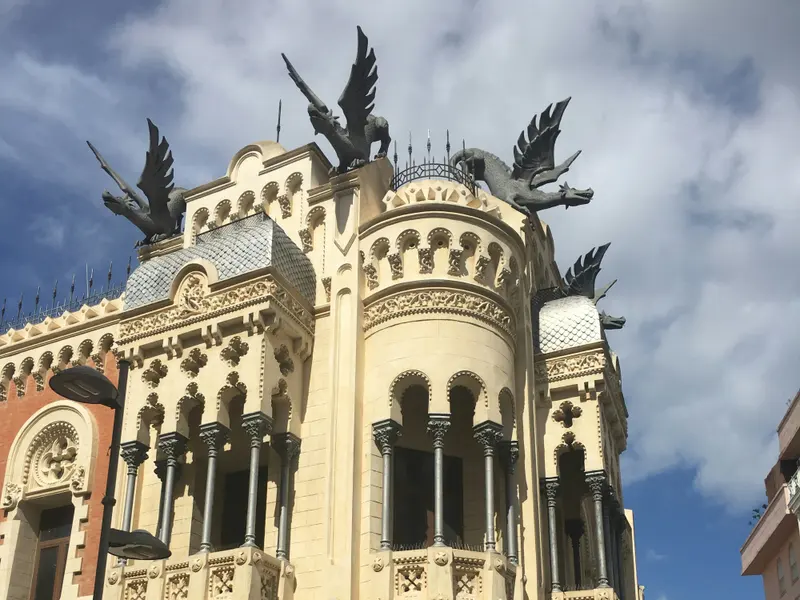
Look up as you walk the shopping streets. The Casa de los Dragones, or House of the Dragons, turns a corner under the creatures on its roof. Construction started in the late nineteenth century. Try the opposite pavement for a view of the curved façade. Continue along Calle Real for a longer walk or make your way down towards the harbour views on the Marina Española.
On the northern waterfront, the Parque Marítimo del Mediterráneo is a complex of saltwater pools, rock and landscaped gardens designed by César Manrique. Check the arrangements for swimming in the season you travel, especially if the pools are a priority. Leave a whole afternoon if you want to spend time there after visiting the walls. La Ribera offers a different afternoon by the water on the other side of the centre.
San Antonio and Mount Hacho
On a clear second morning, head towards the San Antonio chapel and viewpoint. From the area around the chapel, you can pick out the Almina peninsula, the harbour and the direction of mainland Spain. If you are walking uphill, bring water and treat the climb as part of the outing. For a gentler option, follow the waterfront towards San Amaro and stay lower down.
You can see the outline of the fortress on the upper slopes from public walks and viewpoints. On the southern side, the path towards Desnarigado follows the coast with open water on one side. Choose the viewpoint or the shoreline according to the weather and how far the group wants to walk. If you plan to combine them, work out the return before you leave.
Monuments and heritage
The Caliphal Gate and the layers of the city walls
Ceuta Tourism identifies the Puerta Califal, or Caliphal Gate, as a tenth-century entrance to the medina from the time of Abd al-Rahman III. It survives inside the Royal Walls. Ask the tourist office what visits are available for your dates. The surviving gate gives a sense of the medieval layout, while the wall over the water and the outworks near Plaza de Armas show how the site was adapted for later forms of defence.
The Marinid Walls once belonged to a separate fourteenth-century enclosure. Look for the remains of the Puerta de Fez, or Fez Gate, beyond the usual walk round the isthmus. Save the spot on your map and take in the walls from outside. Put this stop and the Royal Walls on the same itinerary if you want to see how the position of the defences changed across different periods.
The Arab Baths and Late Roman Basilica
At Plaza de la Paz, the Arab Baths preserve a series of vaulted chambers with openings in their ceilings. The city dates construction to the twelfth or thirteenth century. Look at how the light enters if you get inside. Bathers passed through cold, warm and hot rooms.
The Late Roman Basilica, near Calle Queipo de Llano, preserves the remains of an early Christian building and burial area. Take time over the site interpretation if archaeology is one of your reasons for coming. For a short visit, choose the basilica to explore Ceuta before the medina or the baths to follow the medieval period. Confirm opening arrangements before making either the main stop of the day.
Museums and culture
The exhibition site at the Revellín de San Ignacio is within the Royal Walls. The Museum of Ceuta on Paseo del Revellín has a different address on the shopping street. Look up the name and location of the exhibition you want. The repeated word revellín, meaning a type of fortification, is easy to mistake for a reference to a single venue.
The city has Christian, Muslim, Jewish and Hindu places of worship. Among those you can locate are the Sanctuary of Our Lady of Africa, the Muley El Mehdi mosque, the Bet El synagogue and the Hindu temple. If you are visiting for religious heritage, ask the tourist office about organised visits and confirm the arrangements for each building. On a walk without bookings, take in the architecture from the street and leave room for worshippers going about their day.
Charming villages
Ceuta has one municipality. For the feel of a smaller coastal settlement, head to Benzú, a neighbourhood on the north bay near the border. The relationship between the homes, the hillside and the water is easier to see here than in the central shopping streets. Ceuta Tourism’s guide mentions stopping for tea in Benzú, which can make a visit to the waterfront into an unhurried afternoon.
The cave and rock shelter of Benzú are a separate archaeological stop. Ask ahead whether there is an organised visit and where visitors meet. If you have come for the coastal landscape, spend your time by the beach and the bay. When pairing Benzú with Calamocarro without a car, arrange the return from your actual last stop so you can stay longer at the place you like.
Nature and protected areas
Calamocarro-Benzú and García Aldave
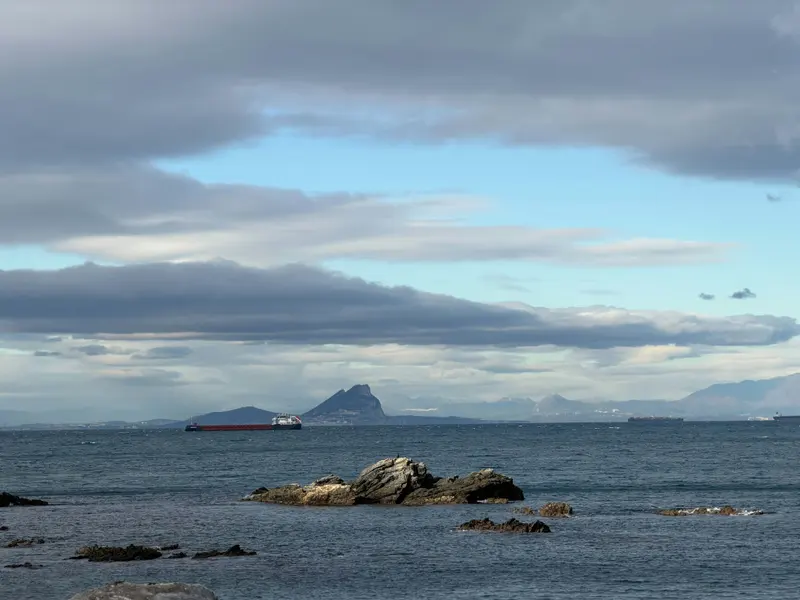
Spain’s environment ministry lists Calamocarro-Benzú as part of the Natura 2000 network. On this side of Ceuta, wooded slopes and gullies sit above the north bay. The official nature guide describes the PR-CE 1 trail from Plaza de África to the Francisco de Asís fort, passing through García Aldave and by other nineteenth-century forts. Download the official route and pick a stretch that suits the group. If there is no onward transport confirmed, include the return on foot in your plan.
The Isabel II fort and Mount Anyera help you place the high ground of the Campo Exterior, the western side of Ceuta. The terrain makes a change from the streets around the moat. Give yourself more time on steep or wet ground, and check local reports before setting out after rain. For a shorter outing with its own views of the north bay, approach from the beach at Calamocarro.
Mount Hacho on foot and from the water
The Mount Hacho maritime and terrestrial area is also part of Natura 2000. It covers parts of the headland and surrounding waters. On the southern slopes, the coast path known as the Camino de Ronda takes you past rocky sections towards the Desnarigado fort, where the official walking guide ends the route. Check the condition of the path before starting and follow signs on the narrower stretches.
On the north side of Hacho, San Amaro park is an option for a short walk among trees. Pick a turning point as you go, then head back towards the Marina if you want more time by the water. This works particularly well when someone in the group wants a short stretch outdoors and a longer trail would make the day depend on everyone keeping the same pace.
Beaches in Ceuta

La Ribera and El Chorrillo for an afternoon in town
La Ribera sits below the central streets on the south bay. Pair it with a morning around the Royal Walls if you want to reach the sand without arranging another transfer. Check which way you will come back up, especially with a bag or pushchair. El Chorrillo is on the same bay, west of the moat. You can get your bearings for both from around the walls before choosing where to spend the afternoon.
San Amaro, Calamocarro and Desnarigado
San Amaro, on the north side of Mount Hacho, is a gravel beach. At Calamocarro, the hillside meets the north bay. The shore at Benítez includes sand, gravel and pebbles. Bring footwear that suits the surface and look at the conditions on the shore before deciding whether to swim.
Below the fort, Desnarigado cove mixes rock and sand. It works as the end of a coastal walk when the landscape is what you came for. When bathing is the priority, weigh up the swell, access and lifeguard provision on the day. With young children or plenty of beach gear, you may find it easier to spend the afternoon at one of the town beaches and keep the cove as a shorter outing.
Festivals and traditions
The official 2026 calendar listed San Antonio on 13 June, Our Lady of Africa on 5 August and Ceuta Day on 2 September. The August holiday is associated with the patron saint celebrations and the fair. Check events in Plaza de África for the religious celebrations and look up the fair programme separately for its site and activities.
Eid al-Fitr, marking the end of Ramadan, was a local holiday on 20 March 2026. Eid al-Adha was listed for 27 May 2026. Both move through the Gregorian calendar from year to year. At Easter, 2 and 3 April 2026 were public holidays. Check the programme for the year you are visiting if you want to see a procession or attend an event. If your trip overlaps with a public holiday, find out which of your intended stops will be open.
What to eat
Start at the Central Market
At the Mercado Central de Abastos, look first at the fishmongers and spice stalls. If you plan to buy something, ask how it is cooked or whether it will keep for the rest of your trip. You can also make the market a breakfast stop and then head towards the Royal Walls. In the centre and along the beaches, look for fried fish, octopus or mackerel. Order a few dishes to share if the table wants to try several things.
Cured flying fish, grilled skewers and tea
The Spanish word salazones covers cured fish such as bonito, tuna loin or mojama, and volaores, flying fish dried in the sun. Look for a small portion or an ensalada de volao if you want to try the flavour with the rest of a meal. If you buy cured fish at a stall, ask how to store it on the way home.
For tapas, try chicken hearts or pinchitos, grilled skewers. If you are sitting down for a longer meal, look out for papas con chocos, potatoes with cuttlefish, or grouper served al Rigamonti, with tomato and capers. Couscous is another option in the city’s Moroccan-influenced cooking. For something sweet after a walk, have a tea with a chuparquía, a pastry related to Moroccan shebbakiyya. Make the market an early stop and leave a longer break for lunch after sightseeing.
Sport and outdoor activities
A kayak outing or a trip on the sightseeing boat El Desnarigado, when offered, gives you a view of the walls from the water. If you want to paddle, ask the operator which section of coast is covered, what equipment is provided and whether the session is suitable for beginners. Give any booking that depends on the sea some room in the itinerary. The morning before a homeward ferry and an onward flight is a difficult time to fit in an activity that might be delayed.
The coast near Mount Hacho also has diving sites. Tell the dive centre your certification and experience and discuss the conditions before settling on a site. You can also stay on shore and walk in San Amaro or try a section of the Camino de Ronda. Take water, shoes with grip and a copy of the route. If the wind picks up, switch to a city walk with indoor stops.
Routes and itineraries
One day from the ferry
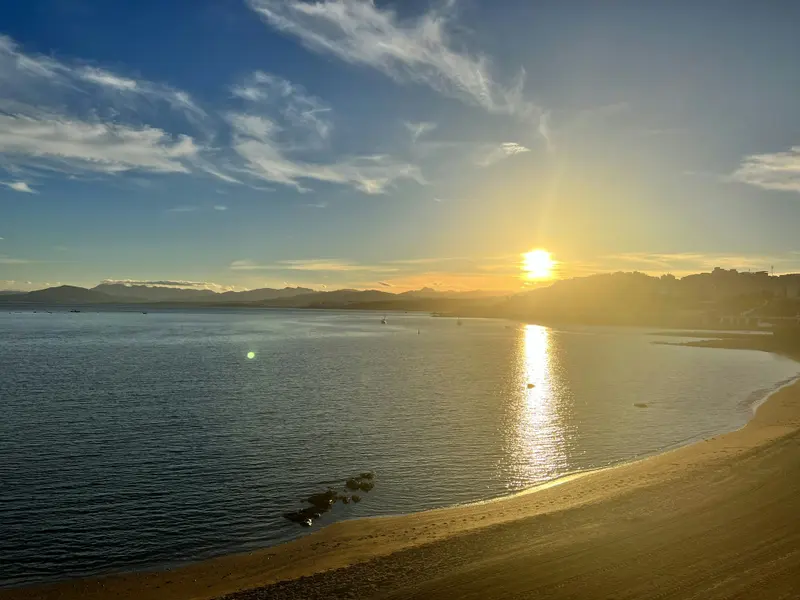
Walk from the terminal to Puente del Cristo for the moat and Plaza de Armas. Cross to Plaza de África and follow the Revellín and Camoens to the House of the Dragons. Have lunch in the centre, then choose the Late Roman Basilica or La Ribera for the afternoon. Before moving away from the walls, decide when you need to set out for the terminal with time for check-in.
Two days, including Mount Hacho
Use the first day for the Royal Walls and their interiors, then walk the centre. On the second, start in San Amaro or head up towards San Antonio. From there choose a longer walk around Hacho or return towards town for the waterfront. In summer, you can spend the afternoon at the Maritime Park or by the south bay. If you wake to rain, use the morning for a museum and keep a short walk along the Marina in reserve.
Three days, including the north bay
Spend the third day around Calamocarro and Benzú. If you are keen to hike, choose a stretch of García Aldave and make the shore your later stop. If you are more interested in archaeology, ask about a visit to the Benzú site and give it the morning. On the return, fit in the Marinid Walls or see what is on the menu in town. Confirm transport before putting a climb, a beach visit and a ferry crossing into a single day.
Travelling with children
From Puente del Cristo, see if the children can work out where the moat meets the two bays. Pause in Plaza de África before tackling the next stretch of town. La Ribera can work if everyone has their swimwear and you have found a comfortable way down. Check the swimming calendar and entry arrangements in advance if you want to visit the Maritime Park instead.
On a windy day, pair a short visit to the market with the basilica or another indoor stop. Keep San Amaro for a calmer morning. If you have a pushchair, look at the slope between the promenade and the beach before deciding where to go down. For the ferry home, keep water, snacks and a change of clothes within reach, especially after a last visit to the sand.
Where to stay in Ceuta
Plaza de África and the historic centre. Choose this area if you want most of your time to go to the moat, squares and museums. You can return to your room between a morning visit and an afternoon on the beach. If arriving with a vehicle or bulky bags, check how close you can get to the door to unload.
Revellín and the Marina. Look here for evenings when you can walk to dinner or take a stroll near the water. Check whether your address is up by the shopping streets or down by the waterfront. That changes the route to the beach and back with a pushchair. If you are booking for the view, check which bay the room faces.
Near the harbour. Prioritise the time to the passenger terminal if you have an early sailing. A room between the port and the centre can also make a late arrival easier. If you arrange a morning taxi, give the terminal name from your ticket and check the pickup point before going to bed.
See places to stay in Ceuta (opens in a new tab)Affiliate link: if you book through it, we may earn a commission at no extra cost to you.
Practical tips and common mistakes
Plan the crossing door to door. Record the check-in deadline, the departure time and the journey after disembarking. With one day in town, put timed visits in the middle of your stay, away from either crossing. You can rearrange the bridge, the squares and views of the buildings if the arrival time changes.
Locate the bay as well as the attraction. The harbour and the coast towards Calamocarro and Benzú are on the north side. La Ribera, El Chorrillo and the Hacho shore towards Desnarigado face south. Save a pin for the access to the beach or the path itself. A short distance on the map can include a slope or a walk around a wall.
Check visits to interiors separately. If the Caliphal Gate, Arab Baths or a place of worship is important to you, find out how visits are arranged for your dates. Keep a walk past the façades, the market or a confirmed exhibition in reserve. Pack shoes for slopes and use the marine forecast to choose the best time for the exposed coastline.