Español
 English

Why visit La Rioja
The things to do in La Rioja fall into three broad areas. Follow the Ebro for Logroño, the wineries around Haro, the Sonsierra vineyards and, further downstream, the orchards and market gardens around Calahorra and Alfaro. Follow the French Way of the Camino de Santiago for medieval towns built around the passage of pilgrims. Head south along a tributary valley for timber-framed villages, mountain woods or the dry, rocky slopes of the Cidacos.
If wine is your main reason for coming, spend a morning in Haro’s railway district to see why so many producers built their cellars there. Set aside a separate morning for a vineyard landscape. From the top of San Vicente de la Sonsierra you can trace the fields down to the Ebro and see how the settlements relate to the slopes. Look for old stone shelters and presses on marked routes. Those details are easier to take in when the afternoon is free of appointments.
For a trip built around history, let the Camino connect Logroño and Santo Domingo de la Calzada, then give the San Millán monasteries a morning of their own. The dinosaur tracks at Enciso, the riverside woods at Alfaro and the Oja greenway work well for families and anyone keen to spend more time outdoors. Think about where you would like to finish each day. A room in western La Rioja puts Haro and Ezcaray within reach, while a night in the east gives the Cidacos and Alfaro more room in the itinerary.
When to go
Spring is a good time for a trip with a walk most days. You can set out after breakfast, spend the middle of the day in a bodega or a museum and still have time to walk before dinner. After sustained rainfall, check trail surfaces and keep an indoor option near your base. Look up the weather for the specific valley you plan to visit. What you see from a window in Logroño tells you little about the conditions higher in the Cameros.
In summer, visit the Sonsierra viewpoints and the exposed dinosaur tracks early. A long lunch, the covered streets of Ezcaray or a museum can fill the hottest part of the day. Take account of the shade on a greenway on the way back as well as on the way out. If walking is the main purpose of the trip, choose a mountain base with routes you can start close to the village, and check the forecast for the altitude of the trail.
September and early autumn suit a vineyard trip. Each producer picks according to the grapes and the conditions, so ask what a visit includes if you are hoping to see harvest work. In the Cameros, walks through beech woods offer a different look at the season. Start the longer outings early enough to enjoy the woodland without rushing back before dark.
For a winter break, Logroño and Haro offer short outdoor walks between indoor visits and meals. If you plan to drive into the Sierra de la Demanda, check the road conditions and pick a second route at lower elevation. It helps to stay within walking distance of dinner. You can keep your evening plans even if weather changes where you spend the afternoon.
Getting there and around
Logroño is the handiest arrival point by public transport. The city’s visitor information consulted in 2026 listed rail and coach stations, and Renfe published a Madrid–Logroño route. Search for the date you will travel and check the departure station, especially if you are joining a train or coach after an international flight. Leave time for baggage collection and the trip from the airport to the right terminal. You can explore central Logroño on foot and hire a car when you are ready to leave the city.
Logroño–Agoncillo Airport is east of Logroño. Aena and the regional government published bus access information in 2026. Check which service fits your flight and where it stops. For international arrivals, compare the full journey from Bilbao in the Basque Country, or from Zaragoza in Aragon, with the option of flying into Madrid and going on by train. Look at the connections all the way to your bed for the first night before booking separate tickets.
If you plan to take day trips by public transport, find the return service first. Save the stop location and the route between the station and the bodega or monument. In Haro, several wineries sit close together in the Barrio de la Estación. The old town is uphill from there. Allow for that climb when arranging a restaurant booking, especially if you have bags or someone in your group prefers to limit steep walking.
With a car, use the valleys to organise your days. Nájera and San Millán fit around the Najerilla. Santo Domingo and Ezcaray are on the Oja. Calahorra, Arnedillo and Enciso lie along the Cidacos, with more than enough to do if you give the city and the upper valley separate mornings. In the Cameros, pick the Iregua or the Leza as your focus. Follow the actual road on the map when estimating journey times into the mountains and save the exact departure point for the trail.
What to see in La Rioja
Logroño, from the Stone Bridge to Calle Laurel
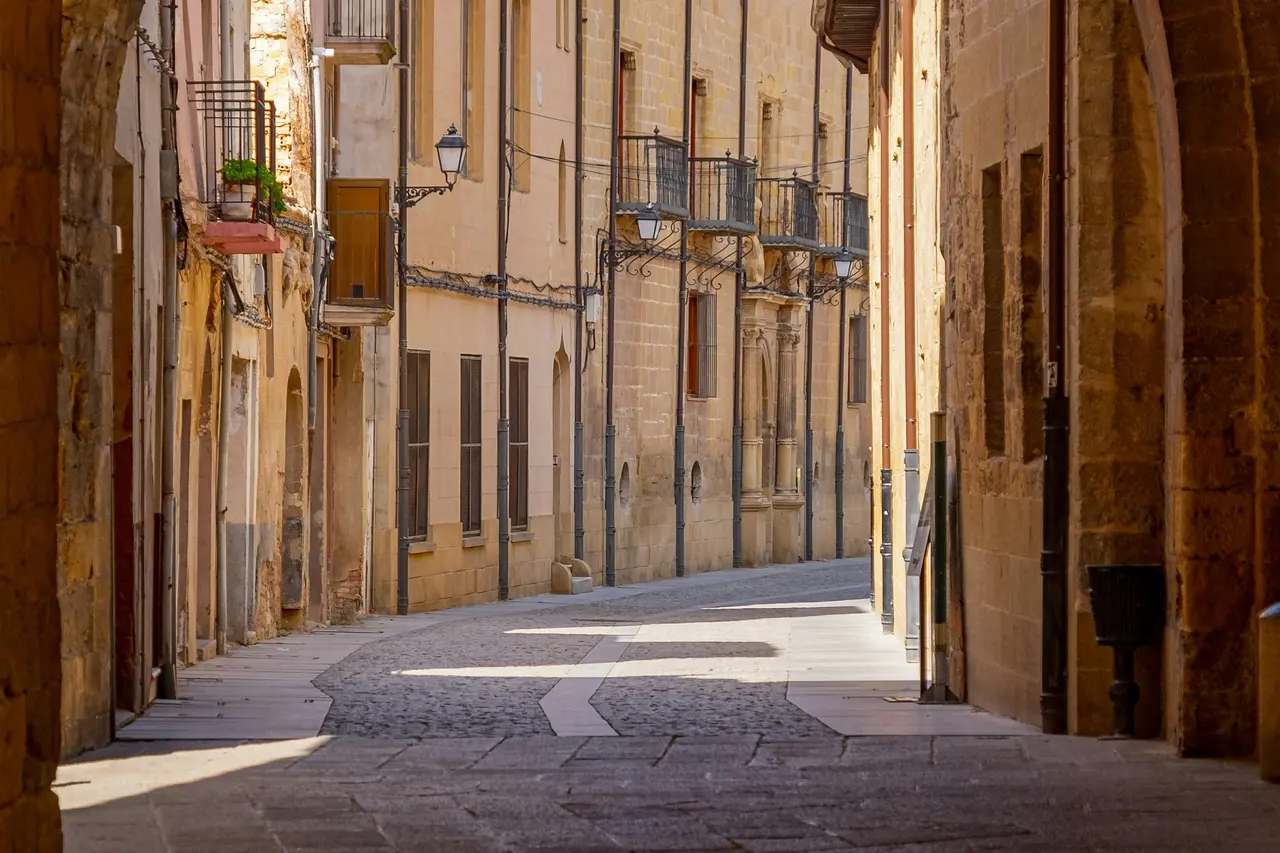
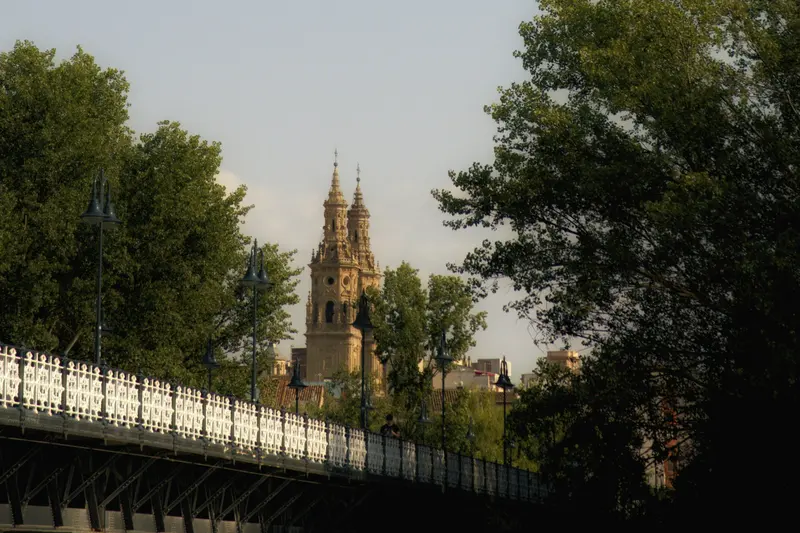
Approach the old town over Puente de Piedra, the stone bridge used by pilgrims entering the city. Head towards Santiago el Real, then down to Plaza del Mercado and the co-cathedral of Santa María de la Redonda. Along the Ebro you will find space for a longer walk between bridges. The river and the old streets fit comfortably into the same outing, even if you stop in the centre for a while.
Calle Laurel and its side streets are good places to try pintxos, small portions served at the bar. See what each kitchen specialises in, order one or two things to share and decide on the next stop as you go. If you are travelling with children or in a larger group, you may prefer a table booking for one of the main meals. Keep the walk along the Ebro for a separate stretch of the day when there is time to wander.
Haro and the Sonsierra vineyards
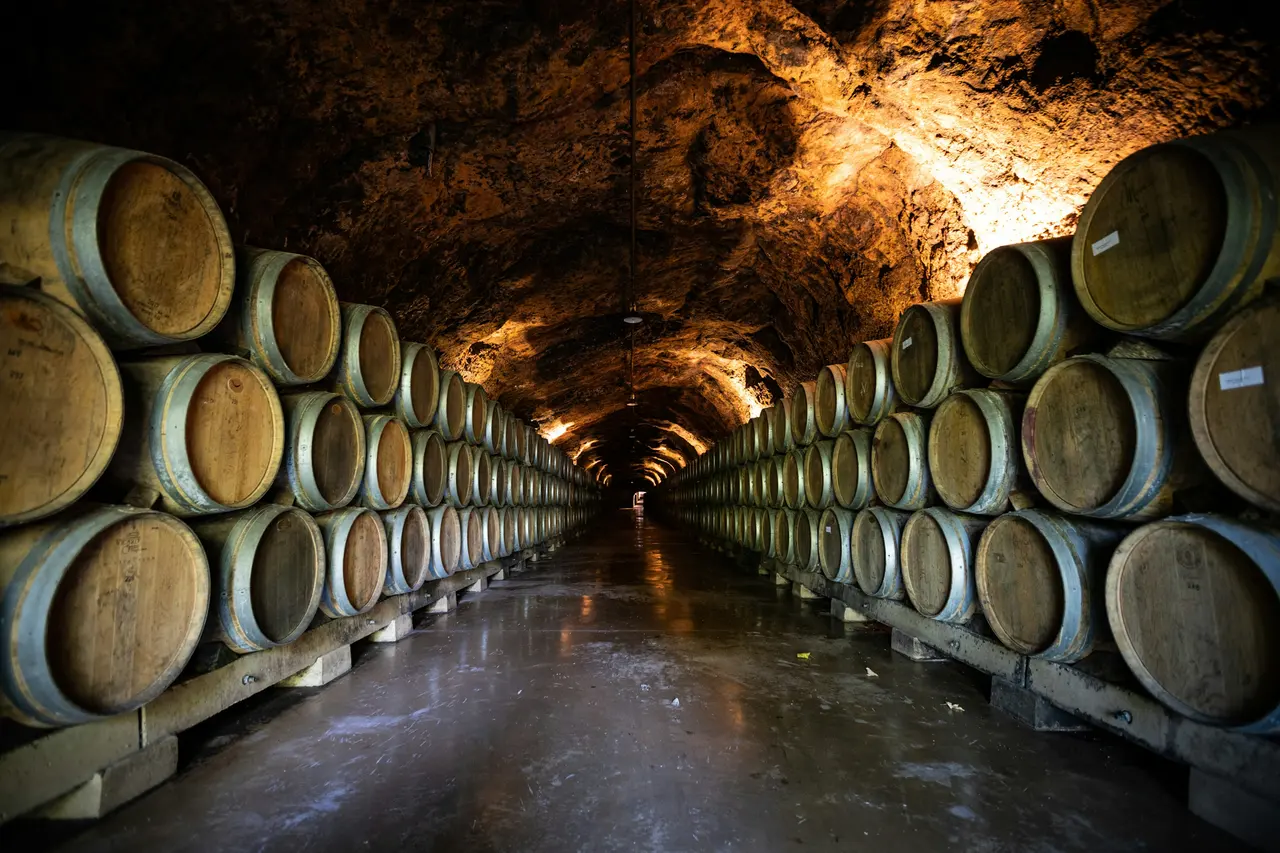
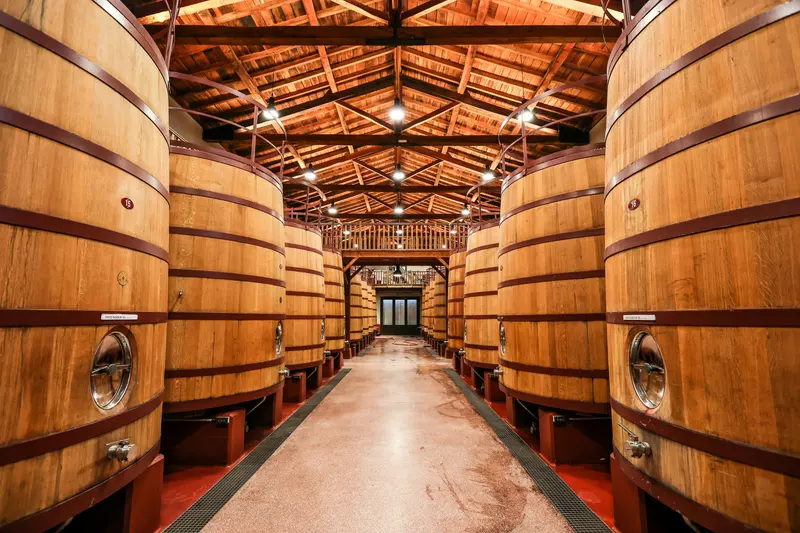
Start in the Barrio de la Estación to see how the rail connection shaped the winery district. Read the tour descriptions before choosing one. Some focus on how the wine is made, others on cellar architecture or comparing vintages. One appointment leaves time to walk up to Plaza de la Paz and look at the carved doorway of Santo Tomás. If you are travelling by car, settle who will drive after the tasting before you reserve.
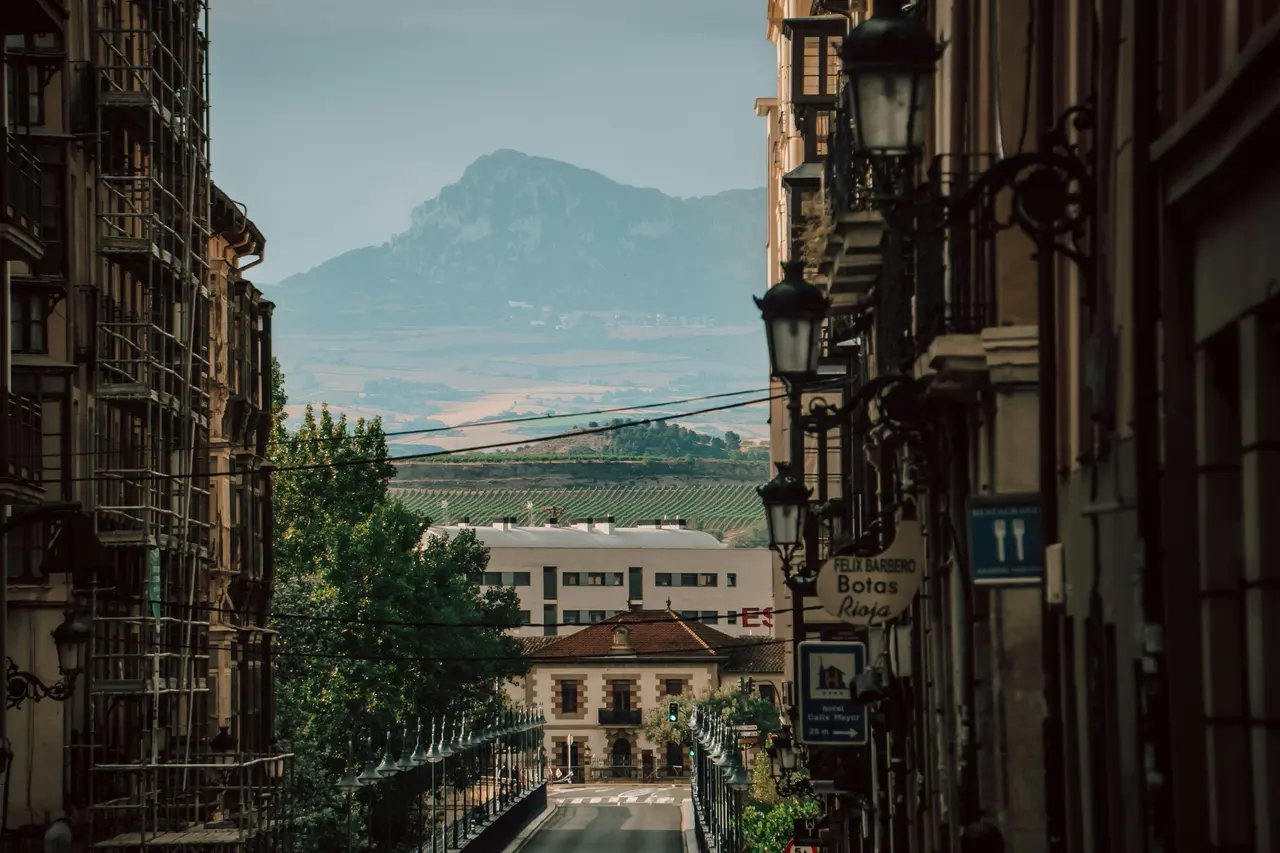
In San Vicente de la Sonsierra, the church and castle enclosure look out over the Ebro and the vines on the slopes. In the surrounding countryside, rock-cut presses and stone shelters show what work was carried out in the fields. Use a marked route to find them and check which paths are public. If you want help arranging the day’s main stop, compare guided winery visits in La Rioja and keep the village walk flexible.
Calahorra, Arnedillo and Enciso
Start in Calahorra if you are interested in the Ebro’s market gardens or the Roman history of the east. Walk through the old town and down to the cathedral of Santa María near the Cidacos to see how the city sits on the slope. Add the Museum of Romanisation for the archaeological context. A meal based around seasonal produce gives the garden country a place in the itinerary as well.
At Arnedillo, rocky slopes close in around the Cidacos. The thermal water helps explain the development of the spa. Some of your group can book a treatment while others use the same stop for a walk along the valley. Further upstream, Enciso is known for preserved dinosaur tracks. Start with one well-interpreted site and try to pick out the sequence across the exposed rock. Following a line of footprints gives a much clearer impression of movement than looking at a single print.
Monuments and heritage
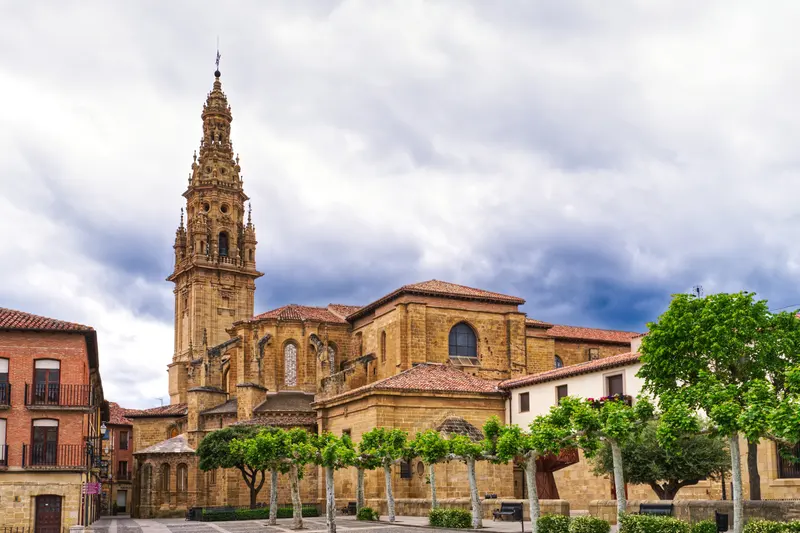
Two monasteries at San Millán de la Cogolla
UNESCO lists Suso and Yuso together as a World Heritage Site. Suso sits on the hillside, where caves and later masonry show successive periods of use. Yuso is the larger monastery downhill. Seeing both gives you a sense of how the use of the site changed over time, from the spaces on the hillside to the rooms and courtyards of a much bigger monastery.
The Emilian Glosses are medieval annotations in a Latin manuscript. They contain early written evidence of Iberian Romance and Basque, a detail worth knowing even if your main interest is the architecture. Check the meeting point for each visit and leave time to get from one to the other. If you are choosing one, find out what the route through each building covers and ask about slopes and stairs for anyone who finds them difficult.
Nájera, Santo Domingo and the inland monasteries
In Nájera, Santa María la Real connects the town to its medieval kingdom. See the royal pantheon and cloister, then walk near the Najerilla to look back at the old town and the red cliffs above it. If you want to visit San Millán the same day, put the site that needs a timed booking on the calendar first and use the river walk to fill the part of the day you can move around.
The cathedral of Santo Domingo de la Calzada is tied to the town’s role on the Camino. The hen and rooster commemorate the legend of a pilgrim saved from the gallows. Follow the main street through the old town to see the route pilgrims take before it leads out towards the fields again. For another monastic stop in the west, consider Cañas. The monastery of Valvanera, in a mountain valley, suits a day with time for the approach road and a longer stop.
Museums and culture
The Museum of La Rioja occupies Espartero Palace in Logroño and gives an overview of the region through archaeological and art collections. Go early in the trip if you want to place the monuments you will visit in context. The Casa de las Ciencias uses the former slaughterhouse on the other side of the Ebro. Its exhibitions can make a useful stop on a family walk along the river. Check the programme to see which exhibitions fit your interests.
The Vivanco Museum in Briones looks at growing grapes, making wine and the objects associated with drinking and serving it. It works as a visit on its own if you already have a tasting booked in Haro. The Museo de la Verdura in Calahorra explains the work and seasons behind the local vegetable harvest. Give yourself time to look for some of the same ingredients in the market or on the menu afterwards.
Charming villages
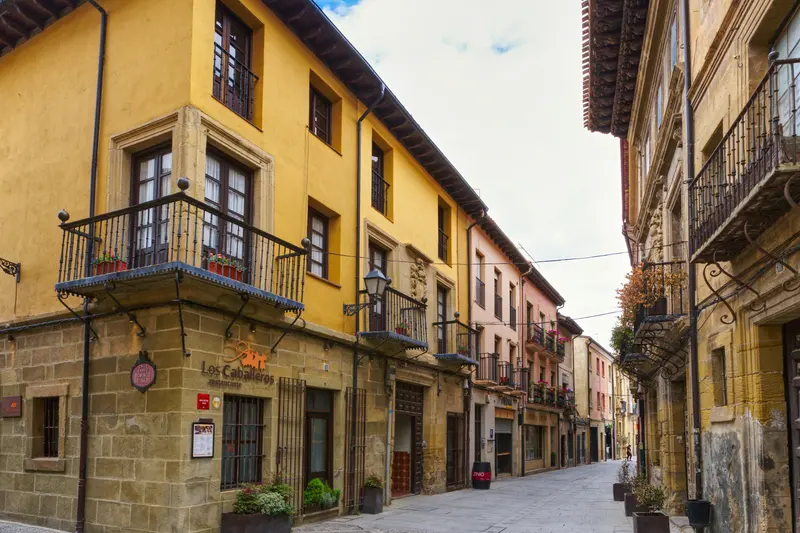
In Briones, walk through the stone streets around the square before visiting the wine museum. The higher parts of the village look out over the Ebro. Across the river, San Vicente gives you a different view of the same valley. The two stops fit into a drive from Haro if you keep enough time to walk in both places. On foot, check where you can cross the river before drawing a route between them.
Ezcaray stands in the upper Oja valley. Its covered streets and timber-framed houses make a good starting point for a valley day. Further up, Zaldierna and Posadas offer different places to turn off or end the drive. Choose a walk whose return you can judge as you go and leave Ezcaray for a meal or a covered stroll if it starts to rain.
At Navarrete, pilgrims pass through a hill town with a pottery tradition. Ask which pieces are made locally and which workshops receive visitors if you want to learn how they are turned or fired. In the Cameros, Ortigosa is built up a slope and Soto en Cameros brings you close to the Leza gorge. They fit different valley days. You will have more time outside the car if you explore one valley thoroughly before setting off into the other.
Beyond the cathedral in Santo Domingo de la Calzada, follow the Camino along the main street and turn off to see the town squares. For a stretch among fields, continue towards Grañón. From the edge of the village you can pick up the route that pilgrims take towards Castile and León.
Nature and protected areas
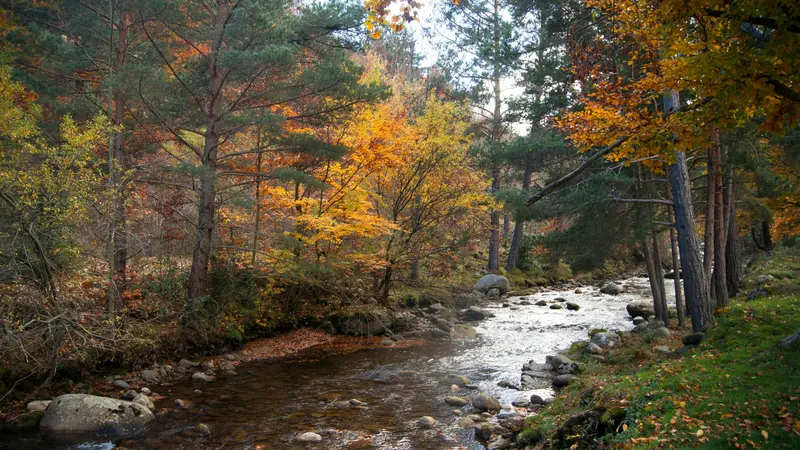
Sierra Cebollera and the Cameros gorges
Villoslada de Cameros is an approach to Sierra Cebollera Natural Park through the upper Iregua valley. The park’s trails pass through pine, beech and oak woodland. Choose a route from the official trail network and look at the elevation gain as well as how to reach the start. Around the chapel of Lomos de Orios, a walk out and back lets you adapt the day to your group. For the Puente Ra waterfalls, use the park’s route details to decide where to start.
Camero Viejo has more open slopes. At the Leza gorge near Soto en Cameros, look for the different layers in the rock walls and watch for griffon vultures circling over the valley. Binoculars are useful here. Spend time in a designated viewing area with an open view of the cliffs and leave the birds room to move.
Alfaro river woods and the Ebro bends
In the Sotos de Alfaro nature reserve, floods and changes in the Ebro’s course shape gravel banks and riverside woods. The interpretation centre helps explain what you are looking at. Back in Alfaro, the collegiate church of San Miguel is known for the storks that nest on its roofs. Look up from the streets and square. Activity around the nests varies with the season.
Further west, look for the Ebro bends between Briñas and Haro or between Briones and San Vicente. From above, you can see trees following the water, the fields at different levels and the bends that determine where roads cross. If you want to approach on foot, stick to public paths and mark the bridges on your map. Two paths that appear close together on opposite banks may make for very different walks.
Festivals and traditions
The main events in Logroño’s municipal programme for San Mateo in 2026 ran from 19 to 25 September. The grape treading and the offering of the first must connect the celebration to the harvest. Check the programme for your own year, then look for somewhere to stay within a walk of the events you care about. That makes it easier to fit in an evening event after dinner and to return when the streets are busy.
Haro’s 2026 Wine Battle took place on 29 June at Bilibio, as part of the town’s June celebrations. The programme for each edition is the place to check how to get up to the site and how to return. In San Vicente de la Sonsierra, the Vera Cruz brotherhood maintains the Picaos tradition, associated with religious celebrations including Holy Week. If you plan to attend, look up that year’s programme and leave the procession route clear.
What to eat
Patatas a la riojana is a potato and chorizo stew. Caparrones are dried beans used in a substantial pot dish, and chuletillas al sarmiento are lamb chops cooked over vine cuttings. Try them as part of a sit-down meal to give yourself time to share more than one plate. In Logroño, a pintxos crawl is built around small bar orders. Plan a table booking separately if you need room for a larger group. Spanish lunch and dinner may start later than you are used to, so check the kitchen hours if you need to eat before a train or tour.
In the east, ask what’s coming in from the market gardens around Calahorra. You might see peppers, asparagus or artichokes prepared in different ways as the seasons change. Queso Camerano is a goat’s milk cheese associated with the mountains. Look for fardelejos, almond-filled pastries, if you are passing through Arnedo. At a market, look for Rincón de Soto pears by name and ask which are ready to eat on your journey.
The Rioja wine designation includes Rioja Alta, Rioja Alavesa and Rioja Oriental. Rioja Alavesa lies in the south of Álava. When comparing two wines, ask about the village or vineyard and about how each wine was made. You can start with a glass at lunch and save a formal tasting for a day when you have sorted the return. If you are mainly interested in cellars or farming, ask which tours spend time on those subjects and what the options are for visitors who do not drink.
Sport and outdoor activities
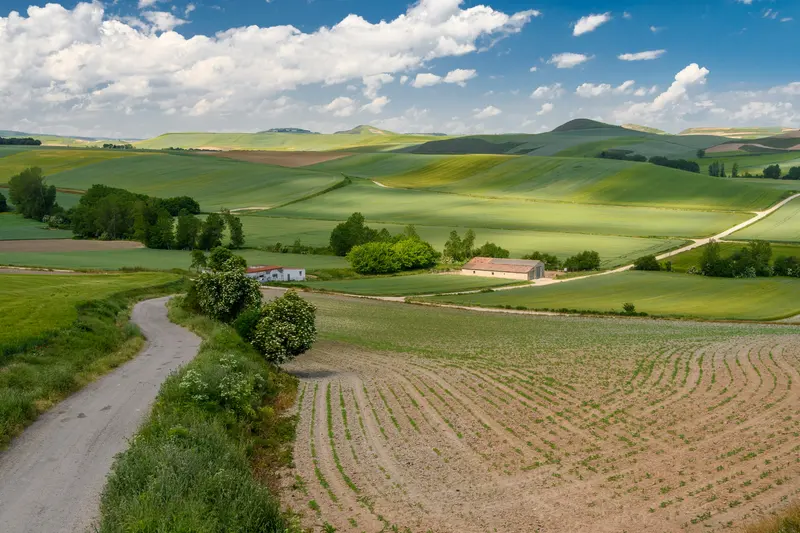
The Oja greenway follows a former railway route between Santo Domingo de la Calzada and Ezcaray. Start at either end and choose a landmark to turn back at, judging the pace by the slowest person in the group. If you plan to take a bike one way, work out how to bring it back beforehand. Account for the distance between your accommodation and the start as well as the distance on the greenway itself.
The Cidacos greenway leads up the valley from around Calahorra towards Arnedillo. Start near the bottom if your main interest is the riverside and the cultivated land. Start near Arnedillo to spend more of the walk among the rocky slopes of the upper valley. Check the status of the route and the surface before committing to a one-way trip.
For a taste of the French Way, follow the markers from Logroño towards La Grajera. For a full stage, the regional tourism guide gives 20.9 km from Nájera to Santo Domingo de la Calzada, passing near Azofra. Look up the elevation profile and sort out your return before starting. A shorter out-and-back from either town still takes you from old streets into open fields and lets you spend longer in the town when you return.
Routes and itineraries
Two days in Logroño and Rioja Alta
Spend the first day in Logroño, starting at Puente de Piedra and working through the old town to the co-cathedral. After lunch, choose the Museum of La Rioja or a riverside walk according to the weather. On day two, book one winery in Haro’s railway district and use the rest of the morning for the old town. Drivers can return via Briones or San Vicente. If you are relying on public transport, stay in Haro for lunch and plan the day around the return service.
Four days for monasteries, vines and the Oja valley
Keep the first two days and use day three for Nájera and San Millán. Book the site that needs a time slot and choose somewhere nearby for lunch. On day four, see Santo Domingo de la Calzada before heading to Ezcaray. For families or anyone bringing a bike, keep part of the afternoon for the Oja greenway. Moving west after the Haro visit makes for shorter drives on both of these days.
A week through the Cameros and Cidacos
Follow the four-day trip with a day in Sierra Cebollera or Soto en Cameros, depending on whether you want woods or a gorge. Spend day six around Arnedillo and Enciso. A night in the Cidacos valley or Calahorra sets up a final day in Calahorra’s old town and the woods at Alfaro. If you are leaving for Navarre or Aragon, put Alfaro on the travelling day so you can take the walk on your way east.
Travelling with children
At Enciso, choose an accessible set of dinosaur tracks and ask children to count the toes or see which marks line up as steps. Stop at two points on the visitor path if the light makes the shapes hard to see from one angle. One clearly interpreted site and time to look closely may be enough before lunch or an indoor stop.
The Oja greenway gives families room to turn around when they have walked far enough. In Logroño, the Ebro and the Casa de las Ciencias can be combined in a short outing. Before booking a winery, check the ages admitted and ask what children will see. In Briones, the museum or a walk through the village gives a mixed group somewhere to go while others do a tasting.
Where to stay in La Rioja
For a first visit, Logroño gives you the most flexibility. Stay in or near the old town if you want to go out on foot for dinner and walk by the Ebro. If you have an early coach or train, check the actual route from the room to the station with luggage. Drivers should ask about parking and how to reach the door before choosing a room in the centre.
For a winery trip, Haro puts the old town and the Barrio de la Estación within walking distance. Briones and San Vicente give you a smaller base with time to get to know one village and its views. A winery and a room can be close on a map and separated by a section of road that is awkward on foot. Check the walk to the visitor entrance before relying on it as your route back from a tasting.
Santo Domingo de la Calzada suits trips built around the Camino and the Oja greenway. Ezcaray puts the upper valley and its hamlets close at hand. Villoslada is a base for early starts in Sierra Cebollera. In the east, Calahorra has city services and Arnedillo puts you closer to the upper Cidacos. For a rural stay, find out where you can eat and what facilities you have if you arrive after the local kitchen has closed.
See places to stay in La Rioja (opens in a new tab)Affiliate link: if you book through it, we may earn a commission at no extra cost to you.
Practical tips and common mistakes
- Save the winery’s street address. The Rioja designation spans several areas and some producers receive visitors in a different place from the one you expect. Save the entrance address with the booking.
- Leave a gap between Suso and Yuso. Find out where each visit starts and how to get to the next meeting point. Ask each site about gradients or steps in the visitor route if they matter to your group.
- Arrange the return from a tasting beforehand. Walk back to your accommodation where practical, reserve a transfer or share the day with a designated driver.
- Plan one valley at a time. Put timed activities on the calendar first and keep walks or old-town stops flexible. A short distance can take a while on a winding mountain road.
- Carry the official trail route. Save it for offline use and check for route updates before setting out. Around harvest time, leave room for tractors and workers on shared vineyard tracks.