

 Español
 English

Why visit Almuñécar
For a first look at what to see in Almuñécar, climb through the old town to San Miguel Castle. From higher up, you can see the roofs, the promenades and the rocks that divide the shore. Below the fortress, the tanks at El Majuelo show that people processed fish beside this hill long before the seafront was arranged around bathing and walking.
Almuñécar is on the Costa Tropical of Granada province, in Andalusia. Its municipality includes La Herradura, whose bay lies between Cerro Gordo and Punta de la Mona. The two settlements offer different ways of exploring the coast. In Almuñécar the old town climbs around a hilltop castle. In La Herradura the curve of the bay shapes the walk and the slopes rise at either end.
For a weekend, spend one morning on the old town and another in La Herradura. Choose a beach according to the wind, sea and how you are travelling that day. El Majuelo, the rocky headland and La Caletilla fit well into a walking route. For the coves and cliffs, decide where you will arrive before putting the rest of the day together.
When to go
Spring and early autumn make it easy to climb to the castle and spend the afternoon by the sea. Shade in the narrow streets feels different from the exposed ground around the headland. Conditions can make for inviting water on one stretch and rough seas on another. Look at the beach itself before planning the day around swimming.
In summer, tackle the steeper streets early and spend more time on the promenade once the heat drops. An afternoon at San Cristóbal is different from a visit to Cantarriján. The urban beach has a long seafront walk, while the cove lies below cliffs and takes a separate trip. Check current notices if you are heading into the protected area.
The castle, museum and promenades still fill a winter day. Use the clearer early-afternoon light for a walk west of the centre. In windier weather, visit the old town first and decide which stretch of the shore you are comfortable walking when you reach it. The bay at La Herradura faces a different direction and is worth a separate walk even on a heritage trip.
Getting there and around
Getting to the Costa Tropical
The A-7 follows the coast, and from inland the A-44 leads towards the shore. If taking a coach from Granada or the Málaga coast, check where it stops for your date. Almuñécar and La Herradura are in the same municipality, with a separate journey between them. Your accommodation can be near the seafront and still some way from your drop-off point.
From Málaga or Granada–Jaén Airport, compare the transfers to your accommodation, including any changes. For a short visit largely on foot, a base near Plaza de la Constitución or Puerta del Mar makes it easier to combine the town centre with the castle. For time in La Herradura, search for the transfer to that settlement specifically.
Moving around within the municipality
The squares and streets of the old town lead to El Majuelo and the headland. The small distances on the map can include steps and uneven cobbles on the way to the fortress. Starting near the top lets you spend the rest of the visit working downhill. To the east, Velilla and Taramay form a separate beachfront. To the west, Cotobro comes before the slopes leading towards La Herradura. Choose one stretch at a time when the end of the walk is a long way from where you started.
What to see in Almuñécar
San Miguel Castle and the old town
Climb through San Miguel to the open ground by the fortress. Its walls and towers make sense in relation to the terrain. The hill rises above the town and overlooks the seafront. Look towards the rooftops first, then out to sea. Both directions mattered when coastal surveillance depended on high vantage points.
On the way back, look for the building housing the Cueva de Siete Palacios. The difference in height between it and the castle is clear on foot. Continue towards Plaza de la Constitución or head down to El Majuelo to follow the archaeological sites. Take different lanes up and down to see more of the old town in one circuit.
El Majuelo and the rocky headland
El Majuelo combines a botanical collection and the remains of a Roman fish-salting factory. Walk along the edge of the tanks before exploring the gardens. The rows of stone basins give you a sense of the scale of production and connect this place at the foot of the fortress with fishing and trade.
Head towards the sea to reach the Peñones de San Cristóbal. Around Peñón del Santo the coast changes direction and the promenade divides. From the base of the rocks, compare the San Cristóbal shore with the curves of La Caletilla and Puerta del Mar. Choose which way to continue without returning uphill.
Monuments and heritage
Roman Sexi and the coastal defences
The Roman aqueduct survives in separate sections. Use the municipal map to choose a stretch and see where it lies in relation to the old centre. The aqueduct and El Majuelo demonstrate different uses of water in a town whose Roman remains are spread across several sites. If you only have a morning, pair the factory with the museum and come back for the aqueduct another time.
San Miguel Castle was changed over several periods. Look at the approach and how its defences adapt to the edges of the hill. The elevations of the various parts show why the fortress is best understood as an enclosure shaped by its setting.
Defending La Herradura
La Herradura has a separate fort near its shore. Find it on the map before choosing a direction along the bay. It helps explain how a different area of the same coast was defended. The coastal towers and batteries are easier to understand once you have looked at the extent of each view over the headland, the sea and the settlement behind it.
For a different approach to the town’s ancient history, look for the Torre del Monje columbarium in the municipality’s register of monuments. A columbarium is a funerary monument, so it offers a contrast with the aqueduct and the industrial remains beside El Majuelo. The historic features are spread beyond the streets around the castle. Use the council’s map before setting out if you are interested in Roman sites as a theme for a second visit.
The coast around Punta de la Mona adds another perspective on how the bay was seen from land. Look across from the western end before going around the bay. From that angle it is easier to relate the headland to the open water and to see why viewpoints at different heights serve different purposes. The seafront gives you that sense of the geography even if you spend the rest of the day inland.
Museums and culture
Cueva de Siete Palacios Archaeological Museum
The museum occupies a vaulted Roman structure. Take time to notice the rooms and the changing height of their ceilings. Its collections give context to the Phoenician, Roman and later history of Almuñécar. One of the more unusual exhibits is the Egyptian vessel of Apophis, a reminder that the region was part of long-distance Mediterranean exchange.
Visit before you go to the salting tanks or afterwards to connect the artefacts to the sites where people lived and worked. El Majuelo shows the physical footprint of a particular industry. The museum brings you closer to individual objects and to a structure that makes use of the hillside. Seeing both gives you a different idea of the town from the one you get on the promenade.
The cultural centre and garden events
The Casa de la Cultura is a useful stop if you want to add an exhibition or event to your walk. Check the town listings and confirm the venue. El Majuelo also hosts outdoor events. A performance gives you a different view of a space you can otherwise explore for its planting and archaeological remains.
Neighbourhoods and areas
Town centre and San Miguel
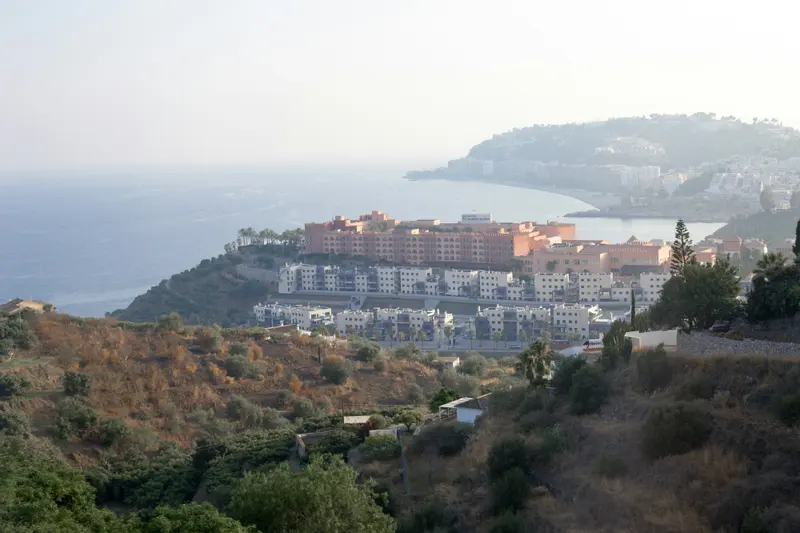
The lower town is easy to explore between squares and shopping streets. From there, the streets steepen towards the castle. In San Miguel, changes in height open up glimpses of water between buildings. Walk a short circuit between Plaza de la Constitución, the upper part of the district and the exit towards El Majuelo.
San Cristóbal, Velilla and La Herradura
San Cristóbal has a continuous stretch of promenade west of the rocks. Velilla lies east of the centre and links to other beaches towards Taramay. Both give you time by the water, with the old town on different sides of your base. La Herradura is a separate village. Its Paseo Andrés Segovia follows the bay, so you can spend time beside the beach without climbing either headland.
Nature and protected areas
The Maro–Cerro Gordo Cliffs Natural Area crosses the boundary between Granada and Málaga provinces. The hillsides fall sharply to the sea and shelter small coves. Get a sense of the connecting landscape from a higher viewpoint before going down to a beach. Cerro Gordo closes the western end of La Herradura, while Punta de la Mona defines the eastern side of the bay.
For an outing on the water, check the current conditions and rules for the protected area. If booking an activity, confirm the plan with the operator. The coastline is interesting both under the surface and for the shape of the rock seen from offshore. Choose the part of the day with conditions that suit the activity you want to do.
Beaches in Almuñécar
Urban beaches close to the old town
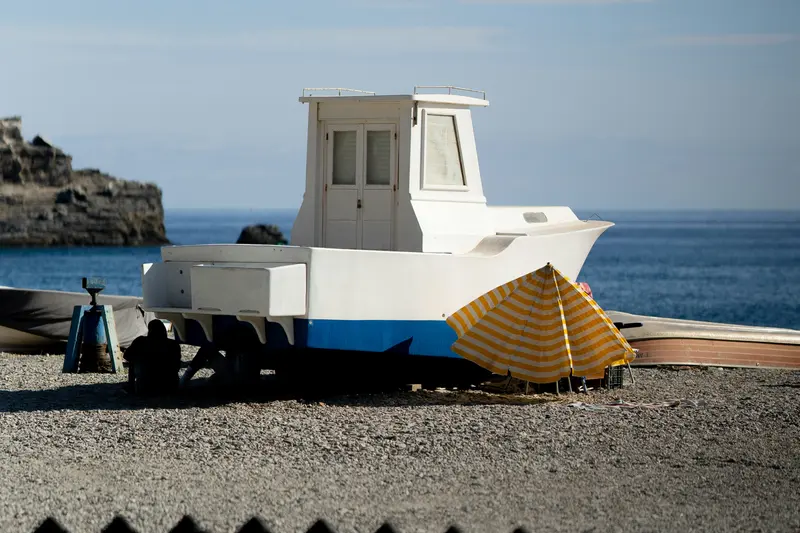
San Cristóbal is a good place to start walking west of the headland while staying within the built-up area. La Caletilla and Puerta del Mar are on the other side and easy to combine with a walk from the centre. La Caletilla is a short stretch between the rocks and the next beach. Puerta del Mar gives you a longer walk by the water.
Velilla, La Herradura and Cantarriján
Velilla combines a promenade and beach on the eastern side of town. Continue towards El Tesorillo and El Pozuelo to see how the shoreline changes. The sweep of La Herradura makes it easy to pick out both headlands as you walk along the seafront. The beach has dark sand and gravel. Cantarriján is a traditional naturist beach in the cliff area. Check access before setting off and treat it as a separate trip if you want time to explore the surroundings.
Festivals and traditions
Virgen de la Antigua
The August patronal celebrations honour the Virgen de la Antigua. In 2026, the council’s lighting schedule covered 9 to 15 August, in line with the dates described by the town’s tourism office. The old town and coast each play a part. The festivities combine traditional religious observance with fair events. Consult the programme for your year and see which parts happen near the centre and which are by the water.
Celebrations in the coastal settlements
La Herradura and Almuñécar each have local celebrations. If you want to catch the music and fair events, check which settlement or district is listed as the venue. If your priority is a quiet walk that covers both the castle area and the seafront, schedule it separately from the main events.
Sport and outdoor activities
La Herradura bay and Marina del Este are known for diving on the Costa Tropical. An introductory dive and a trip for certified divers take different amounts of time and use different sites. Give the dive centre a clear idea of your experience, check the point of entry and allow some flexibility if wind changes the plan. A walk by the coast makes a separate outing from a day in the water.
Routes and itineraries
A day between castle, park and sea
Start up at San Miguel Castle. Go past the Cueva de Siete Palacios and descend through the neighbourhood towards El Majuelo. After walking by the tanks, continue to the rocks. Choose San Cristóbal for a longer stroll, or La Caletilla and Puerta del Mar for an easy return to the centre. If time allows, come back into town by a different street and stop in a square in the lower part of the old town.
A day around the bay
In La Herradura, follow Paseo Andrés Segovia to locate Cerro Gordo and Punta de la Mona. Add the fort if you want to know more about the history of the bay. Spend the rest of the day by the water, around Marina del Este or on an excursion towards the cliffs. One end of the bay is enough to explore if you also want several hours on the beach.
Day trips
Salobreña and Motril
In Salobreña, climb through the white streets to the fortress and look out over the cultivated land near the shore. Walk down towards the plain afterwards to understand the view from above. Motril’s pre-industrial sugar museum helps explain the relationship between farming and the port. Allow time for each place and check the museum’s calendar before deciding which to visit first.
From the sea to the hills
For a change of scenery after Granada city, go to Monachil for a riverside walk with limestone walls rising above it. Choose between Los Cahorros and the Sierra Nevada resort according to what you want to do. Each has a separate approach, and from the coast it’s worth devoting the day’s mountain time to one of them.
Travelling with children
With children, pair El Majuelo with the lower old town. Look for the stone tanks, different plants and nearby water without doing the entire climb to the castle. If you go up, allow for steps and the downhill walk afterwards. For an easy afternoon at the beach, choose your stretch after looking at the sea conditions and checking how far it is from your accommodation.
If the beach is the main family plan, spend time on the promenade before selecting a place to stop. It is easier to manage a long visit when the place you choose fits the return walk. A shorter day centred on La Herradura may suit children who would rather switch between the seafront and the water than spend time travelling between beaches.
Where to stay in Almuñécar
For a mainly walkable trip, look between the lower squares and Puerta del Mar. San Cristóbal is a good fit for time by the promenade west of the headland, while Velilla suits a stay on the eastern shore. Check where your accommodation is along the waterfront, as the beaches and promenades extend well beyond the point named on the map.
La Herradura is the natural choice for several days around the bay or time on the water. The seafront makes it easy to return from the beach during the day. The hillsides give you a wider view and a steeper walk back. For a short stay, choose the settlement where you plan to spend most afternoons and make the other a separate outing.
See places to stay in Almuñécar (opens in a new tab)Affiliate link: if you book through it, we may earn a commission at no extra cost to you.