Español
 English

Why visit Huelva province
If you are working out what to see in Huelva province, decide where you would most like to wake up. On the western edge of Andalusia, Atlantic beaches stretch between two great rivers, the Guadiana and the Guadalquivir. Inland, the old mines around Riotinto and the oak pastures of the Sierra de Aracena give the last few days of a coastal holiday a completely different pace.
The hills suit a drive in short stages, with a cave visit in Aracena and time to walk through one or two smaller villages. For birdwatching, staying near your chosen wetland lets you spend two mornings in the same area and see how much the conditions can change. A beach base works well if you want the freedom to spend part of each day on the sand and still make one trip to the sites around La Rábida.
When to go
Spring and autumn for time outdoors
Spring lends itself to walking through Niebla or Moguer and spending the next day by the wetlands. Conditions in the marshes vary with rainfall and water levels. Give yourself enough time in one hide to watch birds come and go, and check ahead if the only observation point you want to visit is on a particular trail. Around Pentecost, look for the current pilgrimage programme before making plans to stay in El Rocío.
July and August suit a holiday based within walking distance of the coast. Leave exposed stops at the mining park or in old town centres for the cooler part of the day. The AEMET reference figures for Huelva’s Ronda Este station, covering 1984–2010, show dry summers and wetter months towards the end of the year. Use them as a guide to the city and nearby coast. The hills have their own conditions.
Autumn is a good time for an afternoon walk through the chestnuts of the Sierra de Aracena. How much colour you see depends on the point in the season and the elevation. Winter brings a different reason to take binoculars to Doñana, where wintering birds are among the main attractions. Check the local forecast before leaving the coast for the hills and bring a windproof layer for long spells outdoors.
Getting there and around
From Seville Airport or by train
Seville is a convenient airport for a trip that starts on either the coast or inland. In 2026, Aena listed the EA airport bus into Seville. Check whether you need Santa Justa for a train or Plaza de Armas for a coach before boarding. Allow a buffer between the flight and a separate onward ticket. If you plan to collect a hire car, you can start in the hills or the Condado without driving into Huelva city first.
Renfe listed services between Huelva and Seville and between Huelva and Madrid in 2026. Look up your date before building a tight itinerary around a particular departure. The A-49 is the main road from Seville to Huelva and the Portuguese border. The N-435 links the area around the capital with the mining district and the northern hills. Local roads between hill villages are slower, so allow time between the places you plan to visit.
How to plan days with or without a car
Huelva’s municipal travel information listed Damas as a bus operator between the city and towns in the province in 2026. With public transport, make one town or beach the focus of each day. Check the evening bus first and save the name of the actual stop. Almonte, El Rocío and Matalascañas are separate settlements, even when they appear together in travel information for the same part of the province.
What to see in Huelva province
What to see in Huelva province on a first visit
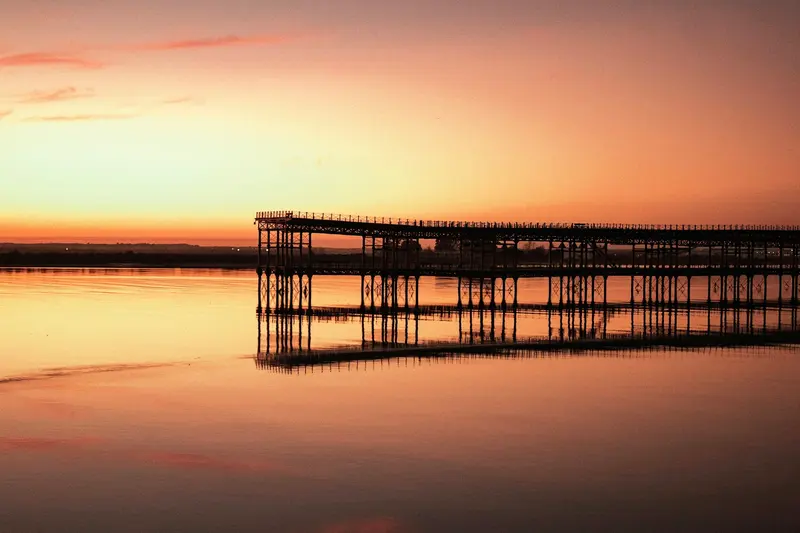
Start in Huelva city at Plaza de las Monjas, then walk uphill towards La Merced if you want to see more of the old centre. Later, head down to Riotinto Pier. It was built to load mineral onto ships and extends out into the Odiel estuary. Walking along it gives you a sense of where the railway from the mines ended and the sea journey began. The late afternoon is a good time to see the outline of the structure over the water.
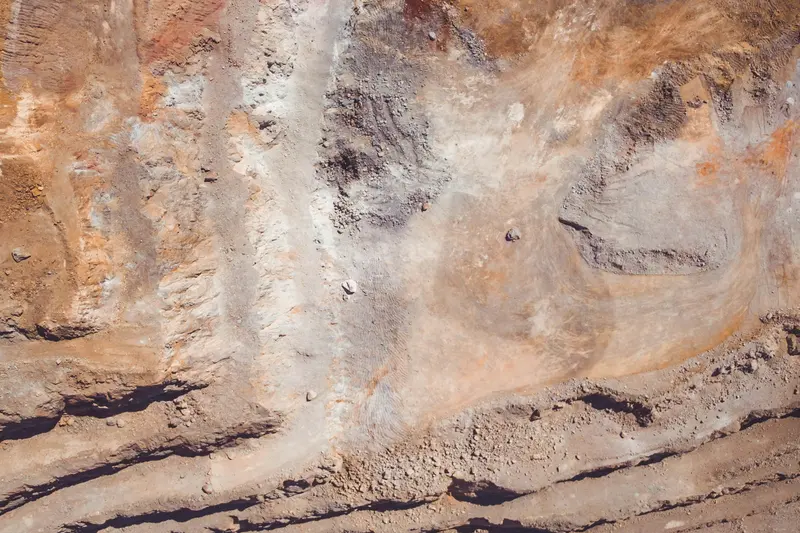
Give Riotinto Mining Park its own day if the area’s industrial history interests you. The Mining Museum provides context for the tools, railway and excavations you see elsewhere. House 21 in the Bella Vista district shows how the British mining community lived. Peña de Hierro, in Nerva, and Corta Atalaya are separate mine visits. The operator’s map, checked in 2026, asks visitors to check availability for individual train and Corta Atalaya departures. Pick a timed visit before fitting the other stops around it.
In Aracena, the entrance to the Gruta de las Maravillas is in town, below the castle hill. The municipal information checked in 2026 describes a guided visit of around 45 minutes and a 1,200-metre visitor route. Ask about stairs and access if they may affect someone in the group. Once outside, walk up to the castle complex to see the ground you have just been beneath, or take the climb later when the streets have cooled.
El Rocío makes a good starting point for the wetlands. Begin in the sandy lanes near the shrine, then walk to the edge of the village for a view across the marsh. From here you can continue to La Rocina for birdwatching. If you have booked a tour departing from El Acebuche, work out the transfer before deciding how much time you have in the village.
Monuments and heritage
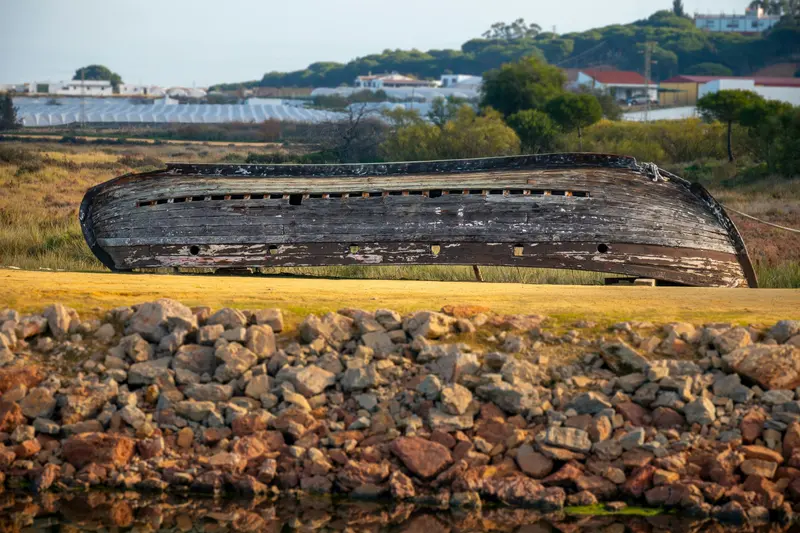
La Rábida, Palos and Moguer
Start at La Rábida to see how the places associated with Columbus’s first voyage fit together. The monastery was connected with the preparations, and the nearby Muelle de las Carabelas displays reproductions of the Pinta, Niña and Santa María. The decks give you a sense of the limited space the crews had at sea. The monastery and the ships are separate visits. If you are travelling with children, the ships make a concrete starting point for the history they will hear later.
In Palos de la Frontera, walk between the church of San Jorge and the historic fountain, La Fontanilla. The two stops put the voyage in the context of a working town and the people who helped organise and crew it. Continue to Moguer if you have time for the Santa Clara monastery and a walk through the centre. If you want to see several interiors, leave Moguer half a day of its own.
Niebla and Almonaster la Real
In Niebla, walk both sides of the walls before heading to the Castle of the Guzmanes. Seeing how the roads lead through the gates helps you make sense of the old town’s layout. If your day also includes a winery visit in the Condado, arrange that first and work the outdoor part of the walk around it.
The mosque at Almonaster la Real stands within the castle enclosure above the village. Look at the columns and arches of the prayer hall, then take a moment outside to see how the enclosure follows the shape of the hill. Allow time for the walk back through the village. It is one of the pleasures of an afternoon here, especially if the rest of the day has been spent driving between viewpoints.
Museums and culture
In Moguer, the Zenobia and Juan Ramón Jiménez House Museum tells the story of the writer and Zenobia Camprubí through their belongings and library. It gives readers of Platero and I a starting point for exploring the streets afterwards.
The Museum of Huelva adds archaeological context to a day in the capital. Follow it with a walk through Barrio Reina Victoria, where the houses offer a different view of the mining industry’s legacy, and save the pier for later. In Aracena, the Ham Museum explains the relationship between the landscape, the Iberian pig and the curing process. It is easy to fit in alongside the cave or castle, especially when the weather makes outdoor plans less appealing.
Charming villages
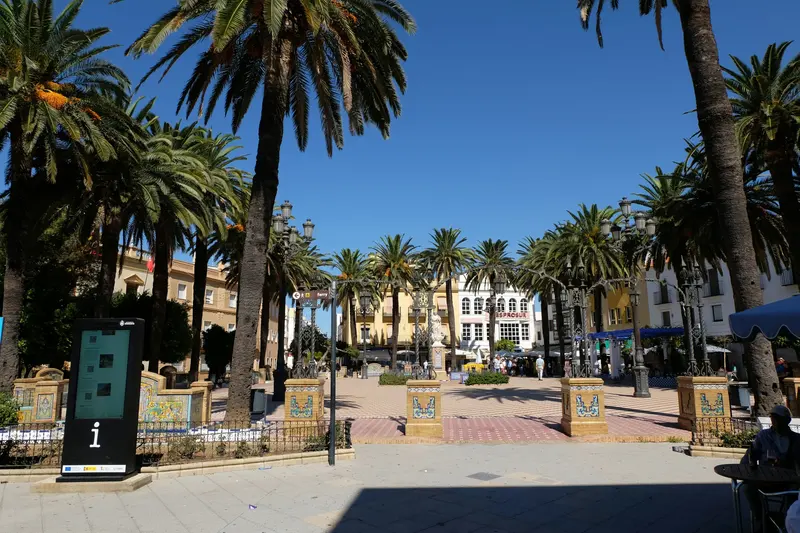
Alájar, Linares and the western hills
In Alájar, start high at Peña de Arias Montano for a view of the roofs clustered below it. Go down to the village afterwards so you can see the streets at their own pace. In Linares de la Sierra, look down at the patterned pebbles outside some doorways. That small detail is a good reason to leave time for a circuit on foot. Pair the villages for a slow day out with a short walk and lunch.
Cortegana and Almonaster la Real work well together if you are driving west through the hills. Their elevated historic sites give different views over the settlements below. Add Jabugo if you have arranged a visit related to Iberian ham or want to look for a specialist shop. The oak pasture between the towns is part of what you have come to see, so leave gaps in the schedule for the drive.
Ayamonte and Isla Cristina
In Ayamonte, start beside the Guadiana and look towards the Portuguese bank before turning into the streets of the town centre. Plan the trip to Isla Canela separately if you want a few hours on the sand. Isla Cristina is a good choice for a look at a fishing port and lunch, with time to explore the town afterwards. Check the location of any dinner booking, particularly if you have spent the day at a different beach.
Nature and protected areas
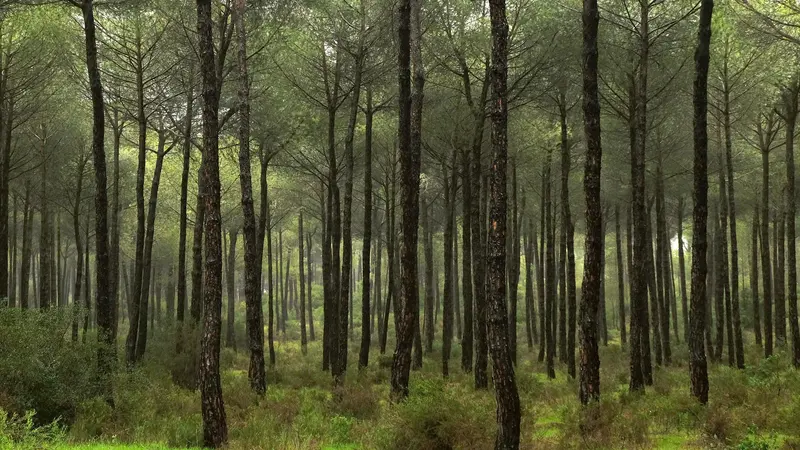
Doñana from La Rocina or El Acebuche
Doñana National Park, a UNESCO World Heritage Site, includes wetlands, dunes and pine woodland. According to the Spanish environment ministry’s access guide, checked in 2026, you can walk from El Rocío to the La Rocina visitor centre. Use the paths from the centre to explore the hides at your own pace. The ministry lists the Palacio del Acebrón as a separate visitor site reached by private vehicle. Look up the site you mean to visit, as notices for one entrance may differ from those for another.
The authorised itinerary from El Acebuche goes into the national park by guided off-road vehicle. The ministry recommends booking ahead because places are limited. If comparing guided trips to Doñana, enter the departure point into your itinerary before buying. Tours using the same park name can start from different towns and cover different ground.
The Odiel marshes and Aracena’s oak pastures
Start at the Anastasio Senra visitor centre at Calatilla for the Odiel marshes, close to Huelva city. The walks at Bacuta take in salt pans and channels. At low tide, more mud is exposed, and the birds can be in different places as the water rises. A stretch of time at one lookout often gives you more to see than a series of quick stops. Binoculars help you make the most of the distance between a path and the feeding areas.
In the Sierra de Aracena and Picos de Aroche Natural Park, chestnut groves, holm oaks and cork oaks give the landscape a different shape from the wetlands. Paths near villages also pass gardens and stone walls. Pick a route that starts where you are going to eat or stay. This makes it easy to shorten the walk if rain sets in or take a break before beginning the next drive.
Beaches in Huelva province
From the Guadiana to the Piedras estuary
Isla Canela and Punta del Moral are choices for a beach holiday in the far west. Look up the walk to the specific access point if you plan to take children and equipment back and forth. Islantilla and La Antilla, further east, have sand beside holiday neighbourhoods. Check what services are available on the stretch you plan to use, especially outside the main summer months.
At El Rompido, decide whether you want a walk along the Piedras estuary or a day on the exposed Atlantic sand. The long spit faces the village and explains why the water along the town feels more like a river than a seafront. If your day depends on crossing, confirm the service and the last return. A walk by the estuary works well when the wind changes your beach plans.
Punta Umbría, Mazagón and Matalascañas
Punta Umbría faces both the estuary and the ocean, so check which side you will reach first from your accommodation. Mazagón is handy for the Columbus sites and the Asperillo coast. Matalascañas suits a beach stay near Doñana, with a separate trip to whichever visitor centre you choose.
Between Mazagón and Matalascañas, the regional visitor guide checked in 2026 describes a boardwalk of about 1.4 kilometres across the Asperillo dunes at Cuesta Maneli, with steps down from the viewpoint area to the sand. Check the trail status, bring water and allow for the walk back uphill. For swimming anywhere on the coast, follow the beach flags and the lifeguards’ advice on the day.
Festivals and traditions
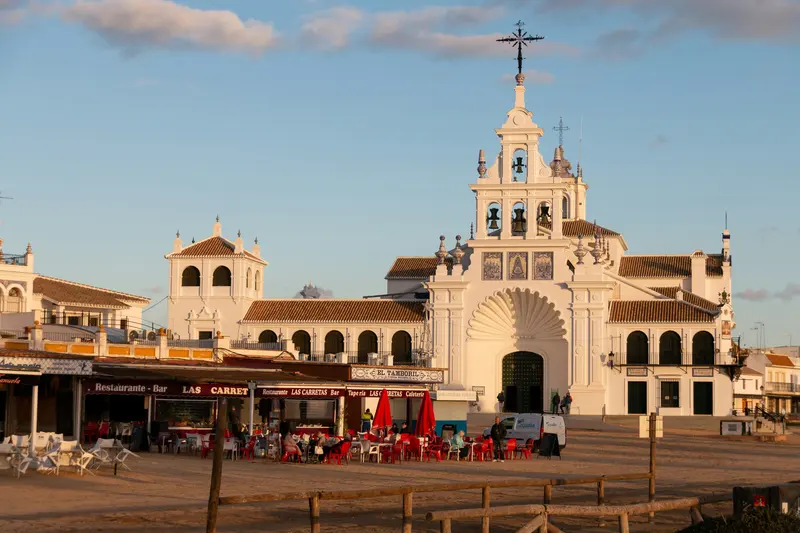
The El Rocío pilgrimage takes place around Pentecost. In the 2026 programme, Pentecost fell on 24 May, with the main overnight events continuing into Monday 25 May. For another year, check the programme if you are hoping to see the brotherhoods arrive. Getting into the village and finding a room during the pilgrimage takes more preparation than visiting the shrine and marshes on an ordinary weekend.
The Fiestas Colombinas take place in Huelva city. The municipal transport plan covered 29 July to 3 August 2026, with special buses to the fairground. For future editions, identify where your return bus leaves before heading out. In the hills, Aracena’s Iberian Ham Fair ran on 16–18 and 23–25 October 2026, with carving demonstrations and tastings. Book your cave visit ahead if you want to combine it with the event.
What to eat
White prawns and cuttlefish on the coast
In Isla Cristina, Punta Umbría or Huelva city, ask what seafood has come in that day and where it was caught. Local white prawns are often boiled or cooked on the griddle. Choco is cuttlefish and can turn up fried or in a stew with broad beans. Sharing a larger plate, a ración, lets you try it alongside whichever fish is available.
For coquinas, small wedge clams, ask whether the price is per serving or by weight. If you normally eat dinner early, check when the kitchen opens before walking across town.
Iberian ham and wines from the Condado
In Aracena and Jabugo, order a shared plate of ham or try cuts such as presa or secreto as a cooked dish. Ask for the producer and the designation if you want to try ham sold under the Jabugo name. To take some away, compare freshly cut portions with packaged ones and ask the shop how best to keep them during your trip.
For a winery visit, look around Bollullos Par del Condado or La Palma del Condado. Ask about the zalema grape and choose a tasting that gives you time to see where the wine is made. A visit followed by lunch in the same town makes a manageable day trip. If you are tasting, settle how you will get back before choosing the winery and time.
Sport and outdoor activities
The Ribera de Alájar trail starts from the village and heads into the upper part of the Odiel basin. After seeing the valley from Peña de Arias Montano, go down to the path to see riverside plants and small cultivated plots at closer quarters. Check conditions after rain. You can also try part of the walk between Linares de la Sierra and Alájar, returning along the same path if the group wants a shorter day.
On the coast, choose a marina for sailing or head to Bacuta for a walk on land. For an activity on the water, ask the operator where you meet, what conditions they use and where you finish. Wind that suits a sailing lesson can make an exposed beach less comfortable. Keep an estuary walk or a port visit in mind for anyone who would rather stay ashore.
Routes and itineraries
Three days for wetlands and the Columbus sites
On day one, visit La Rábida and the replica ships, then choose Palos for more of the history of the voyage or Moguer for its literary connection and a longer town walk. On day two, choose La Rocina for a self-paced walk or El Acebuche for a guided trip into the park. Spend the rest of the day in El Rocío or at Matalascañas, depending on your departure or return time.
On day three, spend the morning at Calatilla and finish at Huelva’s pier, or make it a beach day at Punta Umbría or Mazagón. With public transport, choose outings with a confirmed return and sleep within easy reach of the station you will actually use. Consider a proper day in Huelva city and just one excursion if the connections leave little time outside.
Five days to include Riotinto and the hills
After two or three coastal days, use your move inland for the Riotinto Mining Park. Check Peña de Hierro and Corta Atalaya availability if either is important to you. Reach Aracena later in the day, then leave the next morning free for the cave and castle.
On your final day, pick Linares and Alájar for a short drive between villages or Almonaster and Cortegana for two historic hilltop sites. With a week, add the western coast or continue towards Cádiz province. The Guadalquivir estuary lies in between, and the road journey has to go around it. Treat that drive as a stage of the trip when choosing where to stay the night.
Travelling with children
At La Rábida, use the replica ships to talk about where the crew slept and how they moved around at sea. On a mining day, the train gives children a direct view of the excavated landscape and the museum gives the group a chance to spend time indoors.
For an easy beach day, pick a place within walking distance of where you are staying so you can take a break and come back later. Check whether the access includes a long boardwalk or stairs before taking a buggy down to the shore. In Aracena, check the cave’s visit conditions and follow it with time in town before making another booking.
Where to stay in Huelva province
Huelva city and the estuary. Stay in the city for meals on foot and outings to the Columbus sites or Calatilla. Decide whether the station, a central square or a clear route out by car matters most. Look around Punta Umbría or Mazagón if you plan to start most mornings on the sand.
El Rocío or Matalascañas. Choose the first for the village and a walk towards La Rocina or the second to sleep beside the Atlantic. If you have booked an early visit from El Acebuche, locate the car park and make a plan for breakfast the night before.
The western coast. Ayamonte offers evening walks along the Guadiana and through the town centre. Isla Canela, Islantilla and La Antilla make beach access easier. Check the actual walking distance to the sea and places to buy food.
The Sierra de Aracena. Choose Aracena to walk to sights and meals in the same town. Stay in Alájar or Linares if you would rather walk out into the countryside from a smaller village. Ask about the final approach to rural accommodation if you plan to arrive after dark.
See places to stay in Huelva province (opens in a new tab)Affiliate link: if you book through it, we may earn a commission at no extra cost to you.
Practical tips and common mistakes
- Save the exact visitor centre at Doñana and the meeting point for any tour before setting out.
- Check the return bus before planning a day trip. Make sure the stop serves the part of town or coast you actually want to visit.
- At Riotinto, write down where and when each visit starts. Allow time to move between the museum, railway and mines.
- Take enough water for the outward and return walk at Cuesta Maneli. Some stretches of coast offer a long walk between the car and the water.
- Use marked paths through dunes, salt pans and oak pastures. Leave gates as you found them and watch birds from paths or hides.
- If your trip overlaps with El Rocío or Aracena’s ham fair, look up access arrangements and accommodation before fixing the rest of the itinerary.