Español
 English

Why visit the Valencian Community
The best things to do in the Valencian Community depend on where you want to wake up. In València you can walk from the Gothic Silk Exchange to a park laid out along a former riverbed. In Alicante, mountains fall away towards the Mediterranean, creating a coast where a morning’s swim can give way to lunch at a fishing port. In Castellón, the beaches and the hill towns of the interior reward different sorts of trip.
A first visit works well with two bases. For a long weekend, València and the Albufera make a coherent trip in their own right. If you are staying longer, add Dénia, Calp or the coast around Peñíscola for a few days, or choose an inland town with a castle and easy access to walking routes. Elche is a good addition for anyone interested in the relationship between urban history and farming. Its palm groves still occupy a substantial part of the city.
From abroad, start by plotting your first and last nights against the available flights or trains. A map of the Mediterranean coast can make the region look like one simple line. Turn inland and the character and pace of the roads change quickly. A full day in the Maestrat gives you time to visit a hill town and eat there, with room to stop somewhere on the way back.
When to go
The best time for beaches, cities and walks
Spring suits a holiday that alternates light walking with city visits. You can climb the streets of Morella or explore a castle in the morning, then spend the afternoon on a promenade. For a beach holiday, remember that the sea may still feel cool and staffed services can be seasonal. A seafront room and a long coastal walk are useful options even if you plan only the occasional swim.
In summer, it helps to stay close to the particular beach you want to use. Do exposed climbs early, especially at Guadalest or Vilafamés, and keep the middle of the day for lunch or a sheltered visit. If your main interest is architecture, book somewhere you can return to in the afternoon before heading out again. Plan at least one evening with no fixed travel, so you can enjoy the same neighbourhood after the heat drops.
Autumn can suit both the coast and the inland food towns. The València climate normals from Spain’s weather agency, AEMET, show the autumn rainfall pattern. Check local warnings before heading out on a gorge walk or driving on minor roads near rivers. If heavy rain is forecast, use the day for museums or a short urban visit as conditions allow. Pay particular attention to warnings for the area you are visiting, even if the sky is clear at your accommodation.
Winters are mild on much of the coast and cooler in upland areas. A clear day on the seafront gives little guidance about a drive through Els Ports. Keep the exact day of a mountain visit flexible, and give yourself time to return before dark. In València or Alicante, a city break with an optional excursion works well at this time of year. Carry an extra layer for a late visit to the lagoon.
Getting there and around
Choosing between València and Alicante airports
Aena’s information for 2026 lists metro services at Valencia Airport (VLC) and buses from Alicante-Elche Miguel Hernández Airport (ALC). Compare the onward journey as well as the fare. Alicante-Elche makes an obvious starting point for Elche and much of the Costa Blanca. València works for the city, the Albufera and a trip towards Castellón. If you are flying into one airport and out of the other, consider where you can return a hire car or how the final train fits your departure.
València has two separate main stations, Joaquín Sorolla and Estació del Nord. In Alicante, look for Alacant Terminal on the ticket. Leave time to change stations if the itinerary requires it, especially with luggage. If your arrival is late, find the transfer that actually operates at that hour before choosing between a city hotel and a room farther down the coast.
Travelling by train, tram and car
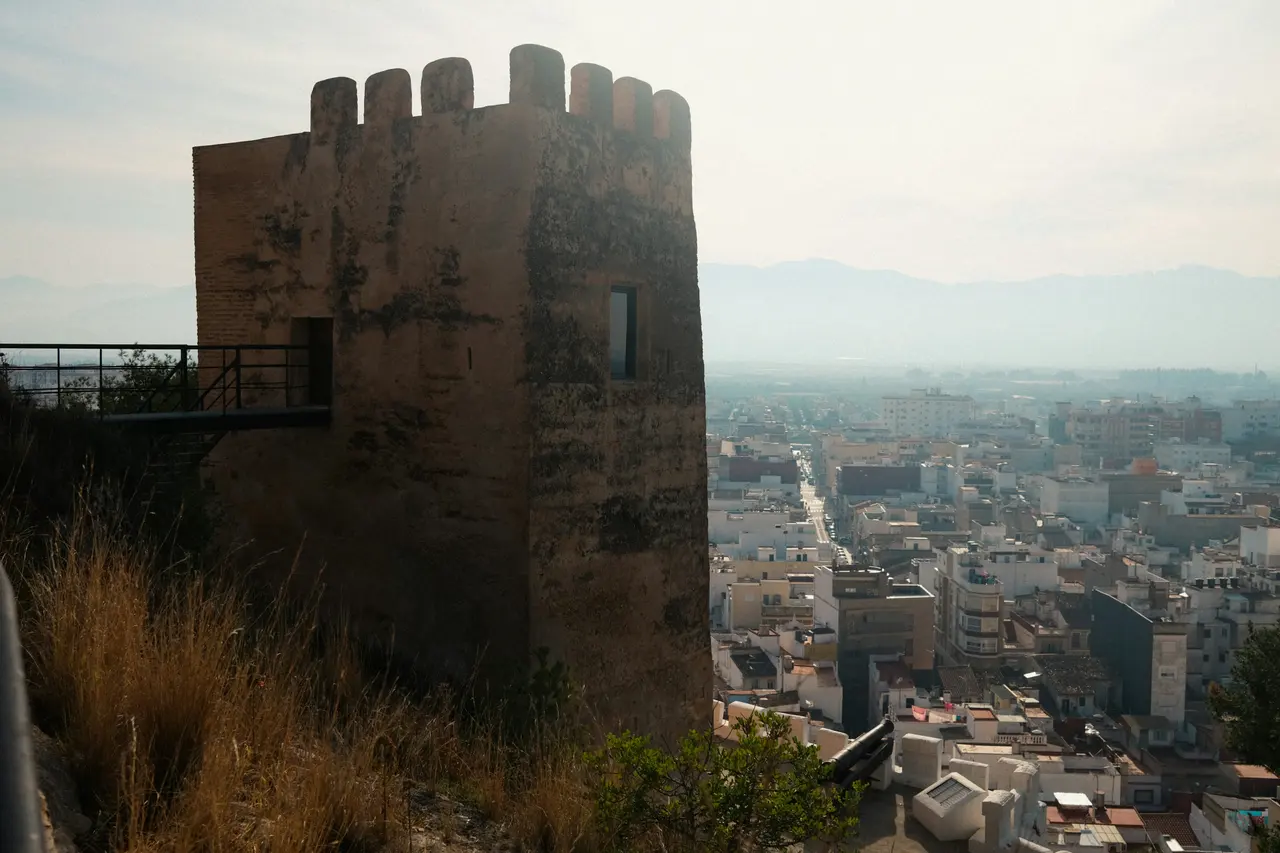
Renfe’s 2026 Cercanías map for València includes Sagunt, Xàtiva, Cullera and Castelló de la Plana. When you pick a day trip, look at both ends of the walk from the station. Cullera’s railway stop and beach are in different parts of town. At Xàtiva, the castle climbs along a ridge above the centre. Allow extra time if the return walk is longer or steeper than the outward leg.
On the Alicante coast, the TRAM d’Alacant planner is the place to check your connection, using the FGV service information for 2026. A city base can work for a tram outing and an urban beach. If you need to reach a remote cove, a trailhead or a village across the hills, a car is more flexible. Consider hiring one for the inland portion of your trip. Check where to park in hill towns before booking a room in a pedestrian street, particularly if you will arrive after dark.
What to see in the Valencian Community
Things to do in the Valencian Community on a first visit
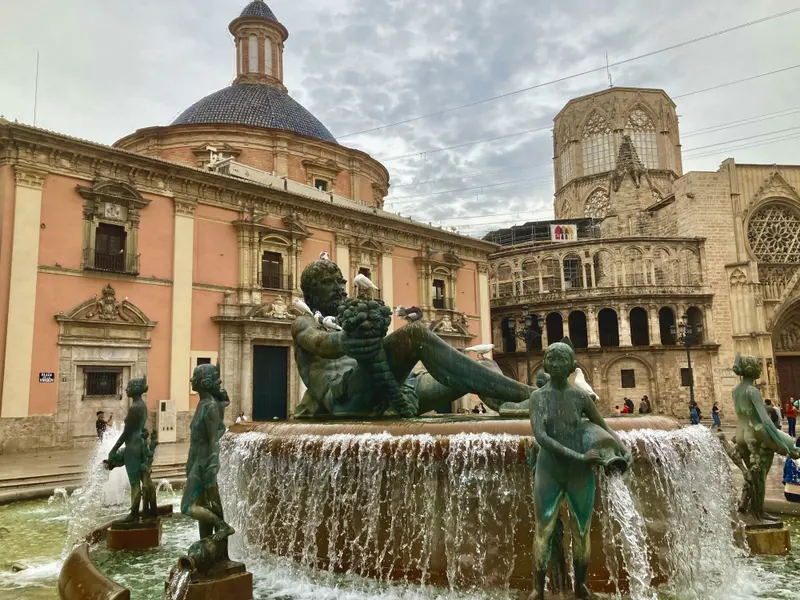
Start València at the central market square. The Silk Exchange faces the Central Market, which gives you two very different buildings within the same block. The Turia Fountain in Plaza de la Virgen gives you a view of both the basilica and cathedral. Follow the streets north to the Serranos Towers and step down into the Turia Garden. The route to the City of Arts and Sciences takes time on foot. Split it across two half-days if you want a market visit, a museum and a proper pause for lunch.
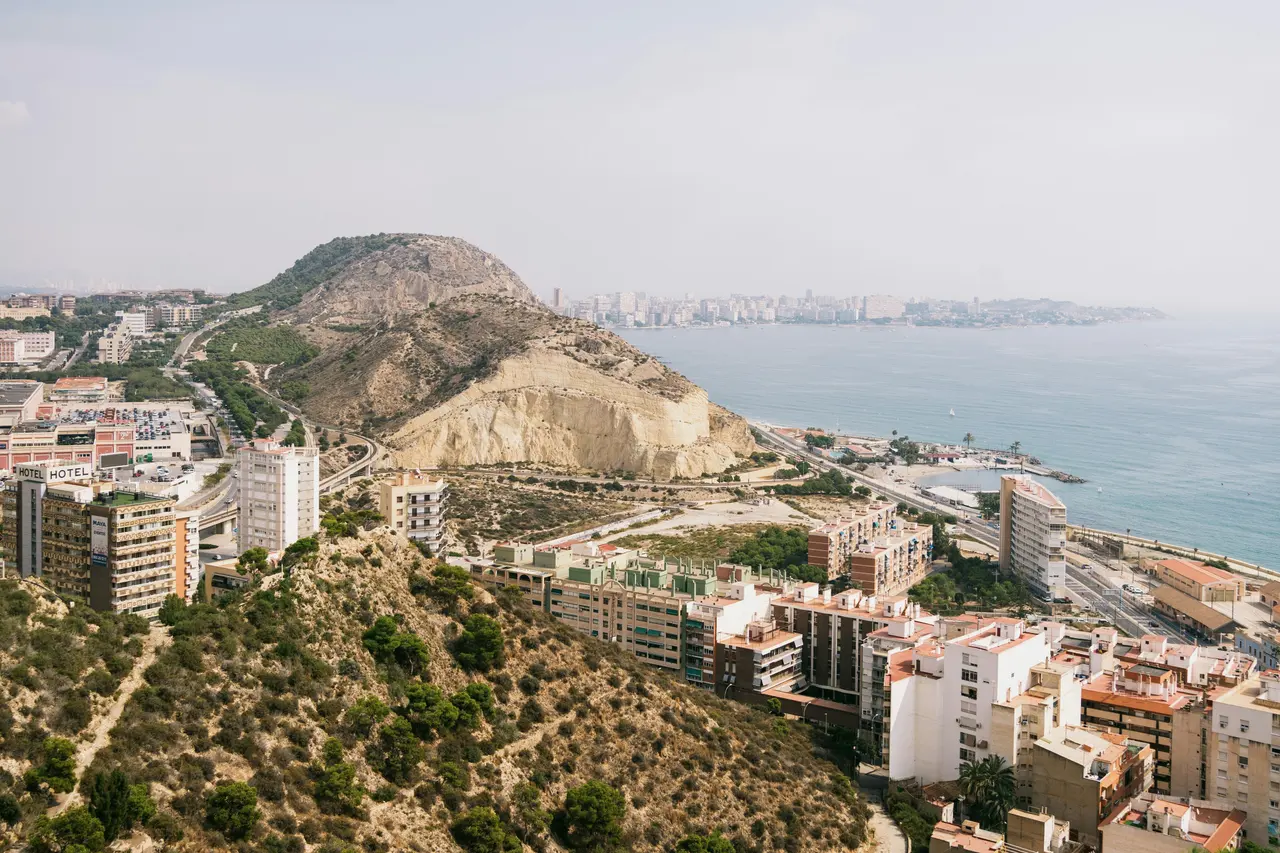
In Alicante, use the Benacantil hill to orient yourself. From the port you can reach Postiguet beach and turn towards the lanes of Santa Cruz. Set aside a separate block for the Castle of Santa Bárbara. From the terraces you can see why the hill mattered to a port city. If you are short on time and want some historical context, look for a guided visit in Alicante.
In Elche, build a walk between the palm groves and the Basilica of Santa María. A visit to the Huerto del Cura adds a cultivated garden to the experience, while a walk through the broader palm landscape helps explain how the trees fit into the plots and streets of a working city. Check which part of the walk you want to spend inside a garden and leave time to see the palms from outside its boundary as well.
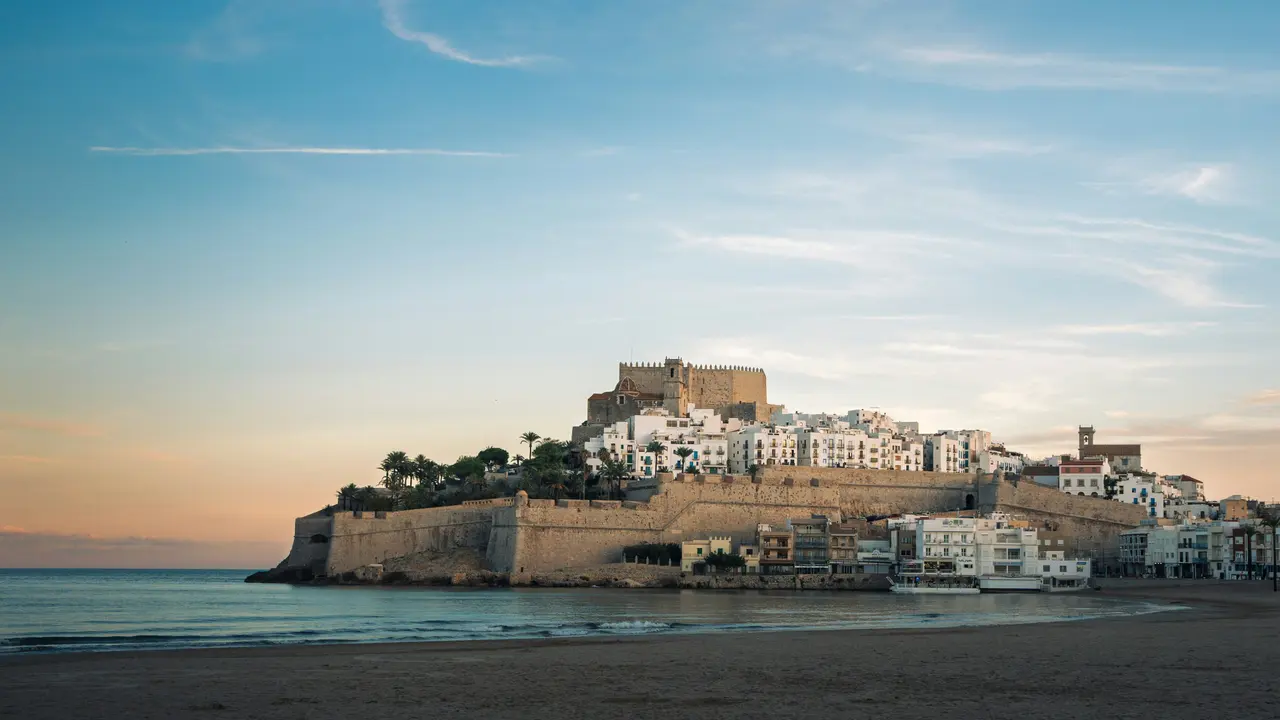
For a classic coastal view, start on Peñíscola’s north beach and look back at the walled headland. Then climb to the castle and return through different lanes to see how the old town fits the shape of the rock. Spend the next day in the Serra d’Irta if you want a walk away from the buildings. A quick look at the old town and a full coastal hike tend to work better as separate visits.
The three provinces at a glance
Valencia province combines the capital and the lagoon with the castles of Xàtiva and Sagunt and the wine country around Requena. Alicante province stretches from the coves of the northern Costa Blanca through Alicante and Elche to the southern salt flats and market gardens. Castellón province makes sense as a trip in two parts, with beach towns such as Benicàssim and Peníscola on one side and Els Ports or the Maestrat on the other. With five days or fewer, you can see more detail by choosing two adjoining areas.
Monuments and heritage
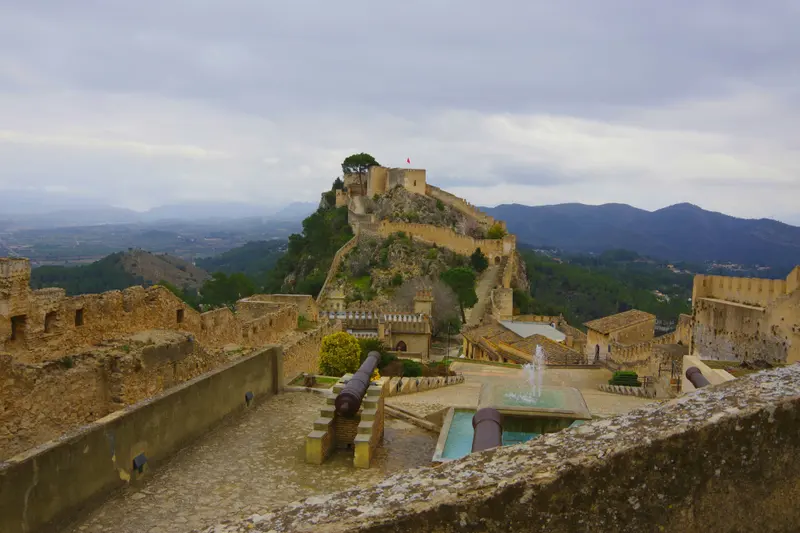
Silk merchants and palm growers
València’s Silk Exchange, a UNESCO World Heritage Site, tells the story of prosperous late-medieval trade. In the main hall, follow the twisted columns upwards to the ribs of the ceiling. Outside, take another look at the stonework before crossing to the market. Seeing the two buildings together is a good way to understand how the square kept a trading function as the city changed around it.
The Palmeral of Elche, also recognised by UNESCO, survives as an irrigated landscape. Look beyond the height of the trees. Their rows, the outlines of the plots and the routes water takes help explain how people grew crops in an area of limited rainfall. In the centre, the Basilica of Santa María is the setting of the Misteri d’Elx. The building gives you a sense of the scale of the performance and its place in the city, even on an ordinary day.
Castles set into the landscape
Sagunt, Xàtiva and Peñíscola show how three different sites shaped their defences. At Sagunt, pass the Roman theatre on the way to the high enclosure. In Xàtiva, the wider view reveals how the two castle precincts follow the ridge. In Peñíscola, the rock projects into the sea and the approaches converge on the neck of the headland. Look up from the lower streets before climbing. The approach often tells you as much as a view from the top.
The walls and castle of Morella have a broader agricultural and mountain landscape around them. Start at one of the gates and walk the arcaded streets before you climb. From the upper part of town, it becomes easier to read the routes in and out of the hills. Leave time for the descent between the castle and the arcades, especially if rain makes the stone slippery.
Museums and culture
In València, the Museo de Bellas Artes fits a walk along the Turia, while the National Ceramics Museum lets you see the decorated façade of the Palacio del Marqués de Dos Aguas and ceramics inside. Allow a separate slot for each if you want to do both. The areas around the museums also suit a walk with someone who prefers to stay outdoors.
In Alicante, start with the MARQ Archaeological Museum if you want some background before exploring a historic site elsewhere in the province. At Vilafamés, the setting of the contemporary art collection is part of the visit: the palace is in the upper old town. For a day devoted to tiles and the town that produced them, combine Onda’s ceramics museum with a walk up towards its castle.
Charming villages
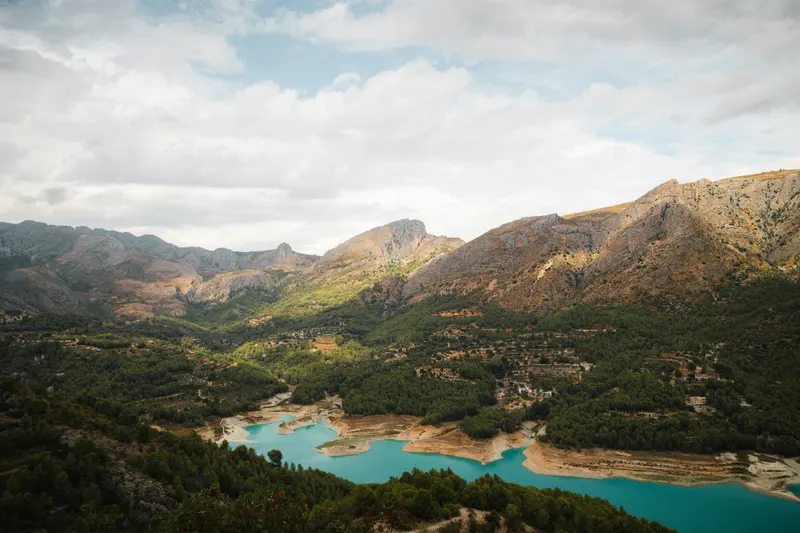
The Marina, the Maestrat and the hill towns
In Altea, start on the waterfront if you want to see the town against the hillside, then climb through white streets to the church square. After reaching the square, explore a lane to either side. Gaps in the houses give you different views of the bay. El Castell de Guadalest lies inland. Go through the hilltop settlement and look out across the reservoir. The view explains the ridge’s strategic position better than a quick photograph from the lower car park.
The upper part of Vilafamés has red stone houses on steep streets that lead towards the castle. In Culla, the Maestrat landscape comes into view between buildings and beyond the upper edge of the village. Choose one as the main visit if you have only an afternoon. A proper stop for lunch or a slow walk home after the climb will be easier to fit in.
An inland day for wine or walking
Start Requena in the old quarter of La Villa. Its narrow streets make a useful prelude to visiting a winery elsewhere in the district. Arrange how you will travel back before putting a tasting in the itinerary. If you prefer a day out by a river, try Chulilla. A walk around the village and a hike through the Turia gorge involve different levels of effort. Check the particular route’s gradients and how exposed it is before committing the whole group to it.
Nature and protected areas
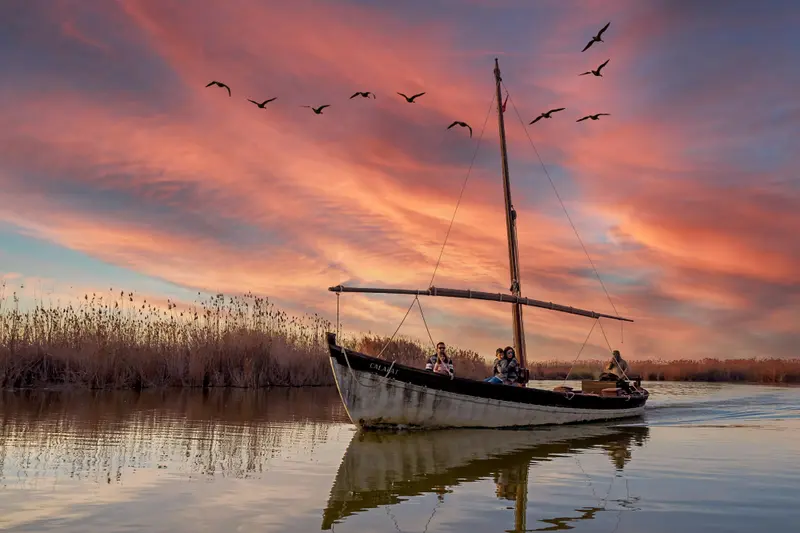
Lagoon, dunes and limestone
At l’Albufera, think of the lagoon, the rice country and the strip of dunes as separate outings. You can arrange a boat trip around El Palmar, pick a viewpoint to watch the light change over the water or walk in the Devesa between the lagoon and the Mediterranean. Pick two if you are also booking lunch. The points of access are spread out, and a quiet afternoon on the water is easier to organise once lunch is no longer a race. Look for guided visits to the Albufera.
The Serra d’Irta protects a rocky stretch of coast near Peñíscola. Low scrub, gullies and stony shorelines take over when you leave the built-up area. Pick an official route from the end of the park closest to your base. Bring water and set a turning point. Keep an easy beach visit in reserve if the coastal track is too exposed on the day.
The Penyal d’Ifac is Calp’s landmark. See it from the port and the lower paths if you want a short visit. Before you set out higher, check the park’s access arrangements and whether the route suits your group. The Font Roja, between Alcoi and Ibi, offers woodland inland. Check conditions there separately, since altitude and exposure affect how the walk feels compared with the coast.
Beaches in the Valencian Community
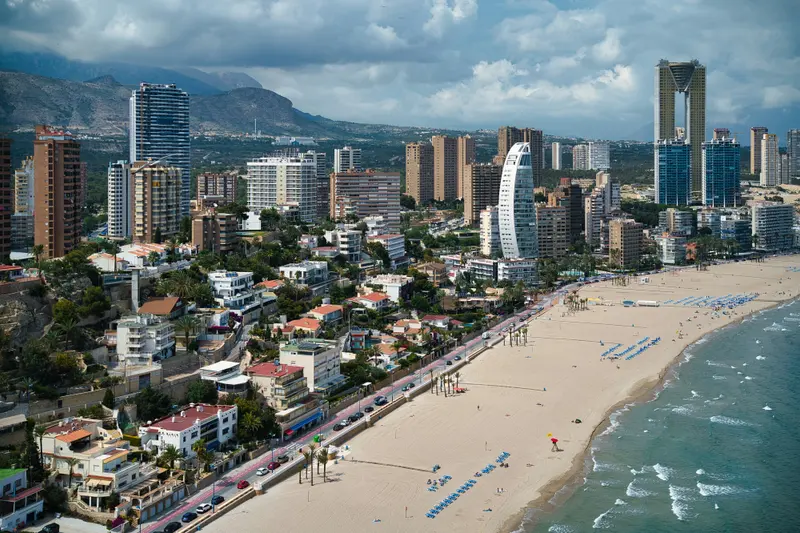
City beaches and dunes
Malva-rosa is a broad stretch of sand reached from València’s maritime neighbourhoods. Postiguet sits closer to the centre of Alicante, below the castle hill. Either works for a half-day with time left for a city walk. If you prefer a stretch of coastline bordered by dunes, use the marked access at El Saler. Save your entry point on your map if you are walking along the shore and need to return that way.
In Castellón, Peñíscola’s North Beach is a good place to see the old town from a little distance. In Benicàssim, beaches and promenades link stretches of villas and seafront development. Base yourself near one beach to make the mornings easy, then choose an outing with a second reason to go, such as the view of Peñíscola’s headland from the sand.
Costa Blanca coves
In Benidorm, the sandy town beaches run beside promenades and high-rise buildings. They make sense if you want to reach the sand on foot from your accommodation.
The coastline around Xàbia and Benitatxell has coves approached by steep paths or narrow roads. Granadella has a pebbly shore, while Arenal in Xàbia is sandy. Decide whether your group needs an easy return, a softer beach or a place to eat. If you want to see both types of coastline, slot the smaller cove into an early outing and leave the longer swim until you know the day’s sea conditions. Use a beach with lifeguards on duty and a favourable flag if you want to swim.
Festivals and traditions
Three cities and three kinds of celebration
The Fallas in València put satirical sculptures in streets and squares, then burn them in the cremà. The 2026 edition reached that stage on 19 March. For a first visit, walk through the neighbourhood installations before attending an event in the centre. Mark a meeting place if you are travelling together. Firecrackers, road closures and a change in the usual walking routes can make it harder to rejoin the group.
In Alicante, the Hogueras de San Juan programme in 2026 placed the burning of the sculptures on 24 June. You can visit the installations earlier in the festival and devote an evening to an official event. If you are sensitive to sudden noise, look at the programme locations and choose a hotel with a quieter route back.
Castelló’s Magdalena commemorates the move from the hill to the plain. The pilgrimage and the illuminated sculptures called gaiatas take that history into the streets in different ways. The timing moves with the calendar. Find the programme for your year and use the official map when choosing where to watch.
What to eat
Rice at lunchtime and other regional dishes
For Valencian paella, look for chicken, rabbit and vegetables such as flat green beans and garrofó, a large local bean. Around the Albufera, all i pebre is a paprika and garlic preparation traditionally made with eel. Ports in Alicante and Castellón offer seafood rice, arroz a banda and brothier preparations. Ask whether the serving is meant to be shared and how many portions you need.
In Gandia, fideuà uses short noodles and is closely associated with the port. In Dénia, fish is one way into the local cooking, and red prawns are worth considering if they are on the menu and suit your budget. Ask how the price is calculated when seafood is charged by weight. In and around València, order tiger nut horchata and a fartó for a snack. You may see orxata and arròs on signs written in Valencian.
Inland, look out for wine and cured meats around Requena. In Jijona and Alicante, the textures of smooth and crunchy turrón make an easy comparison for anyone interested in almond sweets. In Morella, try a flaó after a walk. Spanish lunch often starts later than visitors from northern Europe expect. Check kitchen hours before planning an early meal and avoid putting a timed visit immediately after a long rice lunch.
Sport and outdoor activities
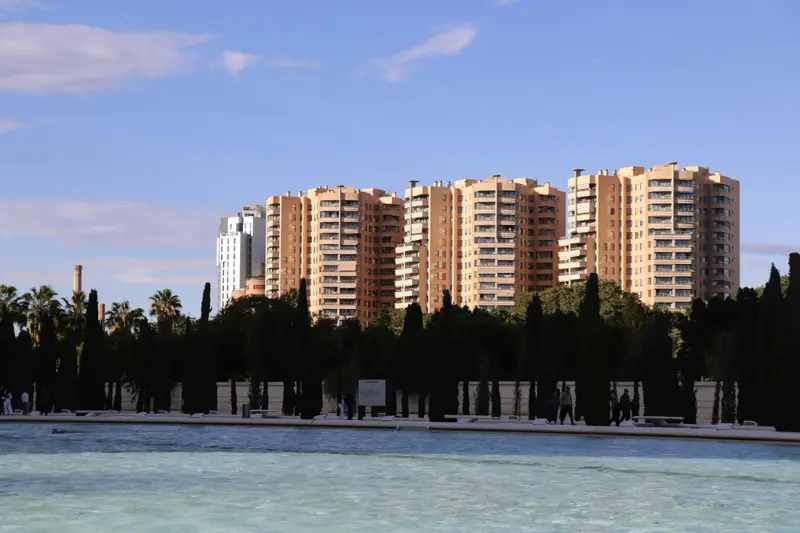
The Turia Garden in València is a useful starting point for urban cycling. Pick a bridge or a museum as a turning point, keeping to the designated path and slowing in shared areas. On the coast of Castellón, the greenway between Benicàssim and Orpesa follows a former railway. Check how the hire works and whether you will return along the same path before setting off.
For a trip built around walking, pair a rocky coastal route in Irta with a forest walk in the Font Roja. Use the official trail maps and choose a route that works for the least experienced member of the group. For a morning of kayaking or snorkelling, leave the booking flexible if possible. Exposure to swell and wind can matter more than the distance you expect to cover.
Routes and itineraries
Three days in València and its surroundings
Day 1. Walk through the historic centre from the market and the Silk Exchange to the cathedral and Serranos. Continue for a short stretch of the Turia after lunch. Day 2. Choose a museum or the City of Arts and Sciences, then spend the afternoon near the sea and return through the Cabanyal. Day 3. Pick the Albufera for rice and wetlands, or Sagunt for a rail outing to the theatre and castle. If you choose the Albufera, make the lagoon or the dunes your first priority.
One week with two bases
Spend three nights in València, then head south for the cliffs and harbours. Give Dénia or Xàbia one day, Calp and Altea another, and choose either Alicante or Elche for the next. Keep an unscheduled morning if the sea takes your beach plans out of play. To go north, use Benicàssim or Peñíscola as a second base. Combine the Serra d’Irta with a trip to Els Ports. A night in Morella makes more sense if you want to finish your sightseeing on foot before coming back down to the coast.
If you already know the biggest cities, build a trip around Xàtiva, the Serra de Mariola and Alcoi or Bocairent. Keep each day’s drive short enough to fit a proper stop for a town or a trail. Save an indoor visit for the day with the least suitable walking weather. Give booked visits separate windows for finding the place, parking and reaching the meeting point.
Travelling with children
In València, a short walk in the Turia and a science visit or play stop at Gulliver Park can fill a morning. Leave the rest of the park for the next day. At the Albufera, try a short path or viewpoint first if you are deciding whether to add a boat ride. Ask how boarding works and whether shade is available on the boat or along the walk.
On the coast, a promenade with somewhere to stop for a snack leaves room to change plans. Choose one castle and check where the uphill walking begins. In a walled town, pick a route with a square partway along where everyone can stop. If your group has different mobility needs, look at gradients and steps as well as the distance.
Where to stay in the Valencian Community
The centre of València or the area near a station works for a trip with day outings by train. The Cabanyal puts the coast closer and gives you streets to explore in the evening. In Alicante, weigh up proximity to the old town against a stay near San Juan’s longer beach. Put your base in Dénia, Xàbia or Calp if most of your plans are along the northern Costa Blanca.
In Castellón, Benicàssim works for beach days with promenade walks. Peñíscola fits a mix of castle, seafront and protected coastline. For a couple of days in Els Ports, staying in Morella allows an early start and time in the old town after day visitors leave. If you find a good room in a historic centre, ask about stairs and how long it takes to walk from the nearest place you can leave the car.
See places to stay in the Valencian Community (opens in a new tab)Affiliate link: if you book through it, we may earn a commission at no extra cost to you.
Practical tips and common mistakes
- Confirm the station, as well as the town. Ticketing and signs can use València and Valencia, Alacant and Alicante, or Castelló and Castellón. Compare the operator’s stop with your map before travelling.
- Check when the kitchen starts serving lunch. A place may be open for drinks before it starts serving rice. Check which days it serves the dish and how many people the order is for.
- Make mountain plans weather-dependent. Consult the forecast for the route. When rainfall warnings make the gorge a poor choice, keep a city walk or museum in reserve.
- Ask about access in the old town. If your accommodation sits on a steep street, ask where a taxi can drop you or whether you can unload the car nearby.
- Put space between timed visits. A wine tasting, a drive and a climb from the car park can take longer together than the individual booking times suggest.