Español
 English

Why visit Asturias
The best things to do in Asturias depend on where you want to wake up. Base yourself in Oviedo for an old town you can cross on foot, early medieval churches and day trips into the hills. Stay on the coast for fishing harbours and beaches backed by cliffs. Head inland to Somiedo or the Picos de Europa for high pastures and walking routes that start well above the valley floor.
Asturias sits on Spain’s north coast, between the Bay of Biscay and the Cantabrian Mountains. The east links the Sella estuary with Covadonga and the Picos. The centre has the region’s three main cities: Oviedo, Gijón and Avilés. In the west, you can follow the coast towards the Eo estuary or turn inland for the mills and metalworking heritage around Taramundi. A concejo on a local map means a municipality, which can cover a main town and several smaller villages.
A weekend is enough to get to know one part of the region. With a week, book two bases and keep one outing flexible. If low cloud hides the mountains, spend that day in a museum or by the coast. You can move your walk to the clearest morning without changing where you sleep.
When to go
Best time to visit Asturias for beaches and walking
June and September are good for a trip with a bit of everything. Use a clearer day for the hills and save the cities for a day when the forecast is mixed. If time on the sand matters, check which beaches have lifeguards on your dates. If a museum or cave is central to your plans, check its opening days before picking the week.
July and August suit a holiday built around the coast. Once you choose a base, look for a beach or a harbour within walking distance so you can leave the car parked for some of the trip. If you also want a day at the Covadonga Lakes, read the access plan before booking any fixed-time activity nearby.
Spring and autumn work for lower-level walks, food markets and city breaks. Set out earlier in autumn so you have time to get back in daylight. In winter, plan around towns and lower valleys, especially if you are unfamiliar with the mountain roads. A mild morning in Gijón can coincide with ice or snow on higher ground.
The 1981–2010 climate record at Asturias Airport is a useful guide to the central coast, with mild winters and moderate summer temperatures. Pack a waterproof layer in summer and check the forecast at the elevation of your walk. The forecast for the town where you are staying may be quite different.
Getting there and around
How to get to Asturias from abroad
Asturias Airport (OVD) is in Castrillón. In 2026, airport operator Aena lists Alsa buses to Avilés, Gijón and Oviedo. If you plan to spend most of your time in eastern Asturias, compare flights into Santander (SDR) as well. Aena lists a bus into Santander and selected intercity coaches that call at the airport when booked in advance. Check the onward journey before buying a late flight.
If you fly into Madrid, in 2026 Renfe runs trains to Oviedo and Gijón from Chamartín-Clara Campoamor. From Barajas, the airport’s Cercanías suburban train station is at Terminal 4 and connects to Chamartín. Allow for a terminal transfer if you arrive elsewhere. If your flight and long-distance train are separate bookings, give yourself time for baggage and the connection.
When a hire car makes sense
You can visit the three central cities by public transport. In 2026, regional bus and rail connections offer different options depending on the journey. Book accommodation near a station if you plan to make several day trips. For a village or beach outing, look up the last service back and check how far the stop is from the place you want to see.
It often makes sense to collect a hire car when you leave the cities. If you are heading straight to the coast or hills, Aena lists hire desks at Asturias Airport in 2026. The A-8 motorway links the coastal areas, while inland roads follow narrow valleys and climb over passes. Judge driving days by time, especially if you are new to mountain roads. Ask about parking before you book and save the full address for rural stays. A village name on its own can leave you guessing which lane to take.
For a walk, save the trailhead and the finish as separate points. If it is a one-way route, arrange the return before you start. On coast days, you may get more out of one harbour and one beach than out of a drive with several short parking stops.
What to see in Asturias
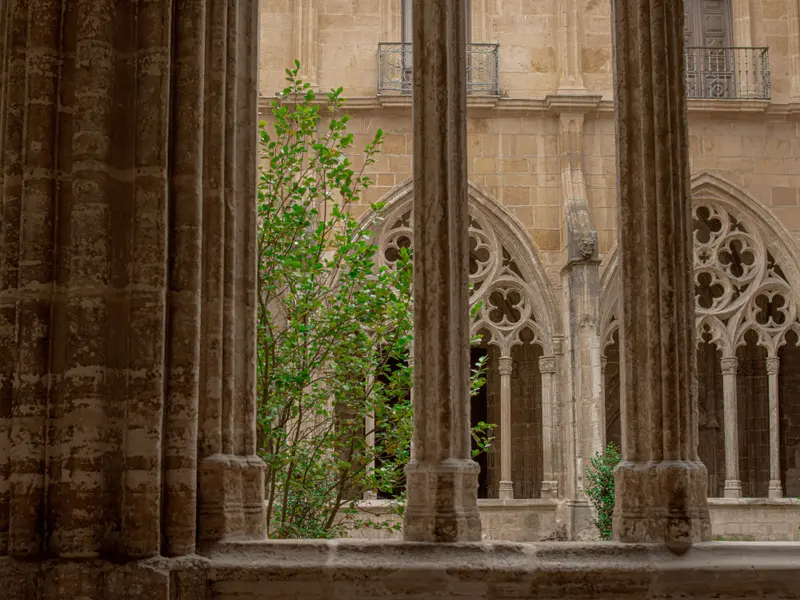
Things to do in Asturias on a first visit
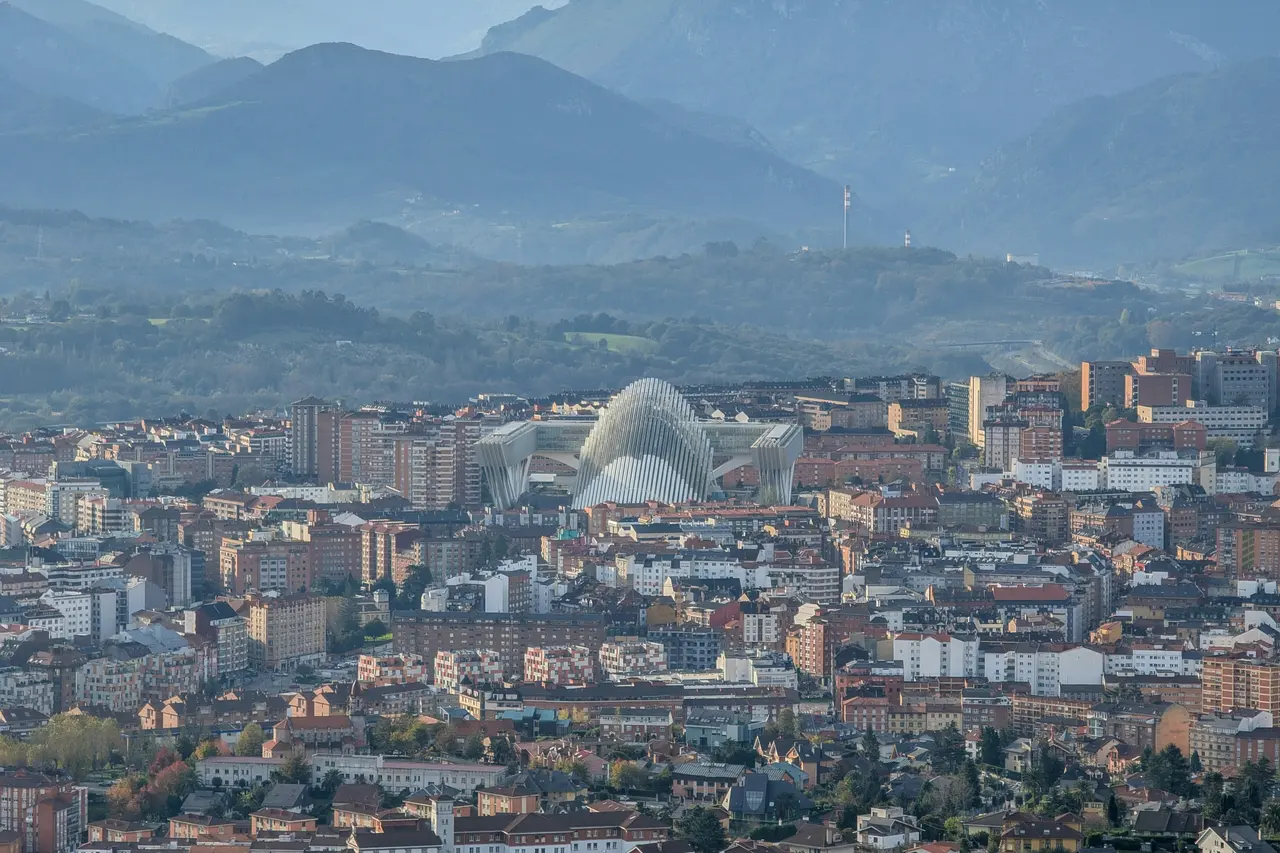
Start in Oviedo if you are drawn to history. Walk from San Salvador Cathedral and Plaza de Alfonso II towards El Fontán and its market. That gives you a compact half-day route with places to stop for lunch. If you have a full day, head up to Mount Naranco to see two of the region’s early medieval buildings.
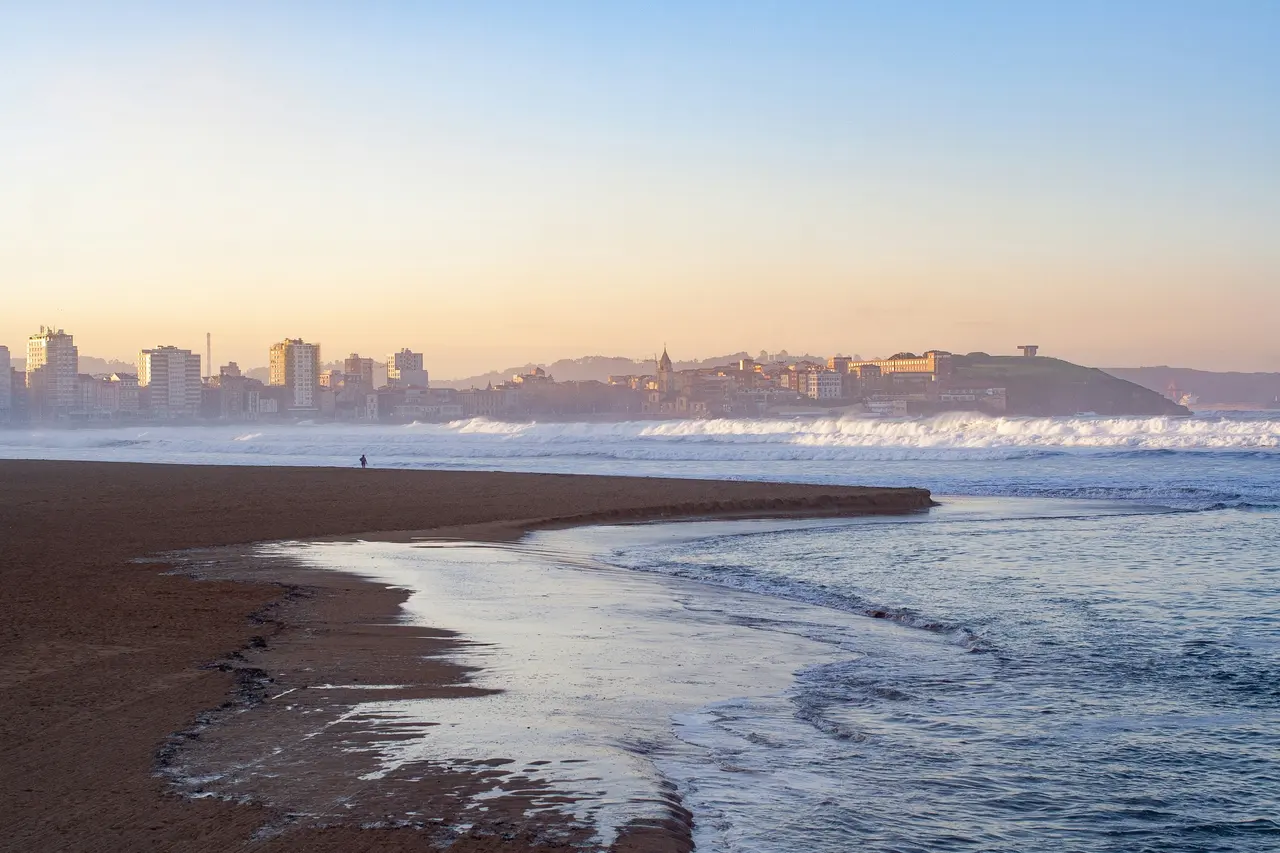
In Gijón, follow the headland through Cimavilla, the old fishing quarter, from the marina to the hill of Santa Catalina and Eduardo Chillida’s Elogio del Horizonte. Then come down to San Lorenzo and follow the seafront. It is an easy way to fit a walk into a cloudy day. When the weather is good, you can stop for longer by the water.
In Avilés, start at Plaza de España and walk the arcades of Calle Galiana to Ferrera Park. Then cross towards the estuary to see the white curves of the Niemeyer Centre. The two walks show different sides of the town and fit well into an afternoon before you head west from Asturias Airport.
From the Sella estuary to Covadonga
In Ribadesella, walk beside the Sella and cross to Santa Marina for the view back across the river. In Cangas de Onís, the landmark known as the Roman Bridge is medieval. The town is a useful base for trips to Covadonga and towards Cabrales. If you have only one day, give either the estuary or the sanctuary and lakes enough time to walk around.
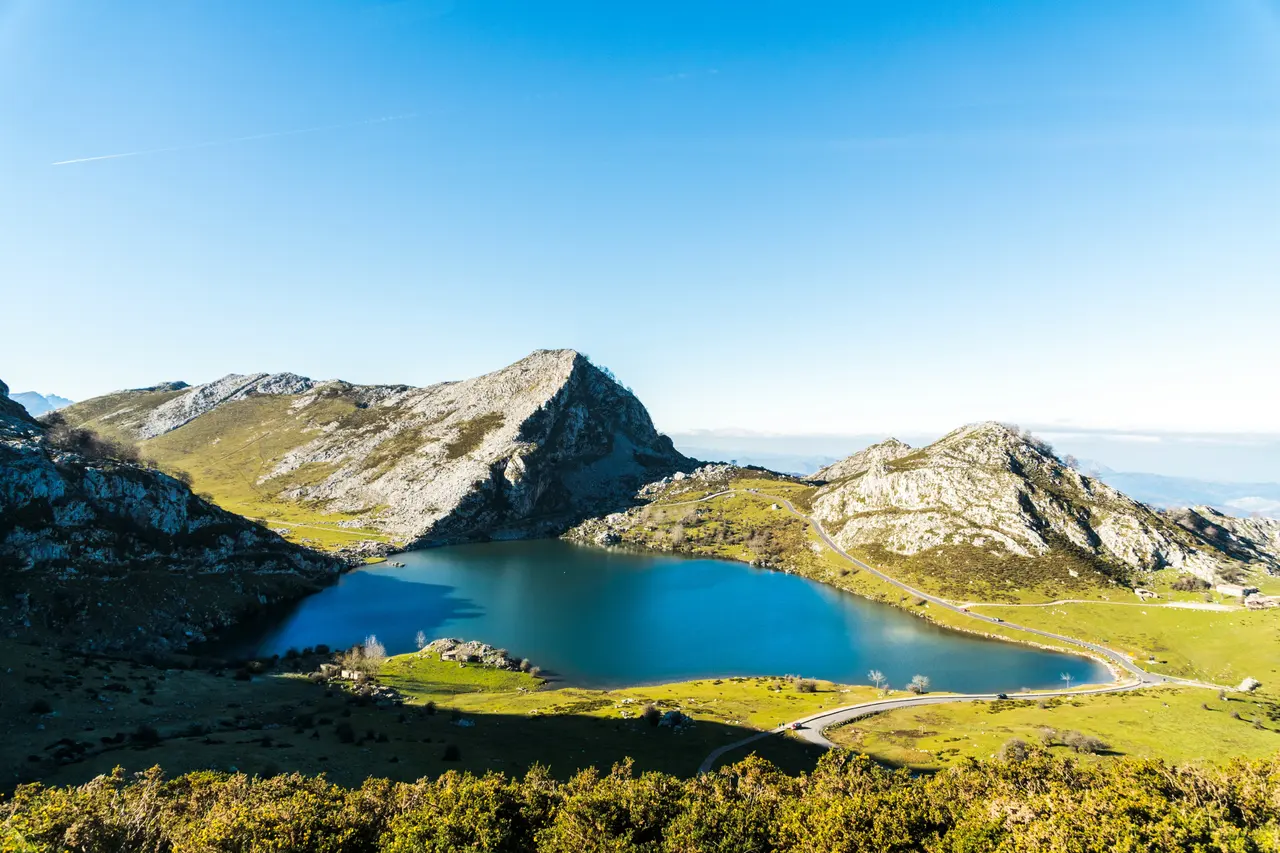
The Covadonga sanctuary includes the Holy Cave and the basilica in a wooded valley. Lakes Enol and Ercina are higher up, on a separate stretch of road. Keep the sanctuary on the itinerary if low cloud makes the trip to the lakes less worthwhile.
Monuments and heritage
The early medieval kingdom around Oviedo
The buildings on Mount Naranco are good places to start looking at Asturian pre-Romanesque architecture. Santa María del Naranco was built under Ramiro I for secular use and later became a church. Look for the long upper room and the open viewing bays at its ends. Nearby San Miguel de Lillo was built as a church. Check whether you can go inside before making the trip, and wear shoes suitable for the walk between them.
The UNESCO group also includes the Holy Chamber of Oviedo Cathedral, San Julián de los Prados, the Foncalada fountain and Santa Cristina de Lena. Pair the cathedral and fountain with a walk through Oviedo, and make a dedicated stop at San Julián for its wall paintings. Santa Cristina is south of the city in Lena, so it fits better with a journey towards the mountains.
The Camino and the raised granaries
Oviedo is the start of the Camino Primitivo, an early pilgrimage route to Santiago de Compostela. Follow the Camino markers through the city for a short introduction. If you are exploring the west, stops in Salas and Tineo give a sense of the change from town to upland country along the route.
In Bueño, near Oviedo, you can see several hórreos and paneras on one walk. These traditional storage buildings stand on stone supports that lift them clear of the ground. Compare the shape and size of the buildings and the supports below them. Many belong to private homes, so view them from the street unless the building is open to visitors.
Museums and culture
The Museum of Fine Arts of Asturias is next to the cathedral area in Oviedo. Pair it with the Archaeological Museum if you want to see how the art and material history of the region fit together. In Gijón, the Laboral City of Culture complex is outside the central seafront loop. Set aside time to reach it separately.
At Ribadesella, the Tito Bustillo Rock Art Centre explains the cave and its paintings. Check access to the cave separately if seeing the original site is your priority. Near Colunga, the Jurassic Museum of Asturias makes sense alongside a walk on the coast, where there are dinosaur footprints. In the Nalón valley, the Museum of Mining and Industry helps explain why the landscape is dotted with mining structures.
Charming villages
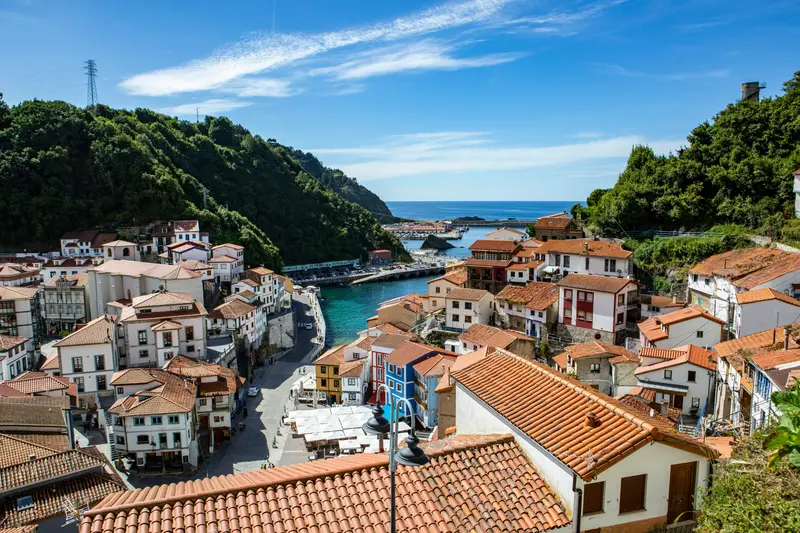
Fishing towns from east to west
At Lastres, houses step down a steep hillside to the harbour. Start high for the view and leave time to walk back up from the quay. If anyone in your group finds slopes difficult, pick either the harbour or the upper streets as the focus of the visit.
In Cudillero, the quayside is a good place to see how the village curves around the harbour. Head uphill through the lanes for a view back down. Luarca offers a longer walk along the river and the waterfront, with an uphill option towards the Atalaya headland. If you have a full day on this stretch of coast, add Puerto de Vega for a quieter-paced walk around a working harbour.
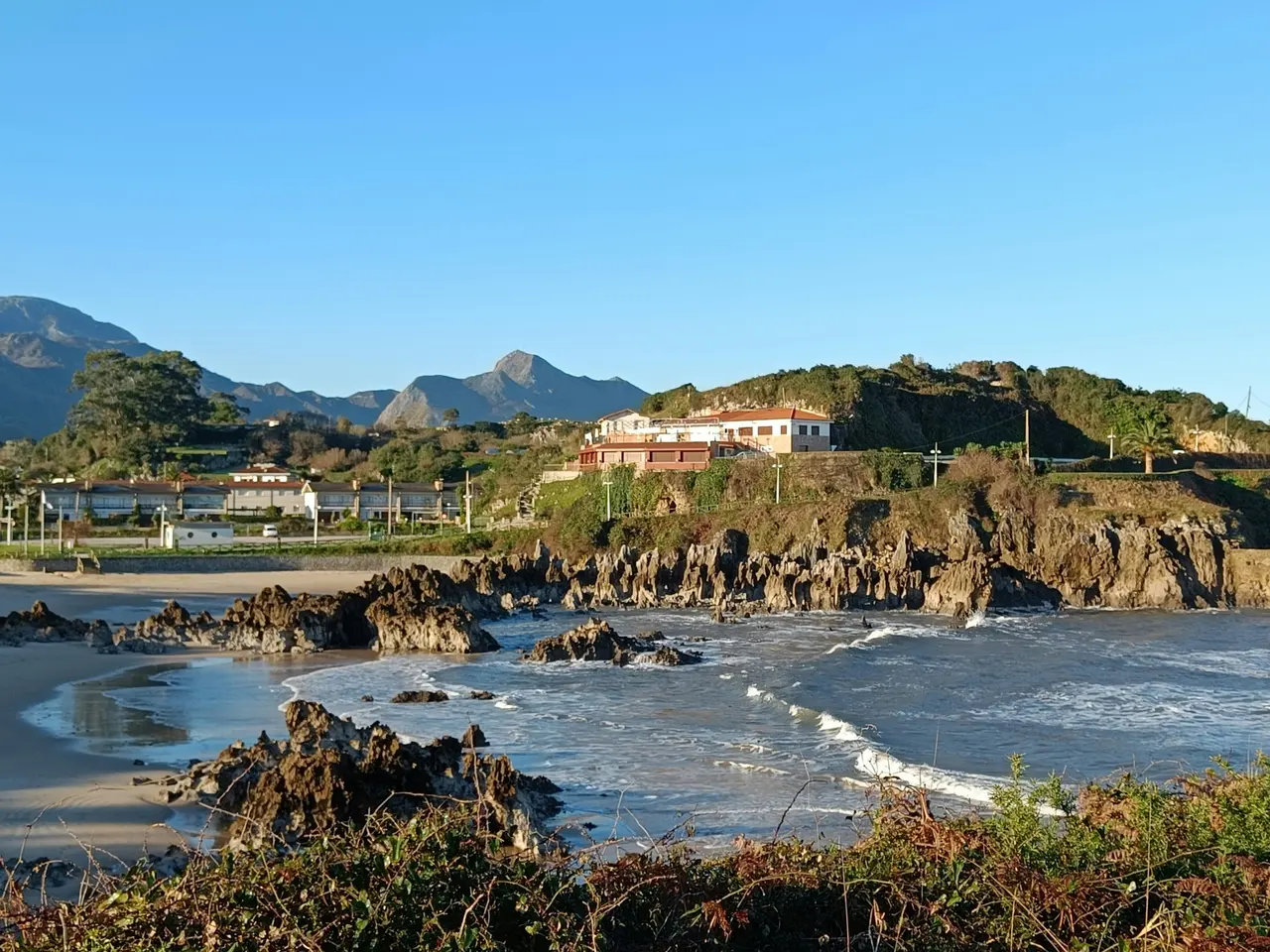
If you want a coastal base in the east, the Llanes guide covers the town and its surroundings.
Taramundi, the Oscos and the Eo estuary
Allow a day inland for Taramundi and the Oscos area. At Os Teixóis, water from the stream powered tools for several different trades. It is a good place to see why the mills and workshops were built close together. In Taramundi itself, look for a traditional knife-making workshop or museum if you want to learn where that craft survives today.
Around Santa Eulalia de Oscos, the rural buildings and craft sites deserve time on foot. For a different finish to the day, head to Castropol, above the Eo estuary. You are looking over to Galicia from the higher streets. Choose between the estuary and extra time inland if you would rather spend less of the day driving.
Nature and protected areas
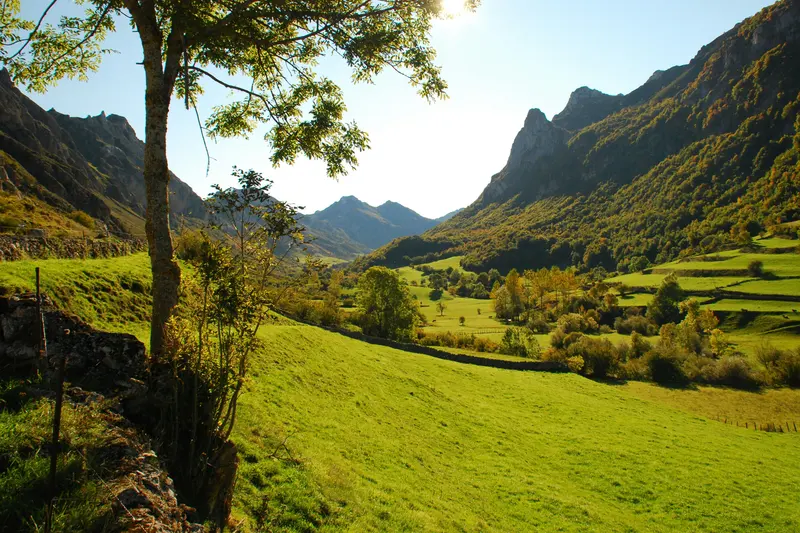
Picos de Europa and the Covadonga Lakes
There are two main approaches to the Picos de Europa to keep straight when planning. From Cangas de Onís you can reach Covadonga, then the lakes further up. Via Arenas de Cabrales you reach Poncebos, the Asturian start of the Cares Gorge trail and the access point for Bulnes. Pick the valley you most want to visit before booking a room.
On restricted dates in 2026, private vehicles could not drive up the CO-4 to the lakes at any time of day. The bus plan used stops in Cangas de Onís and along the approach. The sanctuary below the lakes has separate access and limited parking. Look up the plan for your own travel year before counting on the drive. Travellers who prefer a planned outing can compare guided trips to the Covadonga Lakes.
Somiedo’s glacial lakes and high pastures
The official Saliencia Lakes circuit from Alto de la Farrapona is 7.6 km, with 318 m of ascent and an estimated 3 to 5 hours on foot. Give the route a clear part of the day and allow for wind and cloud on open ground. For a shorter outing, aim for the first lake, Lago de la Cueva, then head back the way you came.
For a look at how the uplands were used, walk from Villar de Vildas to La Pornacal. A braña is a high pasture used for grazing, sometimes with groups of herders’ huts. Here you can see the plant-thatched cabins in their setting. Leave gates as you find them and give grazing animals space. Pola de Somiedo works as a base for choosing a valley after you have checked the forecast.
The forests of the south-west
Muniellos Forest lies within Fuentes del Narcea, Degaña e Ibias Natural Park. Under the rules checked in 2026, visits to the reserve require an advance permit and places are limited. Arrange the permit before booking nights around the visit. Cangas del Narcea and another valley in the park give you a way to spend a day in the area if you cannot get a place.
Beaches in Asturias
A city beach in Gijón
San Lorenzo is a good choice if some of your group want to swim and others prefer a walk. The seafront follows the bay and gives you somewhere to go if the tide leaves less sand than you expected. Pick where to go down once you have seen the state of the beach and its flags.
Asturias beaches by estuaries and cliffs
Rodiles, near Villaviciosa, is a broad beach beside the estuary. The water conditions near the river mouth can differ from those in the main bathing area. At La Griega, near Colunga, combine the beach with the walk towards dinosaur footprints. Check the tide if the tracks are the main reason for going, and follow the marked route.
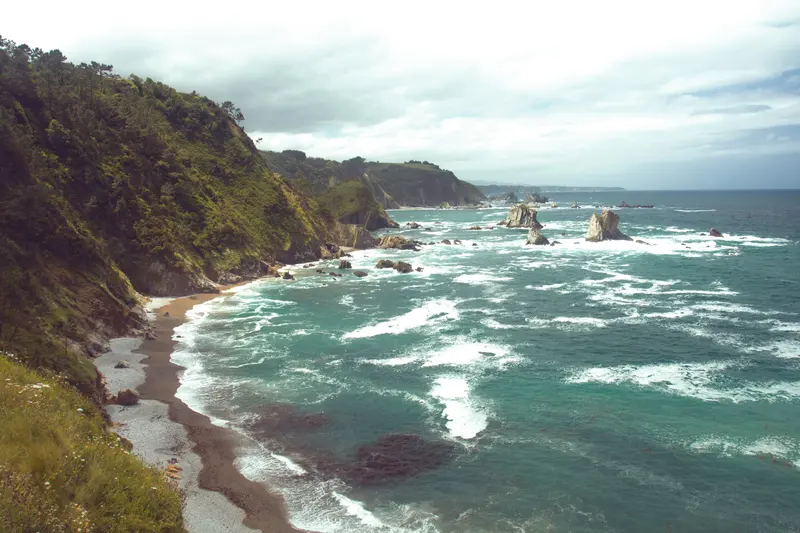
The cliffs above Playa del Silencio near Cudillero make a fine stop in their own right. Steps lead down to a cove of rounded stones. If you want a wider stretch of sand in the west, choose Penarronda, between Castropol and Tapia de Casariego. Follow the paths through the dunes and assess the surf before deciding whether to swim.
The sea is the Bay of Biscay and can feel cool in summer. For a family beach day, choose somewhere with an easy approach and lifeguards on duty. Treat a rough day as a chance to walk the coast or see a harbour from a safe viewpoint.
Festivals and traditions
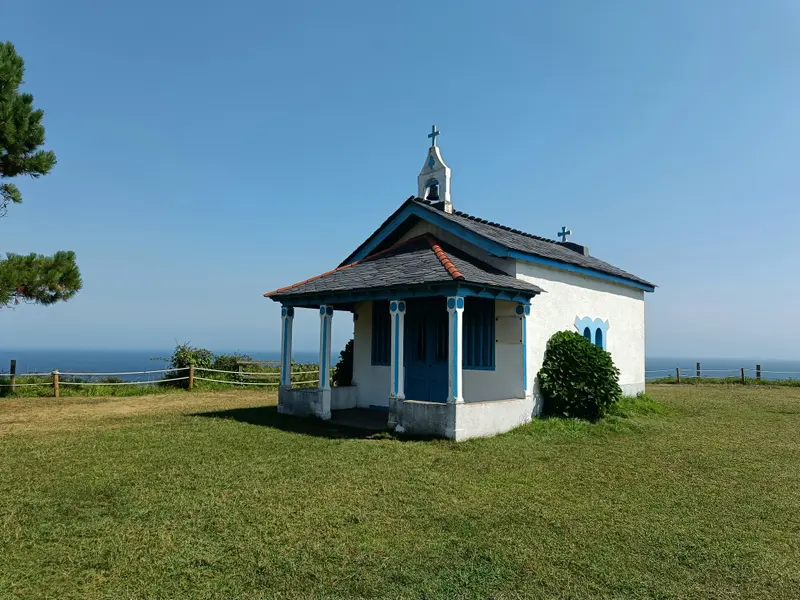
La Regalina in Cadavedo
La Regalina is a romería, a local pilgrimage and gathering above the sea in Cadavedo. A procession, music and dancing take place around the chapel and the field of La Garita. The main day in 2026 was 30 August. If you visit at another time, walk out to the headland to see where the gathering takes place.
The International Sella Descent
This canoe race starts at Arriondas and finishes in Ribadesella. The 88th edition took place on 8 August 2026. Pick Arriondas if you want to watch the start or Ribadesella if you prefer the finish by the coast. Before going to a future edition, check how spectators are advised to get around. The sporting event and the festivities share the same stretch of river.
What to eat
Asturian food in towns and fishing ports
Order fabada for a stew of large white beans and cured meats, or pote asturiano if you want a stew that includes leafy greens. Cachopo is a breaded, fried steak with a filling. Ask how large the portion is before ordering starters, especially if you want to share. On the coast, ask about the catch of the day. Pixín is the local word for monkfish, and arroz con leche is rice pudding.
In the Spain.info guide for 2026, typical restaurant hours are 1 to 4 pm for lunch and 8 to 10.30 pm for dinner. Treat those as a starting point and ask when the kitchen serves, especially in smaller villages. Tipping is optional in Spain and there is no fixed percentage. A long lunch can be the main plan after a morning out, with a stroll afterwards.
How to order cider and try local cheeses
A sidrería is a cider house. In Oviedo or Gijón, ask for sidra natural to try the traditional still cider. A culín is the small amount poured at a time, traditionally from a height. Drink it soon after it is poured and ask the staff to show you how it works. In Nava or Villaviciosa, look for a visit to a llagar, where apples are pressed and fermented.
Try Cabrales in the Picos if you like strong blue cheese. Look for the smoky Gamonéu around Onís and Cangas de Onís, and Afuega’l Pitu in central Asturias. A cheese board or a stop at a market stall is a practical way to compare them. If you have the car, save the cider for a meal within walking distance of where you are staying.
Sport and outdoor activities
A railway greenway, a gorge and a river
The Senda del Oso follows a former mining railway. For a simple outing, start at Tuñón and head towards Proaza on foot or by bike. If you cycle, take a light for the tunnels and slow down around walkers. If you hire bikes, check the start point, the drop-off and whether a return transfer is part of the booking.
On the Cares Gorge trail, Turismo Asturias gives 22 km for the return walk from Poncebos to Caín and back. Poncebos is in Asturias and Caín is in León. The trail has exposed sections, so carry water, check its condition and agree when to turn back. For a casual stroll, choose a short valley walk instead of committing to the whole gorge.
A recreational canoe trip on the Sella makes for a gentler day if the river and your group are suited to it. Ask about the distance, collection points and rules for children before booking. For surfing, ask a local school which beach is suitable for beginners on the day. What looks good from the seafront may be more suitable for experienced surfers.
Routes and itineraries
Three days based in the centre
Use the first day for Oviedo’s old town and Mount Naranco. Put aside the second for Gijón, walking from the marina through Cimavilla and on to San Lorenzo. On the third, visit Avilés and take a walk beside the estuary. Add a nearby coastal stop if you have a car and enough daylight. With public transport, allow time for lunch in town before heading back.
Five days in the east
Split the stay between the coast and Cangas de Onís or Cabrales. Pick one day for Ribadesella and another for Covadonga. Keep them in either order if the higher ground looks cloudy. Choose a river outing or a mountain walk for the day with the best conditions. The five-day eastern Asturias itinerary gives you the stages and explains where to change base.
A week with the west coast and Somiedo
Start with two city days and spend the next two on the western coast. Give Cudillero and its surroundings a day, then pair Luarca with Puerto de Vega. From there decide between climbing inland to Somiedo and continuing towards the Eo and Taramundi. Sleep near the place you want to walk so you can use the clearest morning. To include both Somiedo and Taramundi, shorten the city stay or add another night.
Travelling with children
In Gijón, the aquarium makes a good alternative if rain interrupts your plans for the seafront. In the east, take children who like fossils to the Jurassic Museum, then decide whether they still have the energy to walk to the tracks at La Griega. If you have one morning, give one of those outings time and leave the other as a bonus.
On the Senda del Oso, an out-and-back ride lets you turn around before anyone is tired. Ask about child seats, trailers and bike sizes if you hire equipment. For a stay with several outings, look for a base with a flat walk right outside. That can simplify evenings after a day in the car or on foot.
Where to stay in Asturias
Choose Oviedo for the old town, the train from Madrid and outings into the central valleys. Gijón suits a trip where you want the beach within walking distance and somewhere to go later in the day. Avilés is well placed for the airport and a drive west, with an old town you can explore on foot.
In the east, Ribadesella works for waterfront walks, while Cangas de Onís is handy for Covadonga and the lakes. Choose Arenas de Cabrales if your main goal is walking near the Cares Gorge. When you split the trip, change hotels on a day you were going to spend moving along the route anyway.
In the west, Luarca makes a useful base for the Valdés coast. Stay in Taramundi if your plans centre on the Oscos and Eo. For walking in Somiedo, a room in the area can save a long approach every morning. Before booking a rural stay, check whether you can walk to dinner or will need to drive on unfamiliar roads after dark.
See places to stay in Asturias (opens in a new tab)Affiliate link: if you book through it, we may earn a commission at no extra cost to you.
Practical tips and common mistakes
- Plan by valley. Two places can look close on a map and sit on either side of a ridge. Check the route by road before planning meals or visits around your arrival time.
- Check timed visits first. Look up cave tickets, protected-area permits and museum opening days. Give yourself a generous gap between bookings if you need to drive over a mountain pass.
- Work backwards from the return. Know the last bus or train, the trail turn-around time and when daylight ends. Save the route offline before setting off.
- Stay on marked coastal paths. In rough seas, watch from designated viewpoints, away from spray, cliff edges and blowholes. Check the tide before walking into a small cove.
- Plan around Sunday hours. The Spain.info guide for 2026 identifies Sunday as the usual closing day for many shops. Buy picnic supplies ahead and check local hours before counting on a village shop or restaurant.
- Pack for both coast and hills. Keep a waterproof layer and warm clothing to hand. An exposed harbour or a clouded pass can be cool even when your base is warm.