Español
 English

Why visit the Basque Country
The best things to do in the Basque Country take you through several distinct landscapes. Give Bilbao’s former docks and the Guggenheim one morning, then spend another walking from San Sebastián’s old town to the sculpture at the western edge of its bay. Keep a day for the medieval hill in Vitoria-Gasteiz, a walk in the mountains south of the coast or the vineyards below the Sierra de Cantabria. Each adds a different part of the story of Euskadi, the Basque name for the region.
In Bizkaia, the two banks of the Bilbao estuary tell the story of shipping, shipbuilding and trade. Further east, the Urdaibai estuary opens between marshes, woodland and fishing towns. In Gipuzkoa, you can pair the coast between Zumaia and Hondarribia with a market town in the Oria valley. In Álava, the wetlands of the plain, the salt terraces of Añana and the walled villages of Rioja Alavesa are worth a base of their own.
Food can provide a structure for the trip, with pintxos at a city bar, grilled fish in a port and a longer lunch inland. Walkers can build a route around seafronts, woods and one higher ridge if conditions allow. Families can pick one main stop each day and leave a spare afternoon for a place the children enjoy. Two bases are enough for a first trip, even if you want to visit three capitals.
When to go
Spring and early summer for walking
Paths can stay wet even on a sunny spring morning. Pick a route you can turn back on easily. In San Sebastián, the seafront between the centre and Ondarreta has places to stop and several routes back through town. Inland, the Green Belt in Vitoria-Gasteiz gives you a gentle introduction before you set out for the hills. Leave high ground such as Gorbeia or Aizkorri for clear weather.
June suits a trip that combines small towns, walking and afternoons on the sand. Conditions on the Bay of Biscay matter if you plan to swim, and a warm morning in town can feel very different on a headland. Pack a light waterproof and check the wind and sea conditions before committing to a coast day. If you are travelling by public transport, choose a base with indoor options close to the places you can explore outdoors.
Summer holidays, harvest and winter
In July and August, decide which days you want to spend swimming and which you will use for ports or sightseeing. Stay in the same town as your beach if you want to walk back from the water. Festivals can alter how you get into a town, especially if activities fill the central streets or the seafront. Look at the event map before choosing where to sleep or park.
For autumn colour, give Rioja Alavesa some space in the itinerary. Grape harvests vary from producer to producer, so build your plans around a winery booking and keep village walks flexible. If field paths are muddy, you can look out over the vineyard slopes from the walls of Laguardia and then visit Elciego or Labastida. A city works well as a winter base because you can fit short walks between showers. Añana and the Álava wetlands also make good outings when the forecast allows.
Getting there and around
Choosing an airport or arriving by train
Aena’s 2026 information showed a bus between Bilbao Airport and the city’s Intermodal station, with central stops on the way. Check which stop is closest to your hotel. If your first night is in San Sebastián or Vitoria-Gasteiz, work out the onward journey before hiring a car. You can often arrange a rental for the rural part of the trip. Compare San Sebastián Airport in Hondarribia and Vitoria Airport as well, taking account of the connections from your departure city and the final transfer.
From France, the 2026 Euskotren network linked Hendaye, shown as Hendaia locally, with San Sebastián. Check the last stop on the French part of your ticket and the departure point for the local leg. From elsewhere in Spain, compare intercity trains and coaches to your first base. A railway station and a similarly named suburban stop may be in different streets. Save your hotel’s address and the local form of the town name, especially if you use two separate travel apps.
Where a car earns its keep
Bilbao and San Sebastián are easy to explore on foot once you arrive. To see more of Bizkaia, look at the metro along both banks and the train towards Gernika and Bermeo. Gipuzkoa’s coastal railway makes one-way outings possible, ending in a different place from where you started. Check the route for your actual date, especially if you plan to come back after dinner. Add the walk from the station to the harbour, beach or historic centre to the journey time.
A car helps if you want to link several Rioja Alavesa villages, visit Añana and western Álava in one trip or get to rural trailheads. Coastal roads often have to go inland to reach the far side of an estuary. If you start in Mundaka and want to end up at Laga, allow time to go around Urdaibai. On moving days, choose one stop along your direction of travel so you have time to enjoy it before checking in.
What to see in the Basque Country
Things to do in the Basque Country on a first trip
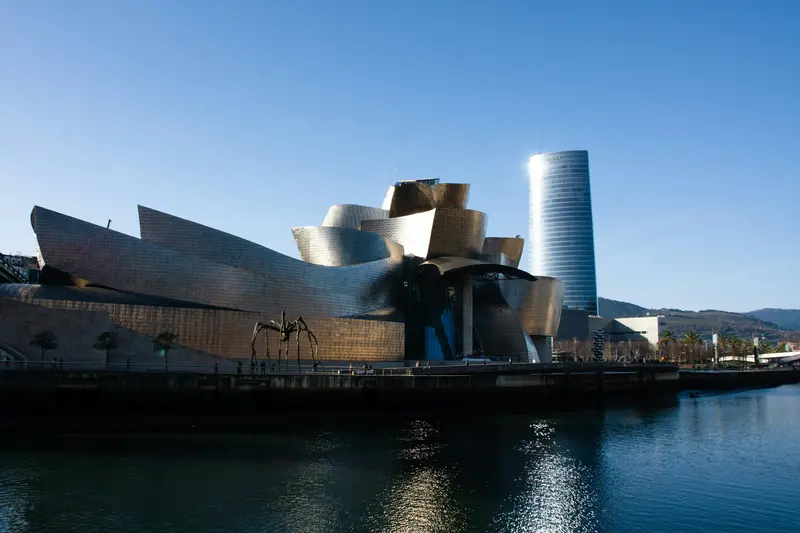
In Bilbao, follow the estuary from the Guggenheim towards the Arenal. The bridges let you switch banks and see how the planned Ensanche neighbourhood connects to the former docks and the old town, or Casco Viejo. Give the museum a time of its own and fit the walk around it. A separate outing to the Vizcaya Bridge reveals how much wider the water is near the mouth of the river. Compare guided visits to the Guggenheim Museum if you are interested in the architecture and the collection.
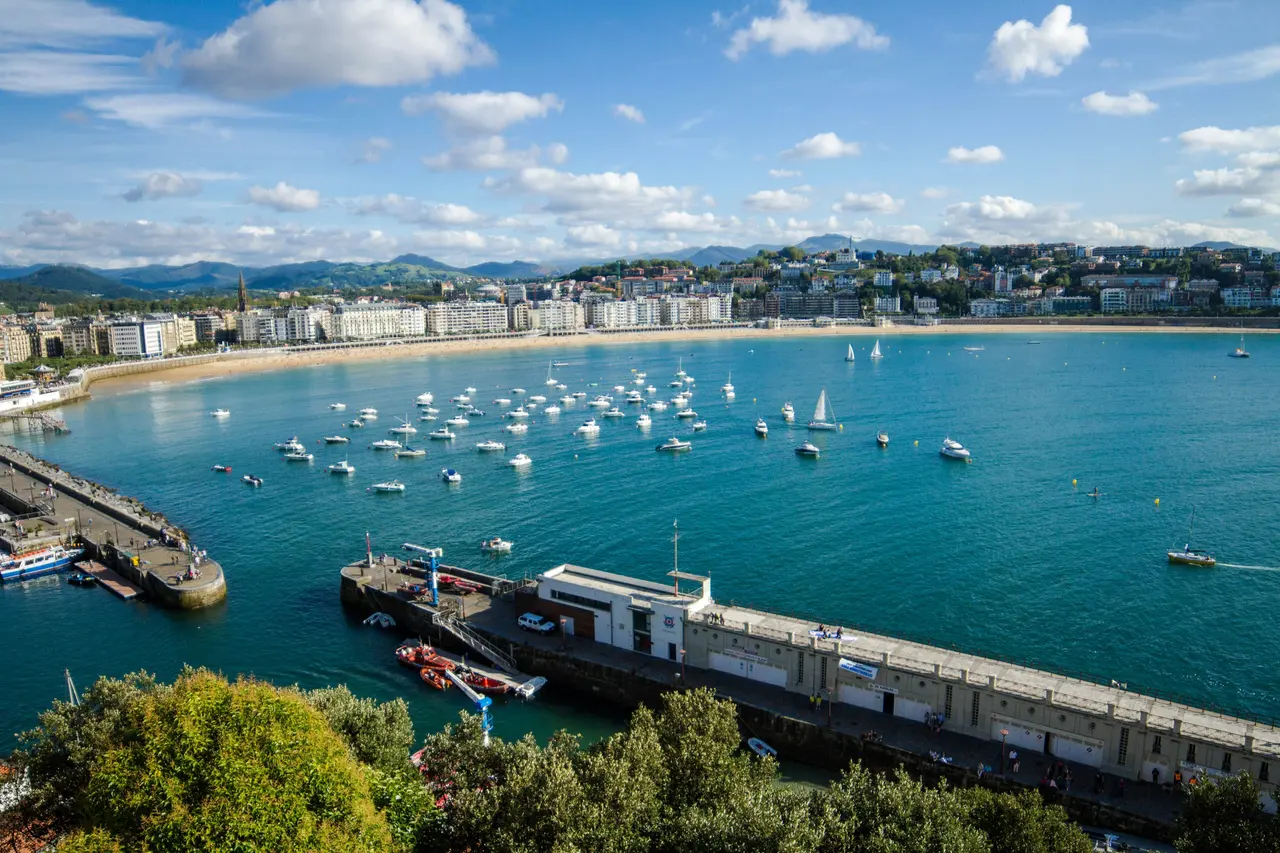
In San Sebastián, take the bay from one end to the other. From the harbour and the La Concha promenade, look out to Santa Clara Island. As you pass Ondarreta, Mount Urgull falls behind and the Wind Comb sculptures appear at the edge of the rocks. Give the old town its own slot for exploring streets and eating. If you are interested in the city’s Belle Époque architecture, include the area around the Buen Pastor cathedral and save the hilltop viewpoints for a clear day.
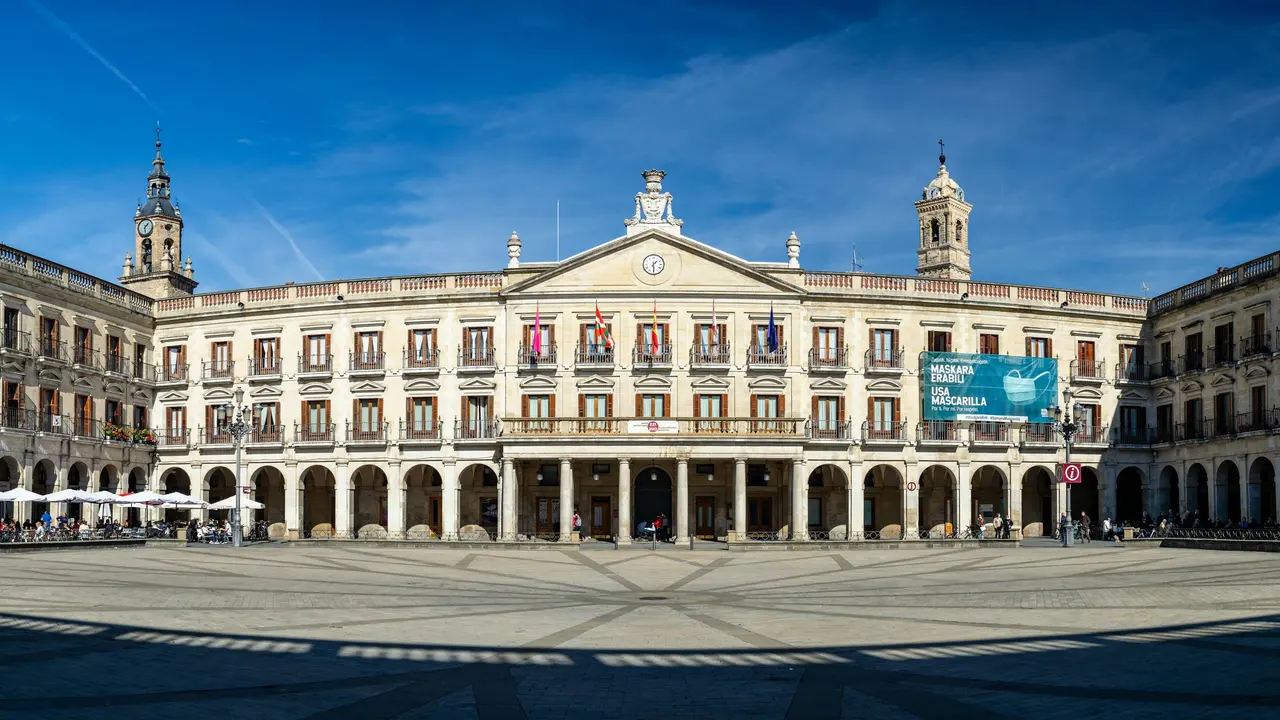
In Vitoria-Gasteiz, climb from Plaza de la Virgen Blanca into the almond-shaped medieval quarter. Follow a curved street around the hill and notice how each level turns back towards the ridge. Santa María Cathedral is at the northern end. The Ensanche and its squares give the day a different pace. With daylight left, walk out to the Green Belt or plan a separate visit to the lagoons and hides at Salburua on the edge of town.
Landscapes beyond the three capitals
Spend a day in Urdaibai if you’re interested in birds and in the relationship between fishing towns and tides. Gernika-Lumo gives you the historical setting. From Mundaka you can watch water move through the mouth of the estuary, while the far bank shows the breadth of its sand flats. Pick a bank first and stop for lunch near your last planned walk.
At the Basque Coast Geopark, compare the viewpoint from land with how the rock layers appear from the water. In Zumaia, start near San Telmo chapel and Itzurun beach. Deba and Mutriku reveal different folds and shapes along the shore. For a southern outing, look across the vineyards from Laguardia and continue to a village lower down the valley. Each of these landscapes rewards an hour observing the same view as the light or water changes.
Monuments and heritage
Bridges, churches and old towns
The Vizcaya Bridge, or Puente Bizkaia, carries a suspended gondola between Portugalete and Getxo. UNESCO recognises its place in the history of transporter bridges. From the quay you can see why that design made sense here: the metal structure leaves the shipping channel clear. The crossing lets you compare the steep old streets of Portugalete with the waterfront at Las Arenas on the Getxo bank.
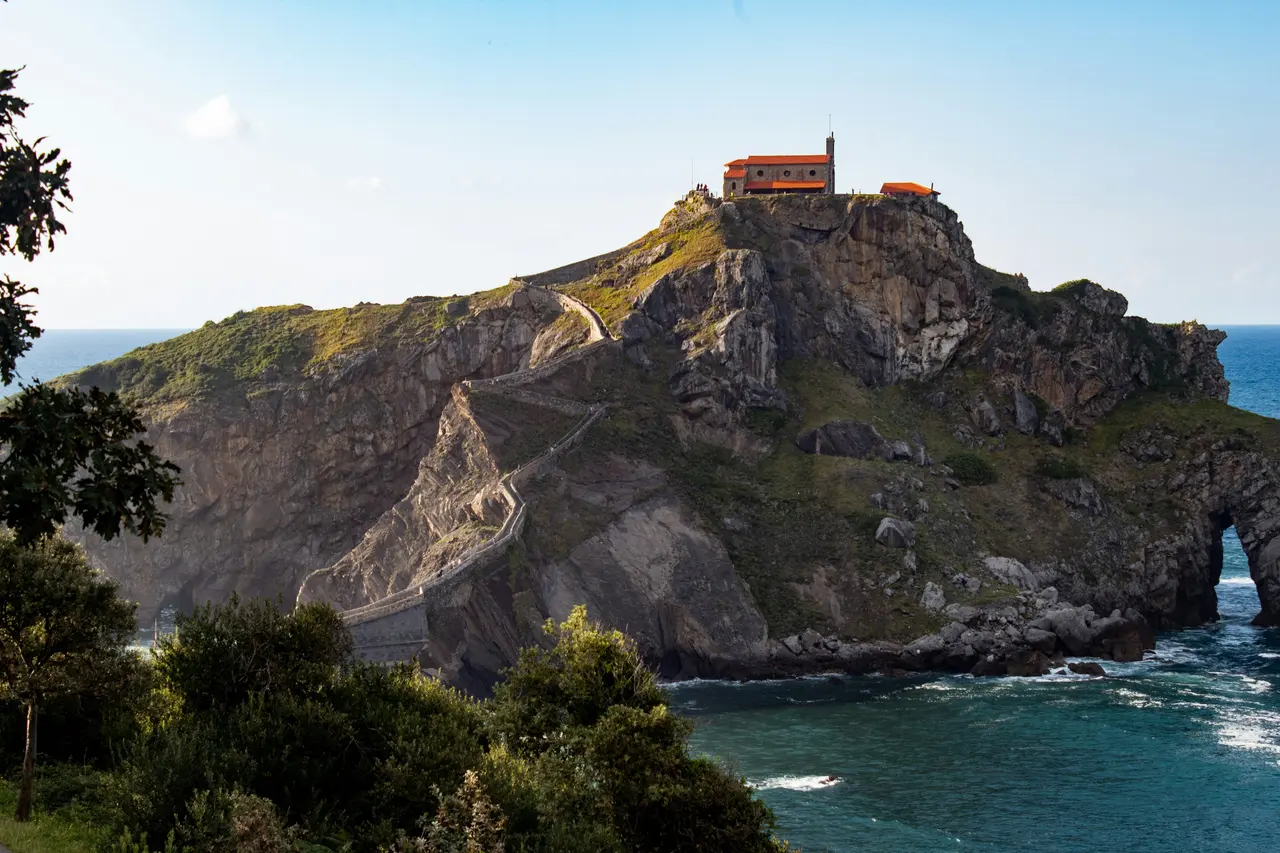
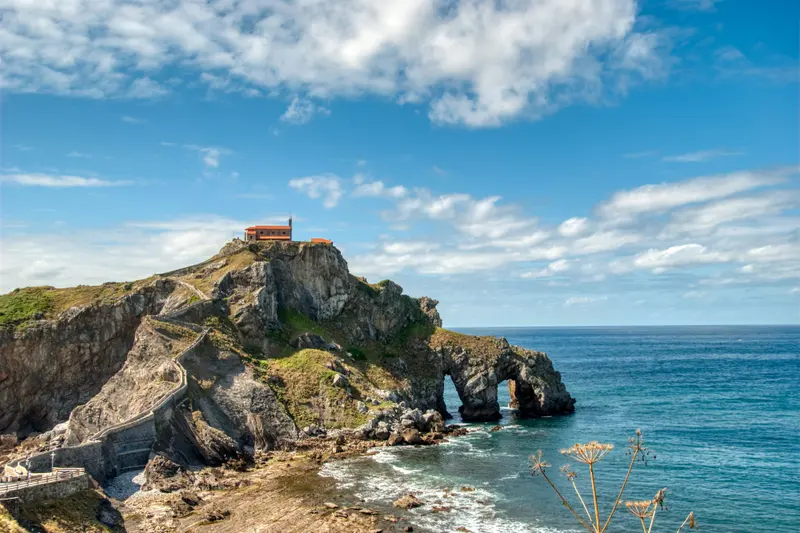
The chapel at Gaztelugatxe is visible on its rocky island from the Bizkaia coast. Religious architecture tells several other stories. At Santa María Cathedral in Vitoria-Gasteiz, the restoration helps explain how the building stands on the hill and how its structure developed. Inland in Gipuzkoa, the Loyola sanctuary brings together the house associated with Ignatius of Loyola and the basilica. Above Oñati, the modern sanctuary of Arantzazu incorporates work by Basque artists. Take a moment outside to see the way its façade sits in the steep landscape.
The Assembly House and the Tree of Gernika give an introduction to the old provincial rights and institutions of Bizkaia. The Peace Museum deals with the bombing of 1937 and the way it is remembered. The two visits need different kinds of attention, so plan a break in the centre if you want to do both. For maritime history, use another day to explore the quays of Bilbao, Getaria or Pasaia.
Museums and culture
Bilbao’s Itsasmuseum sits in the area of the old Euskalduna shipyard. Look at the site outdoors as well as at the displays to connect what you see to the estuary. The Cristóbal Balenciaga Museum in Getaria shifts the focus to the cut and construction of clothes and adds a new dimension to a visit to the port. At Artium Museoa in Vitoria-Gasteiz, you can spend time with contemporary Basque and Spanish art between walks in the old town and the Ensanche.
You’ll see Euskara, the Basque language, on signs and in place names and cultural listings. A few words can make maps easier to read: hondartza means beach and mendia means mountain. Look for a fronton, a court used for Basque pelota. In villages, its position close to the square says something about the social role of the game. For a guided tour or cultural event, check what language the session is in and whether you need a ticket.
Charming villages
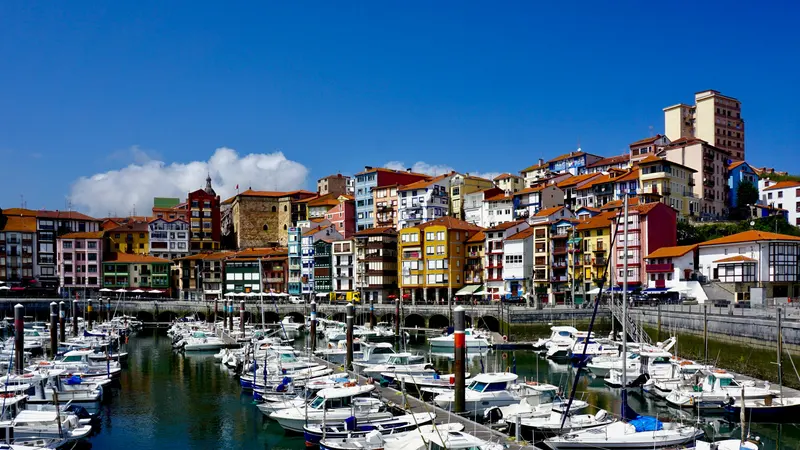
Hondarribia is best understood in two walks. The walled town has gates, sloping streets and stone squares. La Marina has colourful balconies and closer ties to the shore of Txingudi Bay. In Getaria, take the short route from San Salvador church down to the harbour. Mount San Antón gives the waterfront its unmistakable profile. Combine Getaria and Zarautz if you want a longer seaside walk.
In Bermeo, walk down to the harbour and look back at the houses on the slope. Lekeitio looks out towards San Nicolás Island from both harbour and beaches. Watch the changing tide from the mainland. Elantxobe is built on a steep slope, so decide whether you want the view from above or a walk on the quay and allow for the climb back. Balmaseda, in western Bizkaia, puts you next to the Cadagua and gives you a way into the hills and industrial landscapes of the west.
In Álava, Laguardia has an elevated walled centre above underground cellars. The houses of Labastida sit on a slope, with vineyards below and the mountain ridge to the north. Artziniega introduces visitors to the countryside of Ayala, with a compact centre and rural architecture close by. Pair two stops on the same road and use lunch as a break between them. When you want to visit interiors, check which places can realistically fit into the same afternoon.
Nature and protected areas
Marshes, flysch and inland wetlands
Urdaibai Biosphere Reserve brings together marsh, woodland, dunes and farmland around the River Oka. For birdwatching, take binoculars and allow time to stay still. The tide affects where birds feed and how much of the estuary floor you can see. A hide, a boat trip and a walk along a beach each give a different sense of how the water moves through the landscape.
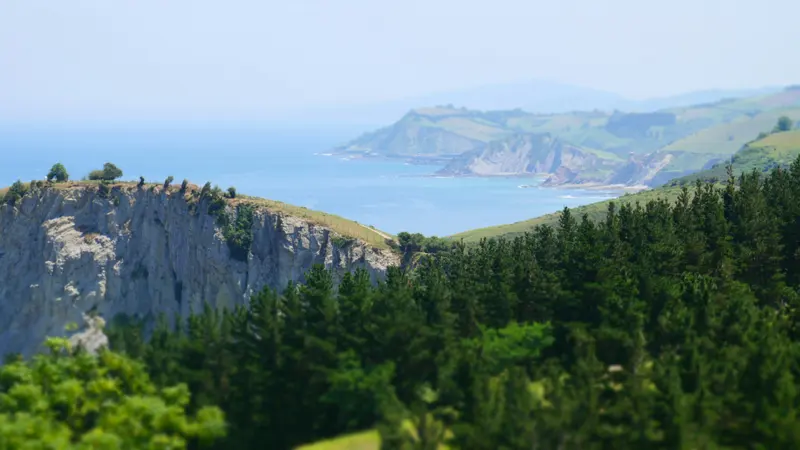
Between Zumaia and Deba, bands of flysch appear in the cliff face and the rock platform exposed at low tide. High viewpoints on the official route show the scale of the formations. If you want to understand the rocks, join a geopark visit for help spotting layers, folds and changes in the stone. Find the designated trails and the relevant access information before choosing where to walk.
Inland, Salburua and the lakes of Laguardia offer birdwatching in very different settings. Gorbeia, on the Bizkaia and Álava border, has both wooded slopes and high routes. In Aizkorri-Aratz, between Gipuzkoa and Álava, an old road through the San Adrián tunnel follows a natural gap through the mountains. Check the climb, the ground underfoot and the visibility before choosing a particular route.
Beaches in the Basque Country
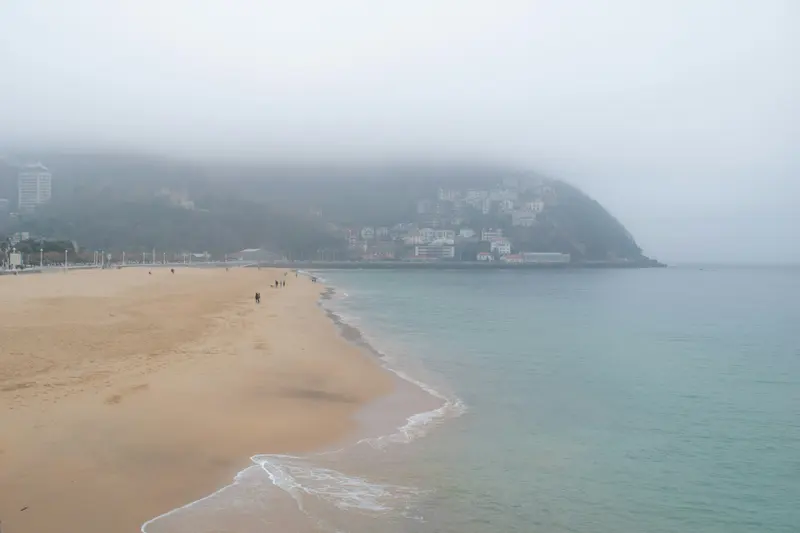
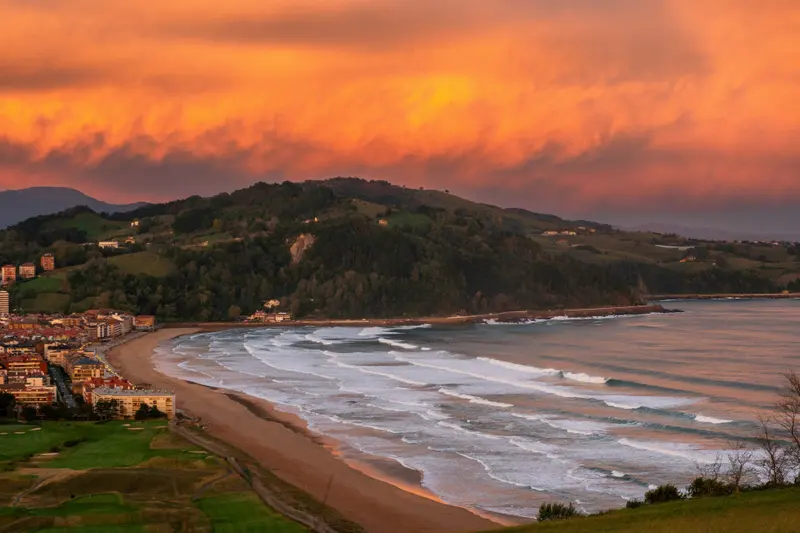
At La Concha you can swim during a city day. Ondarreta, further west, works before or after a walk to the Wind Comb. Across the River Urumea, Zurriola is more exposed to the swell and attracts surfers. Choose the beach for the activity you have in mind and follow the local signs and flags.
In Bizkaia, Plentzia and Gorliz sit on the same bay and make for a leisurely walk. Sopela opens towards the swell, with cliffs and views that change with the tide. Laga sits below the headland of Ogoño, while Laida shifts with the channels of the Urdaibai estuary. Pay attention to warning signs beside tidal channels, including on calm-looking days.
At Zarautz, the long seaside promenade runs beside an open beach. Stay near the town or walk towards its eastern end to see the landscape change around the dunes. In Getaria, compare the orientation of the beaches to the position of the harbour. If the weather changes, you can start with a walk by the sea and spend the rest of the afternoon in the old town or at a market.
Festivals and traditions
San Sebastián held its 2026 Aste Nagusia from 8 to 15 August, and Bilbao held its own from 22 to 30 August. Aste Nagusia means Big Week. Each city has its own programme and venues. In Bilbao, the Arenal and the estuary are important locations and the festivities centre on the figure of Marijaia. In San Sebastián, the bay gives you a reference point for finding events. Check where the ones you want to see actually take place before you choose a room.
The main La Blanca programme in Vitoria-Gasteiz ran from 4 to 9 August 2026. Celedón’s descent into Plaza de la Virgen Blanca sets the festivities in motion. If you have children with you, look at the daytime programme and explore the medieval streets at a quieter point. Agricultural fairs, pelota matches and rural sports give a view of how smaller communities celebrate. Use the programme for your own travel year when you book.
What to eat
How to order pintxos
A pintxo can be a cold bite such as a gilda, made with olive, anchovy and pickled pepper, or it can be a small dish cooked to order. Try one first and look at the bar’s list of hot dishes before deciding what to have next. In Bilbao and San Sebastián, two nearby streets are enough for a short pintxo crawl. In Vitoria-Gasteiz, try the bars in town and save a sit-down meal for a day inland.
Look for marmitako, a tuna and potato stew, or order grilled fish in a port such as Getaria. Salt cod prepared al pilpil and a la vizcaína shows what two sauces can do with the same fish. In cooler months, ask about beans and the accompaniments served with them. Inland, try Idiazabal, a sheep’s milk cheese named after a village in Gipuzkoa.
Txakoli comes from several protected areas, associated with Getaria, Bizkaia and Álava. In Rioja Alavesa, ask about the village your wine comes from and compare a cellar under a medieval street with a winery among the vines. In Gipuzkoa, a sidrería is a cider house where you can eat a meal and, depending on the venue and season, drink cider from the barrel. If you have dietary requirements or are travelling with children, ask how the set meal works before reserving.
Sport and outdoor activities
For a first surf lesson, consider Zarautz, Sopela or Zurriola according to your base and sea conditions. Ask where the group meets, what kit is included and how the school handles a change in the swell. Harbours and seaside promenades give walkers a way to adjust the distance as they go. If you’re walking a section of the Northern Way of the Camino de Santiago, look up the climb as well as the distance and work out how to return to the start.
The Vitoria-Gasteiz Green Belt lends itself to cycling in sections. Visit the Salburua wetlands on one ride and the southern parks on another. For a ride along a former railway, look at the Vasco-Navarro Greenway in Álava and Gipuzkoa. Check the surface on the part you want to ride and plan the return. For hill walking, decide how high to go once you have looked at conditions, and carry a map you can use offline.
Routes and itineraries
Three days from one city
From Bilbao, use day one for the estuary and old streets, day two for the Vizcaya Bridge and the lower river and day three for Gernika and Mundaka. From San Sebastián, alternate your bay day with a day in Getaria and Zarautz and another in Hondarribia or Pasaia. Vitoria-Gasteiz works for a day in the medieval quarter, a visit to Salburua and a trip out to Añana or Laguardia. With all your nights in one place, you can stay out longer when a walk is going well.
Five days and two different landscapes
For a coastal trip, try two nights in Bilbao and three in San Sebastián. On the moving day, add a stop at Urdaibai or the flysch coast according to your transport. If you are using the train, pick somewhere you can manage your luggage and count the walk into town as part of the visit. For a mix of coast and countryside, use Vitoria-Gasteiz as the second base. Follow a day in town with another in Rioja Alavesa.
A week between the coast and Rioja Alavesa
Give Bilbao and a day trip in Bizkaia the first part of the week, San Sebastián and the Gipuzkoa coast the middle, and Álava the final part. For fewer changes of accommodation, pick two bases and keep the day trips in a compact area around each one. If the vineyards are a priority, spend the final night in Laguardia or another wine village. You will have time for a walk the next morning before making one short stop on the way out.
Travelling with children
Bilbao’s waterfront gives you space to move, bridges to cross and somewhere to turn back when everyone has had enough. In San Sebastián, Ondarreta and the bay promenade also make an outing you can shorten easily. At the wetlands in Vitoria-Gasteiz, bring binoculars and see how many birds you can identify from one spot. Allow time for one main activity before adding a second drive. With a pushchair, find a route with gentle approaches and save the smaller cliff-top paths for another time.
Where to stay in the Basque Country
Bilbao works for separate days in the centre, by the Vizcaya Bridge and around Gernika. Consider Abando or the wider Ensanche for station access and walks by the river. In San Sebastián, the Centre and Gros put you next to different beaches. If you are staying during a festival, compare your hotel’s street with the event map. In Vitoria-Gasteiz, the Ensanche gives you access to the old squares and convenient ways out of town.
For a coastal break, look at rooms within walking distance of the harbour in Lekeitio or Getaria and check the route to the shore. For a wine trip, spend at least a night in one of the Rioja Alavesa villages if you want to walk back after dinner. Mark which excursions require a car and find out where you can leave it before comparing hotel locations.
See places to stay in the Basque Country (opens in a new tab)Affiliate link: if you book through it, we may earn a commission at no extra cost to you.
Practical tips and common mistakes
- Plan the approach and the visit together. Gaztelugatxe, tidal rock platforms and estuary beaches can need different timings. In 2026, Bizkaia’s provincial authority operated a reservation system for Gaztelugatxe on controlled access days. Check entry, the path and daylight before deciding what else to see.
- Write down the station as well as the town. Save the exact station for every leg and know which stop you need for the old centre. A morning train out and a bus back can suit some outings.
- Keep an alternative for poor visibility. On a day of low cloud, swap a high walk for a valley, a town or a museum. Before reinstating a hill route, check the ground conditions and the exposure.
- Book the indoor visit that sets the day’s timing. A winery, a cathedral or the Añana salt valley may have a separate meeting point. Save that address before arranging the outdoor stops around it.