Español
 English

Why visit Almería province
When looking for things to do in Almería province, start by noticing the places where the hills meet the sea. The Alcazaba looks out over a working harbour. In Cabo de Gata the volcanic rock extends to the water. Drive inland towards Tabernas and the hills open out into ravines and dry riverbeds. Any of the three makes a different itinerary in this eastern corner of Andalusia.
The interior deserves time of its own. On the Almería side of the Alpujarra, villages sit among gardens, slopes and riverbeds below the Sierra Nevada. Farther north, the Los Vélez district has another group of small towns framed by upland valleys. Pick one area for a rural day. The two fit onto different journeys into the province and leave you more time to look around when visited separately.
For a week by the sea, choose the stretch of coast before booking your room. An afternoon outing that looks easy from San José can take a good part of the day from Mojácar. Ask whether you’d like to walk to a beach each morning, spend a few days in a protected landscape, or visit different parts of the province from a city. Your answer helps you choose the right sort of base.
When to go
Time for the coast and time for walking
In spring you can spend the clearest hours walking above the shore and save Almería city for a windy day. In autumn, decide on swimming on the day according to conditions and keep a walking alternative. If you are coming for the geology, a bright morning above the coves brings the different forms of the cliffs into view without requiring a whole day on the sand.
In summer, start early in Tabernas and on exposed slopes. For a beach with little shade, count the hours you will spend outside and where you can get more water. Make the late part of the day easy to organise. Walking back from a beach in the village may suit the group better than driving back up a long access track once everyone is tired and hungry.
In winter, check the coastal and mountain forecasts separately. In Los Vélez or on a higher walk towards Sierra Nevada, look up conditions for the heights you actually intend to reach. Avoid taking shortcuts across a dry riverbed after heavy rain. On a short winter break, base yourself in the city if you want the choice of an indoor visit and a shoreline walk when there’s a dry spell.
Getting there and around
In 2026, Aena’s network included Almería Airport (LEI). Check the onward trip to your first hotel if you are going to Mojácar, San José or Laujar de Andarax. To begin in the city, you can collect a hire car when you leave for the park. If you are driving in from Murcia, you could start in the eastern part of the province and finish near Almería. Plan around the first place where you want to spend several hours.
Plan the return as well as the outward trip
When travelling by bus, identify both the settlement and the precise stop. The upper part of Mojácar and the shore are different destinations when you have luggage or want to go straight to the beach. If you are switching from an intercity bus to a local service, check where the last useful return leaves. On a cove trip, include the walk between the stop and the water in your plans.
Group the drives into areas. A morning round the lighthouse and salt pans works from a western base. For a separate day around Rodalquilar and Las Negras, look up the road between the villages and use the designated approach to each stop. If you are going to the beach on the day you change hotels, work out where to leave your bags before deciding to spend several hours away from the car.
What to see in Almería province
Things to do in Almería province on a first visit
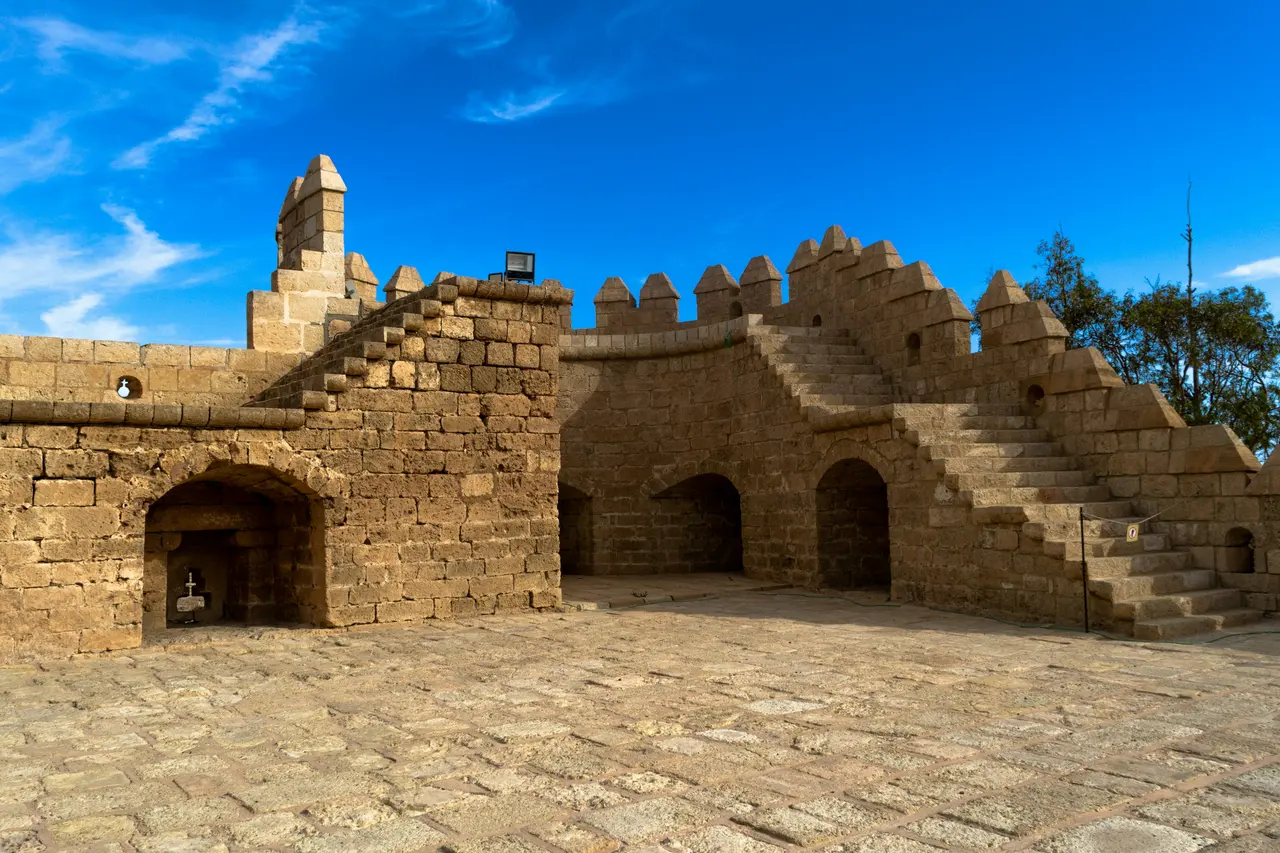
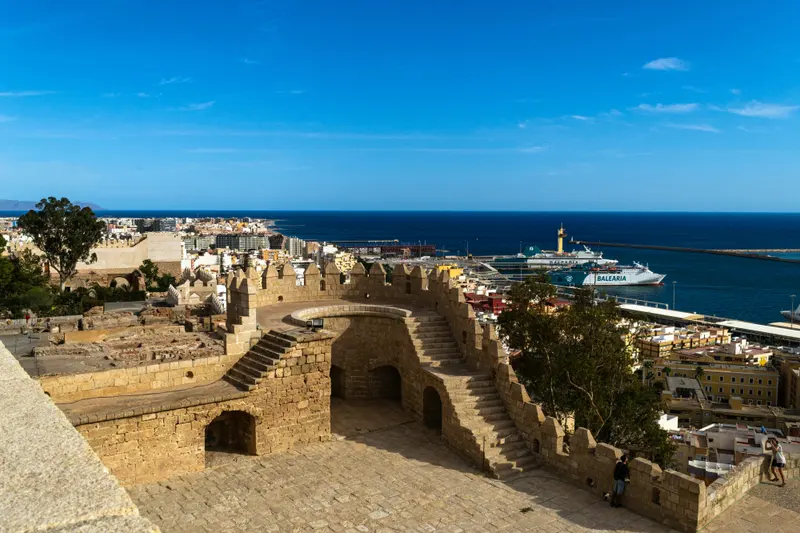
In the city, start at the Alcazaba to see how the fortress looks out over both the port and the old town. Walk downhill to the cathedral and return to the waterfront by different streets. The Cable Inglés is a clue to the industrial history of the shore. Iron ore was loaded onto ships from the structure. Allow another part of the day for the seafront promenade if you also want to see the city beyond the historic centre.
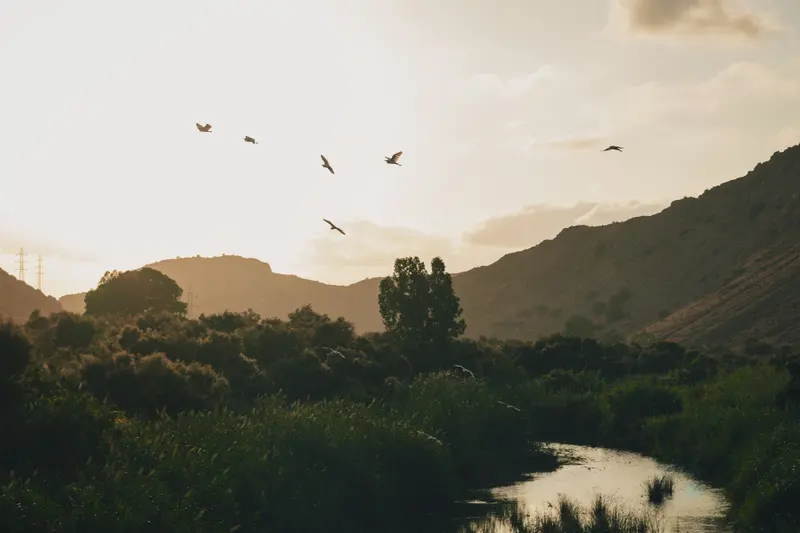
For a first day in Cabo de Gata, pair the salt pans with the lighthouse area. At the observation points, look for birds moving between areas of open water. At the lighthouse, look along the contours of the rocky coast. Keep San José or Rodalquilar for another outing if you want to walk or see the change in the shape of the coast elsewhere in the park.
From the desert to the eastern coast
Choose your focus at Tabernas. The ravines show erosion at work in thinly vegetated country. The film sets show how directors put that terrain to use. Take on whichever part of your plan needs clear light or an outdoor walk at a suitable time. If you explore on foot, use a designated route and identify your way back before following a ravine. The bends can make it difficult to see where you began.
In Mojácar, spend a part of the day on the hillside. Walk from a viewpoint into the lanes and head down to the beach area if the afternoon suits. Farther north, Pulpí offers a visit underground. The large geode is inside Mina Rica and is seen from its entrance. Check how the visits are arranged and whether the people in your group can do the route before driving there for the geode alone.
Monuments and heritage
Fortress, cathedral and harbour in Almería
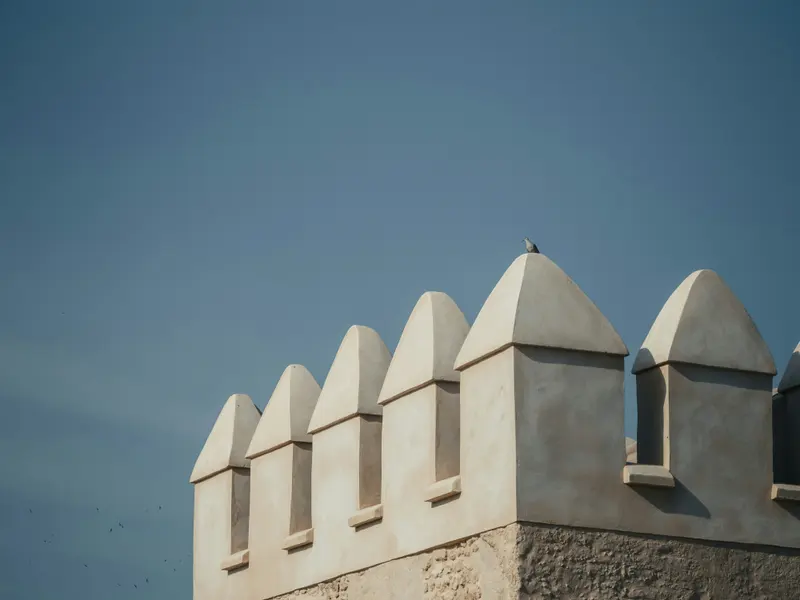
At the Alcazaba, look at the way the different enclosures step up the slope and how their function changes on the way uphill. The walls and the view towards the hill of San Cristóbal make sense of a part of the city’s profile that is difficult to see from the squares below. Check which areas can be visited on your dates and leave some time for the setting outside if work is in progress.
The cathedral looks fortified, especially from the side streets as well as the main square. Compare its outline to the fortress on the hill if you want to understand how two different buildings address protection. By the port, look down the length of the Cable Inglés from the shore to see how far it takes the railway structure out to the ships.
The castle in Los Vélez and mining in Rodalquilar
In Vélez Blanco, the castle stands above a steep village. Its military form and past as a Renaissance residence give you two ways of looking at it. Include a walk lower down so you can see why the position is so visible from neighbouring slopes. Follow it with Vélez Rubio if you have a day in the area. Look for the Church of the Encarnación as a starting point for a walk through its old town.
In Rodalquilar, gold mining shaped an entire coastal valley. Look at the remains from the permitted routes and see where the former installations sit against the slope. Visit the park’s interpretation facilities if you want to know how the workings were organised. Stick to designated paths around the old buildings, where there are holes and abrupt changes of level.
Museums and culture
The Spanish Civil War shelters in Almería show the work that went into protecting people underneath the city. Check the council’s updates for your dates. As an alternative, follow the history of the old loading pier with a walk by the Cable Inglés and towards the harbour. If you are looking into the area’s film connections, check the Casa del Cine before setting aside time for the journey from the centre.
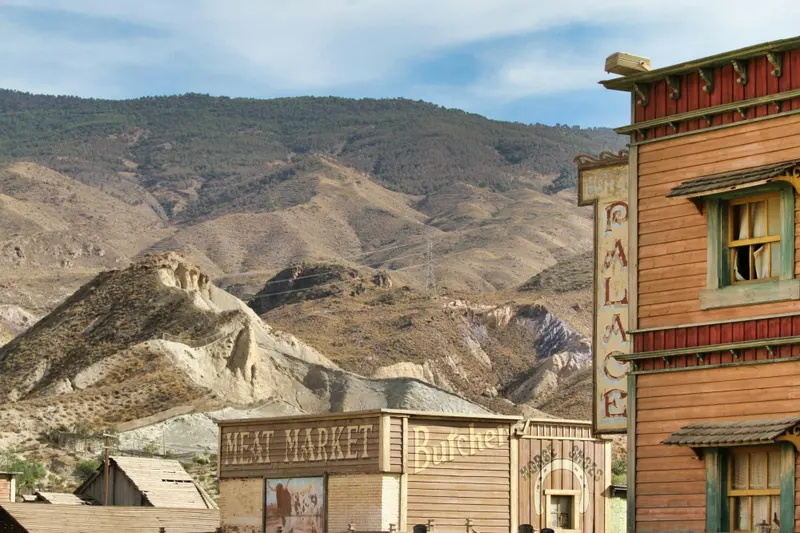
An outing about film in Tabernas works best when you know whether you want to explore a set or recognise the backdrop used in the films. The choices include film history and venues centred on family entertainment. Read what a particular venue offers before giving it half a day. If you want to see the geology too, leave time to compare the dry slopes with the views that appear from inside the set.
Charming villages
Níjar is an outing from the coast for ceramics and woven rugs called jarapas. Look for workshops and shops in the inland village, then climb into the old centre for a view over the plain. When you book a beach stay, check whether an address listed under Níjar is actually the name of a coastal settlement. The municipality covers large parts of the park, and driving from the village to a cove is a separate journey.
In the Alpujarra, Laujar de Andarax and Fondón lie around the upper Andarax valley. Spend part of the day on foot in either village before getting back into the car for the valley. Laujar can be paired with the El Nacimiento area. Select a walk at a level that works for the people you are travelling with. In Fondón, a smaller loop and a meal nearby make a relaxed stop before you move on.
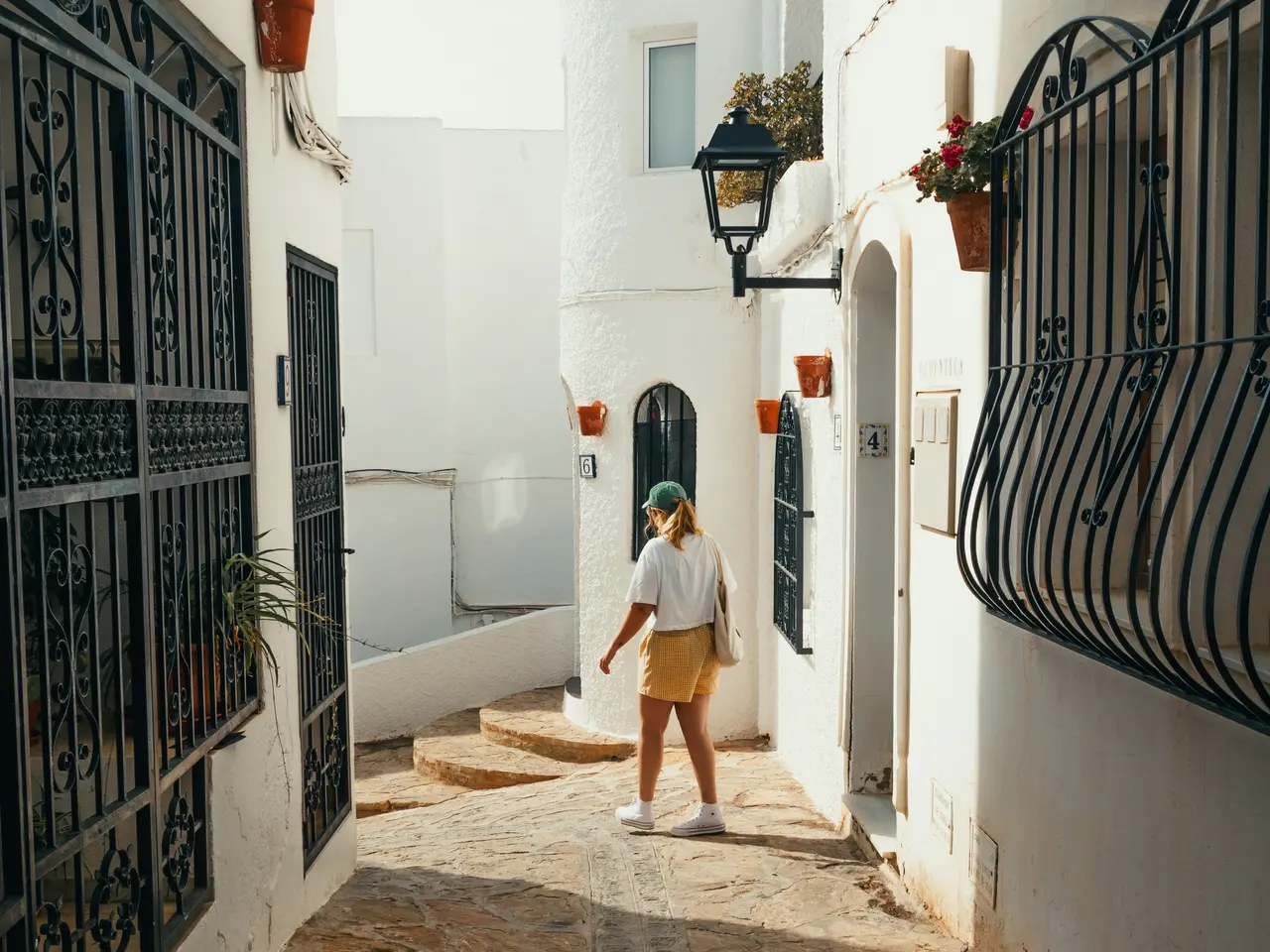
Mojácar old town and Agua Amarga make good outings for different reasons. Mojácar is a steep walk with views to the coast and the interior. Agua Amarga opens directly onto its beach. For one afternoon, decide how much uphill walking you want to do and where you would like to eat. La Isleta del Moro suits a short outing in a small coastal village with views along the shoreline from rocky points.
Nature and protected areas
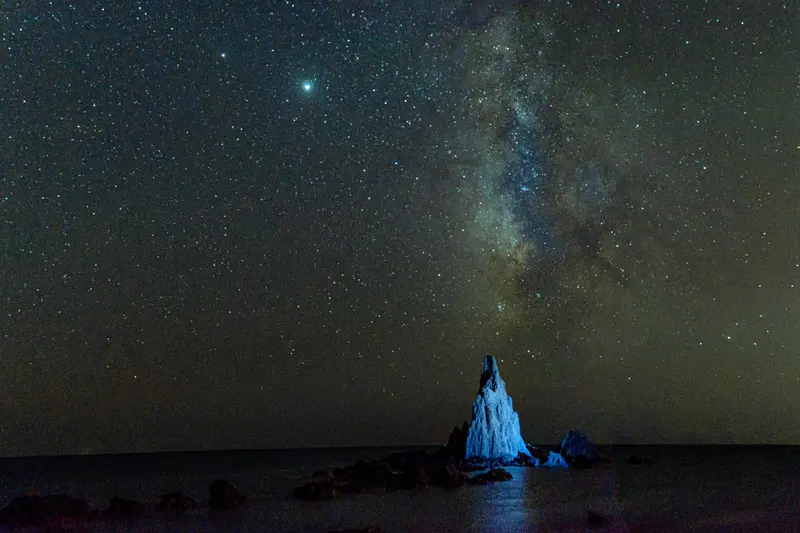
Cabo de Gata-Níjar, cove by cove
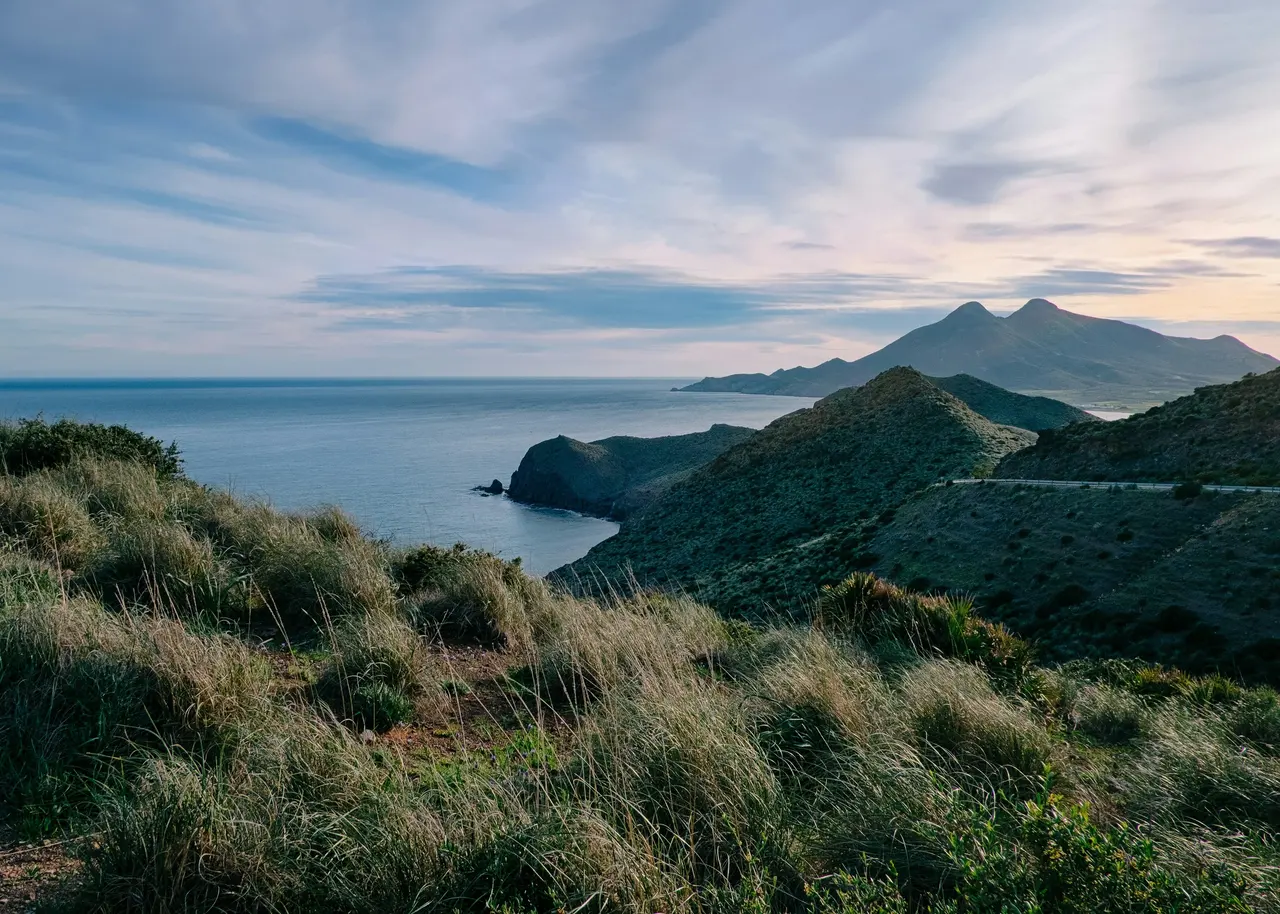
The natural park takes in salt pans, dry ground, volcanic slopes and coves. Pair a place close to sea level with a view from higher up. Near the lighthouse, look towards the dark rocks of the Arrecife de las Sirenas. At the salt pans, use the designated viewing spots and give the birds room on the water. Looking at the outline of the coast from above puts the older volcanic material and the bays beside it into perspective.
Around Rodalquilar, think about how geology and mining fit together. If you plan to walk by the coast, check how to reach the proper access, whether the route crosses private land and how much is exposed to the sun. Save the specific trail name so that a navigation app can distinguish an entrance from the nearest road. Following rain, check the condition of the path and keep clear of flowing channels.
Dry riverbeds, mountains and pine woods
Near Tabernas, a walk along a dry riverbed can make the role of water in shaping the hills more apparent than a series of roadside stops. Look at the cuts in the slope and how far apart the valleys lie. Carry enough water for the return and know where you will turn back. A short section at a good time of day can show the geology in as much detail as a more demanding outing.
On the Almería side of Sierra Nevada, the valleys below the high ground suit river or woodland outings. Pick the altitude and type of walk after checking conditions. In Los Vélez, the Sierra de María offers another limestone and pine landscape. When putting together a day with a castle and a mountain walk, look at where each starts and leave the short outing for later.
Beaches in Almería province
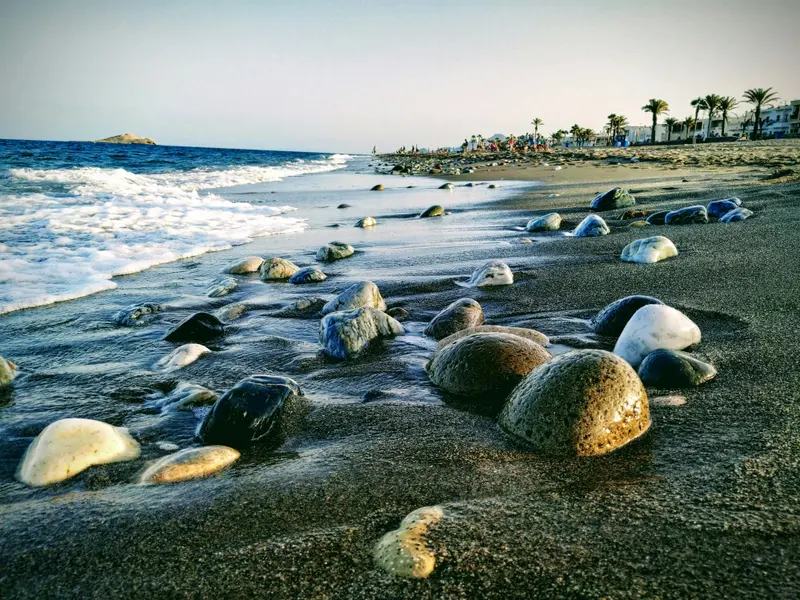
Genoveses and Mónsul from San José
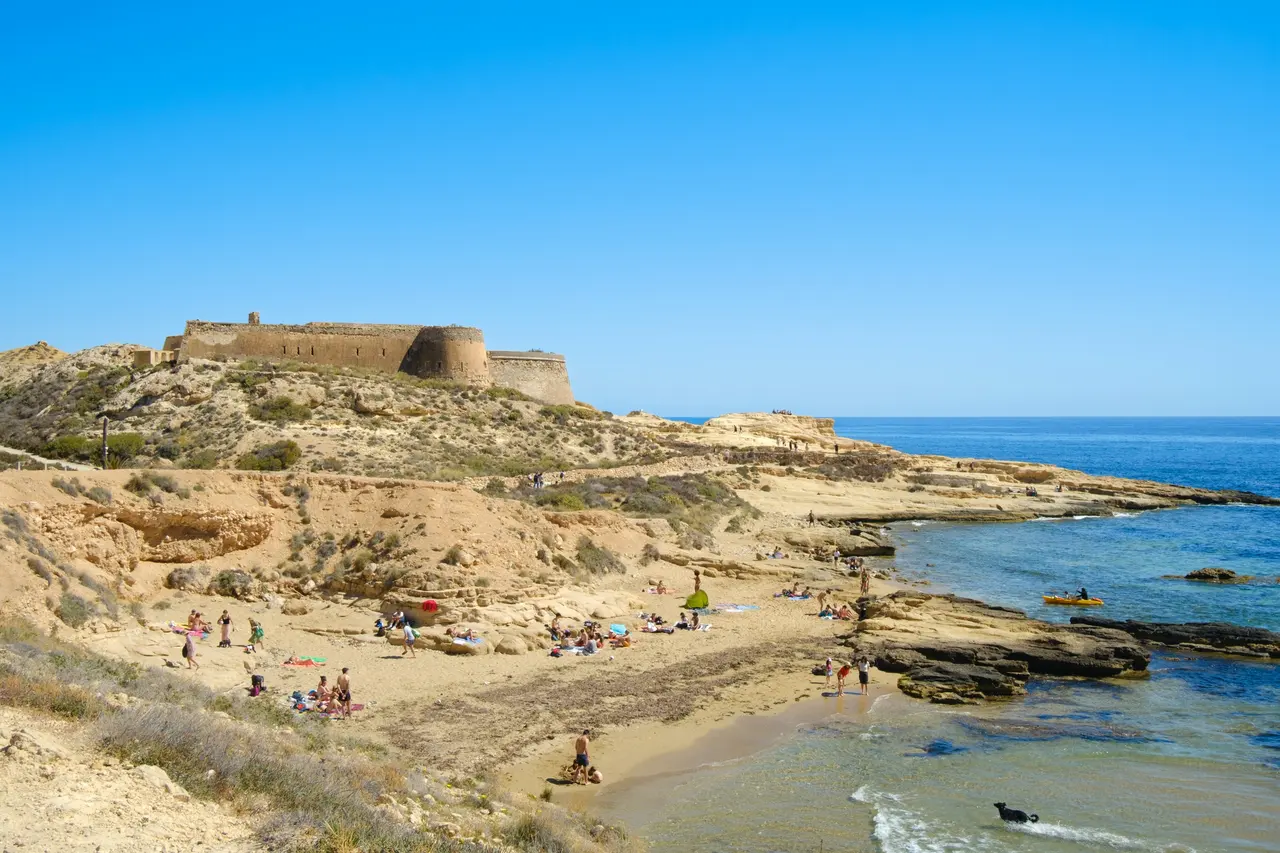
Los Genoveses is an open bay, while Mónsul has prominent volcanic rock by the sand. The regional government controlled access by car to both beaches and Cala Carbón from 20 June to 27 September in 2026. Check the official notice for your own dates and arrange your return before leaving San José. Take water for the outing and look at the wind forecast. In rough conditions, leave time for the rocks and return to the village to spend the rest of the afternoon.
From the eastern shore to the city beaches
Getting to Los Muertos, near Carboneras, involves a walk down and a climb back up. Bring footwear for the path and check the sea before entering. For a short outing with somewhere to eat on foot, consider the beaches in Carboneras or Agua Amarga. In Las Negras, you can go from the village to its beach without having to carry supplies for a whole day.
On the west side of the province, Aguadulce and Roquetas de Mar work for a stay with waterfront walks and services near your room. In Almería, El Zapillo lets you add a beach or promenade walk to a city day. Look up the stretch of shoreline near your accommodation and check what the walk back is like if you will have children or gear with you.
Festivals and traditions
The Almería Fair took place from 21 to 29 August 2026 in honour of the Virgen del Mar. To attend a future edition, locate the city-centre events and the fairground activities separately before choosing where to stay or eat. Decide how to leave the fair at the end of the event you want to see. With children, leave space between a daytime outing and an evening at the fair.
In Mojácar, the Moros y Cristianos celebrations include parades and re-enactments. Check the location of the individual event and the uphill approach if coming from the coast. In Níjar, ceramic work and the weaving of jarapas provide a way to learn about traditional crafts at other times. If buying something, ask what part of the process was done in the workshop.
What to eat
In the city, try a drink with a tapa before ordering a larger plate to share. Look for jibia en salsa, cuttlefish in sauce, as well as fried or marinated fish. Ask about the fish available that day and how it is prepared. Gurullos are small pieces of pasta cooked in stews. Try them during a sit-down lunch if you are curious about how the pasta is used in the broth.
Inland, look for olla de trigo, a wheat stew, or migas, which have different accompaniments. Depending on the area and the kitchen, they can come with fish, sausage or peppers. In the Alpujarra, set aside time for one long lunch during a village outing. If you want to taste wine around Laujar or elsewhere in the valley, plan your transport back before booking the visit. Kitchen hours may differ from what you are used to, so check the place you are relying on for dinner after a long drive.
Sport and outdoor activities
For walking in Cabo de Gata, compare the access, slope and return between beaches. Even the route from a village to the shore can be exposed to sun for much of the way. For kayaking or diving, choose an operator who can assess the wind and sea state and explain where the group will go if conditions change. One coast can suit a cliff walk and need a different plan for getting onto the water.
At Tabernas or inland from Níjar, pick a walking objective and carry water for the whole outing. Download the map to distinguish one ravine junction from another. For cycling, look for a surface that suits your equipment and clear places to stop or turn around. If you want to reach higher ground in Sierra Nevada, check the weather at the level you are going to and reduce the climb when the group is equipped only for easy walking.
Routes and itineraries
Three days. Spend day one in Almería. On day two see the salt pans and lighthouse, with a stroll in San José if you will start there the following day. Make the third day about Genoveses or Mónsul, with a way back arranged and the other beach as an alternative. If geology and film come first, put Tabernas on day three and give the coast one full day.
Five days. Add an outing around Rodalquilar and La Isleta del Moro. On day five, explore Mojácar old town or stay for an evening meal in Agua Amarga, according to where you are staying. If the trip is mostly about walks, use a base in the park and change rooms as you head towards Mojácar. On a travel day with luggage, choose a short town visit rather than spending the entire afternoon in a cove between hotels.
One week. Use two nights in Almería or near the western side of the park and two farther east. Pick an interior area towards the end. Tabernas and the Alpujarra fit a return towards Almería. When driving towards Murcia, consider two days divided between Pulpí and Los Vélez, with separate time for the mine and the mountain scenery.
Travelling with children
Pair an easy city outing with a beach stay that lets you walk back to your room for a rest. For a first trip into Cabo de Gata, use binoculars at the salt pans and fit in a walk around San José. That is easier with a small child than several journeys along tracks. Agree on somewhere to meet on the beach and have a time in mind to leave, especially when there is an uphill route back to the car.
If the group wants to see the geode or an attraction at a film site, check age limits and walking requirements before committing. In the Alpujarra, make the first objective a manageable section of path and decide there whether to go farther. On a winter holiday, a room within easy reach of an indoor activity gives you somewhere to go when a planned outdoor outing is cut short.
Where to stay in Almería province
Almería city. Stay near the old centre to start early at the fortress. Consider the seafront if you want an evening walk close to your room. Compare the two if you are heading for the airport or driving to Tabernas the next day.
Cabo de Gata or the eastern shore. San José works for its neighbouring coves. Rodalquilar, Las Negras and Agua Amarga sit within different clusters of possible outings. Use Mojácar beach for services along the shore or the old town for an evening on the hill. Check the actual street and the parking options before you settle on an address.
Inland. Laujar de Andarax suits a trip based around its valley and short walks. In Los Vélez, choose a village according to the routes you intend to do, when you want to see the castle and whether you would like to walk to dinner. A night close to the trail gives you a head start on the morning’s outing.
See places to stay in Almería province (opens in a new tab)Affiliate link: if you book through it, we may earn a commission at no extra cost to you.
Practical tips and common mistakes
Save the right entrance. The beach, its car park and a nearby viewpoint may all have different approaches. Work out the final leg for trails and monuments while you are still on the main route with coverage.
Plan for effort and light. Carry enough water and put the most exposed part of the walk first. On a day with a long climb and a shorter stroll, leave the flexible outing for a time when you can cut it short if you want to.
Keep an alternative for coast days. Wind can change a kayaking trip or a plan for several hours on the sand. Identify a town outing or a sheltered walk near your base. For an organised activity, check the meeting point if the departure beach changes.