Español
 English

Why visit Catalonia
The best things to do in Catalonia depend on the landscape you want within easy reach in the morning. In Barcelona that means building a day around a few streets, buildings and markets. From an Empordà village you can spend the morning beside fields and end it at the Mediterranean. To the west, Pyrenean roads lead up through meadows to stone churches and lakes. In the south, rice fields and lagoons spread out where the Ebro reaches the sea.
Each province makes a different kind of trip possible. Barcelona province puts the city, Montserrat and the Penedès within the same itinerary. Girona province links the Costa Brava with an old city and the volcanic country of La Garrotxa. In Lleida province, pick a valley for Romanesque churches and Pyrenean walks. Tarragona province lets you pair the Roman city with either the vineyards of the Priorat or the flat country of the delta.
On a three-day trip, choose one city and an outing you can switch to the clearest day. Over a week, two bases make it easier to enjoy the last hour of daylight. Use the transfer to see a place on the way. If long walks are your main reason for coming, sleeping near the right valley entrance will give you more time outside than adding another city at the end of an afternoon.
When to go
Choose a season for the trip you want
Spring works well for a mix of streets, gardens and coastal footpaths. Build a heritage day around the visit with the least flexible entry time. On the other side of the region, a warm week by the coast can coincide with lingering snow high in the Pyrenees. Use a forecast for the intended route and find out what the ground is like before choosing a mountain walk.
In summer, make an early start in cities, on exposed footpaths and out among the rice fields. Use the hottest part of the day for lunch, a museum or a break at your accommodation. A broad town beach and a narrow cove down a stepped path take different amounts of planning. If you are bringing a parasol, a buggy or a picnic for several people, check the approach from the road before choosing the cove.
In autumn, the Penedès and Priorat fit a trip that combines wine country with towns and lower trails. There can be sheltered days for a dip, but check beach facilities if you are counting on them. Carry a light windproof layer and give yourself enough time to finish a rural walk in daylight. If the wind makes the seafront unappealing, a covered market or a museum in the same area saves a long detour.
Winter can mean an architecture break or a holiday in the snow. A clear morning on the city walls of Girona or around the excavated sites in Tarragona takes little equipment. A day in a high valley takes a closer look at road and snow conditions and a plan suited to the group. For a short trip, choose a base from which you can still do something outdoors at lower altitude.
Getting there and around
Arriving from elsewhere in Spain or abroad
In 2026, Aena listed the railway station at Barcelona-El Prat (BCN) in Terminal 2 and metro stops at both terminals. Look up the terminal on your ticket and the nearest stop to your accommodation before deciding how to go across town. Build in a transfer if your route starts in the other terminal. For an early flight home, check the airport journey again for the actual day and time of departure.
For passengers coming from Madrid, Renfe offered trains to Barcelona Sants in 2026. Sants is handy both for a first stay in the city and for an onward railway journey. If you are flying into Madrid and buying the train separately, allow for the transfer from the airport to the departure station. Compare the full journey when considering Girona or Reus airports for a beach holiday. A flight that lands closer on the map can still mean a longer transfer without a car.
Where rail works and when to hire a car
It is possible to plan a city trip around Barcelona, Girona and Tarragona, then spend the best part of each day on foot. Check the complete station name. Camp de Tarragona is outside the city, so the train journey to that station is only part of getting to Tarragona’s old town. A coastal station can be only a short distance from the sea yet still require a footbridge, subway or walk uphill to get to your accommodation.
For smaller coves, delta villages and some mountain outings, a car makes it easier to link stops and stay out longer. Consider collecting one as you leave Barcelona and returning it before your final nights in the city. Judge the inland driving day by time on the road. When changing accommodation, ask where you can stop to unload if you are booking in the old centre of a town with pedestrian streets.
A bus can open up outings beyond the rail network. Check the return before planning lunch or committing to a long walk, especially if you are travelling on a Sunday. If your walk finishes at a different stop, look up that specific stop and which side of the road you need. Arrange a taxi from a small settlement in advance if your outing depends on it.
What to see in Catalonia
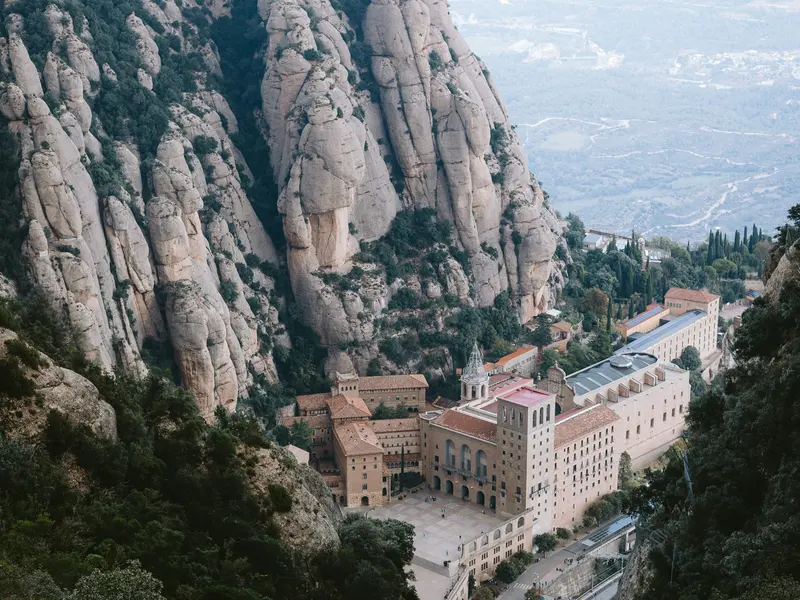
Things to do in Catalonia on a first trip
Give Barcelona one day for the Eixample and another for the old city. In the Eixample, look for the differences between a basilica, a private apartment building and a former hospital. In the old town, go from the squares around the cathedral to El Born and then towards the harbour. Treat Montjuïc as a separate walk or museum outing. The distance on a map gives little idea of how the climbs will shape your day.
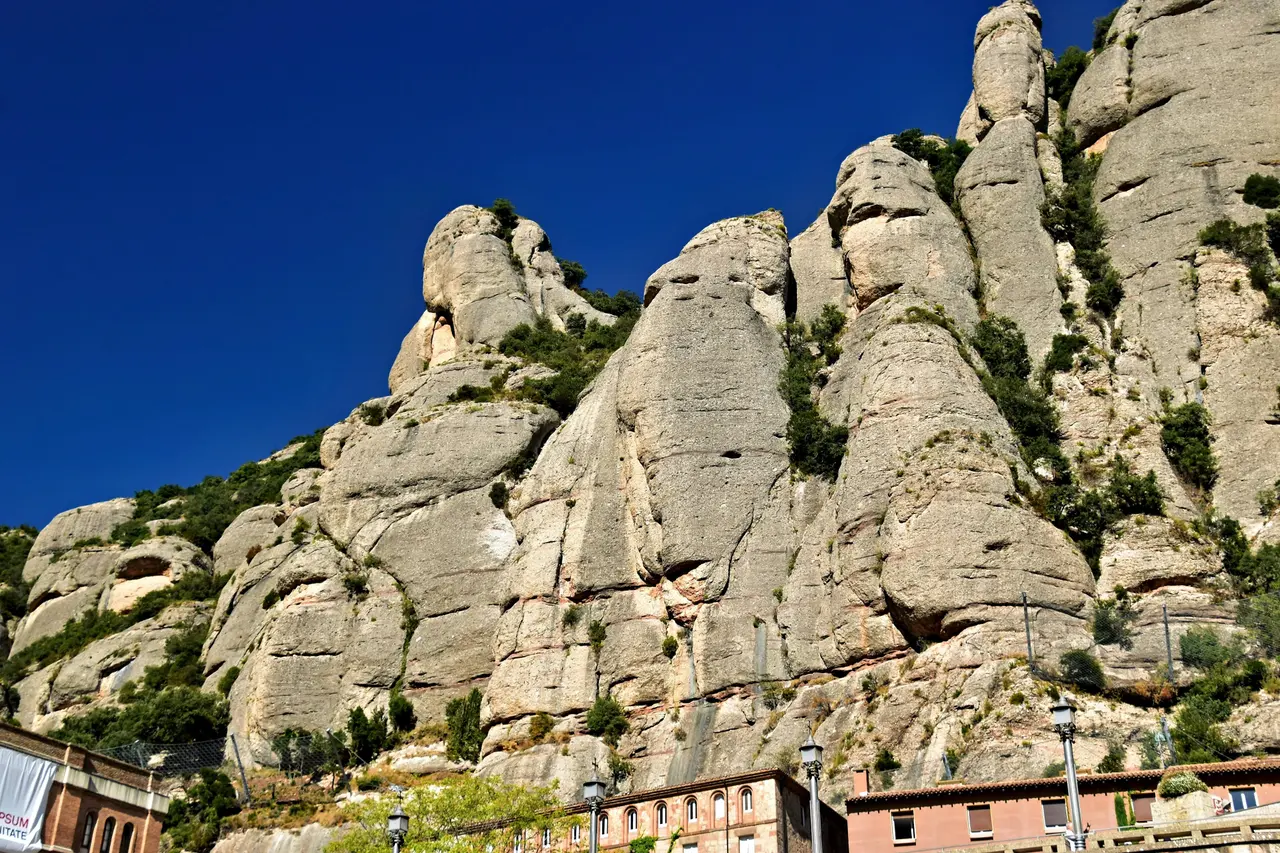
At Montserrat, the monastery occupies a shelf below towers of conglomerate rock. A visit to the basilica and time outdoors make good companions, but give the walk a clear objective. Some routes climb quickly even when the distance is modest. For a car-free outing, compare the rack railway and cable car approaches and check the whole chain of connections for the journey back.
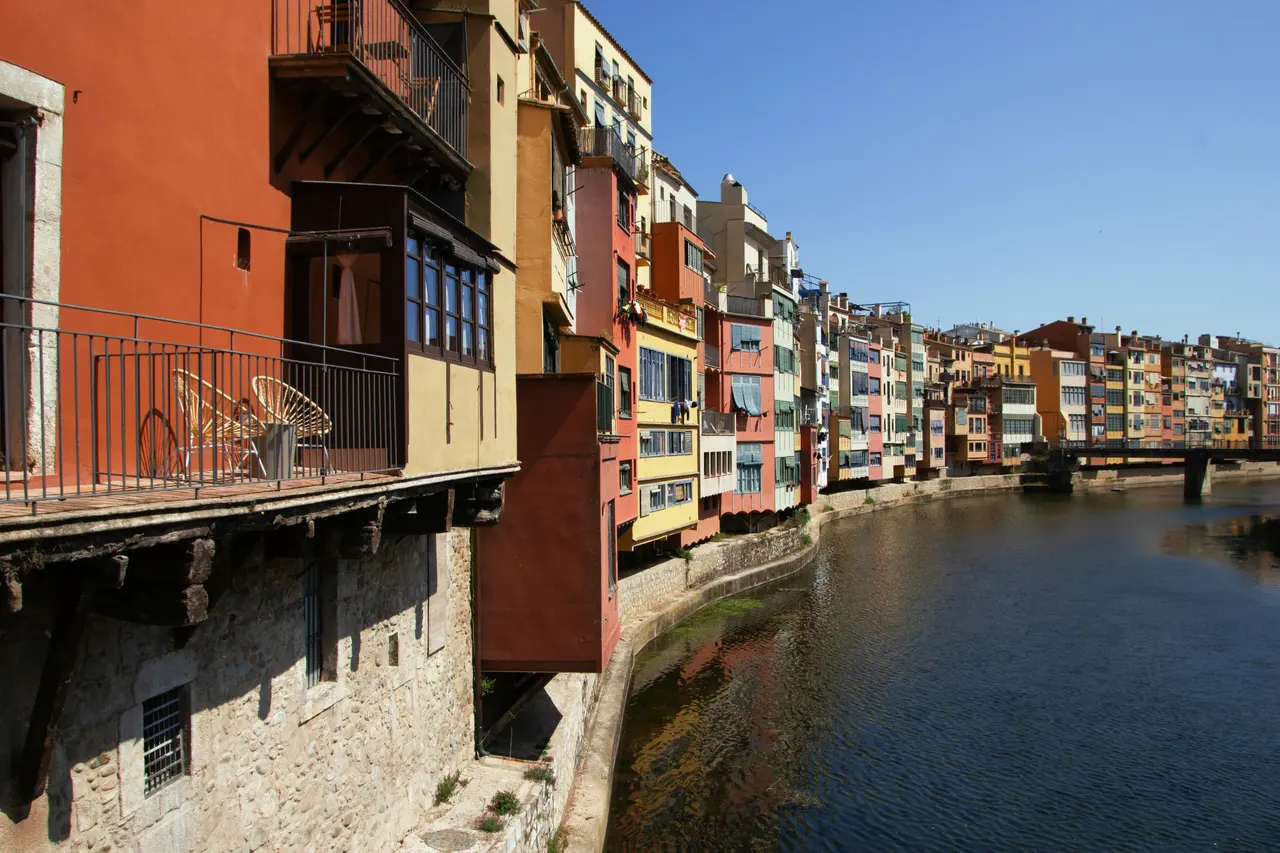
In Girona, cross the Onyar and climb from the old town towards the cathedral. The bridges, the old Jewish quarter and the walls sit at different heights, which makes it easy to split the walk into two. In hot weather, start on higher, exposed ground and let the riverfront wait. In Figueres, build the day around the Dalí Theatre-Museum if you want time to take in both the building and its exhibits.
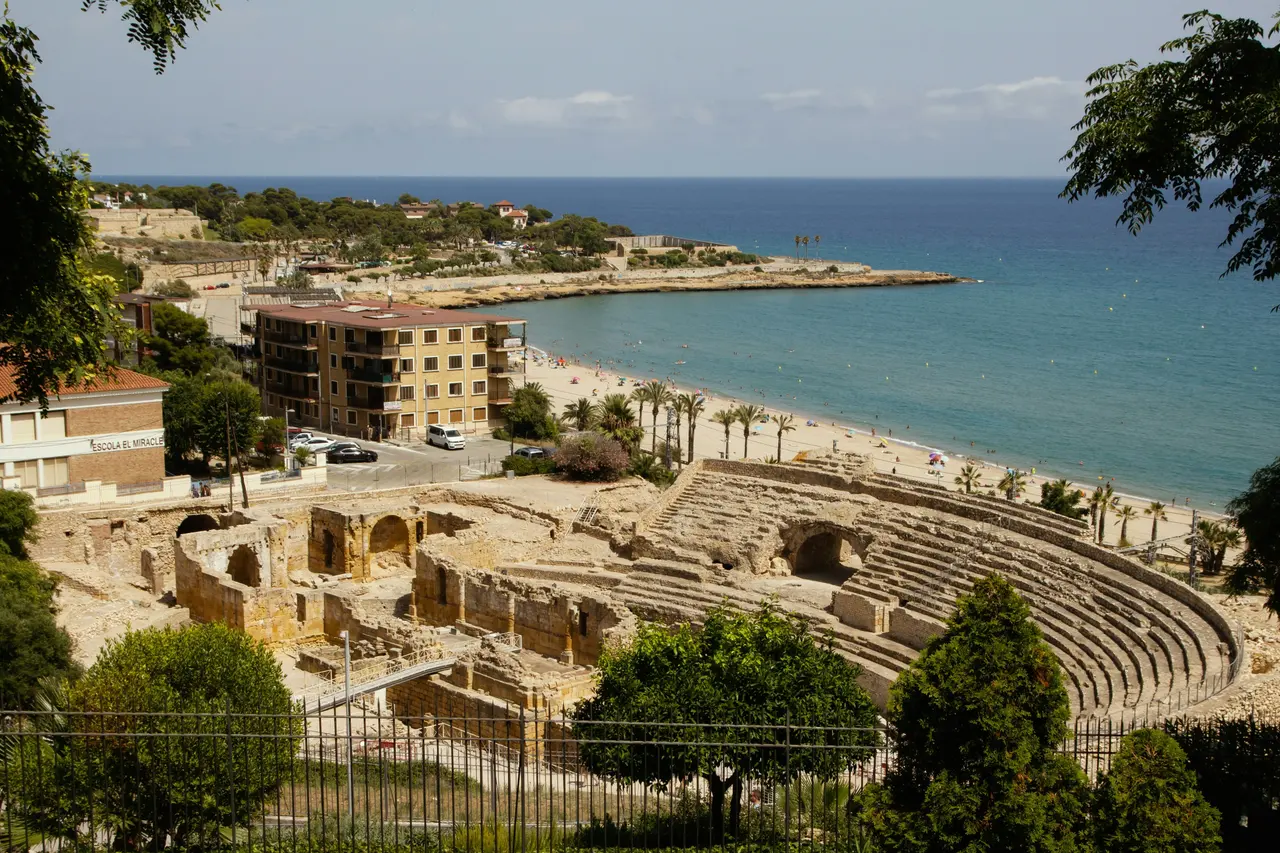
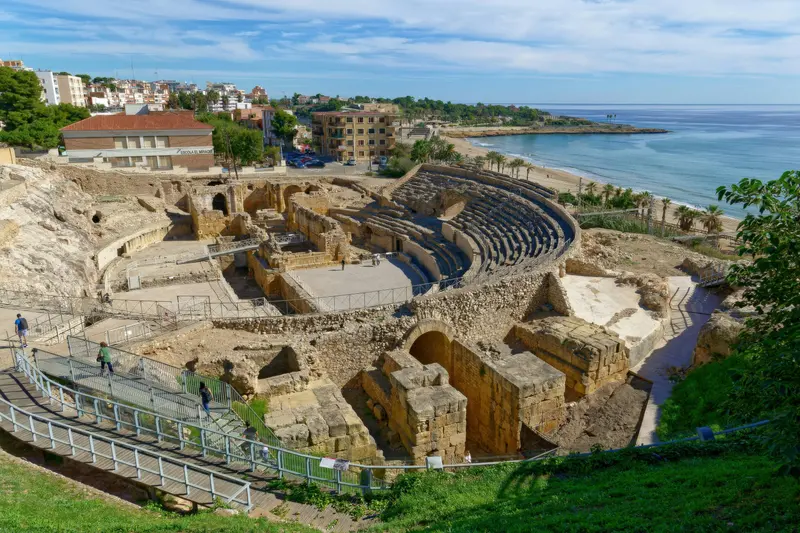
In Tarragona, move between the amphitheatre, the circus and the streets of the upper town to see where the Roman city sits beneath the modern one. Looking out to the Mediterranean from higher ground helps put the Roman capital’s position in context. In Lleida, go up to La Seu Vella and orient yourself by the River Segre before walking down into the centre. Give the mountain valleys separate days further into the trip.
Link places by interest
For art, combine Barcelona’s collections with a visit to Figueres and a stay around Girona. For a slower beach trip, give several nights to one section of the Costa Brava or Costa Daurada and stay within walking distance of the water. If you are coming for Romanesque art, pair the Museu Nacional d’Art de Catalunya in Barcelona with the churches of the Vall de Boí. The paintings tell one part of the story. Seeing the towers above individual villages tells another.
Monuments and heritage
Modernisme and the mountain churches
Walk along Passeig de Gràcia before deciding which interior to see. Casa Batlló and Casa Milà were residential buildings. Their floor plans and the way light gets into the rooms offer something a photograph of the street cannot show. At the Sagrada Família you can see Gaudí working on a very different scale. Domènech i Montaner’s Palau de la Música Catalana and Sant Pau complex broaden the picture with a concert hall and a former hospital.
In the Vall de Boí, the Romanesque churches are spread between settlements. Start with Sant Climent de Taüll and, if you can, compare it with Sant Joan de Boí or Santa Eulàlia d’Erill la Vall. Look at how high the towers rise over the roofs and how much space the naves occupy. Check which paintings are represented at their original sites and which originals are on display in Barcelona, particularly if you are visiting both places.
Roman Tarraco and the Cistercian monasteries
At Tarraco, use the Roman sites to work out how people moved between public spaces for gatherings, races and spectacles. In the Part Alta, search for the places where later streets run over or alongside earlier structures. Save an out-of-centre stop such as the Les Ferreres aqueduct for a separate outing if you want to see how water reached the city.
The Cistercian Route links Poblet and Santes Creus in Tarragona province with Vallbona de les Monges in Lleida province. The settings range from forested foothills to small settlements. If you already have a long drive, one monastery is enough to fill the main part of the day. Visitors especially interested in monastic life can split the three between two days and look up which spaces are included at each site.
Museums and culture
Start at the Museu Nacional d’Art de Catalunya if your trip takes you on to Romanesque churches in the Pyrenees. Make a note of the places named on the paintings so you can spot their origins later in the journey. At the Dalí Theatre-Museum, allow time to see how the rooms frame the objects and how the display changes with your viewpoint. Portlligat and Púbol extend the theme and work as separate outings from different bases.
In Reus, complement an indoor visit with the streets and facades of the centre. In Terrassa, the MNACTEC occupies a former textile mill and connects its architecture with the work once done there. Either can make a good wet-weather plan if you are already staying in that part of the region. Keep one substantial indoor option within reach of each base if the rest of the trip is outdoors.
Charming villages
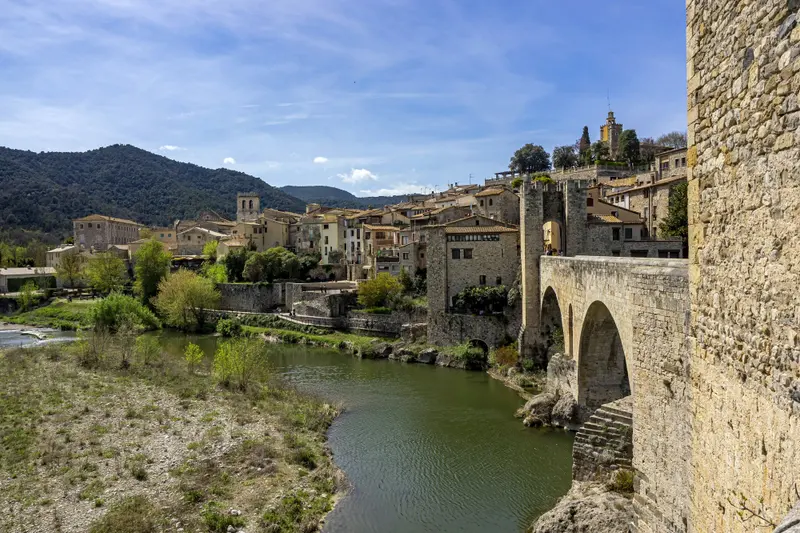
In Besalú, cross the old bridge over the Fluvià and then look back from the riverside. After that, walk into the village and see how the streets relate to the old entrance. Peratallada and Pals offer different walks through stone-built centres. Choose one for a short afternoon and give yourself space to stray from the busiest streets. Put the beach in a separate part of the day.
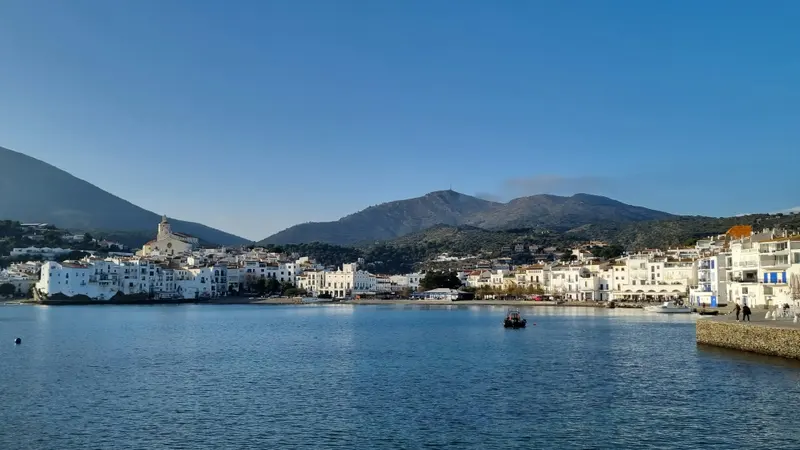
Cadaqués and Calella de Palafrugell are two ways to spend time at the water’s edge. At Cadaqués, the bay gathers the white houses into a curve and a walk can take you on towards Portlligat. In Calella, a seafront path links small beaches and old fishermen’s houses. If you are staying nearby, save a stretch of the waterfront for the time of day when you will have more room to walk.
In Miravet, look at the height of the castle above the Ebro and how the hillside channels the streets below. Siurana occupies a high rocky spur with views of the reservoir and mountains. Visit on different days if you want to get out and walk properly at each. In the Pyrenees, Taüll and Arties are first stops for a look at building traditions. Check evening meals and how close you can bring the car if you decide to stay in a small mountain settlement.
Nature and protected areas
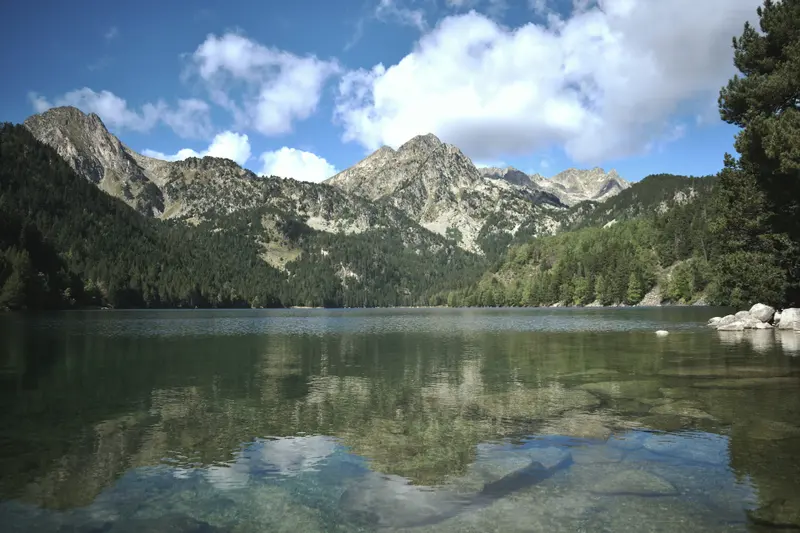
Mountains, volcanoes and wetlands
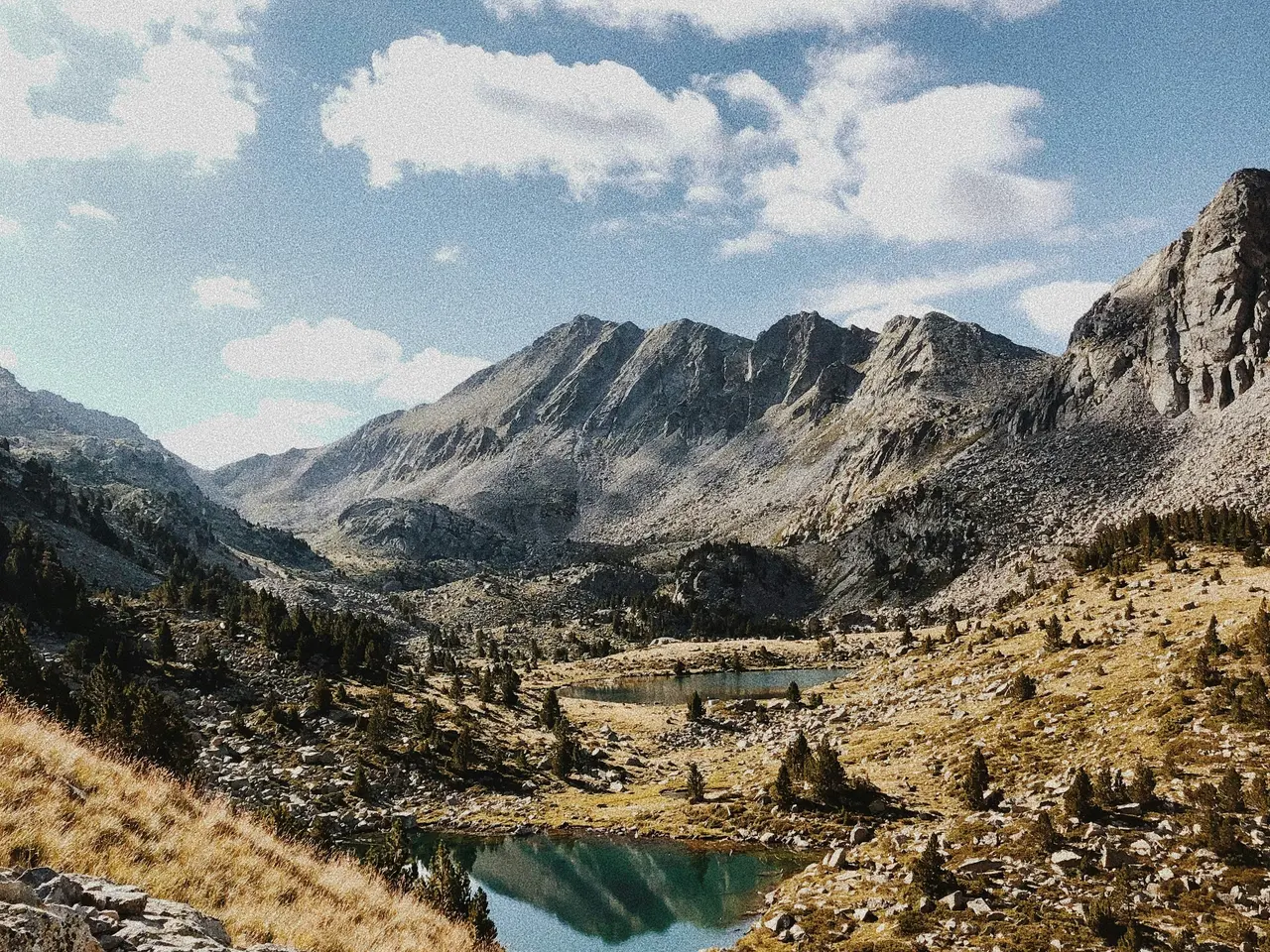
In Aigüestortes i Estany de Sant Maurici National Park, the Vall de Boí and Espot approaches are separate journeys. On the Boí side, the Aigüestortes plateau is a place to look for streams bending through meadows. From Espot, plan for Lake Sant Maurici and views of Els Encantats. Decide which approach fits where you will spend the night, then choose the length of walk. Check the park’s current access conditions and the forecast before setting out.
In La Garrotxa, the beeches of La Fageda d’en Jordà grow on volcanic ground. At the cones of Santa Margarida and Croscat, you can see different parts of that history in the shape of the land. Pick either the forest or the volcanoes if you only have a morning. After rain, expect mud on unsurfaced paths and save time for a stop in Olot before you leave.
The Ebro Delta is flat enough for a day of short outings. At a lagoon viewpoint, compare the birds in open water with those you see in the channels or beside the fields. Plan stops on one side of the river together. Binoculars give you a reason to spend longer at a hide and help you keep your distance from wildlife. Allow extra time if you cycle in a headwind.
In northern Catalonia, Cap de Creus and Els Aiguamolls de l’Empordà can shape two very different days. At the cape the exposed rock and low vegetation catch the eye. At the wetlands, let the rhythm of the visit follow the water and birds. Check the notices for the protected area you are visiting. If strong wind is forecast, move the exposed walk to another day and use the time to see a nearby town or museum.
Beaches in Catalonia
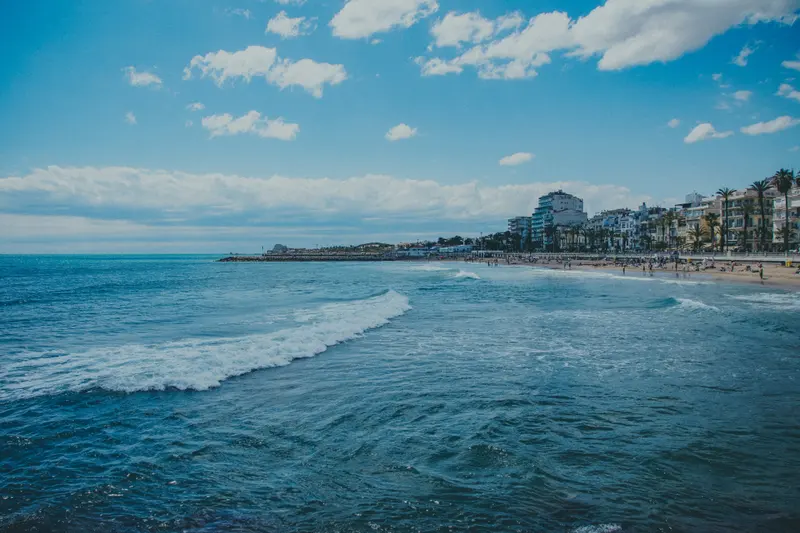
Three coasts for different kinds of beach day
On the Costa Brava, Tossa de Mar combines a town beach with a walk up to the walls of the Vila Vella. Around Begur and Palafrugell, smaller coves often mean a more involved approach. Find out where cars have to stop and whether the path has steps. If the weather is changeable, choose a place where a waterfront walk can take the place of a swim.
On the Costa Barcelona, Castelldefels and Sitges work for a day with a walk before or after the beach. Further north in the Maresme, the railway follows the coast beside several towns. Check which passage leads from the station to the sands, especially if you are carrying beach gear or a buggy.
On the Costa Daurada, Salou and Cambrils provide a promenade and a town beach within the same day. Around L’Ametlla de Mar, the indented shore lends itself to alternating a cove and a stretch of coastal path. The landscape opens out again at the delta. Check wind, sea conditions and facilities before setting out for an isolated strip of sand. Make a walk your alternative when the beach flags or local advice rule out swimming.
Festivals and traditions
On 23 April 2026, Sant Jordi brought books and roses to streets and squares. In Barcelona’s Sant Martí district, the municipal programme included book exchanges and other activities in several venues. It is a good occasion to browse independent bookshops or look for a bilingual edition. Check the programme for the year you travel and choose a neighbourhood if you prefer a shorter walk between stalls.
Berga’s town council announced La Patum for 2 to 7 June 2026. The festival follows the movable feast of Corpus Christi and brings together music, costumed figures and events involving fire. If you have children with you or your group dislikes loud noise and crowds, look for daytime events and routes with room to step out of the throng. Check the current programme before booking a stay.
The human towers known as castells rely on large teams supporting a series of climbing tiers. Look for a place where you can see the whole structure and keep the route clear for the groups, or colles. If you want to see a performance, check the local calendar and allow for the extra time needed to reach an address off the main square that day.
What to eat
From tomato bread to delta rice
Try pa amb tomàquet, bread rubbed with tomato, with charcuterie or cheese. Escalivada is a dish of roasted vegetables. For a substantial inland lunch, look out for escudella and carn d’olla. Ask how the dish is served before ordering several starters, especially when you are sharing a meal and want enough time to finish.
On the coast, ask what fish went into that day’s suquet. In the Empordà, mar i muntanya cooking brings seafood and meat together. Read the description rather than assuming it will be the same from one restaurant to the next. In the Ebro Delta, connect a morning among the rice fields with lunch in a nearby town. Find out whether the rice is served dry, creamy or brothy and how many people the pan is intended to feed.
Market food, country cooking and wine
Calçots are grilled and served with sauce. If you are ordering a full calçotada, find out what else is included. In Lleida, locally prepared snails cooked a la llauna offer a different starting point for lunch. Markets are good for comparing cured meats, cheeses and pastries if you want something to eat without committing to a long sit-down meal.
The Penedès and Priorat put wine in very different settings. Book before building the day around a cellar visit and decide who will drive after a tasting. A short walk from the same village is an easy alternative for other members of the group. Lunch may fall later than you are used to in Britain. Look up service times for rural stops and keep a snack handy if you are arriving from a walk. For pudding, try crema catalana with its caramelised top or ask for a pastry from the town you are staying in.
Sport and outdoor activities
The coastal footpaths, or camins de ronda, can turn a beach day into a walk between settlements. Pick two places with a simple return and check for steps and closures. Shoes with grip are useful where the surface changes from pavement to rock. Around Palafrugell, a short link between neighbouring villages makes a good introduction. Leave the longer variations for a day when you have more time and daylight.
Cycling in the delta is less about climbing than about wind, shade and the quality of the surface. Pick a route you can shorten, and find somewhere out of the way before stopping for birds. In the Pyrenees, compare the altitude of the start with the highest point and mark somewhere to turn back. If you book a guide, describe the least experienced member’s level and the clothing and footwear you have.
For sailing, kayaking or diving, keep the booking flexible enough to adjust to sea conditions. For an introductory dive around the Medes Islands, ask an authorised operator what happens on the boat and how sessions are arranged. Set aside a town or a footpath as an alternative if you would otherwise be left waiting on the shore all day.
Routes and itineraries
Three days in and around Barcelona
Spend the first day in the Eixample and the second in the old town with a walk towards the sea. Use the third for the monastery and mountain at Montserrat or for Sitges, where a town walk can end on the beach. Give the excursion the clearest day. Start each day with the visit that has a fixed time, keeping space around it for getting across the city and stopping to eat.
Five days between Girona and the Costa Brava
Give Girona a day on foot, followed by a day in Figueres and one nearby stop. Spend the remaining nights on the coast and choose separate outings for an old village, a beach and part of a coastal path. If you are drawn to both Cap de Creus and the Begur area, decide which one you want nearby early or late in the day. An extra night by the coast gives you a better chance of getting suitable weather for the walk.
A week from the Pyrenees to the Ebro
Start in Lleida and travel up to the Vall de Boí. Give one day to the churches and another to the western side of the national park. On the way back down, add one inland heritage stop if it fits the drive. Split your time in the south between Roman Tarragona and the Ebro Delta. With fewer days, choose one end of the route and keep enough time to get out of the car there.
Travelling with children
Staying near both a promenade and a beach saves a round of packing every morning. In Girona or Tarragona, break the old town into two walks with an open space to rest between them. In a mountain valley, choose a first stop that already feels like an outing if the group turns around there. Ask about buggy access and food stops near the end before committing to a long day out.
In the delta, lend children the binoculars at a viewpoint and give them time to notice the differences between the birds. If the wind picks up, even a short stop can feel like a complete outing. In a museum, two rooms about things you will see later in the holiday can be more memorable than trying to walk through the whole collection.
Where to stay in Catalonia
Barcelona or Girona for a first city break. A place near a metro or railway station helps with luggage and day trips. If you want to spend the evening walking, check the route back from where you expect to finish. In Girona, choose between staying near the station for travel days or in the old town for evenings on foot.
Costa Brava or Costa Daurada for several nights by the sea. Check whether you can get to the sand or go out to dinner without a car. Look at the walk, including steps and slopes. A place at the end of a winding coastal road makes sense if you want to spend most of your time in that particular bay.
Pyrenean valleys, Tarragona or the Ebro Delta for specific outings. In the mountains, book for the entrance to the valley you will use. Choose central Tarragona if you are there for Tarraco. In the delta, choose a side of the river based on the first day’s route. Find out about breakfast and parking if you intend to leave early.
See places to stay in Catalonia (opens in a new tab)Affiliate link: if you book through it, we may earn a commission at no extra cost to you.
Practical tips and common mistakes
Save the Catalan names used on signs. You will see Lleida, Terres de l’Ebre, Vall de Boí and Costa Daurada on maps and signs. In the Val d’Aran you will also see Aranese. Save the full name of the station, car park or park entrance so you can find the right point offline.
Book the part of the day with a fixed time first. A timed entry, winery visit or transfer to a trail determines what fits around it. Leave flexible stops for the spare time. When comparing car hire with trains, include parking, the onward ride from the station and the nights you can spend in the same place.
Check the forecast for the place you will actually be. A city forecast is a poor guide to conditions on an exposed headland or a mountain pass. Pick an alternative nearby for wind, rain or poor visibility. Several nights in a base give you more chances to switch the order of your outings.