Español
 English

Why visit León province
When choosing things to do in León province, decide whether you want to follow the Camino Francés into El Bierzo or spend a few days in the mountains. On a longer journey through Castile and León, León city offers two interiors to see slowly: the glass of the cathedral and the paintings at San Isidoro. Beyond the city, a Roman mining landscape at Las Médulas and the houses built around valleys and passes tell different stories about how the province was settled.
West of the capital, the Camino helps put the sights in order. Astorga leads into the Maragatería, then comes the rise into the Montes de León and the descent towards Ponferrada. In El Bierzo, the pilgrimage route, the old mine and the vineyards take you to different places. Give one of them most of the day. If you spend the morning inside the castle at Ponferrada and then start late for the countryside, you may miss the light you wanted for the walk.
In the mountains, each district is a different journey. Babia has open meadows and small communities with grazing land between them. The area round Riaño combines views of a reservoir with steeper walks on the surrounding slopes. Valdeón gives access to the Picos de Europa National Park. Pick a place to stay near your first walk. This gives the day’s weather more influence on your plan than the time it takes to get there from the provincial capital.
When to go
Spring and autumn for a trip between towns and hills
May and June suit a mix of Camino towns and walks along valley floors. In El Bierzo, put Las Médulas or a country walk early in the day and save the longer light for time in a village on the way back. In spring, snow can remain where a trail climbs or crosses a north-facing slope. Check conditions at the trailhead and at the height you actually plan to reach.
In summer, use the morning for a walk with little shade or the streets of Astorga. Thunderstorms can change a day in the mountains quickly. If you only have one day in a valley, choose a shorter alternative within the same district. This means you can adapt the walk without moving the whole group to another part of the province. Buy water before leaving villages and check whether you will have a reliable place to refill.
September and October work for mixing a vineyard day in El Bierzo with a stretch of the Camino. Check with the cellar during harvest. In Babia and Valdeón, shorter walks can make the most of clear autumn light. In winter, León, Astorga and Ponferrada give you indoor heritage to work around. Treat a mountain outing as dependent on road conditions and the amount of daylight, and choose somewhere to eat or visit if you do not go up.
Getting there and around
Arriving through León, El Bierzo or the north
In 2026, Renfe listed a route from Madrid to León. If you are flying into Spain, check the exact departure station and allow for the transfer from your airport terminal. From a hotel in León you can walk between the cathedral, San Isidoro and the old streets. Ponferrada has its own station, as shown on Renfe’s station page consulted in 2026. If El Bierzo is your first stop, search for Ponferrada as the destination rather than booking only as far as the city of León.
By road from Galicia, consider a first night in the west of the province. From Asturias or Cantabria, the best starting point depends on the pass you take. Look at road updates and the mountain forecast separately in winter. An apparently short line into a valley can have narrow sections, bends and a higher crossing in different conditions from the road below.
The last part of a rural journey
Separate the station from the first thing you want to do. You will need to arrange the final leg to Las Médulas or Peñalba de Santiago after reaching El Bierzo. Babia and the Cares gorge require the same planning. If booking a taxi or a transfer after a walk, agree on the exact collection point and how long you are likely to spend on foot before you reach it.
A hire car makes most sense from the day you leave León city. Save official parking areas or the name of the trailhead for each outing. If a satnav suggests a shortcut, check what kind of road it uses and whether the access has changed. On short winter days, plan to come back over a pass before dark rather than filling the whole afternoon at a site on the other side.
What to see in León province
León city, Astorga and the Maragatería
In León, give your eyes time to adjust to the stained glass when you enter the cathedral. Walk from there to the Royal Collegiate Church of San Isidoro. Its Royal Pantheon brings painted scenes much closer to you under low vaults. For an outdoor afternoon, continue to San Marcos and follow a stretch of the Bernesga. If you are eating around the Barrio Húmedo, another short walk through the oldest streets will fit after your timed visits are finished.
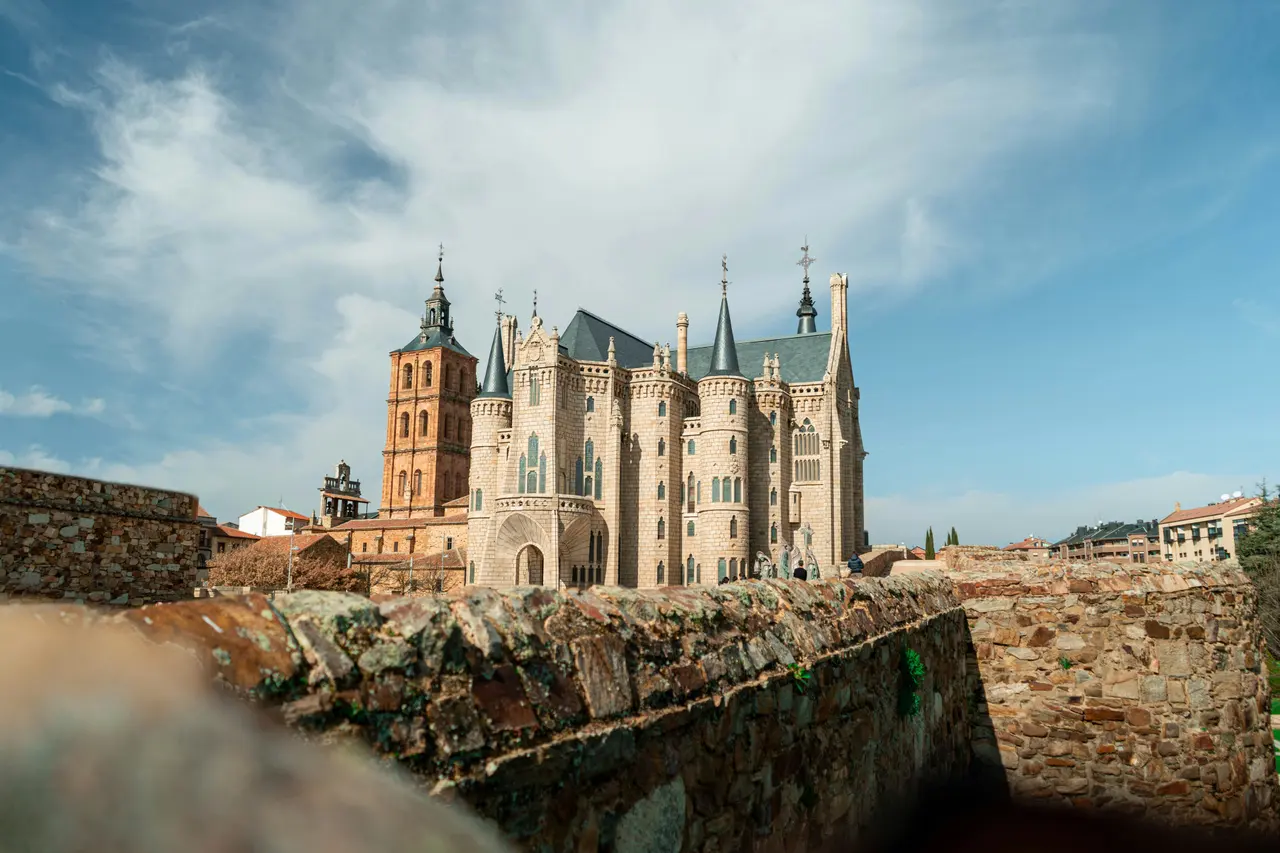
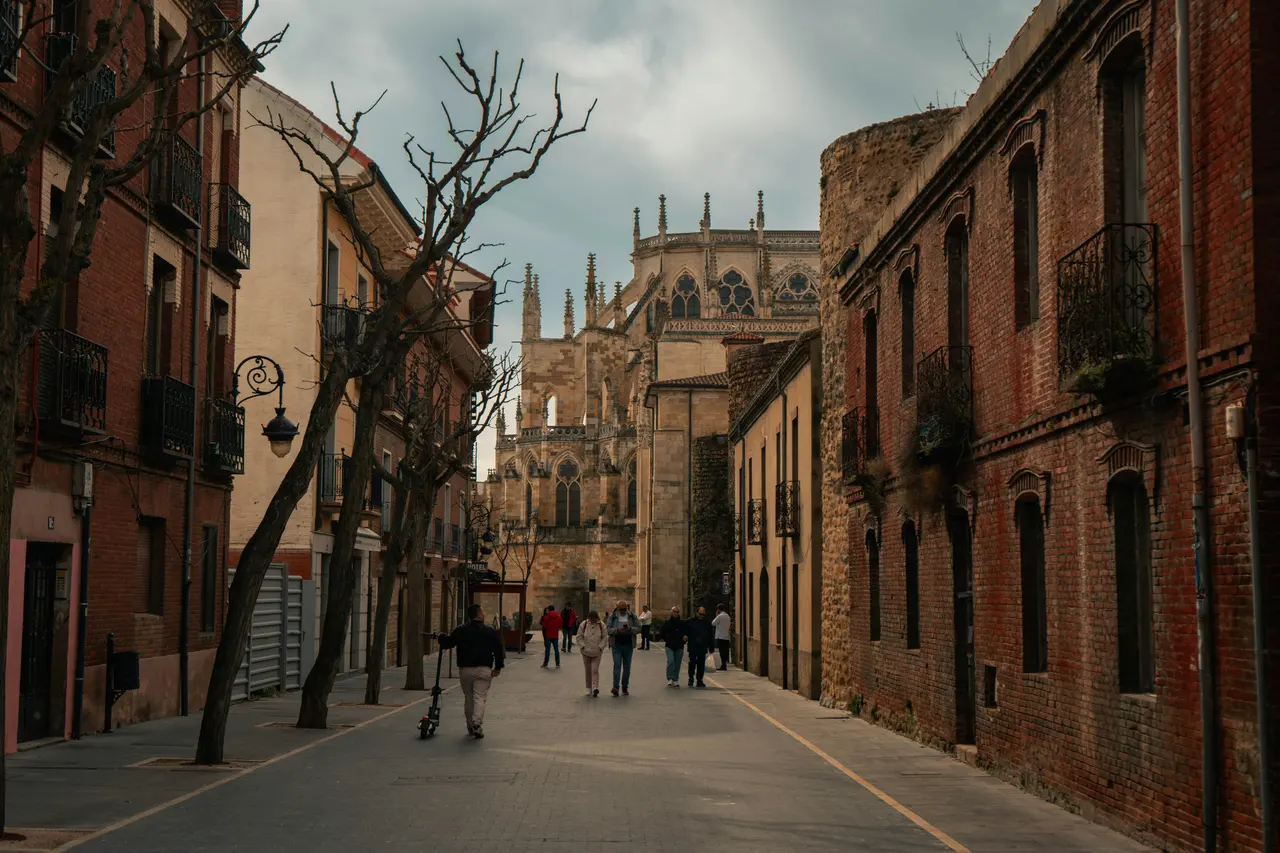
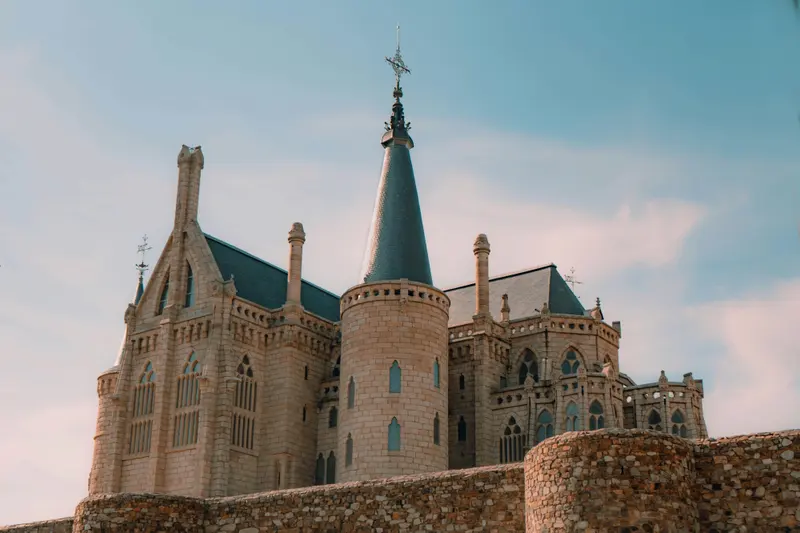
In Astorga, Gaudí’s Episcopal Palace and the cathedral sit close enough to compare from the same part of town. Look at both from outside before deciding where to go in. The Chocolate Museum and the shopping streets give the rest of the visit another scale. For a village outside town, continue to Castrillo de los Polvazares in the Maragatería. If a traditional cocido lunch is the point of the journey, leave the afternoon clear of tightly timed visits.
Ponferrada, Camino towns and Las Médulas
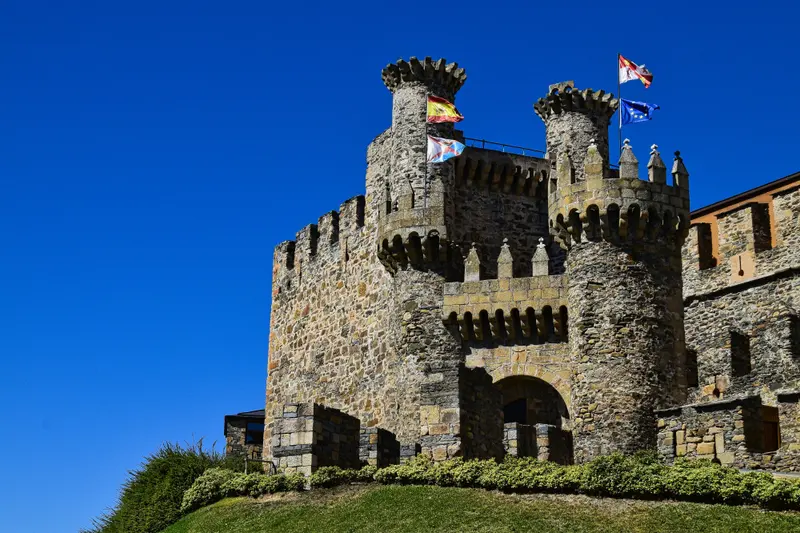
In Ponferrada, use the castle to understand the position of the old town above the rivers and by the route of the Camino. Walk through the higher streets and finish the day in town. Set aside a different day for Las Médulas. Start by looking at the shapes of the red rock and consider how water could be brought in to move earth. Much of the landscape visible today took its form from Roman gold mining.
Treat the walk and the high viewpoint as separate parts of the visit. Work following the 2025 fire affected visitor infrastructure. Fundación Las Médulas listed visit and booking options when consulted in 2026. Check the specific outing and its access before setting out. If a walk changes, the lake at Carucedo or another visit in Ponferrada keeps you in the same district and saves a long substitute drive.
Riaño and Valdeón
At Riaño, begin beside the reservoir to get an idea of how the mountains close around it. Give a different day to a walk in the regional park of Montaña de Riaño y Mampodre. The approach to Valdeón introduces another landscape, with villages at the foot of steep slopes and access to the Picos. If your trip is centred on walking, stay near the place you want to start instead of making an early drive from a distant city.
In Posada de Valdeón, check the route before the drive down to Caín. Allow time for the road as well as the walking. If you are going into the Cares gorge, use the day for that outing and keep a separate morning for a village or a walk higher up the valley. The gorge and the open meadows are two distinct experiences within the same area.
Monuments and heritage
Stained glass, wall paintings and brick
Compare León Cathedral and San Isidoro on the same day to see two approaches to religious imagery. At the cathedral, the strength and angle of the light change as you move along the nave. In the collegiate church, the paintings of the Royal Pantheon sit close above the viewer. Casa Botines adds a different era and a different scale. If Astorga is next, look at the way Gaudí’s work changes from an urban building to an episcopal palace.
To the east, Sahagún shows another tradition through the churches of San Tirso and San Lorenzo. Look at the exterior arches and how the brick is laid around them. If following the Camino by car, the town is a useful stop before the capital. On foot, plan it around the next stage and allow time to find your accommodation before it gets late.
Bridges, castles and small churches in the west
At Hospital de Órbigo, cross the bridge and compare its full width across the valley with the channel you can see on the day. In Villafranca del Bierzo, the church of Santiago and the Camino give you a starting point for the last part of the pilgrim route through León. Use the rest of the walk to see how the houses sit between valleys. If you are continuing west, the next section raises the question of which pass you will use.
At Peñalba de Santiago, look for the horseshoe arches inside the church if you have arranged to see it. Outside, slate roofs and the slope reward walking down to a viewpoint as well as around the church. The roads in the Oza valley need time. Peñalba and another town in the same valley make a more practical morning than adding Las Médulas in a different sector of El Bierzo.
Museums and culture
In León, MUSAC offers a change of pace from a cathedral visit. Check the exhibitions to decide how much time to give it. You can pair it with San Marcos if you want to compare the contemporary museum façade and the old convent in one walk. San Isidoro’s museum goes further into the Romanesque complex. When planning more than one museum, give each a clear purpose and break up the visits with time out in the streets or by the river.
The Chocolate Museum in Astorga tells a story of manufacture and trade through moulds, wrappers and tools. In the mountains, the Museum of Iron and Steelmaking and Mining in Sabero helps explain the organisation of industrial work. It makes a useful comparison with Las Médulas. The technologies and periods differ, and so do the materials and buildings left behind across the landscape.
Charming villages
Streets of the Maragatería and El Bierzo
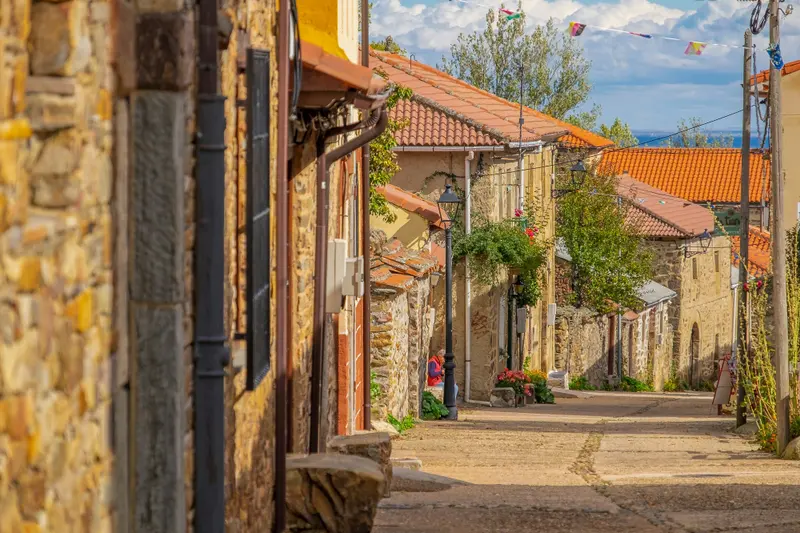
At Castrillo de los Polvazares, save a walk before or after lunch. Wide gateways and stone paving are easier to appreciate from the streets than from a passing car. For another stop where the land begins to rise into the Montes de León, Rabanal del Camino shows how a long village street has developed around a pilgrim route. Leave space for slow driving and changes in light when continuing west over the hills.
At Molinaseca, start by the bridge and follow the pilgrimage route into the old streets. It works as a short outing from Ponferrada or as a place to eat after a walk. Further west, Cacabelos can be the focus of a day about wine and the Camino. Mark the cellar you plan to visit on the map. A wine with a name tied to the area can be made or served at a different address from the vineyard you have in mind.
Villages with trails close by
La Cueta, in Babia, works as a start for a mountain walk or as a stop among the meadows. Read about the trail before deciding how far to go away from the valley. In the eastern mountains, Soto de Valdeón gives you time among traditional buildings and meadows before you consider the gorge. If cloud is low, choose a village walk you can cut short at a junction or a neighbouring settlement.
Nature and protected areas

The meadows of Babia and the Cares gorge
In Babia y Luna Nature Park, open land shows the relationship between the grazing areas and the villages. A short walk by a settlement gives a context for a longer outing to a lake or a col. Before heading higher, check with the park or read the official trail notes. Include the descent and ground conditions when estimating the effort, especially with people who have different levels of mountain experience.
In the Picos de Europa, stretches of the Cares route between Caín and Poncebos run beside unprotected drops. Spain’s environment ministry recommends taking enough water and wearing walking boots. Check warnings and access before leaving. The full route from Posada de Valde?n to Poncebos measures 21 km on the official route card and includes the section from Ca?n. Walking distance says little about the drive between the two ends. With one car, plan an out-and-back walk or arrange a transfer in advance.
Gorges and lower-level routes
The Hoces de Vegacervera give travellers heading to Valporquero a view of the river below the rock walls. For a cave visit and an outdoor walk on one day, check the visit arrangements and bring clothing for both parts. After heavy rain, pick an approach where you can turn back without being committed to a steep or slippery descent. Near Riaño, give a first morning to a viewpoint or a shorter valley outing. A more ambitious route is easier to plan once you have seen the approach and the way visibility changes.
Festivals and traditions
The regional 2026 Holy Week programme ran from 27 March to 5 April and included events around the province. León, Astorga and Ponferrada are useful choices for deciding where to watch. For a future visit, check the local programme before you choose accommodation. Either stay near places you can reach on foot or look carefully at where you can park for one event and how long it will take to get back after the streets reopen.
The city’s 2026 San Froilán programme included the decorated carts parade and the Las Cantaderas ceremony on 4 October. For another year, look up that edition and check the location of each event. A street parade and a ceremony can take place in different parts of the centre. In the villages of El Bierzo, look for grape harvest events or a magosto, a gathering associated with roasting chestnuts.
What to eat
In Astorga and the Maragatería, the local cocido maragato begins with the meat and ends with the soup. Ask about serving time and the size of portions if you want the meal to be the centre of your day. For an afternoon snack in Astorga, try the local mantecadas and chocolate after a visit to the museum. In León, cured beef called cecina is easy to order as a portion with other things to share.
In El Bierzo, give botillo, a substantial dish made from seasoned pork, time at the table. Pair it with a manageable visit in the same district. A tasting of local Mencía or Godello can add more to a wine-country day if somebody can show you the position of the land or explain decisions in the cellar. If you are driving, keep the tasting for where you are staying. In Valdeón, the local blue cheese is a good example of a product tied to the mountain area. Buy supplies before starting a long rural drive with few shops.
Sport and outdoor activities
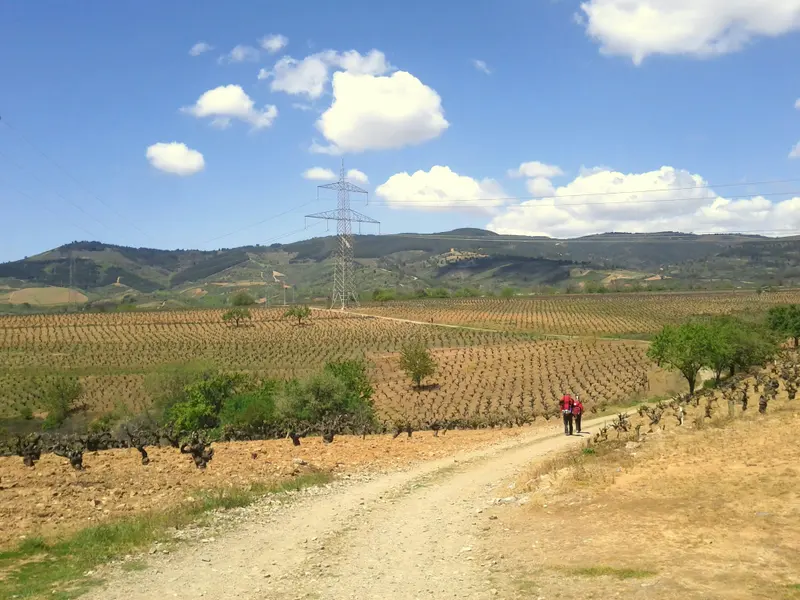
On the Camino Francés, choose between a short walk starting in one of the towns, a whole stage or several linked days. For one stage, count the daylight at the finish and confirm your return before leaving. For two or three days, work out where you will sleep before settling on distances. The terrain between the plateau and El Bierzo makes a bigger difference to the day’s effort than a few extra kilometres. Get your luggage to the place you will stay or pack for carrying it on the walk.
For a cycle ride, lower valleys and meadows can give you gentler climbs than the mountains. Check which sections use roads shared with traffic. On a mountain walk, consider surface and exposure as well as distance and ascent. Agree on a turnaround point with less experienced people. On the Cares trail, the height above the gorge and the width of the path can matter as much as fitness. Around Riaño, a walk near the reservoir offers time outside with different demands.
Routes and itineraries
Three days from León to Astorga
Spend the first day at the cathedral, San Isidoro and the older streets. Give the second to San Marcos and a museum or continue to Astorga if staying there. On the third, pair the cathedral or the palace in Astorga with Castrillo de los Polvazares. By train, concentrate on the city centres and add the village after arranging the transfer. With a car, take a longer break in Castrillo before driving further.
Four days in El Bierzo
Give one day to Ponferrada and another to Las Médulas. Spend the third around Peñalba de Santiago and the Oza valley. On the last day, choose between Villafranca del Bierzo and a walk and winery visit around Cacabelos. Put the one fixed appointment you most care about in the middle of the trip. If conditions change at Las Médulas, exchange it with another day without moving accommodation.
Three nights in one mountain area
With a base in Valdeón, spend a day seeing the valley and another on your chosen walk. Leave a short visit for the fourth day before the journey home. In Babia, use the first evening for a village and put the main walk on a morning with good visibility. Riaño works as a third option or a base for another leg of a longer holiday. Driving between them every day uses up much of the morning you could spend outdoors.
Where to stay in León province
León city is useful for arriving by train, eating in the centre and walking between sights. Astorga makes more sense if your plan centres on the Maragatería and the transition into the Montes de León. If you are travelling east to west with another destination afterwards, moving for the second part of the trip is easier than returning to León every evening.
Ponferrada combines an evening in town with trips to Las Médulas and the Oza valley. Villafranca del Bierzo gives easier access to the western end of the Camino through the province. In the mountain districts, choose the village according to your first walk. Before booking in a small place, check what you can get for breakfast before setting out and where you will eat once you return.
See places to stay in León province (opens in a new tab)Affiliate link: if you book through it, we may earn a commission at no extra cost to you.
Practical tips and common mistakes
Distinguish between a gateway town and the place from which your visit starts. Ponferrada puts you in El Bierzo, but you will need the address or parking area of each site. Riaño is a starting point for one part of the eastern mountains, while Caín is the León-side entrance to the Cares gorge. Save the starting point and check the road before setting out. For a linear walk, plan the return separately.
Before going to Las Médulas, check which paths and viewpoints you can use and where your tour meets. For the Cares, take the exposure of the path and the whole return walk into account. In snow or low cloud, a town, museum and good lunch make a reasonable day without going up a pass. For a short night in the countryside, keep dinner and your room close together so you can leave early if the next morning looks clear.