

 Español
 English

Why visit Puebla de Sanabria
The best things to do in Puebla de Sanabria start on the ridge. The castle stands on a broad terrace above the place where the Tera and Castro rivers meet. From the foot of the hill you see the roofs, then sections of wall and finally the keep. Walk up to the main square and the same landscape explains why the town was so well placed to watch over the valley.
Puebla is in the north-west of Zamora province, in Castile and León. The castle, parish church and town square make a single walking visit. Lake Sanabria and the villages of the natural park make up a second outing. If they are the main reason for your trip, choose the section of shore or woodland you want to visit first. That makes it easier to choose a base and decide how much time to give the town.
When to go
Spring and early autumn work well if you want to go from the high square to the river in the same outing. For a walk in the mountains, check the forecast for your proposed elevation. In winter, the terrace can be sunny while shaded lanes are still slippery. Use the brighter part of the day for the riverside and keep a castle visit in reserve for colder weather.
On a summer visit, go up to the historic centre first and leave the shore until later if you want to linger by the lake. A woodland outing gives you more shelter than a high trail. During a festival the streets can become a venue in their own right. Start with one event you want to see and build the rest of the visit around it.
Getting there and around
The A-52 passes the town. Follow the ZA-104 towards El Puente de Sanabria, Rabanillo and the lake. If you are hiring a car for a trip across north-west Spain, choose your accommodation with those onward journeys in mind. A property described as being in Sanabria can be in a different village from Puebla, even when the name looks familiar on a booking page.
For a rail journey, look for Sanabria AV, the high-speed station. Arrange the transfer from the station to your accommodation in advance and include it in your return plan. Once in the town, it is easiest to visit the upper sights on foot. Ask about the approach to your accommodation if you have wheeled luggage. The walk from the lower town to the square involves a climb and some uneven stone paving.
What to see in Puebla de Sanabria
Plaza Mayor and the castle
Begin on Plaza Mayor, crossing the square to see the arcades of the town hall from the church side. The church and its neighbour, the chapel of San Cayetano, stand close by. Walk on to the open ground by the castle, where you can stand far enough back to see how the towers and outer walls fit together.
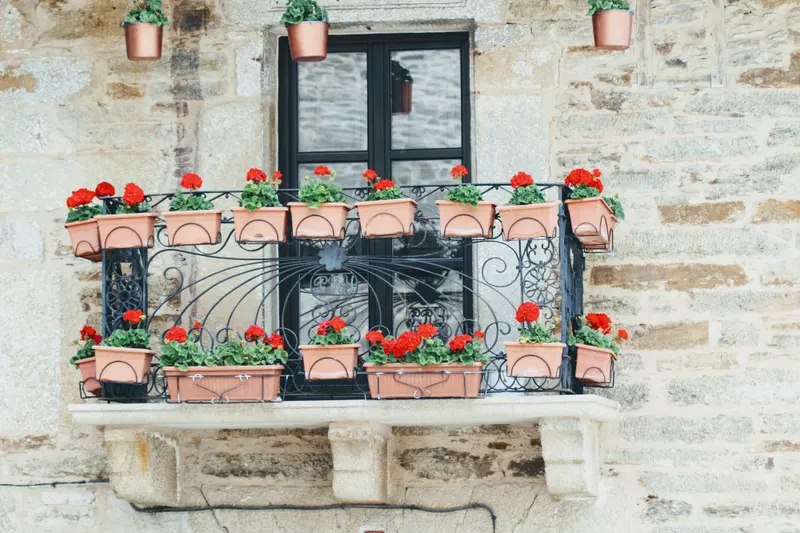
Inside the castle, make time for the Torre del Homenaje, known locally as El Macho. The upper levels, when accessible, look out over the roofs and hills on both sides of the valley. On the way back, follow Calle de la Rúa and take one of the side streets. Look up at the wooden balconies and coats of arms, then use the descent to end at river level if there is enough daylight.
Monuments and heritage
The Castle of the Counts of Benavente is a late medieval fortress with a large keep set within a regular outer enclosure. Walk around the outside before entering. From the terrace you can compare the height of the walls with the drop below them and see how close the town’s houses stand to the defences.
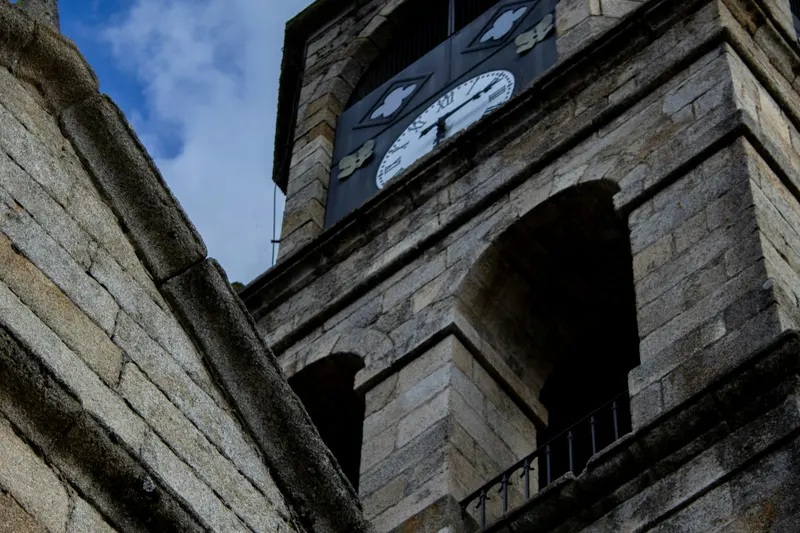
At Nuestra Señora del Azogue, look for the carved figures in the doorway and the change in the type of masonry as you move away from the entrance. If the church is open, seek out the medieval baptismal font. On your way out, compare the frontage of San Cayetano with the older church. Their position makes it easy to see how the square accumulated buildings from different periods.
Museums and culture
The fortifications interpretation centre occupies the castle keep. Its exhibits put the story of the town alongside the wider network of defences. Look for the historical depiction of Puebla before going out to see the current view. The slopes and approach roads explain much of what made the site valuable.
The Casa del Gobernador, at the northern end of the walled precinct, houses an ecomuseum about Sanabria and neighbouring areas including the Tera valleys. If you are going on to the countryside, give yourself enough time to explore that part of the site. Check with the town’s tourist office which spaces you can visit on the day.
On Calle San Bernardo, the Museum of Giants and Big-Heads houses the figures that appear in local festivities. Look for the Sanabrés and Sanabresa, the pair named for the people of Sanabria, and compare their height with the big-headed figures. The museum occupies a former meeting hall. Inside you can see the figures side by side at your own pace.
Neighbourhoods and areas
Upper town and river level
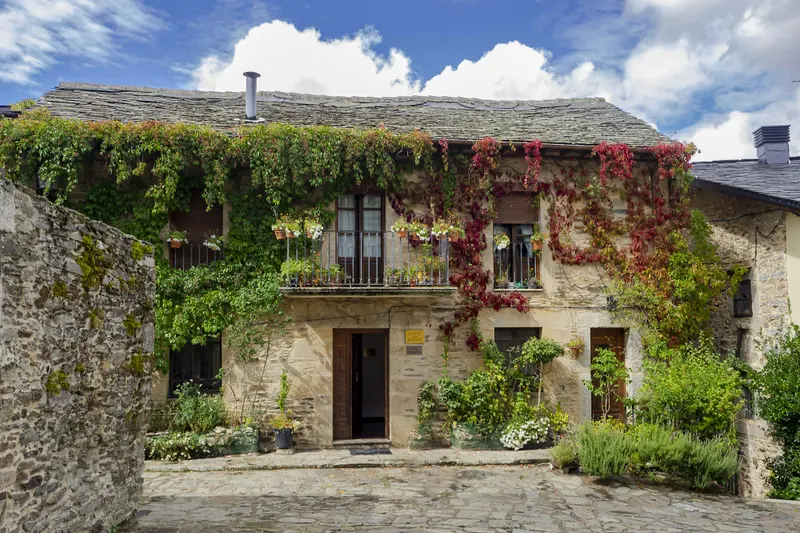
Calle de la Rúa and Plaza Mayor make an easy route through the upper town. The smaller streets have glimpses over the roofs and give you a sense of how steeply the houses descend towards the Tera. On the lower side of town, the San Francisco area, also known as Candanedo, offers a different approach to the ridge. Walk far enough to look back at the line of roofs.
El Puente de Sanabria is a separate place on the road to the lake. Check full place names when someone recommends a stop, a hotel or a route along the water. You can spend a whole first afternoon in Puebla itself with a walk between the historic centre and the river.
Nature and protected areas
The park visitor centre near Rabanillo is on the approach to Lake Sanabria. Its displays give you a way to recognise the lake basin and the ridges of debris left behind by ice. Once on the shore, look across the water to see how those shapes frame the lake. A long walk in the Segundera or Porto mountains belongs on a separate day, with a route chosen for the conditions and for the group’s experience.
If the hills are in cloud, use the centre and choose a lower path. A close look at the woods and shoreline can give you a better sense of the park than a drive between several high viewpoints.
Festivals and traditions
In 2026, the town announced the Virgen de las Victorias festivities for 4 to 9 September. The August medieval market has its own programme. The dates are useful for understanding the festive season. Use the town’s calendar for your year and look up the start point for anything you want to see.
The market uses streets that are normally quick to cross. Pick a square or part of the programme and allow for the uphill approach. To spend longer studying the church doorway or looking into side streets, visit the historic centre on an ordinary day.
Sport and outdoor activities
For a short walk, descend from the upper town to the Tera and set your turnaround point at river level. Keep enough time and energy for the climb back. At the lake, ask about the path along the lateral moraine at the park centre. It is a linear route through oak woodland. Pick a point to turn back based on the strength of the group and the time you have before dark.
Routes and itineraries
One day. Spend the morning in Plaza Mayor, at the church and at the castle. Follow a side street down from the ridge towards the river. If you want to see the lake on the same day, choose one place on the shore and keep the afternoon unhurried.
Two days. Use the first for the castle and the town at both levels. On day two, stop at the visitor centre at Rabanillo, then continue to the shore and up to San Martín de Castañeda if the weather is clear. Travellers mainly interested in walking can stay around the woods. Give Robledo a separate slot if you have a third day.
Day trips
San Martín de Castañeda and Ribadelago
Look for the former monastery of Santa María in San Martín de Castañeda, above the lake. Walk around the village to see the size of the church in relation to the surrounding houses. Ribadelago gives you a view of the western end of the lake. Treat a walk in the Tera gorge as its own undertaking, considering the route and how you will get back.
Robledo
The Félix Rodríguez de la Fuente Iberian Wolf Centre is in Robledo, within the municipality of Puebla de Sanabria. The centre offers a way to understand wolf behaviour and how people and wolves share the landscape. Check what kind of visit you can book for your date. Leave enough time for the return to Puebla if you have a timed castle visit on the same day.
Travelling with children
Use the town square for a short scavenger hunt. Find a coat of arms, count the openings in the town hall and let children choose the last stretch towards the castle. One indoor visit is plenty if they have already walked uphill. A short riverside outing is easy to cut back. With a pushchair, check the surface and gradient from your hotel to Plaza Mayor before deciding how much of the old town to see at once.
Where to stay in Puebla de Sanabria
Upper town. Stay near the square if you want to visit the castle early, walk to dinner and come back along the same streets after dark. Ask where a taxi or car can drop you with bags and how much uphill walking remains from that point.
Lower town. This suits visits that start and finish by car, especially if the park and Robledo are both on your list. The Parador is away from the hilltop sights. Check the route back from the square if you want to spend evenings in the historic centre on foot.
Lakeside villages. Consider one of these if you plan several mornings at the lake or on the park trails. Pick the part of the shore you expect to use most. A night in town is convenient for the castle, while a place by the lake shortens repeated journeys to the water.
See places to stay in Puebla de Sanabria (opens in a new tab)Affiliate link: if you book through it, we may earn a commission at no extra cost to you.