Español
 English

Why visit Zamora province
A map of the rivers and lakes helps you decide which things to do in Zamora province. The Duero, known in Portugal as the Douro, links the provincial capital and Toro with the frontier gorges. The Villafáfila lagoons sit out among the cereal fields of Tierra de Campos. Further north-west, Lake Sanabria lies in a glacial landscape below mountain villages. These are three different sorts of outing and each can fill a day.
In this western part of Castile and León, a village church can tell you as much about the province as a city monument. In Zamora, walk past Romanesque doorways and then go down to the river. In Toro, look at the valley from the high ground before entering the collegiate church. For a walk outside town, choose between the lake, the Arribes and higher ground in Sanabria according to weather, path conditions and how much climbing you want to do.
Consider basing yourself in two places if you want to see both sides of the province. Zamora makes sense for the Duero towns and a trip to Villafáfila. From Puebla de Sanabria, the lake and villages fit into days with shorter drives. If you have a week and the gorges are important to you, add a third base around Fermoselle. Making that choice early leaves more time to spend on foot once you arrive.
When to go
Spring to autumn
In spring, combine a walk through Zamora or Toro with an outing to the Arribes. A cool day gives you more time on exposed paths. At Villafáfila the extent of the water depends in part on rainfall. Check current conditions, choose an observation point and leave time for birds to move around. Even in the same season, a visit can change considerably from one year to the next.
Put the most exposed walks early in the day in summer, and use a museum, lunch or shade for the hot hours. Lake Sanabria is a good focus if you want several hours near the water. Pack a layer for later in the day in the higher villages and check for weather warnings in the mountains. The forecast for the capital is of limited use when you plan a walk at a much higher elevation.
In autumn, the vineyards around Toro and the woods of Sanabria offer different trips. Book ahead if you want to see a winery at a busy time of year, and plan the following day’s walk around the available daylight. Above the Duero, a viewpoint is more rewarding if you have enough time to wait for visibility to improve. A village or indoor stop gives you somewhere useful to spend that time.
Winter in town and near the lagoons
AEMET’s climate data for Zamora show cold winters. Frost, fog and the early end to the day matter more on a rural outing than in a museum. Winter is also a time to look for waterbirds at Villafáfila. Dress for standing still and check the forecast for the place you plan to watch from. In Sanabria, keep a lower route in reserve if ice or snow makes mountain roads difficult.
Getting there and around
Separate rail stops for separate itineraries
If you are coming from Madrid, start in Zamora when the old town is part of the plan. Leave time between your arrival and a reservation, particularly if you come in late and your room is on the other side of the centre. In its 2026 information, Renfe also listed Sanabria AV on the route towards Galicia. Check whether your specific train stops there and how you will get to Puebla or the lake.
Sanabria AV, Puebla de Sanabria and the lake shore are three separate points. Give the exact name of your property when booking a transfer and make a plan for getting back to the station. If you want to visit several villages without a hire car, arrange your onward travel before settling where to sleep. On a short break, one base and one excursion can make better use of limited departure times.
Driving in the west
By car, choose the part of the Arribes you want on a road map. A second viewpoint across a river bend may require driving back towards a bridge or a larger road. In Sanabria, include the uphill drive from the valley when you work out the time. If the lake is the main plan, give it the daylight and leave the high ground for a separate outing.
When choosing parking in a hill town, leave time for the walk up or down. In Fermoselle and Puebla, an address in the old centre can come with stairs and uneven stone surfaces. For late afternoon photographs, pick one place you can leave comfortably by road before dark if you are unfamiliar with the area. Save the directions and the parking location before reception drops.
What to see in Zamora province
Romanesque Zamora and the Duero
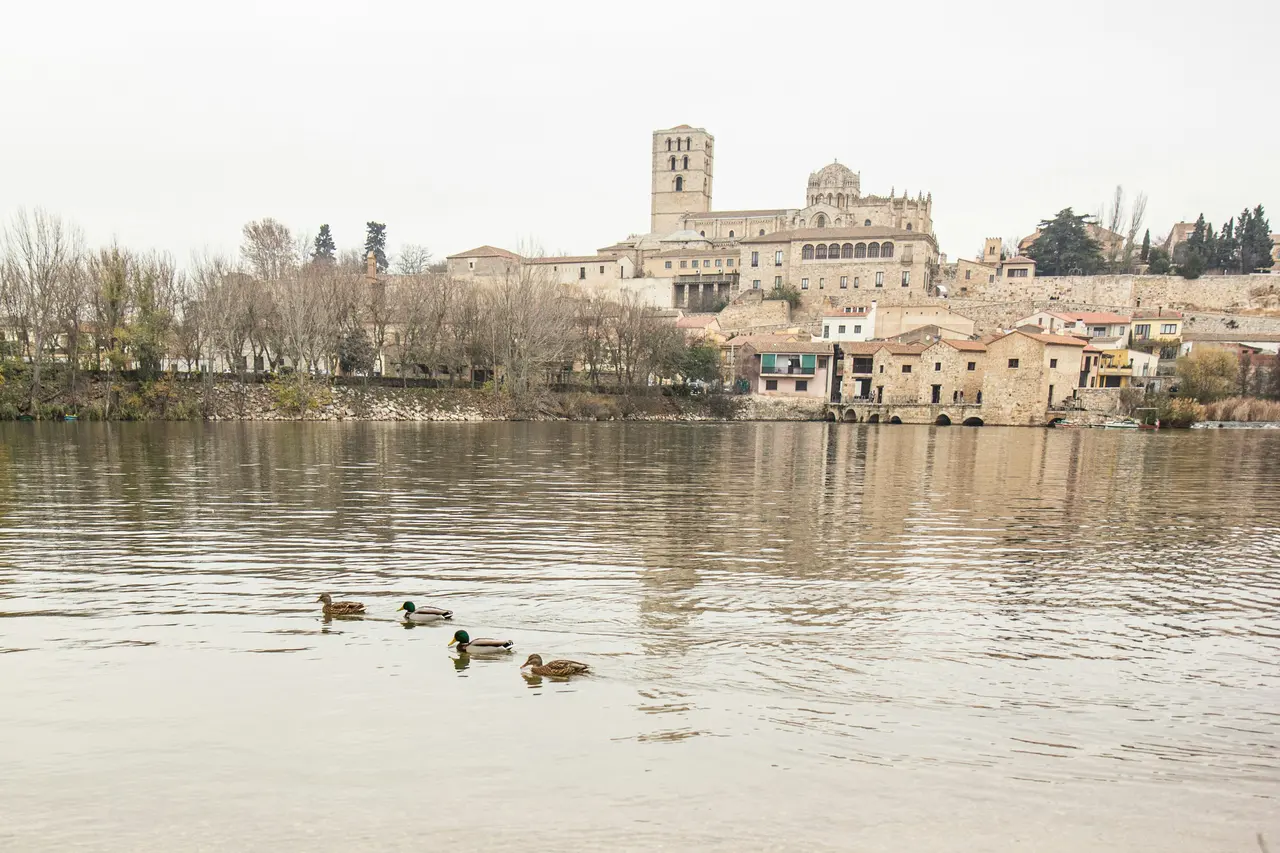
In Zamora, begin in Plaza Mayor and follow the old street towards the cathedral. Make a detour to La Magdalena church if you have time, then return to the main route. At the top, look at the cathedral lantern tower from outside and continue towards the castle. If you have one morning, choose one interior and leave the end of the walk for a slow descent to the Duero.
On the river, the Aceñas de Olivares mills show how the current was used to power work. It is worth changing levels even if you cannot go inside. From below, you can see why the cathedral and castle occupy their places on the ridge. Stay the night if you want to walk the upper streets and return to the river in different light. You can also move the indoor visit to another day if the weather changes.
Toro above the valley
Use the collegiate church of Santa María la Mayor and the viewpoints nearby to get your bearings in Toro. The Pórtico de la Majestad, an entrance portal with surviving colour, deserves some quiet time indoors. Outside, the ground drops to the river plain. Walk through the centre towards the Alcázar before you move on to a cellar visit.
If production is what interests you, book a winery and check its address. Cellars, the street plan and vineyards belong to the same history but may lie in different places. One major monument and one winery with a realistic gap for travel are enough for a single day. Leave purchases or another tasting for the town where you are staying if you want a longer evening.
Puebla de Sanabria, the lake and the upper Tera
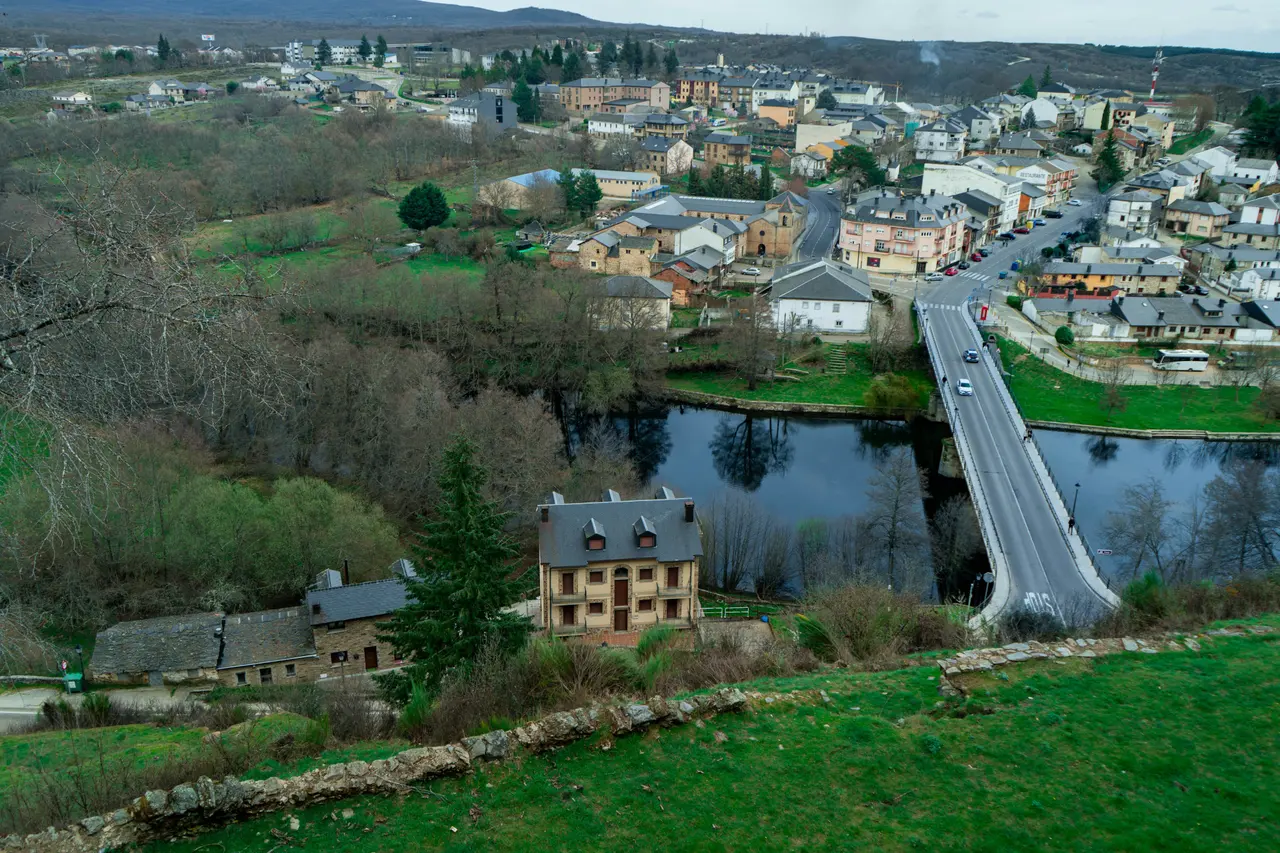
Begin beside the river in Puebla, then walk up to the castle and Plaza Mayor. This is a useful way to see the slope and the relationship between the streets and the defensive enclosure. Arriving with luggage is a separate matter. Leave it at your accommodation before doing the climb. At the top, visit an interior if it appeals to you and explore a few streets off the square.
For the lake itself, set aside at least a separate part of the day, or ideally a second day. Use the park information to choose between shore walking, a visit to San Martín de Castañeda and a route with a climb. Giving time to two perspectives, one by the water and one from above, tells you more about the place than stopping briefly for three photographs from the car.
Monuments and heritage
The church of San Pedro de la Nave in El Campillo preserves Visigothic carving. It was moved from its original location because of the reservoir on the Esla. Look at the stone blocks and the reliefs on the capitals if you go inside. Confirm access separately if the carvings are the reason for the journey. The visit fits a morning north of the provincial capital if your second stop can be shortened.
At Santa María de Moreruela, the eastern end of the church and the remains around it let you see the shape of a monastery from outside. Walk around the site to recognise the points where spaces and walls joined. A ruin takes a different kind of attention from a roofed building. Bring shade in hot weather and check the visitor arrangements for your date, especially if the same day includes the lagoons.
Compare the collegiate church in Toro, the urban Romanesque buildings of Zamora and Santa María de Azogue beside the main square in Puebla de Sanabria. Look at the colour in Toro’s portal, the shape of Zamora’s cathedral tower and the position of the church next to the castle in Puebla. These three details connect the buildings with places shaped by a city ridge, a broad plain and a mountain valley.
Museums and culture
Local collections work well alongside walks through the province. In the capital, a visit to the ethnography museum provides a way to recognise tools, textiles and aspects of the festivals you may see elsewhere. Make that visit your priority if you have chosen a day around local culture, and leave smaller churches as flexible stops. In hot weather, you can also use a museum between the exposed walk by the cathedral and the descent to the river.
In Sanabria, a park information visit helps connect the glacial landscape with the shape of the lake you see from shore level. In Fermoselle, the Casa del Parque is a place to get oriented in the Zamora part of the Arribes. It is useful when you want to work out exactly which part of the valley a particular viewpoint faces. Look up the location and opening of each centre before committing to a visit.
Charming villages
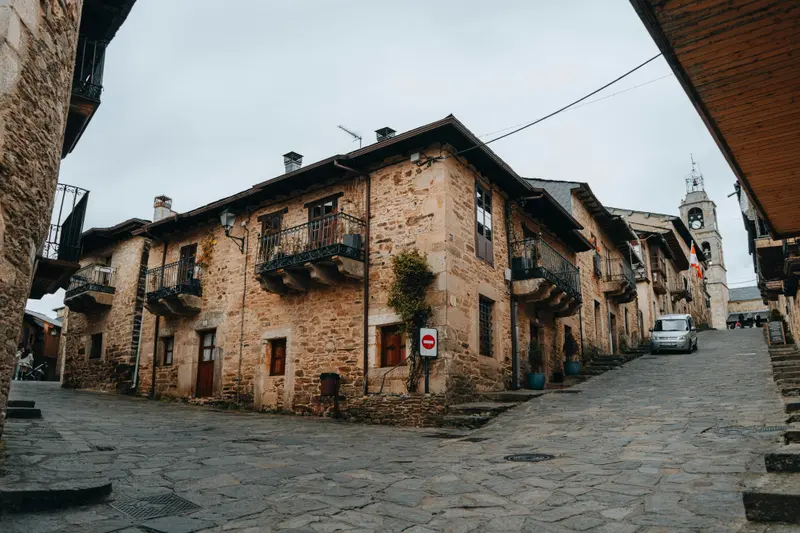
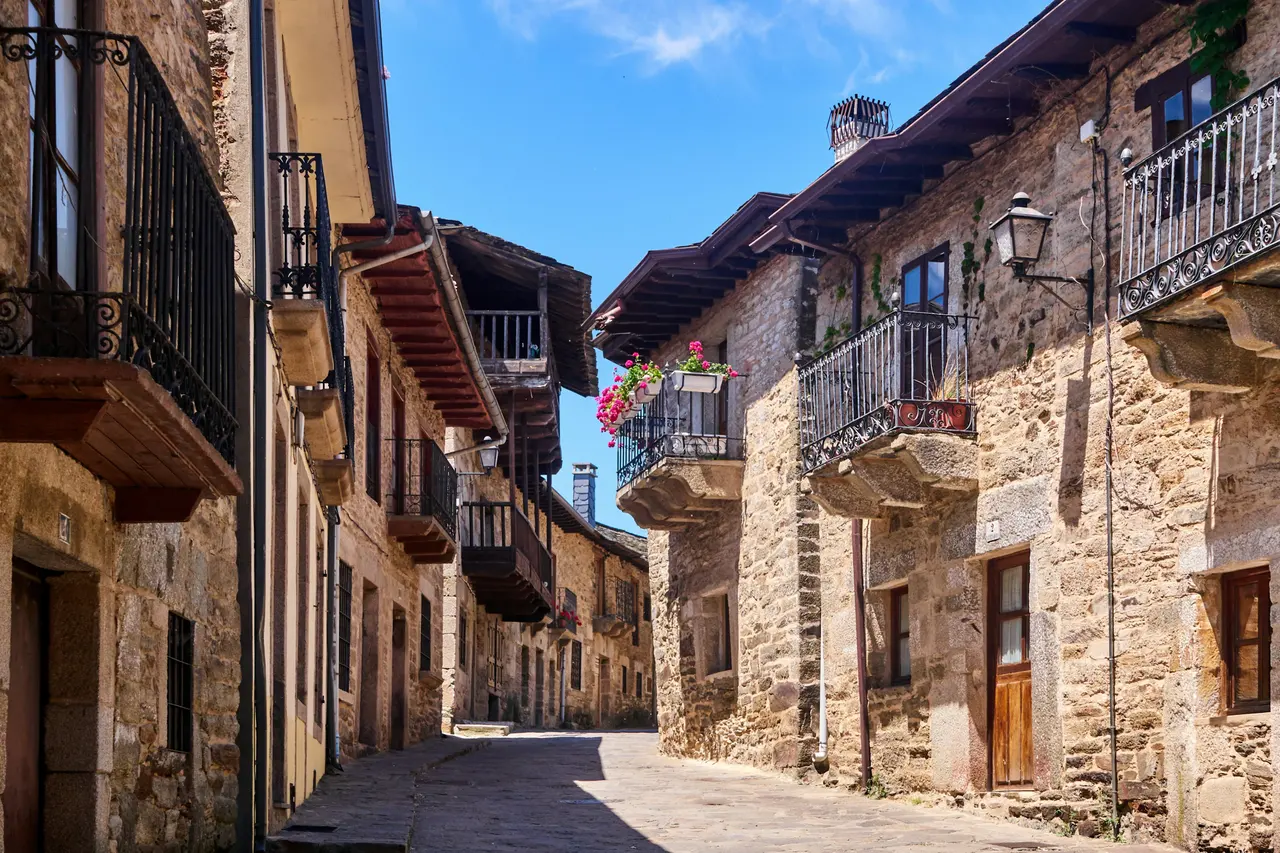
Fermoselle sits above the gorges. Walk through its stone streets and look for the places where a gap between houses gives a view out. Use a separate part of the day for a longer outing. The slopes within the town add to the effort of a path outside it. If you want to visit an underground cellar, look for a specific one you can book and plan the other stops around it.
At San Martín de Castañeda, look from the monastery area towards the lake and the mountains behind the settlement. The changes in level help explain how the villages relate to both. In Ribadelago, the setting and the memory of the 1959 disaster deserve an unhurried, respectful visit. A day in the lakeside villages and another for a trail leave more time than a chain of quick stops all around the shore.
In Aliste, Alcañices is a stop for learning about a separate border district. Bercianos de Aliste is primarily of interest to people visiting for its Holy Week traditions. Outside the celebration, fit it into a fuller circuit of the district if you are interested in its settlement patterns. Benavente makes a useful northern stop for Santa María del Azogue and the area around the Torre del Caracol, especially if you are already travelling through the north of the province.
Nature and protected areas
Lake Sanabria and the Arribes gorges
Lake Sanabria occupies a glacial basin. To see its shape, start by the water and look again from above if conditions allow. The Segundera and Porto mountains have tougher terrain and a different forecast from the lake shore. If you plan to climb, check the path map and local conditions and choose a return route that you understand. Leave room in the plan for turning back before high ground if cloud develops.
The Arribes del Duero follow the river between Zamora, Salamanca and Portugal. From Fermoselle, stay within one sector instead of trying to link viewpoints in several provinces. Look for traces of the terracing that made it possible to use the slopes. Include time to walk from the car and keep to the viewing area. Rock surfaces and steep approaches need particular care in wet weather.
Villafáfila and the open plain
At the Villafáfila lagoons reserve, spend time looking out over the surrounding fields as well as the water. The lagoons offer a chance of seeing waterbirds and the cereal fields hold other birds you can watch from a distance. El Palomar is the reserve’s visitor centre. Use it to orient yourself, and check current access and water conditions before deciding between viewpoints.
For a short visit, choose somewhere you can stay out of the wind. Binoculars reward scanning the same area slowly more than moving between several points in quick succession. When birds gather in fields or on the water, watch from the places set aside for visitors. Leave resting and feeding groups enough distance to continue what they are doing.
Festivals and traditions
The 2026 Holy Week routes in Zamora show how much the experience depends on the procession and on where you stand. Work out what you most want to see, study the street and leave a way to get out of the crowd if you are travelling with children. In Bercianos de Aliste, the official 2026 programme put its Good Friday events on 3 April. The size of the village and the character of the event call for following local directions and choosing a place where you will be out of the way of the procession.
The province’s winter masquerades vary between villages. Sanzoles and Riofrío de Aliste offer two examples of how differently the tradition is expressed. Use the local programme for the year you are visiting to confirm where and when it takes place. If you will be waiting outside on a cold morning, find out where you can warm up before heading back to the street.
What to eat
Look for arroz a la zamorana, a rice dish made with pork, if you want to try local home-style cooking. In Zamora itself, a sit-down lunch and smaller tapas meals give you two ways to sample different dishes. Pick up Zamora sheep’s milk cheese and bread before going out into the countryside. For cheese you want to take home, ask about its age and how to keep it during the trip.
In Sanabria, habones, large beans, are a reason to look for a substantial lunch after walking. Around Fuentesaúco and Tierra de Campos, pulses give you an alternative to rice and cured meats. Ask what the kitchen is serving on the day. If you tend to eat earlier at home, allow for local kitchen hours before making a return booking or starting a walk.
Book a tasting in Toro if you want to compare reds or learn how growers work with Tinta de Toro. The province also includes wine areas such as Arribes and Tierra del Vino de Zamora. To try more than one district without driving between them, look for a tasting with a wider selection or order by the glass where you sleep. Arrange transport or a driver ahead of time if you will be drinking at a rural winery.
Sport and outdoor activities
Start with a shore walk in Sanabria and save longer routes for a day when you know the surface and conditions. The effort increases quickly when you leave the lake for slopes and mountain paths. A short distance can still contain a substantial climb. Calculate the time for the actual terrain, rests and return route. Keep a plan that avoids higher paths if there is ice or a risk of storms.
In the Arribes, choose a marked path from Fermoselle or a viewpoint with a walk nearby. Start with water and avoid putting the steepest climb in the hottest part of the day. Villafáfila makes a slower outing, with more standing than walking. If you want to cycle on the plain, take the wind into account for the return and plan a suitable public route away from the areas where the birds rest.
Routes and itineraries

Two days of Romanesque architecture and wine
Give the first day to Zamora, from Plaza Mayor to the cathedral and then down to the Duero. Start the second in Toro with the portal and viewpoints. Add a winery in the afternoon if the booking and travel times fit. If you do not have a car, arrange the journey back to Zamora or stay in Toro. For a heritage-led version, spend the second afternoon on foot and try the wine over dinner.
Four days from Zamora to Sanabria
On the first day, see the provincial capital. Use the second for either Toro or the Villafáfila lagoons. Move your base to Puebla on day three and end with a walk through the upper town. Set aside the fourth for the lake and San Martín de Castañeda. Add a route at higher elevation only if the weather and return journey allow. If leaving by train, build the transfer to the railway station into the last day.
A week towards the frontier
With a week, add two nights around Fermoselle. Start with Zamora and Toro, then pick up a hire car if needed and spend a day in one part of the Arribes. Use the next day to walk in Fermoselle or visit another part of Sayago. Finish in Sanabria with a day by the lake and another for Puebla or a walk along a lower hillside. If birdwatching is the point of the trip, substitute Villafáfila for Toro instead of making two separate crossings of the province.
Travelling with children
In Zamora, choose one church and look for carved animals or a dome shape before going down to the river for a change. In Puebla, a short climb to the castle and a walk with time to stop are easier to adjust than a string of indoor visits. At the lake, plan around the stretch of shore you want to explore. Pack spare clothes and keep a hill walk for a separate time.
At Villafáfila, give children something specific to look for from the observation point. They can follow a group of birds coming together or look for movement over the fields. If wind or cold makes waiting difficult, shorten the stop and change to a simple walk where visitors are allowed. Treat a particular species as a bonus so the outing still works if it does not appear.
Where to stay in Zamora province
Choose the capital if you arrive by rail, want to walk to dinner or are visiting mainly for the Romanesque churches. Toro suits a trip with several nearby cellars and no drive after dinner. Fermoselle is useful when you want to see the Arribes in the early or late light without adding a long journey. In a hill town, ask where you can unload and what the walk to your accommodation is like.
Puebla de Sanabria gives you an old town walk and practical services before heading to the lake. Villages nearer the shore make sense when you want to begin each day near the water or your trail. Check whether you can get dinner on foot, where to park and which road you will take the next morning. On a stay of four days or more, splitting the nights between the capital and Sanabria generally reduces the driving.
See places to stay in Zamora province (opens in a new tab)Affiliate link: if you book through it, we may earn a commission at no extra cost to you.
Practical tips and common mistakes
Group your bookings by district. On the day of a Toro tasting, pick a walk in that valley. In Sanabria, avoid making reservations that leave no room to adjust a walk to weather or elevation. In the Arribes, look up crossings, the path from the car and the uphill return before setting out. Keep one stop optional so a longer visit elsewhere does not spoil your main plan.
Confirm individual interiors with the people who manage them, especially in small villages. If access is uncertain, make an outdoor site or an appealing nearby stop your main plan. Take water, shoes with grip and an extra layer. Leave room for wildlife and use designated viewing places. At the lake, check the park’s current advice before taking part in an activity on the shore or in the water.
Keep the details of your accommodation and the departure points for walks available offline. If your group has different priorities, choose a base with two things people can do on foot independently. Someone who wants longer at an exhibition and someone who would prefer an evening walk can meet up afterwards without arranging separate lifts.