

 Español
 English

Why visit Ponferrada
To understand Ponferrada, look at the old town above the River Sil and then follow the streets downhill. The Templar Castle stands above the water. Just behind it are the Basilica of La Encina, Calle del Reloj and the old squares. Lower down, the former station of the narrow-gauge railway to Villablino tells a different story. The upper town helps make sense of an old route and its defences, while the railway explains how the city grew around industry in El Bierzo.
Ponferrada is in western León province, in Castile and León on the way to Galicia. The French Way of the Camino de Santiago runs through town, and the Winter Way begins here. You can use either pilgrimage route to get your bearings, whether you are walking between neighbouring villages or just following a few streets in the old centre.
A day in the city gives the surrounding landscape some context. Look across the valley from the castle, then consider how coal and other materials travelled through it at the Railway Museum. With more time, make separate trips to the mining landscape of Las Médulas and the villages in the Oza valley. Each takes you into a different part of El Bierzo.
When to go
Spring and early autumn are good times to combine an outdoor visit to the castle with a trip into one of the valleys. On hot summer days, start with the open parts of the fortress and keep one of the museums for later. The old squares sit close enough together that you can go back to one in a different light without repeating much of the walk.
On wet or cold days, spend more time at a museum and take a shorter route from La Encina to the town hall. If you are heading up to Peñalba de Santiago or Montes de Valdueza, look at conditions there separately. The weather beside the Sil can differ from what you find higher in the mountains. For a festival visit, read the local programme for your dates and allow part of the trip for a quieter look at the castle.
Getting there and around
The A-6 links Ponferrada to the east of the province and continues into Galicia. The city has rail and bus stations. Check the operator for the day you want to travel and look at which part of town you will arrive in. If you are combining a visit with León or Astorga, work back from your first visit in each place when choosing the next leg.
From the lower town to the castle
From the train station, find the route uphill towards the old town and the castle. Allow for the final uphill stretch if you are going straight to the castle. In the newer centre, Plaza de Lazúrtegui and Avenida de España make good landmarks for the walk back from the old quarter. Save the address of your accommodation before setting out if you intend to return after dark.
Once you reach the old town, walk between the castle, the basilica and the Clock Tower. You can take short breaks between sights without having to return to a bus or car. For a village outside the urban area, check the road and the exact place name. A Ponferrada address can belong to a rural settlement well beyond the part of town you can see from the castle.
What to see in Ponferrada
Things to do in Ponferrada around the castle
Start outside the castle and look at the towers as you approach the entrance. Within the walls, find an open viewpoint first. Then follow the map through the separate enclosures to see how the defences changed over time. The different levels and views across the valley give you enough to spend a substantial part of the morning. Leave time to pause before going back down to the streets.
From the castle, walk to Plaza de la Encina and on to Calle del Reloj. Pause before walking under the clock tower. It still marks the change from a narrow street to the square in front of the town hall. Coming back through the same arch later gives a clear view of how the streets gather behind it. That short part of the walk can be the start of a longer loop through the old quarter.
From La Encina to the Sil
If you arrive late, start at the town hall, pass through the tower arch and continue to the basilica. Walk around the front of the castle and look for the descent to the river. From the river level, you can see how steeply the old town rises above it. The Radio Museum and the Museum of El Bierzo fit along the upper part of this route. Leave the Railway Museum for an outing that also takes in the lower streets.
Monuments and heritage
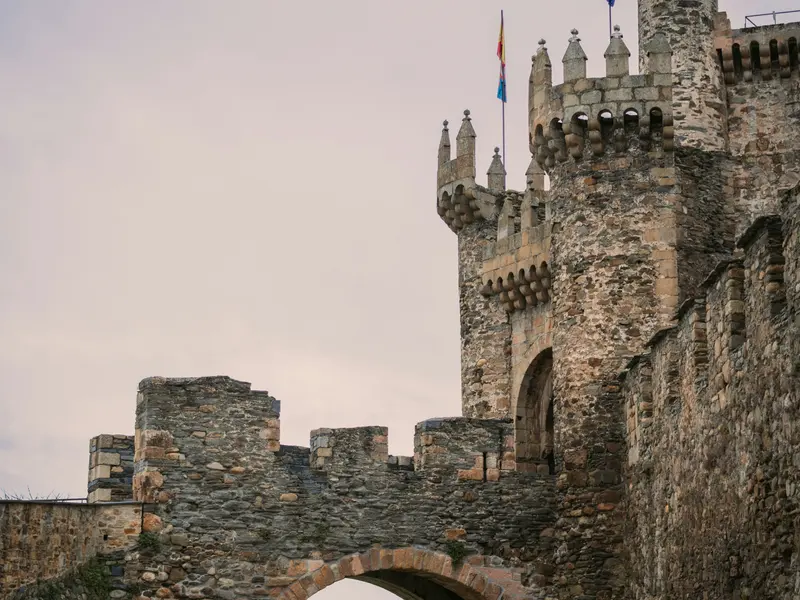
The Templar Castle
The Knights Templar explain part of the history of the castle. As you go through it, use the map to pick out the earlier enclosure, the monumental entrance and the later additions. The different walls, towers and living quarters belong to several stages of building. From the ramparts, look down towards the passage across the river. It is easier from here than from the entrance to see what the position of the castle would have allowed its occupants to watch.
Templum Libri offers a closer look at books and manuscripts. Check how the exhibition fits into your visit if it is a priority. It works well between outdoor sections of the castle walk, when you can take time to look at how images and writing share a page. The range of material also adds a second subject to a visit that might otherwise be spent entirely among battlements and doors.
The basilica and the Clock Tower
Inside the Basilica of La Encina, the altarpiece and the image venerated in the church give some context for the city’s patronal festivities. From the square, look at how the streets fan out from the building. The Clock Tower stands above a gateway in the former wall. Take a few moments on either side of the arch and you can see how the old boundary still shapes a short walk through town.
Museums and culture
Choose your museums around the part of the city you will see that day. If you have already climbed to the castle, you can easily continue with archaeology or broadcasting in the upper town. Visitors who want to follow the story of mining and power generation will get more from allowing a separate outing for the former railway station and power station.
The Museum of El Bierzo occupies a former prison in Calle del Reloj. It traces the area’s history through objects from several periods. You can use it to put the castle into context afterwards, or visit first if you would like an outline of the region’s history before seeing individual sites. The building is directly on the old-town route between La Encina and the town hall.
The Luis del Olmo Radio Museum has receivers from different periods and material about broadcasting. The Casa de los Escudos is close to the castle, so you can fit both visits into a morning or afternoon. Compare the size and shape of the receivers and imagine the space they would have occupied in a room. It makes an interesting pause on a day otherwise spent looking at the town through its buildings.
The Railway Museum is in the former station of the Ponferrada–Villablino narrow-gauge line. Its locomotives help tell the story of coal and the connection with Laciana. For a day about industry, combine it with La Fábrica de Luz, a former power station that now houses the energy museum. Allow for the journey between them as well as the time you want to spend with the machinery. Check the programme at each museum when choosing the order.
Neighbourhoods and areas
The upper town, the newer centre and the railway
The upper town gathers around La Encina and the town hall. The Clock Tower is a useful landmark if you take a turn down a side street. Walk through this area in both directions, from the castle into the squares and from the town hall back towards the river. You will find different approaches for later in your visit and see the sequence of spaces in both directions.
In the newer centre, Lazúrtegui and the surrounding shopping streets help you find your way towards the stations. The area around the former mining railway is a useful destination of its own. If the Railway Museum is part of your day, plan your walk around it and continue to the newer centre or the stations. That saves another climb into the old town just to turn back downhill again.
Nature and protected areas
The riverside lets you look back towards the castle at a different height. For a change of landscape within the municipality, follow the Oza valley into the foothills of the Montes Aquilianos. The road moves into narrower terrain as it approaches the villages. A visit to Peñalba de Santiago works best when you allow part of the day for the drive and leave time to walk its streets and see the church.
The Monastery of San Pedro de Montes is a second focus for a valley visit. If you are hoping to fit it in alongside Peñalba, check the roads between them and plan around the interior visit that matters most to you. If your main aim is a walk, choose where you will start and end before leaving town. The hills around Otero and Monte Pajariel are another way to get a wider sense of the terrain near the city.
The Senda de los Monjes, or Monks’ Path, is one way to get into the landscape from town. The council describes a route up from the Boeza bridge towards Otero and the church of Santa María de Vizbayo. You can treat the first part as an out-and-back walk and leave the longer route for a day when you have a return journey arranged. The bridge and village give you practical landmarks for judging the length of the outing.
Festivals and traditions
During the Noche Templaria, the castle and the streets become the setting for a historical re-enactment. The city announced its 2026 edition for 2 to 5 July. The parade towards the fortress is a good way to experience the celebrations along the route itself. For another year, consult the programme and decide whether to follow the procession or find a place to watch an individual event.
The Fiestas de la Encina take their name from the devotion associated with the basilica. The 2026 municipal programme used multiple venues, including Parque del Temple. Look up the location of the events you want to see and give yourself time to reach them. The park and the basilica belong to different parts of town, so there is room for a walk between the two sides of the celebrations.
Routes and itineraries
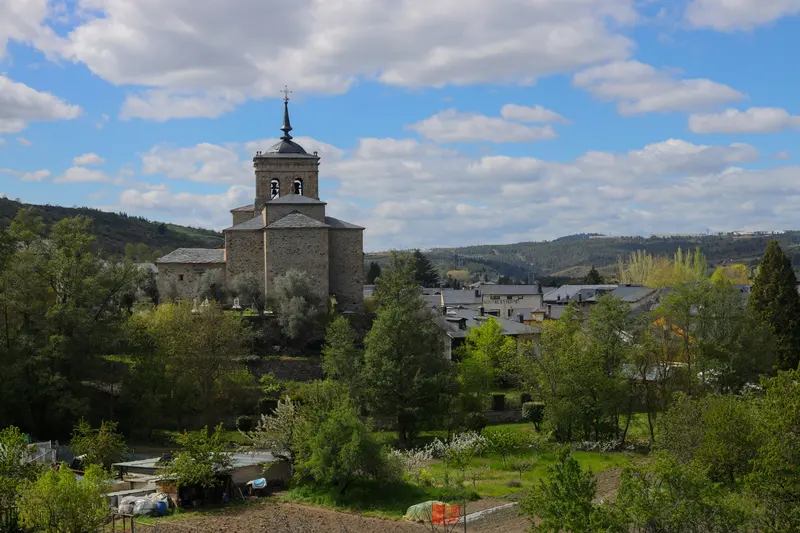
One day at the castle and the old squares
Use the morning for the castle, including Templum Libri if you want to see it. Follow the streets from La Encina through the Clock Tower to the town hall. Pick the Museum of El Bierzo or the Radio Museum for an afternoon in the old quarter. Alternatively, descend for the Railway Museum and return by the newer centre or the river. The route leaves a few easy places to shorten the day if you linger in the castle.
Two days with a stretch of the Camino
Use the second day to go back along the French Way towards Molinaseca. The village centres on the River Meruelo, its bridge and the main street on the Camino. Walk far enough across the bridge to look back at the river and the buildings beside it. The church of San Nicolás sits above the water. You can visit it as a short stop or make Molinaseca the end of a longer walk. Work out how you will return to Ponferrada before linking the two places on foot.
Day trips
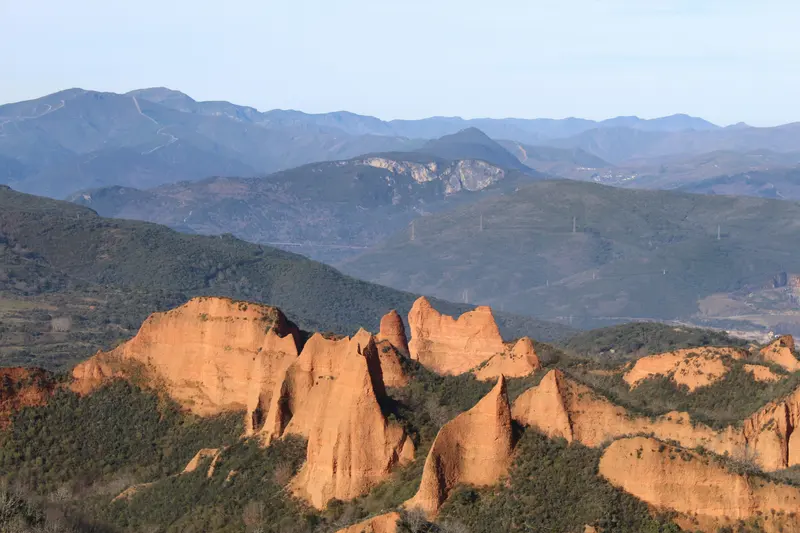
Las Médulas and Carucedo
The Roman gold-mining landscape at Las Médulas is a UNESCO World Heritage Site. Look for a view that takes in both the red pinnacles and the wider ground reshaped by the mining. Water was central to the way the Romans removed material. Following the landforms across a longer view makes it easier to understand how the site was worked. Infrastructure was affected by the 2025 fire, so ask which routes and viewpoints are available for your date.
The village of Las Médulas, Orellán and Carucedo offer different starting points. Choose one based on whether you are looking for a walk, a viewpoint or time near the lake at Carucedo. Allow a substantial part of the day for the site and leave the rest open. If access changes, you can still spend time in the same part of El Bierzo.
Peñalba and the Valle del Silencio
Peñalba de Santiago belongs to the municipality of Ponferrada. Once there, walk through the stone streets to the early medieval church of Santiago. Look closely at the horseshoe arches of the doorway, then step back to see where the building sits among the houses and on the hillside. The monastery in Montes de Valdueza makes a suitable second stop if you want to spend the day in the valley.
Travelling with children
Use the entrance bridge and towers to ask how someone would have guarded the castle. It gives younger visitors a few things to look for without having to follow every detail of the site plan. At the Railway Museum, look at how the wheels, cabs and engines differ. Between the two visits, allow time to pause by the river or in one of the squares. If one of the museums makes a stronger impression, use it to choose the next part of your trip. The railway points towards the industrial valleys, while the castle gives you a way into the old roads across El Bierzo. The fortress and the old streets have slopes and uneven surfaces, which can influence the route with a pushchair.
Where to stay in Ponferrada
The upper town is convenient for early visits to the castle and evenings near the old squares. Check the last slope to your accommodation when arriving with luggage or planning for someone who prefers gentler routes. The newer centre around Lazúrtegui is handy for days split between the stations, shops and the old quarter.
For several days in El Bierzo by car, check how you will leave town for the valleys and where you can leave the car overnight. If you want more time around Las Médulas and the lake, consider moving to the Carucedo area for part of the trip. On the Camino, look for a location that suits your route through town and check where you will resume walking the next morning.
See places to stay in Ponferrada (opens in a new tab)Affiliate link: if you book through it, we may earn a commission at no extra cost to you.