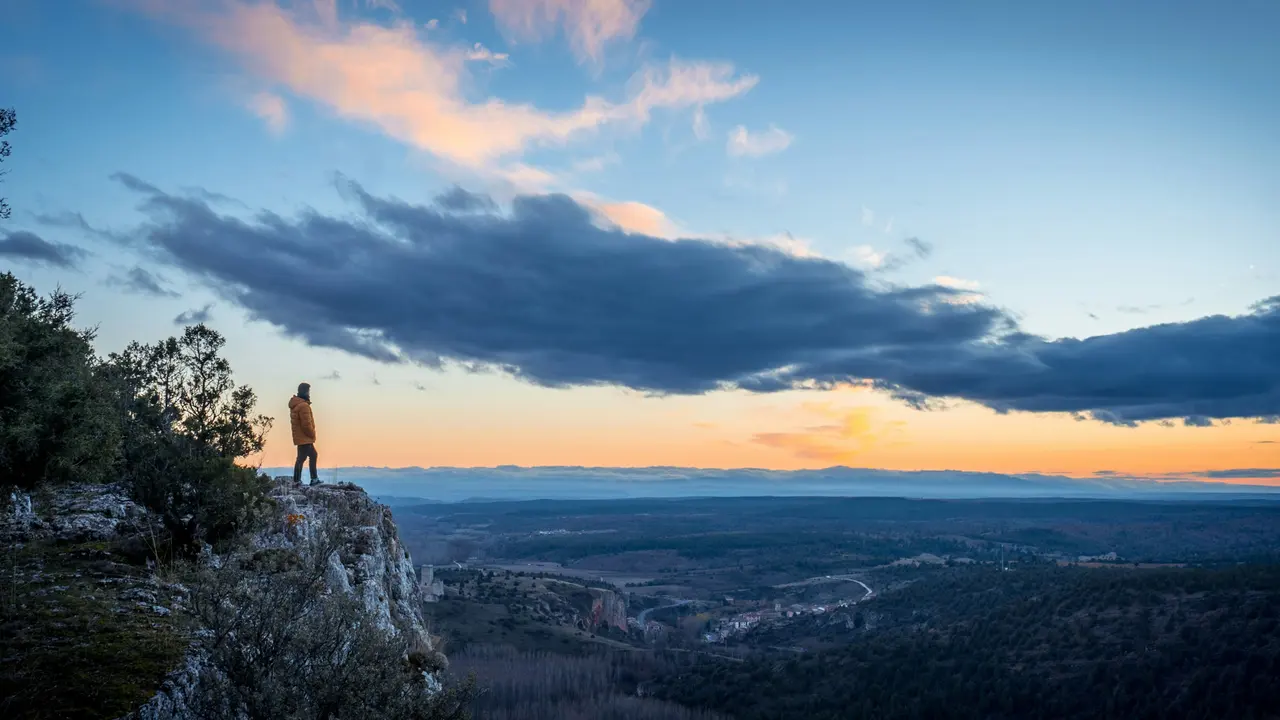
Español
 English

Why visit Soria province
When choosing things to do in Soria province, start with the part of the Duero you want to follow. In the city, the river links walks below San Juan de Duero and San Saturio. Further west, it passes Romanesque churches, vineyards and hilltop fortifications. Upstream near the Urbión pinewoods, plans depend on the elevation, the conditions underfoot and how far the walk starts from the road. A trip that follows the river in all three places changes character several times.
At this eastern end of Castile and León, archaeology tells you as much about the landscape as about the objects in a museum. Numancia sits above land you can study from the site. At Tiermes, some of what remains is cut into the sandstone itself. At Uxama, near El Burgo de Osma, the elevated position above a river basin gives a third perspective. Start with one site and time to understand it, then build other outings around the part of the province you are staying in.
For a first stay, Soria city works well if you are coming without a car or want to spend time in the museum and beside the river. El Burgo de Osma makes the western Duero and the Río Lobos canyon easier to reach. Vinuesa and the villages of Pinares suit travellers who want more than one morning outdoors. A single base can also work for three days if you limit longer excursions to two directions.
When to go
From the thaw to the long evenings
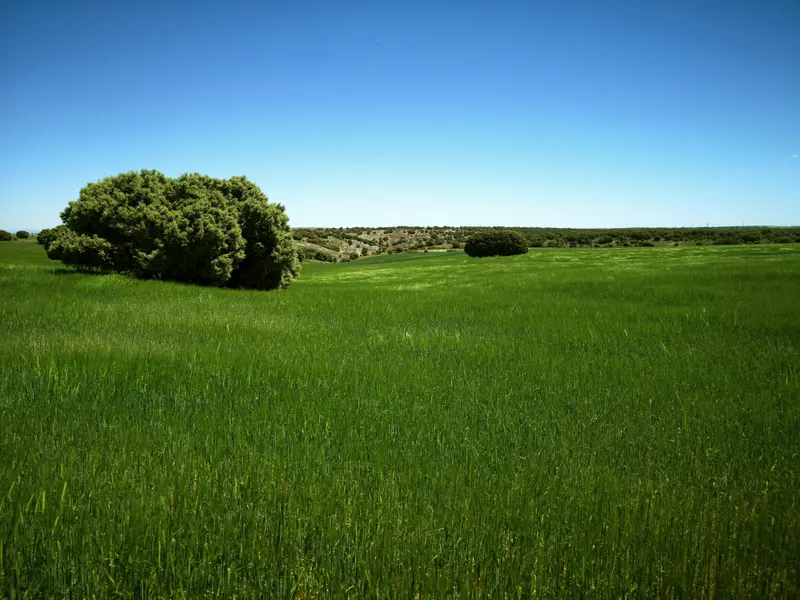
In spring, the canyon and the juniper woodland are good choices when higher paths are still affected by snow or thawing ground. For a weekend, use one day for the river towns and another for a protected area. If the forecast turns wet, stay in the district you chose and switch to a nearby town or museum. Leave more scope for change if your main walk climbs into the glacial terrain of Urbión.
In summer, set out early in the pinewoods. Numancia, Tiermes and Gormaz are exposed and feel hotter or windier than sheltered town streets. Visit hilltop ruins and fortifications early or late in the day. At Laguna Negra and the canyon, check the approach for your dates and keep a second route if part of the one you planned is unavailable.
Autumn woodland and winter breaks
In autumn, make time for both pine country and riverbank woodland. A single morning can show how sharply the vegetation changes between them. For wild mushrooms, consider a guided outing or a seasonal meal. Look up the rules for the specific ground and date if you want to collect any yourself. Sites quite close together may be managed differently.
In winter, Soria and El Burgo de Osma make useful bases for interiors, short walks and longer meals. Use the middle of the day for the highest viewpoints. Frost and fog can affect roads on the plain as well as in the mountains. If you travel for the truffle season, organise the town and meal first, keeping nearby sights for any daylight you have left.
Getting there and around
Arriving in the city and reaching the river
Renfe listed a station at Soria when consulted in 2026. Before travelling from Madrid, check the complete itinerary on the ticket and look for any announcement of replacement transport. Allow time to reach your accommodation from the railway station. If you are staying just one night, work out where you can leave luggage before heading down towards the river.
The city has an upper and a lower circuit. The Numantine Museum, El Collado and the central churches stand above the Duero. To visit San Juan de Duero or San Saturio on foot, allow for a descent and for the climb back if you finish in the centre. A day with the museum, a church and a river walk is easier to do without a car than a circuit that includes Numancia and several villages.
Getting to the right entrance
A car makes it easier to reach Garray, the approaches around Ucero and the villages of Pinares. For the Río Lobos canyon, save the exact access point before leaving. A path on the canyon floor and a viewpoint above the cliffs can involve separate drives. In the mountains, check where the road ends and decide whether the additional walk from the car park fits your time.
In the south, Almazán and Medinaceli can work as stops on a journey between bases. Give Tiermes a separate outing if you want time to examine the ruins. In the western Duero valley, choose El Burgo de Osma, San Esteban de Gormaz or Berlanga as the focus according to what you want to see. Put timed visits on the itinerary before adding stops at bridges or squares, where a delay is less likely to matter.
What to see in Soria province
Soria, the river and Numancia
In Soria, start around Plaza Mayor and follow the streets towards El Collado and the upper part of town. Look at the carved entrance of Santo Domingo before heading towards the Duero. Choose whether you will finish on one side of the bridge or make a circuit before committing to the descent. The return matters if you intend to eat in the old centre at the end of the day.
Beside the river, the former monastery of San Juan de Duero has an open cloister with arches of several forms. A walk towards San Saturio shows a different relationship between a building and its setting. The hermitage sits against the rock and comes into view as you follow the bank. On a short day, visit one interior at a comfortable pace and allow the rest of the time to see how the river and buildings look from another angle.
At Numancia, near Garray, look at the settlement’s position and the land it overlooks. If you have already been to the Numantine Museum, pick one subject from the collection to follow while you walk, such as roads, houses or everyday objects. The site has little shelter from the wind. Carry a layer even if it was warm when you left the centre of Soria.
The western Duero and its fortifications
At El Burgo de Osma, start around the cathedral and walk along the arcades. The streets linking the square, Calle Mayor and the edge of town near the Ucero explain the shape of the settlement. To visit Uxama, allow time for a separate trip out to the site and check which parts you can see. Its position above the basin helps explain the relationship between routes, high ground and the river.
In San Esteban de Gormaz, the churches of San Miguel and Nuestra Señora del Rivero reward time on the hillside above the lower streets. Compare their porches as well as the way each stands in relation to the slope. Gormaz is a separate village with a fortress and a broad view of the Duero. Choose the churches or the castle if time is short. You can see the other on a day that continues west along the same valley.
Pinares and the southern sites
Use Vinuesa to orient yourself for Laguna Negra, then check the approach you will actually take. If you also want to see Castroviejo, allow separately for the road, the walk among its rock formations and the pinewoods. A longer route in Urbión deserves most of the day. Keep a lower walk available if cloud covers the slopes.
In the south, Medinaceli shows how a Roman arch and the approach road relate to a hilltop town. After seeing the arch, continue to Plaza Mayor and return by one of the side streets. At Tiermes, leave time to see how the structures hewn from rock fit together and use the on-site information or museum to understand them. The two sites give contrasting views of Roman occupation and work well on different days.
Monuments and heritage
Porches, paint and defensive sites
Build a Romanesque route around a few buildings you can compare. At Santo Domingo in Soria, the elaborate entrance is visible from the street. At San Esteban de Gormaz, the porches draw attention to the sheltered space between outside and inside. Together the examples suggest different ways a church addressed the street and the people using it. Allow some time at the exterior even if you have booked an interior visit.
Around Berlanga de Duero, pair the castle and collegiate church with San Baudelio, near Casillas de Berlanga. Read about the murals in advance if you want to distinguish the paintings still in the building from those held elsewhere. The central pillar and the way it supports the interior are reasons to visit in their own right. If you are also heading to Gormaz, leave sufficient time to see a fortress from outside without racing to another fixed admission.
Three archaeological sites for different trips
Choose Numancia for the Celtiberian town and the Roman siege, Uxama if you are following the valley near Osma and want to see an elevated site, and Tiermes to examine how sandstone was cut for part of the architecture. Each place changed as it was occupied over time, even though your map uses a single name. Follow the sequence given in the displays rather than treating all the exposed remains as though they were built together.
On a hot day, see the outdoor site before the museum or interpretation centre. On a cold morning, make the reverse choice if opening hours allow. Pick two details in advance, perhaps an approach to the settlement and the view of the lower ground. Archaeological plans are easier to use when you have a few features to recognise instead of trying to interpret every outline at once.
Museums and culture
At the Numantine Museum in Soria, objects can tell you about domestic work, trade and the ways the ancient communities used their surroundings. When you go to Garray, pick one object or activity you have seen in the museum and find its setting in the archaeological story. In wet weather, give the collection more time and take a short walk in the city between showers.
The San Juan de Duero site and interpretation resources explain a different kind of material history, where the buildings still show some of their original volume and setting. For a day focused on literature, use Antonio Machado as a way into a town and river walk. Choose one text or one stop to read closely. Standing on the Duero gives you time to see the shape of the valley and how the water moves, details often lost in a race to cover every pin on a literary map.
Charming villages
Calatañazor, Ucero and the Duero towns
In Calatañazor, walk through timber-framed streets towards the ruins of the castle. The upper end shows how the town sits above the surrounding land. If you also plan to see the juniper woodland, treat it as a separate walk. The town viewpoint and the trees explain quite different things even though both visits use the name Calatañazor.
In Ucero, the river and the position of the castle help you see how the canyon approach works. Select a car park appropriate to your walk before driving into the park. El Burgo de Osma is a place to walk under the arcades, find lunch and stay within reach of other western towns. If you add Berlanga, see the square first and leave the castle for a time when you can allow for the climb.
Pinares and the Jalón corridor
Vinuesa has a centre of mountain houses and makes it easy to keep the lake trip separate from a second outing. Duruelo de la Sierra is useful for Castroviejo and the upper Duero. In poor weather, exchange a climb for a short town walk and return quickly to where you are staying. With clear weather, use the morning for the main outing and the afternoon for the streets and squares of one or both villages.
In the south-east, Medinaceli is a longer heritage stop when changing accommodation. In Almazán, walk between the square and the old gates and look for a way down towards the Duero. If you are staying in the south, check what is easy to reach on foot in the evening. Going in to see a town on the way through takes much less planning than arriving with bags, parking and finding supper.
Nature and protected areas
The Río Lobos canyon
The Río Lobos canyon, shared with Burgos province, offers a walking route along the base and separate places to look down. Around Ucero, select a manageable section that allows a turnaround after the area near the hermitage of San Bartolomé. The Galiana viewpoint shows the position of the cliffs from above and can be a separate visit. Depending on the time of day, you may find shade inside the canyon and good light on the rim at different moments.
The canyon narrows and changes character with the water level and season. Check the state of the path, especially if a stretch runs right beside the river. To watch birds, take binoculars and use the permitted viewpoints. You can see how they move around the cliffs without approaching an edge or leaving the main trail.
A mountain lake, a spring and a juniper forest
Laguna Negra lies in a glacial cirque in Urbión. Walking beneath the rocky walls near the water and climbing above it call for different plans. Before choosing the high route, check elevation gain, conditions and the distance from the start. For a group with different walking speeds, choose a shorter shared walk first and agree where to meet before splitting up.
At Muriel de la Fuente, the walk at La Fuentona follows water to its spring. Pair it with the Calatañazor juniper woodland to see how the valley vegetation differs from the trees on drier land. After rain, choose the walk according to what you know about the surface. On a clear day, allow time for the forms and spacing of the juniper trunks from the marked path.
Festivals and traditions
Soria’s San Juan festivities took place from 24 to 29 June 2026, according to the provincial programme. Neighbourhood groups known as cuadrillas are part of how the festivities are organised. For a trip in a different year, consult that edition and check where the events take place before deciding where to eat or how to get back to your room. A programme in the centre can change how long it takes to cross streets that are normally straightforward.
Black truffles also shape part of the province’s calendar. In 2026, the provincial board listed fairs in places including Abejar and Medinaceli. Check the year you intend to visit before booking. The fairs combine markets with activities that explain a local product. On another weekend, you can build a day around a seasonal lunch and a village walk without working around a concentrated programme.
What to eat
For a first stop, share torreznos, crisp pieces of fried pork belly. If you plan a full lunch, order a small portion or save them for another day. Try mantequilla de Soria, local butter, to see which of the plain, salted and sweet styles you prefer. Shops in the city and specialist retailers are useful places to look. If you have a long drive in hot weather, leave any purchase until the end.
In winter, look for black truffle in a simple dish. Ask whether the kitchen uses fresh truffle or flavoured ingredients if that distinction matters to your visit. In Pinares, the mushrooms on offer depend on the season and what is available. If it has been dry, choose another local dish and make any mushroom outing about identifying habitat and species with a guide.
The western end of the province is within Ribera del Duero wine country. A vineyard visit around San Esteban de Gormaz gives context to the river landscape. Plan it for a part of the day that does not also depend on an admission elsewhere. A good tasting explains the choices made in a vineyard and cellar. Give it time to do that, and decide who is driving before you go.
Sport and outdoor activities
For the Río Lobos canyon, start with the park’s description of the river trail and decide which section you want to walk. If you finish at a different entrance from where you began, make arrangements to get back. A short out-and-back lets you spend time on the rock formations and changes in vegetation, and is easier to cut short if the group needs longer.
In Urbión, the climb, exposure and terrain are more important than the distance alone. Start on lower ground if anyone in the group is unfamiliar with mountain routes. For cycling, country paths around Soria and Pinares make outings of different lengths possible. Look at the surface and whether cycling is allowed on the part you plan to use. In autumn, leave enough daylight for the return even on a ride that begins at midday.
Routes and itineraries
Two days between Soria and the Duero towns
Spend day one in the city with a visit to the Numantine Museum and a river walk. If you mainly want archaeology, replace one town sight with Numancia and return to Soria for supper. For day two, go west to El Burgo de Osma and San Esteban de Gormaz. With a car, Gormaz is an extra viewpoint if the light still suits. Without one, give the town centre and the river one day each and adjust for the parts of the city that involve a climb.
Three days for city, canyon and pinewoods
Use the first day for Soria and Garray. On day two, see El Burgo de Osma and pick an approach to the Río Lobos canyon. If you mainly want a walk, start in the park and visit the town later. On day three, go to Vinuesa and allow for Laguna Negra or a lower route if conditions change. One night in the west cuts out the return drives between the canyon, Pinares and the city.
A weekend in the south
Give day one to Medinaceli and day two to Tiermes. Use Almazán or Berlanga de Duero as a stop between the two, depending on the direction of travel. If you expect a windy or very hot day at Tiermes, have a place in mind to rest afterwards. There is no need to return to Soria first. The aim is to see how older settlements used the hills and the land below them in different ways.
Travelling with children
At Numancia or Tiermes, choose a couple of features that children can spot on the ground, such as an old street or a rock-cut wall. Give them time to find those before walking the whole area. In Soria, choose a short stretch beside the Duero with a recognisable building along the way. Do any uphill return before a meal or when you can take rests without missing an admission.
In a natural area, select a viewpoint or an out-and-back path with a clear turning point. Around water, mud and loose stones are more important than the distance printed on a map. Check the chosen approach if you bring a pushchair. One park stop and one village square provide room to adapt the day without spending all afternoon getting in and out of the car.
Where to stay in Soria province
Soria city gives you the greatest range of services, indoor sights and walks you can start without a car. For the western Duero, El Burgo de Osma or San Esteban de Gormaz reduce the drive after the last stop. On a trip with two days in Pinares, compare Vinuesa, Covaleda and Duruelo de la Sierra according to the road and valley you will use for your main excursion.
For the south and the Jalón, look for a room near the end of your longest day. Medinaceli and Tiermes look closer on a provincial map than they feel during a round trip with stops. In any small place, ask where you can have supper and where to leave your car after unloading. For three days, change bases once if that removes the longest drives and still leaves time to see the places you are staying.
See places to stay in Soria province (opens in a new tab)Affiliate link: if you book through it, we may earn a commission at no extra cost to you.
Practical tips and common mistakes
Check whether the name on your map identifies a town or the exact site. Osma, El Burgo de Osma and Uxama appear close together but require different starting points. The same goes for San Esteban de Gormaz and the fortress at Gormaz. Save the visit location before leaving to avoid arriving in a town with another drive still to make.
Add the walk from the car, the climb to a square or the descent in fading light to your travel times. That matters when fitting a fortress and a timed interior into a day. Download the map before using smaller roads. Reception may become intermittent at the exact point where you need to decide where to start a route.
Before going up to Urbión, check the temperature, wind and conditions underfoot. In the canyon, check the lower path near water. At an archaeological site, think about where you can rest in hot weather. Keep an alternative in the same district, such as a museum in place of an exposed hill or the low juniper woodland if a high trail is too cold. That preserves the day without losing it to a long drive.