

 Español
 English

Why visit Palencia province
When choosing things to do in Palencia province, start with two kinds of waterway. The Canal de Castilla runs across the plains in channels dug to carry goods, with locks where the land changes level. To the north, the rivers Carrión and Pisuerga rise in mountain country and feed reservoirs in narrow valleys. A journey from Frómista to Cervera de Pisuerga takes you from one landscape to the other within a manageable part of Castile and León.
In Tierra de Campos, the horizon and the history of farming give the canal its context. When you approach the locks on foot, you can see how the chambers sit in the ground and how the small buildings relate to the water. The same close attention works at San Martín in Frómista or the carved doorway in Moarves de Ojeda. Look for individual figures or patterns before you move on to another church. La Olmeda adds an entirely different scale of history, with mosaic floors and the layout of a Roman country estate.
Base yourself in the Palentina mountains for two nights if you have a particular walk in mind. The valleys are long and a drive between them can fill a morning once you stop and get out. The Cerrato district in the south suits a short trip built around hillside wine cellars, village streets and the Pisuerga valley. Palencia city gives you a cathedral, riverside paths and museums for a first day or for the end of a longer circuit that began in the north.
When to go
May and June are good months to pair the Canal de Castilla with towns in Tierra de Campos. You have time to see a church and still walk in late light, when the earth walls and stone façades pick up some colour. There is little shade on the open stretches. In hot weather, bring the canal walk forward and put an interior, such as the Roman villa or a museum, in the middle of the day.
Summer is a good time to spend longer in the north, while keeping an eye on the forecast. The reservoirs and higher valleys can feel cooler than the plain, but paths on open slopes are in full sun. For a family outing, pick a walk with an uncomplicated turnaround. For a longer mountain day, check the chance of storms and give yourself plenty of time to return in daylight.
In September or October, you can alternate a visit to a Romanesque church with a walk through deciduous woods. Valley paths may stay wet after rain and fallen leaves can hide loose stones. After a run of wet days, move plans around to see the mosaics near Saldaña, spend time in the centre of Palencia or walk between the squares of Aguilar de Campoo.
In winter, frost on the plains and snow in the north make elevation more important. A cleared main road tells you little about a shaded access road or a path that traverses a slope. Use the brightest part of the day for secondary roads and keep a shorter urban plan in reserve. If you will continue into Cantabria, check the conditions for the next leg as well as for Palencia.
Getting there and around
Which end of the province to start at
Palencia is a useful rail gateway. Renfe listed the Madrid to Palencia connection in 2026. Check the departure station in Madrid when booking and leave enough time to get there from the airport if you are flying in. The station in Palencia is close enough to the old centre to walk with light luggage. An onward trip to smaller towns usually takes a separate decision about transport.
By road, the A-62 approaches the south of the province and the A-67 heads towards Cantabria. From the Cantabrian coast, Aguilar makes a sensible first stop if you are mainly interested in the northern valleys. From the south, San Juan de Baños or Dueñas works as a stop before reaching Palencia city. Higher up, travel time is set by the routes between valleys rather than by the straight line between nearby villages.
Match the transport to the day’s visits
On foot, the capital works as a circuit between the cathedral, Calle Mayor and the river. Set aside a separate walk to Cristo del Otero or arrange a ride there if you mainly want the view. Frómista has a railway station. Check whether there is a return service you can use before basing a country day on it. A hire car is useful if the plan includes La Olmeda, several village churches or a trail beyond the village itself.
Start by checking any place where access depends on a visit slot. The cave at Revilla de Pomar, a Romanesque interior and the Roman villa are separate appointments. Add outdoor stops around the least flexible one. For a walk along the Camino, consider the return from the finish before setting off. An out-and-back stretch along the canal often makes a simpler first day than a one-way journey between two small villages.
What to see in Palencia province
Palencia city and the River Carrión
Start at the cathedral, then walk along the arcades of Calle Mayor and through the streets near San Miguel down to the Carrión. The river is part of the old town’s geography. It takes only a short change of direction to pass from shopfronts to a riverside path. If you have light left, walk towards the Cristo del Otero and look back at how the buildings give way to the fields.
For a short stop, time in the cathedral and a loop to the river are enough to see how the centre fits together. With a full day, add the Museum of Palencia or the diocesan collection. Find out which collection holds what you wish to see before planning two interiors in succession. The river walk is a useful break between them.
Frómista, Villalcázar and Carrión de los Condes
Frómista is a good place to put a medieval building and an industrial work in the same morning. Walk round San Martín to see how its different rooflines and curved ends fit together, then continue to the flight of locks on the Canal de Castilla. The Camino Francés cuts through the area. The canal paths help make sense of why walkers, cyclists and day visitors all use this town as a stopping point.
Continue towards Carrión and stop in Villalcázar de Sirga for the carved doorway of Santa María la Blanca. In Carrión, look at the frieze of the Church of Santiago and make time to walk from the centre to the bridge and the monastery of San Zoilo. If you arrive from the east, Boadilla del Camino sits on the way to Frómista. With a little less time, spend the morning by the canal and keep a single church or town for the afternoon.
La Olmeda and Saldaña
The remains of the Roman villa of La Olmeda are in Pedrosa de la Vega. Elevated paths give you a way to see how the rooms were arranged and how the mosaics fitted into them. Start with the scene of Achilles in the main reception room and then compare the other floors. Look at the service areas included in your visit as well. They show how the site functioned as a country estate as well as a place for entertaining.
The museum in Saldaña occupies the Church of San Pedro and displays finds from the excavations. The town has arcades and a square where you can stop before moving on. Treat the museum and villa as separate stops when checking access and allow time to get between them. They make a strong pair on a wet day or after a long day on the canal towpath.
Monuments and heritage
The Romanesque sites in the north suit a pair of short drives with time at each place. At Olleros de Pisuerga, the Church of Saints Justus and Pastor shows how a place of worship was cut into the rock. At Santa Cecilia in Aguilar, you can relate the church to the climb towards the castle. At San Juan Bautista in Moarves de Ojeda, pause to see the warm stone and the depth of the carved doorway. If a particular sculpture or wall painting inside is the point of the day, ask in advance how to get in.
The monastery of Santa María la Real at Aguilar helps put village churches into the wider story of medieval settlement. If you continue towards Cervera, look at the position of each church in relation to the river and the routes around it. A walk around a smaller building can reveal where its entrances face and how it sits in the village. Allow time for that even when you plan to stay mainly outside.
Further south, San Juan de Baños stands at Baños de Cerrato. Its foundation inscription links the basilica to the Visigothic king Recceswinth. Give yourself a few minutes to look at the layout and the arches as a whole, then turn to individual details. Combine it with Dueñas or a walk in the capital. Keep the northern circuit for another day, when you can take time to notice different building techniques and how the stone changes from place to place.
Museums and culture
The rooms at La Olmeda explain the organisation of a Roman house. In the Casa del Cordón, the Museum of Palencia brings together material from other sites and periods. It helps to remember where you have been in the province before you look at a cabinet of finds. A place name on a label means more when you know how it fits into the valleys of the Carrión or the Pisuerga.
The Museum of Santa Eulalia in Paredes de Nava gives you an introduction to the painting of Pedro Berruguete and to the town’s church art. In Becerril de Campos, the former Church of San Pedro has been turned into a venue for finding out about astronomy. Either can anchor a day in Tierra de Campos. Check the visiting arrangements before driving there and leave room for a shorter walk outside if you have time left.
Charming villages
Ampudia and Tierra de Campos
At Ampudia, the streets with arcades and the collegiate church tower sit below a castle on rising ground. Walk through the lower streets first and look back towards the tower when the view opens up. Ampudia can occupy half a day if you visit the castle. If the plan is mainly to walk around outside, it fits with an excursion to Fuentes de Nava and the wetlands.
Becerril de Campos and Paredes de Nava make another pairing on the plain. Traditional houses use earth and timber in ways you can see on side streets and in unplastered walls as well as in the arcades. Give one town the main visit and use the other for a walk across the centre. On a windy day, both squares and sheltered streets provide somewhere to pause before going back out onto open roads.
Baltanás and the mountain towns
In Baltanás, the wine cellars were dug into a hillside and are recognisable by their doorways and ventilation chimneys. Take a step back to see how the entrances are arranged on different levels, then look from closer up. Ask about a guided visit if you want to understand the interior and the working of the cellars. Dueñas makes a complementary stop. Its streets climb away from the valley, showing a different way of building around the terrain.
Put aside time in Aguilar de Campoo to link its square, river and the area around the monastery on foot. Cervera de Pisuerga is useful for a trip built around walking since one day can begin in town and another can explore the reservoirs or a neighbouring valley. Further west, Velilla del Río Carrión puts the upper Carrión and its reservoirs within easier reach. Decide on a base after checking where you want to set out each morning.
Nature and protected areas
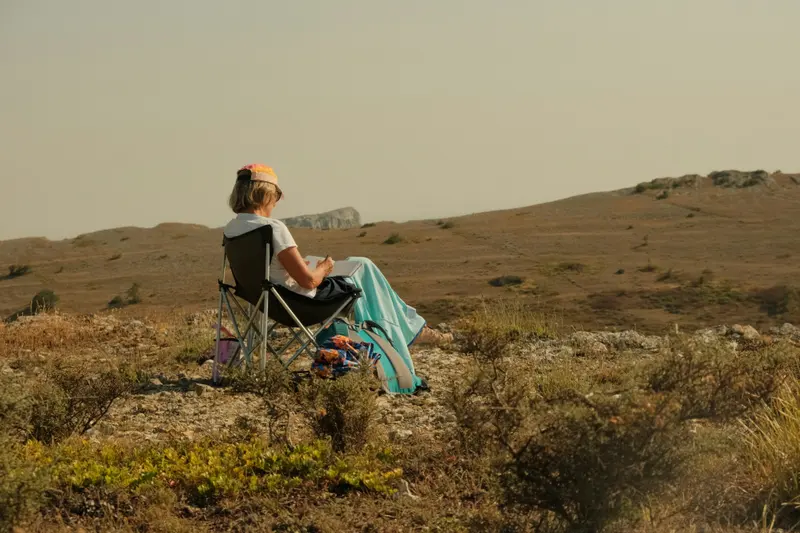
Mountain reservoirs and river valleys
The reservoir route connects the Cervera de Pisuerga and Velilla del Río Carrión sectors. It is possible to include Ruesga, Requejada and Camporredondo in a wider visit, but they are not all on one section of road. The road between Cervera and Velilla takes in the Compuerto and Camporredondo area. Requejada needs a separate branch from Cervera. If you want to walk properly as well as drive, choose a specific shore or trailhead and give up a few of the roadside stops.
Espigüete and Curavacas are useful landmarks for understanding the scale of the park. Open views help you see where the upper slopes lie in relation to the river valleys. Bring walking shoes and a map even if you intend to stay below the summits. High routes are for experienced groups in suitable weather. Loose stone, steep ground and lingering snow can all make a short route more demanding than its distance suggests. Vidrieros and the Pineda valley require time to get to the start as well as time for the walk itself.
Limestone and wetlands
Las Tuerces, near Villaescusa de las Torres, is a landscape of eroded limestone at the edge of a plateau. Look for the shapes made by erosion and the places where the plateau falls away. Mud and wet stone can change the difficulty of short sections. A separate trip near Revilla de Pomar can pair the landscape of Covalagua with the Cueva de los Franceses if you have checked access to the cave.
La Nava wetland is best approached as a birdwatching trip. Bring binoculars and give yourself time to wait. At Fuentes de Nava, the visitor centre explains how the wetland fits into Tierra de Campos. Ask which viewing points are usable and what water levels are like for your dates. The birds you can see and their distance from the viewpoints change through the year. Use the designated access routes to avoid disturbing wildlife.
Festivals and traditions
The official regional programme for Holy Week 2026 ran from 27 March to 5 April and included events in Palencia and other towns in the province. In the city, choose where to watch by comparing the start with a more open part of the route. A narrow street changes both what you can see and how easily you can leave. In Paredes de Nava or Carrión de los Condes, the processions use much smaller historic centres. Check the programme for your year before choosing how many nights to spend.
Pilgrimage affects the pace of a day in Frómista or Carrión even when there is no festival on. Walk around the square or the bridge in the early evening, once some visitors have moved on and walkers are settling into the town. Explore the interpretation centres of the canal and Cerrato to see how boat crews, millers and winemakers used the buildings you pass. That context can be as useful as a festival if you are visiting at a quieter time.
What to eat
Lechazo is roast suckling lamb. It is usually a meal to sit down for after the main activity of the morning. Menestra is a vegetable dish with seasonal variations, often using ingredients such as artichokes or asparagus. Ask what is available that day and how the portions of lamb are served if you are travelling alone or as a pair. The two dishes give you different ways to choose a lunch around the rest of the itinerary.
Across Tierra de Campos, pulses and bread are good starting points for a picnic or a simple meal back at your accommodation. The small, brown pardina lentil is associated with a growing area that extends across provincial boundaries. In the Cerrato, look for sheep’s cheese and see how some producers make use of the cellars dug into the land. If you combine a tasting with a drive, decide who will be at the wheel before you book.
Biscuit-making forms part of the industrial history of Aguilar de Campoo. Buy some in town if you are looking for something easy to carry after a walk beside the Pisuerga. In Palencia, ask at a bakery for almond sweets such as amarguillos. For a day in the mountains, carry lunch and buy supplies before you leave. Small-town kitchens may finish their lunch service before you get back from a long walk.
Sport and outdoor activities
The Canal de Castilla towpaths give cyclists a relatively level way to explore Tierra de Campos. Start near Frómista, follow the water towards Boadilla del Camino and adjust the distance to the wind. Exposed stretches have little shade, so take water and use lights if you might be riding back late in the day. At roads or where the path is shared with walkers, check the signs and slow down before the crossing.
The Senda del Oso begins at Cervera de Pisuerga and gives you a way to plan a walk from the town itself. Use the official description to work out how much of the route suits you and how you will return. The bear in the route’s name reflects the habitat. Any wildlife you see is a bonus. Stay on paths and use appropriate viewing points if you want to spend time looking for birds or other animals.
Routes and itineraries
Two days around the capital and Camino
On day one, walk between the cathedral, Calle Mayor and the Carrión in Palencia. Keep the Cristo del Otero for the afternoon if visibility is good. Go to Frómista on the second morning for the canal and San Martín. Then choose between Villalcázar de Sirga for a short architectural visit and Carrión de los Condes for a longer walk to the river. Travelling by train, take the full day in Frómista and use your return service to decide how far to go on the towpath.
Three days for mosaics and mountains
Start with La Olmeda and Saldaña on day one, then stay in Aguilar or Cervera. Spend day two on the northern Romanesque churches, with stops at Olleros and Moarves. For the third day, plan around Cervera and the reservoirs, or explore the Velilla sector if you are continuing west. If a longer walk is the main objective, drop one timed visit and keep the remaining stops as optional diversions for the way back.
Four days from the Cerrato to the north
Start with San Juan de Baños and Dueñas, or put Baltanás in the afternoon if you want to see the cellars. Stay in the capital and visit Frómista and Carrión as you move north. On the third day, spend the morning in Aguilar and choose between Las Tuerces and Revilla de Pomar for the afternoon. Keep day four for a walk from Cervera or a drive along the reservoirs with a few stops. Change the order of the last two days according to the weather and the access you have arranged.
Where to stay in Palencia province
Palencia city works for arrival by rail, dinner on foot and an onward trip into the Cerrato or Tierra de Campos. An address in the old centre is convenient for mixing museums and the river on the same day. If you are driving, ask how to unload luggage and where to leave the car afterwards. For a trip centred on the Camino, Frómista and Carrión cut the first journey of the morning and make it easier to change which stretch you walk according to the weather.
Aguilar is well placed for northern churches, visits along the Pisuerga and the onward road to Cantabria. Cervera gives you access to its own valley, the reservoirs and roads towards several different villages. Velilla del Río Carrión is a better base if your itinerary stays at the western end of the park. Outside summer, ask where you will be able to eat or stock up nearby. Two nights in one place also save the time you would spend moving luggage on the morning with the best forecast.
See places to stay in Palencia province (opens in a new tab)Affiliate link: if you book through it, we may earn a commission at no extra cost to you.
Practical tips and common mistakes
Separate the miles you want to walk from the places where you mainly want to drive and look around. On the canal, set a turning point that does not depend on getting to the next lock. In the hills, identify the exact village and trailhead, since one valley can have several approaches. Save directions and confirmations to your phone before leaving a place with a good signal. Keep some cash for small purchases in villages.
Check the visiting arrangements for each venue even when two sites share a name or ticket. That matters at La Olmeda and Saldaña, and on a sequence of rural interiors that may have different arrangements. If the forecast changes, swap churches, museums or mosaics into the wet day and save open viewpoints for better light. On the plains, a walk under the arcades or a short loop beside the Carrión can fill the time without adding another drive.
