Español
 English

Why visit Ávila province
When looking for things to do in Ávila province, start with a choice between the plains of La Moraña, the upper Tormes, and the valleys south of the mountains. In the north, arcaded squares and brick churches shape a visit. In Gredos, granite and water dictate where the settlements, ravines and footpaths run. The provincial capital introduces you to the old stone towns and the position of the Adaja in this part of Castile and León.
A weekend gives you room for the city and one other area. Arévalo stands on its own if your interests are public squares, Mudéjar towers and food from the oven. For walking, decide which side of Gredos interests you. From the north flank you can choose between the banks of the Tormes and the higher ground of the glacial cirque. From the Tiétar valley there are easier approaches to the lower ravines, chestnut woods and castles.
With more days, a second place to stay opens up the map. The time it takes to cross a mountain pass can change which way round the trip makes sense. Pick a town with places to eat if you are mostly visiting monuments and taking short walks. If the plan is to spend full days on the hill, sleep nearer the trailhead and leave Ávila city for your arrival or departure.
When to go
The seasons on either side of Gredos
In spring, begin with the towns and valley paths. Water is often a feature of the ravines and the evenings can still feel cold in villages on higher ground. If you want to walk into the Gredos cirque, check snow conditions even if it felt mild in the Tiétar the previous afternoon. Make the date work for the terrain you intend to cover and keep a low-level route in mind.
In summer, get going early for the exposed northern trails and look for shade in the middle of the day. In the inland towns, the arcades can provide a break from the sun on a short walking circuit. South of Gredos, a brief visit to a castle and a morning walk fit the season well. If you are planning to swim, check whether the site is open for that use and how the water is on the day.
September and October suit a trip with castles, villages and walks. Autumn colours in the chestnut woods vary with height and weather. In winter, build a trip around historic towns and short outings. Leave higher roads and shaded slopes for daylight with good visibility. On a windy day in Ávila, pair a walk in the sun with a church or museum.
Getting there and around
By rail or road
From Madrid, the train is an option for the provincial capital. Renfe’s maps as consulted in 2026 show regional connections in the Ávila and Arévalo corridor. Check the stations and services for your actual travel dates. In Ávila, give yourself time to get from the railway to the historic enclosure. In Arévalo, make the walk from the station part of the itinerary before deciding how much you can see between trains.
Drivers can choose a start on the edge closest to their arrival. Come in from the north for Arévalo and La Moraña. From the capital, the route towards Piedrahíta and El Barco follows a useful line into the upper Tormes. If you are staying in Arenas de San Pedro or Candeleda, look at the southern approaches before choosing a route from Madrid or organising a longer trip from elsewhere in Spain. Crossing the mountains just to check in can use a large part of a short break.
Planning the last leg
For trips by bus, check by village and by direction. A morning arrival may leave no suitable return for the length of walk you want. A taxi arranged in advance can bridge the gap for a visit with clearly defined start and finish points. A car is useful when linking several castles or viewpoints because you can change course if the first visit lasts longer than expected.
On walks, use the full name of the starting point. A route planner that takes you to Hoyos del Espino or another village may still leave a sizeable approach to the start of the path. Save the park manager’s directions and check whether the final section is up a mountain road. On the return, make sure you have time to get over the pass before you lose the light.
What to see in Ávila province
The city and the churches outside the enclosure
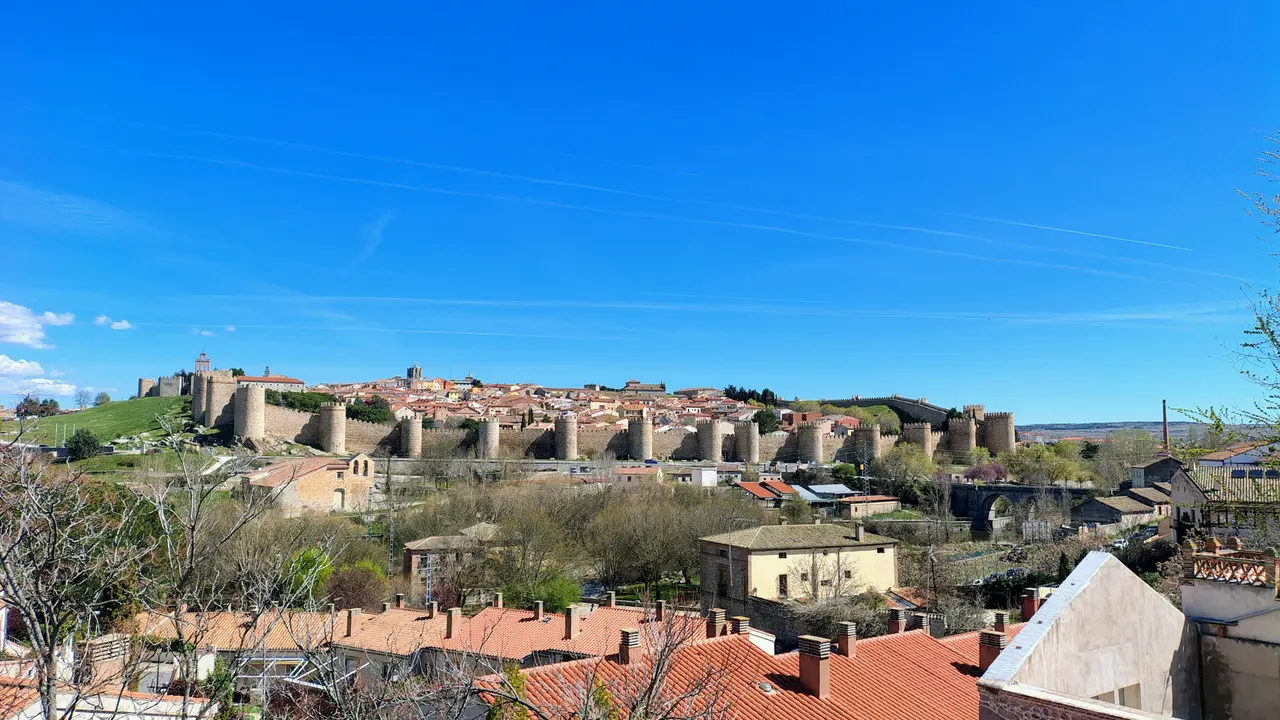
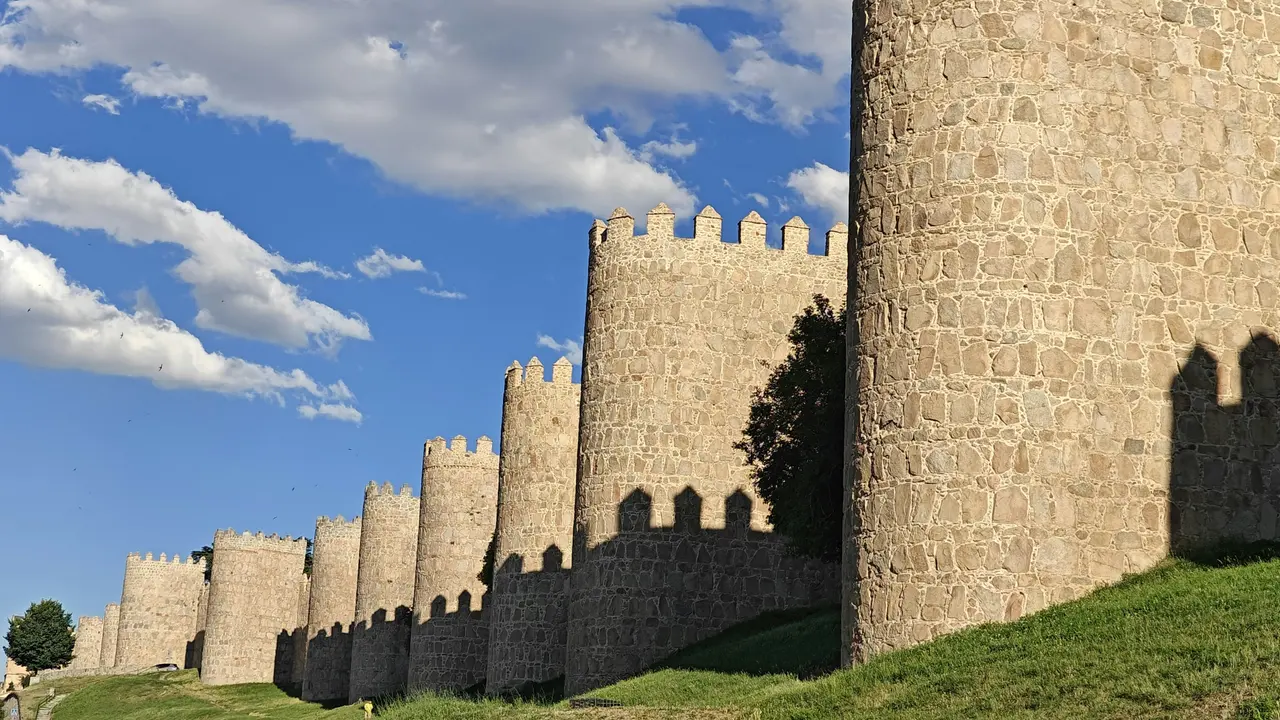
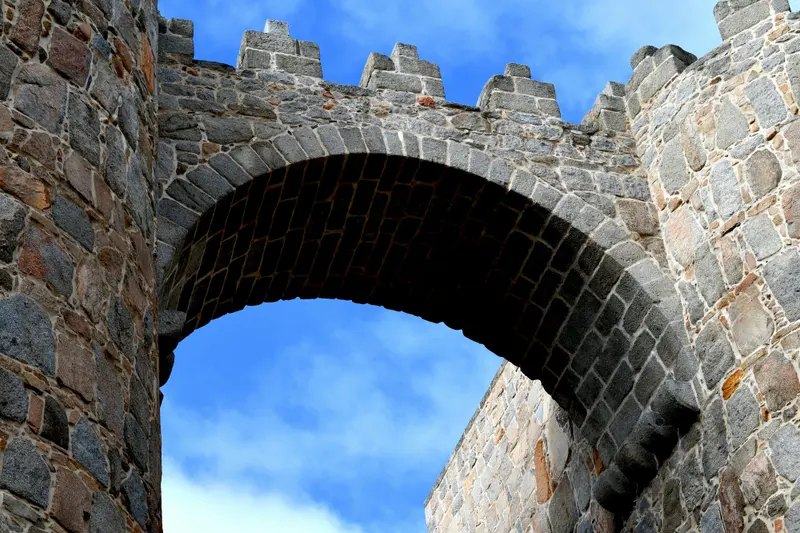
Begin at Los Cuatro Postes, west of the enclosure, where the walls come into view from the far side of the Adaja. Then go through one of the gates and follow the streets to the cathedral. Its apse was built into the defences. If you have a few hours, choose a stretch of wall and a church outside it, such as the Romanesque basilica of San Vicente. A night in town gives you more time to see how the site relates to the river and where the historic approaches run.
Ávila’s connection with Teresa of Ávila makes most sense when you visit two places. The church and convent of Santa Teresa stand on the site associated with her birthplace. The Monastery of the Incarnation is beyond the walls. Put the two on the same map and choose which to see inside depending on the opening information for your dates. The walk between them connects very different parts of the city.
Arévalo and the northern plains
Walk across Plaza del Real and Plaza de la Villa in Arévalo before going towards the castle, between the Arevalillo and Adaja valleys. Look at how similar brick arches show up in passages, towers and church walls. If you add Madrigal de las Altas Torres, stand back from its gates to see how they relate to the flat ground around the enclosure. Allow a separate day for the pair if you also want to have lunch in one of them and visit a building inside.
Piedrahíta and El Barco in the west
In Piedrahíta, orientate yourself around Plaza Mayor at the foot of the Sierra de Villafranca. Walk towards the palace of the Dukes of Alba, then continue to El Barco de Ávila if you want to see the Tormes. A route between the bridge, Valdecorneja Castle and the town centre shows why the settlement stands where it does. For a short walk after the drive, choose an out-and-back stretch by the river and turn around in time for lunch.
Castles on the south side
Mombeltrán, Arenas de San Pedro and La Adrada give you three ways to approach the castles of the Tiétar. Mombeltrán overlooks the district known as the Barranco de las Cinco Villas. In Arenas, it is easy to connect the castle to the town streets on foot. The fortress at La Adrada stands above the village. Choose one to see inside if it is open. Two exterior visits and a walk leave more flexibility for anyone in the group who has had enough of castles after the first stop.
Monuments and heritage
The Vettones before the medieval walls
The Ulaca hillfort, above Villaviciosa, lies on a high slope that you approach on foot. From there, look down into the Amblés valley to understand what the settlers gained from the position. Check access before you drive to the site. Once you are up at the remains, look at the worked stone, the enclosure and the relationships between parts of the hillside. Give yourself time to stop and read the site information instead of treating the top of the climb as the whole outing.
The Toros de Guisando in El Tiemblo show a different aspect of Vetton culture. These stone animal figures are generally known as verracos. Check the access to the enclosure before combining the stop with El Barraco or another part of the valley. For a trip focused on archaeology, keep Ulaca for a bright morning and Guisando for the day you spend in the east.
Brick in La Moraña and stone in the Tiétar
Mudéjar buildings in Arévalo and Madrigal use brick in patterns you can see even when the churches are shut. Stand at a distance for the shape of the towers and come closer for the details around openings. On a journey into the Gredos villages, compare the materials available locally and where the builders used them: an ornamented tower, the walls of a house, or a defensive work all answer different needs.
At Arenas de San Pedro, the palace of Infante Don Luis shows another period in the history of a town often associated with its castle. Walk from one to the other to see the two buildings in their setting. It is a manageable introduction to the eastern side of the main Gredos massif before a day outdoors or a trip to the Barranco de las Cinco Villas.
Museums and culture
In Cebreros, the Adolfo Suárez and Transition Museum offers a way into the recent history of Spain. It fits a day in the eastern part of the province or a return towards Madrid. Check the visit first if you want to pair it with Iruelas. Both stops are in the same broad area but each has a separate approach, and a walk in the reserve can take most of the daylight in winter.
In Arévalo, the squares are a way to read how the town worked. Notice the shelter of the arcades, the routes out of the square and the towers that rise above the roofline. In the provincial capital, museums and places associated with Teresa make it possible to divide a day between religious art, urban history and a stretch outside the wall. Choose the collection you actually want to spend time in before fixing lunch or a return train.
Charming villages
Beside the Tormes and the Corneja
Hoyos del Espino and Navarredonda de Gredos are bases for the upper Tormes. Hoyos makes a practical early start if you are heading towards the Plataforma. From either village you can look for a shorter outing that takes in pine woods or the valley floor. Even if your main goal is to walk higher, you can spend an afternoon seeing how the terrain changes as you get closer to the river.
Bonilla de la Sierra, in the Corneja area, is centred on its square and the collegiate church of San Martín. Go there for a sense of a small historic town on a day that already takes you through Piedrahíta. If you want an afternoon beside water and a larger choice of places to eat, choose El Barco instead of squeezing both into the last part of the day.
Along the southern flank
Candeleda is a western base for streets with balconies and outings to the foot of the mountains. Guisando, nearer Arenas, fits a day split between a village and a walk. For a sense of how several villages fit on a steep hillside, take time to explore Cuevas del Valle and San Esteban del Valle on foot. Leave the car somewhere suitable before the streets narrow and allow time to walk back up.
At the eastern end of the valley, La Adrada and Piedralaves can fit in a single day. Do the visit with set admission first and leave the more flexible walk until afterwards. Staying the night makes sense on a longer trip if you want to start in the east and end the following day around Arenas or Candeleda.
Nature and protected areas
The Gredos cirque and the upper Tormes
The path to Laguna Grande leaves the Plataforma de Gredos, climbs and then descends into the cirque. On your way back, you have to gain that height again. It is a mountain walk with stony ground and exposure to changes in weather. Check the access, forecast and daylight before leaving. In a mixed group, agree what might make you turn around while you can still do it comfortably.
The upper Tormes is a separate option on a day with fog or strong heat. Pick a valley walk near your base and keep the cirque for another morning. If you just want a sense of the glacial landscape, look for a viewpoint that is viable in the conditions and make it your destination. Even a shorter walk can need a windproof layer once you are above the sheltered valley.
Valle de Iruelas and the south of Gredos
The Valle de Iruelas reserve includes wooded ravines in the Alberche basin, near the El Burguillo reservoir. Pick a waymarked trail and check the state of the route. More time is needed as the path leaves the water and gains height. For a short trip, look for a walk along which you can see both trees and the reservoir, giving you an idea of how water and slope shape the reserve.
On the south side of Gredos, steep streams run down towards the Tiétar. After storms, crossings and paths close to the water may be different from what you see in a dry-season photograph. Follow local notices and make your plan for the conditions of the day. For half a day, one village and a short out-and-back walk leave time to reach the main road before dark.
Festivals and traditions
The regional programme for Holy Week 2026 ran from 27 March to 5 April. If you are coming for a procession in Ávila, study its route to decide which side of the walls works for parking or a hotel. Check the calendar and route for the year you will travel. A church visit earlier in the day can provide context for what later happens in the streets.
The traditions associated with Teresa of Ávila give a theme to a trip outside festival dates. In La Moraña, the culture of ovens and markets is another way to understand the town squares. Along the Tiétar, notice how lanes reach down from the hillside villages. Walking from an upper street towards the valley makes it easier to picture how neighbouring villages grew around different approaches.
What to eat
Roasts on the plateau and beans in the Tormes valley
In Arévalo, tostón is roast suckling pig. Ask whether it needs ordering ahead and how it is served if there are few of you. In the capital, the Ávila steak and yemas, sweets made with egg yolks, are two separate stops. Buy the sweets to take away if your one big meal will be in one of the smaller towns.
In El Barco de Ávila, look for local beans. A bean stew works well after a riverside walk. If the afternoon includes an uphill outing, keep the bigger meal until afterwards. Mushrooms in autumn depend on the season and the source. Ask what is actually available at the restaurant in the village where you intend to stop, rather than planning the whole journey around a menu seen some months ago.
Paprika in the south and wine around the Alberche
Around the Tiétar, the produce reflects the mild valley and its connections with neighbouring Extremadura. Look for paprika and other local supplies in Candeleda. If you want a meal after a castle visit, arrange it in the same valley. Crossing Gredos for lunch uses time that could otherwise be spent exploring a village or taking a short walk.
Around Cebreros, the vineyards of the eastern hills offer a separate reason to stop. Check which wineries offer visits and what is included. If you are driving between the Alberche and the Tiétar, schedule a tasting at the end of the drive or agree who will be driving first. Overseas visitors ordering food at their usual time should ask when the kitchen is serving, especially in smaller villages.
Sport and outdoor activities
Above the Tormes, low-level trails can provide an easier day before or after walking in the mountains. Check the signs, surface and return before taking a bicycle on a route you have only seen on a map. On the south side, there can be a long climb back to a hillside town. Agree where to turn round so that the whole group can finish comfortably.
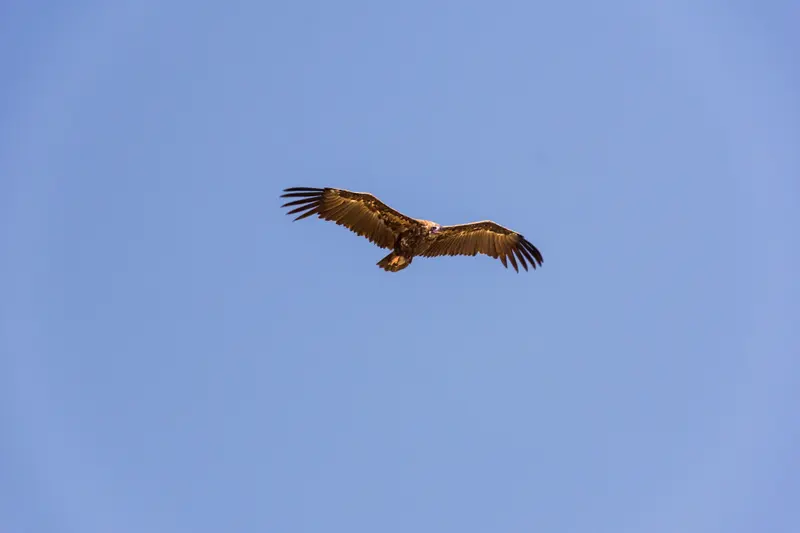
On the hill, distance is only one part of the outing. A wet descent on granite calls for more care and time than a walk alongside a river. If you are going to watch birds or take photographs, allow for time spent waiting and start the return before the air cools. Choose a viewing point with room to stand safely, then watch from where you are instead of building the outing around reaching a summit.
Routes and itineraries
Two days in Ávila city and La Moraña
On day one, leave the car and link Los Cuatro Postes, the walls and an interior. If you arrive late, keep the outdoor view and move the museum or church to the following morning. For day two, start in Arévalo and continue to Madrigal if you are interested in brick architecture. If you are using public transport, build most of the trip around the capital and add Arévalo if the trains and walk from the station fit.
Three days on the north side of Gredos
Arrive via Piedrahíta and El Barco and sleep near Hoyos del Espino or Navarredonda for the second day. With suitable conditions, make that the day for Laguna Grande. On the third morning, walk along the upper Tormes and stop in a village. If the forecast is better on the last day, reverse the walks and make room for the drive out afterwards.
Four days between Iruelas and the Tiétar
Begin in Cebreros or El Tiemblo and keep the second day for Valle de Iruelas. Move accommodation towards Arenas de San Pedro, where the third day can cover the centre and a valley castle. Finish in Candeleda or a village in the Barranco de las Cinco Villas according to your route home. A second base makes it possible to cross the mountains once without repeating the journey after each outing.
Travelling with children
Treat Ávila’s walls as a route past a few gates and towers and begin with the outdoor viewpoint. For a trip to the villages, choose one square for lunch and one short visit. In the Tiétar valley, a castle and some time walking through town can be more adaptable than three timed admissions. If your walk goes near a ravine, choose a clear approach and make the outward leg short enough to finish the return at the slowest child’s pace.
Where to stay in Ávila province
Stay in Ávila city if you come by train, plan evening walks around the walls or want to spend the first day in churches and museums. With a car, find out where you can unload and check how to reach parking. For a closer look at La Moraña, a night in Arévalo lets you see the squares late in the day without then driving to the capital.
For the upper Tormes, Hoyos del Espino or Navarredonda suit a mountain day and El Barco works for the river and villages to the west. In the Tiétar, choose Arenas de San Pedro or Candeleda according to which part of the valley you will explore. Check what you can reach on foot for dinner and how long the drives are from each property to the start of your walks.
See places to stay in Ávila province (opens in a new tab)Affiliate link: if you book through it, we may earn a commission at no extra cost to you.
Practical tips and common mistakes
Count the journey time, the approach from the parking place and your margin for returning as separate parts of the day. An address in Gredos does not tell you which flank or final approach you need. For Laguna Grande, check the access, condition of the path and the details of the return. A first day in the mountains is easier to extend from a short walk than to cut down halfway through a remote one.
Historic towns remain worth walking through if an interior is closed. Put your timed visit at the beginning of that part of the day and keep the rest flexible. If you are crossing a valley for lunch, check the return route and avoid making the last stretch coincide with fog or ice at a pass. Save a copy of the map and the meeting point on your phone before you set out.