Español
 English

Why visit Lleida province
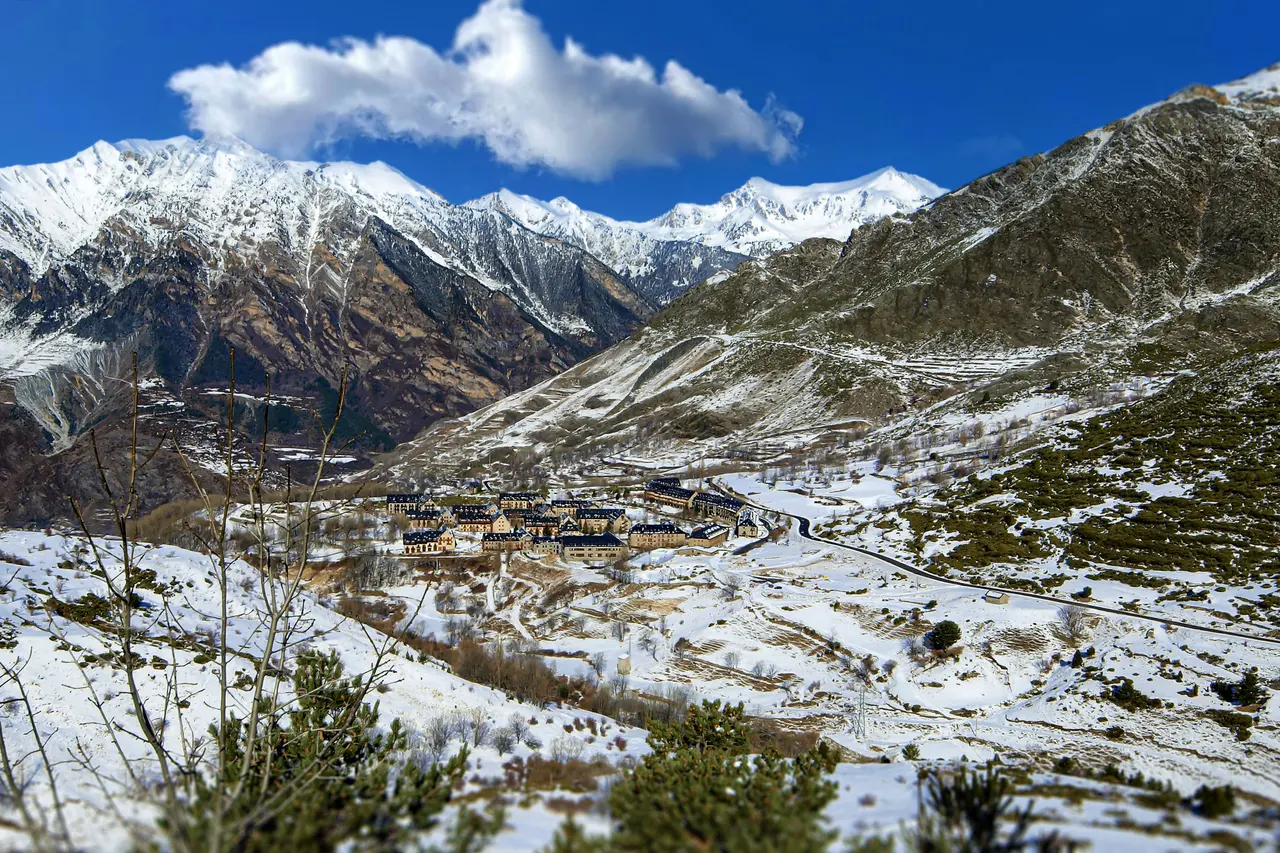
Start choosing things to do in Lleida province by deciding which valley you want to reach. In western Catalonia, the city of Lleida stands over the Segre, above orchards and plains. To the north, the Montsec marks a change from dry farmland to the foothills of the Pyrenees. Higher up, the Vall de Boí, the Pallars, the Alt Urgell and the Val d’Aran have their own roads, villages and walks. A single hotel for all four can mean hours of driving every day.
A heritage trip can link La Seu Vella, Vallbona de les Monges and a small town in the Segarra. For a mountain break, choose the churches of the Vall de Boí, the Pallars and the eastern approach to the national park at Espot, or the Val d’Aran around Vielha. Two bases over a week give you more time to see a place on foot at the end of the day. They also make it easier to adapt if there is a problem on one of the passes or trails.
The landscape changes with altitude and with the side of the range you are on. In the plain, an outdoor visit can move to early morning to escape the heat. In the Pyrenees, walking at the bottom of a valley can still make a good day when cloud keeps you from climbing. Leave an indoor option near your accommodation. Switching two days around may give you more time outdoors than trying to fit another valley into one of them.
When to go
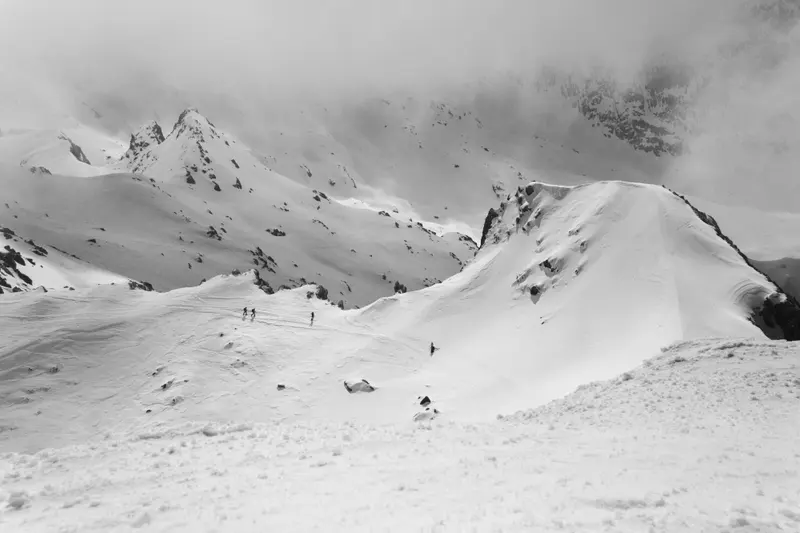
In spring, see the city and the plains on foot. When you leave Lleida for l’Urgell or the Segarra, watch for the differences between irrigated and dry farmland. In the Montsec, start with a viewpoint, a village or a low walk. Farther north, look at snow and mud conditions for the height of your trail. The time that suits a path in the sun may differ from the best time to visit a damp wood nearby.
In summer, combine Pyrenean churches and villages with trails if you can start early and the forecast is suitable. If you plan to walk high, leave a few hours for something indoors afterwards. In the city and the dry country, use the early hours for outdoor monuments and leave lunch or museums for the heat of the afternoon. Pack water even for short routes and check where you can refill it.
Autumn and winter suit other plans. In autumn, the woods and low sun reward outings at moderate heights, with time to come back before dark. In winter, look at roads and activity conditions for the particular valley, especially if you are coming for snow. For a city break, use the light for the outdoor part of the visit and have a covered alternative in the centre if it turns cold or wet.
Getting there and around
Lleida Pirineus is a good place to arrive by train and continue on foot or local transport. If you are arriving from abroad, compare flight, transfer and rail times from Barcelona or Madrid before committing to a late arrival. Check the departure station on your rail ticket and leave time to reach it from the airport. For a journey into a valley, decide where you will finish the first day before choosing when and where to collect a hire car.
Towards Balaguer and La Pobla de Segur, FGC listed a tourist train and a regular service in 2026. The railway follows part of the corridor between the plains and the foothills. If you are taking it for the scenery, check the difference between ordinary trains and the tourist service on the date you travel. Decide what you want to see at your destination and how to get back. A village associated with a particular station may still involve a walk or a ride to your accommodation.
Choose the approach to your valley
For the Vall de Boí, plan the approach from El Pont de Suert. For Espot, approach through the Pallars Sobirà. In the middle of the province, Sort and La Pobla de Segur give you different starting points. For the Val d’Aran, look up the whole journey including the last section before choosing an arrival time. In snowy weather, allow time to check notices and have a lower valley outing available.
By car, give each face of the mountain its own day if the walks depend on separate approaches. With public transport, look at the exact stop names and connections for the date and day of the week. If several places to stay fit most of the plan, choose one from which you can get dinner and go for a short walk without making another journey.
What to see in Lleida province
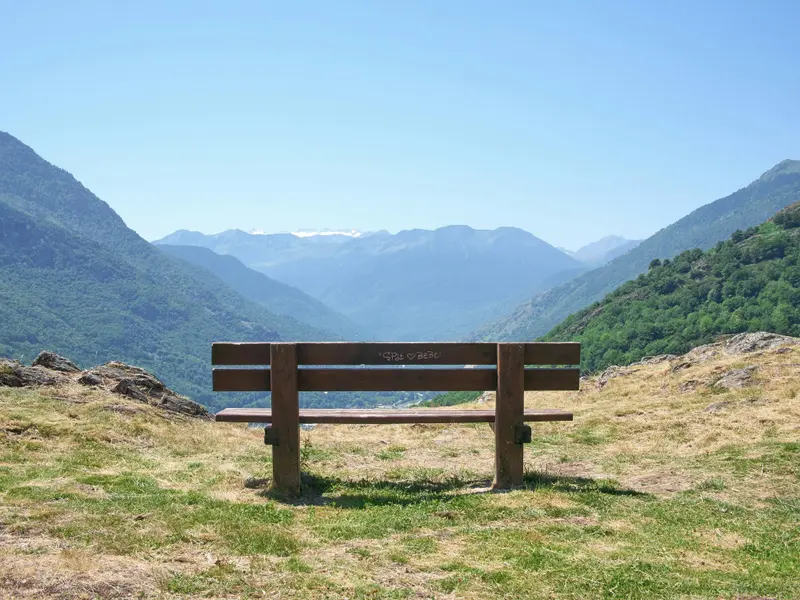
Things to do in Lleida province on a first trip
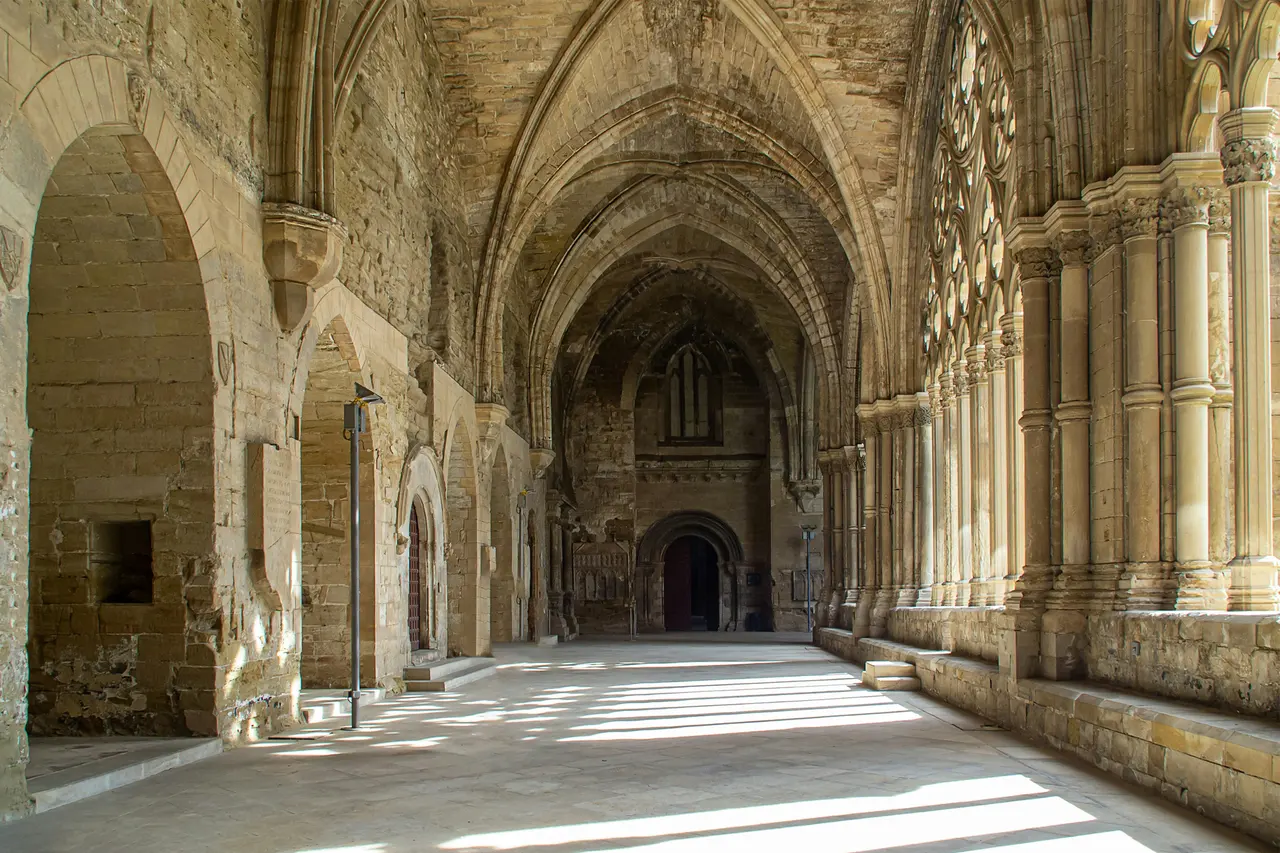
In Lleida, climb to La Seu Vella to take in the river, the city and the land opening to the south. Give the former cathedral, the cloister and the view from the complex separate time. The site of the nearby King’s Castle, La Suda, offers another way to read the hilltop. Afterwards, walk back into the centre to see how the streets change on the way down to the Segre.
In the Vall de Boí, start with a walk in Taüll or Boí and put the national park on another day. The Romanesque buildings are easier to appreciate when you can compare a couple of churches and see how their towers appear among the roofs. With one morning, choose Sant Climent and one other church whose visiting arrangements fit. Leave a short walk at dusk for a look along the valley.
In the Val d’Aran, go to Vielha for an idea of the services you can find in the valley before seeing Arties or Salardú. The church, houses and main paths fit the landscape a little differently in each. Spend one day on villages and heritage and another on a trail from the area where you are staying. It is then easier to switch them if fog or rain moves in.
From the Segre towards the Pallars
At Balaguer, combine a look at the centre with time near the Segre. In the Pallars Jussà, you can look at the Montsec and the reservoirs on the same outing. From Tremp or La Pobla de Segur, decide whether you want the water and its infrastructure or a route towards higher valleys. Farther north, Sort is convenient for sections of the Noguera Pallaresa. Short stops in Sort or Esterri d’Àneu fit a travel day, while the national park deserves a day of its own.
In La Seu d’Urgell, start with the cathedral of Santa Maria and the area around it before walking towards the Segre. It works as a stop in the eastern part of the province or on the way to Andorra. If the Alt Urgell is your main destination, stay nearby and reserve another day for its villages or footpaths.
Monuments and heritage
Romanesque churches in the Vall de Boí
Sant Climent de Taüll, Sant Joan de Boí and Santa Eulàlia d’Erill la Vall spread the Romanesque story across different villages. Notice the space in front of each church and where the tower sits in relation to the street. At Taüll, look for the difference between what survives on site and what reproductions or interpretation help to show. Well-known original paintings can be seen at the Museu Nacional d’Art de Catalunya in Barcelona.
Add Durro or Barruera for a second outing. In Durro, the village church and the hermitage of Sant Quirc have different settings and different approaches. If there are only a few hours available, look around from outside first and decide how far you want to walk before fitting in an interior. It is already worth the visit to see how the church and streets relate to one another.
A Cistercian monastery and the towns of the plains
Vallbona de les Monges forms part of the Cistercian Route with two monasteries in Tarragona province. If your trip is focused on Lleida, give Vallbona its own visit and walk far enough into the village to see where the monastery fits. Check how to get inside before setting off. A day in the south can include one more stop in the Segarra or l’Urgell without trying to complete the whole Cistercian Route.
In Cervera, the old town and the university building make a walk through another period of provincial history. At Montfalcó Murallat, the compact circuit of the walls lets you see how access to the settlement was controlled. If you visit both, allow time to get out and walk. The difference in scale is much easier to see from their streets than from the road.
Museums and culture
The Museu de Lleida gives context to the city’s monuments. Visit before climbing to La Seu Vella or on your way back. In the Valls d’Àneu, an ecomuseum looks at houses, work and life in the mountain valleys. It makes a useful companion to a day at the lakes or a village walk. In the Val d’Aran, compare the Aranese names you see on signs with the versions on maps and itineraries, particularly when you save an address.
Charming villages
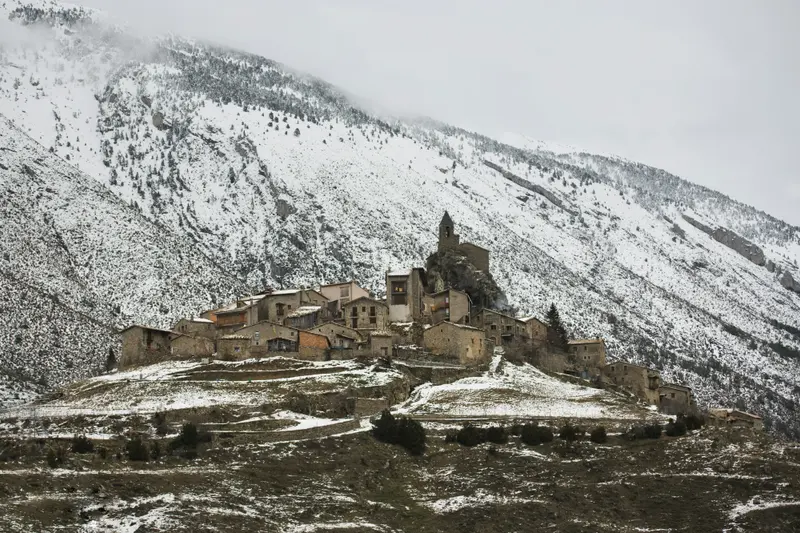
Taüll, Boí and Erill la Vall can look similar on a list. Walk from the church to the edge of each village and see what opens up beyond the houses. Down in Barruera, the terrain offers a different walk and a possible base for anyone who wants to spend more time on the valley floor. You can choose two places near one another and have enough time to see them without a succession of short stops.
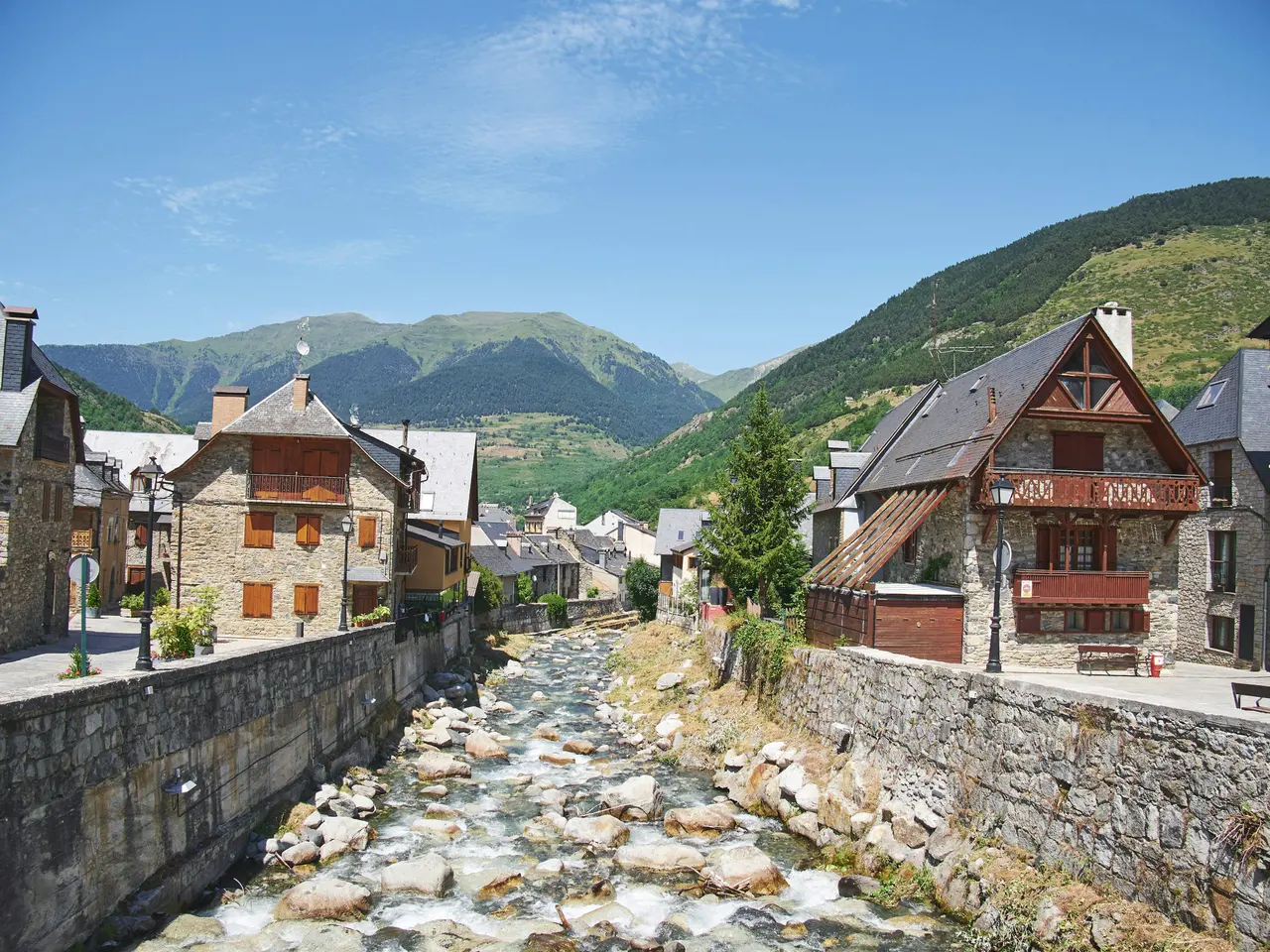
In the Val d’Aran, Arties and Salardú are good places to walk from the church into lanes and open spaces where you can see the valley. Bagergue is an outing of its own if you want a higher village and time to walk nearby. Ask how far the car park is if you have luggage or someone who finds climbs difficult. Pick a place for the first night based on where you will eat and the next morning’s first stop.
At Josa de Cadí, in the Alt Urgell, the houses are grouped on a spur. Take in the view of the village and the south side of the Cadí range before deciding whether to walk in the natural park. The approach makes it a separate outing from La Seu and is worth allowing time for.
In the Pallars, Gerri de la Sal retains a link between the river, its crossing and the history of salt. In Esterri d’Àneu, a walk through town helps you get your bearings before leaving for a smaller settlement. Farther south, Montfalcó Murallat gives you a view of how fortified settlement and open country fit together. Leave a different day for the high valleys.
Nature and protected areas
Both sides of Aigüestortes
In Aigüestortes i Estany de Sant Maurici National Park, the Boí and Espot entrances suit different trips. On the west side, the Aigüestortes plateau has meadows, running water and woodland. On the east side, aim for Sant Maurici and views of Els Encantats. If you are visiting with children, settle on a first objective that leaves time to stop and walk back, and keep the rest of your route as an option.
Before leaving, check park notices, ascent and the forecast for the route. Work out whether the place you begin walking is the same as the place you park. When there is insufficient time to see two lakes, spend longer near the one you can reach. A map makes the outward distance easy to see and gives less sense of tired legs on the way back.
Alt Pirineu and the Montsec
In the Alt Pirineu Natural Park, choose a valley or entrance before looking for a walk. A morning near a village lets you see riverbanks and woodland without going far uphill. For a long day, save the map and choose a turnaround point. Some routes are well away from services and diverting to another valley for food or a phone signal can take longer than it looks.
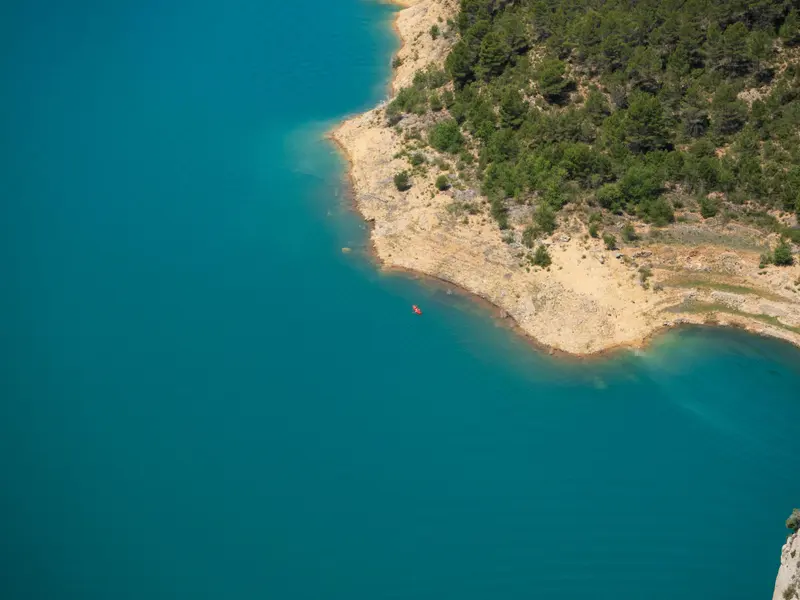
The Montsec is a different landscape. Limestone ridges and reservoirs give you gorges, cliffs and long views across open country. For Mont-rebei, check which approach suits your route and where you can turn round. If there is anyone who dislikes exposed ledges, use another viewpoint in the range and spend the afternoon at a village or reservoir.
Festivals and traditions
In the Vall de Boí, the falles bring burning torches down from the mountain, making the descent and arrival in the village part of the celebration. The local 2026 calendar listed 4 July for Barruera. Check the schedule for the particular village and year: dates differ between settlements and conditions can force changes. Outside the festival, the valley documents paths to the places where the torches are lit. Choose a daytime walk that suits your experience.
The Aplec del Caragol, held from 22 to 24 May 2026 according to the organiser FECOLL, brings Lleida’s cooking into the open with gatherings of groups and meals. When the gathering falls within your trip, use that year’s programme to choose the events and work out how to get there. You can eat snails at other times. During the festival, make time for the parts you would miss on an ordinary visit, such as the clubs gathering in the city.
What to eat
In Lleida, ask for caragols a la llauna to try snails cooked on a tray. Look at the portion and ask which sauces go with it before ordering other starters. The orchards and growing areas of the plain also make fruit and vegetables worth looking for in a market. If you are driving into the Pyrenees afterwards, leave purchases that need to stay cool until the end of the day.
In the Pallars, a mountain meal can feature cured meat and local produce. Ask about girella or cheese from a nearby producer where it fits the menu. In the Val d’Aran, òlha aranesa is a warming local stew. Give lunch enough time if there is a lengthy drive or a timed visit afterwards.
In Les Garrigues, allow a stop for its olive groves and oil. Where you can try more than one oil, ask what variety of olive was used and what differences to look for. In a small village, find out which services are open at the time you expect to arrive. An easy snack can save a detour before you get to the next town.
Sport and outdoor activities
In the Pallars Sobirà, the Noguera Pallaresa is used for white-water outings. Choose an operator and a section of river suited to the group, and confirm the meeting point and finish. If someone stays on land, look for a walk or village near the place you will meet later. Water levels and weather are part of choosing an activity on the day.
For walking, decide whether you want a valley outing, a pass or a longer traverse. At Aigüestortes, coming back to the same entrance makes it easier to change the distance according to the group’s energy. In the Montsec, find out how much of the path is exposed to sun or becomes narrow. In winter, take notice of mountain services and choose terrain that everyone in the group can manage.
Routes and itineraries
Three days from the plain to the Romanesque churches
Use the first day for La Seu Vella and central Lleida. On the next day, drive to the Vall de Boí and use the afternoon to see Taüll or the village where you are staying. On the third, see more churches or spend the morning at the west side of Aigüestortes National Park. Add another night if you would like both outings. With poor weather, plan a shorter walk around the remaining heritage visits.
Five days between the Pallars and the Val d’Aran
Start in the Pallars with a day on the valley floor and another for Espot and Sant Maurici. Move on and spend two days around Vielha, nearby villages and a walk. Use the transfer as a flexible day if the road takes longer than you expected. Without a car, confirm the whole chain of connections before combining these bases. With only a few days, a single valley might suit the available trains and buses better.
A week from the Segarra to the Pyrenees
Add Vallbona de les Monges and Cervera near the start if you are coming for architecture. For the mountains, choose a stay in the Vall de Boí or the Pallars, leaving a short outing or an easy transfer for the final day. Set aside a separate day for the Montsec if you want to see the landscapes between the plains and the high mountains.
Travelling with children
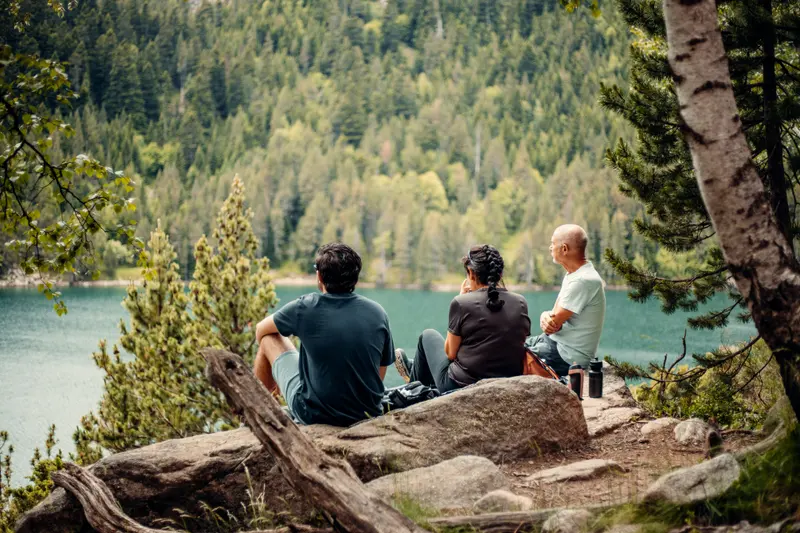
At La Seu Vella, link a view outside with some time in the building and work out how to come down from the hill afterwards. On a lake walk, agree on an initial stop that makes the outing worthwhile even if you end there. If travelling by train into the foothills, choose a station near somewhere to walk and eat before you go back. Keep a shorter local alternative for rain so the whole day does not depend on a mountain road.
Where to stay in Lleida province
Lleida, Cervera or Vallbona for the plain. The city is convenient for arriving by rail and visiting on foot. On a trip around villages and monasteries, choose a place closer to the next morning’s first stop and check where you can have dinner.
The Vall de Boí or the Pallars for the national park. Choose according to the entrance. For the western side, look at Barruera, Boí and Taüll. For Sant Maurici, consider Espot or another base in the Pallars with an approach that fits the day’s walk.
Vielha or an Aranese village for several days in the valley. Vielha has a range of services. A smaller village can put a walk at your door if you pick the right side of the settlement. Ask where to park and what the walk back after dinner looks like.
See places to stay in Lleida province (opens in a new tab)Affiliate link: if you book through it, we may earn a commission at no extra cost to you.
Practical tips and common mistakes
Book for the correct entrance and side of the mountain. Two places can look close in a straight line and have a mountain range between them. Check the accommodation against the valley name and the real start of the trail.
Save the map for offline use. Keep the turnaround point and your accommodation’s phone number to hand. For high walks, allow extra time if wet ground or wind could slow you down.
Make walking and heritage work together. A timed church visit and a long walk are easier on separate days. If you stay close to both, you can put them in the order that best fits the forecast.