Español
 English

Why visit Tarragona province
When choosing things to do in Tarragona province, think about how you will move between the landscapes. In southern Catalonia, the Costa Daurada links seaside towns and promenades. The Priorat and the inland mountains slow the journey down with vineyards, hillside villages and winding roads. In the Terres de l’Ebre, the river makes sense of Tortosa, the hills around Miravet and the plain where the water reaches the Mediterranean.
Tarragona and Reus make two days of heritage at the start of a trip. On the coast, a good base lets you walk or go to the beach without taking the car out every morning. If you are coming to the delta for birds or cycling, spend a few nights there. A short stop by a lagoon gives you an idea of the landscape. An overnight stay lets you return in different light or move to the other side of the river without losing the rest of the day.
In three days, combine two of these areas. With longer, you can stay on the coast and then move inland or towards the delta. The order depends on whether you are starting by train or car. Before booking, mark the first and last places you plan to go each day. An old-town walk is easy to shorten, while a point-to-point cycle route or a tasting requires a return plan.
When to go
Spring gives you daylight for towns, vineyards and delta walks. In the Priorat, use a clear morning for the viewpoints and keep an indoor visit nearby for rain. At the lagoons, find somewhere you can watch the water for a while. A breeze can change how long it is comfortable to stay, even if the rest of the day looks bright.
In summer, give the early hours to outdoor monuments, inland walks and cycling. Decide whether you want food and shade near a town beach or the space of a more remote part of the coast where you will bring your own supplies. In the delta, a short circuit with an easy return can be a better use of a hot day than a long stretch of canal in a headwind.
In autumn, leave a little flexibility around a winery visit so you can walk at the best time. After rain, look for notices and check the surface of low-lying paths and approaches to coves. In winter, Tarragona, Reus and Tortosa let you pair short walks with time inside. For the Montsant and Els Ports, look up conditions at the height of the route and allow enough daylight to finish.
Getting there and around
Tarragona city, Camp de Tarragona and Reus
In 2026, Adif listed Tarragona near the urban shore and Camp de Tarragona between La Secuita and Perafort. Save the full station name when you book and add the onward journey to your accommodation. If you are arriving from abroad through Barcelona or Madrid, check which station your train leaves from and how you will reach it from the airport. The arrival station also matters if you plan to collect or return a car.
In 2026, Aena listed buses from Reus Airport (REU) and explained that the bus journey to Camp de Tarragona required a change at Reus bus station. Check the full connection before picking a flight. If your first nights are in Cambrils, the delta or a village inland, look up that particular transfer and see how many stages it involves.
Where a car is more useful
In Tarragona or Reus, much of the visit is on foot. For the Priorat, Els Ports and different viewpoints around the delta, a car makes it easier to change the order of your stops. Find out if the road ends at a car park or there is a further walk, especially for a coastal path or the upper end of a village. If you want to visit both sides of the Ebro, mark where you will cross before estimating driving time.
If you are depending on a bus, check the return. In the Terres de l’Ebre, a stop in a town can be a long way from a beach or viewpoint in the same municipality. For the greenway, decide where you will start and return the bicycle. With bags in the car, consider taking your first long walk after you have checked in or choose a stop that avoids a town centre.
What to see in Tarragona province
Things to do in Tarragona province on a first visit
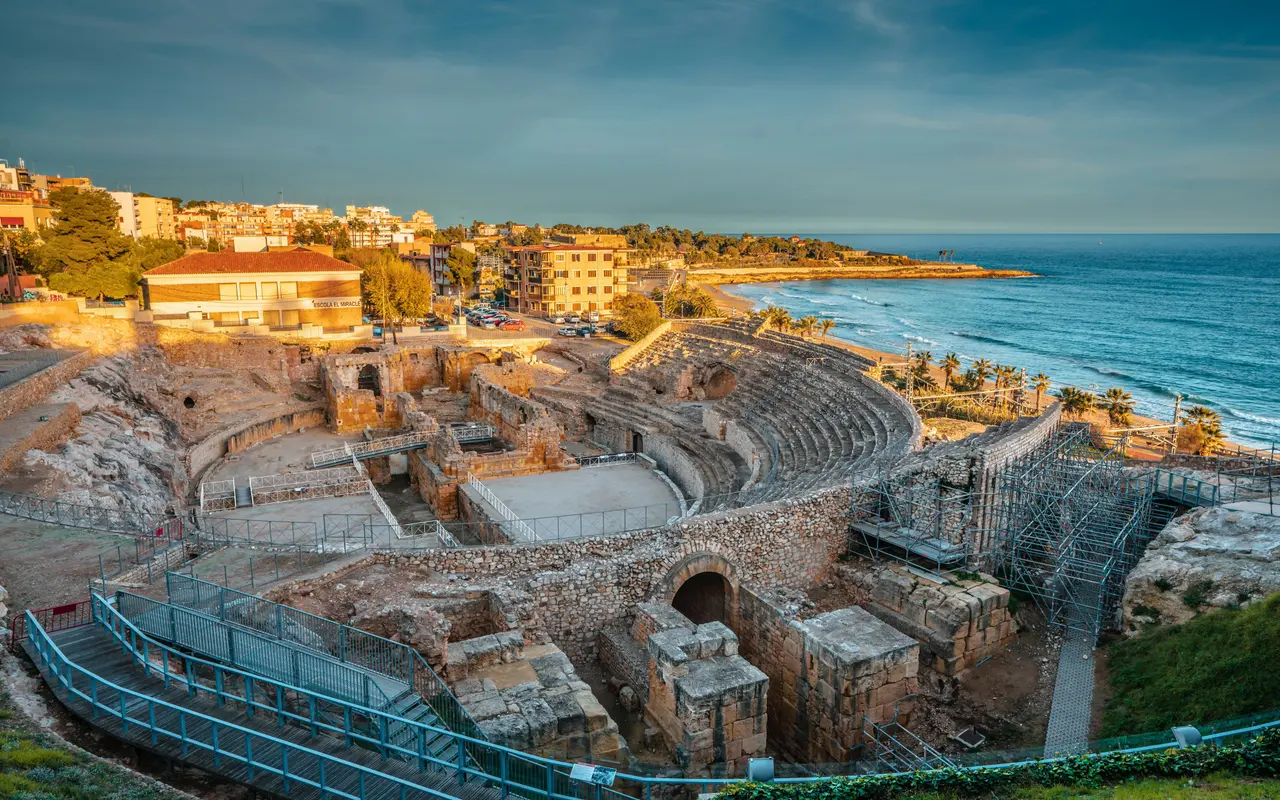
In Tarragona, start with the amphitheatre and use the Mediterranean to get your bearings. Climb to the Roman circus and the Part Alta to see how the remains meet the streets of the present city. With only half a day, concentrate on two sites near one another before adding an indoor visit. On a full day, finish outdoors so you can look down on the amphitheatre from a different level.
In Reus, walk between the central squares and take in the facades from different angles. Comparing buildings designed for different purposes helps to show what Modernisme looked like across a town. Stop at Casa Navàs on Plaça del Mercadal. If you want to see inside, fit the rest of the walk around the booking and give Tarragona its own day. The cities are easier to appreciate separately than as two quick stops.
In Tortosa, the Ebro, the cathedral and the hill of La Suda castle offer three levels from which to see the city. Begin on a bridge or on the bank, then climb into the older streets. From higher up, see where the river runs towards the delta. Decide whether to keep going downstream in the afternoon or spend another few hours in the city and leave the rice fields for the morning.
The Priorat and delta as separate outings
In the Priorat, use Falset to get your bearings before visiting villages, wineries or Escaladei. Driving time grows quickly between valleys. At Siurana, leave time to walk and see the terrain below the village. In the Ebro Delta, choose a side of the river and pick a birdwatching stop, a walk beside fields and somewhere to eat. Every additional crossing takes time out of the part of the day you spend outdoors.
Monuments and heritage
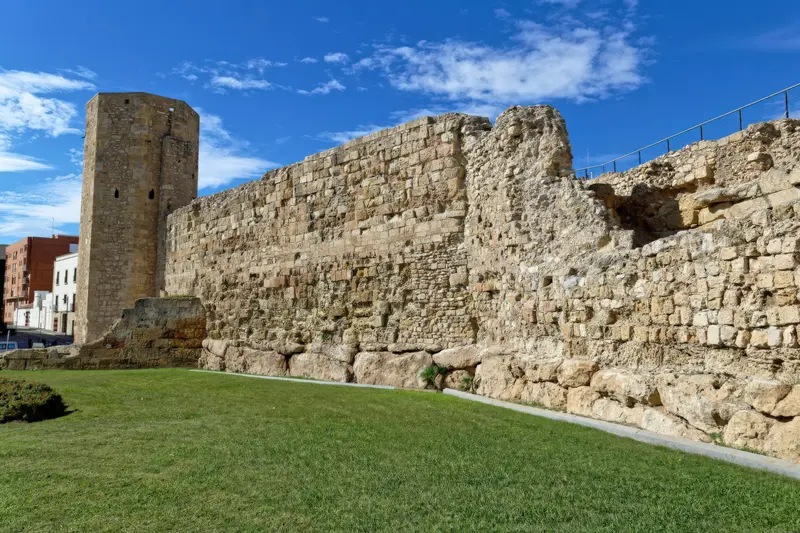
The Roman city and the remains outside it
The ruins of Tarraco make more sense if you distinguish their purposes. The amphitheatre was used for spectacles, the circus for races, and sections of wall show how the city was defended. The Les Ferreres aqueduct, outside the old town, adds to that picture by showing how water reached the city. Make it a separate outing if you want to walk nearby and see how the structure fits the terrain.
The Part Alta connects much of what you have seen. In its streets, notice older stonework below later buildings and the slopes down towards the sea. If you are particularly interested in archaeology, save a plan of the Roman city and check which parts you can visit on the date. Give the outdoor ruins and an indoor visit separate space in the day so you can switch them if it rains.
Poblet, Santes Creus and Escaladei
Poblet is a Cistercian monastery and a World Heritage site. Walk far enough to see how the buildings fit inside the wider enclosure and how the church relates to the other spaces. Santes Creus, also in the province, makes a separate outing in the Alt Camp. The third monastery on the route, Vallbona de les Monges, is in Lleida province.
The Cartoixa d’Escaladei offers a different type of monastery in the Priorat. Compare communal places with spaces designed for individual life. Before going inside or after the visit, look up at the Montsant slopes and down towards the surrounding settlements. Making it part of a day of landscape and architecture helps relate the site to the villages around it.
Museums and culture
In Reus, follow a Modernisme visit by looking again at how the streets and facades change from square to square. In Tarragona, the Museu Nacional Arqueològic de Tarragona and its sites put the ruins and objects into context. Check which site you want before starting out. In Horta de Sant Joan, the Centre Picasso gives another perspective on a trip through Els Ports or the Terra Alta.
In Reus, the Plaça del Mercadal works at two points in the day. Begin by looking across the square to Casa Navàs, then come back after an indoor visit to see how buildings from different periods sit around a commercial space. In Tarragona, the fishing district of El Serrallo and the walkway beside the harbour give another perspective on the city. Give each walk its own purpose. In Reus, compare facades around a square. At El Serrallo, follow the edge of the water and look for the relationship between the streets, the quays and the places people use to walk.
Charming villages
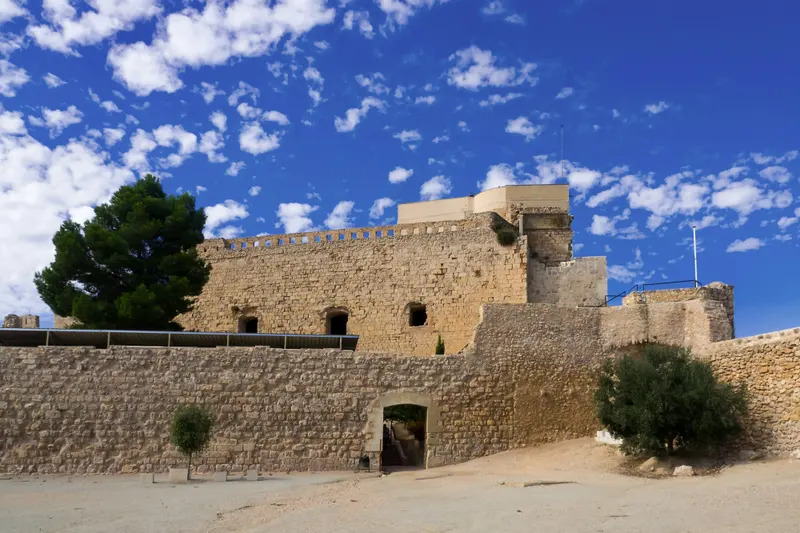
In Miravet, the castle sits high above the water. Start down by the Ebro to see the whole settlement, then allow for the descent if you head up to the castle. If you are continuing across the river, check which connection is in use on the day. Along the Ebro, whether you can cross nearby often matters more than the distance between two places on the map.
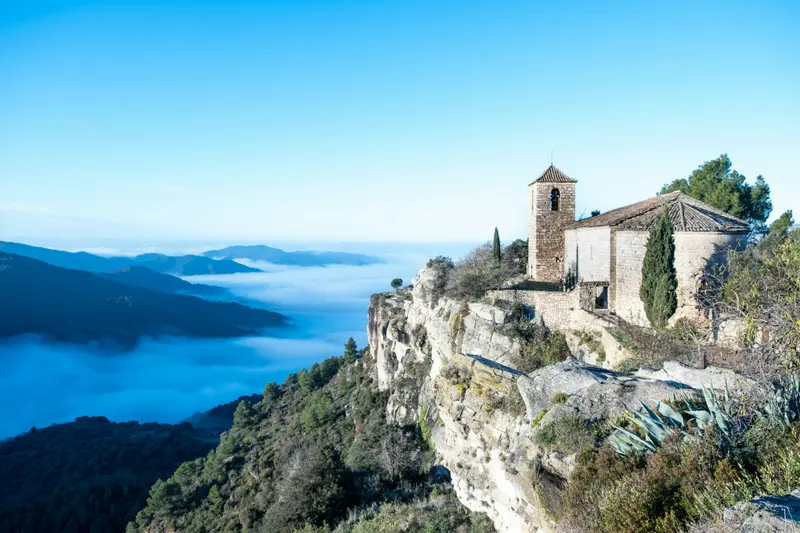
At Siurana, walk through the streets and find a view of the rock spur above the reservoir. If you also visit Prades, stop in the main square and look at the colour of the stone. The landscapes make two distinct outings, and both reward more time on foot than you can spare between several drives.
In the Terra Alta, Horta de Sant Joan and Arnes connect the old streets with the mountains of Els Ports. Choose one as the end of a cycling day and the other for time without a fixed distance to cover. At El Pinell de Brai, the architecture of the wine cooperative provides an indoor visit. Look up the arrangements and leave time to see the village as well.
Nature and protected areas
Two sides of the Ebro Delta
On the southern side, the lagoons of L’Encanyissada and La Tancada are good anchors for an outing around viewpoints. On the northern side, visit the Garxal area near Riumar for another look at wetland and shore. Choose somewhere you can stand still and watch the water. Changing viewpoints frequently can mean moving on just as you start to see where the birds are.
Check wind and the condition of the roads or paths in the delta. A short circuit lets you return easily if it grows too hot. Stay out of planted fields and use the permitted points for stopping and observing. By car, check the surface of the last section and distinguish it from tracks that look similar on the map but lead into a restricted area.
Els Ports and the Montsant range
In Els Ports, the slopes contrast with the plain of the Ebro. If setting off from Horta de Sant Joan, identify which access fits the walk and look at the journey from town. In the Serra de Montsant, paths leading up the escarpment can involve exposed passages and steep ascents. A lower walk or accessible viewpoint suits a group that wants to take in the landscape before a village visit.
Beaches in Tarragona province
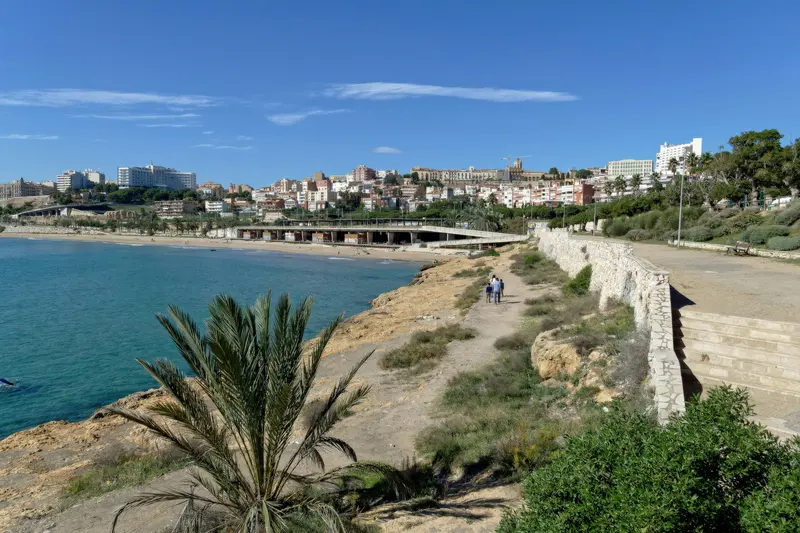
Costa Daurada promenades, coves and delta beaches
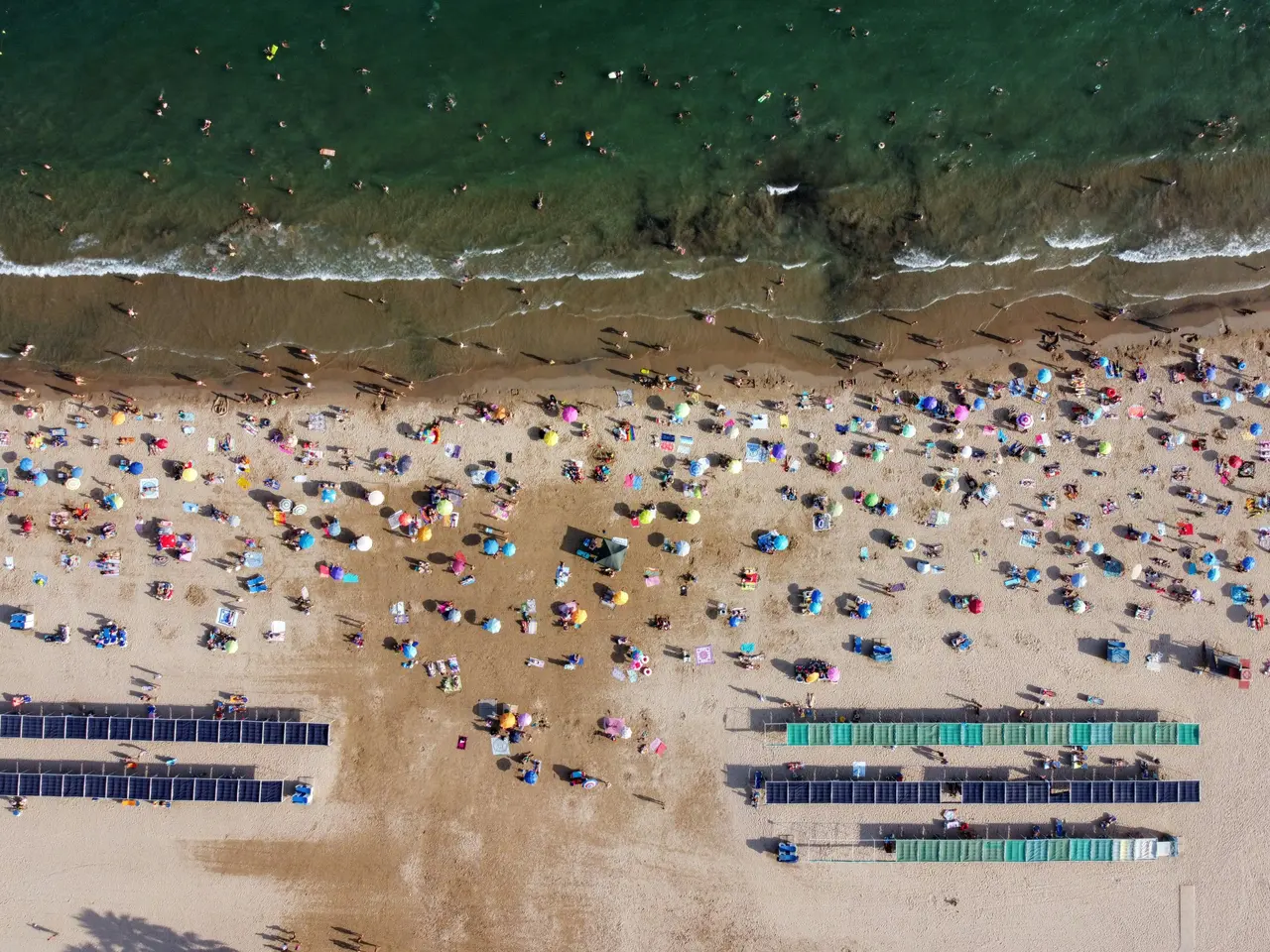
In Salou and Cambrils, the promenades make it possible to spend a day by the water and take breaks in town. Check the walk from your accommodation to the beach and what is likely to be available on your dates. In Tarragona, Platja del Miracle is close enough to see on a city visit. The slopes make the walk back to the centre a different proposition from the way down.
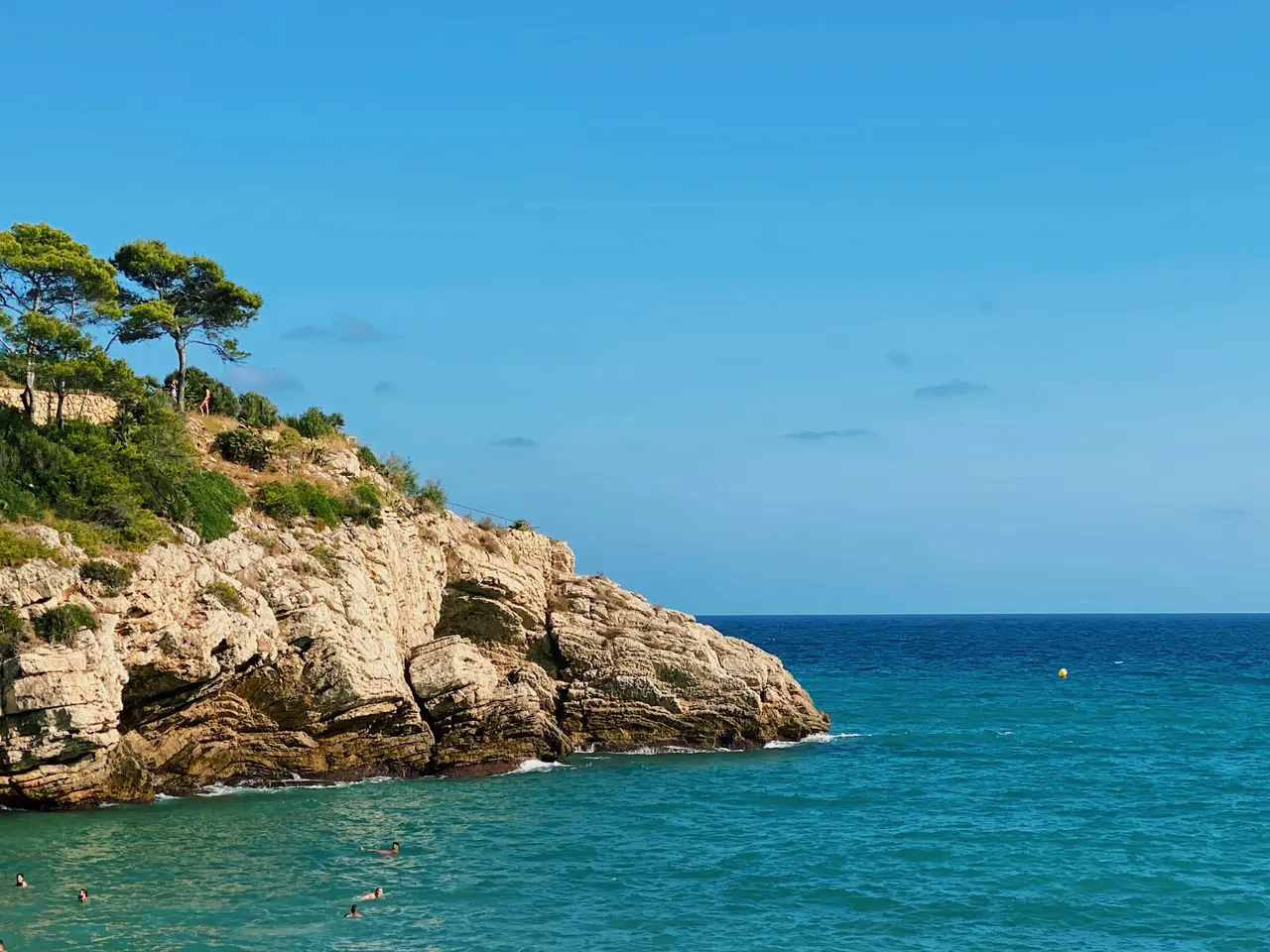
Farther south, around L’Ametlla de Mar, small beaches alternate with rocky sections. To see several coves on foot, look at the route and the condition of the path before committing to a start. Some descents are awkward with a lot of equipment. Leave the swim for a cove from which you have a simple return.
In the delta, Riumar, Eucaliptus and the sands around Punta del Trabucador give the coast a more open feel. Choose an area based on the side of the river and the access available that day. If wind makes the sand uncomfortable or the sea changes, switch to a lookout or a village walk. Follow notices and flags and use the designated crossings where there are dunes.
Festivals and traditions
The city scheduled Tarraco Viva for 11 to 24 May 2026. It explores Roman history through events in several locations. If it overlaps with a future trip, look up the venues and whether the activity you want needs advance booking. Pair a talk or demonstration with a walk through a site that picks up the same topic.
The main Santa Tecla programme in 2026 ran from 15 to 24 September. Tarragona brought its popular culture into the streets with music, castells and events involving fire. Check the edition for your travel dates and distinguish a performance in a square from a procession before choosing where to watch. If you want to avoid crowds or loud noise, pick a daytime event and keep another walk away from the busiest squares.
What to eat
In the delta, a rice lunch connects the plate with what you see from the cultivation tracks. Ask what type of rice is used, how much liquid the dish is cooked with and how many people the pan will feed. On the coast, choose fish according to the catch and what the kitchen has on the day. Over several nights, try one meal near the river and another at a coastal port to see different products from the same district.
In the Alt Camp, calçots are grilled and served with sauce. Find out what else is included if you order a full calçotada, and leave time for a long lunch. In Reus, vermouth is a reason to stop in the centre. Plan a winery visit in the Priorat or Terra Alta on a day when the return journey is arranged. At Cambrils or El Serrallo, ask which dishes make use of the day’s fish and take a walk around the harbour after lunch.
Sport and outdoor activities
The Val de Zafán greenway follows a former railway. Between the Terra Alta and the Ebro, pick a section with a clear start and finish, check the surface and bring a light for tunnels. With children, agree in advance on where to drop off or collect the bikes. Set the length of your day by the most demanding section rather than the total distance alone.
For cycling in the delta, set out on one side of the river and use viewpoints for breaks. A headwind can make the journey back longer than the way out. Along the coast, kayaking or sailing depends on sea conditions and the launch point. For a walk, have a place you can turn round before the end, especially if the remaining section takes you farther from the car.
Routes and itineraries
Three days from Tarragona to the Priorat
Start with Tarraco and the Part Alta. For the second day, choose Reus or a morning by the sea depending on the group’s interests. On the third, go to Escaladei and one Priorat village, with a stop for lunch before returning. If the Cistercian monasteries are the reason you came, switch the Priorat for Poblet and keep the mountain villages for a separate stay.
Five days from the Costa Daurada to the Ebro
Spend two nights in Tarragona, Reus or Cambrils. Dedicate a day to heritage and one to the shore. On the way to the delta, stop in Tortosa to look at the Ebro before reaching the plain. Divide the following two days between the north and south sides of the river. If cycling is your priority, swap one visit for a section of greenway and confirm the return the day before.
Travelling with children
A base with a promenade and beach makes it easier to stop and rest during the day. In Tarragona, take a break after a short visit to one Roman site before climbing to the Part Alta. In the delta, bring binoculars and choose a couple of places to stop, leaving most of the afternoon for time outside. On the greenway, ask about the surface and lighting and pick a stop that gives the outing a clear finish.
Where to stay in Tarragona province
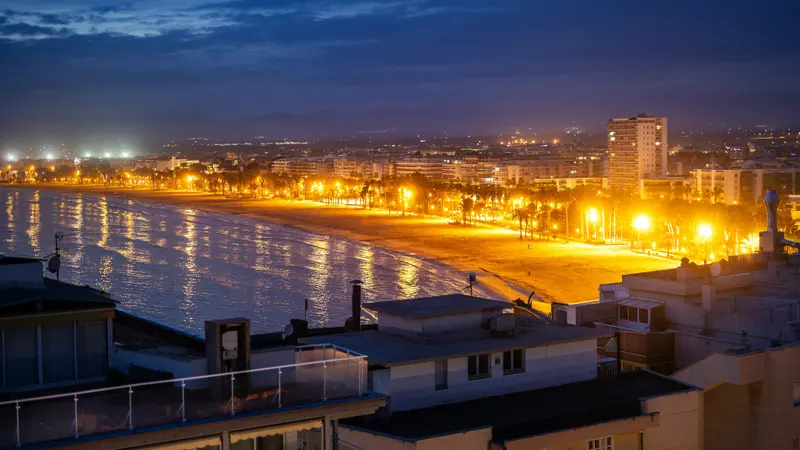
Tarragona or Reus for heritage. Tarragona concentrates the Roman sites. Reus works for walking in the centre and outings towards the Priorat or coast. Check where you want to spend the afternoon and whether you can walk back to your accommodation.
Cambrils, Salou or L’Ametlla for the coast. Pick a promenade for several nights without a car or a place near the particular coves you want to visit. Check the walk from the door to the beach and where you can have dinner afterwards.
The delta, Tortosa or the Priorat for a separate stay. In the delta, start by choosing a side of the river. Tortosa is a starting point for the river valley and other inland outings. For vineyards and villages, check the real journey from the property to where you will start each day.
See places to stay in Tarragona province (opens in a new tab)Affiliate link: if you book through it, we may earn a commission at no extra cost to you.
Practical tips and common mistakes
Find the exact point each journey starts. Note the station, side of the river, park entrance or first bridge. Save names and maps to use offline in rural areas.
Give the coast and mountains their own days. Separate beach time and trail time so you can adapt each to the light, heat and return journey. If you combine two places, choose stops in the same area.
Check for changes before leaving. Depending on the day, use the protected area’s notices, the sea forecast or the attraction’s calendar. In the delta, keep a plan on firm ground near any stop whose access may change.