

 Español
 English

Why visit Taüll
Begin with Taüll’s two churches if you’re deciding what to see. Sant Climent stands near the lower entrance to the village. Santa Maria sits higher up, right among the houses. By walking between them you can see why the towers look so different from the road and how the village fits onto its slope. Set aside a morning for both buildings and return by a different lane if you can.
Taüll is one of several villages in the Vall de Boí municipality, in the province of Lleida in north-west Catalonia. It works as an introduction to medieval art and as a base for the western side of Aigüestortes National Park. Treat the churches and the park as separate outings if you want time to look closely at the paintings and take an unhurried walk beside the water.
When to go
Late spring and the beginning of autumn suit a day split between the buildings and the valley. A museum or church visit gives you something to do while waiting for low cloud to clear. In summer, take the morning for a walk and fit the churches around the afternoon if visiting arrangements permit. Keep enough time in hand to shorten the walk if storms develop.
In winter, base the trip on the village and snow activities you have planned. Check the road conditions and the outlook at the altitude where you expect to walk. The lanes between the two churches and a trail above the valley can feel like different seasons. If you only have one night, choose an excursion you can adjust after arriving.
Getting there and around
Turn off the N-230 towards Barruera and follow the valley road to Boí and Taüll. The climb takes you from meadows on the valley floor to villages built on slopes. If you are coming by public transport, check the connection at El Pont de Suert before looking for the journey up to your village. Check the return leg from Erill la Vall or the park before making either a separate stop.
Once in Taüll, walk between the churches. A car is useful for switching villages and fitting several days of outings around one base. If you are staying in Pla de l’Ermita, look up your accommodation’s entrance before deciding whether to visit Taüll on foot at both ends of the day or save the village for one continuous visit.
What to see in Taüll
Sant Climent de Taüll
Stand back far enough to see the nave, apses and bell tower together. The surrounding slopes put the tower into perspective. As you get closer, look at its openings and the stonework dividing up the outside of the apses. Inside, a projection sets the paintings back into the architecture. If this is your main reason for visiting, check when the projection takes place.
Santa Maria de Taüll
Continue uphill to the square by Santa Maria and make a circuit of the building. The surrounding roofs and façades make the tower feel much closer than the one below. Look at the apse, then look back at the tower through the houses. The Virgin, Child and Magi provide a second example of how the main image was arranged around the centre of an apse. Compare the view on entering with what you noticed first at Sant Climent.
Monuments and heritage
The World Heritage property UNESCO listed in 2000 brings together eight churches and a hermitage across the Vall de Boí. Two are in Taüll. They were consecrated on consecutive days in December 1123. Compare their stonework, arches and bell towers before moving on to another village. Stand back to follow the outline of each building, then come closer for the details.
The paintings were made for curved surfaces inside the churches. In Sant Climent, the figure of Christ dominates the apse. At Santa Maria, the focus shifts to Mary and the Child. Looking at the two buildings together helps explain how small openings and the distance between doorway and altar affected the way visitors saw the paintings.
Museums and culture
The Romanesque Centre is across the valley in Erill la Vall. Make it part of a visit to Santa Eulàlia church. You can use the centre to put the churches that are outside Taüll in context and choose the ones that best fit the second day of your trip. It also introduces features that are worth looking for elsewhere if you are crossing several Pyrenean valleys.
In Barcelona, the Museu Nacional d’Art de Catalunya on Montjuïc displays originals that complement a visit to Taüll. If you are going to the museum first, note which church each group of paintings came from. The short distance between the museum galleries gives little impression of how the buildings are spread across the valley.
Neighbourhoods and areas
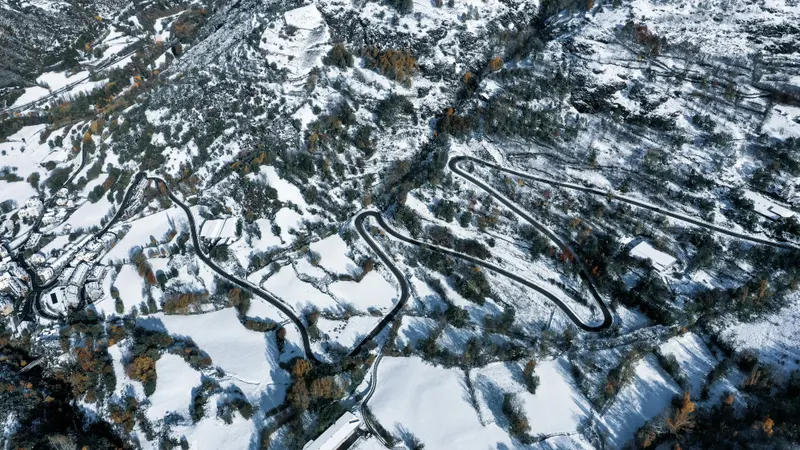
The lower part of the village is close to the road in and the open ground beside Sant Climent. From there, the lanes rise to Santa Maria. In the upper part of the village, go a little beyond the square to see how the roofs change and where gaps between the houses open views across the valley.
Pla de l’Ermita is a nearby mountain resort settlement. If you want to step out for a morning walk between the churches, stay in the village of Taüll itself. If you plan to spend several days at higher elevations, look at the position of your accommodation in relation to the roads you expect to use most.
Nature and protected areas
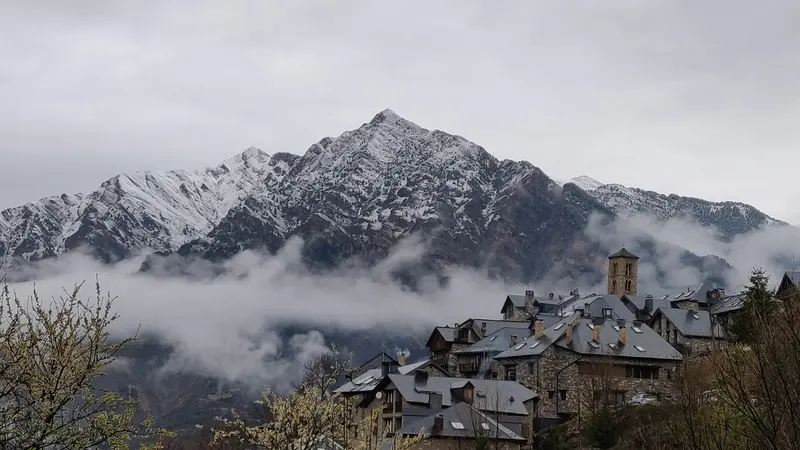
Aigüestortes i Estany de Sant Maurici National Park has distinct entrances. From Taüll, choose the Vall de Boí approach to the Aigüestortes side, by the Sant Nicolau valley. Espot provides access to the eastern side by Estany de Sant Maurici. When you look up a walk in the park, check its starting point before comparing distances or walking times.
On the western side, walks by the water show the transition between woodland and open meadows. Check official park information for the access arrangements and paths available on your dates. When the forecast deteriorates, the Romanesque villages offer an alternative without committing you to a long walk. Save the park for a day with enough time for the approach and the return.
Festivals and traditions
The falles are part of the Pyrenean fire festivals recognised by UNESCO as intangible cultural heritage. At Taüll, the procession carries fire down the mountain to a gathering point in the village. The route itself is part of a local celebration centred on the people who descend and those who receive them.
The 2026 valley calendar initially listed 17 July for Taüll, then marked it as postponed. Check the current calendar and any subsequent announcements before booking. The old date tells you the time of year when the event was planned. The programme for your trip determines where to go and how to get back afterwards.
Routes and itineraries
One morning for both churches
Start at Sant Climent and walk uphill to Santa Maria. Allow time for a circuit of both churches. Return by a different lane and look for the towers between the roofs. If the projection fixes your time at Sant Climent, reverse the walk and finish at the lower church. Children can break up the visits by looking for arches and bell towers outside.
Two days based in Taüll
Spend the first morning in the village and the afternoon in Erill la Vall or Boí. Set aside the second day for the western side of the national park. Switch them if the first day has the better forecast. With another morning, include Barruera or Durro to see how the position of the valley’s churches changes towards the river.
Day trips
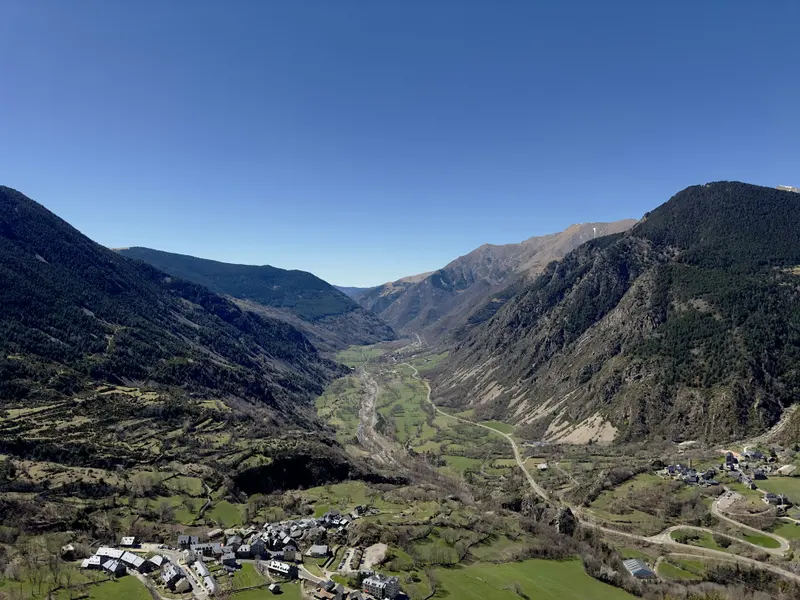
Visit Sant Joan in Boí to carry on comparing the architecture and paintings. In Erill la Vall, pair Santa Eulàlia church with the Romanesque Centre. Allow a morning for these two villages if you want time to walk around each one. The visit also works as a shorter alternative to the national park.
For a different part of the valley, choose Barruera and Durro. Compare Sant Feliu’s position close to the valley floor with the climb to the village around the Nativitat de Durro church. If you also want to see Sant Quirc, check how to reach the hermitage and leave time for the stretch between it and the village. It makes a better final stop than an extra church squeezed into a string of brief visits.
Where to stay in Taüll
Stay in Taüll itself if you want the two churches and the village lanes at your doorstep. Check the slope between your doorstep and the places you will visit most. A short distance on the map can involve a meaningful climb on the return, especially for families or anyone with limited mobility.
Pla de l’Ermita suits a stay built around trips into the mountains. Consider Boí or Barruera if most days will involve more than one village or a visit to the national park. Check the full address for each option and look at your first journey of the day from that location.
See places to stay in Taüll (opens in a new tab)Affiliate link: if you book through it, we may earn a commission at no extra cost to you.