Español
 English

Why visit Barcelona province
The best things to do in Barcelona province follow three routes out of Catalonia’s capital. To the south, the Garraf hills sit between the shore and the vineyards of the Penedès. To the north, the Maresme follows the strip of land beside the sea and railway. Inland, Montserrat, the settlements of the Bages and the Berguedà follow the wider landscape of the Llobregat and its tributaries from former mill towns to the foothills of the Pyrenees.
The city makes a useful base for rail outings. If rural and small-town stops matter more to you, an extra night outside Barcelona can be worth more than a long return journey in a day. Stay in Vic to see the old town and then look into the settlements of the Collsacabra. From Berga you can follow the Llobregat valley to a former textile colony or towards its source. At Cardona, salt explains the ground around the castle and part of the story of the town itself.
A weekend is enough for a mountain outing and a coastal one. Five days allow you to choose two areas and see them properly. Over a week, use the change of landscape to decide where you want to be first thing in the morning. A room that puts you next to the water at dusk can leave a lot of driving to do before the start of an inland walk.
When to go
In spring, you can combine the slopes of the Garraf and the squares of the inland towns with walks on the coast. If the aim of going to Montserrat is to see its rock towers, keep that outing for good visibility. Choose another path if rain has made your first choice too slippery. Temperature and vegetation change with altitude in the Montseny. Check the forecast for the section you will walk, as conditions can differ from the village below.
In summer, later daylight gives you more time to spend at the beaches of the Maresme and Garraf. Start early on paths that cross vineyards, bare rock or cliffs and decide where you can sit out of the sun. Walking before a swim can work well if both start from the same town. If you need to drive between them, check where you can park before counting on the beach as the easy half of the day.
Autumn suits a trip that combines the Penedès with woodlands in Osona or the Montseny. If there is a cellar visit, book that first and fit your walk to the weather and daylight. In winter, Vic, Terrassa and Manresa provide an alternative to a high route. For a day in the Berguedà, check road conditions for the final approach and be ready for slippery stretches in shade.
Getting there and around
From the airport or railway to your first base
In 2026, Aena located the railway station at Barcelona-El Prat in Terminal 2. Check your airline’s terminal and work out the onward journey before arriving. Barcelona Sants is useful for a trip starting on a long-distance train. If you are heading straight to the sea, compare the distance from the coastal station to your accommodation with the time you would spend on a night in the city.
In 2026, FGC listed the route to Montserrat from Plaça d’Espanya on the R5, changing at Monistrol Enllaç for the rack railway. Look at the return journey before deciding how late you will stay up the mountain. The interchange, the centre of Monistrol and the monastery site are separate places. Make sure you and anyone picking you up are looking at the same point on the map.
Where a car helps
The villages of the Collsacabra, journeys across the Bages and Berguedà, and some country wineries fit a road itinerary. Choose a known starting point for walks and find out how close you can bring the car to accommodation. In a stone-built village the last street may have limited access, and the car park may be lower down than the route shown by navigation.
Along the coast, first look at the approach from the railway station to the sand. The line runs beside the sea in several Maresme towns. Find the crossing or ramp you will actually use if you have a buggy or equipment. A car adds less when the towns are on the same railway and you expect to spend the day on foot.
What to see in Barcelona province
Things to do in Barcelona province beyond the city
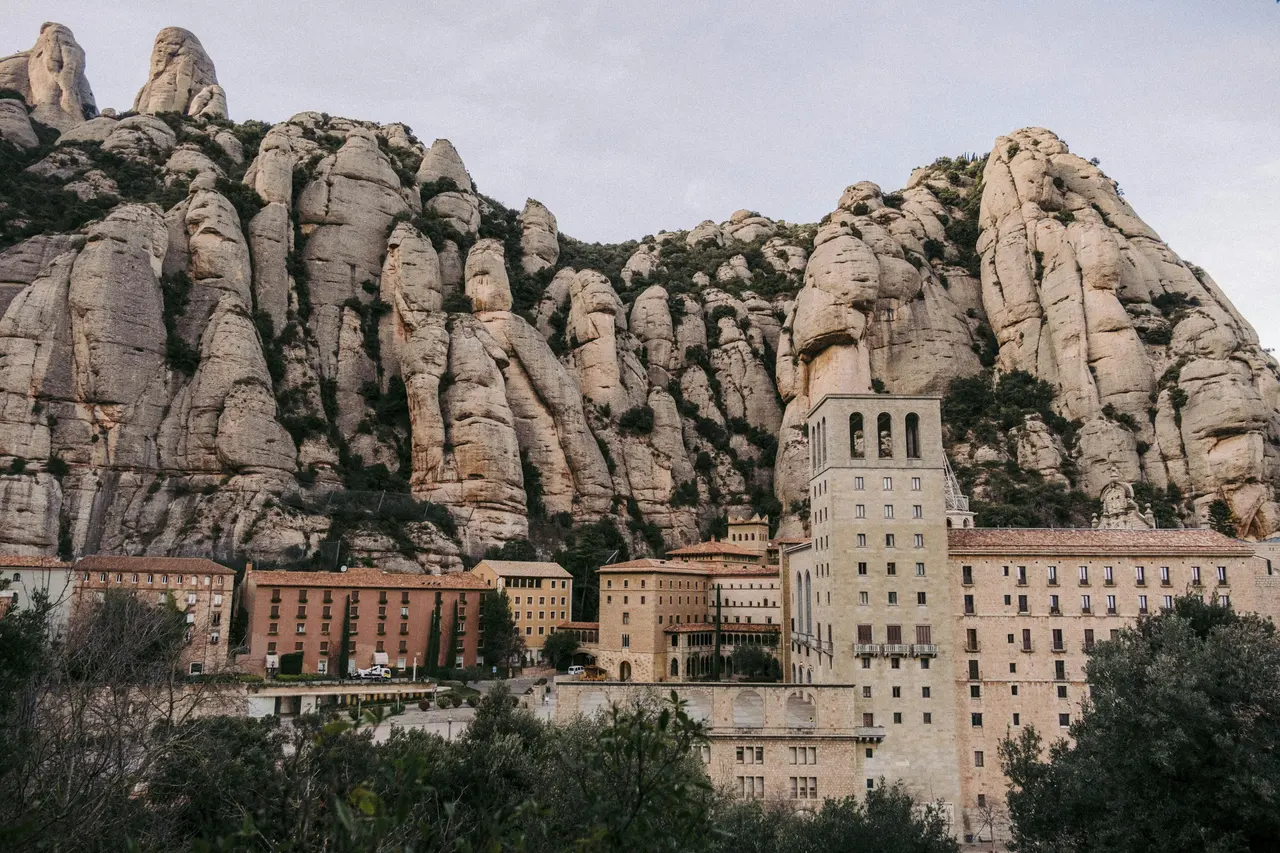
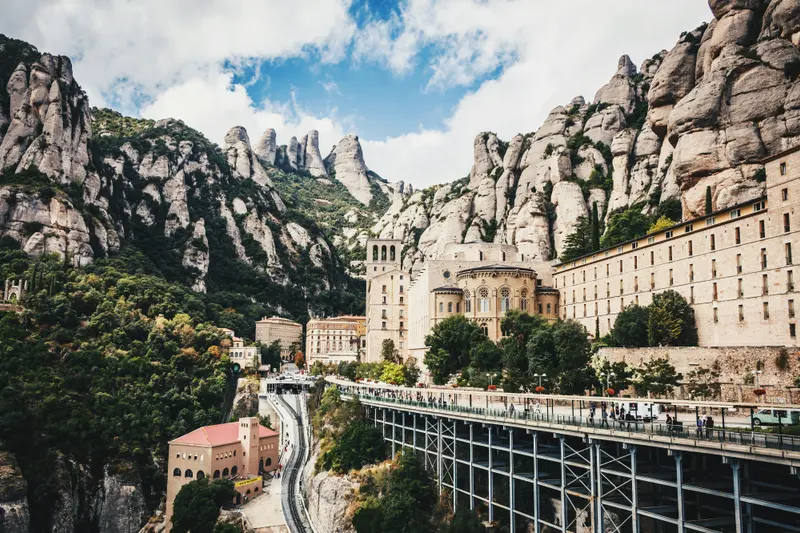
At Montserrat, combine the square and basilica with a walk that gives you a clear time to return. The area around the Creu de Sant Miquel offers a view back towards the buildings, giving a sense of how they sit against the slope. Higher walks can take longer and involve steps, slippery rock or exposed passages. Decide how far you want to go before filling up the afternoon.
In Vic, begin in Plaça Major, also called the Mercadal. Its arcades provide a landmark when you return from the cathedral or the Museu d’Art Medieval. Look at the squares and streets first and then find the Roman temple. For Romanesque art, allow a full morning for the collection and visit churches outside town another day. With only a short stop, take in two places within walking distance of each other.
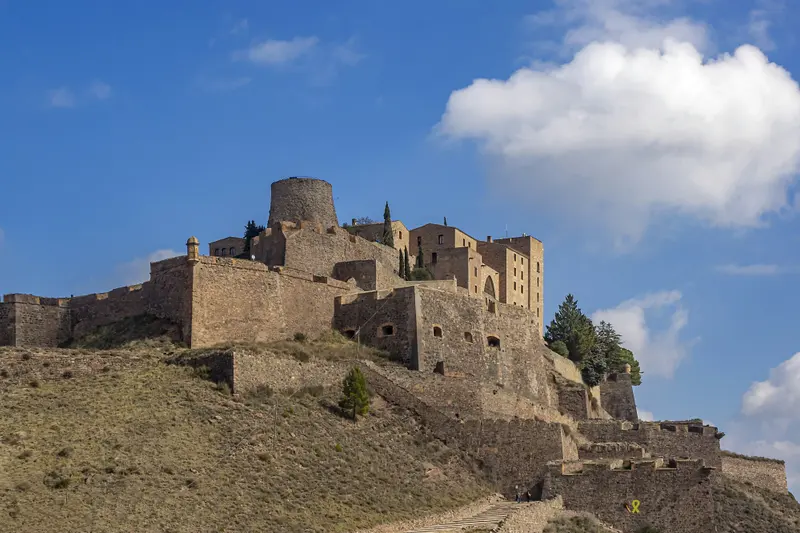
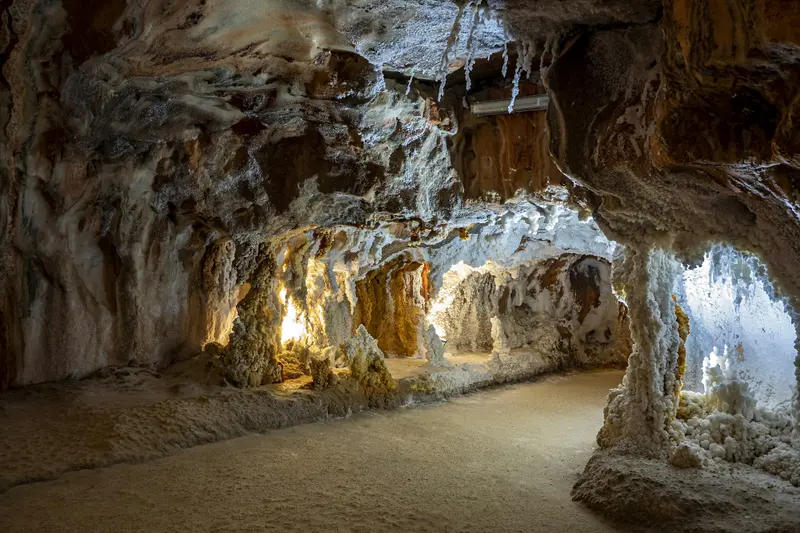
At Cardona, notice the elevation before going indoors. The castle looks over the town and the salt mountain belongs to a different part of the visit. The collegiate church of Sant Vicenç adds Romanesque architecture to the castle complex. The Salt Mountain Cultural Park picks up the story through geology and extraction. A walk in the town between the two shows where the houses sit in relation to both.
From the city to the sea and vineyards
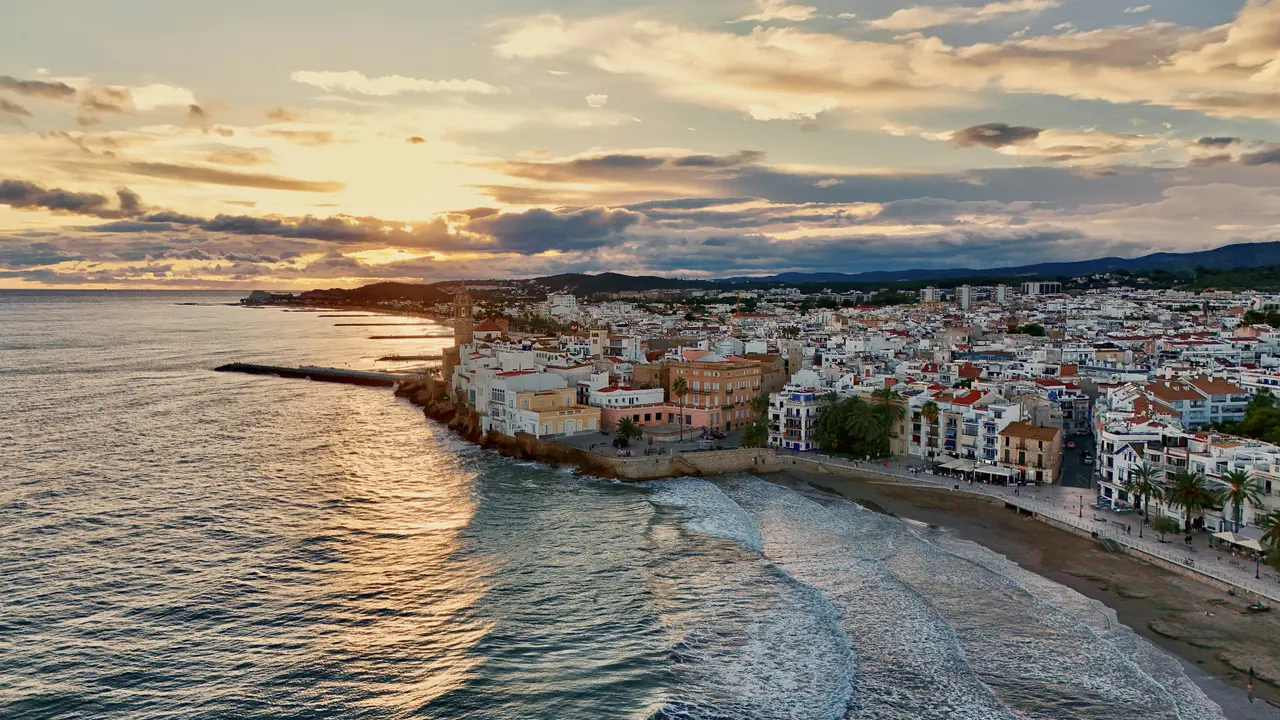
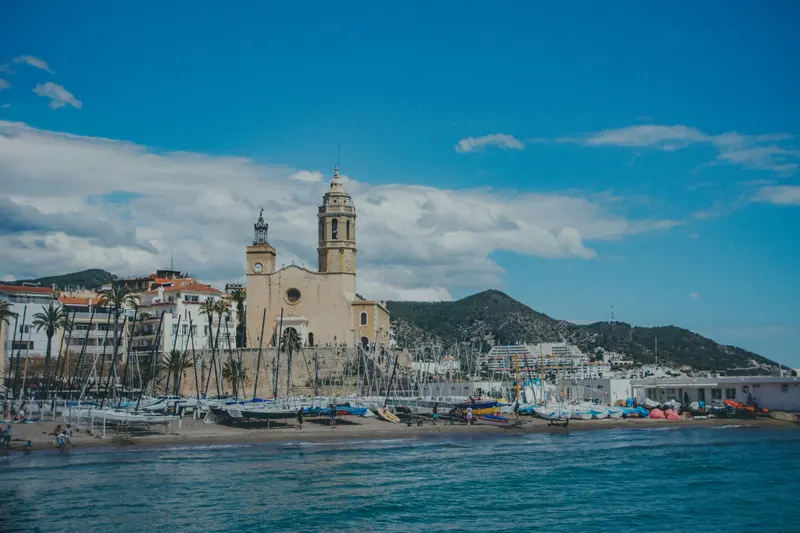
In Sitges, go from the church of Sant Bartomeu i Santa Tecla to the promenade. That walk helps you decide whether to stay near the beach, see the museums or head back into the old streets. In Vilanova i la Geltrú, combine the waterfront with the old town or the railway museum. Both are useful choices when the sea should form part of the day but you want the option of staying out of the water.
In the Penedès, give Vilafranca and the vineyards a full outing. Choose Sant Sadurní d’Anoia as a starting point if your focus is cava. A winery visit may begin in town or at an estate out in the countryside, so check the address with the producer before deciding how to get there. From the Garraf, put the sea and the vines on different days so the return from the tasting can take its own time.
Monuments and heritage
Romanesque churches and industrial Modernisme
Pair a medieval building with the streets around it. At the monastery of Sant Cugat, walk around the courtyard and look closely at the carved capitals of the cloister. Cardona’s collegiate church fits inside a fortified setting, which gives a different perspective on a visit to a medieval church. These places are good counterparts to the paintings and sculptures gathered in museums.
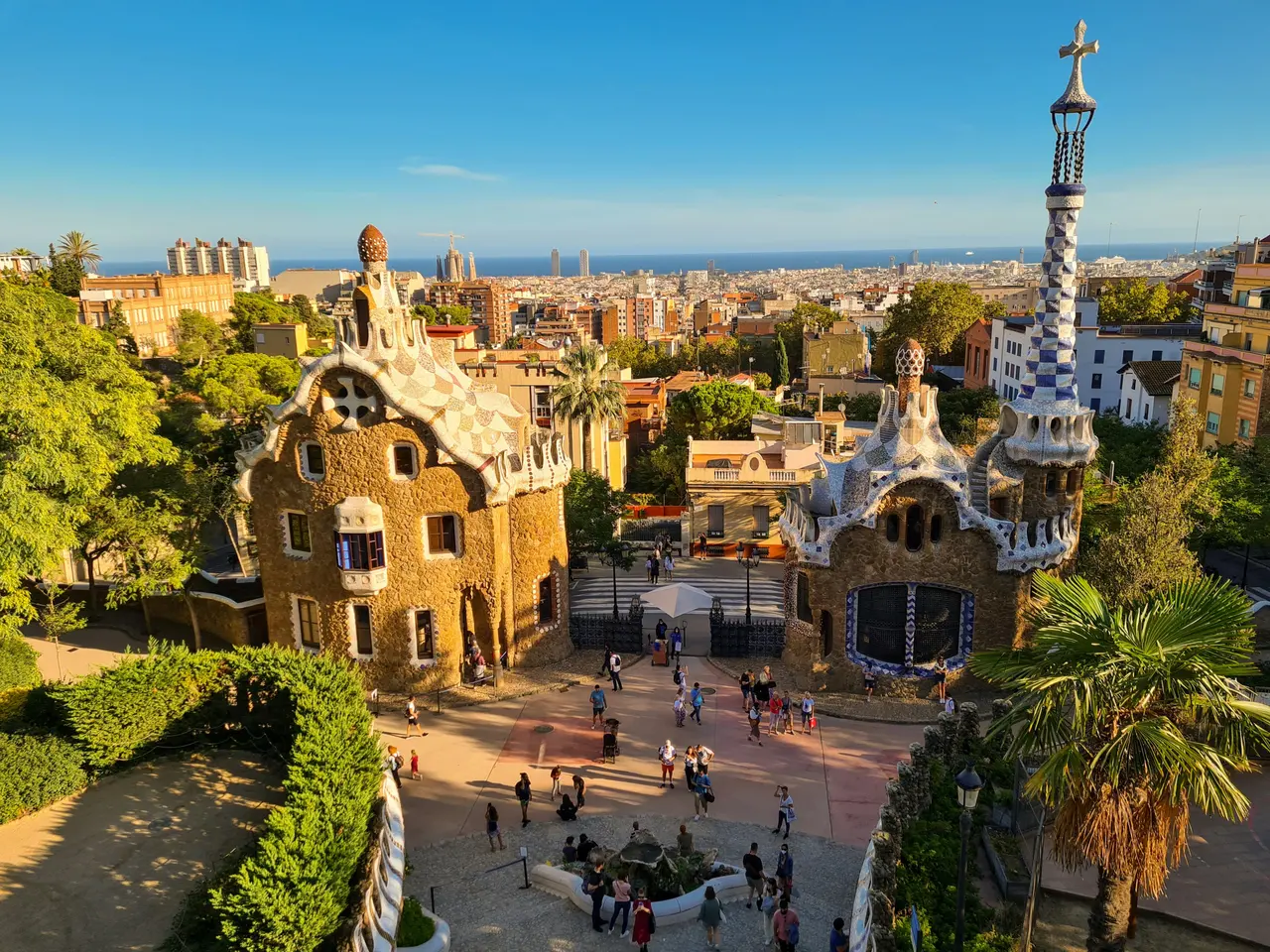
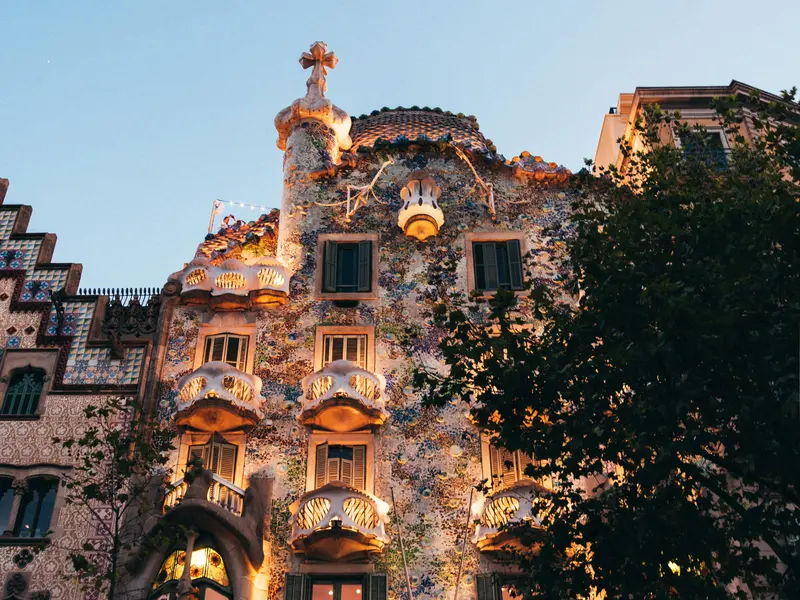
In the city, view Casa Batlló from across the street to see the mosaic and the shape of the roof. Compare its residential frontage with two examples of architecture built in industrial settings.
At the Sagrada Família you can see how Gaudí worked at the scale of a basilica. If you plan to go inside, use the booked time to organise your walk through the Eixample.
In Terrassa, the Vapor Aymerich, Amat i Jover houses the MNACTEC and shows how Modernista design fits a large textile factory. Look up at the roof and notice how light gets into the space before looking at the machinery and the way it was used. In Santa Coloma de Cervelló, Gaudí’s crypt in the Colònia Güell belongs to another industrial settlement. Save time for the streets around it and look for the relationship between the church and the rest of the community.
Industry along the Llobregat
In the Bages and Berguedà, the river explains the position of the textile colonies. Look at where the mill stands in relation to the workers’ houses and the water. Many settlements are still inhabited, so keep to public spaces and find out which parts are open to visitors. A guided visit can help you understand how mill and community were organised. Give yourself time afterwards to view the buildings from the riverside.
Museums and culture
At Vic’s Museu d’Art Medieval, paintings and sculpture give context to the smaller churches of the inland areas. You can organise your visit by material or follow where the pieces came from. The MNACTEC in Terrassa gives more of its space to machinery, technology and industry. Either can fill a morning while the weather decides what you do outdoors.
The Cau Ferrat in Sitges adds a Modernista collection to a coastal day. The railway museum in Vilanova works well for anyone interested in transport or engineering. If you are combining a museum with time by the water, choose a stretch of coast within an easy walk. In the shorter days of autumn and winter, fitting them together nearby is more useful than leaving both visits until the afternoon.
Charming villages
Rupit and Tavertet occupy different positions in the rocky landscape of the Collsacabra. In Rupit, the stream and uneven land shape the arrival and the walk through the old village. Tavertet offers views from the height of the cliffs towards the valley. Give one village the morning and keep the other as an option for later so you have time to walk when you arrive.
At Castellar de n’Hug, pair the village with the Fonts del Llobregat. Check the slope and surface before committing to a route near the water. Bagà is another useful stop in the Berguedà, where you can start with the historic centre and work outwards. Road distances through the hills can look short until you account for the approach and the walk from wherever you leave the car.
In the Maresme, compare Sant Pol de Mar with Arenys de Mar. One gives you the shoreline of a smaller town and the other the activity of a fishing port. Choose one for a slow day, turn inland from the promenade and return by a different street. If you spend the night there, find out where you would go for dinner and whether you can walk back comfortably.
Nature and protected areas

In the Montseny, the change between low valleys and higher slopes accounts for much of what you see. Around Santa Fe you can focus on the woodland. Higher routes require more attention to wind, temperature and ascent. Pick a section of the park and look up access before assuming you can leave a car just where the trail starts.
The Garraf gives you a landscape of limestone and low vegetation. Pick a marked walk for a short introduction, such as an outing around La Pleta, and carry water for open sections. At Olèrdola, the archaeological site adds a way to read the landscape’s past. In summer, use the earlier hours for exposed slopes and leave the coast for later.
In Sant Llorenç del Munt i l’Obac, pick a route by ascent and the way back. Even when the sky is clear and a path leads higher, a short walk with a distinct destination can suit a group arriving from the city. The Llobregat Delta offers an alternative: flatter ground, places to stop and watch birds, and a different relationship between the built-up area and the river. Check the visitor information for the specific site before going.
Beaches in Barcelona province
From the Garraf to the Maresme
Castelldefels has room for a long walk along the sand, offering a different kind of day from the smaller beaches of Sitges. Check which entrance lines up with your station or accommodation. At Garraf, the village and hills frame the small beach. If you are carrying a lot of equipment, see where you can join the beach and how much exposed walking the route involves.
In Sitges, switch between beaches and streets in the old town. Choose a beach according to its exposure and how you will get back. In Vilanova, decide whether you want the harbour, the promenade or the older streets for the last part of the day. Staying near the shore helps if you plan to swim over several days and want to carry beach gear as little as possible.
At Calella, Canet de Mar or Sant Pol, find the right approach from the station and check the facilities you need. If sea conditions change, follow the beach flags and keep a town walk as an option. In the Maresme, you can often see the railway from the sand, but the authorised crossings determine the distance you will actually walk.
Festivals and traditions
The town council scheduled La Patum de Berga for 2 to 7 June 2026. Plaça de Sant Pere forms a focal point, while street processions and other events take place in different parts of town. Some involve fire and loud music. With children, look at the plan of the event and decide in advance how to leave the square if it becomes too crowded.
On 23 April 2026, Barcelona’s Sant Martí district marked Sant Jordi with events in neighbourhood venues. You can pair a provincial trip with a city day among books and roses. If a local festival in Berga, Vic or the Penedès is the main reason for your visit, use the programme for that town and allow extra time to cross the centre when events are in progress.
What to eat
In Osona, look for fuet and other cured meats. Ask how to store them if you want to take them with you, particularly if you will drive around for the rest of the day. Lunch in Vic can start with market produce and continue with an inland speciality. Leave shopping that needs refrigeration until you are on your way back.
The Penedès offers both still wines and cava. A tasting works best when you have already decided who will drive or how to get back to the station. For the meal, ask what is in season and what comes from the area. Farther north in the Maresme, mongeta del ganxet beans connect lunch to the vegetable-growing areas and can complement time visiting a fishing town.
In Vilanova and elsewhere in the Garraf, look for xató, a salad of curly endive with a dressing and often preserved fish. Ask how that kitchen prepares it and whether it is a starter or a full plate. Comparing xató in the Garraf and the inland Penedès can give a theme to meals across the trip.
Sport and outdoor activities
Pick a section of the Llobregat route for a walk that links the river with industrial sites. Decide which bank you start from and mark the bridge if you need to cross. On a cycle trip through the Penedès, look separately at quiet roads and tracks. They can require different bikes or leave you riding a long way in the sun at the end of the outing.
At Montserrat or Sant Llorenç, the amount of climbing is a better guide to effort than distance alone. Mark a turnaround time and a shorter objective to use if conditions change. On the coast, a sailing or kayaking outing can fit a beach day when the sea allows it. Ask where you start and what previous experience the operator expects.
Routes and itineraries
Three days from Barcelona
Walk among the city’s Modernista buildings on the first day. On the second, go to Montserrat by rail and choose between a longer walk and more time around the monastery. On the third, pick Sitges for a walk that ends by the beach or Terrassa if you are interested in industrial heritage. Switch them about according to what the forecast offers and check each return before booking an outward journey.
Five days from the Penedès to the Berguedà
Begin with two days near Sitges or Vilafranca. Use one for the coast and the other for vineyard country. Change bases next, with a stop at Cardona or Manresa along the way. In the Berguedà, allow separate days for a former textile colony and the source of the Llobregat. If you want to add Vic, use the last day for the old town and one indoor visit before returning.
Travelling with children
Pair one main visit with outside time nearby. At Vilanova, the railway museum followed by a seafront walk saves another long transfer. At Montserrat, the rack railway can be part of the experience. For a trail, agree on a first destination and decide whether the group wants to keep going once you are there.
Inland, ask about steps, cool temperatures and buggy access before reserving a visit to a salt mine or former mill. On the coast, think about the walk to the beach and where you can sit in shade. One afternoon activity with an easy journey back makes it easier to start the next morning at the time you planned.
Where to stay in Barcelona province
Barcelona for days out by train. Choose somewhere that makes it straightforward to reach the station you will use most. Sants and Plaça d’Espanya suit different routes. Consider collecting the car for the rural portion of the trip if you are changing bases.
Sitges, Vilanova or the Maresme for time by the sea. Look up the walk to the beach and the station. Decide what you would most like to do without a car, such as reaching the promenade, going out for dinner or taking a train for the day.
Vic, Berga or the Penedès for a closer look at the inland areas. An inland base makes it easier to start early and find somewhere for dinner near the accommodation. If you want to walk from the door, find out which footpaths actually start in town and which require a drive into the countryside first.
See places to stay in Barcelona province (opens in a new tab)Affiliate link: if you book through it, we may earn a commission at no extra cost to you.
Practical tips and common mistakes
Check terminals, changes and stop names. Save the station and interchange names as the operator lists them. For Montserrat, identify whether the trip is to the monastery or the town of Monistrol before booking.
Keep timed visits in the same area. A winery, museum and tour leave little room to make up time if they are in separate districts. Book one main visit and fill the spaces around it with walks you can shorten.
Pack separately for the beach and hills. Take shoes for the walk you will actually do and consider how rain will change the surface. Give the first part of a hot day to the route with the least shade or the most climbing. A short outing near your base makes a useful reserve.