Español
 English

Why visit Girona province
When choosing things to do in Girona province, think of the coast, the plain, the volcanoes and the mountains as different days out. In this corner of Catalonia, parts of the Empordà let you reach a farming village after a morning at a fishing port. La Garrotxa mixes woodland, volcanic cones and medieval settlements. The terrain and Romanesque heritage of the Ripollès can justify a separate stay farther inland.
Girona itself is a practical place to begin without a car. Stop on its bridges for a view of the old town before climbing to the walls. If you are coming for Dalí, Figueres, Portlligat and Púbol put his work and life into different settings and deserve time between them. If the sea is what brings you here, choose a section of coast and look up where you would like to walk every evening.
A three-day break gives you time for a town, a museum or archaeological site, and a day on the coast. To fit in the volcanic woods or the Pyrenean valleys, stay longer or move to a second base. Mark the two farthest places you want to visit and check the real road between them. Two villages you can see across a bay may take surprising amounts of time to reach by land.
When to go
In spring, combine an old town with a coastal or inland walk. In the Empordà, a very windy day might suit a museum or an archaeological visit better than a north-facing cove. Check the wind at the height and location of your outing if there is an exposed section. Keep a lower alternative available if there is any doubt.
In summer, start early and think about where you can sit in shade later. A beach in town leaves time to get lunch without shifting the car. At a small cove you may have to bring everything for the day. In the Ripollès, cool or unsettled weather on a high route can differ from a warm valley forecast. Pick a walk that can be shortened if the group runs out of time or the conditions turn.
Autumn makes woodland in La Garrotxa easy to combine with a visit to an inland town and a walk by the Mediterranean. After rain, choose a path with a suitable surface and leave space to avoid churning up the edges. In winter, Girona, Figueres and Ripoll offer indoor stops. At higher elevations, check the roads, snow and equipment you need. Short days matter especially if there is a drive between valleys before or after your walk.
Getting there and around
In 2026, Aena listed buses from Girona-Costa Brava Airport (GRO). Check the full journey to your first bed before booking a flight. The bus you need might go to Girona or to a particular coastal town. Girona’s railway station, listed by Adif, puts you in a position to continue on foot or transfer to another service. If you fly to Barcelona, include the journey from the airport to the station for the trip north.
When booking for Figueres, look at the exact station name. Figueres and Figueres-Vilafant have different approaches to the centre. If your first stop is a museum, work out where to leave your bags or put the museum on the next day. At the coast, a bus to a nearby town can save most of the journey and still leave a substantial walk to a particular beach.
Use the car for some outings and rail for others
A car makes it easier to visit several small settlements, an archaeological site and a beach. Keep each day within one section of coast or one valley so the driving stays useful. For a coastal walk, mark both ends and arrange the return. If you want to stay out for the last light, choose a path ending near your accommodation or somewhere with a confirmed ride back.
In 2026, FGC offered rack railway access to Vall de Núria from stations in Ribes de Freser and Queralbs. Pick a station before deciding where to park or spend the night. If you depend on another train to get there, check both timetables and exactly where you make the connection. Plan the return as part of the walk, especially when daylight is short.
What to see in Girona province
Things to do in Girona province from the city to the Empordà
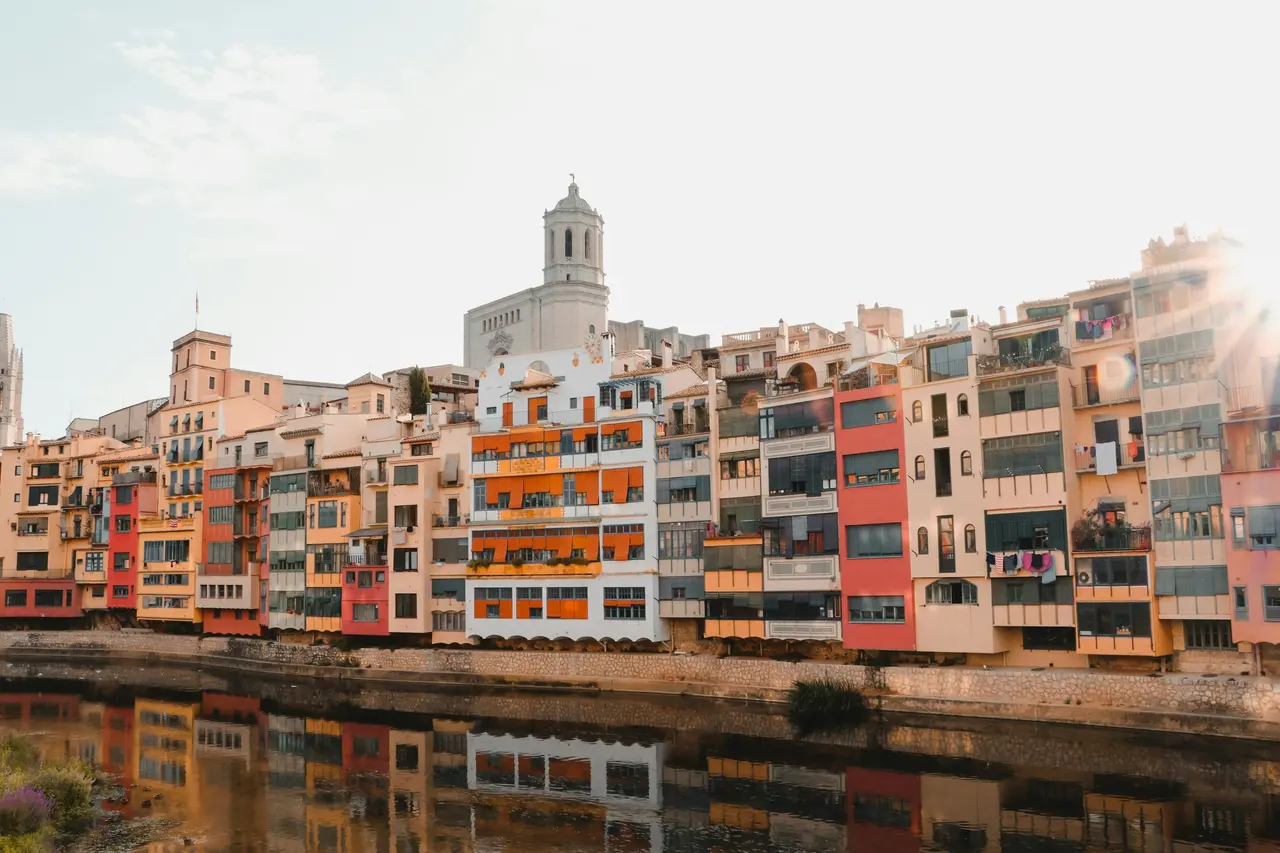
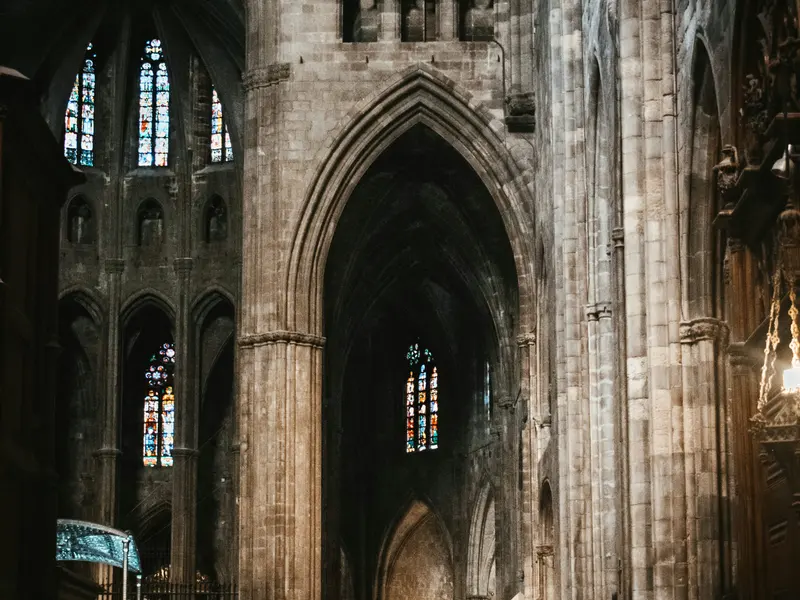
In Girona, follow the Onyar and cross on two bridges to see how the row of houses changes from each angle. Climb through the old Jewish quarter, the Call, to the cathedral before deciding how much of the wall to walk. Look at the descent as well as the way up. If you are only stopping on a travel day, save one of the climbs for another visit and allow time for a pause in the centre.
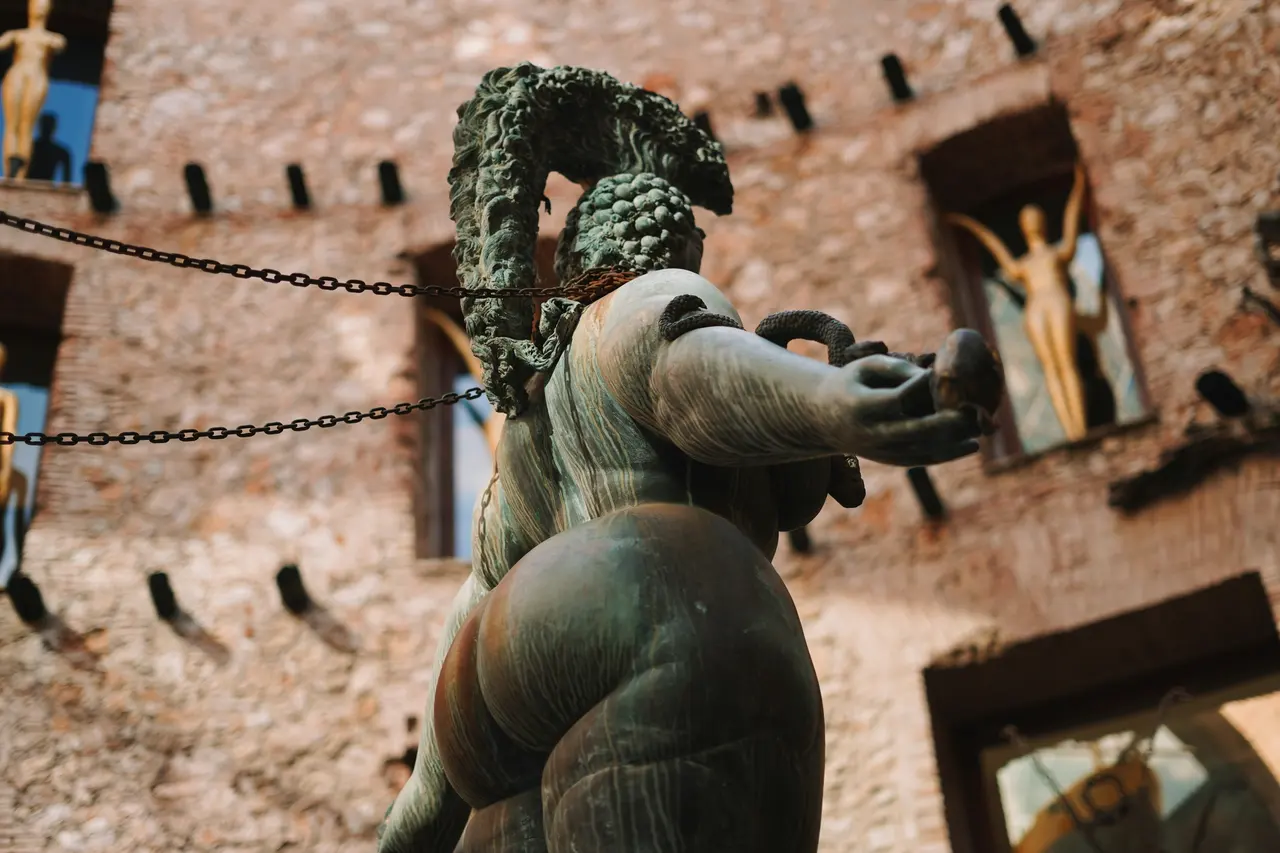
At the Dalí Theatre-Museum in Figueres, give yourself time to watch how the layout of the rooms affects what you see, even if you know little of Dalí’s work. If you are interested in how he lived and the landscape nearby, go to Portlligat on a separate day. Púbol, in the Baix Empordà, provides a third perspective through the castle associated with Gala. Choose according to the setting you want and check the opening calendar for each place.
In L’Escala, a seafront walk and the archaeological site of Empúries belong on the same outing if you have time. Between them, Sant Martí d’Empúries helps show why the ruins also make sense when read from the sea. Allow for more than one sector in the archaeological site and look back at the shape of the bay. If you only want one timed visit that day, choose one you can follow with an unhurried walk.
Olot, Ripoll and the path into the mountains
Use Olot as a contrast with the woodland and volcano walks. From parts of town, the Montsacopa volcano is already part of the skyline. Towards the Pyrenees, begin in Ripoll with the monastery and its carved portal. If you want to see Núria as well, allow a second day so you have time to get up the valley, go for a walk and return in daylight.
Monuments and heritage
At Empúries, walk through the separate Greek and Roman sectors and notice how they occupied the edge of the bay. Compare the layout of streets and public spaces, then look at the position of the present-day shore. The ruins are outdoors, so leave the exposed reading stops for a time when sun and wind suit the group. Thinking about the former harbour makes it easier to understand why the settlement grew here.
Sant Pere de Rodes sits high on a slope above the coast in the Cap de Creus area. Take the approach as part of your visit and stop outside to see how the buildings fit the hillside. At Santa Maria de Ripoll, the Romanesque portal requires a closer look. Take in the carvings group by group before trying to understand the entire composition. If you want to explore the theme, add another church nearby and keep the longer journey to the coast for a different day.
At Ullastret, the Iberian archaeological site brings a period of history into view beyond the villages you have come to see. Use the height of the site to see how the settlement once overlooked its surroundings. Pair it with one medieval village in the Baix Empordà. That gives you time to see the different patterns of settlement without reducing them to stops between stretches of driving.
Museums and culture
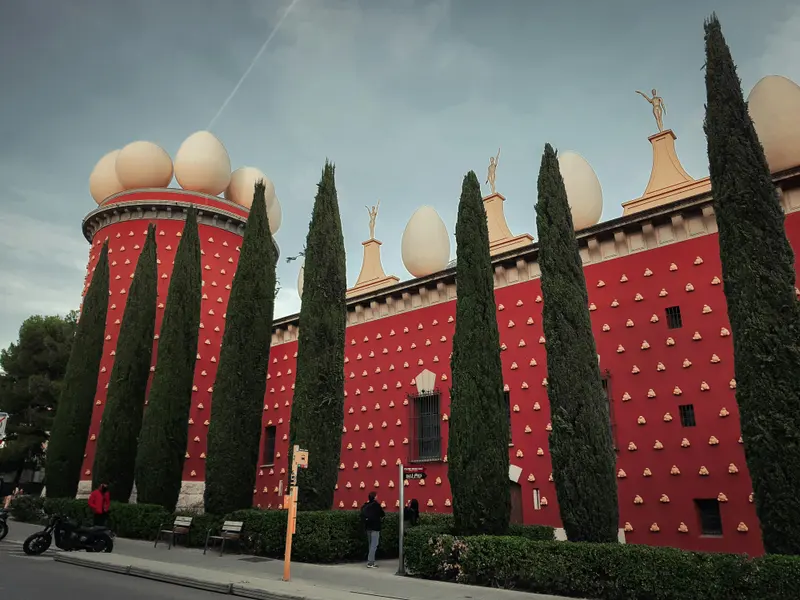
Beyond the Dalí Theatre-Museum, Girona’s museums add depth to a walk through its streets. The Museu d’Història dels Jueus gives context to the lanes of the Call. In L’Escala, the anchovy and salt museum links food with the work once done around the harbour. Follow each visit with a look at where the story took place. The same route can make more sense the second time you walk it.
Charming villages
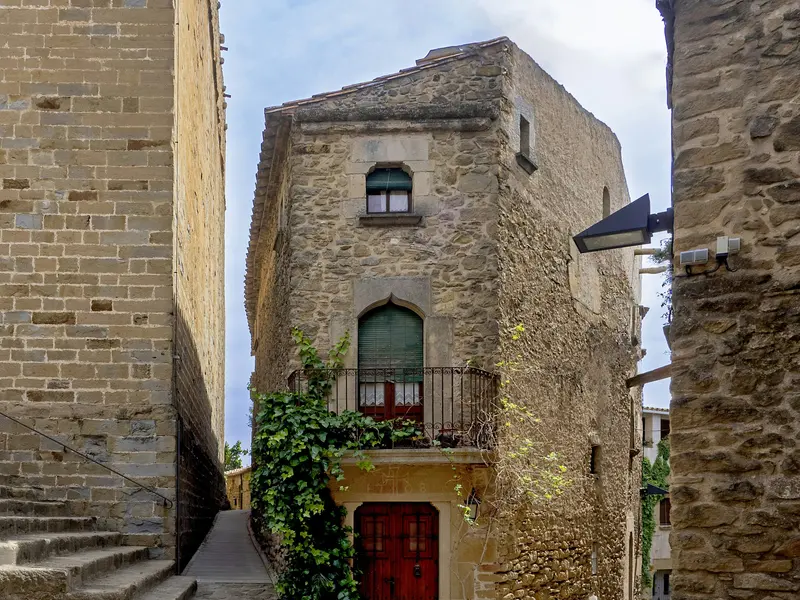
In the Baix Empordà, Peratallada and Pals make different walks. At Peratallada, notice how the streets and walls have grown from the stone underneath them. At Pals, take a little time at the upper end of town to look across the plain. If you want to do both on the same day, plan a proper lunch break and spend the hottest part of the afternoon out of the sun.
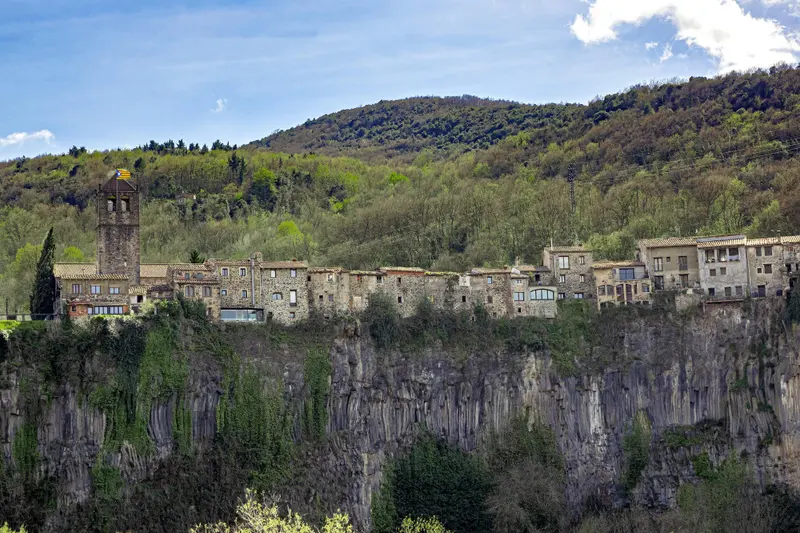
At Besalú, walk along the bank of the Fluvià to see the bridge at its full scale before crossing into the old town. Santa Pau gives a village beginning to a day in volcanic country. Near Olot, look at Castellfollit de la Roca from below to see how the houses reach the edge of the basalt cliff. Treat these as different stops. One may suit lunch and a walk, while another may be enough for a view before the drive continues.
At Madremanya, in the east of the Gironès, climb into the old centre and go around the fortified church of Sant Esteve. The lanes open towards the edge of the hill, where you can see how the settlement sits above the plain. On a visit that also includes Púbol, leave separate time for the village walk and the castle.
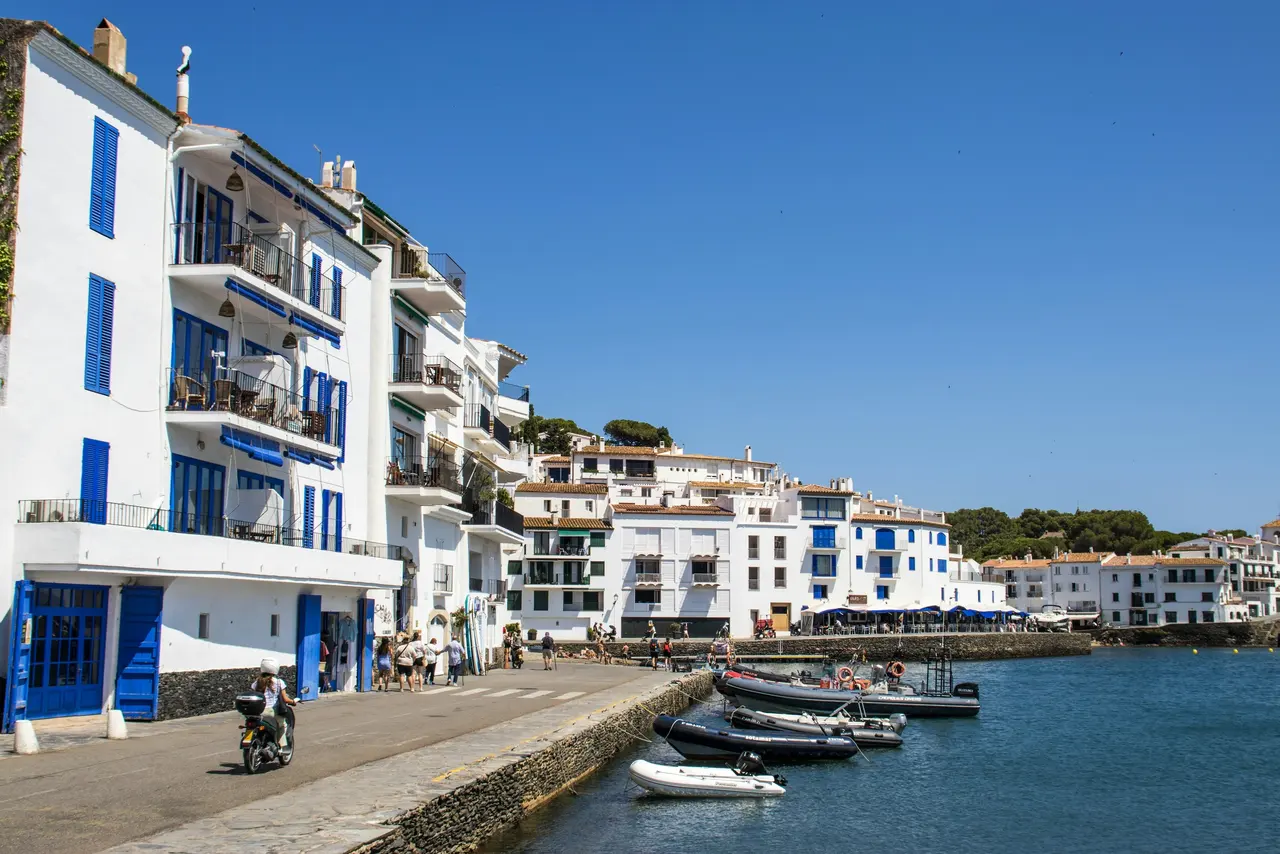
In the Ripollès, the old bridge and River Ter are good points to start with in Camprodon. Leave time for the approach road to Beget and for a walk between the buildings and the church. In Cadaqués, follow the bay first and then head into the streets. If you continue towards Portlligat, work out your way back and allow enough time for any visit you have already booked.
Nature and protected areas
At Cap de Creus, pick a walk that gives you the coast and the shapes of the rock at your own pace. Identify the entrance you will use and check notices for that part of the park. A lookout and a cove may have separate approaches. In a strong tramuntana wind, choose a sheltered route. At Els Aiguamolls de l’Empordà, take binoculars and go between designated viewpoints. Waiting at one lagoon can show you more than moving on every few minutes.
In La Garrotxa Volcanic Zone, choose between the beeches of the Fageda d’en Jordà and a route that reaches a volcanic cone or crater. At Croscat and Santa Margarida, look for differences in the way the ground rises. Factor in the time between sites and from the parking place to the walk. If the ground is wet and the group has only part of a day, concentrate on one landscape. At Castellfollit, a look at the cliff below the houses shows you what volcanic rock can look like on the scale of a village.
In the Ripollès, plan one lower valley walk and one higher outing so a single forecast cannot undo the whole trip. In Núria, the first walk from your arrival point and the paths that gain height take different energy. Back on the plain, Lake Banyoles has shore walks that are easy to shorten. Use the marked areas for the activities you intend to do and decide on the distance the group wants before starting round the lake.
Beaches in Girona province
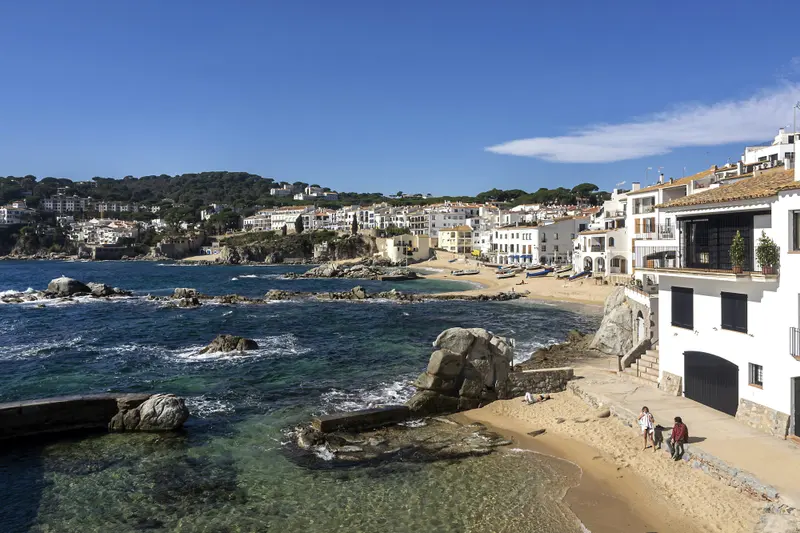
Town beaches, coves and paths on the Costa Brava
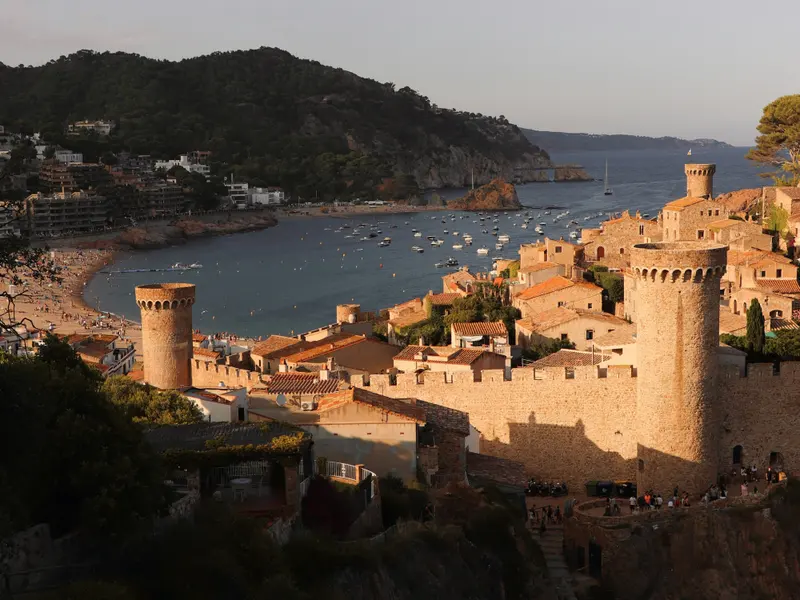
Tossa de Mar brings a town beach and the walls of the Vila Vella together. Choose a starting point that suits swimming or walking, then see what time you have for the other. Around Sant Feliu de Guíxols, start by the bay and decide whether to spend more time in town or head along the coast. Check the exact path entrance for any route you intend to start outside the town.
In the Baix Empordà, Calella de Palafrugell, Llafranc and Tamariu each have a different approach to the water. Check steps and diversions before choosing a coastal footpath between villages. In Begur, pick the cove according to the access you will use and the place where you are staying. Driving through the upper part of the area gives little indication of how long the descent to sea level will take.
Farther north, the beach at Sant Pere Pescador is open to the wind, which can change what you plan to do there. Along the bay of Roses, compare the comfort of a town beach with a trip to a less accessible cove. At either, use the day’s sea conditions and local instructions to decide on a swim. Keep a harbour walk for days when you prefer to stay out of the water.
Festivals and traditions
According to the city, Girona, Temps de Flors took place from 9 to 17 May 2026. The displays were spread through the old town, making several routes possible. If the next edition overlaps with your trip, choose the sites you most want to see and where to enter the old town. Keep a longer walk on the upper streets for a quieter part of the trip.
In L’Escala, salt and anchovies are part of fishing history. You can see how they fit together away from a festival by walking around the port, visiting the museum and asking a shop how the anchovies on the counter were prepared. In the Ripollès, town calendars are a good way to find a market or celebration. Use the programme for the year you visit and check where the main events or routes take place.
What to eat
Try anchovies in L’Escala and see whether they come on their own or with bread and tomato. In Palamós, ask about the catch and look for locally associated prawns when they appear on the menu. An Empordà rice dish and the fish of the day can tell you different things about the area. Check how seafood sold by weight will be cooked and the portion you are ordering.
Mar i muntanya cooking can bring together chicken and langoustines, among other combinations. Check how the one on the menu is prepared and whether it is served to share. In the Ripollès, a mountain meal can feature local cured meat, other meat or potatoes. If you want a long lunch in a valley, settle how you will make the last part of the journey back before ordering.
In Girona, try a custard-filled xuixo in a bakery. In the Empordà, find a producer if you are interested in how local olive oil or DO Empordà wines are made. Work out how to get there and back before booking a tasting. With children, look for another activity in the same village so a short tasting does not turn into another hour on the road.
Sport and outdoor activities
The Carrilet greenway makes it possible to plan a cycle trip from inland towards Girona or to ride from the city towards the sea. Arrange the return with the bike hire company or confirm how you will bring a bicycle back. See which sections you share with people walking and where there is room to stop without holding up others.
At L’Estartit, the Medes Islands are the focus of diving and marine wildlife trips. For a first outing, contact an authorised operator and explain the group’s level. For an inland look at the same coastline, the Montgrí offers views above the plain and sea. Pick a section that fits your time and give the coolest part of the day to stretches with little shade.
Routes and itineraries
Three days for the coast and old towns
Start in Girona and walk through the old centre. Put a medieval village of the Empordà and Empúries together on the second day, adjusting the order to the forecast and the priority. On the third, choose Calella de Palafrugell for sand and a seafront walk, or Tossa for the walls. If travelling without a car, pick the last stop according to the connections you can use to get back.
Five days with two bases
Spend two nights in Girona or Figueres and three nights at the coast you have chosen. Give a day to the main museum and another to the district around the first base. For volcanic country or the mountains, swap the second base for Olot or Ripoll. Divide the time between woodland, built heritage and a valley, using the transfer for Besalú or another single stop on the way.
Travelling with children
Find a beach next to a promenade with an indoor option close by. In Girona, break up bridges and walls with squares where everyone can sit down. In La Garrotxa, choose a woodland route with a short return. On a visit to Núria, the rack railway can already be the highlight. Look up the surface and slope before relying on a buggy for a coastal walk.
Where to stay in Girona province
Girona or Figueres for a town stay. Girona suits the old town and several short outings. Figueres fits time for Dalí and the Alt Empordà. Check the walk to the station you will actually use.
The Costa Brava for beaches and walks. Choose the coastline you expect to see on most days. Around Palafrugell, several bays are close together. Roses and Cadaqués fit the northern section. At Tossa, the beach and the old walls share the town’s seafront.
Olot or the Ripollès for inland outings. Olot is convenient for the volcanic area. In the Ripollès, book according to the valley, train or road you intend to use. Check early breakfast and how you get to the trail if it starts in a different settlement.
See places to stay in Girona province (opens in a new tab)Affiliate link: if you book through it, we may earn a commission at no extra cost to you.
Practical tips and common mistakes
Plan by sections of coast. Find your way back from the last cove before setting off for the first. Two bays that look very near one another on a map may need a long detour on foot or a slow road journey.
Check the exact visitor site. The Dalí Theatre-Museum, Portlligat and Púbol are separate stops. Parks have multiple entrances too. Save the name of the place you will enter and check how far it is from the bus stop or car park.
Let the wind choose the order of the days. If you need to give up a sea outing, find a sheltered harbour, an old town or a heritage stop suited to the conditions. For the mountains, use a forecast for the altitude of your walk and set the return time while you still have plenty of daylight.