Español
 English

Why visit Fuerteventura
If you are wondering what to see in Fuerteventura, split the map into three. The north has the Corralejo dunes and a boat trip to the little island of Lobos. In the centre, roads cross low mountain ridges to Betancuria and descend to the west coast at Ajuy. In the south, the Jandía peninsula has seafront walks at Morro Jable and a long stretch of Atlantic surf at Cofete. Give each area its own day. Two places that look close on the map can have a ridge or a slow stretch of road between them.
Of the Canary Islands, Fuerteventura is a particularly good fit if you want to mix long beaches with shorter walks. If the holiday revolves around windsurfing, pick a base near your school or its usual beach. For a family break, look first for a beach and a promenade within walking distance. Travellers with an interest in history should allow time for the windmills, salt pans and inland churches. They show how people made a living with little fresh water and a great deal of wind.
When to go
At the airport, on the eastern shore, Spain’s weather agency AEMET recorded average daily highs of 20.6°C in January and 27.8°C in August over 1981–2010. These are coastal averages. A ridge in Jandía and the shore at El Cotillo can feel much cooler in the wind, especially after a swim. Keep a light layer with you even when the forecast is sunny.
Spring and autumn work well for alternating walks and time at the coast. In summer, start exposed walks early and use the hottest part of the day for lunch, a museum or a break at your accommodation. In winter, leave one afternoon free for a calm spell at the beach. Betancuria or Antigua can fill a day that would otherwise be spent on the shore without changing your base.
Check conditions for the activity you have planned. A forecast that works for a windsurfing lesson can make an afternoon on the sand uncomfortable. For a crossing, check conditions at the port as well as the weather at your accommodation. For the rock pools in the north and the sandbar at Sotavento, look up the tide too. An island-wide forecast only gets you so far.
Getting there and around
Airport, ferries and buses
Fuerteventura Airport (FUE) is at El Matorral, near Puerto del Rosario. In the airport operator’s 2026 information, bus 3 connects the terminal with Puerto del Rosario, Caleta de Fuste and Las Salinas. Bus 10 serves the airport, the capital and Morro Jable. Bus 16 connects the terminal with the capital and Gran Tarajal. For Corralejo, check the connection in Puerto del Rosario to bus 6, listed by Tiadhe in 2026. On local signs, a guagua is a bus.
If you are coming from Lanzarote, the ferry ports are Playa Blanca and Corralejo. For 2026, Fred. Olsen Express gives crossing times of 25 minutes by fast ferry and 35 minutes by ferry. Add your journey to the port and check-in time. Ask your hire company whether you can take its car to another island and check whether your sailing carries vehicles. If you plan to stay around the harbour at Corralejo, it may be simpler to cross on foot.
Planning journeys across the island
A hire car makes it easier to combine La Oliva and El Cotillo or visit Betancuria, Vega de Río Palmas and Ajuy on the same day. On inland roads, allow time for bends and stops at viewpoints. If you land in the afternoon, leave the unpaved roads and the slower stretches for daylight, when you can check the access and see where you are going.
What to see in Fuerteventura
Corralejo and the northern dunes
Start at Corralejo harbour to get your bearings and see where Lobos lies across the channel. Then pick a signed entrance to the dunes. The road runs through pale sand with darker volcanic ground inland. Grandes Playas covers a considerable stretch of shore. Choose an access based on whether you want a walk, somewhere supervised to swim or a short stop to see the dunes. Use the designated parking and paths. In a strong wind, a brief walk by the sea followed by a return to town is often more comfortable than a long afternoon on the sand.
Lobos island and the Martiño lighthouse
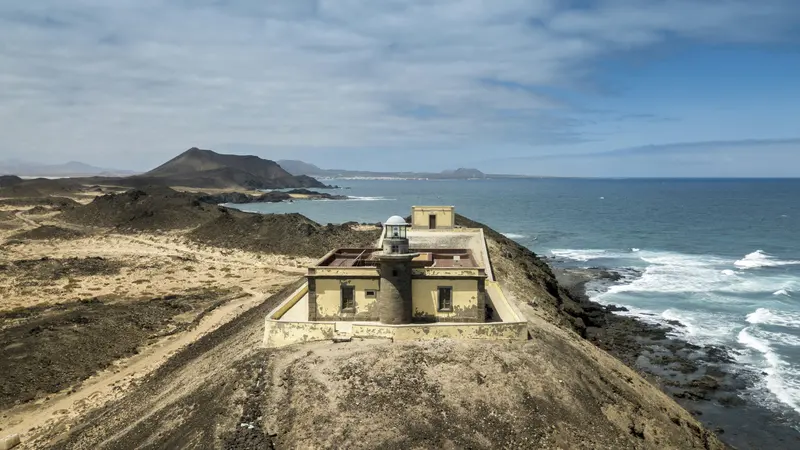
From the landing pier, you can keep to El Puertito and La Concha or spend most of the visit walking to the Martiño lighthouse. For a short visit, the rocky inlets near El Puertito leave time to look at the shore without going far from the landing. The lighthouse walk takes you to the exposed northern tip and gives you a sense of the island’s position between Fuerteventura and Lanzarote. Bring water for the whole outing, a snack and sun protection. Check the return time before leaving the pier.
In 2026, the island council requires advance permission through LobosPass. Make sure the authorisation and your boat booking cover the same visit. Ask what your ticket includes if an operator offers to arrange the permit. Once on Lobos, stay on the marked routes and leave enough time to walk back to the landing before adding another stop. You can also compare boat trips to Lobos island and ask whether they include a landing and help with the permit.
What to see inland and in Jandía
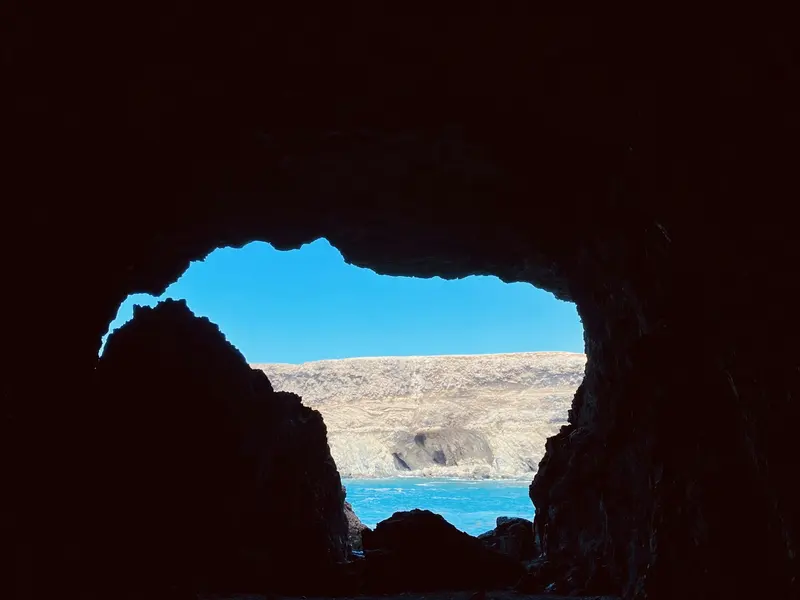
In Betancuria, park and explore Santa María square and the surrounding streets on foot. Go on to Vega de Río Palmas to see the ravine and the setting of its small sanctuary. Ajuy brings you to a different coast on the same outing. You can stop in the village and look down over the black-sand beach, or follow the coastal path towards the caves if it is open and sea conditions are suitable.
In the south, spend beach time on Jandía’s east coast and set aside a separate outing for the scenery at Cofete. Morro Jable’s promenade lets you alternate time on the sand with a break near town. For Cofete, leave enough time to reach the viewpoint, spend a while there and make the slower drive back in daylight. Keep a Sotavento lesson on a different day so that a change in the tide or the condition of the road only affects one plan.
Monuments and heritage
The church of Santa María is at the heart of historic Betancuria. Step into the streets off the square to see how its low houses, courtyards and walls fit into the slope. At Vega de Río Palmas, the small sanctuary of Nuestra Señora de la Peña has a different setting. The island council dates its construction to between 1705 and 1716. Visiting the valley makes it easier to understand where the island’s major pilgrimage comes together.
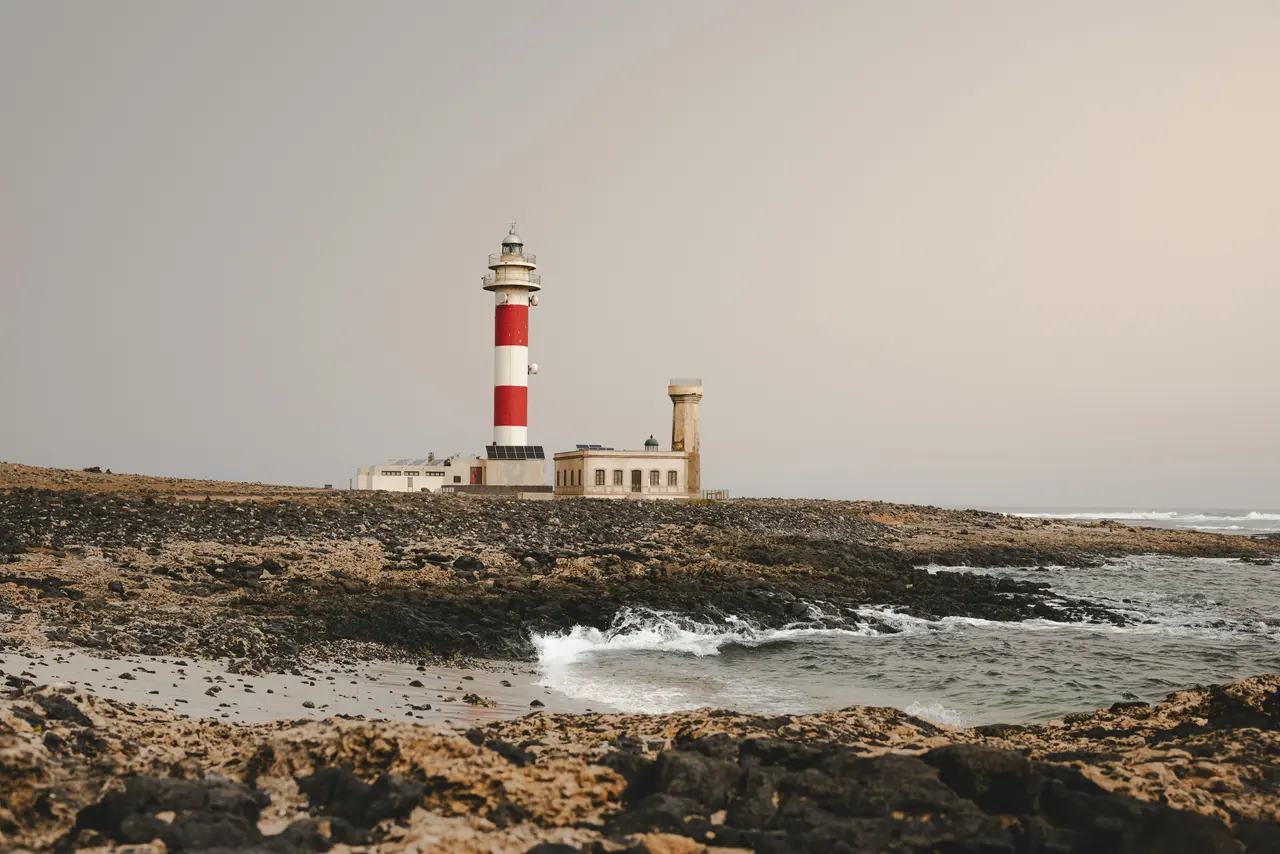
In La Oliva, the Casa de los Coroneles offers a view of the island’s history through a civil building. Look at the long front and the wooden balconies before continuing to the church of Nuestra Señora de la Candelaria. At El Cotillo, the Tostón fort stands close to the village. The lighthouse of the same name is farther north, on Punta de la Ballena. It marks the approach to the low shore and its rocky inlets. The Martiño lighthouse on Lobos, Tostón and La Pechiguera lighthouse on Lanzarote mark the Bocaina Strait between the islands.
Windmills and salt pans tell the story of work shaped by the wind and sea. At the mill in Antigua you can connect rural buildings with the cheese made from the island’s goat milk. In Las Salinas del Carmen, look at the pans arranged at different levels and follow the route the water takes from the shore. If a museum is closed, the visible parts of the site can still tell you something about the way it was built, provided you keep to the public paths.
Museums and culture
The Fuerteventura Archaeological Museum in Betancuria gives an introduction to the island’s Indigenous Majo people before the European conquest. Visit the museum early in the day so the rest of your walk through the area has a historical context. The Unamuno House Museum in Puerto del Rosario deals with a later chapter: the writer’s exile on Fuerteventura. The streets around his former lodgings and the waterfront make an easy pair of short walks.
Tiscamanita has a centre devoted to grain milling. Its exhibits help explain the flour called gofio that you may see on a menu later. If you only have time for two museums, choose them by subject and location. The salt and cheese museums both fit a day in the municipality of Antigua. In Betancuria, the archaeology museum pairs more naturally with the old centre and the drive into the valley. Check visiting hours before letting a museum stop determine the rest of your route.
Charming villages
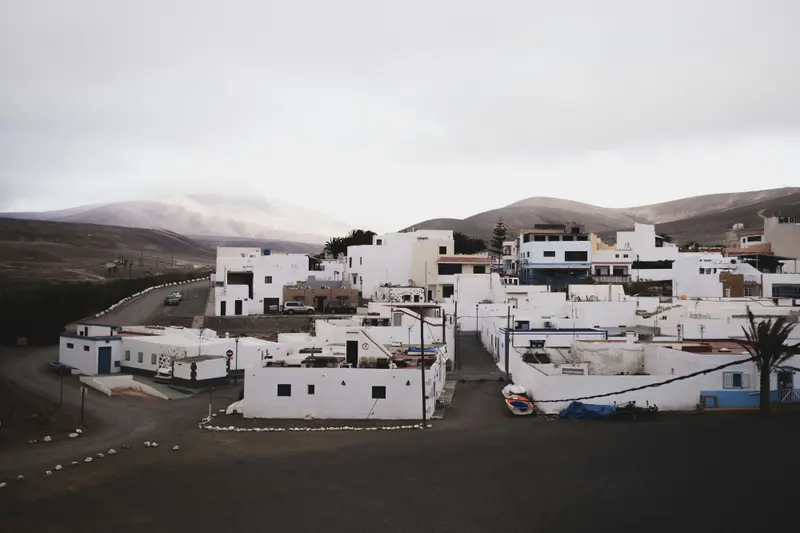
El Cotillo has a small harbour and two quite different stretches of coast within reach. To the north are coves and shelves of rock. South of the village, the shore is more open to waves. Start in the village, where you can have a meal and change your plan if the wind picks up. If you arrive late, choose one side of the village and give yourself time to enjoy the shore before heading back.
In Ajuy, start with the village and its black-sand beach. The cave path climbs above the shore and follows a section of cliff. From the village, you can see the white houses against the bare slopes. If some of your group would prefer to avoid the steps, meet again by the beach and let those who are comfortable on the path continue from there.
Pájara makes a good stop between the central hills and the southern beaches. Pause in front of the carved doorway of its Nuestra Señora de Regla church. Across the island, Gran Tarajal has a promenade along a dark-sand beach. It is a useful lunch stop on an east-coast day. If you want a view from higher up, continue towards Las Playitas and check access to the Entallada lighthouse before taking the road up.
Nature and protected areas
Betancuria Rural Park takes in rounded ridges, ravines and a stretch of cliff coast. Look for small walled plots in the valleys. Some are gavias, traditional plots that make use of water flowing downhill after rain. At the Ajuy Natural Monument, you can see layers of rock exposed along the shore. Look at changes in colour and texture from the path to the caves. Check for closures and give the base of the cliffs a wide berth in rough seas.
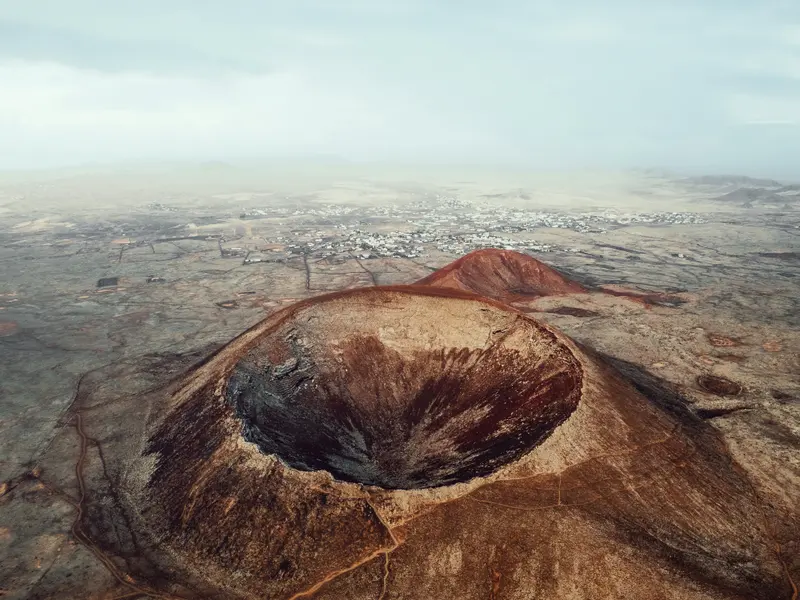
From Lajares, the signed Calderón Hondo trail takes you to a viewpoint on the rim of the crater. Much of the walk is exposed to the wind and sun. Wear shoes that grip on loose stones and stay on the route around the edge. At the Corralejo dunes, watch for the signed access points and fenced areas. The combination of pale sand, scattered low plants and volcanic rock is worth seeing even when it is too windy for a swim.
In Jandía Natural Park, the mountain ridge splits the peninsula into two distinct coasts. Near Morro Jable you can easily combine the beach with a walk through town. At Cofete, the mountains descend towards a broad stretch of open shore. On the east side, look for salt-tolerant plants in the Jandía salt marsh from the designated paths. See the two sides on separate outings so you can choose what to do after checking the conditions.
Beaches in Fuerteventura
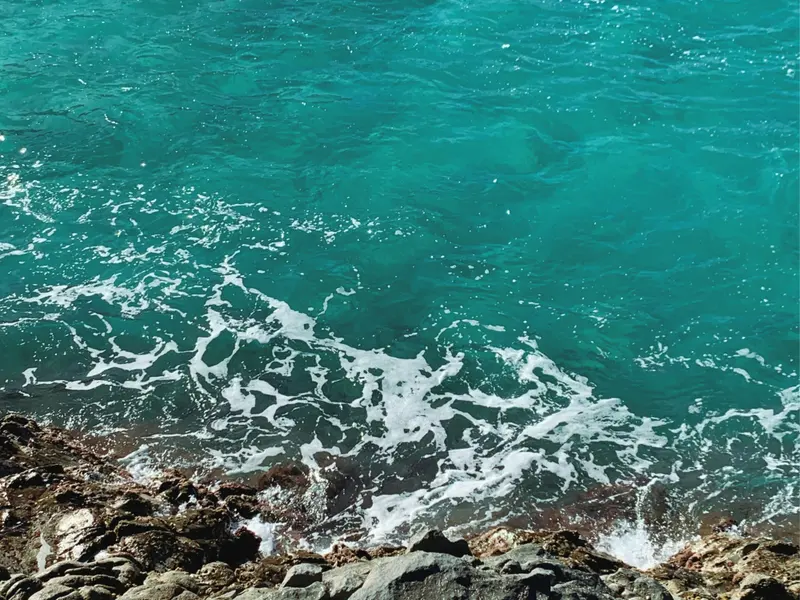
El Cotillo. Start with La Concha and the coves at Los Lagos if you are looking for a more sheltered stretch. Rock barriers protect parts of the shore depending on the tide and the state of the sea. The beaches south of the village face more open water. Check the flag at the section where you plan to swim and ask a lifeguard about the conditions when there is one on duty.
Sotavento. Tidal water leaves channels and shallow pools around the sandbar. The lagoon can look very different on two visits. Look up the tide and the nearest approach if seeing the lagoon with water is important to you. Allow for walking back along the same side and avoid wading across channels on a rising tide. Keep clear of launch and landing areas when lessons are underway.
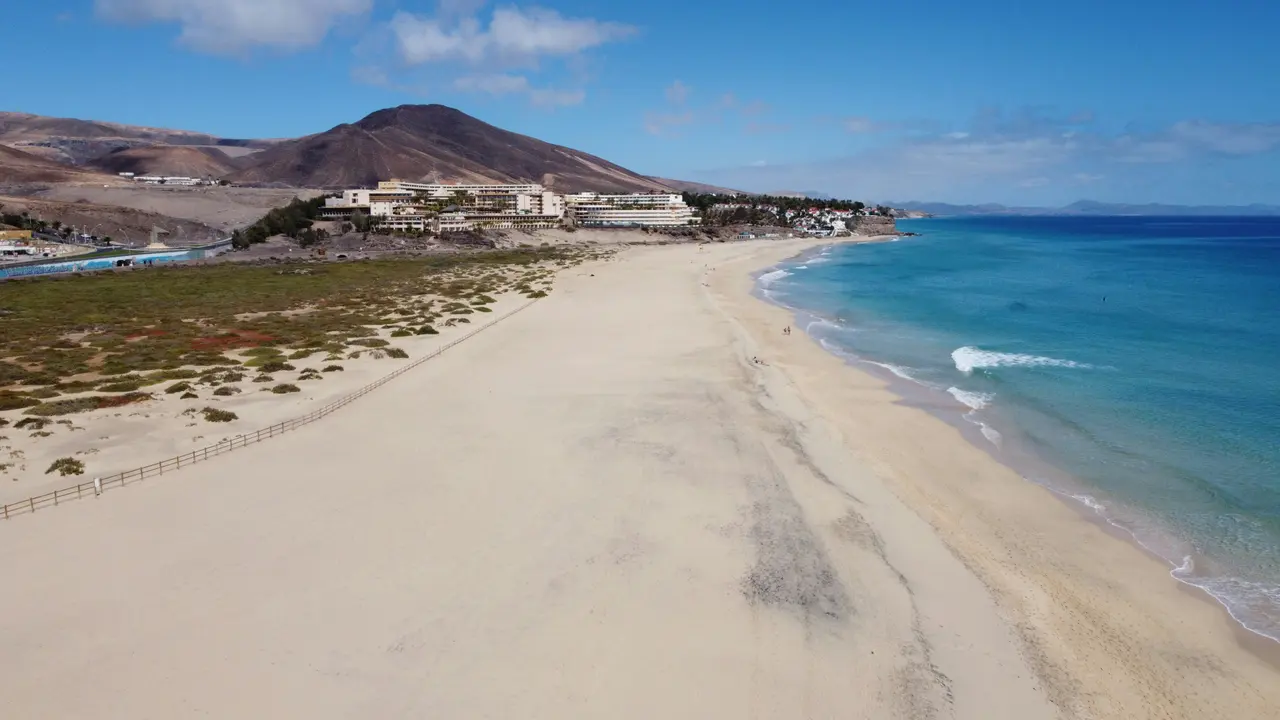
Morro Jable and Jandía. The promenade along the east coast gives you a choice of access points. Mark the Matorral lighthouse and the town of Morro Jable on a map to see how that strip is laid out. If your group includes children or anyone who needs regular breaks, check the distance from the promenade to the water and whether you can easily get back to shade or refreshments.
Cofete. Go for the scale of the windward coast and the mountains that rise behind it. The unpaved approach from the Morro Jable area is slow and exposed in places. Check the road and your car hire conditions before driving. In 2026, Tiadhe lists route 111 from Morro Jable to Cofete and Punta de Jandía. Check whether it runs on your travel date and leave time for the return. At the beach, stay out of the water and well back from the breaking waves.
Festivals and traditions
The Nuestra Señora de la Peña pilgrimage and offering brings groups from around the island to Vega de Río Palmas. In 2026, the offering took place on 18 September, with road closures and special buses arranged by the island council. The Canary Islands’ 2027 calendar sets the island’s public holiday for 17 September. Use the council’s programme for the dates and route of individual events when it is released. If you are simply heading west through Betancuria, choose a day away from the main events or check the local diversions.
What to eat
Start with queso majorero, the local protected-designation goat’s cheese. Ask to try different ages, and look for cheeses rubbed with paprika or gofio. At the cheese museum in Antigua, you can connect the product to the terrain you have been driving through and the work of the people who make it. Buy a small piece if you want a picnic, and keep it cool while you travel.
On the coast, ask what fish is available that day and what comes with it. Papas arrugadas, small potatoes boiled with salt and served with mojo sauce, are easy to share. Inland, gofio is a toasted flour that can appear in both savoury dishes and desserts. If you are interested in salt as a local product, first look at how it is collected at Las Salinas del Carmen so you know what to ask about.
Sport and outdoor activities
For a first windsurfing or kitesurfing lesson, tell the school about your experience and ask which beach it expects to use. At Sotavento, the tide changes the area of shallow water and wind affects how far you can drift. The open shore at El Cotillo can have waves that call for more experience. Confirm the meeting point and ask what happens if the school moves the session. If only part of your group plans to go out on the water, arrange a walk or a place to meet nearby.
For walking, Calderón Hondo works well from a base in the north. The Camino Natural de Fuerteventura offers longer stages, including Betancuria to Pájara and the route from Gran Valle over to Cofete. Arrange your return before attempting a point-to-point stage. On Jandía, changing coasts means climbing and descending in exposed terrain. Download a map for offline use, take enough water and leave yourself time to turn back if conditions change.
Routes and itineraries
Three days for a first visit
Use the first day for Corralejo and the northern shore. Visit the dunes in the morning, then choose between El Cotillo and more time around the harbour. On day two, go through La Oliva, Betancuria and Ajuy. If you visit the archaeology museum and stop for lunch inland, aim to reach Ajuy with some daylight left for a short walk. On the third day, head for Morro Jable and choose whether to add Sotavento based on the tides. These three days fit without a timed boat crossing or the drive to Cofete.
Five days between the north and Jandía
Allow two days in the north. Combine the dunes, the harbour and a short walk on the first. Cross to Lobos on the second if your permit and boat times line up. Use the third day to change bases and see the interior along the way. The salt and cheese museums are an alternative if you have already seen Betancuria. In the south, leave one day for the east coast and another for Cofete. If the wind or the track rules out Cofete, you still have the Morro Jable promenade and the eastern beaches nearby.
A week with a day to spare
Split your stay between Corralejo and Morro Jable. Give El Cotillo and Calderón Hondo a day, and keep another for Lobos alongside your time at the dunes. On the transfer, pick two stops from Antigua, Betancuria, Ajuy and the salt pans. In the south, separate Cofete from Sotavento and leave a day to return to the beach you liked or see Gran Tarajal and Las Playitas. For an early flight, look up the journey from your southern accommodation to FUE before deciding where to spend your final night.
Travelling with children
With younger children, choose a base where you can go from sand to lunch to a rest without getting in the car each time. In Caleta de Fuste and Morro Jable, compare the actual walking distance from your accommodation to the promenade and a suitable beach entrance. Check the flags and choose a supervised area with an easy exit from the water. A rock pool that looks still at first can change on a rising tide. Pack a layer for after a swim on windy days.
Set one main activity in the morning and keep the afternoon flexible. An outing to the salt pans can fit alongside a short walk on the east coast. At the dunes, choose a signed entry close enough to the car park for tired legs. For Lobos, allow for boarding and the walk back to the pier as well as the crossing. If you bring a pushchair, check the walking surfaces and stay on the shorter routes your group can manage comfortably.
Where to stay in Fuerteventura
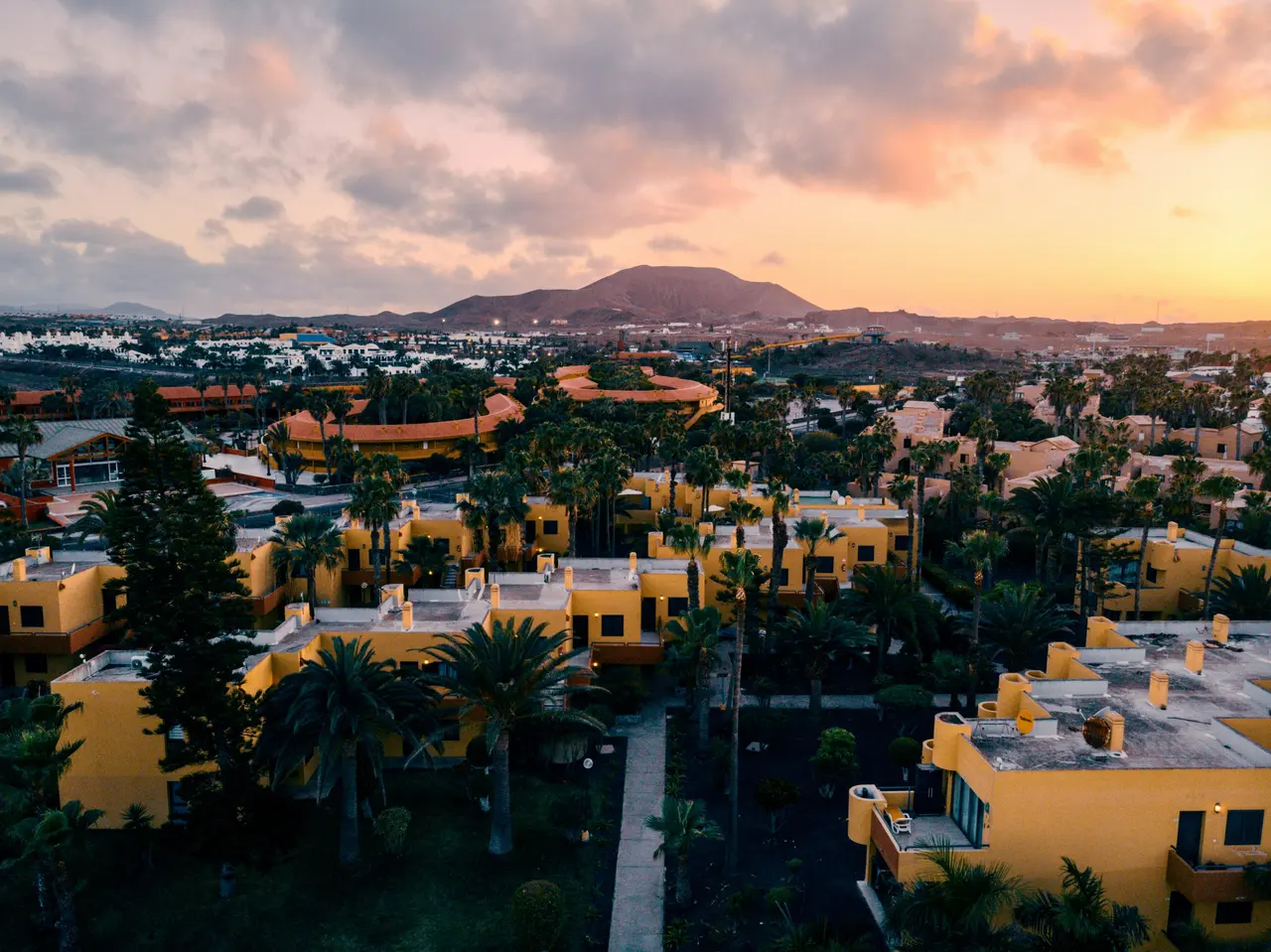
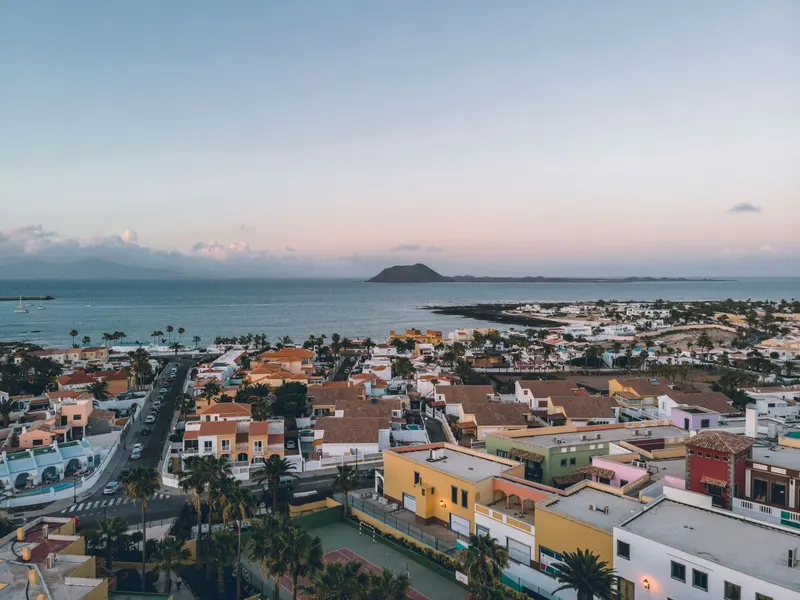
Corralejo makes sense if you expect to spend half your time in the north. Near the harbour, you can walk to the boats for Lobos or Playa Blanca. If the dunes are your priority, compare how you would get to Grandes Playas and how easy it would be to return after the beach. El Cotillo suits a quieter stay within reach of coves and a smaller harbour. Check which way an outdoor terrace faces if you plan to spend time there when the wind blows.
Caleta de Fuste and Puerto del Rosario both work as starting points for outings in several directions. Caleta de Fuste is convenient if you want to break up a day between your accommodation and the coast. The capital works well for bus connections and gives you time in a working port. Compare the walk to a useful bus stop and the places to eat nearby, particularly if you expect to get back in the evening.
Costa Calma and Morro Jable serve the south. Costa Calma cuts travel time if you are spending several mornings at Sotavento. From Morro Jable you can go between harbour, promenade and beach. Ask about slopes between your room and the shore if you want to walk everywhere or are travelling with children. On a trip of five nights or more, splitting the stay can save repeat journeys between the two ends of the island.
See places to stay in Fuerteventura (opens in a new tab)Affiliate link: if you book through it, we may earn a commission at no extra cost to you.
Practical tips and common mistakes
- Check the Lobos permit and the boat together. Keep the name of the operator and the pier in your notes. Corralejo has crossings to more than one island, and you need to match your permit to the return time.
- Allow separate time for the way back. Inland bends and the track to Cofete make the distances on a map a poor guide to driving times. Add time to stop or walk.
- Choose a specific beach entrance. Jandía and Grandes Playas cover long stretches with different parking, paths and beach conditions. Mark the entrance you plan to use and look for the flags when you arrive.
- Pack water and a layer. Lava trails, dunes and open beaches offer little shade. Bring enough water for the return leg and download maps in advance.
- Leave the shore as you found it. The pale, popcorn-shaped pieces on parts of the north coast are rhodoliths. Take photographs from the permitted access and leave the material on the beach.