Español
 English

Why visit Tenerife
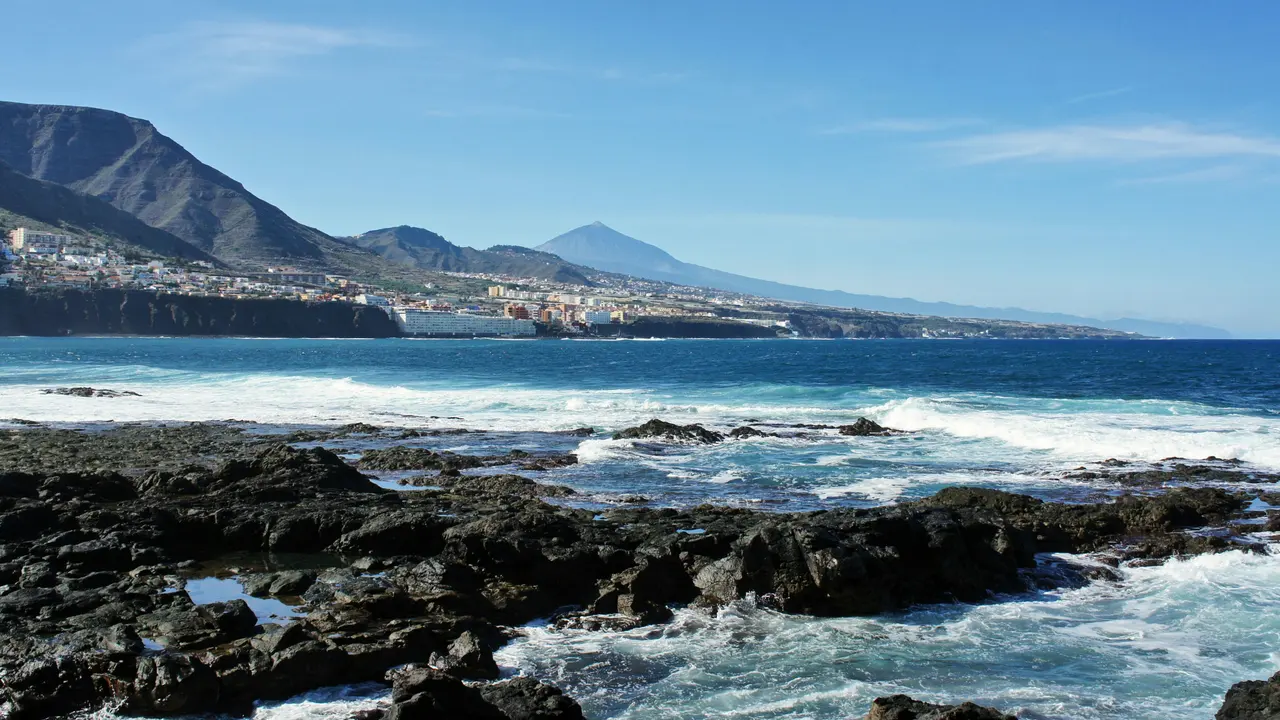
The most rewarding things to do in Tenerife take you through three heights. High around Teide you can explore bare rock, lava flows and volcanic cones. Villages, fields and forest occupy the slopes further down, where trade winds bring moisture. At sea level, look for cliffs, harbour walks, beaches and pools formed in lava. Among the Canary Islands, Tenerife offers a particularly clear view of these changes within one trip.
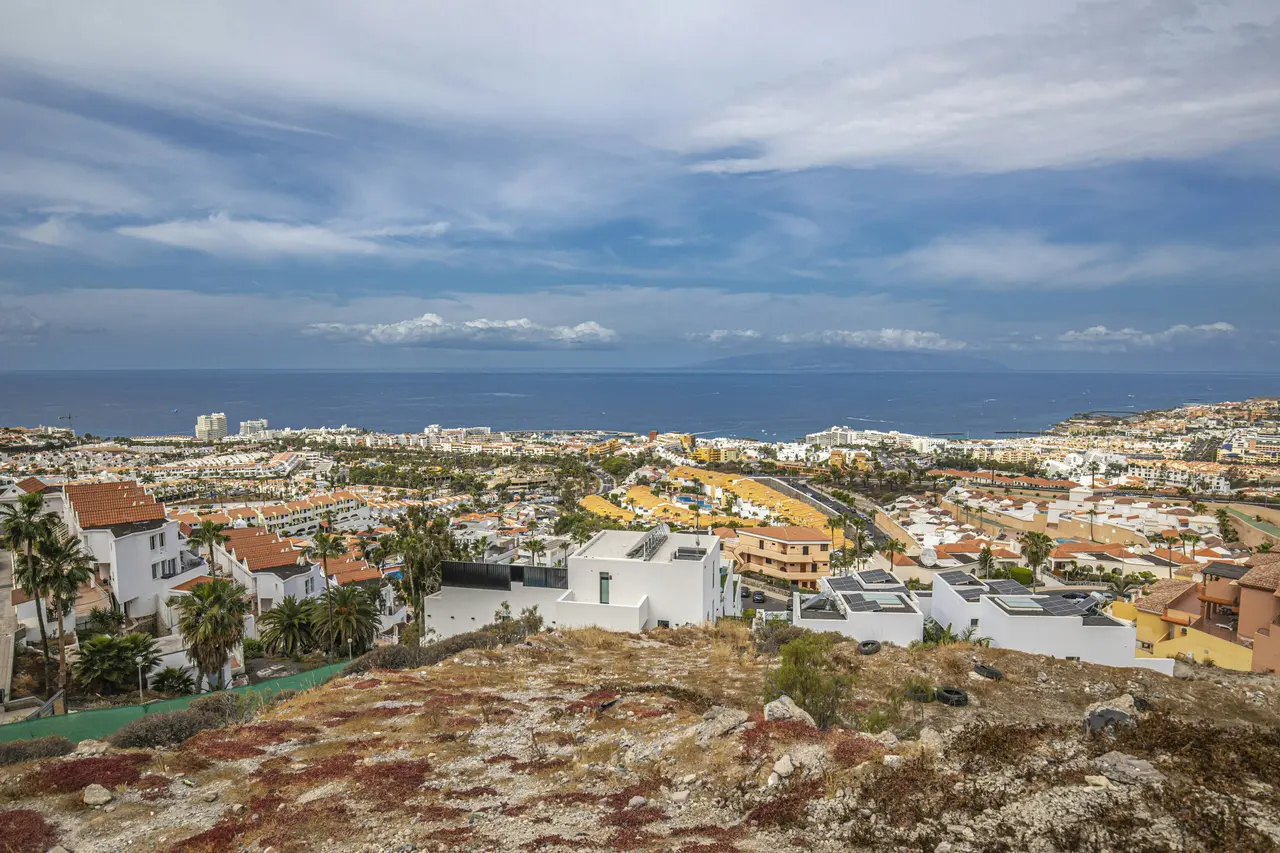
For a first visit, use La Laguna and Santa Cruz to explore the north-east, give Las Cañadas a separate day and choose a coast that fits the rest of your holiday. The south suits regular beach trips and long promenades. The Orotava valley offers historic streets and access to the north coast. Both work for a Teide day, but returning to a harbour where you can walk to dinner feels different from returning to a hill town or a beach resort.
When to go
Spring and autumn make good starting points for trips split between coast and walking. Check weather for the actual route and time of day. Anaga can be clouded in above La Laguna while the sky over Santa Cruz is clear. A little mist may be welcome when walking through laurel forest, while clear conditions are more useful for a first visit to the Roques de García.
In winter, keep a lower-altitude alternative if cold, wind or access alerts disrupt your mountain outing. In a town you can move easily between an outdoor walk and a museum or café. In summer, start early for exposed walks in Las Cañadas and along the south coast. For beaches on the north coast, decide whether to swim according to the sea on that day and any advice on arrival.
Calima, airborne dust that can reduce visibility, may make a viewpoint visit less rewarding even when there is no rain. Choose flexible days for high viewpoints. For carnival, check the programme for the particular edition before booking where to stay. Events in Santa Cruz and at resorts in the south can take place on different streets and dates.
Getting there and around
Which airport to use
Aena’s 2026 airport information lists two airports: Tenerife North (TFN), near La Laguna, and Tenerife South (TFS), nearer the southern resorts. Compare a cheaper flight with the cost and time of getting to your accommodation, especially with a late arrival. If Tenerife is a stop on the way to another island, check the codes on both tickets. A change between airports requires a road transfer across part of the island.
Santa Cruz and Los Cristianos also serve different parts of Tenerife. Santa Cruz has a port by the capital, while Los Cristianos is in the south. If you are leaving by ferry, check the port before you plan the last night. Getting to the terminal and allowing time to board may take longer than expected when you are starting from another part of the island. Leave a generous gap between separately booked flights and sailings.
Buses, tram and driving
The tourism authority’s transport information checked in 2026 lists TITSA buses and the tram linking Santa Cruz and La Laguna. Use the combination to plan an urban day from either town. For routes to a particular beach or trail, look up the actual stop and the last useful return service. Slope matters when the trip involves luggage, a pushchair or anyone who needs to walk slowly.
A hire car gives you more options for viewpoints in Anaga, Teno and the central mountains. Look beyond the mileage and allow time for bends and parking. In La Laguna and Santa Cruz, leaving the car in one place and continuing on foot can make the day simpler. Plan the return from a one-way walk before you set off, especially when it depends on a taxi or bus at a remote trail end.
What to see in Tenerife
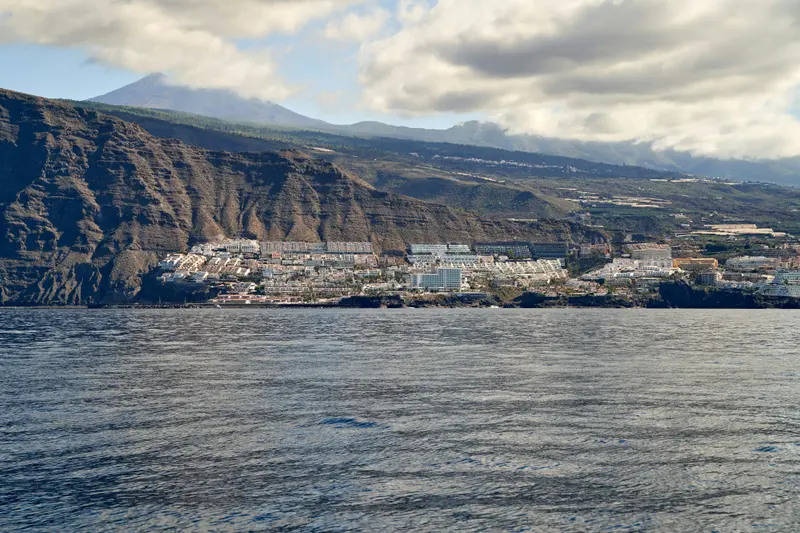
Things to do in Tenerife on a first visit
At Las Cañadas, start around the Roques de García for a view of Teide among rock spires and layers of different colours. Check the map at the start before continuing. A viewpoint visit and the complete loop are two different commitments. On a cold or windy day, you can still spend time looking at the rocks or visiting an interpretation centre without walking all the way around.
Walk through La Laguna from Plaza del Adelantado into the streets of the old centre. Keep enough time to look at doors, courtyards and towers rather than just moving between names on a map. If you go on to Santa Cruz, stop for lunch or visit one museum. If you head towards Anaga, a walk near the ridge fits better than driving all the way to the coast on the same day.
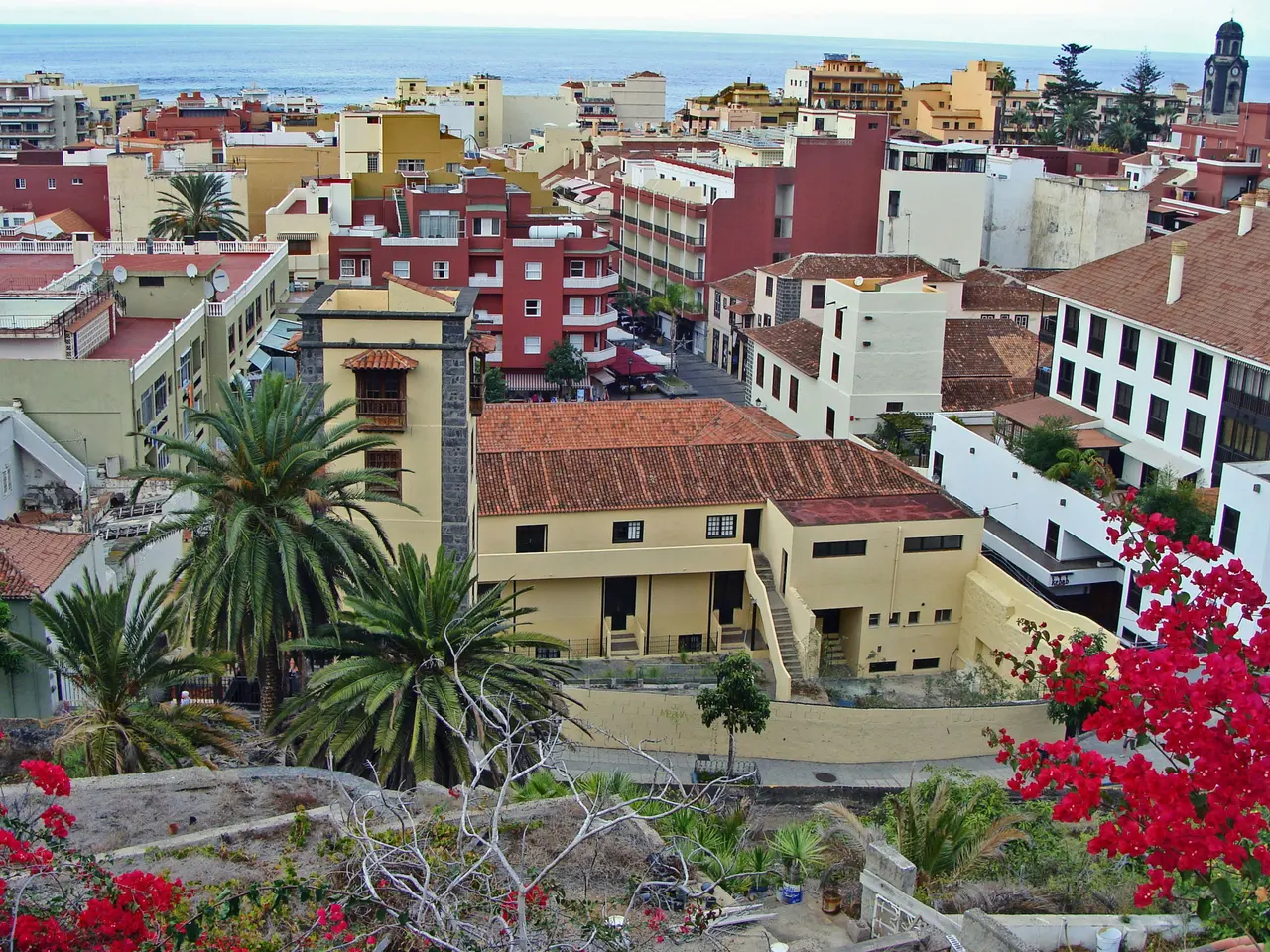
La Orotava and Puerto de la Cruz give two perspectives on the same valley. In La Orotava, sloping streets offer views between roofs and help explain the positioning of churches and houses. Puerto de la Cruz has walks by lava rock and easily accessible places to stop. If you want to see both in one day, make one visit the focus and leave the second part open for a walk and a meal.
Los Gigantes, Teno and the south-west
Near the harbour at Los Gigantes, look at the line where the cliffs meet the ocean. A shore walk gives an idea of their scale, and a boat offers another angle in suitable sea conditions. Check the departure point if you book one. Elsewhere in Teno, choose between a village and a walk in the hills. Give Masca its own time, especially if you are unfamiliar with driving on steep or narrow roads.
Farther south, compare a promenade around the resorts with a day in El Médano. The setting there is shaped by the wind and the outline of Montaña Roja. People looking for sheltered bathing may want a different outing from people learning a wind sport. If your group is interested in both, choose a place where there is an easy walk and somewhere to meet for lunch.
Monuments and heritage
UNESCO recognises the old centre of San Cristóbal de La Laguna for its layout and architecture. Walk a few blocks by different routes and observe the relationship between streets, squares, churches and private houses. In buildings with accessible courtyards, you can see how light enters a deep plot. If you have time for only one interior, choose somewhere that helps you understand how the building was used as well as how it looks.
La Orotava has wooden balconies best seen from the sloping streets of the old town. Walk between the Church of La Concepción, the Casa de los Balcones and the surrounding blocks to compare the scale of the buildings. In Garachico, the castle of San Miguel makes sense alongside the edge of the lava. Look back at the houses from the seafront before walking to the main squares.
At Candelaria, the basilica and the figures of the menceyes, Indigenous rulers, sit around the same square. The visit links a place of devotion with themes you can explore in an archaeology museum. If you have a single day for the north-east, choose either a full urban day in La Laguna and Santa Cruz or a separate outing to Candelaria. Each is easier to appreciate when there is time to walk around.
Museums and culture
The Museum of Nature and Archaeology in Santa Cruz, also called MUNA, puts the island’s geology and Indigenous history in context. Visit before the mountains to decide what you want to look for, or use it as an alternative on a day of mountain cloud. The Nuestra Señora de África market and Tenerife Espacio de las Artes are close enough to combine with a walk in the same part of town.
In the north, consider a house museum in La Orotava for domestic architecture or the botanical garden at Puerto de la Cruz for plants. A deliberate choice of one collection gives more time for what you find around it. If the whole group prefers to stay outside, you can still plan an outing around streets, balconies, a port and a place to eat.
Charming villages
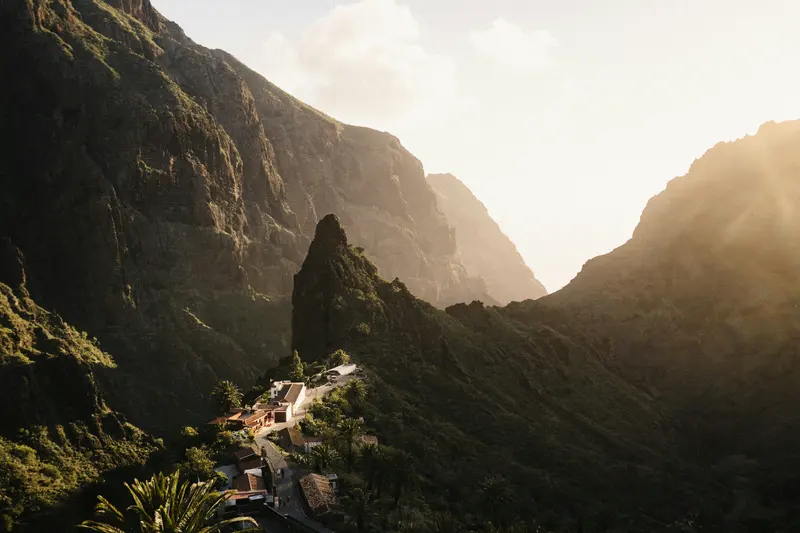
In Garachico, walk inland from the seafront through the squares and then return towards El Caletón. From the promenade the pale buildings stand against the dark shore. In rough seas you can spend the same time exploring the streets and stop near a square rather than depending on access to the pools. Make the coastline part of the walk even if you have come mainly for the architecture.
Masca sits on a slope above a deep ravine. A visit to the village has its own pace, while the descent through the ravine has separate requirements and return arrangements. Check official notices and the arrangements for your exact outing. If what you want is time to look at the houses and ridges, focus on the village and its surroundings.
Icod de los Vinos pairs well with the north-west coast. Take time to look for the dragon tree and walk through the old centre before continuing towards the water. In Anaga, Taganana and nearby coastal settlements show a transition from damp forest to much more open slopes. If someone in your group dislikes winding roads, choose a village and one nearby stop for the day.
Nature and protected areas
Teide from the caldera floor and from high trails
Teide National Park covers far more ground than the summit. The park information checked in 2026 identifies paths that require a permit. Look up your exact trail in Tenerife ON. A cable car booking and permission to walk a regulated stretch need checking separately. Wind, snow and park notices can also affect access, so plan a second, lower outing if the high section is important to you.
At the Roques de García, the main formations and the terrain that drops below them look quite different once you leave the first viewpoint. The loop includes a descent followed by a climb. Check the difficulty and trail conditions if you intend to do the whole route. Visitors who want transport and an explanation can compare guided trips to Teide National Park and check the itinerary before booking.
Anaga and Teno
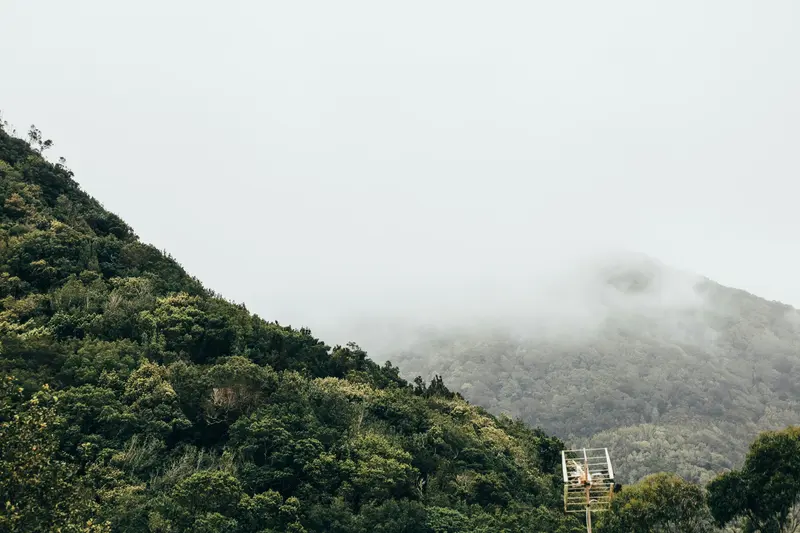
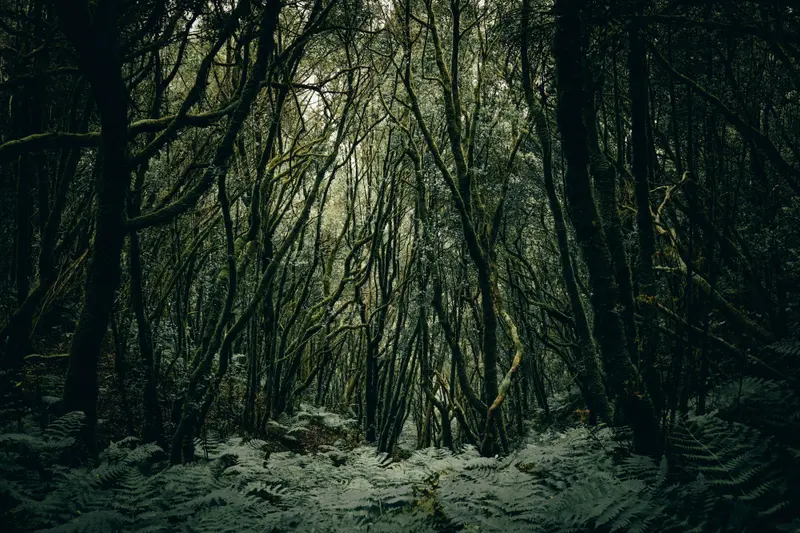
Near Cruz del Carmen you can sample the laurel forest of Anaga and see whether the surface is right for a longer walk. Look for moisture on trunks and leaves as well as the views that open when the woods end. Check whether your chosen stretch requires permission. If you intend to go all the way down to the ocean, work out the return before descending. A walker who can manage the distance may still find the climb back too demanding.
Teno offers ravines, cultivated slopes and exposed ocean coast. Choose a start that fits the time you want to spend driving as well as your walking ability. A ridge or village outing gives a useful view of the land even when a coast road is slow. If you have downloaded a route, verify its actual trailhead and whether you can get there as planned before relying on the map.
Beaches in Tenerife
Las Teresitas is a practical outing from Santa Cruz, with a sandy stretch near San Andrés and hills behind it. See what the lifeguard advice says before going in. For a combined beach and city day, look at the bus stop locations and how far you are prepared to walk back in the afternoon. This matters on a visit with children or when you have other plans that evening.
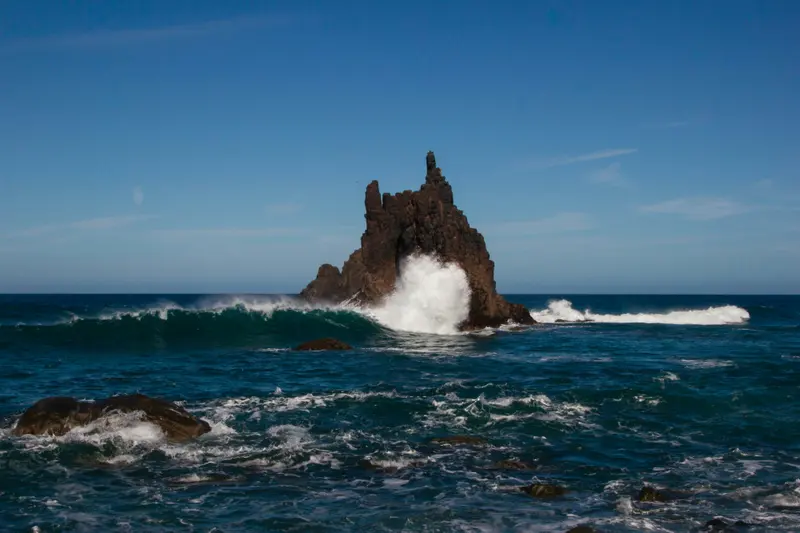
Benijo has dark sand, rocks and an exposed stretch of coast. Treat it as a coastal outing where the sea conditions determine what you can do. Around Puerto de la Cruz, look up individual beaches rather than assuming that access, supervision and services are the same. If you intend to walk to lunch, work out how far you can go without losing an easy way back to the water.
At El Médano, match the part of the beach to the wind and your activity. Walk the promenade or head towards the surroundings of Montaña Roja when you want time by the sea without making swimming essential. Los Cristianos and Costa Adeje have several stretches of beach connected to urban walks. Choose an access point by slope and lifeguard advice if anyone in your group needs extra help.
Festivals and traditions
For the Santa Cruz carnival, decide whether you are most interested in a parade, a ticketed event or time in the streets. Look up that year’s programme and the part of the route where you want to be. Check arrangements for the return by tram or bus for that edition. Staying on foot makes it easier to leave when it suits you, especially if travelling with children.
The Romería de San Benito Abad in La Laguna appeared in Tenerife Tourism’s 2026 programme. For your own trip, consult the current edition’s programme before choosing a day to visit. Also look at municipal calendars for Corpus celebrations and patronal festivals. A historic centre can work very differently during a procession, even if a building you came to see keeps its usual hours.
What to eat
Look for dishes to share in the towns on Tenerife’s mid-slopes. Papas with mojo, gofio and stews give you an introduction to different ways of cooking. Guachinches are associated with local wine and simple food. Check when a particular one opens if you want to plan a day around it. For a mountain picnic, buy bread, fruit and cheese before you leave a town with useful shops.
On the coast ask what fish is available and how it is served. In Santa Cruz a market stop gives you a chance to compare fruit, cheeses and ingredients before looking for them on menus. For wine, choose one part of Tenerife and arrange a visit to fit a journey you are already making. If there is a tasting, work out who will drive well before you set out.
Sport and outdoor activities
Spend one walking day in Las Cañadas and another in forest or along the coast so that each outing can adapt to weather. At altitude, uneven ground and a steep section can slow down an otherwise short walk. On the forest side, expect damp surfaces. Save a route offline and agree on a turnaround time before setting out if you need to catch a bus or make a dinner reservation.
If you want to try a wind sport, ask a school around El Médano for a place and time suited to beginners. In the south-west, use the island tourism information to identify authorised whale-watching operators, then check how the booking works if conditions change. For people who would rather stay on land, arrange a coastal walk and a meeting point within reach of the same harbour.
Routes and itineraries
Three days with a single base
Use the first day to walk from your accommodation and visit the nearest urban or coastal sight that appeals to you. Keep the next clear day for Teide. With the third day, choose La Laguna and a short Anaga walk, or La Orotava and the north coast if your base makes that easier. Rearrange these days around the weather at altitude.
Five days spanning north and south-west
Add a day for Icod or Garachico and another for Los Gigantes and the sea. If you want to visit Masca, keep the rest of that western day light. Five nights give enough time for two bases if each helps you avoid repeated drives and gives you somewhere to eat on foot. Use the changeover for a simple visit that works with luggage and a later check-in.
One week with walking as the focus
Choose two full walks and allow a gentler outing after each. For example, combine trails in Teide and Anaga with a day at a harbour or a museum between them. Leave the end of the trip close to the airport or original base if you have a morning flight. For permitted routes, make sure you can meet the access conditions before you book unrelated parts of the trip around them.
Travelling with children
Start with a beach or promenade that has an easy exit. In the mountains, choose a first stop with a view a short walk from where you arrive. Around Teide, keep warm clothes, sun protection and water accessible even after a mild morning on the coast. In La Laguna or Santa Cruz, spacing out a museum, a snack and a short walk makes it easier to adapt the day as you go.
For the north, try a historic walk in Garachico and then watch the swell from a safe point on the promenade. In Anaga, a single short forest route usually fits a family day better than a winding drive to a second coast stop. If you use a pushchair, check the surface and slope of the path you intend to follow.
Where to stay in Tenerife
Santa Cruz and La Laguna both work for public transport, historic walks and a choice of places to eat. Santa Cruz is closer to Las Teresitas and the seafront, while La Laguna provides a starting point for the inland north-east. In Puerto de la Cruz, you can take a coastal walk most days and reach the Orotava valley easily. If you book a room in an old town, check parking before committing to a hire car.
Los Cristianos is convenient if you want the coast and a ferry terminal. Costa Adeje is useful for south-west beaches and promenades. El Médano appeals if you want the atmosphere of a wind-sports town and a walkable centre. Consider hills between your room and your daily destinations. A view from high up may mean a climb every time you stop by your room.
See places to stay in Tenerife (opens in a new tab)Affiliate link: if you book through it, we may earn a commission at no extra cost to you.
Practical tips and common mistakes
Check weather for the side and height you intend to visit. Look up road and park alerts before high outings and give yourself extra time on the return from Anaga and Teno. For paid days out, check what happens if sea conditions, a closed road or an unavailable trail changes your plans. An outdoor trip feels less constrained if you keep one day or half-day free.
Save transport details with the actual names of the port, airport, stop or trailhead. Plan the full trip from your room, including steep walks and waiting time between transfers. Begin with a full mountain day, a town day and a day based near the water. This gives you time to notice the changes across Tenerife and to choose what you want more of with any extra days.