Español
 English

Why visit Castellón province
The main things to see in Castellón province divide between the coast and the hills. On the coast, Benicàssim has sandy beaches and a greenway along a former railway, while the walled headland of Peñíscola sits close to the rocky Serra d’Irta. Inland, the towns tell different stories. Morella looks out across Els Ports, Vilafamés rises through streets of red stone and Segorbe makes a good starting point for the Alto Palancia.
At the northern end of the Valencian Community, a weekend works with a single base. Stay in Peñíscola for the old town and sea, or in Benicàssim if you want several beach walks and a bike outing. With five or six days, a night in Els Ports, the Maestrat or the Alto Palancia makes the inland stage easier. It gives you time to walk around the town you came to see and leave the slower mountain roads until morning.
When to go
Spring for walking and summer for the coast
Spring suits the climbs through Morella and Vilafamés, with time left for a low-level walk later in the day. Layers help in Els Ports, where walls, viewpoints and passes can be windy. Down by the sea, you may have good weather for a walk while the water still feels cool. If you want several beach days, decide how much of the trip depends on swimming before choosing an early date.
In summer, stay near your main beach and reach historic villages early. Give Irta an early start if your plans involve walking on exposed paths. Autumn allows longer walks along the coast on some days and offers good opportunities for overnight trips inland. During warnings for heavy rain, move any route that goes through a ravine or ford, and check local notices before driving on minor roads.
In winter, Castelló de la Plana makes sense as a base for indoor visits and a possible outing by the sea. If you stay at altitude, ask about access and parking when temperatures drop. Choose the day you go to Els Ports or Penyagolosa after looking at the forecast for the place itself and the amount of daylight available for returning.
Getting there and around
Rail on the coast and time for the final leg
On Renfe’s 2026 Cercanías map, Castelló de la Plana is at the end of line C6 from the València suburban network. For travelling farther north, check which trains stop at Benicarló-Peñíscola or Vinaròs on the date you want. The first station serves the area of two towns. Map the rest of the journey to your room or to Peñíscola’s walled headland before buying a train ticket.
Compare Castellón Airport with the airport at Manises in Valencia province if you are flying. For an evening arrival, check the onward travel that is feasible at that hour. In 2026, Aena lists the metro from Valencia Airport into the city. On a rail or coach connection, locate the station and leave time for any change. Picking an inland hotel after a late flight can make for a long first evening.
On a road trip, allow time to change pace inland. Once you leave the coast between Peñíscola and Morella, mountain roads can make the return feel longer than you expected. Stay inland or keep part of the afternoon free if you want to drive back in daylight. Montanejos and Segorbe fit a separate trip around the Mijares and Palancia valleys. Local outings are easier if you avoid planning them as returns to the far north of the coast every day.
What to see in Castellón province
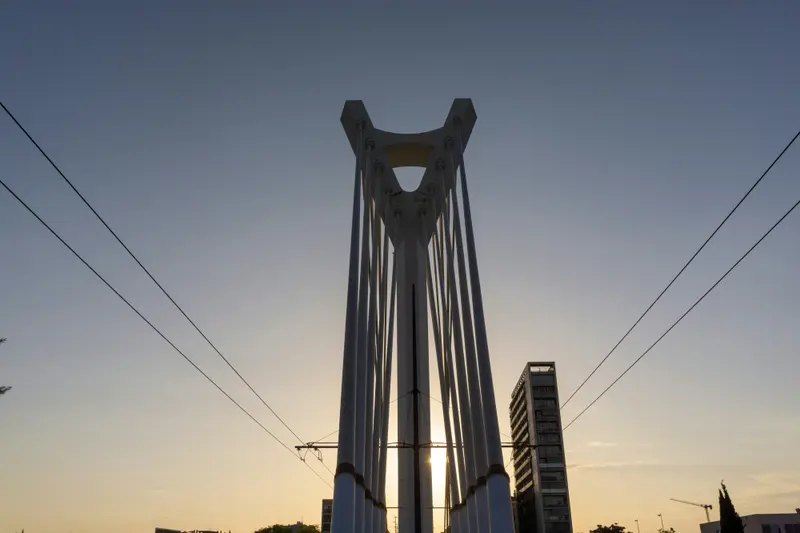
What to visit on a first trip to Castellón province
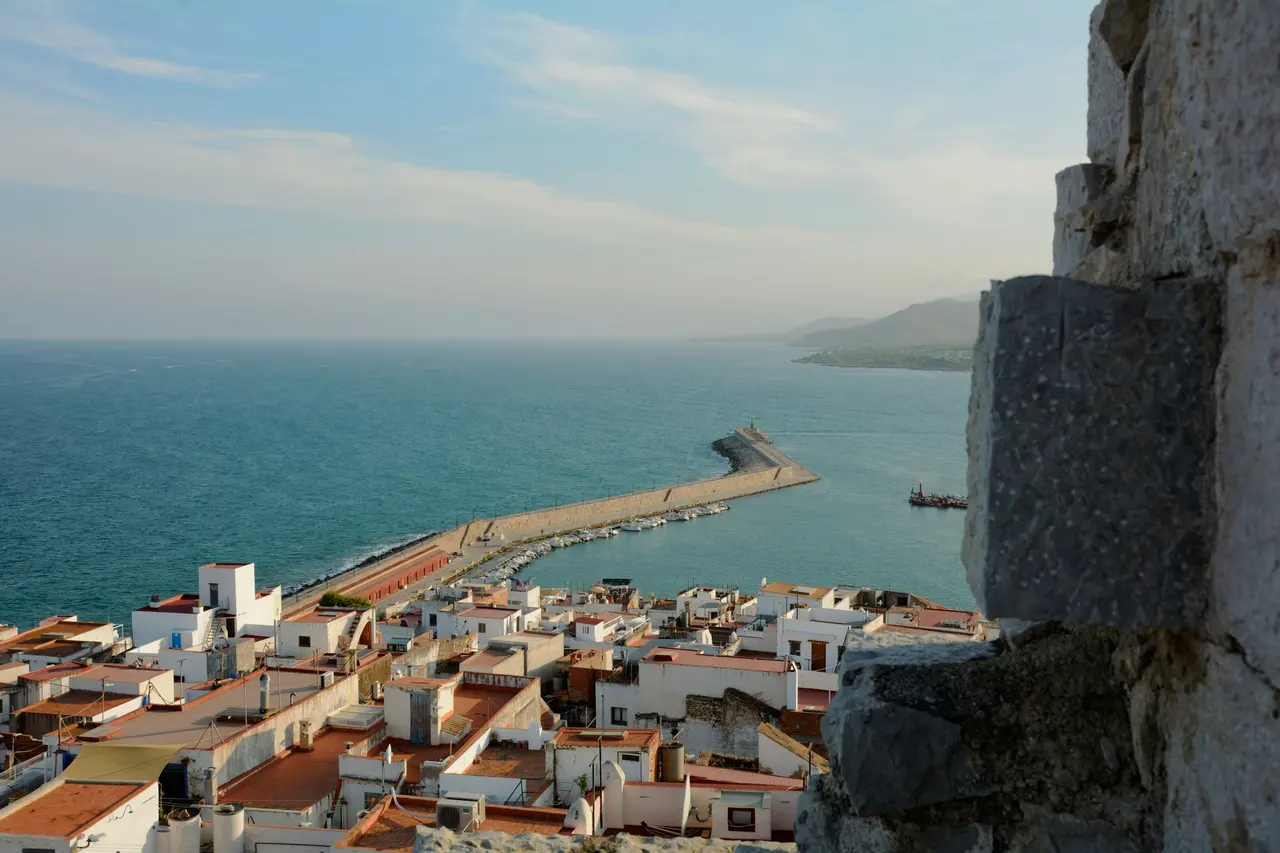
Peñíscola. Start at the harbour or the beach to see the walls and the headland together. Climb to the castle associated with Pope Luna, then come back down by different streets. The position of the headland is easiest to read from the lower approaches. From above, look back towards the coastline and the route into town. If you want a historical introduction, look for a guided visit in Peñíscola.
Castelló de la Plana and the Grau. Walk through the central streets to the Plaça Major and the Fadrí bell tower. Set aside another part of the day for the Grau, the maritime district. From there you can walk near the port and look for lunch or a promenade beside the water. The two areas make a better day when you plan how to get between them first.
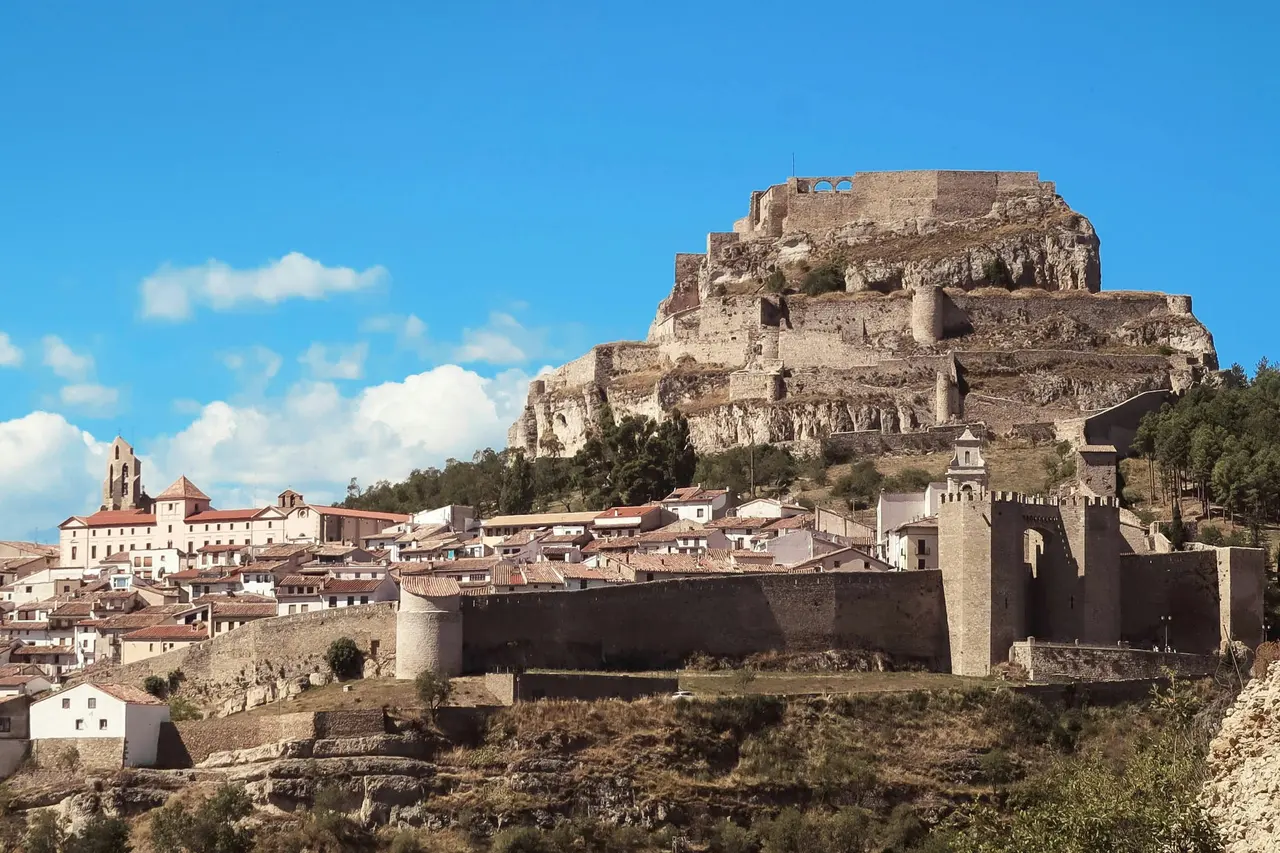
Morella. Enter through one of the gates in the walls and walk through the arcaded streets before tackling the upper part. If wind makes the upper visit less appealing, there is enough to see around the lower streets and the basilica. If another village is on the programme, give yourself time to get back to where you parked without rushing the path down from the castle.
Segorbe and the Alto Palancia. Use Segorbe for a town walk around the remaining defences and the historic centre. Add a greenway ride if you are staying in the district and can arrange how to reach the trail. If the next part of the holiday is about water and rock, make Montanejos a separate stop so there is time to choose a path and see the Mijares from more than one viewpoint.
Monuments and heritage
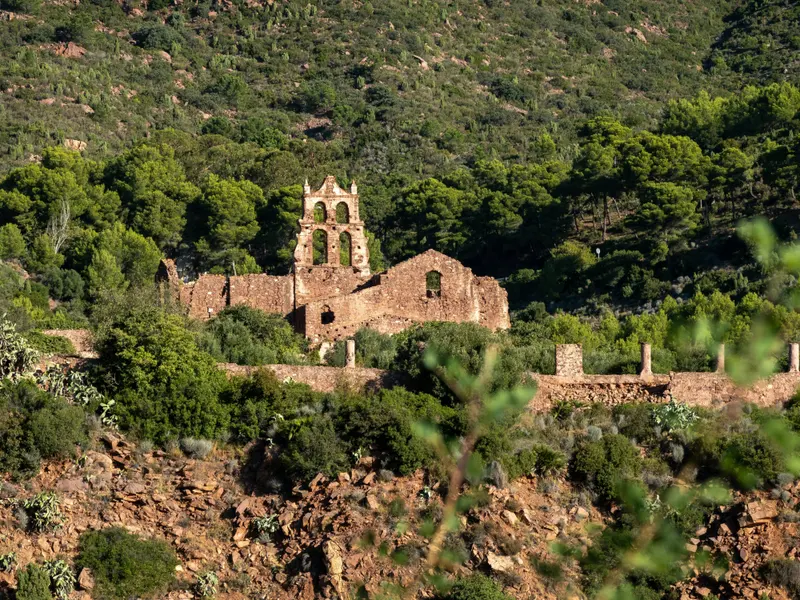
Walls, castles and market towns
At Peñíscola, the castle associated with Benedict XIII occupies the top of the promontory. Look at how the wall follows the coast and where the lanes give access to the port. If you visit the interior, leave time to walk along the lower streets afterwards. The difference between the open terraces and the sheltered streets becomes clearer once you have seen both.
In Morella, the path from the arcades to the Basilica of Santa María la Mayor and the castle connects three aspects of the town’s history: trade, religion and defence. Pause around the church door before climbing. In Sant Mateu, the main square and the archpriestal church show how a town with gentler terrain became a centre for this part of the Maestrat. It can make a useful second visit if you want less climbing in the afternoon.
In Onda, the castle gives a view over the buildings and towards the mountains beyond the plain. Leave part of the day to return to the centre on foot. The Tile Museum is a separate stop that helps explain the industry’s place in the area. Look for examples of ceramics in local buildings after you have seen how the museum groups them.
At the Desert de les Palmes, the Carmelite buildings show how religious life took shape on the slopes above the coast. Look at the setting from a permitted viewpoint before following a path into the surrounding hills.
Museums and culture
At the Vilafamés Museum of Contemporary Art, the palace and its street are part of the experience. Enter from the lower part of the village and continue to a viewpoint if you want a walk afterwards. The Museu de Belles Arts in Castelló works for a morning of art and archaeology without leaving the capital. Choose according to how far your group wants to walk and whether the rest of the day is in town or in the hills.
In Onda and l’Alcora, ceramics offer a route of their own. Compare how tiles and other pieces were made and what they were used for. Then look again at the surfaces around squares and entrances as you walk through town. Before planning to see both collections on the same day, check opening times and allow time to walk from parking to each entrance.
Charming villages
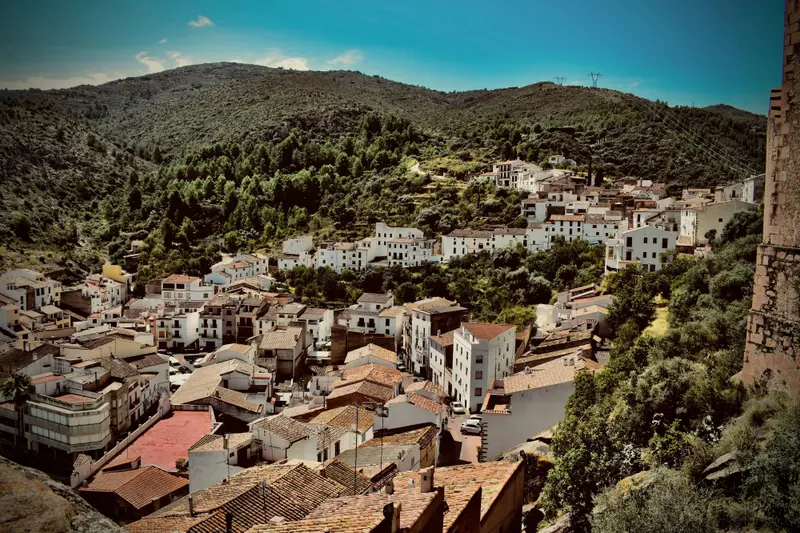
Red stone, arcades and the uplands
In Vilafamés, walk up through the red stone streets towards Roca Grossa and the castle. There are several smaller streets on the way up, so you can vary the descent if you want to see the village from different angles. Choose shoes that grip on wet paving and pause at a square before doing the steepest section.
In Culla, give the upper streets and the views across the Maestrat their own time. Leave the car and walk slowly enough to see where rock and terraced fields meet the edge of the village. In Ares del Maestrat, the shape of the flat-topped hill explains why the houses cluster below it. Choose one as the main stop and keep the other for a shorter visit or for another day if the weather narrows the views.
Forcall has an arcaded square that works as a starting point for a quiet outing from Morella. If you are staying in Els Ports, look up lunch options before leaving and give yourself a morning to explore the surrounding streets. Farther south, Montanejos is a place to stay if the Mijares valley and the paths beside the water are the main reason for coming.
Nature and protected areas
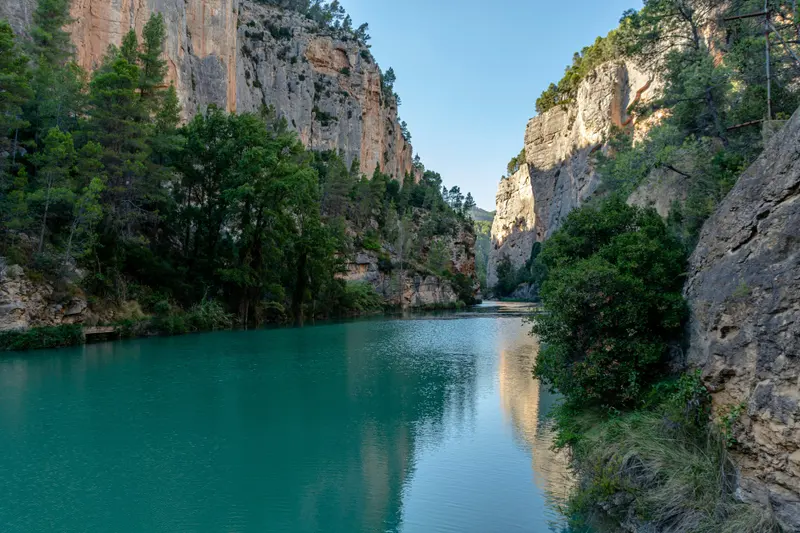
From the Serra d’Irta to the Mijares valley
The Serra d’Irta protects low scrub, rocky shoreline and small coves between Peñíscola and Alcossebre. Choose an official trail from the side nearest your base. Carry water and set a reasonable point to turn around, especially in summer. A short return walk gives you time to stop where the view opens, without depending on reaching the opposite end of the park.
Above Benicàssim, the Desert de les Palmes looks out over the coast. A visit around the Carmelite convent puts the history of the place into the landscape. Choose a viewpoint and a signposted walk for a half-day. The Prat de Cabanes-Torreblanca offers a change to wetland. Look for the designated observation points and bring binoculars if you are going for the birds.
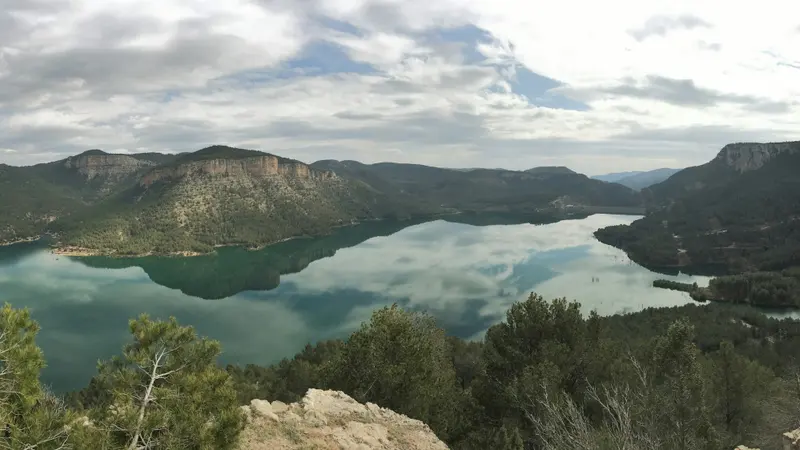
For Penyagolosa, plan the approach to Sant Joan de Penyagolosa as well as the walking route. Check the local forecast and decide how much daylight you need to come back. At Montanejos, the Mijares runs through a landscape of cliffs and narrow valleys. The Arenós reservoir, farther upstream around Puebla de Arenoso, shows another part of the same valley. Combine the two when you want to see how the river landscape opens out between steep sections.
A trip around the Columbretes Islands
The Illes Columbretes are volcanic islands off the coast of Castellón. The sea and the nature reserve’s rules shape any visit. Check the regional government’s information for your year and ask what the boat trip includes. Seeing the island formations from the water and going ashore involve different arrangements. If the islands are a priority, leave one day on the coast without bookings so you can use it if the sailing is moved.
Beaches in Castellón province
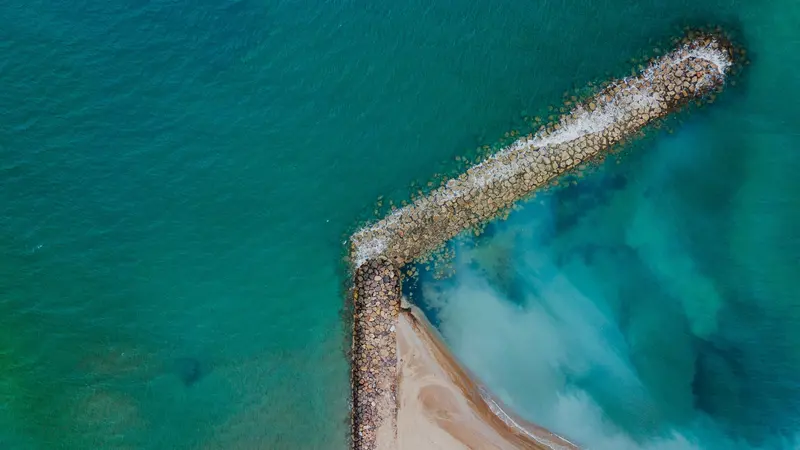
The Costa del Azahar from a beach base
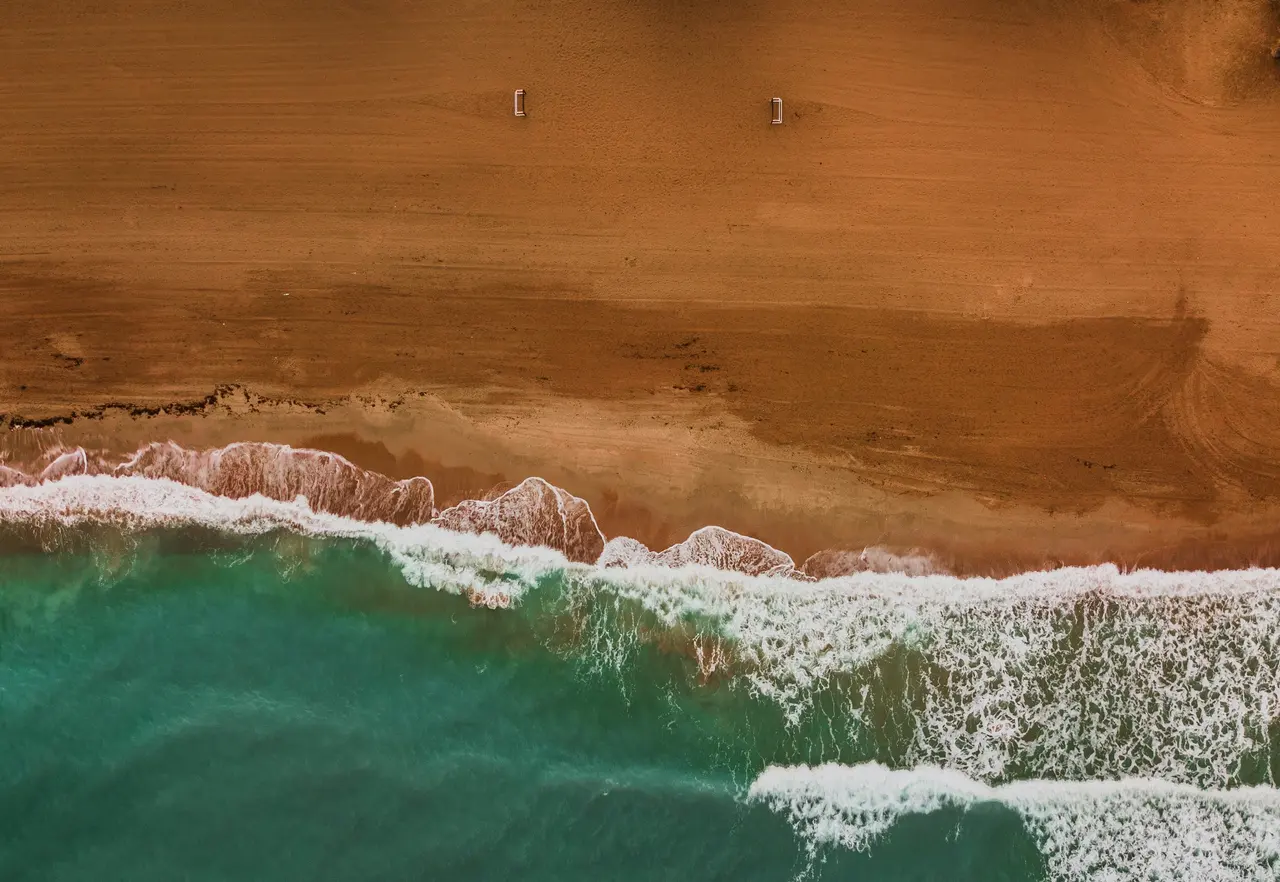
Peñíscola’s North Beach gives you a view of the walled town from a strip of sand. Stay near the headland for short trips between beach and old town, or farther north if you expect to use the promenade more. In Benicàssim, compare Voramar with Torre Sant Vicent by where you will stay, the sand and the access.
On the coast at Castelló, Gurugú and El Pinar allow a beach morning and a longer walk. La Concha in Orpesa is an urban bay. Before a beach day with children or luggage, check the way down from your stop or parking place. When you intend to swim, use the staffed areas in season and follow the flag on the day.
In Alcossebre, beaches such as El Carregador and La Romana make a separate outing from a walk towards Irta. Along the rocky parts of the park, pay attention to where you could safely come out of the water. If the wind picks up, the same shore can work for a walk. Vinaròs offers an urban seafront and the chance to fit a meal by the port into the same day.
Festivals and traditions
Magdalena and the inland festival cycle
Magdalena in Castelló commemorates the move from the hill to the plain. The regional tourism calendar set the 2026 edition for 7 to 15 March. Look for the Romeria de les Canyes, a pilgrimage, and the illuminated structures known as gaiatas. The events can happen in different parts of town. Use the programme for the year you are travelling to decide how to get to both.
The Entrada de Toros y Caballos is part of Segorbe’s September festival tradition. The interpretation centre is an option for understanding it during an ordinary visit to the town. If you go for the events, check that year’s programme and plan the last leg on foot. In Morella, the Sexenni follows a festival cycle of its own. Look up which edition you would be visiting before building a trip around it.
What to eat
Seafood rice and upland cooking
The port town of Vinaròs is associated with its king prawns. If you see them on the menu, ask whether they are priced by weight or by serving. In the Grau of Castelló or in Peñíscola, check which fish rice dishes the kitchen prepares that day and whether you need to order ahead. Have the rice at lunch if you want the evening free to walk or travel between towns.
Inland, look for slow-cooked olla, other local stews and cured meats. In Morella, try a flaó on a break between the upper and lower parts of town. Ask where an olive oil was pressed if you are buying it in the Maestrat. Around Castelló, citrus orchards belong to the landscape of the Plana. A market visit helps you connect what you see from the road with what is on sale in town.
Sport and outdoor activities
The Vía Verde del Mar runs between the Benicàssim and Orpesa areas along a former railway. Regional tourism information puts the greenway at nearly six kilometres each way. The longer route also uses Benicàssim’s cycle lanes. Allow around twelve kilometres for a return along the greenway itself and add the distance from the place where you collect your bike. The official route description is useful for tunnels and surfaces. Ask about return arrangements if you hire a bike. On foot, the cliffs and cuttings give you places to pause clear of the line of cyclists.
For the Ojos Negros Greenway, choose endpoints with a viable lift or return. The Barracas and Alto Palancia section feels more exposed and can be cooler than the coast. Near Montanejos, use an official path to explore the Mijares landscape. Check local notices for the access arrangements at the Fuente de los Baños for your dates. Give yourself enough daylight to get back from the part of the valley you choose. For a walking day, look up the Senda de los Estrechos and decide how much to do based on heat and gradients. The height above the river changes the view as you follow the route. If you want to end beside the water, give the walk and the riverside stop separate time slots.
Routes and itineraries
Three days with a coastal base
Day 1: walk around Peñíscola’s old town and look back at the headland from the North Beach. Day 2: choose a route into the Serra d’Irta from the nearest access, then spend the rest of the day in Alcossebre or on the beach near your room. Day 3: give Benicàssim a day for the greenway or go to Castelló for the centre and the Grau. Choose according to where you need to be at the end.
Five days between the coast and the hills
Spend two nights on the coast, using Peñíscola or Benicàssim to begin. On the day you move inland, stop in the Maestrat in a town such as Sant Mateu and continue to Morella. Spend the following morning there and use the afternoon for another village in Els Ports if you want one. Make the last day a walk near your base or a drive with time left for a stop on the way back. For a trip that prioritises Segorbe and Montanejos, keep the coastal nights and make the inland part about the Alto Palancia or the Alto Mijares.
Travelling with children
In Benicàssim, use a short part of the greenway and leave the beach for later. In Peñíscola, see the castle from below before climbing the old streets. More shade and a gentler return can make the upper part of the town easier for younger children. In an inland village, pick a square and a modest length of wall, with a place to stop between the two. Try the steeper section once you have seen how the first part of the walk goes.
Where to stay in Castellón province
Peñíscola puts the castle, North Beach and the approach to Irta close together. Benicàssim works for alternating the beach and the railway greenway. Castelló de la Plana makes sense if you arrive by rail or want museums in reserve. If you want to wake beside the sea, check exactly how close the room is to the Grau or the beaches beyond it.
For an inland stay, Morella works for Els Ports, Segorbe for the Alto Palancia and Montanejos for the Mijares. If you book a rural house, check the last part of the drive and where you can eat locally. Ask whether you can unload your bags near a room in the old town, especially if parking is beyond the walls.
See places to stay in Castellón province (opens in a new tab)Affiliate link: if you book through it, we may earn a commission at no extra cost to you.
Practical tips and common mistakes
- Check where the station actually is. Arrange the final leg before boarding a train marked Benicarló-Peñíscola.
- Choose a bike route before hiring. Check tunnels, surfaces, lights and where the rental ends.
- Dress for the hills separately. A coastal breeze and the wind on the castle walls in Morella can feel very different on the same day.
- Keep a plan that works away from the water. If the sea is rough, spend the day in an old town. During rain warnings, postpone ravine walks.
- Check kitchen opening inland. Give yourself a window for parking and walking up from the lower part of a village before a booked lunch.