

 Español
 English

Why visit Gandia
Start by finding the Ducal Palace in the historic centre and the Grau harbour beside the mouth of the Serpis River. The palace tells the story of the Borja family in Gandia. The harbour and long seafront show how the city has made a living by the sea. The two make a good short trip, provided you set time aside for the journey between town and coast and have a few hours to explore each on foot.
Gandia is a major town in La Safor, at the southern end of Valencia province in the Valencian Community. The plain between the centre and the sea has wetlands, paths and the remains of a castle looking out over them. Inland, the foothills offer another kind of visit. For a weekend, add one of those landscapes to the beach and old town. The freshwater springs make a short outing, while the landscape around the Parpalló cave takes a separate part of the day.
The experience varies with your base. From the historic centre you can get down to the river after seeing the palace and old hospital. On the coast, you can use the harbour and the outer dunes as opposite ends of a seafront walk. If you came especially for the history of the Borja, decide when you want to see the palace first and leave the most flexible part of the trip for the shore.
When to go
Spring gives you a chance to see the sights in town and walk by the marsh or out to the dunes. If the weather is already hot, start a route into the hills in the cooler part of the day. A walk around the springs and an exposed climb to the castle can feel like two different seasons. If you have just one full day, choose the setting that works best in the conditions you have.
Summer suits a trip organised around the beach, with a trip into the old town on the morning you can spare. The monuments and museums are close together enough to keep outdoor stretches short in the middle of the day. For a long seaside walk, allow enough light to reach the dune access and get back. Staying by the beach also makes it easier to divide that walk across several mornings and use a particular point of the promenade as a turning place.
Early autumn can be a good time to split a weekend between the shore and the historic centre. Check warnings before walking in the marsh or near the Serpis after heavy rain. During the Fira i Festes, the centre has a programme of its own, so look up where events take place and leave a separate chance to see the old town. In winter, pair the archaeology museum with the harbour if the afternoon is clear.
Getting there and around
The town and coast have separate stops
Renfe’s suburban map checked in 2026 puts Gandia on the C1 line from València Nord. Gandia station serves the town centre and is the natural starting point for the palace and collegiate church. In summer 2026, Renfe also scheduled services at a separate stop called Platja i Grau de Gandia. Check that your particular train serves it before planning around it. On local signs, platja means beach and grau refers to the harbour district.
From Valencia Airport, treat the trip into the city and the suburban train as separate legs. If you are coming on a long-distance train, check whether it uses Joaquín Sorolla or Nord. They are different stations. Allow for the journey at the Gandia end as well, especially with a case or when your address is several blocks north along the beach.
Making short walks in each district
Walk from Gandia station to Plaça Major, the palace and the archaeology museum. In El Grau, use the harbour and the beginning of the seafront promenade as landmarks. For L’Ahuir, identify the way through to the sand while you are still in the built-up area. For the Bairén Castle walk, look up the route entrance and the time it will take in both directions before trying to fit it into a day that already includes the beach.
What to see in Gandia
The Ducal Palace and Plaça Major
Start at the palace and take a moment in the courtyard to see how the rooms fit together around it. The interiors cover several stages in the life of a noble residence. Look at how the decoration changes as you go from one set of rooms to another. The palace’s visiting information explains which parts you can expect to see in the available formats.
Plaça Major puts the town hall and the collegiate church of Santa Maria together in one view. Continue past the streets around the convent of Santa Clara and look for the Serpis. The stretch overlooking the river helps explain the line of the old walls. Turn back towards the palace through different streets and you can cover a good part of the historic centre without retracing your steps.
At the palace, find the Patio de Armas on the plan of the building. The courtyard is a reference point for the doors and stairs that lead to the principal rooms. Once you are in the Golden Gallery, look at the paintings in the ceiling and the family emblems. The bull associated with the house of Borja is among the figures in the heraldic decoration. It gives you a detail to follow as the scale and colour of the rooms change.
From El Grau to Playa Nord
Start near the harbour to see the boats, quays and residential blocks before walking out towards the beach. If you have only an afternoon, keep to the end of the promenade close to El Grau. If walking is the main plan, continue north. The long, built-up seafront gradually makes way for the edge of L’Ahuir. Walking the first part from the port gives you a clearer sense of the change than going straight to a beach entrance.
Monuments and heritage
Francisco de Borja was born at the Ducal Palace. Much of what you see inside also tells the story of its later owners and changes. The Golden Gallery, labelled Galeria Daurada, is a succession of decorated rooms and a good starting point for recognising those later layers. In the collegiate church, Gothic architecture belongs to a public square and to the religious life of the city. Seeing both buildings helps explain the roles that church and noble household played in the same small area.
The former Escolapias or Escuelas Pías recalls the city’s university. Look for the building on a walk through town and follow the streets towards the remains of the walls along the Serpis. Outside the centre, Bairén Castle shows what could be seen from above the coastal plain. Check the entrance to the route and whether the site is open for the day you choose. A view across the flat land from the slope puts the location in context.
Look on the palace plan for the examples of ceramic floors. Some of the pieces were made in Gandia and others came from places such as Manises. Comparing them with the floors as you move through the palace gives you a different way to recognise how the building changed.
Museums and culture
Gandia Archaeological Museum, shown as MAGa on signs, occupies the former Hospital of Sant Marc. It gives a look inside a historic town building and puts the local prehistoric finds in context. Take time over the material from the Parpalló cave, especially if you plan to walk in the area afterwards. The museum also gives a wider view of sites such as Bolomor, in the neighbouring municipality of Tavernes de la Valldigna.
The Museu Faller looks at the work behind the temporary sculptures that appear in the streets during Fallas. Its exhibits give you something to look for when you see either the figures or their settings around town. Check opening information for your dates and allow for the walk or ride from the immediate palace area. Pairing the two places in one day gives you several centuries of different ways the city has used art to make a public statement.
Neighbourhoods and areas
The historic centre clusters south of the station around Plaça Major and the palace. On a short loop between the square and the Serpis, you pass civic, religious and defensive buildings. Start here if it is your first time in Gandia and you have come for its history. This is the easiest area to explore in one continuous walk, particularly if you can start as soon as you get off the train.
El Grau has streets of its own behind the harbour. Use the waterfront and the church of Sant Nicolau to orient yourself before heading for the sand. In the beach district, the experience changes as you get further from the port and closer to the dunes. Choose a point on the promenade to turn back if you still have a visit planned in the old town.
South of the port lie the beaches of Venècia and Rafalcaïd. The mouth of the Serpis separates them, so check your crossing if you are putting both into one route. This end of the coast is useful if you have already seen the main promenade and want to understand how the river, port and smaller stretches of shoreline fit together.
Nature and protected areas
Freshwater springs and the hills of Parpalló-Borrell
The ullals are freshwater springs in the coastal marshes. Around Alqueria del Duc, open water and plants line parts of the walking route. Follow marked paths and stop when you have a good view over the water rather than trying to cover the whole area. Plan an entrance and way out before you go. On a walk from the beach, knowing the point where the marsh route begins makes the difference between a visit and a long detour along roads.
Parpalló-Borrell is a protected municipal area inland. The cave is set in the hills and relates to material displayed in the archaeology museum. Look up which routes are open and whether the cave visit needs to be arranged before you set off. Allow time to see the setting even if the cave is what brought you there. The slope and surrounding hills show a different side of Gandia from the area between the harbour and the dunes.
Beaches in Gandia
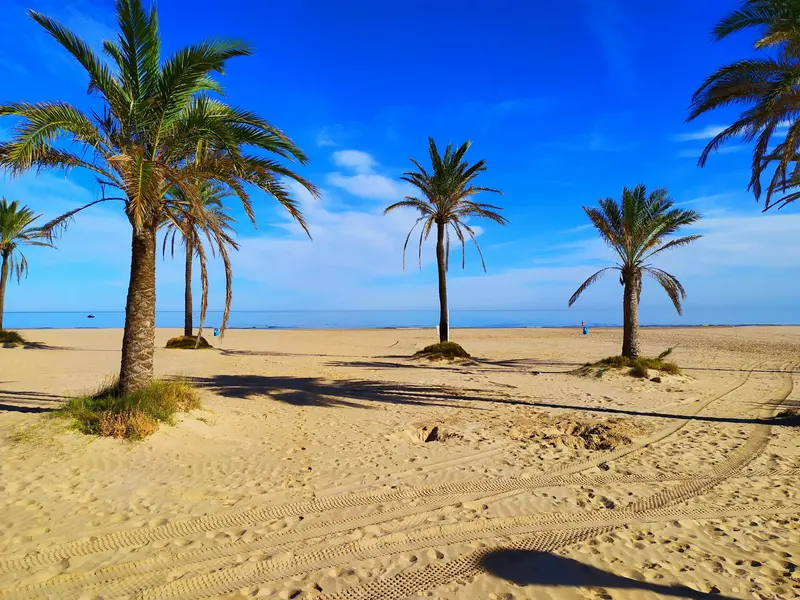
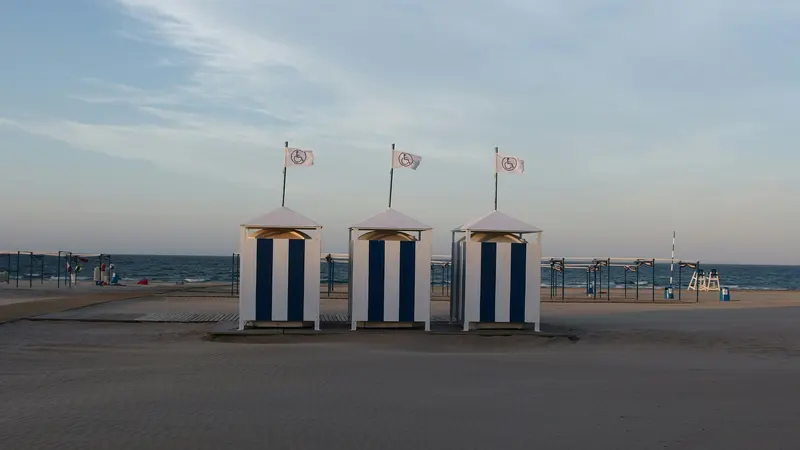
Playa Nord is the easiest choice for a wide stretch of sand with a promenade beside it. The southern end makes sense if you want to visit the harbour in the same outing. If you are staying by the beach for several days, look up the access closest to your address and explore further from there. A room described simply as being on Gandia beach might be at either end of a long stretch of buildings.
L’Ahuir has dunes along the back of the beach. Use an established access and keep away from planted and fenced-off areas. The conditions and facilities differ along this shore, so assess wind and water when you arrive and check the notices on the beach. Venècia and Rafalcaïd offer other ways to see the coast south of the port. Use the river mouth as a reference to decide which beach can fit into an existing walk.
Festivals and traditions
The neighbourhoods of Gandia mark Fallas with sculptures and events run by local groups. See more than one display to get a sense of the relationship between each monument and the streets where people have built it. If you are coming especially for Fallas, look at the local programme for the dates of the installations and the events you intend to attend. At other times, the museum is a good place to begin.
The Fira i Festes grew out of Gandia’s historic fair. The 2026 edition ran from 2 to 5 October. One traditional figure is the Tio de la Porra. The programme brings music and street activity into parts of the centre you might otherwise pass through quickly. Choose one or two events and keep a block of time free to walk between streets, as the activity is spread out.
Routes and itineraries
A day split between the palace and harbour
Start at the Ducal Palace, cross Plaça Major and go as far as the river before making a choice for the afternoon. The archaeology museum works well if you want to stay in the centre. To add the coast, go to El Grau and walk part of the Playa Nord promenade. This order gives you room to change how far you walk according to the light and the time of your train.
Two days with dunes or inland walking
Start the second day by the sea and choose L’Ahuir or the wetland for a separate outing. With time for another stop, consider the route to Bairén Castle or a visit to Parpalló-Borrell. For a beach-based stay, you can reverse the order and use a full morning for the town after a first afternoon by the water. Give priority to visits that depend on booking or opening times, then fit the promenade around them.
Day trips
Cullera combines a castle above the town with beaches and the mouth of the Xúquer River. Work out the final leg from its railway station before planning both the castle and the shore. In Valencia, the Central Market, Silk Exchange and Turia Garden give you a city day within reach of Estació del Nord.
Oliva makes a straightforward outing by road within La Safor if you want a second old town or another stretch of coast. For a day inland, Xàtiva rewards a visit to the old streets and a walk up to the castle. Decide whether the fortress or the town is the main reason to go. By rail, check the routes and any change of train before setting a time to come back.
If you spent time on prehistory at the MAGa, look up the Cova del Bolomor at Tavernes de la Valldigna. It gives you a second site in the area to compare with Parpalló and the exhibits in Gandia. Check if there is an organised visit for your dates and where it starts. If you cannot visit the cave, you can still plan a separate outing around the town or the coast.
Where to stay in Gandia
The historic centre works well for palace and museum visits and for early trips from Gandia station. El Grau puts the harbour and the start of the beach promenade within reach in the evening. On Playa Nord, check the distance to a beach access, the harbour and a suitable return from the old town. A spot further north can suit several days by the sand, with a different journey on the day you visit the palace.
You can normally cover a mix of beach and sightseeing from a single base. Check the journey you will want least to do twice, such as returning with luggage or reaching the wetland after a morning in the centre. Use that to choose a neighbourhood. Whatever you pick, give the other side of Gandia at least a few hours of your trip.
See places to stay in Gandia (opens in a new tab)Affiliate link: if you book through it, we may earn a commission at no extra cost to you.