Español
 English

Why visit Valencia province
The places to see in Valencia province fall along three routes. The coast runs from Sagunt through València and the Albufera to Cullera, Gandia and Oliva. South of the capital, Xàtiva, Ontinyent and Bocairent offer castle country and old towns against the hills. To the west, Requena and the Cabriel bring vineyards, traditional wine stores and river landscapes into the trip.
In this part of the Valencian Community, you can start by train and hire a car for the hills or the wine country if you need one. A long weekend can fit a day in the capital, another at Sagunt or Xàtiva and a final day of rice and water around the Albufera. With more time, move to La Safor, the Vall d’Albaida or Utiel-Requena for a few nights. An overnight stay gives you time to eat where you spend the day and to start walking before you have to think about the drive home.
When to go
Spring walks, summer beaches and the wine country
In spring, choose castles and hill towns such as Sagunt, Xàtiva and Bocairent. Open hillsides and streets that lie in shade for much of the day can feel quite different. If hot weather is forecast, put the most exposed visit first and allow time to return down the hill. Bring a light layer for narrow streets or shaded paths if your route includes both.
In July and August, a coastal stay is easier if you can walk straight to the beach. Use the morning for a short climb or a historic site before setting aside a cooler part of the day for a rest. If you are going to look at the rice fields, expect the view to change with the stages of cultivation. Photographs of green rice or water-filled fields may show a different season from the one you are travelling in.
In autumn, cellar visits and walks in the hills make good short breaks. During heavy-rain warnings, move routes through gorges, ravines and low crossings to another day. Check AEMET for the town you plan to visit and look for notices about the route itself. In winter, a room in València gives you the Turia and a possible coastal day. Up on the Requena plateau, expect colder nights. Leave time to return while there is still daylight.
Getting there and around
Using València as a gateway
For 2026, Aena lists Metrovalencia from Valencia Airport (VLC) into the city. For onward rail travel, check whether your service uses València Joaquín Sorolla or València Estació del Nord. If you plan to spend a few hours in the centre before travelling again, choose where to leave your bags and how you will get back to the departure station.
The 2026 Cercanías map includes the lines towards Cullera and Gandia, Xàtiva and Sagunt. Pick rail outings by the final stretch on foot. At Gandia, the historic centre and the main seafront are in different parts of the municipality. At Xàtiva, the walk into town is followed by a separate climb to the castle. Sagunt’s old town and the Port de Sagunt tell different stories and require a transfer if you want to see both.
For Requena, check whether the ticket uses the high-speed station at Requena-Utiel or a stop in one of the towns. Match the exact day’s train to any bodega booking you make. A car makes it easier to visit two neighbouring valleys in the Serranía. For a protected area, save the correct trail access and the name of a lower route that will work if the weather limits the one you planned.
What to see in Valencia province
Places to visit in Valencia province
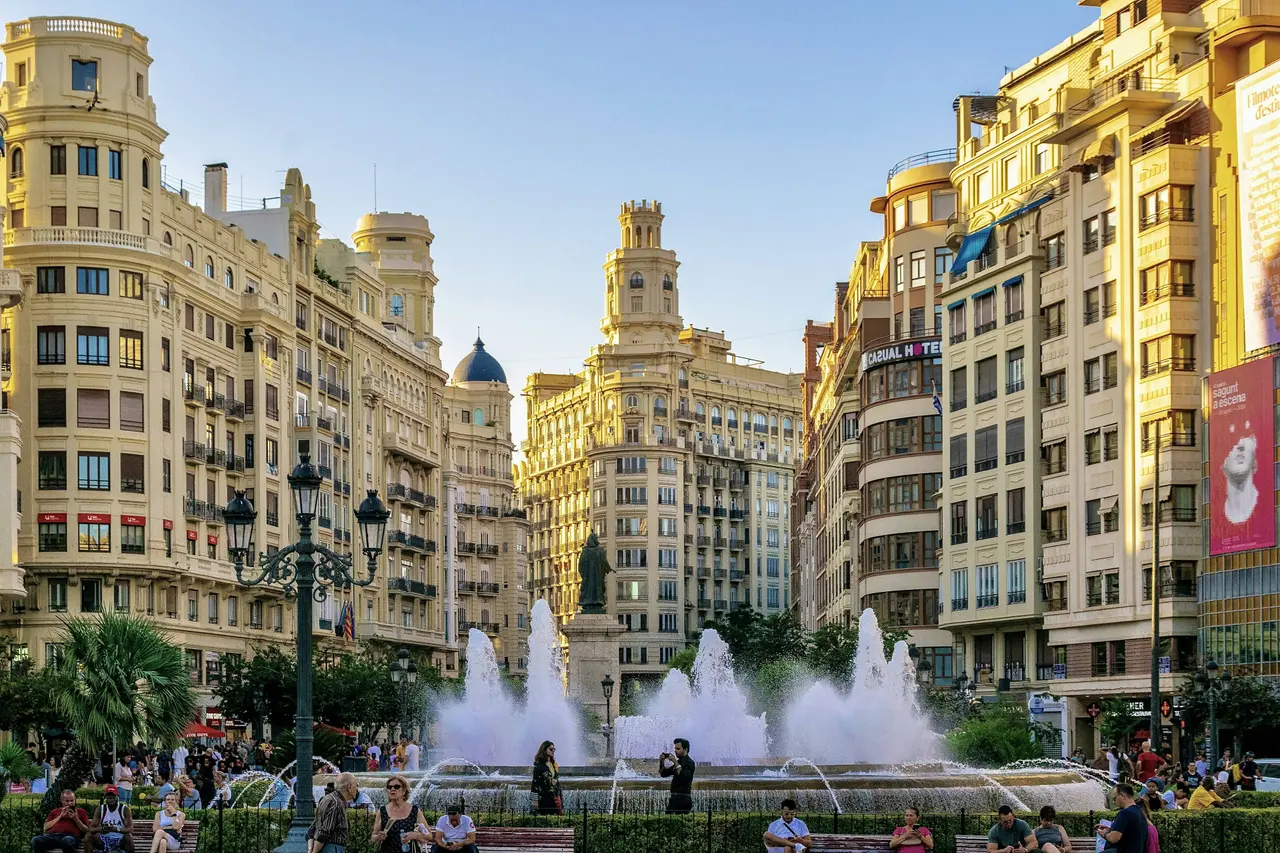
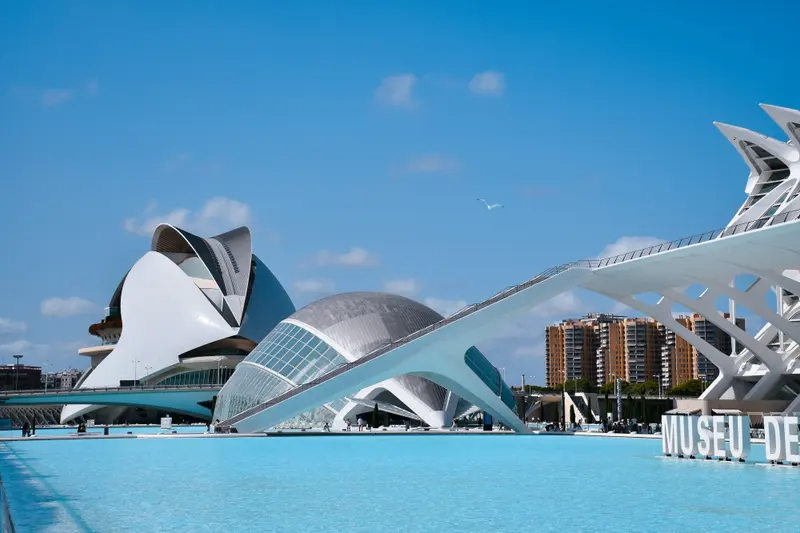
València. Begin with the Central Market and the Silk Exchange, then go through Plaza de la Virgen to the Serranos Towers. Use a separate block for the Turia Garden and decide where you want to finish before setting off. If the City of Arts and Sciences is your aim, save time for the walk through the former riverbed and the return from that end of the park.
Sagunt. Walk through the old town to the Roman theatre, then climb towards the castle. Look back towards the coast from the high ground to see how the settlement relates to the plain and to routes into the interior. Give the Port de Sagunt its own half-day if you want to see the coast and the town that grew around industrial activity.
Xàtiva. Leave time to explore the squares and streets before the climb. There are two main castle precincts along a ridge. The view changes as you move from the middle towards either end. For a morning trip, choose a longer castle visit or more time in the town according to the heat and how much walking you want to do. Give yourself a lunch stop before the train back.
Gandia and La Safor. The Ducal Palace of the Borja gives you a starting point for the historic city. Spend a different part of the day around the port and seafront. If you are staying by the sea, a cooler morning works well for the town visit. Continue south to Oliva for a day influenced by both dunes and wetlands.
Cullera. The castle gives you a view of the city, the river and the line of the coast. From above, look at the flat ground beside the mouth of the Xúquer and then pick where to spend the next few hours. A walk uphill and time on the beach fit well into different halves of the day. Before choosing which to do first, compare the start of the climb with your stop or parking place. Keep the return by the water for the cooler part of the day if you want time to see the town lights.
Monuments and heritage
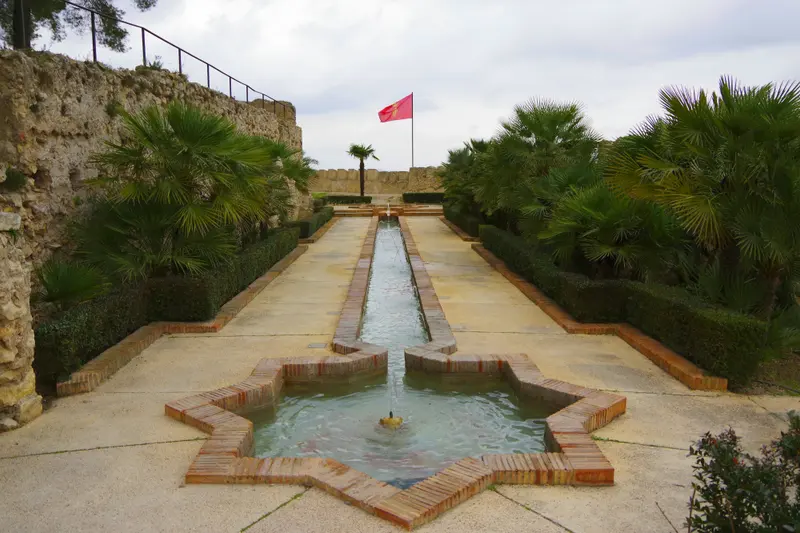
Trading rooms, palaces and castles
The Silk Exchange, a UNESCO World Heritage Site, contains a hall whose twisted columns emphasise the height of the room. See how the building opens onto the market square and cross to the Central Market to compare how the two spaces were used. Check visiting arrangements for each if you want to see both interiors.
In Gandia, the ducal palace brings the Borja family into focus through the rooms of a residence. Walk between the palace and the collegiate church before or after going inside. The short distance between the two helps explain how the main civic and religious buildings fit into the trading streets and squares. Save the port for later if you want time to walk around the old centre. In Xàtiva, the castle is a visit about how power and terrain fit together. If you have time for both, put the buildings in the morning and keep the afternoon for the streets nearby. A timed tour can set the order of the day if you are fitting more than one into the itinerary.
In Requena, start in La Villa and look at the layout of the streets before going below ground. The visitable caves show how people stored wine and other produce. A winery visit takes you out into the wider Utiel-Requena area. Arrange the journey back before you decide when and where to taste the wines.
Museums and culture
València’s Museum of Fine Arts fits a walk along the Turia. The National Ceramics Museum gives you examples of ceramics and a chance to see the Palacio del Marqués de Dos Aguas. Give one museum the morning if you also want to walk through the centre that day. The Museu de l’Arròs, the Rice Museum in the Cabanyal, occupies a former mill. It connects a food you see all over the region with the buildings and machinery used to process it.
In Torrent, the Museu Comarcal de l’Horta Sud is a way to learn about the agricultural districts around València. Put it on a day that includes the area immediately south of the city. If you want to see l’Horta Nord instead, use a ride on the Vía Verde Xurra to get closer to its fields. Leave indoor visits for days when heavy rain or strong wind make a longer route less appealing.
Charming villages
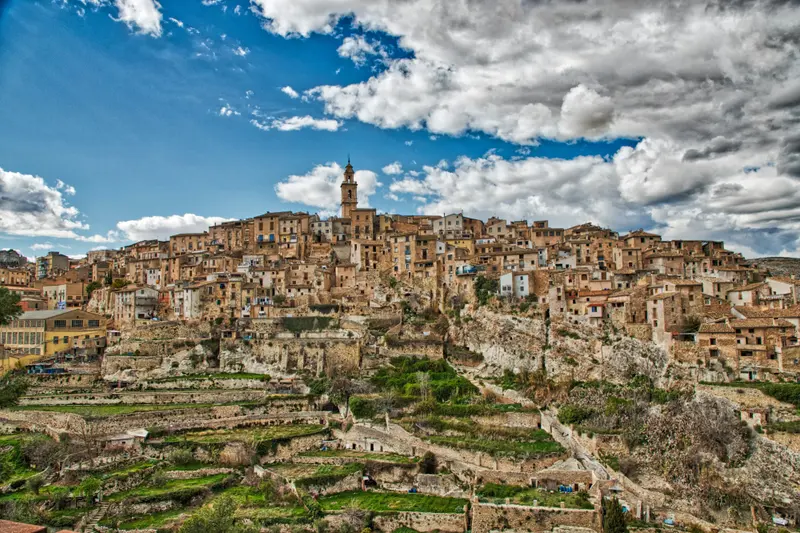
From the Vall d’Albaida to the Serranía
In Bocairent, start in the medieval centre and walk through the lanes to a viewpoint. The Covetes dels Moros are openings in the wall of the ravine, with narrow passages inside. Check how visits work and whether the route suits everyone. The village and the views from outside the ravine also make a full morning if you prefer to stay in the open.
In Chulilla, walk through the village before deciding whether to climb towards the castle or start a route into the Turia gorge. The two walks have different demands. If the village is a stop on the way to Requena, allow time at a viewpoint and keep the suspension bridges for a separate walking day with the start and return worked out.
In Chelva, a walk through the historic quarters can be followed by one beside the water. Plan the two bits separately so you know where you will need to climb again and where you can stop. In warm weather, look at which parts provide shade and keep the return route easy if you want to spend the afternoon elsewhere in the Serranía.
Nature and protected areas

The Albufera, the Cabriel and the marsh at Oliva
L’Albufera combines a lagoon, rice fields, ditches, dunes and a strip of pines beside the sea. In El Palmar, walk by the canals and give lunch plenty of time. For La Devesa, look for the official walks and choose the start point separately. The setting changes between the edge of the lagoon and the sand dunes nearer the sea. The steep-roofed traditional house known as a barraca is one detail to look for when travelling around the market gardens and lagoon. For a trip focused on rice cultivation, ask for a route that explains where fields take in water and how the canals fit around them. Look for a guided outing at the Albufera if you want a boat trip with an explanation of the landscape.
Inland, the Hoces del Cabriel Natural Park has steep gorges and sections where the river is enclosed by rock. Look up an official walk from the side nearest your base. Distance, gradient and the condition of the paths all matter. If you are sleeping in Requena or Utiel, decide whether the park gets the whole day or whether you need to be back for a booked visit.
At the boundary with Alicante province, the Marjal de Pego-Oliva lies between mountains and coast. Follow the permitted routes and look from designated points to see how the channels and marsh fit together. Near Bocairent, the Serra de Mariola offers a mountain day. A low-level walk and an upland outing make a useful pairing across two days if the conditions suit both.
Beaches in Valencia province
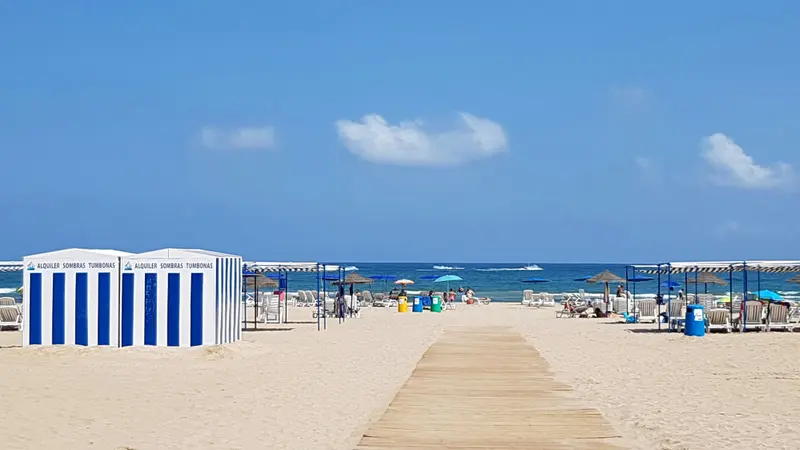
Sandy stretches from Sagunt to Oliva
North of València, Port de Sagunt has a town beach and a promenade. Malva-rosa sits beside València’s maritime neighbourhoods, and El Saler offers a beach near dunes and pine woodland. Choose your access according to the sort of day you want. If shade or a short walk back matters, look at the paths off the sand before leaving your base.
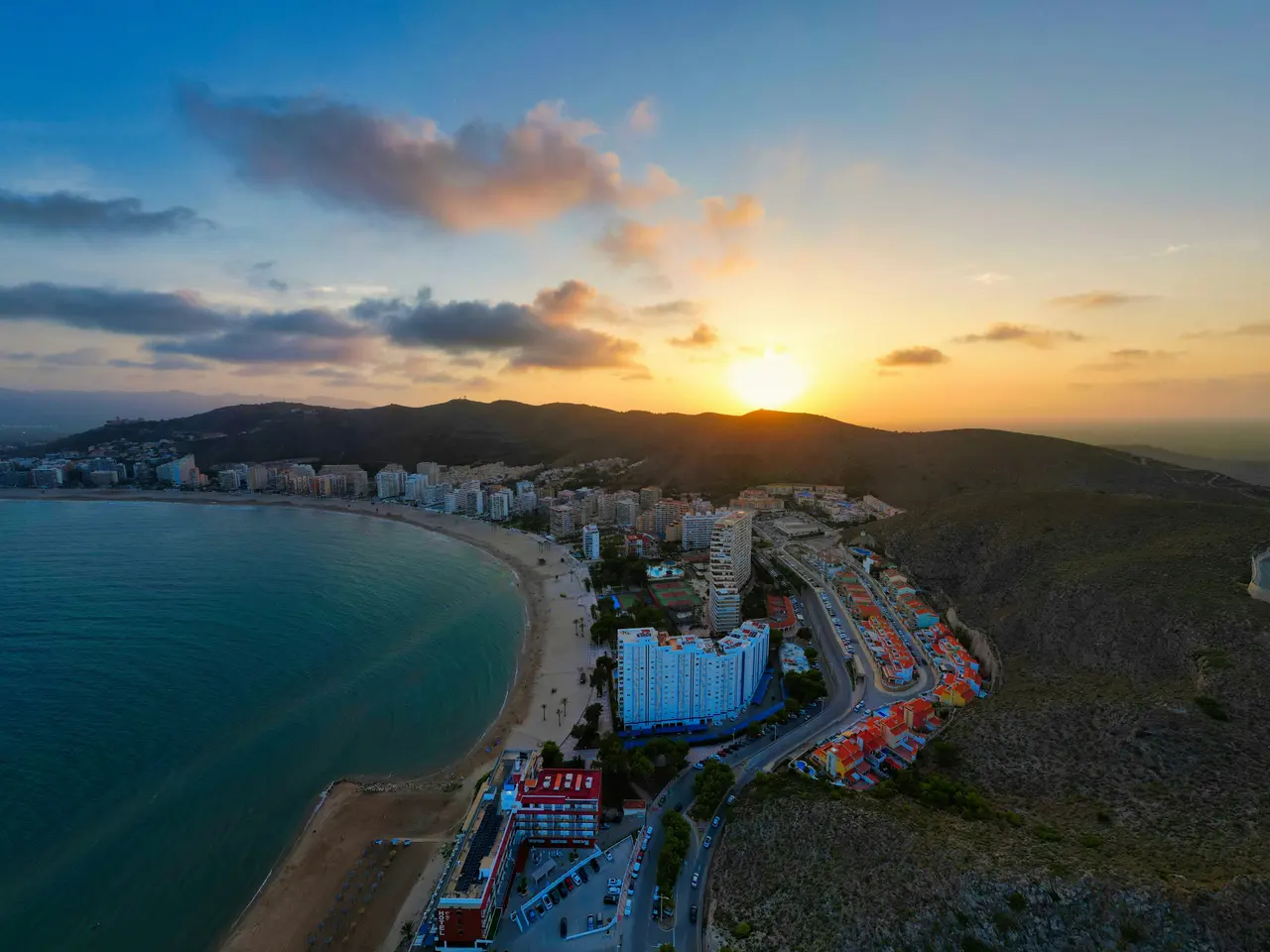
At Cullera, Sant Antoni runs in front of a developed part of the coast. Check which side of the town your accommodation is on and how far you have to walk to the seafront you want. At Gandia, the beach and the historic city are best given separate blocks of time. Stay by the water for repeated beach outings and set aside a morning for the palace and the streets around it.
At Oliva, use the boardwalks over the dunes and find the access with the services your group needs. An easy return makes a difference if you plan to go to the same beach several days in a row. If the flags or wind change the swimming plan, use the time for the marsh or a town walk. By the coast, choose a place with lifeguards on duty when you want to swim.
Festivals and traditions

Fallas and celebrations outside the capital
The València Fallas of 2026 ended with the cremà on 19 March. The city has a large concentration of events, while towns such as Gandia and Xàtiva have their own monuments, commissions and programmes. Check the local calendar if you are travelling specifically for one of them. For a first visit, devote a walk to neighbourhood sculptures before choosing a crowded official event.
In Gandia, the Fira i Festes uses streets and venues around the centre. If you are coming in from the beach, check where the events you want are held and which ones are outdoors. In Requena, harvest traditions give context to a walk through La Villa or a bodega visit. Look up the municipal programme for the year and confirm the winery separately. A busy weekend can change the time you need between stops.
What to eat
Rice, noodles and tiger nut horchata
For Valencian paella, expect chicken, rabbit and vegetables such as flat green beans and garrofó. Around El Palmar, look out for all i pebre, traditionally made with eel, if the kitchen offers it. Gandia is associated with fideuà, made with short noodles. Ask whether the size of the order fits the group and whether the rice or fideuà needs to be requested in advance. Choose lunch when that dish is the main reason for visiting.
Try arròs al forn, an oven-baked rice dish, if you want to sample how rice changes inland. In Requena or Utiel, add local cured meats to a day organised around wine. Check where you can eat relative to your visit and how you will get back. In Alboraia, finish a walk through l’Horta Nord with tiger nut horchata and fartons. On a Valencian menu, look for orxata, xufa and arròs.
Sport and outdoor activities
The Vía Verde Xurra follows an old railway corridor out towards l’Horta Nord. Choose an easy turning point and allow a stop out of the way of people travelling both directions. Slow down at crossings with local farm roads. If the bike will go on a train for any part of the journey, check the operator’s rules on that service and decide where to leave the bike at the end.
At Chulilla, look up the start, slopes and conditions for the suspension bridges walk. If your group prefers to avoid high bridges, look for a different route or spend the time in the village and at a viewpoint. In the Cabriel, river activities depend on the park’s rules and conditions on the day. Ask any operator for the meeting point and leave enough time to get there, especially if you are coming from the coast.
Routes and itineraries
Three days based in València
Day 1: see the market, the Silk Exchange and the central streets, with a short stretch of the Turia. Day 2: pick Sagunt for the theatre and castle or Xàtiva for the ridge and lunch in town. Day 3: centre the day on l’Albufera. If you choose a boat and a long lunch, add a short walk near your return route, or save the Devesa for another outing.
Five days between La Safor and the inland towns
Start in Gandia with time for the centre, coast and an outing towards Oliva. On the day you change base, visit Xàtiva or Bocairent and choose one main historic site. If you stay for two nights in the Vall d’Albaida, spend a day on the Serra de Mariola or in one of the towns. Choose Requena as your second base if your priority is the wineries or the Hoces del Cabriel. Give this part of the trip a full inland day before you head back.
Travelling with children
In València, choose a section of the Turia with an easy way back if the walk runs long. Around the Albufera, start with a viewpoint and check how to board the boat before committing to a sailing. For a castle, look at the gradient and steps. At Sagunt and Xàtiva, you can plan a shorter visit around one part of the site. On the coast, work out how far it is to the promenade, toilets or the nearest place to stop before the beach day begins.
Where to stay in Valencia province
Central València works for rail outings and evening walks. The Cabanyal and other maritime neighbourhoods put the sea closer. Cullera, Gandia and Oliva offer places within reach of different beaches. Choose by the exact access you would use most often and by how far it is to a historic centre. If you are coming by train, map the journey from the station to the room before you book.
For castles and mountain walks, Xàtiva and Bocairent let you stay near the old streets. Requena works for a trip that combines wine visits and river walks. When you book a rural house, ask where the final turn from the road is and whether you will have to drive again to have dinner.
See places to stay in Valencia province (opens in a new tab)Affiliate link: if you book through it, we may earn a commission at no extra cost to you.
Practical tips and common mistakes
- Check the station name twice. València has two main stations and some outlying towns also have separate rail stops.
- Allow for the final walk. For a castle or timed winery visit, leave time to park or come from the station after the expected arrival.
- Pick the exact part of l’Albufera first. Boats at El Palmar, walks in the Devesa and El Saler beach have different points of access.
- Use the forecast for each district. During heavy-rain warnings, postpone outings in ravines or routes that cross water.
- Allow time for lunch. Ask whether a serving is meant to share and whether the kitchen needs an order in advance.