

 Español
 English

Why visit Peñíscola
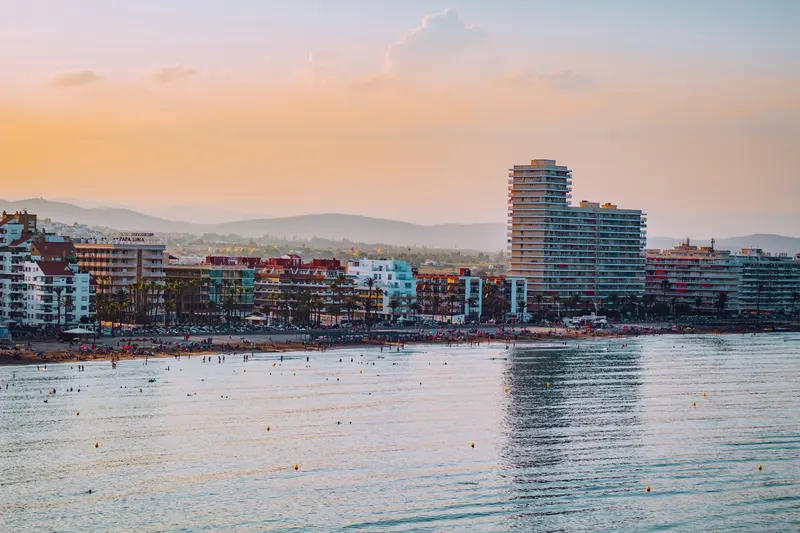
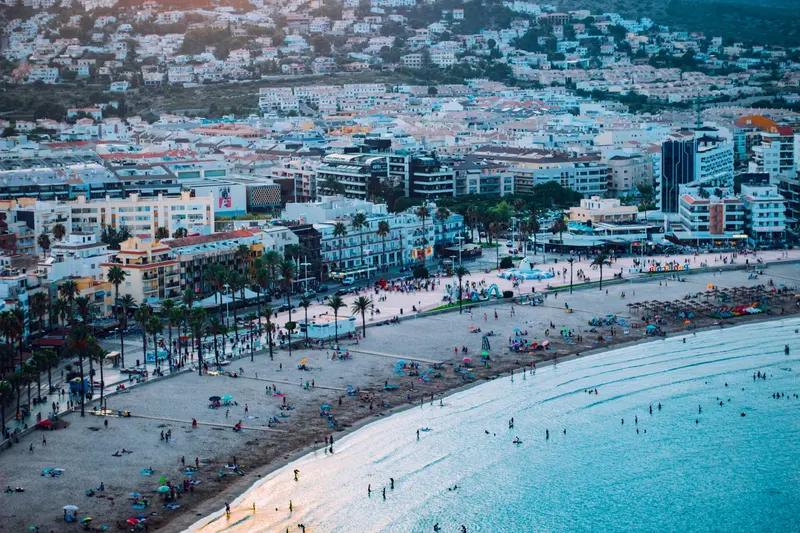
For a first look at the things to do in Peñíscola, stand on North Beach and trace the skyline from the water to the top of the castle. The ramparts, white houses and keep fill a single rocky headland. As you climb the lanes, the scale changes. By the gates you can see where people and goods would have come in. The view from the top explains the choice of site for a fortress overlooking the Mediterranean.
Peñíscola is in the north of Castellón province in the Valencian Community. The old town and harbour fit into a day trip. A second day takes you to the Serra d’Irta, where long sandy beaches give way to rocky inlets backed by a ridge. If you are staying to see both, pick somewhere from which you can do at least one whole day on foot.
When to go
Spring and early autumn make it easier to spend part of the day above the walls and part of it walking the coast. Allow more time in summer if swimming matters to you. On hot days, do the climb first and save the flat waterfront for later. Parts of the castle and the Irta trails have very little shade.
On a clear winter day, you can follow the walls and see the outline of the headland from the shore. If there is a strong wind, move the upper town to a calmer part of the day and start with the harbour museum. When travelling around the September festivities, use the programme to decide whether you would like to sleep near the events or on a quieter stretch of coast.
Getting there and around
In 2026 Renfe lists the station as Benicarló-Peñíscola, in Benicarló. If you are coming by train from València or Barcelona, budget for a separate journey from the station to where you are staying. Look up the boarding point and the return leg if you expect to use local transport. The station name will also appear without accents in some journey planners. For accommodation searches, North Beach is a different point on the map.
The AP-7 corridor serves arrivals by road from either direction. Once in town, the easiest way to link the two beaches with the old town is on foot. If your room is up on the headland, ask where you can unload before finding a parking space. The upper lanes have slopes and uneven paving. For a gentler outing, enjoy the outline of the walls and castle from the seafront below.
What to see in Peñíscola
The headland from North Beach
Go down to the beach before climbing. A little distance helps separate the defensive walls from the band of houses and the castle above. Walk a short way towards Benicarló for a wider angle, then return to the foot of the rock. You can swap the whole-town view for a closer look at the gates within the same walk.
Portal de Sant Pere and the old town circuit
Portal de Sant Pere opens towards the harbour. From the gate, take the inner lanes to the lighthouse and castle. Pause at the Casa de les Petxines, recognisable by the shells on its façade. Near the shore, the Bufador is a hole in the rock linked to the sea. When waves are running, watch from the public space and keep clear of the edge. For a different way back, find the Portal Fosc and head downhill towards the beaches.
Monuments and heritage
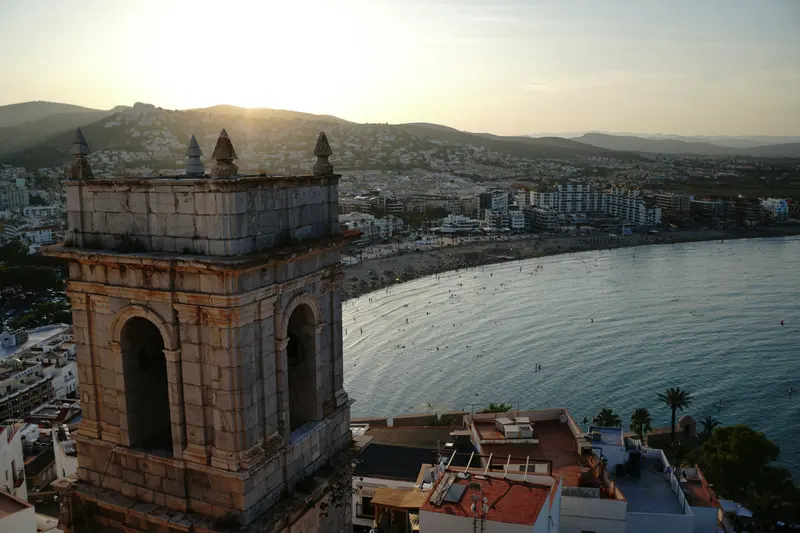
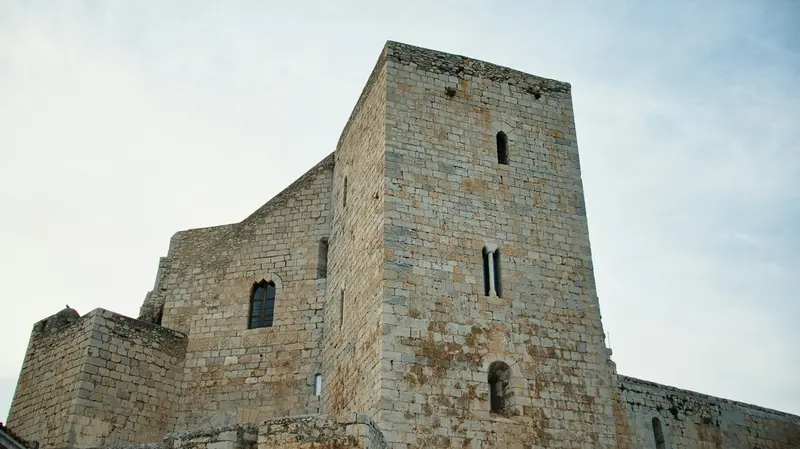
The castle was built in the Templar period and subsequently housed Benedict XIII, often called Pope Luna. Walk through the rooms before going out to the upper viewpoints. The sequence of spaces makes it easier to picture how a fortress also served as a papal residence. From above, one side opens onto the sandy shore towards Benicarló. On the other, the town gives way to the rougher coastline near the Serra d’Irta. If you are depending on a castle visit, check its calendar before setting off.
The chapel of the Virgen de la Ermitana stands close to the castle. See the chapel exterior and then follow part of the walls. The town gates show why it feels so different to enter from the harbour and to approach over land. Both approaches make sense as an outing even if you have time for the exteriors alone.
Museums and culture
The Museu de la Mar brings you back to the scale of the harbour, which can look tiny from the castle. Boats and objects connected with fishing are a way to see what the waterfront was used for. Follow the museum with a walk beside the water south of the headland. For a wet-day visit, check whether the museum is open on your date.
Peñíscola has also provided locations for films and television, including El Cid and Game of Thrones. Pick out one or two sites on the tourist map and find their viewpoints along the old town circuit. A gate seen towards the sea gives quite a different view from the same gate approached from inside the walls.
Neighbourhoods and areas
The old town is a place for short lanes, steps and sudden glimpses of the sea between buildings. Around the harbour and South Beach, the walk opens out and gives you a start towards the southern shore. To the north, a long run of beach accommodation faces the promenade. Use an exact address to check how far you would be from the headland. A room a few steps from the beach may be a much longer walk from the gate you plan to use.
Nature and protected areas
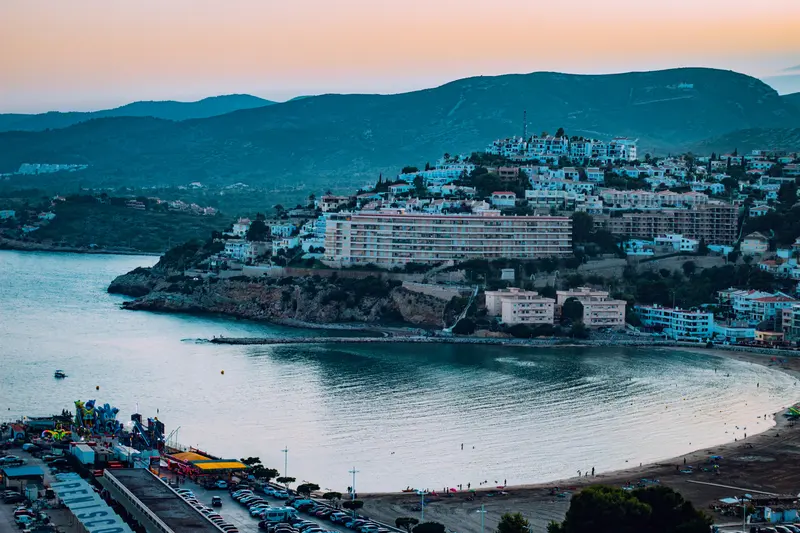
The Serra d’Irta protects a stretch of coast and hills between Peñíscola, Santa Magdalena de Pulpis and Alcalà de Xivert. Start from the southern side of Peñíscola and choose a turnaround point before you set off. Around Torre Badum, you can see the hills run straight into the Mediterranean. Use the park’s route information to distinguish coastal paths from those that go inland. Gradients, rough surfaces and long stretches without shade make the route feel different from another walk of the same mapped distance.
Beaches in Peñíscola
North Beach puts the castle in view as you walk along the water. If you plan to stay several hours, pick a section with a straightforward walk back to your room or to the old town. South Beach is near the harbour, on the side facing Irta. It makes sense for a short stop on the way downhill from the castle.
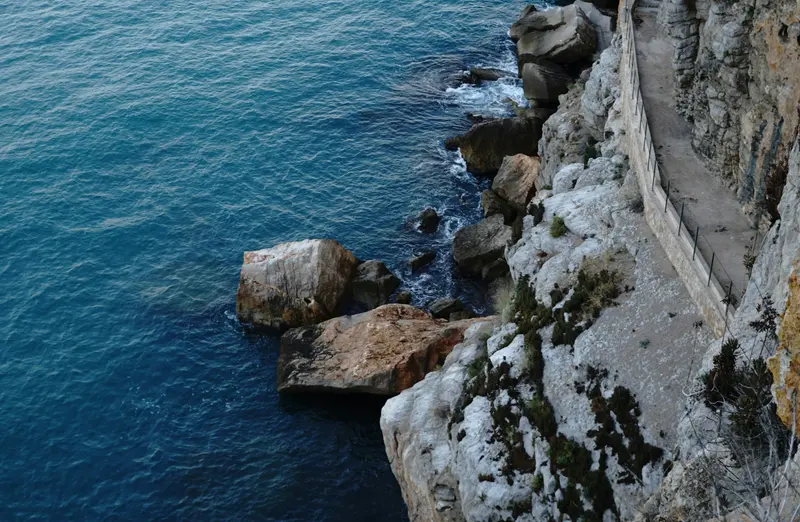
The southern shore has inlets such as Cala del Volante, with a mix of sand, pebbles and rocky edges along this part of the coast. Decide where you want to go before leaving town and check the path and sea conditions on arrival. If anyone in your group needs a flatter walk between stops, North and South Beach make it easier to adjust the length of the outing.
Festivals and traditions
The patron saint festivities honour the Virgen de la Ermitana. The town council’s 2026 programme ran from 7 to 17 September. Local dances and the Moors and Christians parade are associated with the celebration. If you are going to see dancing within the walls, look up the square and decide which gate to use. Check the programme for your year before booking a room for the event.
Sport and outdoor activities
For a level walk, follow North Beach and return along the same waterfront. For a ride into the Serra d’Irta, look for the marked routes and check the surface before choosing one. Leave enough time to come back from the furthest point. A swim stop or a look at a cove adds time even to a fairly short distance on the map.
Routes and itineraries
One day. View the town from North Beach. Walk up through Portal de Sant Pere from the harbour and see the castle and chapel. Go down through Portal Fosc and finish by the water if there is still daylight.
Two days. Complete the old town circuit on the first day. For day two, choose a short walk on the Irta coast or spend a morning at the beach and visit the Museu de la Mar. In hot weather, start any coastal trail early.
Day trips
For more of the coast, head north to Benicarló or Vinaròs and build your walk around the waterfront and harbour. For the hills, give Morella a day of its own. Its ramparts enclose a whole hillside and the castle climb takes a separate part of the visit. Further south, combine the seafront villas of Benicàssim with a section of its old coastal railway trail.
Travelling with children
Start with the castle if everyone is fresh enough for steps and slopes. Break the descent with a stop near the lighthouse and some spare time by the promenade. You can end the outing without a second long climb. With a pushchair, factor in steps and uneven paving in the upper part of town. You can still enjoy the whole outline of the headland from North Beach with an easier return walk.
Where to stay in Peñíscola
Old town. Good for early walks before the lanes get busy and for coming home on foot after dinner. Ask about the approach with luggage. North Beach. Choose an address nearer the headland if you want to combine the beach with sightseeing each day. South Beach. Stay here for the harbour, a walk up to the old town and the road towards the Serra d’Irta.
See places to stay in Peñíscola (opens in a new tab)Affiliate link: if you book through it, we may earn a commission at no extra cost to you.