Español
 English

Why visit Ciudad Real province
If you are deciding what to see in Ciudad Real province, start with the kind of day you want. In Almagro you can step off the main square into a courtyard theatre built for the plays of Spain’s Golden Age. At Campo de Criptana you can walk out of the old quarter and see the windmills standing over the plain. In Daimiel, wooden walkways bring you out among reeds and small islands. Keep time for a proper walk at whichever place draws you in first.
This inland part of Castilla-La Mancha is best explored one area at a time. The Campo de Calatrava takes in the provincial capital, Almagro and some of the strongholds of the medieval Order of Calatrava. To the east, the Campo de Montiel links stone-fronted towns with the chain of lakes around Ruidera. The west takes longer to explore. Cabañeros and the pastures and wooded hills of the Valle de Alcudia make separate days out, even if you are spending several nights in the same part of the province.
If you have only a weekend, Almagro and Daimiel give you two different settings from one base. For a trip inspired by Cervantes, make the windmills part of a day about grain, farming and the old towns of La Mancha. If you come for nature, choose between watching waterbirds, following a lake shore and spending several hours on a trail through woodland. Those are three distinct outings and need different footwear, start times and approaches by road.
When to go
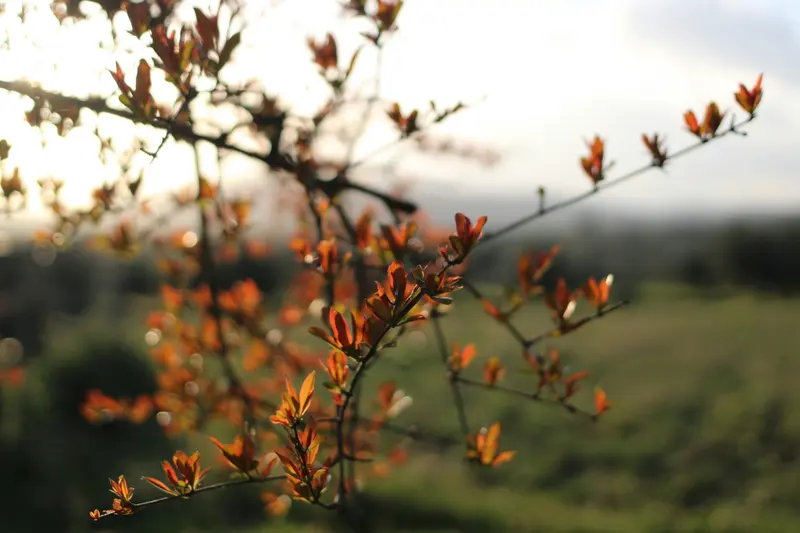
Spring and autumn for walking
Spring is a good time to plan a walk in the open and a second stop in a sheltered town. At Tablas de Daimiel, the amount of water visible from the boardwalks varies with conditions. Check what the park reports before travelling. The visit can still be worthwhile when the water recedes, especially if you are interested in the meeting of dry ground and wetland. If you mostly want to see birds on open water, allow the day’s conditions to guide your choice of woodland walk, wetland hides or town.
Autumn suits time outdoors in the middle of the day, whether you are climbing to the windmills or crossing the courtyards of a hilltop castle. If you are keen to see the grape harvest in progress, ask the winery how the season affects visits on your dates. A wine festival is a separate event and its programme gives you a different kind of day. Sunset comes earlier as autumn goes on. Time your outward walk so you have enough daylight for the return as well.
Heat on the plain and cold mornings in winter
In AEMET’s 1981 to 2010 climate record for the Ciudad Real station, the average daily high in July is above 33°C and the average night-time low in January is just over 1°C. In summer, go up to the mills or along the open boardwalks before the hottest part of the day. Leave the theatre or a museum for later. A winter morning in town may be cold even if you can sit outside in the afternoon. If heading into Sierra Madrona, use the forecast for the trailhead and elevation you intend to reach.
Getting there and around
Arriving by train or by road
In 2026, Renfe lists trains from Madrid-Puerta de Atocha-Almudena Grandes to Ciudad Real and an Avant route linking Madrid, Ciudad Real and Puertollano. Search for the actual day of travel and use the station name on your ticket. If you fly into Madrid-Barajas, Aena lists the Cercanías suburban railway at Terminal 4. Include time to change terminals if necessary and leave some room between your flight and the onward train, particularly if you are buying separate tickets.
For a driving trip, build the first day’s route around the side of the province you want to visit. From Madrid you can reach the provincial capital by train and collect a car there if you have arranged one, or drive straight to an eastern base for the windmills and Campo de Montiel. If you are coming from the south, the Despeñaperros corridor works well for a stop around Valdepeñas. Check the exact address too. A search for Daimiel can take you into town when you meant to reach a visitor centre out in the country.
Getting from the station or car park to the sights
In Almagro or the capital, you can park once and spend much of the day on foot. Elsewhere, separate the road journey from the walk that remains. In Campo de Criptana, the walk through the old quarter is uphill from the centre towards the windmills. In Cabañeros, check which entrance serves your trail before setting out. A route that looks direct on the map may use a rough track or take you to the wrong side of the park.
Without a car, plan a day in the capital first, then look for a second town with a practical connection both ways. Start by checking the last stretch from the station or bus stop and work out when you need to get back for the return service. An excursion to a protected area or an archaeological site is a different matter. Ask where a tour begins before arranging any transport, even if it carries the name of a nearby town.
What to see in Ciudad Real province
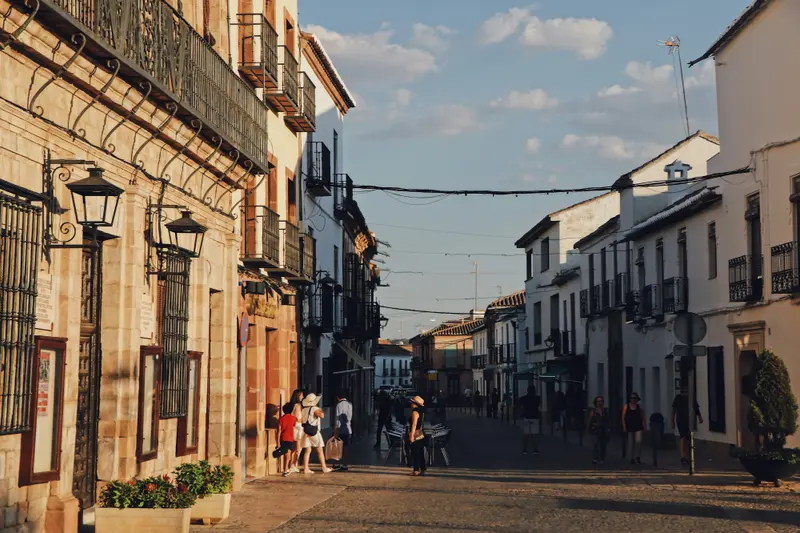
Almagro’s square and courtyard theatre
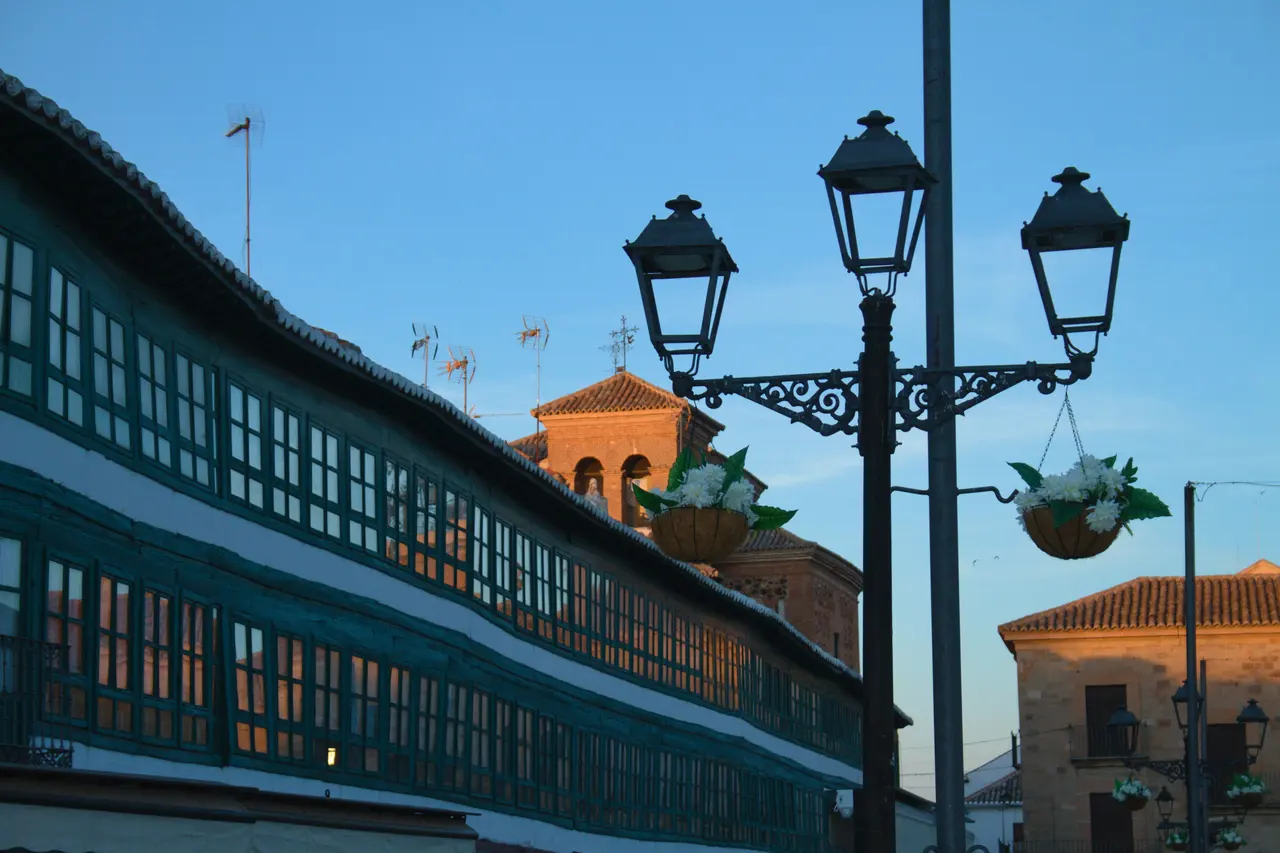
Start by walking across Plaza Mayor. From the middle you can see how the green galleries sit above the colonnades. At the Corral de Comedias, the entrance leads into a much smaller space than the square suggests. Look at the relationship between the yard, the raised galleries and the stage. With the seats so close to the action, it is easy to picture the audience and actors sharing the same space during a Golden Age play.
Beyond the square, look for coats of arms and stone doorways on the old houses. At the Museo Nacional de Artes Escénicas, Spain’s national performing arts museum, you can explore the history of performance through stage design and the work that happens behind a production. If you are staying for a show, check which venue is on the ticket. The festival uses several buildings, so you may visit the Corral during the day and see your play somewhere else. Take a walk from your accommodation to the venue before dinner if you want to gauge how long it takes.
The mills at Campo de Criptana and the old streets of Alcázar
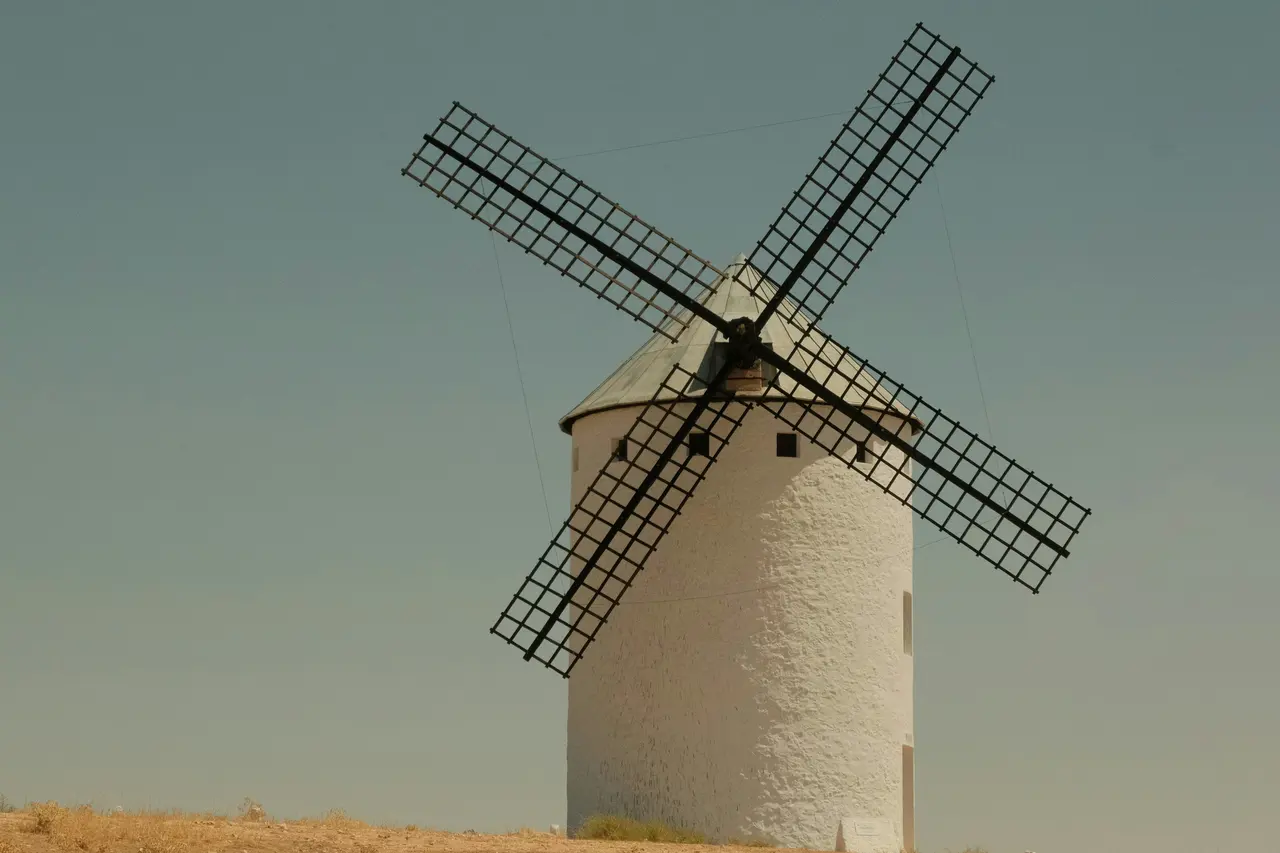
Walk along the Sierra de los Molinos at Campo de Criptana. On one side the roofs of the town are below you. On the other, the white towers and sails stand against the farmland and sky. Come down through the Albaicín quarter to see the blue bases of the whitewashed walls. If there is an opportunity to go inside a mill, look for the position of the millstones and find out how the sails were turned towards the wind.
In Alcázar de San Juan, walk around Santa María and the Torreón de Don Juan de Austria to learn about the military orders that held land here. It makes a useful second stop after the windmills. With more time, consider the wetlands outside town. It helps to decide in advance whether you want the extra time in the old streets or at an observation point by the water. A short stop at each can turn into a lot of time getting back to the car.
A few hours in the provincial capital
In Ciudad Real itself, walk from Plaza Mayor to the cathedral of Santa María del Prado. The gardens by the cathedral make a convenient stop in the middle of the city. For a longer walk, head towards Puerta de Toledo, a surviving gate from the city walls, or go the other way to Parque de Gasset and the Quixote Museum. This is an easy way to spend an afternoon after arriving by rail. Check the days when each interior opens before planning a visit to both the cathedral and the museum.
Monuments and heritage
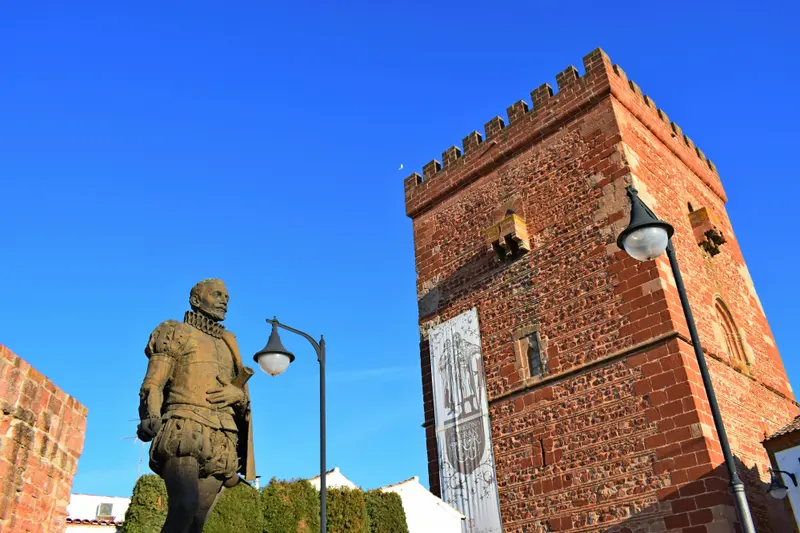
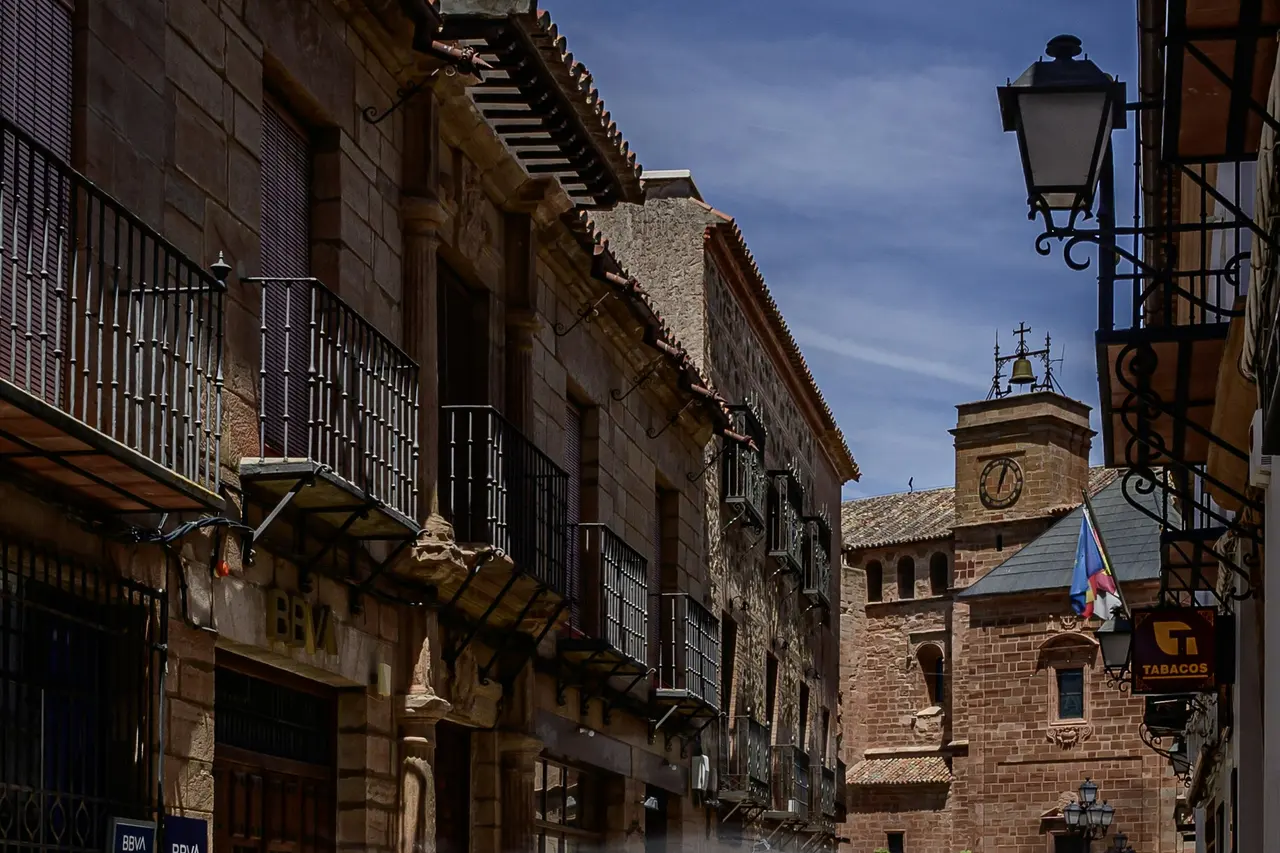
The tower pictured here is in Alcázar de San Juan and is linked to the Order of St John. The Calatrava sites show how a different military order shaped other parts of the province.
The two Calatrava sites
Calatrava la Vieja, beside the Guadiana at Carrión de Calatrava, preserves remains of a fortified town with roots in Al-Andalus. Notice its low position by the river. At Calatrava la Nueva in Aldea del Rey, the castle and monastery occupy a hill. Its church and successive enclosures show how the order combined religious life with defence. The medieval Order of Calatrava moved its headquarters from the first site to the second. Looking at the two sites on a map brings out how differently they sit in the landscape.
Choose Calatrava la Nueva as your main visit for a hilltop castle and views over the countryside. Allow time for the ascent and for walking over slopes and rough paving between the different parts of the complex. If Calatrava la Vieja is important to the trip, check the regional heritage portal for current opening information before treating the site as a fixed stop.
A Bronze Age well and a mercury mining town
At the Motilla del Azuer, concentric stone walls protect the courtyard where the inhabitants dug for water. The structure makes sense in the context of farming settlements on the plain. Visit the Museo Comarcal in Daimiel for the Bronze Age background and look for the storerooms and work areas as well as the well when you reach the site. In 2026, the official booking service requires an arranged guided visit. Use the meeting point on the booking confirmation when working out your day, especially if you want to see the wetland too.
In the far west, Almadén and its former mercury works form part of a UNESCO World Heritage site shared with Idrija in Slovenia. Allow time to see how the mines and related buildings sit beside the town. If you are interested in what happened underground, find out which parts of the former works your visit includes. An overnight stop nearby gives you more time for the mining heritage if you are continuing along the Valle de Alcudia the next day.
Charming villages
Villanueva de los Infantes and San Carlos del Valle
Begin in the main square of Villanueva de los Infantes by the church of San Andrés. Follow a couple of side streets to see coats of arms and courtyards in the old town. If you know the work of the writer Francisco de Quevedo, look for the former Santo Domingo convent associated with him. You can learn plenty about the town from a slow walk around its stone buildings even if you only have time to visit one interior.
At San Carlos del Valle, the Church of Cristo del Valle and the arcades around the square are best seen together. Walk through the openings at either end to see how the space unfolds, then cross the square for a view back towards the church tower. The two towns work well on the same day. A night in the Campo de Montiel lets you take them at a walking pace and continue towards Ruidera the following morning.
Viso del Marqués and the wine towns
At Viso del Marqués, the palace of the admiral Álvaro de Bazán houses the Spanish Navy’s historical archive. The wall paintings are a reason in themselves to visit. The palace is a good first stop on a day heading south from Valdepeñas, especially if you want time to look at the paintings before continuing. Check the conditions for visitors if you want to make a special journey to see inside.
In Tomelloso, wine production once extended into cellars dug beneath houses. If you can visit a cellar, look at how the space was arranged for the large earthenware jars used in the trade. In Valdepeñas, link a visit about wine with a walk through Plaza de España. Think about whether you want to see a working winery, try different wines or spend time in a vineyard. The answer will help you decide how many other stops fit into the day.
Nature and protected areas
Tablas de Daimiel, boardwalks across the wetland
The Guadiana and Cigüela rivers meet on flat ground where floodwater can spread a long way. The environment changes as you move along the walkways from open water into reeds and stands of tamarisk. Spain’s national parks authority describes the Isla del Pan route as a two-kilometre circuit linking small islands. Take binoculars and allow more time than you would for an ordinary two-kilometre walk. Each hide gives you a different view of the wetland, and wildlife is easier to pick out if you wait quietly.
Lagunas de Ruidera, a valley of lakes
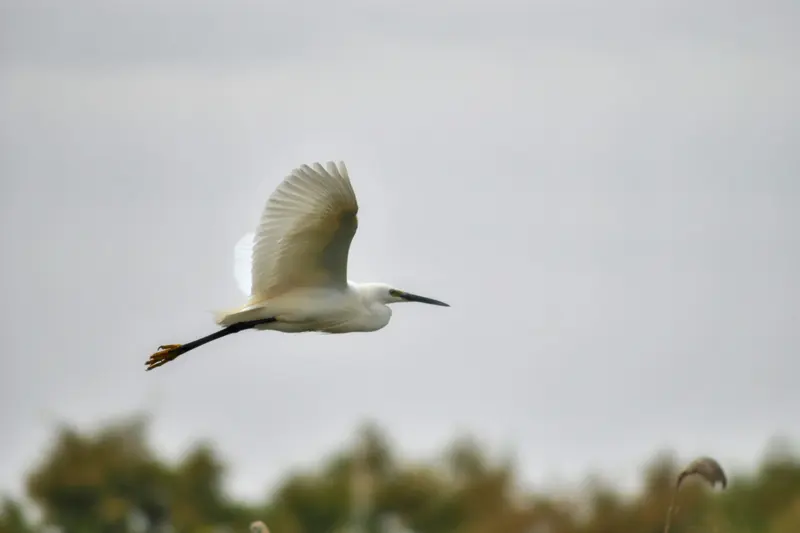
Ruidera’s series of lakes occupies a valley shared with Albacete province. The lakes sit at different heights, held apart by barriers of porous limestone called tufa. Start around Laguna del Rey near the village of Ruidera and pick another shore or viewpoint once you have had time to see the first. Take a stretch on foot. From the shore you can follow the change in the colour of the water and look for the rock formations that are easy to miss from the road. If you plan to swim, check the park notices for your dates and stick to designated areas.
Cabañeros and Sierra Madrona
Cabañeros extends into neighbouring Toledo province. The raña is the open ground below the wooded hills, where you can look across grass and scattered trees. Walks into the valleys offer a different view of Mediterranean woodland. Casa Palillos and the approaches around Navas de Estena take you to different parts of the park. In 2026, the national parks authority lists walking trails and organised outings separately. Choose the experience first and look up the access details before deciding where to spend the night.
Further south, the Valle de Alcudia and Sierra Madrona Natural Park takes in oak pasture, gorges and rocky ridges. At Fuencaliente, the prehistoric rock art at Peña Escrita adds a stop to a day in the hills. You can plan a road trip through the dehesa, the open oak pasture, using places where you can pull safely off the road. If your priority is walking, look at the elevation and trailhead in the park’s route information before choosing your route.
Festivals and traditions
The 49th Almagro International Classical Theatre Festival took place from 2 to 26 July 2026. Performances were spread between the Corral de Comedias, theatres and other venues. For a future edition, use the programme to choose the show before making plans for dinner or booking a room. Staying in Almagro is convenient if you want to leave the theatre late and walk back. If you are sleeping in another town, arrange your return journey in advance.
Valdepeñas’s Wine and Harvest Festival ran from 1 to 8 September 2026, according to the town council. The programme brought wine events and performances into town, with activities around Plaza de España. If you are most interested in winemaking, book a visit and ask how the winery operates around harvest time. For the festival itself, check the programme for the year of your trip and look up the location of the event you intend to attend.
What to eat
Try berenjenas de Almagro, small pickled aubergines served as a starter. In shops you can look for the protected geographical indication on the label. For Manchego cheese, compare two ages to see how the texture and flavour change. For lunch look for migas, a dish based on pieces of bread fried and seasoned, or pisto, a cooked vegetable dish. Ask what comes with them, since the accompaniments vary. A meal and a walk around town are useful anchors for a hot day when you want to leave outdoor visits until the cooler hours.
A winery in Valdepeñas fits easily into a trip between the Campo de Calatrava and the Campo de Montiel. Ask whether your visit covers production, ageing or tasting so that you have time for what interests you. Arrange a driver if you plan to drink and need to travel on afterwards. If you are used to an earlier lunch or dinner, check when the kitchen serves food, particularly between visits in smaller towns. When making plans around a Sunday, check the winery and shops separately.
Sport and outdoor activities
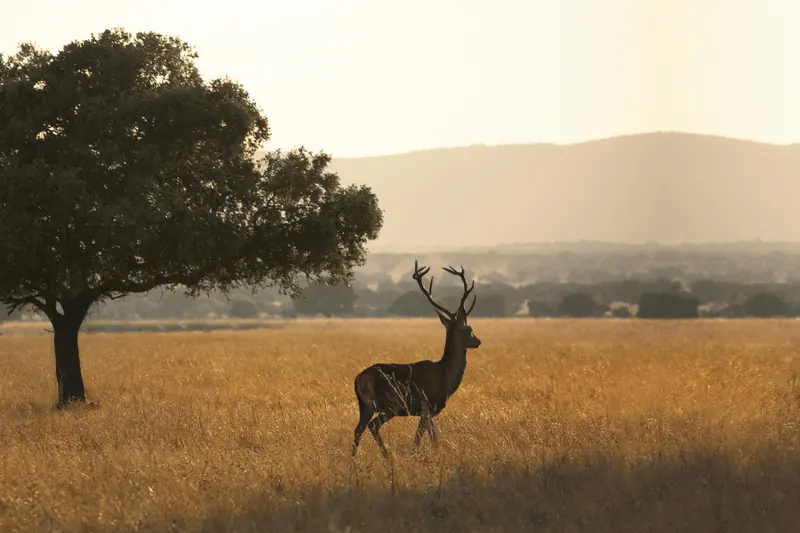
The Boquerón del Estena route in Cabañeros follows the river corridor from around Navas de Estena. The national park lists six kilometres out and back from the trail car park, or ten if you start in the village. That difference matters when you are walking with children or have booked lunch. Check the park’s notices after rain and give yourself time to stop where the rock walls close in around the river.
For cycling, look at sections of the Camino Natural de los Humedales de La Mancha near Alcázar de San Juan and Campo de Criptana. Work out where you will turn around and keep water for the return journey across exposed ground. If the day is about watching birds as well as riding, include a stop at a designated viewpoint. In Ruidera, check where water activities are allowed and how you reach the right access point. The shore where you stop for a view may have its own restrictions.
Routes and itineraries
What to see in Ciudad Real province in two days
Spend your first morning in Almagro at the Corral de Comedias and in the old streets. If there is time and you have confirmed access, go to Calatrava la Nueva for the afternoon, then return to town for dinner. Start the second day at the Tablas de Daimiel. If you have a place on a Motilla del Azuer tour, let its start time dictate the order. You can swap the two visits, keeping your longer walk for the cooler or brighter part of the day.
Four days with the windmills and the Campo de Montiel
Add a day for Campo de Criptana and Alcázar de San Juan. Go to the mills in the morning if you want to see the light across the plain before heading down through the Albaicín. For birdwatching, consider the Laguna de Salicor reserve north of Campo de Criptana. Check conditions and access before adding it to the day. On day four, choose Villanueva de los Infantes with San Carlos del Valle or make for Ruidera to walk beside the lakes. If you have an extra night, move your base east to give the towns and lakes separate days. That leaves time for a proper walk in each.
An extra day or two in the west
If you are heading to Cabañeros, work backwards from your chosen route to decide where to spend the night before. Set aside another day for Almadén and the Valle de Alcudia if you want to see both. A night in the west can save a long return journey to the other side of the province. It also gives you room to stay in the mining town or stop along the valley without trying to fit in a second park that afternoon.
Where to stay in Ciudad Real province
Almagro or Ciudad Real. Pick Almagro for a walk to dinner after exploring the Campo de Calatrava and Daimiel. The provincial capital works well for a late train arrival or for drives heading in different directions. If you have a car, ask about parking and the distance from the drop-off point when you are carrying luggage.
Alcázar de San Juan, Valdepeñas or the Campo de Montiel. Alcázar is a sensible place to wake up for the mills and La Mancha’s wetlands. Valdepeñas is handy when a winery visit is the focus of the weekend. Around Villanueva de los Infantes or Ruidera, you can spend two mornings on the stone towns and the lakes without driving across the province first.
The Montes de Toledo or the Valle de Alcudia. In Cabañeros, stay near the road into the part of the park you plan to see. For mining heritage, look around Almadén. For an early start in Sierra Madrona, consider Fuencaliente. If you are booking a rural house away from town, find out where you will get dinner or buy food before leaving the main road.
See places to stay in Ciudad Real province (opens in a new tab)Affiliate link: if you book through it, we may earn a commission at no extra cost to you.
Practical tips and common mistakes
- Save the two Calatrava locations separately. For the castle and monastery, enter Calatrava la Nueva and Aldea del Rey. For the fortified site by the Guadiana, enter Calatrava la Vieja and Carrión de Calatrava. Use the meeting point from your Motilla booking rather than the Tablas de Daimiel visitor centre.
- Start with the visits that have a fixed time. Book the archaeological visit or performance and arrange less structured stops around it. Add time for parking and the walk to the venue, especially if you are combining a meal and a performance.
- Choose the wetland outing that matches your plans. Bring binoculars and give yourself time in the hides at Daimiel. In Ruidera, choose the lake and approach together, then check for park notices after heavy rain or during the swimming season.
- Allow for sun and wind on open ground. Windmill ridges, boardwalks and paths through the vineyards offer little shade. Take water and make time for an indoor stop when a hot afternoon is forecast.
- Use a change of base for the longest drives. Cabañeros, Sierra Madrona and the eastern lakes each reward a full day. Keep the transfer between bases simple and save longer walks for the places you came to see.