Español
 English

Why visit Gipuzkoa province
The best things to do in Gipuzkoa province fall along three routes. The first links the bays and ports from the French border to Mutriku. The second climbs the Oria valley through the market towns of Tolosa and Ordizia. The third runs through the interior towards Loyola, the Deba valley and the sanctuary of Arantzazu. San Sebastián can be your first stop and your coastal base. Inland days work well when built around a valley or one main visit.
In this part of the Basque Country, you can see how a ship is put together in Pasaia, follow the cliffs around Zumaia and have lunch at a cider house in the hills above Donostia. Each activity has a natural rhythm. Give a harbour a morning with good light and leave a separate slot for a market or a sanctuary. Include the walks between the railway platforms, the water and the centre of each town when you decide how much to fit in.
When to go
June and September give you room for coast, markets and hill walks. In spring, pair an outdoor outing with an indoor visit whose time you can move if there’s rain. A short walk around a bay is often more comfortable on a windy day than a stretch of exposed headland. For seeing the layers of the flysch, light and tide matter more than the month.
In summer, decide between staying near the sand and using San Sebastián as a base. If most of your mornings are for surfing at Zarautz, staying in town makes the walk from the lesson and the return with wet kit easier. If you want the bay, the small museums around the port and the old streets, a room in the city lets you walk. During Aste Nagusia, compare the event venues with the street where you plan to sleep.
In autumn and winter, try a market and a heritage visit paired with a short walk. Overcast days can still work for Oñati, Tolosa or an indoor visit at Pasaia. Let ground conditions guide any route higher up. If a cider house is central to your trip, check what the individual venue offers on the dates you have in mind. You can then arrange a nearby visit around a longer lunch.
Getting there and around
Airport choices and arriving overland
San Sebastián Airport is in Hondarribia. Compare the full route to your accommodation if you find more convenient flights into Bilbao or arrive overland from France. Aena’s 2026 information included the bus from Bilbao Airport to the Intermodal station. If you take it, allow for the onward leg to San Sebastián. From the north, find out where your main ticket ends and how many changes the local journey involves.
On the 2026 Euskotren map, the Hendaia corridor connects Hendaye and Irun with San Sebastián. For San Sebastián’s centre, keep Amara separate from the intercity station by the Urumea. At Pasaia, the station name refers to a municipality with settlements on different shores. The time from the platform to the part of the harbour you want to see depends on the exact stop and the approach.
Coastal railway and inland valleys
The 2026 Euskotren network connected San Sebastián with Zarautz, Zumaia and Deba. The train makes point-to-point walks possible. Check the official path you want to use and how you will get from the end of the path to the platform. If your destination is Getaria or Mutriku, look up the last bus leg or the walk from your chosen connection.
Inland, choose a main stop and one short connection in the Oria valley. Tolosa and Ordizia are worth separate visits if you want to see their squares and shops and stop for lunch. A car helps with the dispersed sights around Oñati and Arantzazu and with trailheads up the side valleys. If you are changing hotels, pick one planned visit along the way and allow for storing bags, driving uphill and finding parking.
What to see in Gipuzkoa province
Things to do in Gipuzkoa province from the bay to the border
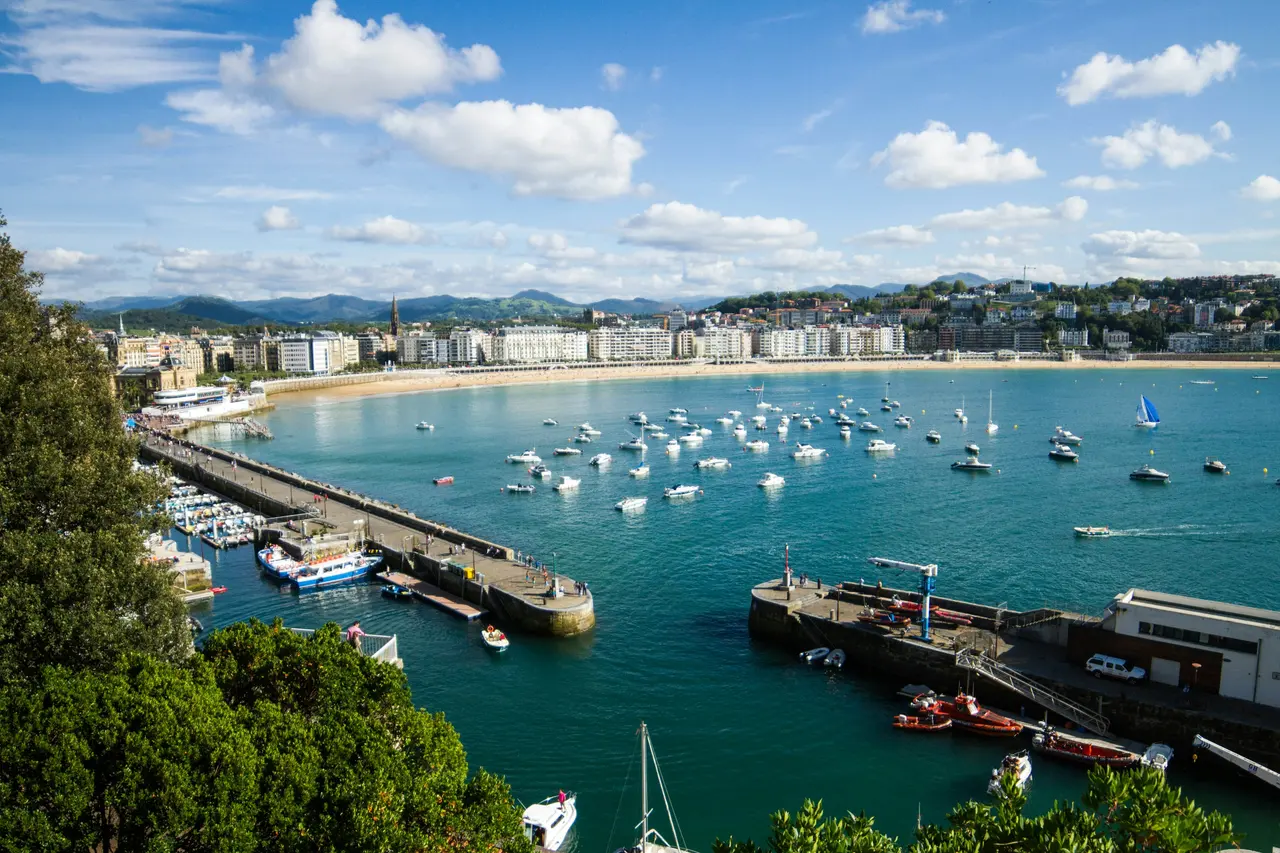
In San Sebastián, follow La Concha from the City Hall towards Ondarreta and the Wind Comb. The old town and Mount Urgull work as a separate outing from the western end of the bay. From the harbour, climb far enough to see why the old streets developed at that end of the beach. Keep the open part of the bay for good visibility across to Santa Clara Island and both headlands.
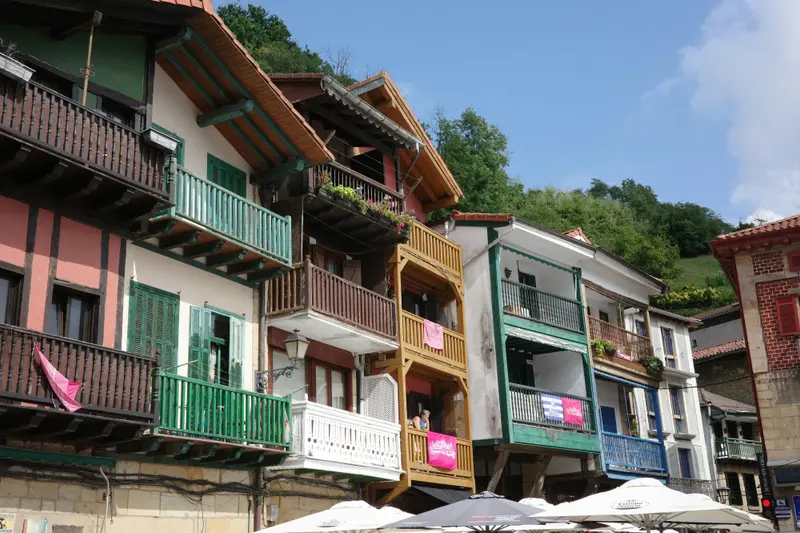
In Pasaia, choose between Pasai Donibane and Pasai San Pedro before setting out. The first has a narrow waterfront street where houses fit between the water and the slope. The second puts you close to maritime workshops and views towards the harbour entrance. If you want to join the two shores, check your options on the day and leave time to walk in each. From San Sebastián, you can explore a single shore and leave the other for a second outing.
In Hondarribia, walk through the walled old town and then down to La Marina, with its balconies, flatter streets and ties to the bay. Pair it with Irun if you want to see how both towns sit around the Bidasoa estuary. Save Jaizkibel for good visibility: the perspective from the ridge, the beach and the harbour changes considerably.
At Irun, Plaiaundi is a good place to spend time with the birds of the estuary. Keep the walk short enough to stop by the water and see where the birds gather. If you are coming from Hendaye, you can consider it on your way into the province or just before leaving. With luggage, check where you can leave your bags before making a detour.
From the cliffs to the Goierri hills
At Zumaia, go up towards San Telmo to see the bands of rock that surround Itzurun. Use the geopark’s described paths and choose high viewpoints according to the sea conditions. Getaria and Zarautz make a second day, with a compact port followed by an open waterfront. With less time, walk through one town and keep the other for the following morning.
In Tolosa, follow the Oria and step into the streets of the old centre to see where the bridges and trading spaces are. Ordizia continues the story with its market square. Further west, Oñati and the sanctuary of Arantzazu offer enough for a full day. Do the visit you have booked first and use the remaining time for nearby squares and scenic stops.
Monuments and heritage
At the Loyola sanctuary in Azpeitia, compare the house associated with Ignatius of Loyola with the much larger basilica. Look at where each sits in the complex before you go inside. Continue into Azpeitia for the rest of the morning and keep another valley for a different day. That gives both the town and the sanctuary space in the itinerary.
In Oñati, the historic University of Sancti Spiritus tells a different story from the buildings of the fishing ports. Look at the façade and walk around the town before climbing to Arantzazu. Here the sculptures are part of the façade, and the sanctuary’s position above a ravine makes the approach memorable. If cloud comes down during the climb, spend longer in Oñati and consider a short stop at the sanctuary or leave it for a clearer day.
In Getaria, the church of San Salvador stands on the way down to the port. In Hondarribia, the walls determine how to enter and leave the old town. Walk each centre at two different heights to see how the buildings respond to defence, terrain and proximity to the water. Mount Urgull in San Sebastián offers a third version of this relationship between a town and a bay.
Museums and culture
Albaola, in Pasai San Pedro, focuses on the craft of building boats in wood. Before you go in, study the quays and the narrow harbour mouth. In Getaria, the Cristóbal Balenciaga Museum lets you shift your attention from the headland to the details of a garment. Look at how tailoring and fabric create its shape.
For a view of life and work in a Basque farmhouse, visit Igartubeiti in Ezkio. House, workshop and cider-making equipment explain an economic world that complements the markets of the Oria valley. Check the museum’s calendar and pick one other stop close by. If you are visiting with a family or someone who walks shorter distances, one focused indoor visit leaves time to walk through a small town outdoors.
At Azpeitia, the Basque Railway Museum offers another way to understand the Urola valley. Pair it with the Loyola sanctuary if you’re interested in railways. The collection gives you a point of comparison with the network you use to get around today. If you are travelling by public transport, work out the approach to both sites before setting a time for lunch.
Charming villages
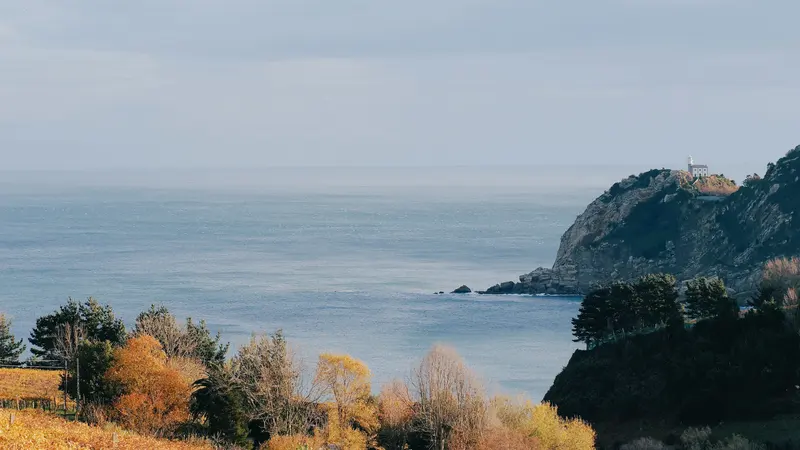
In Getaria, it is a short distance from the highest part of the old streets to the harbour. Allow time to look at the outline of Mount San Antón from the quay. Orio sits by a river and climbs up the slope. Start in the old streets and finish by the water to see the relationship between the two levels. Decide which side of the river you want to finish on before you plan the return.
Mutriku has steep old streets above its harbour. See the upper lanes as well as the quays, and leave a pause before climbing back. Deba sits in a more open setting near the sea and works as a starting point for the geopark. Give one town the heritage visit and the other the walk if your focus is the coast. Add time to find the right return stop.
In Zerain and Segura in Goierri, the focus shifts to rural life and the shape of a historic valley town. Zerain helps explain how people worked in the surrounding country. In Segura, look at the scale of the streets and buildings in relation to the old routes through the valley. Idiazabal gives you the context for the region’s sheep’s milk cheese. Two stops and one long lunch offer time to explore each place.
On the eastern side of the province, Lezo gives another view of Pasaia Bay. Walk around the centre before deciding whether to continue towards Hondarribia. Keep the eastern shore as a day of its own. If you also visit Getaria or the geopark that day, most of the afternoon can disappear in the journey between the two areas.
Nature and protected areas
Flysch and the limestone valleys
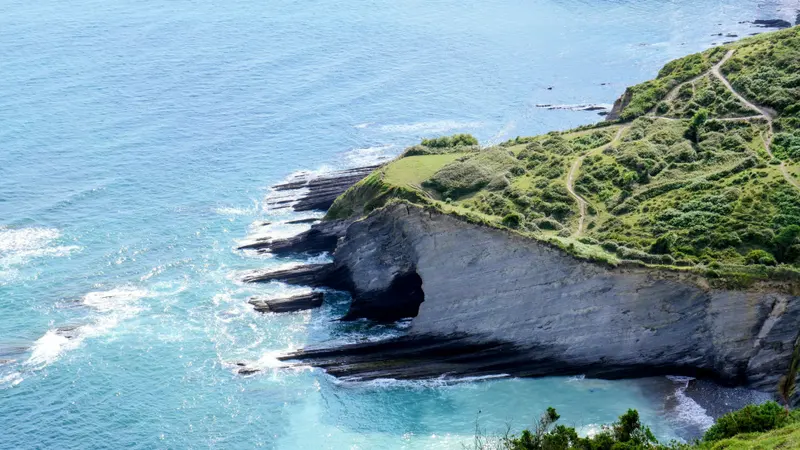
The Basque Coast Geopark covers Zumaia, Deba and Mutriku. At the shore you’ll see rock layers tilted or folded into the cliffs. Inland, the forms produced by erosion of limestone are visible around Lastur and Olatz. Give the shore and the inland valleys different slots in the itinerary. Start with the Algorri trail or the geopark’s route of viewpoints and keep a map handy so you can identify what you’re looking at.
At Aiako Harria, near Irun and Oiartzun, the mountain skyline contrasts with the low wetland around Txingudi Bay. Look at the walking routes from Oiartzun or stay close to the wetlands if the hilltops are hidden. Further inland, Aralar and Aizkorri-Aratz have pasture, woods and routes that require careful attention to distance and navigation. Check which side you are starting on. The approaches from Álava and Gipuzkoa make different days out.
Beaches in Gipuzkoa province
La Concha and Ondarreta lie inside San Sebastián’s bay. Zurriola, east of the Urumea, faces the swell more directly. You can change beaches on foot if you simply want a walk. If you are planning a swim, choose the beach for the conditions and check the flags and information at the entrance.
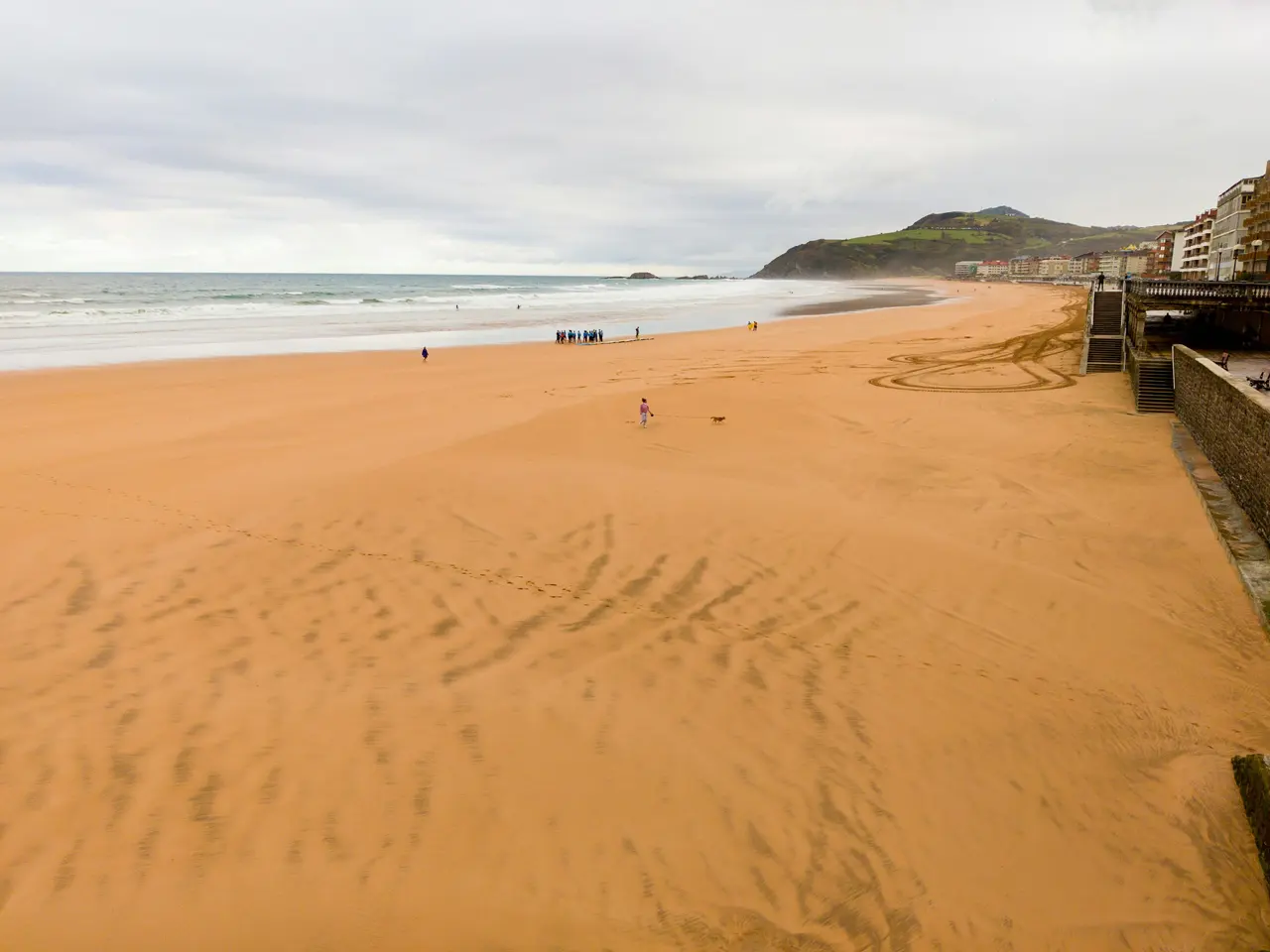
Zarautz has an open beach with a promenade that lets you choose your distance. At Getaria, the harbour divides two stretches of sand. Compare their positions to see why wind and swell can affect them differently even in the same town. At Hondarribia, take the beach and La Marina together and give the upper town a separate slot so you can spend time by the gates and walls.
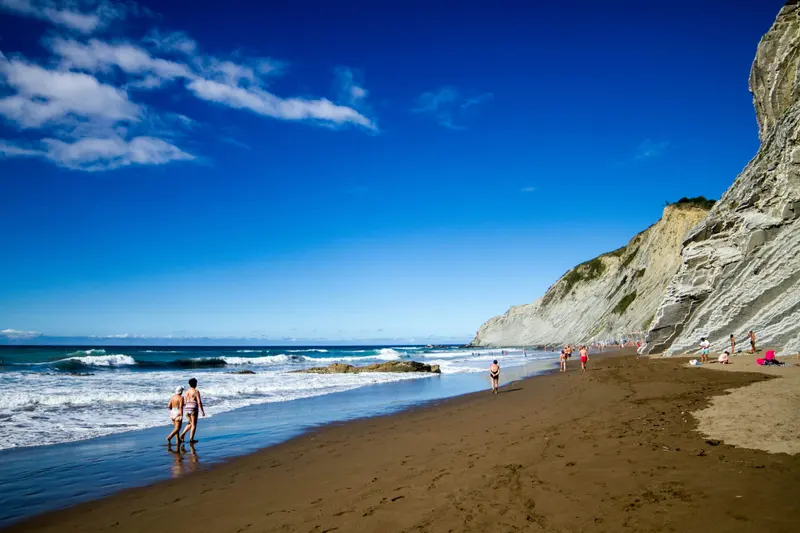
At Zumaia, Itzurun lies under the cliffs and gives a view of the rock from sand level if conditions allow. If the geology is your main reason for going, start at the San Telmo viewpoint and go down later if the access and weather suit. Further west, Deba is an option for combining a beach visit with a short walk around the centre and river mouth.
If you are coming by train and carrying beach gear, look at the route from the station before deciding between Deba, Zumaia and Zarautz. In each, the water and the station appear close on a map, but the path can include a stretch through town or up a slope. Splitting long coastal stretches across two mornings also leaves time for a meal while the kitchen is open.
Festivals and traditions
San Sebastián’s Aste Nagusia, or Big Week, ran from 8 to 15 August 2026. Events took place across the city, with the bay attracting much of the evening audience. If you travel during the festival, decide which parts of the programme interest you and how you will get back to your accommodation. Consider seeing the old town and waterfront in the morning, before the events you have chosen.
Inland, look for food fairs and demonstrations of rural sports. Tolosa and Ordizia both show how a market square links a valley with the surrounding farms. Check the local council’s listings for the year of your trip. San Sebastián’s Tamborrada drum festival is another way to see the city neighbourhood by neighbourhood. Look at the official programme and decide where to watch before setting out, since groups use streets in different parts of the city.
What to eat
In Getaria, try grilled fish and local txakoli at the harbour. Ask about the size of the fish if you are sharing, and leave time for a walk around the port afterwards. In San Sebastián, try a few pintxos in different styles and spread them between a couple of bars. Make another day for the inland towns if you want to know where some of the cheese, meat and vegetables come from.
At Tolosa, look for the local beans served with accompaniments. At Idiazabal, ask about sheep’s milk cheese and the differences between smoked and unsmoked versions. In Astigarraga and Hernani, a traditional cider house meal can include salt cod omelette, steak and cheese. Txotx refers here to the way cider is served straight from the barrel. Find out how it works at your venue and plan your return before you book if you intend to drink.
Sport and outdoor activities

At Zarautz and Zurriola, compare the sea conditions and how close the meeting point for surfing is to your accommodation. For a walk without a car, the route between Zarautz and Getaria can begin or end right by the water. The Northern Way of the Camino de Santiago offers hillier sections with climbs and descents between towns. Work out where you can leave the path and return by public transport if you need to shorten the day.
The former railway in the Leitzaran valley gives you a way to walk or cycle well away from the coast. Arditurri combines a ride from the Oiartzun area with the former mining landscape in Aiako Harria. Look at the route back and pick a point where you can turn around. In Aralar and Aizkorri-Aratz, study the elevation and markings before choosing between a peak and a simpler approach walk.
Routes and itineraries
Three days on the coast
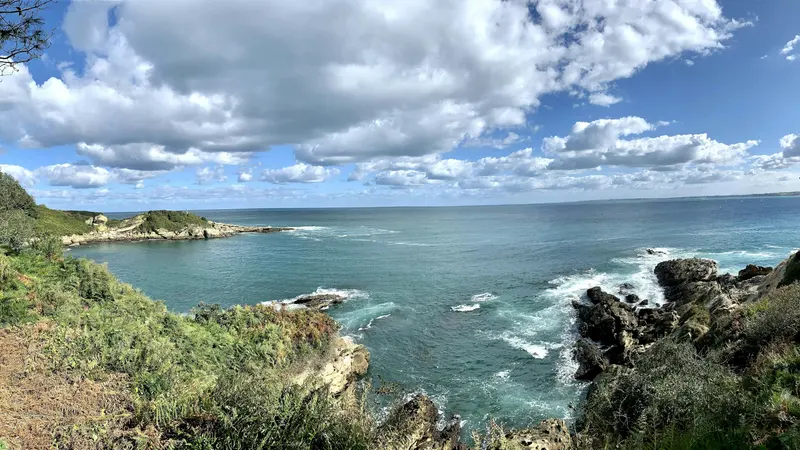
Walk from San Sebastián harbour to Ondarreta on the first day. On the second, combine Zarautz and Getaria and leave time for the museum or the seafront. On the third, choose Zumaia for the flysch or Hondarribia and Pasaia for harbour towns. Switch the order to get clear weather for the coastal viewpoints.
Five days with time inland
Give Oñati and Arantzazu one day and Tolosa or Ordizia another, with a meal or a nearby visit. If you are coming from Bizkaia, use the day in transit for the western part of the geopark and leave Hondarribia until later. If you are continuing to Álava, finish inland. A night outside San Sebastián can simplify two consecutive day trips that both start far from the coast.
Travelling with children
La Concha’s promenade makes it easy to stop, turn back or return through the city. In Getaria, watch the boats at the quay before deciding whether to add the museum. An inland greenway gives you control over where to turn back. For a day on the flysch coast, use one viewpoint and see if everyone can spot which way the rock layers lean. A visitor centre is a practical change of plan when it is too windy to spend long at the cliffs.
Where to stay in Gipuzkoa province
San Sebastián makes sense if you’re combining beach, museums and day trips by train. Consider Gros for Zurriola, Centro for the bay and Antiguo for Ondarreta. Zarautz and Getaria work if the western coast is your priority. Hondarribia is useful if the trip begins or ends by the Bidasoa. For markets, farmhouses and hill walks, choose the valley where you will spend the most time and check whether you can eat a meal within walking distance when you return.
See places to stay in Gipuzkoa (opens in a new tab)Affiliate link: if you book through it, we may earn a commission at no extra cost to you.
Practical tips and common mistakes
- Find the right neighbourhood and shore. In Pasaia, look up the settlement and the landing or stop that serves it.
- Check sea conditions first. At the geopark, follow the marked approaches. Use a viewpoint if the conditions on the shore are uncertain.
- Cluster inland stops by valley. Allow for the road, the approach and parking, even if a market and sanctuary seem close on the map.
- Ask about tour languages. When booking a museum or guided walk, ask which language the session is in and confirm where it starts.