

 Español
 English

Why visit Zarautz
Start at the west end of the promenade in Zarautz and walk east. At first the old town is just behind the beach. By the far end of the sand, you are beside the dunes at Iñurritza. Following the coast in one direction lets you see that transition instead of making a short visit to the sand. Come back through town and you can explore a medieval tower, an archaeological site and a museum of photography without another journey.
Zarautz is part of Urola Kosta in Gipuzkoa province. It works well for a short trip to the Basque Country if you want to mix the beach with a few visits indoors. The town is small enough for two people to spend the morning separately, one on a surf lesson and the other in the old town, and meet up again on foot. Stay a second day to walk along the coast to Getaria or see the Oria estuary.
When to go
Late spring has long days for combining the old town and the shore. Go inland in the morning and return to the promenade later, when the sun is lower over the water. In summer, the promenade is busier and the tide makes a difference to how much sand there is. Have a look from above before carrying your things down, particularly if you want to sit away from the central entrances.
Early autumn is a good time to make the most of the coastal paths or watch the surf. The walk towards Getaria is exposed enough for conditions to matter. If it is raining, visit the Photomuseum and return to the dunes once there is a break in the weather. The Basque Week celebrations in September give the streets and squares of the old town a different focus.
Getting there and around
The 2026 Euskotren network connected Amara station in San Sebastián with Zarautz, Zumaia and Deba. From Zarautz station, walk to the old town before going down to the sea. For a visit by train, it makes sense to choose the museum or walk that brings you closest to the station at the end of the day.
By road, the AP-8 serves the town. The N-634 follows the shoreline towards Getaria, with a footpath alongside it between the two towns. Once in Zarautz, the old town, promenade and dunes make one continuous outing on foot. Take account of the walk back if you head to the far end of the beach in the afternoon. Returning through the streets gives some variety and lets you stop in the old town before going to the station.
What to see in Zarautz
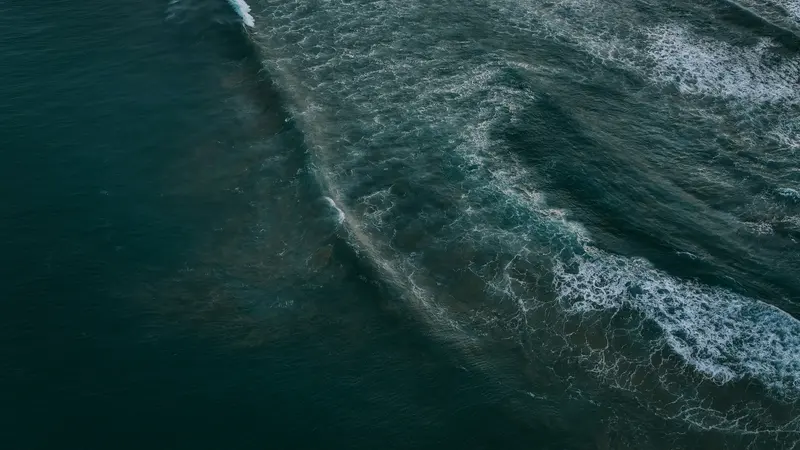
Promenade and the walk east
From the western part of the promenade, near the parish church and Narros Palace, you can see the turn of the shore and judge the distance to the dunes. As you walk east, large stretches of open beach come into view between the waterfront buildings and the dunes. Go out along the paved promenade and come back on the sand if the tide and sea conditions allow.
Old town, Musika Plaza and Luzea Tower
Enter the old town by Santa María la Real and use Musika Plaza to get your bearings. Walk along Kale Nagusia to Luzea Tower and take a parallel street back towards the square. Leaving the main route gives you a sense of the size of the historic centre. The whole area is just behind the west end of the beach, which makes an architectural walk easy to combine with time outdoors.
Narros Palace and the west end
Narros Palace stands by the western end of the seafront. See it from the exterior and look at where it sits between the old town and the modern prominence of the promenade. The coastline continues west from here towards Getaria. Another day gives you more time for that walk if you still want to see the parish church and museum.
Monuments and heritage
The Santa María la Real complex includes a church, a bell tower and an archaeological site. The traces of buildings and burials explain how the site was reused over time. Check the visitor arrangements if you want to go inside. From the outside, the tower is easy to pick out near the western end of the beach as well as from the streets around the church.
Luzea Tower has the proportions of a medieval tower house. Compare it with the architecture of the seafront, which reflects later uses of the town. Other buildings in the old centre include Casa Portu, now the town hall, and the Franciscan and Poor Clare convents. A walk between the tower and the parish church takes you past civic, religious and defensive buildings within a small area.
Museums and culture
The Photomuseum is devoted to photography and film. Its collection offers a way to look at changes in cameras, projection and how an image is recorded and viewed. Check what is on during your visit if a particular exhibition interests you. It fits best into a walk through the old town, with the archaeological site as a separate indoor stop. Allow enough time to see the equipment as well as the images. The machines themselves explain a good deal about the pace and limits of early photography.
Neighbourhoods and areas
The old town sits just back from the west end of the beach and is convenient for switching between monuments and the water. Along the seafront, look for the street entrances to the promenade. They make better meeting points than a general reference to the beach. Iñurritza is at the far eastern end, where the river mouth and protected area change the character of the shoreline. The streets near the station are a useful starting point for days with a train journey, particularly if you want to make short trips to more than one coastal town.
Nature and protected areas
The protected Iñurritza area covers dunes and an estuary. The boardwalk lets you see the different plants while keeping foot traffic off the dunes themselves. Take a moment to look inland from the end of the walkway, where the change from open sand to vegetation is easier to see. A short visit shows the contrast with the urban promenade. For a longer outing, make it the turnaround point on a walk the full length of the seafront.
Beaches in Zarautz
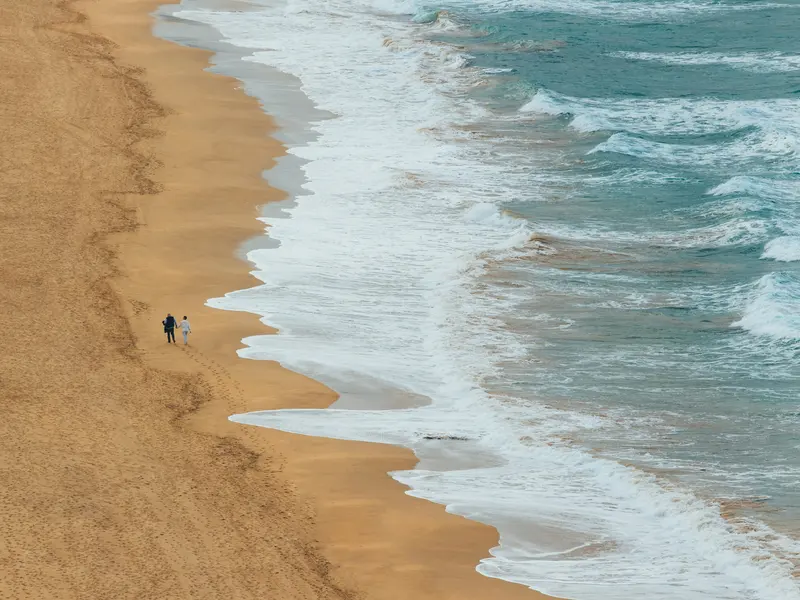
The beach at Zarautz measures around two and a half kilometres according to Basque Country tourism. It is one continuous stretch of sand, the longest in the Basque Country. The west end is closest to the old town, the middle runs beside much of the urban promenade and the dunes stand at the eastern end.
Several breaks draw surfers to this exposed beach, though conditions vary with the swell and tide. Use the marked bathing area if you want to swim. For a lesson, a school can choose a suitable point of entry on the day. You can also see the shape of the waves from the promenade, which is useful when you are deciding whether to stay on the sand or continue towards the dunes.
Festivals and traditions
The 2026 Euskal Jai Eguna, on 9 September, was the closing day of Basque Week. The programme included traditional Basque activities and dancing. If you plan to come for a future edition, use the programme to see which parts of the town to visit and set aside a separate stretch of the day for the coast. The San Pelaio festivities take place in June, with the dates of individual events published for each edition.
Routes and itineraries
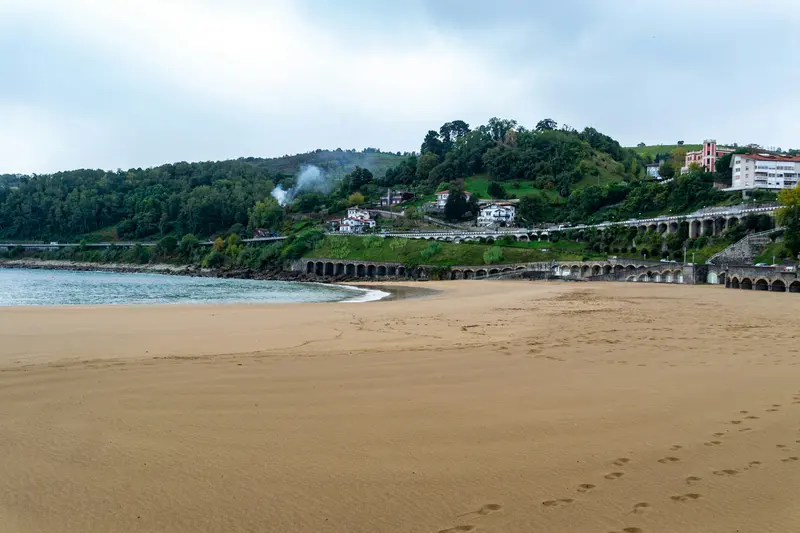
One day in town. Start at Santa María la Real and walk through the old town. Choose the Photomuseum or the archaeological site for the middle of the day, depending on opening arrangements. Then go out along the seafront towards Iñurritza. If the tide has come in by the time you are ready to return, the upper promenade remains a way back towards the old town.
Two days including Getaria. Follow the footpath west beside the N-634 on the second day. Make time in Getaria to walk down to the harbour from the centre and back up through the old streets. The walk also works in reverse. Finish in Zarautz if you would like to end the day close to a railway station.
Day trips
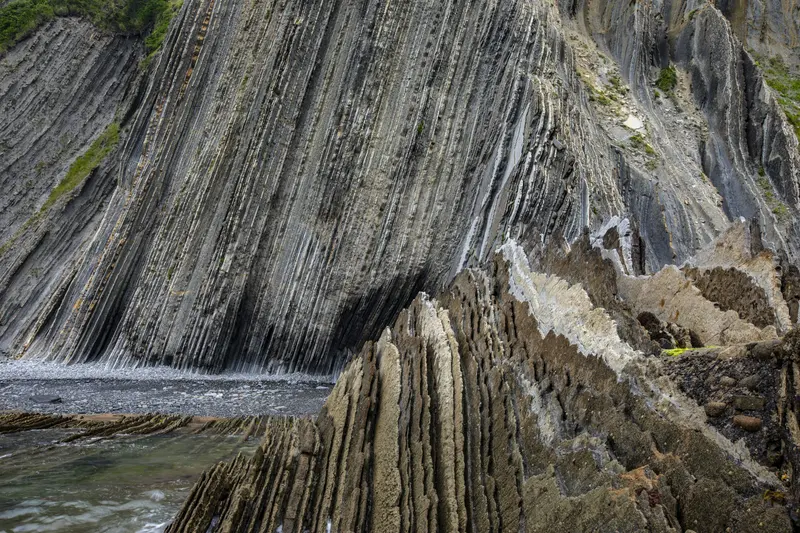
Give Getaria its own morning if you want to go to the Cristóbal Balenciaga Museum and still have time at the port. Zumaia has a different stretch of coastline around the San Telmo chapel and Itzurun beach. See the Geopark’s routes for ways to view the layers of rock in the area, and choose one to suit the sea conditions. Orio is a shorter trip for a walk through the old town and along the estuary. Check the location of the station, quays and beach before you pick an order for those stops.
Where to stay in Zarautz
The old town is handy for heritage visits and the western end of the sand. The promenade is more convenient if you are planning several days by the water. If you expect to take the train often, see where the property lies in relation to the station. At rural properties and on the slopes above town, you may need to arrange transport to the waterfront. Decide what you’ll do first on most days and choose a part of the town that shortens that journey.
See places to stay in Zarautz (opens in a new tab)Affiliate link: if you book through it, we may earn a commission at no extra cost to you.