Español
 English

Why visit Bizkaia province
When choosing things to do in Bizkaia province, divide the map into the Bilbao estuary, the banks of Urdaibai, the eastern coast and the inland valleys. You can have breakfast by a former dock, spend the afternoon on an open beach and give the next morning to a town that grew up on a trade route. The shapes of the estuaries and valleys help you put those places in a sensible order.
In the west of the Basque Country, the industrial history is visible on both banks of the Bilbao estuary, from the former city shipyards to the port at the river mouth. The landscape changes to the east as the River Oka opens out below Gernika-Lumo and Mundaka. Lea-Artibai has towns that are still closely shaped by fishing ports. Enkarterri lets you follow the story of mining and railways through long valleys. Give each area a day if you want to go into museums and take a walk beyond the waterfront.
When to go
In spring, choose between gentle valley walks and more demanding routes when the surface is dry. A short woodland route is a good start. Keep a clear day for the rocky walls of Urkiola and the views towards the Arratia valley. In May and June, you can swap a museum morning for a coast morning according to the forecast. For the estuary, the state of the tide matters as much as the temperature.
In summer, put the coast first if you want time in the water. The open beaches often feel different from the bay shared by Plentzia and Gorliz. If you plan to swim several times in a trip, look for somewhere with an easy walk back from the beach. In a fishing town, narrow lanes and hills can make the route feel longer with bags. During festival weeks, check which streets the events will occupy before booking a room.
Autumn is good for markets, heritage and short afternoons outdoors. Start in Gernika-Lumo if you want to spend the second part of the day at the estuary. Watch from dry land to see how the extent of the marsh changes. In winter, choose a base with two alternatives close at hand. Portugalete offers quays and a historic centre on the same walk. In Bilbao you can walk between museums and neighbourhoods without crossing the province when rain arrives.
Getting there and around
From Bilbao Airport to both banks
Aena’s 2026 information included a bus from Loiu to Bilbao’s Intermodal station, with stops in the centre. If you are staying by the water, look at which stop leaves you on the right side of the estuary. Intermodal and Abando serve different routes. Include any walk between the two, especially if your accommodation is at the edge of the Ensanche and you arrive with luggage.
The estuary links Bilbao to the open sea, with several public transport corridors along its banks. The metro and suburban rail can bring you close to Portugalete, Santurtzi or Getxo. If you cross the Vizcaya Bridge, try going out along one bank and back along the other. In Getxo, Las Arenas is the neighbourhood at the bridge. Algorta and the Old Port lie further north. On a short visit, pick one for this outing and keep the other for a separate walk.
East towards Urdaibai and west into Enkarterri
The 2026 Euskotren network linked Bilbao with Gernika and Bermeo, with a stop at Mundaka on the same line. It works for an estuary visit that stays on the west bank. To walk on the eastern shore or fit several stops into a short afternoon, check bus connections or use a car. If you finish in a different town from the one you started in, keep the exact station name for the return trip.
For Enkarterri, settle the long journey before working out the short distances between villages and former industrial sites. Balmaseda makes a visit in its own right. If you also want to see Karrantza, allow for the diversion between valleys and leave one visit you can shorten. With a hire car, moving to a base by Urdaibai saves repeating the approaches to Bilbao each day.
What to see in Bizkaia province
Things to do in Bizkaia province around the Bilbao estuary
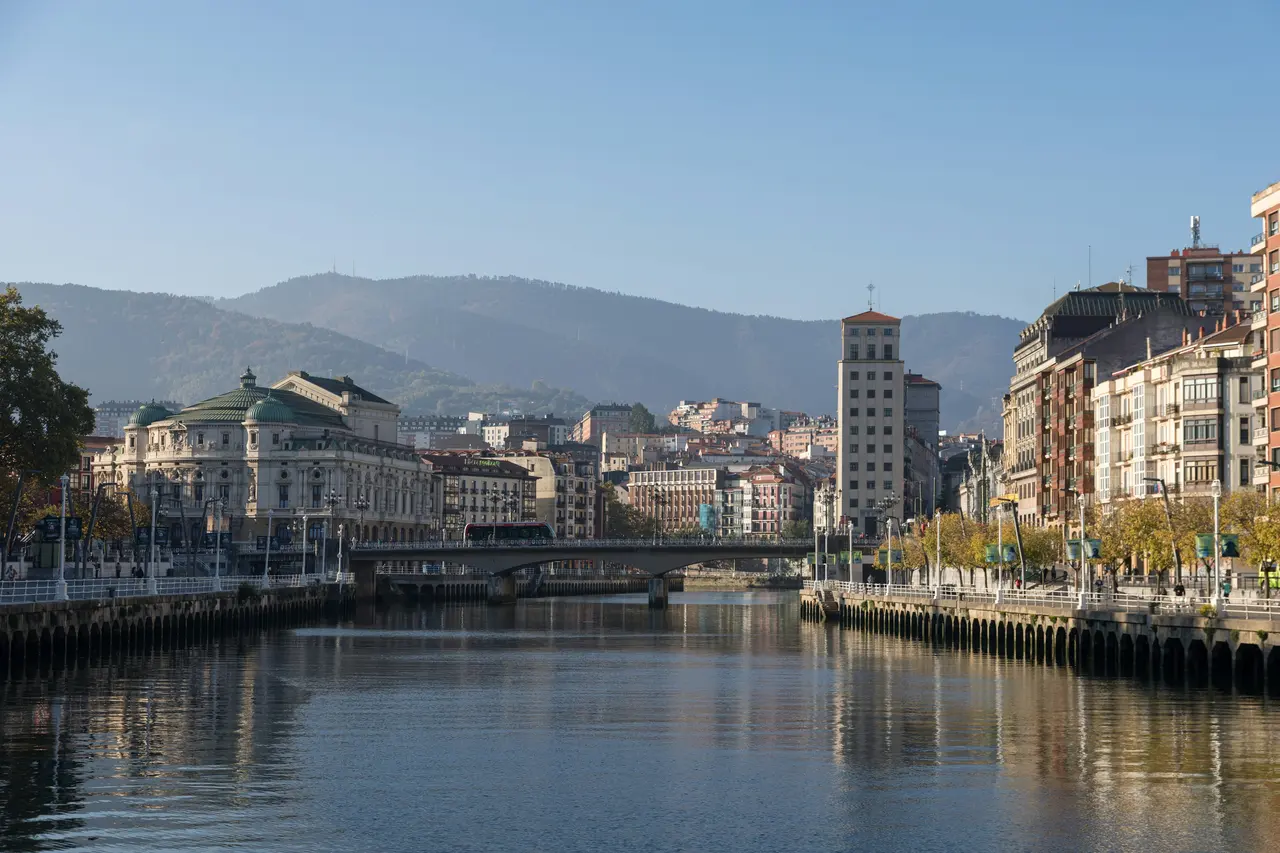
In Bilbao, begin in the old town, cross towards the Arenal and follow the water. You’ll see from the river how the Guggenheim changes the relationship between the city and its former docks. Continue towards Euskalduna for the shipyard story. If you plan to go inside the art museum, compare visits to the Guggenheim and fit the waterfront walk around the time you book. Make the Vizcaya Bridge the focus of a second day.
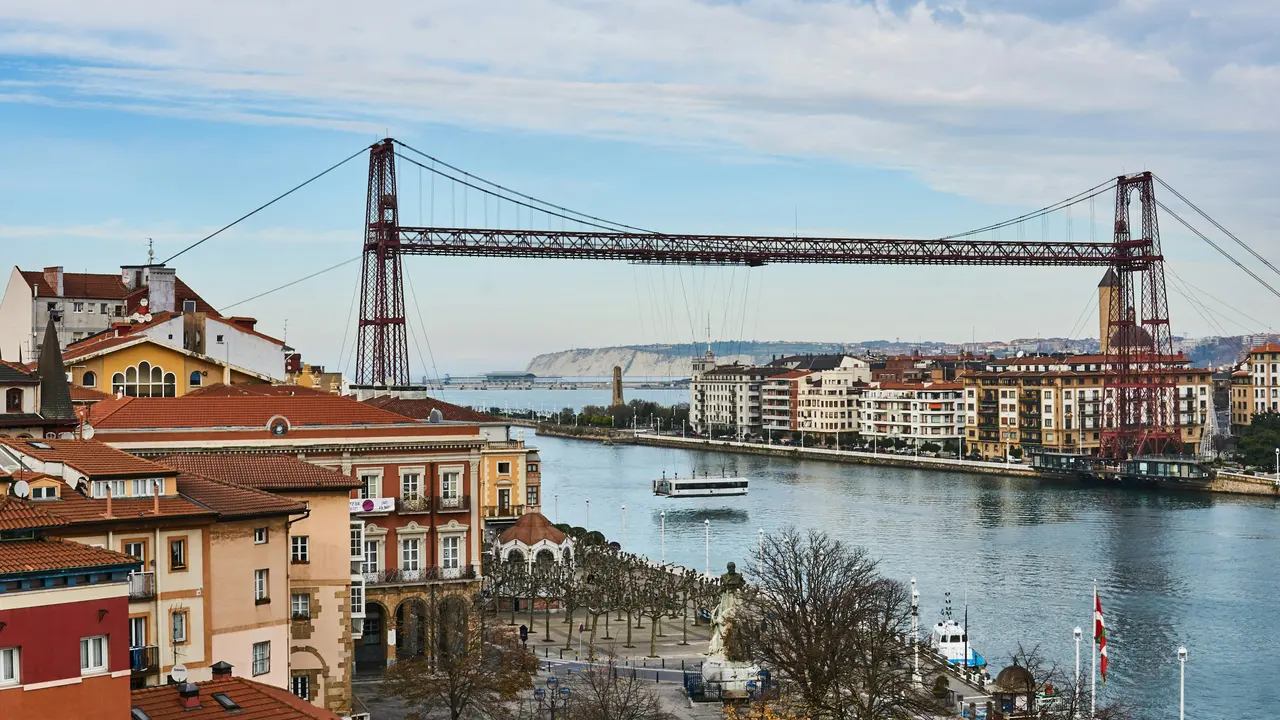
In Portugalete, walk up from the landing to Santa María Basilica and use a different street on the way down to see how the houses fit a steep hillside. After crossing to Las Arenas, walk along the waterfront and look out towards the Abra, the outer bay. For an extension, Algorta’s Old Port adds steps and a compact fishing neighbourhood above the promenade. Decide where you plan to turn back before adding that extra stretch.
Urdaibai and the island of Gaztelugatxe
Start in Gernika-Lumo for the history of Bizkaia before you see the estuary itself. In Mundaka, walk around the harbour and out to Santa Catalina chapel for a view of the bar at the mouth. Bermeo, just to the west, has a harbour that explains why local life developed around fishing. Try Gernika and just one of these two ports if you want to visit a museum or stop for a proper lunch.
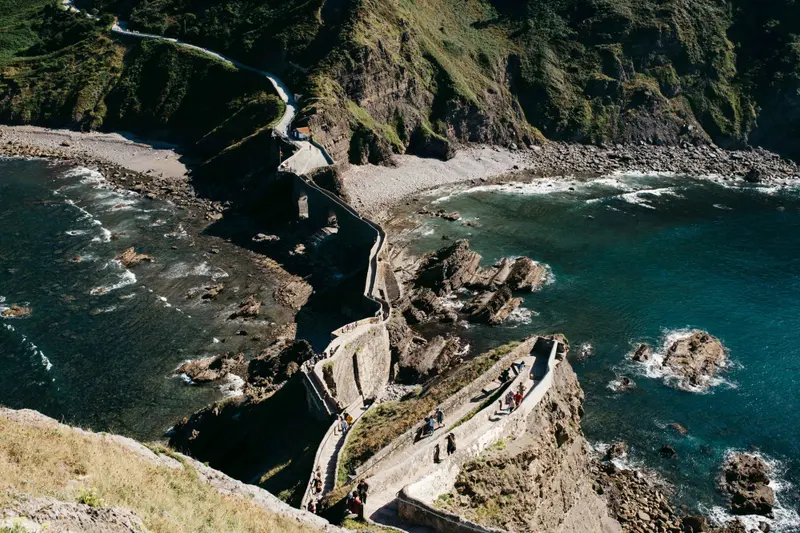
Gaztelugatxe lies between Bakio and Bermeo. A stone causeway and staircase join the shore to the rocky island and its chapel. In 2026 the provincial authority took reservations for dates with controlled access. Check the official calendar and decide whether to do the full walk based on how far your group wants to walk and climb. Allow time for the approach as well as the steps. If conditions change or the walk looks too long, choose a viewpoint on land and give the afternoon to the harbour.
Durangaldea and the western valleys
Durango and Elorrio are starting points for two heritage walks near Urkiola. In Durango, look for the porch of Santa María de Uribarri. In Elorrio, pass the old houses of the historic centre before continuing to the cemetery of Argiñeta. Keep a town walk on the list in case the hills disappear into cloud. On a clear day, spend a separate morning at the Urkiola pass and its viewpoints.
In the west, the Old Bridge of Balmaseda shows how the Cadagua crossing helped determine where the town grew. Start on one bank, follow the water and use the other side to climb into the centre. Further west, Karrantza has scattered settlements and long valley slopes. If Pozalagua Cave is the reason for the journey, organise the day around the cave visit and leave any other town for the return leg.
Monuments and heritage
The Vizcaya Bridge, completed in 1893 and recognised by UNESCO, carries a suspended gondola between the two banks. Watch it from the shore before crossing. The structure keeps the shipping channel open and makes sense when you imagine the traffic that passed underneath it. From the quays, compare the hillside of old Portugalete with the flatter layout of Las Arenas.
The Assembly House and the Tree of Gernika introduce the history of provincial institutions. Find out why meetings were held under the tree before you visit the site. The Peace Museum focuses on the bombing of 1937 and its memory. You can see both in one morning with a break between them. Afterwards, a walk in the marshland places the town in its wider landscape.
The interior retains evidence of resource extraction and long-distance trade. In La Arboleda, the ground itself shows how mining changed the uplands. In Durangaldea, Argiñeta has stone sarcophagi and grave markers beside a chapel. Both stops reward a measured pace. Pick a single object or feature to study before returning to the town centre or heading back down to the river.
For a second look at industrial Bizkaia, try El Pobal in Muskiz. Its setting by the Barbadun helps explain why a forge needed a river, and the valley gives you a different view of industry from the large installations along the Bilbao estuary. Combine the visit with the landscape of the western valleys. If you are staying in the city, draw a route that links the museum with one nearby stop before deciding where to have lunch.
Museums and culture
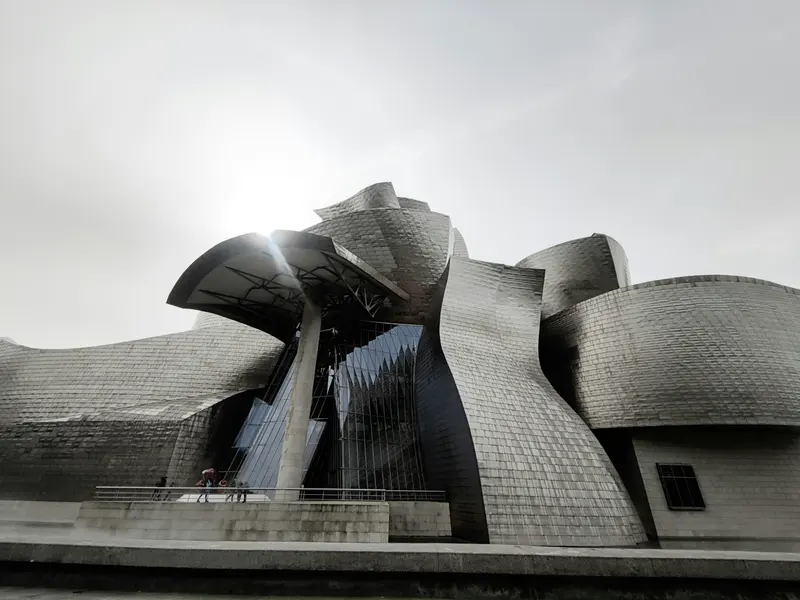
Beyond the Guggenheim, Itsasmuseum in Bilbao tells the story of work on the water near the old Euskalduna shipyards. Look at the docks outside the museum as well as the displays. In Bermeo, the Fishermen’s Museum in Torre Ercilla pairs well with a walk through the streets of the port. Before you go inside, look at the positions of the quays, the houses and the steep centre.
For art outdoors, the Forest of Oma is laid out so the painted trees form images when you stand in specific places. As you move, the pictures separate and come together again. Check the provincial authority’s practical information, including the walk to the forest. Give Oma and Gernika separate slots if you want to look closely at both.
Charming villages
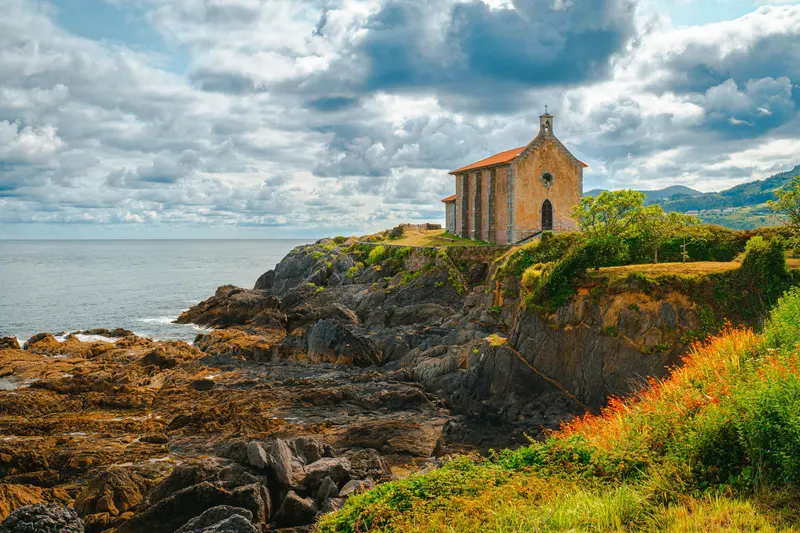
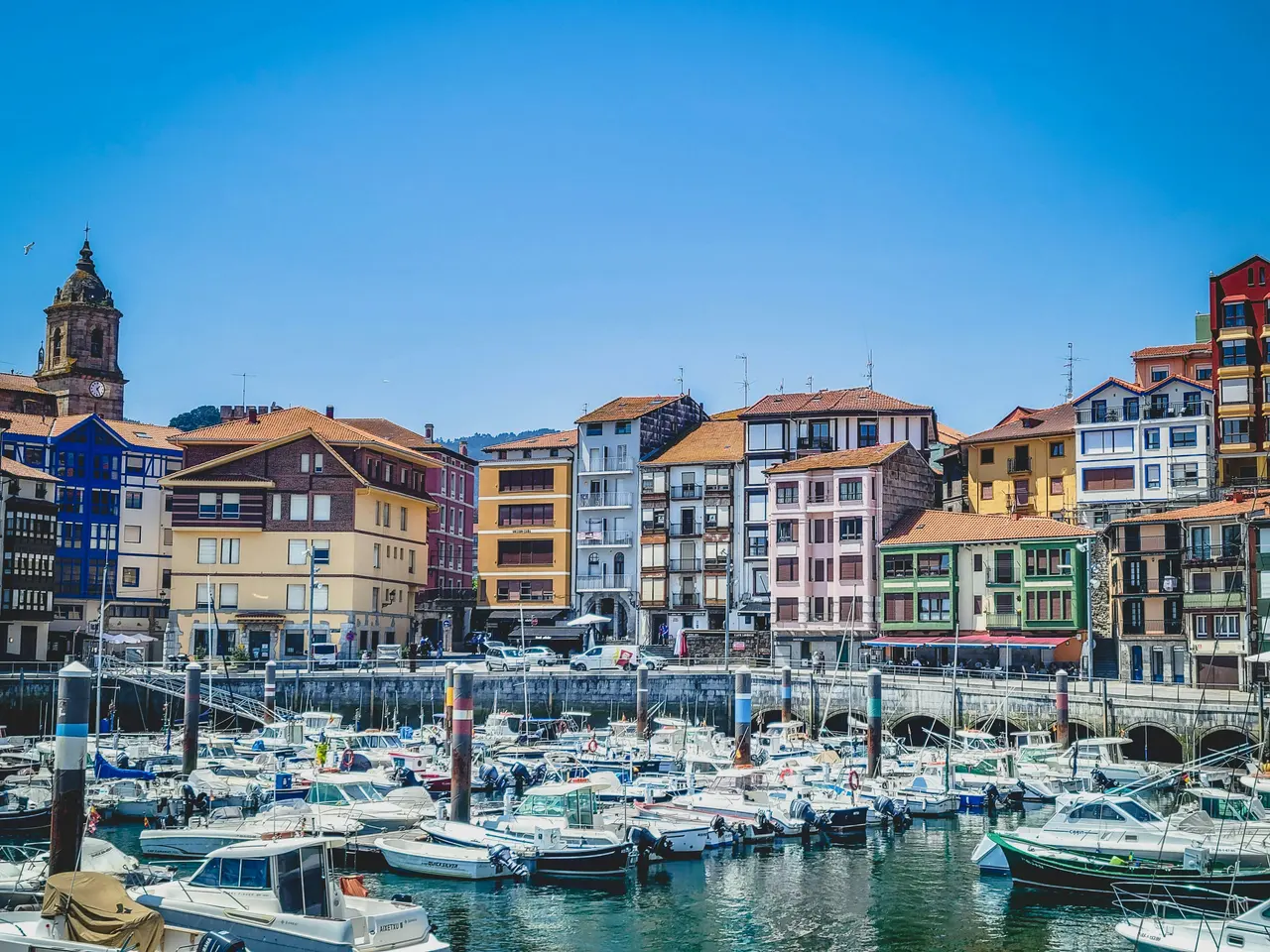
Elantxobe rises steeply from the harbour. At the water you can see the size of the quay, and from the top you can see how the slope determines the shape of the streets. In Ea, the village follows a channel and opens up as you reach the beach. If both are on the same afternoon’s route, pick one for a long walk and the other for a shorter stop.
Lekeitio and Ondarroa show how two fishing ports use their surroundings. In Lekeitio, walk between the basilica, the quays and the view of San Nicolás Island. In Ondarroa, follow the Artibai and look for the bridges that tie the port to the town. Inland, Markina-Xemein offers local architecture and a possible continuation towards Ziortza-Bolibar. Explore the centre first and add the other stop if you still have time before lunch.
Balmaseda and Elorrio are good choices when you want squares and buildings for the morning. In each, turn down a side street to see what happens nearer the river or the edge of the old centre. For someone who walks only short distances, a square, a bridge and somewhere to sit offer a good sense of the town without committing to a full circuit.
In Mundaka, walk from the busy side of the harbour towards Santa Catalina. The chapel stands on a small headland with rock below it and gives you a second angle on the estuary. This short route works when you are travelling by train and want time to sit by the water before continuing.
Nature and protected areas
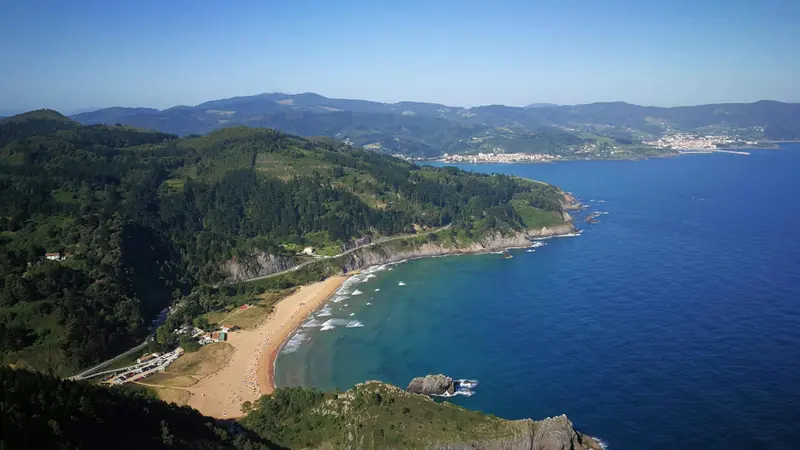
The Urdaibai Biosphere Reserve brings marshes, woods and beaches together around a single river. If you want to watch birds, pick between a wide overview of the landscape and a fixed observation point. Look at the direction of the light and the way the water is moving. Low water uncovers mud and channels and changes where birds feed. Forest and farmland complete the landscape around the reserve.
Urkiola and Gorbeia give Bizkaia a second identity as walking country. You can see the steep limestone of Urkiola on a short outing near the sanctuary. At Gorbeia, begin in the wooded belt before deciding whether to make a longer climb. Pick the approach from the trail you want to follow. The Bizkaia and Álava routes start in different valleys. In fog, choose a lower objective or follow a valley floor instead.
At Karrantza, Pozalagua Cave shows what lies beneath the landscape. The formations include eccentric stalactites that grow in irregular directions. Check visitor arrangements with the operator and have a valley walk available if you cannot make the indoor visit. In good light, you can first look at the shape of the surrounding hills and then see where the cave fits in the limestone.
Beaches in Bizkaia province
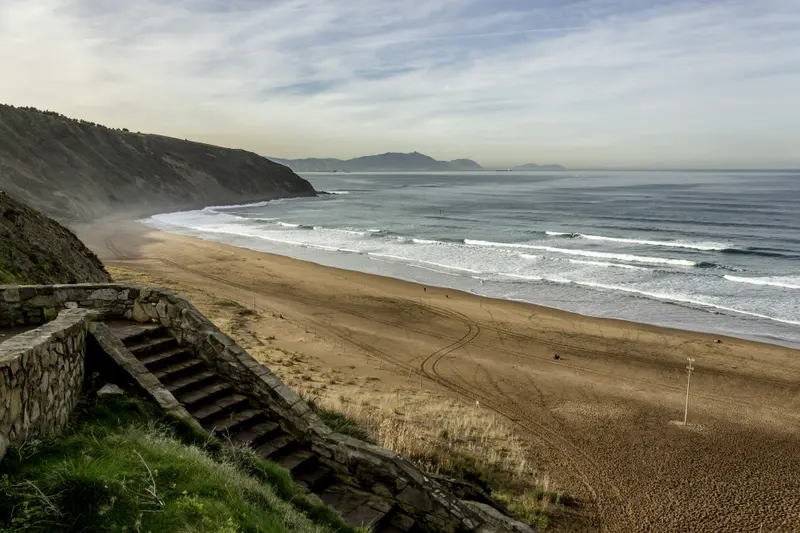
Plentzia and Gorliz share a bay, so you can move along the waterfront if you want more space or somewhere to pause. Work out the return from the far end of the walk. Sopela pairs sand with cliffs and has several beaches and access points. Find out what the conditions suit that day, whether you want to swim or have a first surfing lesson.
Laga opens towards the sea below Cape Ogoño. Laida is shaped by the estuary and looks different as the tide changes. They make contrasting visits despite their proximity on a map. Further east, break up a day on the beach with time at Lekeitio harbour or the inlet at Ea. If swimming is your main goal, leave time to find the right access and look at the beach notices. When swell reaches the rock platforms, stay at the high viewpoints.
Festivals and traditions
Bilbao’s Aste Nagusia ran from 22 to 30 August 2026. Marijaia is the festival figure, and the estuary and the Arenal are good landmarks when you look up the programme. If your event finishes at night, decide on your way back before you leave. You can spend the first part of the day in a neighbourhood away from the main venues and return on foot as the festivities begin.
Outside Bilbao, look for harbour festivals, agricultural fairs and rural sports. Events in Gernika and the smaller ports change the pace of their squares. In Balmaseda, the outdoor Passion Play uses the town’s streets during Holy Week. Decide whether you want to see the historic centre during the performance or on a quieter date. Read the programme for your travel year before choosing accommodation and transport.
What to eat
On the coast, watch for marmitako, made from tuna and potatoes, and ask which fish is worth ordering that day. A meal in a fishing port gives you a different setting from a bar in Bilbao’s old town. In the city, try salt cod al pilpil, made with an emulsion of oil and the fish’s natural gelatine, or a la vizcaína, with a dried pepper sauce. For a short meal, choose one pintxo from the counter and one cooked to order.
Bizkaia txakoli comes from several valleys. Inland, a seasonal lunch might include beans, cheeses or stews. At Gernika’s market, take time to look before buying food to take with you. If you’re moving accommodation, choose food that travels well and ask how it is usually served. Check when the kitchen opens at the place you want to eat, especially if you have a second visit booked.
Sport and outdoor activities
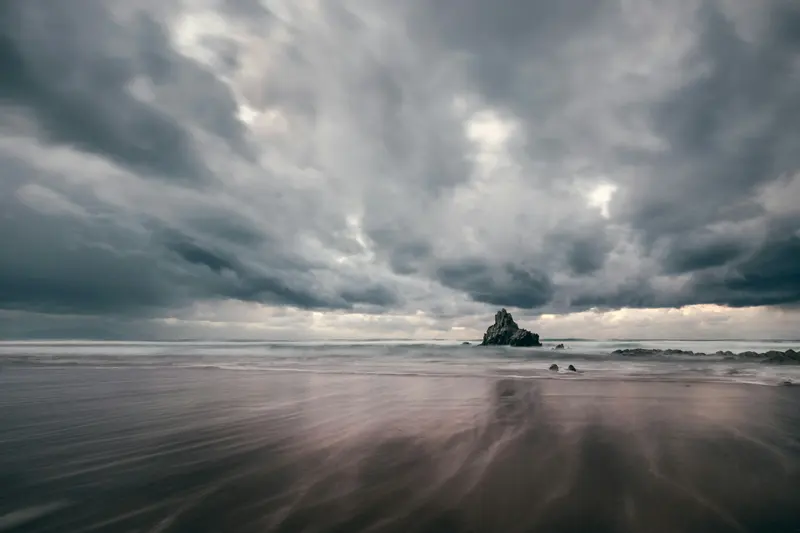
In Sopela and Bakio, sea conditions help determine when to surf. If you are booking a first lesson, check the meeting point and approach before choosing a school. For a short walk that can get longer if you feel like it, try the coast at Getxo or around Gorliz. In Lea-Artibai, routes along rivers and streams give an inland counterpart to the coastal footpaths.
For hill walking, use the official maps of Urkiola or Gorbeia and choose the elevation according to the weather. The Montes de Hierro Greenway gives you another day out with the mining past visible along the route. Pick the section before hiring bikes and locate any points where you can shorten the ride. Carry enough water for the full route if it does not pass through a settlement.
Routes and itineraries
Three days with one base
Use day one in Bilbao for the estuary and the old town. On the second day, cross between Portugalete and Getxo and travel back on the other side of the river. On the third, try Gernika and Mundaka or spend the full day at a single Urdaibai port. You can switch the last two days around for the tide or keep more time for an indoor visit if it rains.
Five days with the coast and the interior
Add a night or two in Urdaibai if you want to compare its banks and make time for Gaztelugatxe. If the next stage heads east, finish in Lekeitio and continue towards the Gipuzkoa coast. If your next stop is inland, use the last day for Durango and Elorrio or a walk at Urkiola and continue to Álava. Give Enkarterri its own day from Bilbao or use it as the starting point for a journey west.
Travelling with children
The transporter bridge connects boats and engineering in a short, visible experience outdoors. In Plentzia and Gorliz, the bay walk has easy places to turn back. Inland, pair a town centre with a place to play outdoors if conditions allow. For a beach visit, look at the slope between the car park and the water. If the group includes children of different ages, agree on a return time before you set your sights on the next headland.
Where to stay in Bizkaia province
Bilbao suits visitors who want to use local trains and the metro and eat close to their accommodation. Getxo and Portugalete are convenient for the lower estuary and the bridge. Around Urdaibai, Gernika-Lumo works as an inland base, while Mundaka and Bermeo put you by a port. For short walks to the beach, look at Lekeitio and Plentzia and check which places you can comfortably reach from your room. For caves and western valleys, consider a night in Enkarterri if the next day’s visits are in the same area.
See places to stay in Bizkaia (opens in a new tab)Affiliate link: if you book through it, we may earn a commission at no extra cost to you.
Practical tips and common mistakes
- Check the bank of the estuary before booking stops around Urdaibai. Two points opposite each other can involve going back up the valley by road.
- Save the name of the access and station for a coastal walk. Look at the return route in case you are tired or short of daylight.
- Start with the booking or the tide when combining a beach and a heritage visit. Keep the other stop close so you can spend longer at the first.
- Check the operator’s calendar if a particular visit is your main reason for going to a valley. Plan a second stop in the same area.