

 Español
 English

Why visit Lorca
The main things to do in Lorca fall into two areas. From the hilltop castle, the Fortaleza del Sol, you can see why the town developed where it did in the Guadalentín valley. Down in Plaza de España, the church of San Patricio and the civic buildings show how the town made use of the space at the foot of the hill. Make time for both levels and give the castle visit enough room to include the synagogue site.
Lorca is in the south-west of the Region of Murcia. It is known for the biblical processions held during Holy Week. Its embroidery museums offer a way to see the work of the brotherhoods even on a normal weekend. The same municipality extends to the Mediterranean around Calnegre. Stay with the castle and old town if you have a single day. With more time, you can use a whole outing to see the change from valley to coast instead of trying to reach a beach at the end of your museum day.
When to go
In spring and autumn you can leave time to walk in the castle grounds and pause in the sloping streets around Santiago. The hilltop is open to the sun and wind. During a hot spell, start there and head for an indoor collection in the middle of the day. In winter put the fortress in the part of the day with the best light and reserve a shorter street route for afterwards.
Holy Week changes the way the centre works. To watch a procession, choose a day and a viewing point before arranging the rest of the visit. If you are coming mainly for embroidery, the museum displays give you a close look at work that can be difficult to see in detail from a crowded pavement. The September fair offers another time to visit for events. Outside summer, the coast can make a good landscape outing. Choose it for views and walking when sea conditions are unsuitable for swimming.
Getting there and around
Lorca stands on the A-7 corridor. If you are driving from Murcia or eastern Andalusia, locate your accommodation and the castle entrance independently. It is easier to walk between the lower town’s squares and museums than to move the car for each stop. A trip to the coast has a different driving route and a different starting point once you arrive.
If you are relying on public transport, check the service and the stop at which you need to get off. In 2026, Renfe listed road replacements during works on the C-2 suburban line. An itinerary can show the name of a station even when a leg is being run by bus. Check the return pickup point as well, especially before booking a castle visit or when planning a connection to another city on the same day.
In town, use Plaza de España to find your bearings. Santo Domingo and Calle Corredera help you connect the lower sights on foot. The castle requires a separate ascent. Ask about routes inside the enclosure and approaches from the centre if anyone travelling with you finds steep streets difficult. It is possible to concentrate on the lower town on one day and arrange the hilltop separately if that makes your visit easier.
What to see in Lorca
The fortress, towers and Jewish quarter
The castle occupies a long ridge overlooking the valley. Find the Alfonsina and Espolón towers and look down towards the old town from the enclosure before beginning the interior part of the visit. The distances between the towers help to show the scale of the fortifications. A look outward also makes it possible to compare the hill’s defensive position with the roads and the cultivated parts of the valley.
The medieval Jewish quarter has been excavated within the castle enclosure. Its synagogue and domestic remains offer a different way to read the site. Look at the plan before you enter to understand the placement of the synagogue among the homes. Pause over the explanations of the archaeological finds and see how they relate to the excavated space. Leave time for this part as well as the towers if you want to follow both stories on the same trip.
Plaza de España, Corredera and Santo Domingo
Plaza de España brings together the former collegiate church of San Patricio, the city hall and other buildings whose façades face the square. Walk around the edges to see how the surrounding streets arrive at different points. Use this as the beginning of a lower-town loop, going through Corredera and returning towards Santiago for a second approach to the square.
The Guevara Palace stands on Calle Lope Gisbert. The twisted columns of its doorway make it worth pausing outside. If you go inside, compare the enclosed courtyard with the scale of the public square you have just crossed. For an embroidery museum afterwards, Santo Domingo leads towards the Paso Blanco and San Francisco towards the Paso Azul. The two buildings can be seen on different walks or used to mark the ends of a longer route through the centre.
Monuments and heritage
Lorca Castle reflects the town’s medieval position near a frontier. Its layout is easier to understand once you look over the paths, hillside and cultivated ground around it. From a high point, follow the valley with your eye and then see where the town extends away from the foot of the hill. San Patricio and the civic buildings in Plaza de España give a picture of a later town with a public centre outside the walls.
The synagogue’s significance includes its relation to the houses and the objects found during excavation. Take time for those aspects instead of treating it as a quick interior in the middle of the castle visit. If you continue to the Archaeological Museum, think about what a find tells you within the place it came from and what changes when it is shown alongside pieces from elsewhere. Both views help explain why the site matters beyond the outline of the walls.
Around Santiago and Santo Domingo, look for coats of arms, doorways and bends in the streets. A short loop from Plaza de España to Guevara Palace can provide time for those details without requiring a visit to every building. The two places are useful anchors for a slower walk. Decide around the first part of that circuit which doorways you would like to return to if there is time to go inside.
Museums and culture
The Paso Azul and Paso Blanco museums
The Museo Azul de la Semana Santa, known as MASS, and the Paso Blanco embroidery museum, muBBla, show work made for the processions. Take one large piece and look at it from close by and then from farther across the room. The first view shows the raised surfaces and sheen of the threads. The second gives an impression of how a complete design would appear to people watching from the street.
The pieces also tell the story of the workshops and brotherhoods. Look for a connection between a scene, the colours of the group displaying it and the garment or banner it is worked into. If you have two days, you can see the collections separately and compare the effect of colour and scale. For a single day, a visit to one gives you time to walk through the centre where the actual processions take place.
Municipal Archaeological Museum
The Municipal Archaeological Museum uses objects to follow the history of settlement in the area. Pair it with the castle to go from excavation to display, or with an embroidery museum if you want to spend part of the day on the modern tradition. One visit helps you consider how people interpret artefacts after they have been unearthed, and the other shows how makers prepare pieces that are still associated with an event in the street.
Neighbourhoods and areas
Plaza de España, Santiago, Santo Domingo and Corredera are landmarks for walking around the old town without going all the way up to the fortress. On a shorter route, use San Patricio and Guevara Palace as the main stops. See which streets look comfortable on the way and use the intervening squares for pauses. The lower town still has gradients, but you can choose a loop around a few close points.
Avenida Juan Carlos I is known as the Carrera in the context of the processions. Look at the width of the street compared with the small approaches near Santiago and Corredera. The difference gives an idea of the space needed for a large procession and its audience. During events, check whether the route you will take back to your room runs along or across it. This matters especially if you plan to see one event and leave before the entire parade has finished.
Puntas de Calnegre is a coastal settlement within the municipality. A stay there makes a walk by the sea easy. Choosing the town puts the museums and the slopes of the old quarter nearby instead. Treat the coast as its own part of the visit rather than attempting to continue there at the end of a walk that began in Plaza de España.
Nature and protected areas
The Cejo de los Enamorados trail starts near the castle and follows slopes and ravines above the Guadalentín. It is an inland option if you want to fit a walk around a stay which already includes the fortress. Give the trail its own part of the day, particularly if you have a synagogue visit planned as well. Consult the route from the regional tourism board to work out when to turn round according to the sun and the time available.
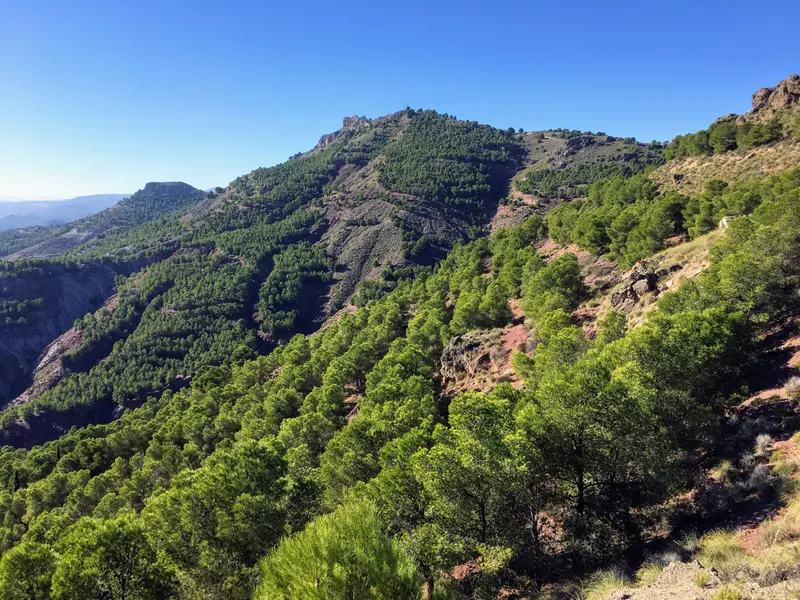
The Cabo Cope and Puntas de Calnegre Regional Park takes in dry hillsides and coastal coves. Choose a stretch according to how much time you want to spend on approaches and walking. You can see the Calnegre end of the coast without attempting to reach Cabo Cope on the same visit. Before planning to walk between coves, consult the access information and work out where to turn round.
From Puntas you can appreciate how the colour of the rock changes along the shore and how directly the headlands face the Mediterranean. Schedule a separate outing if you want to spend time at a viewpoint as well as at the beach. The hills remain part of the attraction on a day too windy to swim. Check what you can reach on land, then choose the length of the walk according to the conditions.
Beaches in Lorca
Puntas de Calnegre and Cala de Calnegre
The beach at Puntas de Calnegre lies by the settlement. It is a straightforward place to begin a coastal outing from Lorca. Look at both ends of the beach early in your visit so you know which direction to go and how you will get back to your starting point. If you are also planning to go into town the same day, check the onward drive before adding another stretch of shore.
Cala de Calnegre is a separate stop, below the hills on a more exposed part of the coast. Check the approach for the date you are travelling. Baño de las Mujeres and other nearby coves give you more options for a full coastal day. Decide according to the weather, the sea and the time you have, and look up local bathing and access information by beach name.
Festivals and traditions
Lorca’s Holy Week processions bring together religious, biblical and historical scenes. The Paso Blanco and Paso Azul are particularly visible, with large embroidered pieces and groups on horseback. The Carrera lets you see how a design reads in movement, from much farther away than in a museum. Arrive with the programme for the day and a plan for getting to and from your viewing spot.
The city published an event notice for the 2026 Holy Week. The fair ran from 18 to 27 September 2026, with events in the historical centre. If a celebration is your reason for making the trip, set aside the part of the day for the activity you want to see. Use another stretch for the castle or the museums so one stop does not depend on leaving a crowded street quickly.
Routes and itineraries
One day with the castle and old town
Start at the Fortaleza del Sol and split the morning between the towers and Jewish quarter if your visit includes both. Go down to San Patricio and Plaza de España. Cross towards Corredera and Guevara Palace, or go straight to an embroidery collection. After a long morning at the castle, choosing one indoor visit in the afternoon gives you enough time to follow the smaller streets before the day ends.
Two days between the valley and the coast
On day one, combine the hilltop with the centre and two indoor stops if the timings work. On day two, go to Puntas de Calnegre or finish the old town in the morning and spend the afternoon by the sea. If you choose to stay in town for both days, keep the second for museums and architecture. Seeing the embroidery collections on separate days makes it easier to compare the pieces without rushing each visit.
Day trips
Águilas makes a day trip for a harbour, the castle of San Juan and a walk along the waterfront. Its urban seafront feels different from the coves around Calnegre. You can spend the day around the town and viewpoint without needing to see both stretches of coast on one trip. Inland, the village of Aledo has a castle and a raised position by the Sierra Espuña area.
Cartagena deserves a full day if you want to see the Roman Theatre and walk around the port. Choose the theatre for the first part of your visit and one waterfront museum for the second. To stay closer to Lorca, pick Aledo or Águilas according to whether you want hills or sea. The views from higher ground help give each of these alternatives a focus.
Travelling with children
At the castle, see if everyone can find the two towers and choose a spot from which they can pick out the old town. Once in Plaza de España, look back up towards the hill you have just explored. It gives the day a connection from one place to another and helps children understand the slope before the next indoor visit.
An embroidery museum makes a shorter second activity. Pick one colour, texture or figure to look for in the rooms and leave the remaining displays for a future visit if the group has had enough. On a second day at the coast, start where it is easiest to stop and get back. Time outside can be the main event without having to reach several beaches.
Where to stay in Lorca
Around the lower town, Corredera and Avenida Juan Carlos I make it easy to walk to the squares and embroidery museums. Check the final slope if your address is closer to the castle. During a festival, the walking route between your room and the Carrera matters more than the straight-line distance. With a car, also consider how you will reach the parking area after the event.
Accommodation near the fortress suits a visit centred on the upper part of town and the view. Puntas de Calnegre is a different base for several days on the coast. Work out where you would like to go on foot each morning and which visits will need a transfer. An address under Lorca can place you in either of those settings or in the centre.
See places to stay in Lorca (opens in a new tab)Affiliate link: if you book through it, we may earn a commission at no extra cost to you.