Español
 English

Why visit Ourense province
The things to do in Ourense province are often shaped by water. The city’s hot springs reach the surface among the old buildings and beside the Miño. Farther north, the Sil has cut a deep gorge that you can see from a vineyard slope or a boat landing. In Baixa Limia, stretches of river and reservoir mark the route of a Roman road. The distances between these places encourage you to spend a separate day on each.
Wine valleys connect with quite different journeys through this inland part of Galicia. Ribadavia is your way into Ribeiro, Verín is a base for Monterrei, and the eastern valley of the Sil leads into Valdeorras. Choose one for a weekend alongside the city or a mountain outing. Allow longer for a trip that takes in several valleys. The extra night is best spent nearer the places you want to see first thing the next morning.
When to go
Choose according to elevation and the plans for the day
In spring, combine walks by the river with towns you can visit between showers. In the Sil gorge, leave the highest viewpoint for the best visibility. In the Xurés mountains, look up conditions at the village where you will start and on the higher part of the route. A covered stop on the way back gives you time to wait out a shower and see something in its own right.
Low-lying parts of the province can be hot in summer. Begin steep, exposed walks in the morning, and use the middle of the day for lunch, a cloister or a booked visit. Find the distance from parking to a viewpoint before choosing how much water to carry. Check the rules and opening arrangements for a hot-spring site separately.
Autumn is a good time to stay near the vineyards you want to visit. The lower gorge can lose the light before the viewpoints, so use earlier hours for walking on paths that need careful footing. In winter, the town and thermal areas make a trip with shorter days possible. If you are coming for Carnival, choose a particular town and event after reading the programme for your year.
Getting there and around
By train to the city, by road into the valleys
In 2026, Renfe listed trains from Madrid to Ourense. Check the Madrid departure station on your ticket. In Ourense, the station is on the opposite bank of the Miño from the old town. Work out where you want to start your walk and whether you can take your bags to the accommodation first. If driving for the rural part of the trip, consider collecting a hire car after your city day.
A car gives you flexibility between monasteries, vineyards and parks. In Ribeira Sacra, mark whether you need to reach the upper part of a village or a landing below it. In the Xurés, save the trailhead and the name of the specific village. In Valdeorras, consider how far east you plan to go and whether you want to spend the night there. A longer loop makes sense when you have time to stop along the return route.
Visiting without a car
From a single base, spend time on foot in Ourense and choose one further outing once you know how to get back. For a winery visit, ask where you need to go. The office, winery and vineyard may be in separate places. A trip with a defined meeting point and return works well if a particular monastery or gorge viewpoint is important to you.
Even in the city, treat the old centre and the thermal areas as different walks. Mark where you can cross the river and which bank you need at the end. Finish a longer stroll near a bridge or somewhere you are happy to stop for a meal. This makes the outing easier to shorten if a bath is closed or everyone has already spent enough time outside.
What to see in Ourense province
Hot springs between the old town and the Miño
Begin at As Burgas to see the springs in the historic centre. Go up to Praza Maior and the cathedral, pausing in the quiet lanes before continuing to the river. Look at Ponte Vella from the bank to get a sense of the city’s size and the role of the bridges. There is time to do both parts of the walk if you treat lunch as a break rather than an extra journey.
The local council reopened A Chavasqueira and O Muíño da Veiga in April 2026. Outariz is another area of river walks and baths. Check the precise site before packing swimwear. A fountain, an outdoor bathing area and a privately run facility have different conditions. The waterfront still gives you a walk between thermal sites if a bath is unavailable during your stay.
Monasteries and viewpoints above the Sil
On the Ourense side of Ribeira Sacra, plan enough time to combine Santo Estevo de Ribas de Sil, the Balcóns de Madrid and Santa Cristina de Ribas de Sil. Santo Estevo makes a starting point for monastery architecture. The viewpoints near Parada de Sil look down into the gorge, and Santa Cristina takes you among the trees closer to the river. Start with whichever site has the most restrictive access and move a stop to the next day if the roads take longer than expected.
At San Pedro de Rocas, look for the relationship between rock-cut spaces and the surrounding building. Make room for that stop even if you have already seen another monastery. Beside the Mao, the path gives a different perspective from water level. To carry on into Lugo province, look at the river crossings first. A viewpoint facing you can still be half a day’s outing by road.
Ribeiro, Monterrei and Valdeorras
In Ribeiro, give part of the day to Ribadavia and part to the area around the vineyards. The land where vines grew and the town where wine was traded tell different parts of the story. On a second day, pair O Carballiño with a short walk instead of booking several tastings in a row.
At Monterrei, start at the fortress above Verín and get your bearings around the valley of the Támega and the route towards Portugal. In Valdeorras, try A Rúa or O Barco de Valdeorras for the eastern Sil. From there, visit the vineyards or continue into the Serra da Enciña da Lastra. Give this stretch of the river its own time instead of fitting it around a full day in Ribeiro.
Monuments and heritage
The cathedral at Ourense and the monastery at Celanova
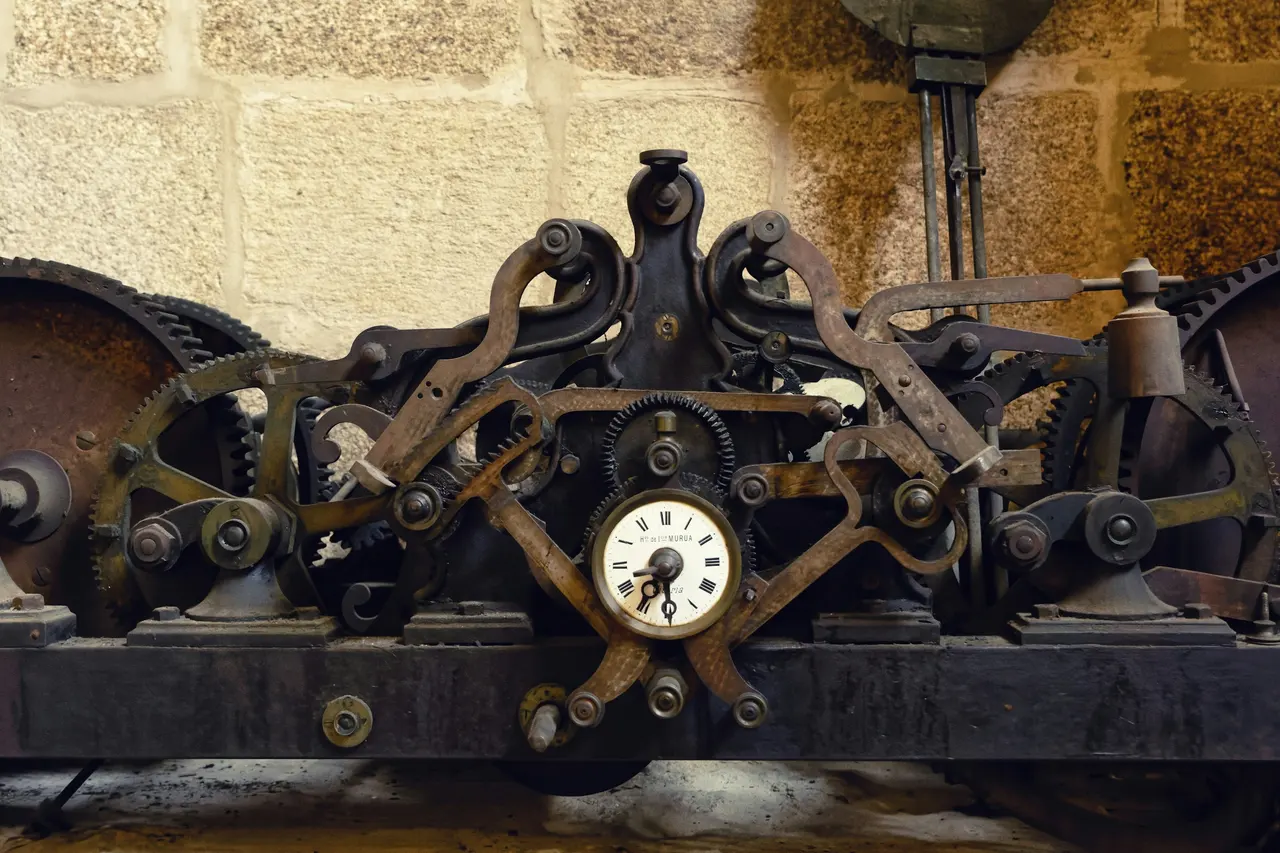
Inside Ourense Cathedral, look for the Pórtico do Paraíso and the surviving colour on the figures. The display of old clockwork gives another way to look at the building’s history. In Celanova, the San Salvador monastery occupies a central position. See how the small San Miguel chapel differs in scale from the rest of the complex. Check how to visit the parts that interest you before setting out.
In Ribadavia, walk between the castle area, the central square and the lanes of the former Jewish quarter. In Allariz, the buildings along the Arnoia show where mills and tanneries once used the river. Walking across both parts of the latter town tells you more about its history than staying by the square for the whole visit.
The Roman Via Nova and the border
The Via Nova connected Braga with Astorga. In the area around Bande and Lobios, its remains are easier to understand as parts of a journey. At Aquis Querquennis, the amount of the site you can see depends on the level of the As Conchas reservoir. Check conditions before setting off. Add Santa Comba de Bande to see a building from another period without a long drive.
In Lobios, Aquis Originis shows the connection between thermal water and travel. At the pass of Portela do Home, milestones offer another way to make sense of the Roman route. If you are continuing into Portugal, organise the stops on both sides first. With paths and viewpoints along the way, the drive through the border country can be the day’s main outing.
Charming villages
Allariz and Ribadavia on foot
In Allariz, make a loop between the old town and the Arnoia. Take a lane from the centre down to the riverside buildings and come up a different way to see how the slopes affect the street layout. On a showery day, start uphill near the centre and leave the river for when the rain lets up.
In Ribadavia, use Praza Maior and the castle to orient yourself before following the small streets. If a winery is next, check whether you must go out to a vineyard or meet someone in a neighbouring village. At settlements on a slope, leave the car near the entrance if practical. The lanes and passages are easier to appreciate at walking pace.
Castro Caldelas, Celanova and Baixa Limia
In Castro Caldelas, climb to the castle to see how the roofs and lanes fit the ground. It is a good heritage stop on the eastern part of the Ribeira Sacra route. Combine Celanova with the nearby settlement of Vilanova dos Infantes to see two different places before returning to the main road.
In the Xurés, the village of A Cela shows how granite boulders can form part of houses. Take time to look from the lane before setting out on a walk. Quiet streets are also people’s access to their homes and fields. Check where you can park and keep passages clear if you arrive in a larger vehicle.
Nature and protected areas
Granite and woodland in Baixa Limia
The Baixa Limia–Serra do Xurés park forms a protected cross-border area with Portugal’s Peneda-Gerês. On the Ourense side, choose a day by the river, around the granite foothills or near a historical site. Along the Vilameá, the Xunta points out alvarizas, stone enclosures built to protect beehives. Plan the route around ascent, daylight and the amount you want to walk.
Limestone and woodland in the east
The Serra da Enciña da Lastra, near Rubiá, takes in limestone slopes, cliffs and views of the Penarrubia reservoir. Use a marked path and find a place away from road bends to stop for the view. The peaks and valleys at O Invernadeiro form another outing. Check entry arrangements for the date before driving in and have another valley stop in mind if the weather closes in.
Festivals and traditions
In Xinzo de Limia, the pantallas are the town’s distinctive masked Carnival figures. The 2026 programme included their gathering on 8 February and the main parade on 17 February. Verín has its own cigarróns, and Laza its peliqueiros. Choose the town and then the event. Morning gatherings, street parades and late-night music all make for different visits.
At Viana do Bolo, the Festa da Androlla forms part of Carnival. The provincial programme for 2026 advertised the meal for its 54th edition. Check for meal information as well as the street programme on future visits. Outside Carnival, Xinzo’s Museo Galego do Entroido gives an introduction to masks and customs. Confirm its opening arrangements before making a day trip just for the museum.
What to eat
In O Carballiño, look for polbo á feira, a way of serving octopus with oil, salt and paprika. A portion to share goes well with bread or potatoes. During Entroido, look for androlla, a local pork sausage, and seasonal dishes such as cocido or thin pancakes called filloas. In Cea, buy a loaf for a picnic if you are heading into the hills the following day. Ask how early the bakery is open before planning the stop around it.
In wine country, focus on one area. Ask about Treixadura in Ribeiro and compare Godello wines in Valdeorras. In Monterrei, visit the castle for the view of the valley before a winery appointment. Around the Sil, look at the terraces of Ribeira Sacra before trying a local wine. Agree who will drive or arrange transport back to where you are staying.
Sport and outdoor activities
The PR-G 98 Cañón del Sil–Santa Cristina links woodland, heritage and viewpoints. Check the consortium’s route and decide whether the group is comfortable with the ascent. After rain, a shorter, well-defined section can work better. On the Mao, check the condition of the boardwalk and choose a section that fits daylight. Take water even if you expect to stop in a village.
In the Xurés, plan the drive and the hike as two parts of the day. Choose a valley or hill route after looking at temperature, visibility and the surface. For cycling, check the gradient between the lower road and the upland villages. A short climb can take more time than a longer route following the valley floor.
Routes and itineraries
Three days of hot springs, gorge views and towns
On day one, visit the old town of Ourense, the bridge and the thermal stretch of the river. On day two, see a monastery and a viewpoint on the same bank of the Sil. On day three, visit Allariz or Ribadavia. Choose the village with the easiest journey back if you also have a train to catch. For a winery, leave room by choosing just one heritage stop.
Five days including the Xurés
Begin in Ourense and leave one day for Ribeira Sacra. On the third day, visit Celanova and Bande before staying in Baixa Limia. Use the fourth for a walk or short drive in the Xurés. On the way back, visit Allariz if there is time for a walk at river level as well as the drive.
Three days in the east
Choose a base in Valdeorras and start beside the Sil. Set aside a day for a winery and a walk in O Barco or A Rúa. Keep the next day for a marked route or viewpoint in Enciña da Lastra. To finish in Monterrei, use the last day to move to a different valley and keep the brightest hours for the fortress.
Day trips
Aquis Querquennis and the roads around Bande
From Ourense, plan the day around the As Conchas reservoir. First look up the conditions at the site. When water covers the remains, you can still understand something of their position from the shore and visit the interpretation centre. Continue to Santa Comba to see a much smaller building from a different period. In wet weather, concentrate on the historical visits and keep a walk beside the reservoir as an option when the sky clears.
From the cathedral in Ourense to San Pedro de Rocas
A morning at the cathedral and an afternoon at San Pedro de Rocas put two religious settings next to each other. The Pórtico do Paraíso forms part of a large urban cathedral. At San Pedro, the spaces cut into the rock and the remaining buildings have a different relationship to the land around them. Allow time for the approach and save farther viewpoints above the Sil for another day. Both sites are worth time to look closely.
Travelling with children
Use the Ourense bridges as separate goals for a riverside walk. Check the conditions for children at any bathing site you plan to visit. In Allariz, pair a stretch of the Arnoia with a stop in the centre. At the Sil, choose an easily reached viewpoint and add another stop if everyone is still enjoying being out. Find the nearest place for food and check the path and barriers before taking younger children to a viewpoint.
Where to stay in Ourense province
Ourense city. Choose the city for rail access or easy dinners on foot. Decide whether you prefer a straightforward walk to the station or having the old town at your door. If the riverside baths are the priority, check access from the accommodation to the section you want.
Parada de Sil, Nogueira de Ramuín or Castro Caldelas. Choose by the part of the gorge you want to explore. For a boat trip, note the quay and estimate the time to reach it from your accommodation. Before booking near a viewpoint, check where you can eat if you get back late.
Ribadavia, Lobios, Verín or Valdeorras. A local base reduces driving. Ribadavia suits Ribeiro, Lobios suits the Xurés, and Verín puts Monterrei nearby. In Valdeorras, pick somewhere close to the part of the Sil or the mountain road you expect to visit first.
See places to stay in Ourense province (opens in a new tab)Affiliate link: if you book through it, we may earn a commission at no extra cost to you.
Budget guide
For a city break, compare the train fare, the room and transport to whichever thermal site you want to visit. The bridges and the old town give you a day on foot. Add a paid admission or a thermal session according to what you want to spend time on. In the gorges, compare fuel, parking or a transfer in addition to any boat trip or wine visit. Pick one booked experience on a day with a great deal of driving.
On an inland trip, weigh the room price against the route to your first stop and where you will eat. Accommodation with a kitchen can be useful for an early start in the Xurés or for a simple lunch between visits. During Entroido, compare rooms in the town holding the event with those elsewhere and include the cost and practicalities of returning after the last event.
Practical tips and common mistakes
Check the precise bathing site. Look up the opening arrangements, local rules and availability before planning a thermal session. Bring what you need for the walk as well as any bathing gear.
Save the bank and access point. Viewpoint and quay names are more useful with the municipality and the correct approach road. Keep to one bank at a time unless a crossing genuinely moves you along your route.
Give separate time to the hills and wine country. A mountain outing can take the available daylight. A winery appointment also needs time for driving and food. Visit a village on the way between bases and save the longer plans for days you are already in the right area.