Español
 English

Why visit Menorca
When choosing things to do in Menorca, start with two harbours and an inland road. Ciutadella faces west, with a compact old town above a narrow inlet. Maó occupies higher ground above a long natural harbour, best seen from several points on its shores. Between the two, an inland route passes towns and prehistoric sites. Side roads branch off to both coasts, so you can choose your beach for the wind and combine sand with a visit inland without always retracing your route.
Among the Balearic Islands, Menorca is a good choice if you want to walk and see how people have used the land over time. A megalithic site and a stretch of the Camí de Cavalls can fit in one day. From one end of the island you can make a short break with a coastal outing and a trip inland. Over a week, decide whether to split the nights between two towns or stay in the centre. Either approach gives you time to explore a harbour, cove or site properly.
When to go
Walking, swimming and the wind
For walking, try spring or early autumn. Wind on the exposed north coast can make the air feel cooler and alter how sure-footed you feel on rocky ground. Look up the forecast for the part of the island you intend to visit. A day that feels uncomfortable on a headland can work well inside a harbour or in an old town. Leave a free slot for the outing you most want to do.
For swimming, July and August are generally drier than autumn. AEMET’s long-term observations from 1981–2010 at Menorca Airport show average rainfall rising after summer. Check which way the wind is blowing and look at the water from beach level. It can feel very different once you reach the shore. If you are hoping for a daily swim, stay somewhere with quick access to the sea and keep a choice of beaches in mind.
In winter, start from Maó or Ciutadella for heritage and short outings. Look up opening days first, especially for a site away from town. With fewer daylight hours, choose one main visit, have lunch and walk by the water afterwards. Bring a warm or windproof layer for the harbour even if the streets above feel mild.
Getting there and around
Menorca Airport and the two ferry ports
Menorca Airport (MAH) is near Maó. In 2026, Aena listed bus 10 for the town’s bus station. Look up the service for your date and check the next connection if you are staying outside Maó. Pin the bus station and your accommodation on a map. The shore you need to reach may be farther by road than it looks when you view the harbour from above.
The ferry ports of Maó and Ciutadella are at opposite ends of the island. Look at which one is printed on the ticket and find the exact quay, particularly with a vehicle. Ciutadella can save a transfer if you plan to begin in the west. If you fly home, work out the road journey separately from the one you did after arriving by boat.
Getting from the inland road to the coast
The main Maó–Ciutadella corridor connects the inland towns. For a trip to a cove without a car, check the main bus, the onward service and the walk from its final stop. A bus route may get you to a resort area with more than one way down to the water. The island council publishes information on seasonal services to Macarella. Check your date before settling on a bus or choosing to walk from another beach on the Camí de Cavalls.
With a hire car, choose one main area for each outing. A coastal journey usually has four parts: an inland road, a turn-off to the beach, a place to park and the walk to the shore. The last parts can take as long as the first. For a prehistoric site stop on a transfer day, check you have a secure place for your bags.
What to see in Menorca
Ciutadella from the Born to the water
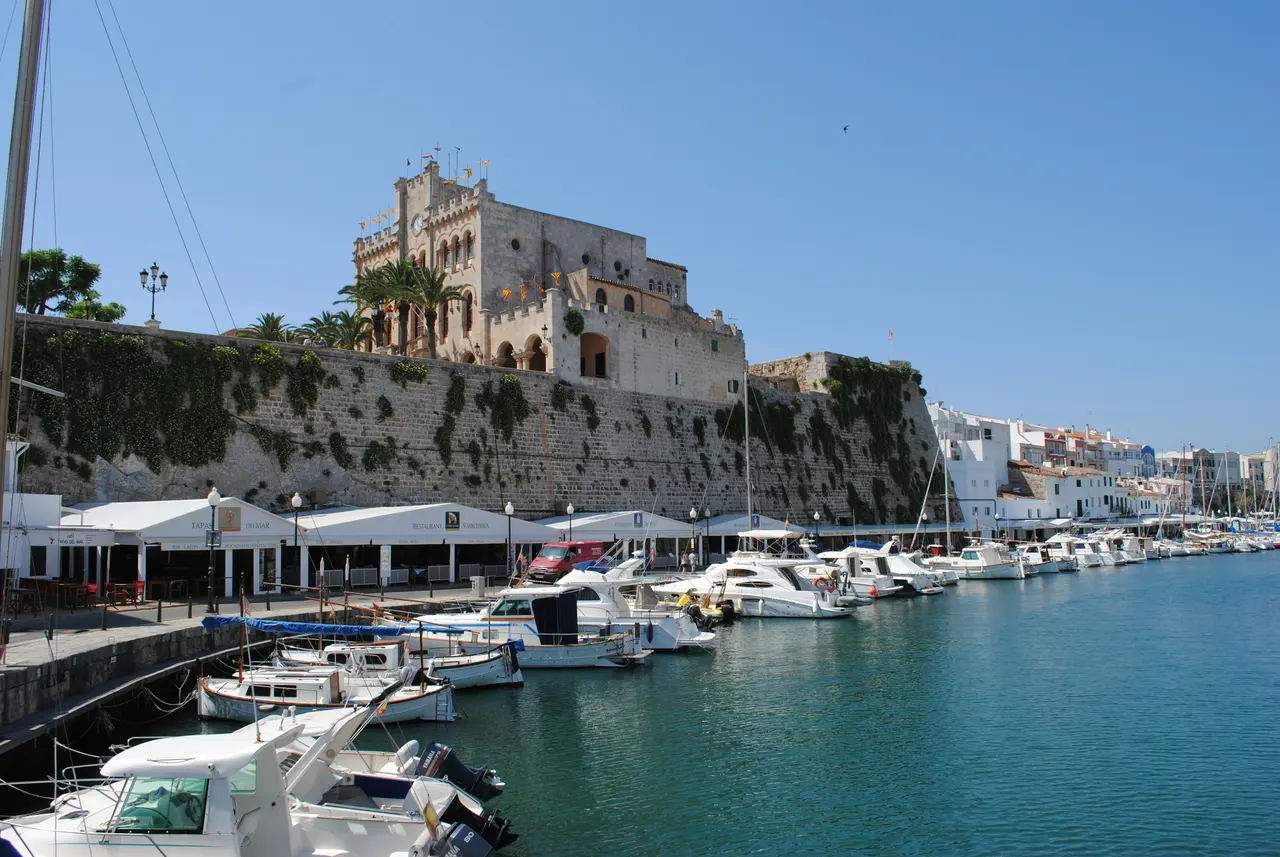
Start in Plaça des Born and head down to the harbour. From above, look at how narrow the inlet is and how the town sits on its edge. At water level, the channel and its quays feel larger. Walk back through the streets around the cathedral. If you still have daylight and energy, extend the waterfront walk towards the mouth. Otherwise, return separately to see the seaward end.
The s’Hostal quarries are outside the centre and worth a visit of their own. Look for the shape of the cuts and traces of quarrying. If your group needs a walk without steep sections or steps, check which parts of the site will work before you go in. You can leave the coast for a different part of the day and give yourself time for the return.
Maó, Es Castell and the natural harbour
In Maó, use the old streets before going down to the waterfront. Find one high viewpoint to see the harbour as a whole. If you want an introduction to the island’s past, make time for the Museu de Menorca while you are still in the upper town. Leave part of the day for looking back at it from the quay.
In Es Castell, Cales Fonts gives you a waterfront outing on a smaller scale. For one of the harbour defences, choose La Mola fortress or the area around Fort Marlborough and Cala Sant Esteve. They are in different parts of the harbour. Check opening and access from wherever you are staying. If you want to see both sides and the islands in context, you can compare boat trips in Maó harbour.
Archaeology in the country outside Alaior
Torre d’en Galmés covers 4.5 hectares and takes time to read on the ground. Start by finding the large towers, then look for round houses and the system for collecting water. If you hope to swim that day, make any additional visit nearby. If you want to see more than one large prehistoric site, split them between the day you spend in the east and a day in the west.
Monuments and heritage
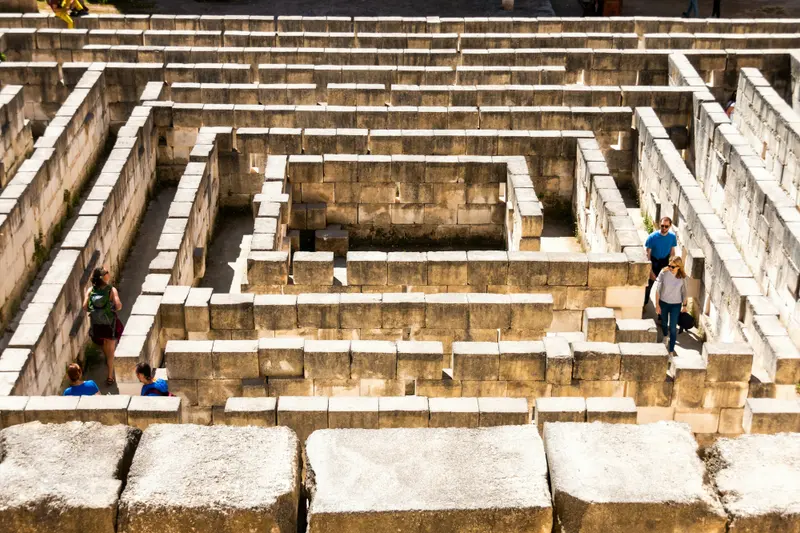
The different forms of Talayotic building
UNESCO’s Talayotic Menorca inscription brings several sites together. A talayot is a stone tower. A taula consists of stones arranged in a T inside an enclosure. The Naveta des Tudons is a communal tomb with a shape rather like an upturned hull. Pick two of these building types to compare and take time to find out how the stones are placed.
At Torralba d’en Salort, look at the taula enclosure and where it sits within the site. At Torre d’en Galmés, make time for houses as well as the towers. At Cala Morell, the burial chambers are cut into rock. Wear shoes suitable for uneven ground and read signs before entering any recess. If you want to follow the sites in date order, take a note of the type of remains and the historical period at each place.
Fortresses and islands in Maó harbour
The approaches to Maó harbour show why it was a strategic location. From Es Castell, head towards Cala Sant Esteve to locate Fort Marlborough. From the other shore, La Mola is a more extensive outing. On Illa del Rei, a former hospital gives a different view of the way people used the harbour. It needs a boat transfer, so check departure, opening and return before choosing how much to see.
Charming villages
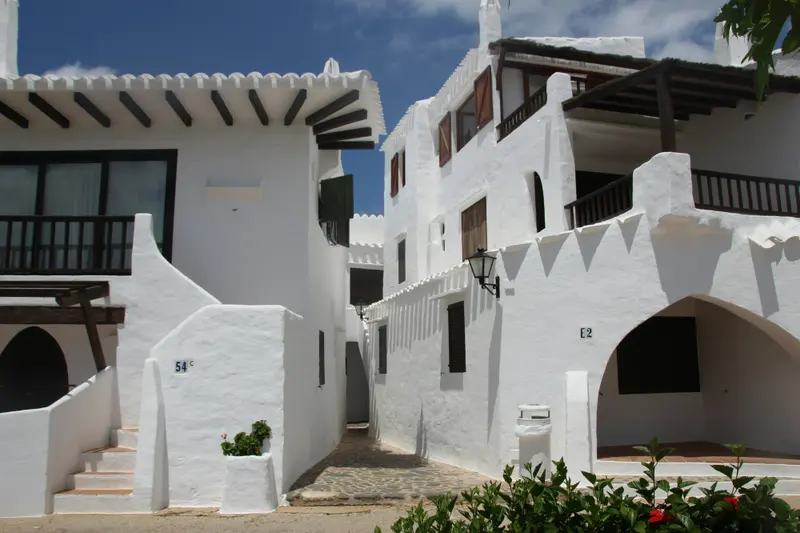
Fornells and the towns along the inland road
In Fornells, walk from the quay towards the defence tower. At water level you can see how people use the harbour. Higher up, you get a better view of the different shores. Pair the walk with lunch or an outing on the water. If the wind is up, staying on land still gives you time to take in the place without another booking.
Es Mercadal, below Monte Toro, is a natural stopping point when moving between coasts. If visibility is good, consider going up towards the sanctuary to see how the island lies. Otherwise, carry on to the coast and save the ascent for another day. Ferreries and Alaior are good for a town square and a look at the streets inland. Choose the one that fits your next turn-off, so the journey still has time for a walk.
Es Grau and the white lanes of the south-east
Es Grau lies between a lagoon and the sea. Walk through the village to see how you get to the shore, then explore one of the park’s paths. In Binibèquer Vell, the white lanes are part of a residential area. Leave entrances clear, observe the signs and keep voices low. If you are visiting for a swim as well, identify a beach access separately and keep the village walk short enough to respect the quiet setting.
Nature and protected areas
S’Albufera des Grau
S’Albufera des Grau Natural Park protects a brackish lagoon and the coastal habitats around it. Ask at the visitor centre which route suits the forecast and how far everyone wants to walk. Start with an easy section near Sa Gola, then view the lagoon from another side if you have more time. Pause with binoculars before moving to the next viewpoint. Follow marked paths and check restrictions if you are travelling with a dog.
Favàritx offers a change of landscape. Dark rock and a lighthouse mark this exposed headland. Consult the island council or the park about access on your date. In high wind, choose somewhere sheltered to look out over the sea, well back from edges. A brief visit can give you a good impression of the cape before moving on to another part of the coast.
A north shore, a south shore and farmland between them
Around Cavalleria, the slope and exposure to the sea feel different from the more enclosed landscape at Fornells. On the southern coast, coves sit below wooded slopes and pine stands. The fields and dry-stone walls inland show how much country lies between them. Take one authorised inland path to see how the plots sit together and how the paths pass between them. On the coast, use boardwalks where grass and scrub are protecting the dunes.
Beaches in Menorca
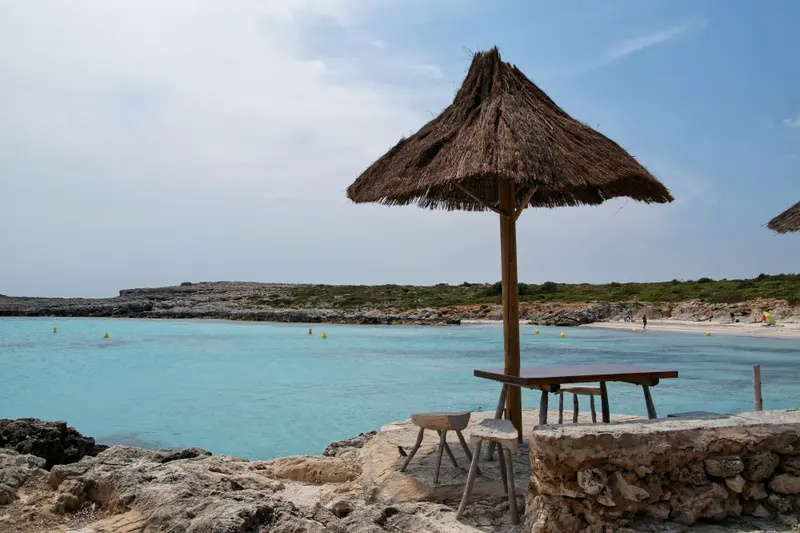
Macarella, Cala Galdana and Cala en Turqueta
Cala Galdana has an easy approach to the sand from the settlement and lets you continue into the coastal trail. To go towards Macarella, follow the marked path and plan for the return when deciding how far to go. Save some water for the walk back. If you want to come from Ciutadella instead, check the seasonal transport and access arrangements before setting out.
Cala en Turqueta is another south-coast choice. Allow time for the approach and keep a backup beach in mind. Son Bou spreads out along a much longer stretch of sand, with dunes behind parts of it. Pick a marked way through and decide where to go into the water once you have seen the conditions and flags.
A different coast in the north
The colours along Cavalleria differ from those around the southern coves. Allow for the descent to the sand and the climb on the way back. For a beach next to a village, Es Grau gives you a swim, a lagoon walk and somewhere to pause. Read the flags and judge the wind before going in. A harbour stroll or a view from safely back on a headland can fill the time if the water is rough.
Festivals and traditions
Sant Joan on the streets of Ciutadella
The main days of Sant Joan in 2026 were 23 and 24 June. Plaça des Born and the lower harbour area around Es Pla have different roles. Riders and their horses are central to this sequence of events, which changes the way people move through streets and squares. Read the municipal programme for your year and follow crowd instructions. Give horses and organisers room and choose a place with an easy exit.
Other towns also hold local celebrations with horses and music. Check the year’s council listings if you are organising a stay around one. A room near the centre makes it easier to get there on foot. If you have younger children, find out which events take place in open spaces and where there is an alternative walk if the centre is busy.
What to eat
Lobster stew, oliaigua and Menorcan cheese
Caldereta de llagosta is lobster stew, associated with harbours like Fornells. Ask if you need to order in advance, how many it serves and what the price covers. A fish dish of the day makes a simpler lunch if you are short of time. Oliaigua uses tomato and other vegetables, and is another way into the island’s cooking. Ask how it comes and what side dishes the kitchen serves with it.
At a stall or cheese shop, compare young and mature Mahón-Menorca cheese. The texture changes along with the strength. Ask how to keep it during the journey if you want to take some home. For a snack try pastissets or a slice of coca from a bakery. Gin has a place in Maó’s food history. Set aside time for a tasting on a day when you can leave the car behind. For meals in smaller towns, ask about kitchen hours before fitting a lunch stop between bookings.
Sport and outdoor activities
The Camí de Cavalls (GR 223) is divided into 20 stages. To begin with, choose an out-and-back from a village or beach. For a complete stage, find its official route description and places to refill water before setting out. The surface changes and shade is patchy. Set a turning time as well as a point on the map so you can leave the walk while everyone has energy for the return.
For mountain biking and riding, check terrain, difficulty and whether you will be sharing paths. For a sea outing or a kayak from Fornells, ask about wind and currents and keep a return in mind from the beginning. Keep equipment off protected sand and vegetation. A local school can help you pick a place where it is easy to get back to shore if conditions change.
Routes and itineraries
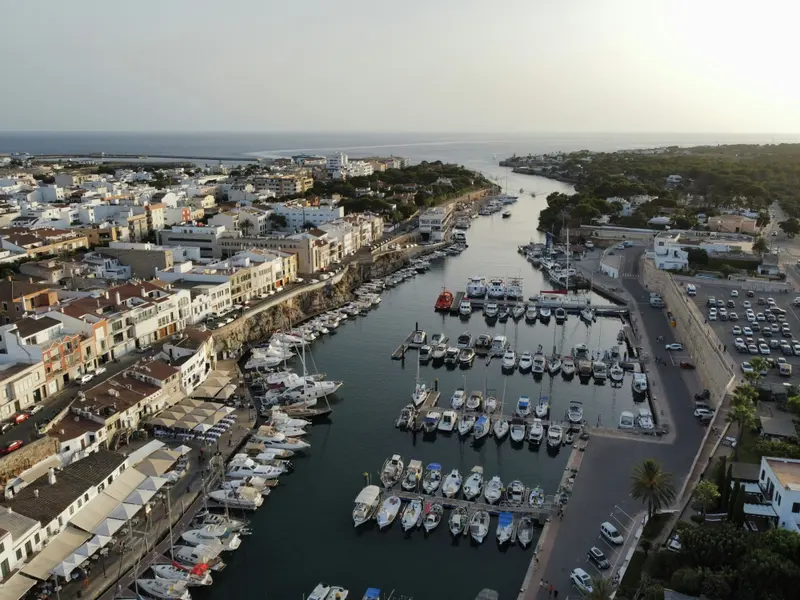
Three days from one base
Stay in Ciutadella to see the old town, a south-western cove and a site such as Naveta des Tudons. Use the second day for the coast and part of a trail. Make the third an inland day around the archaeological site. From Maó, try the town and its harbour, Es Grau and a Talayotic settlement. With public transport, check that both days out have an outward and a return journey you can rely on.
Five days with time in east and west
Begin with two nights in Maó. Give one day to the harbour and the next to Es Grau or a large prehistoric site. Use Alaior or Es Mercadal as a lunch stop before continuing to Ciutadella. Spend one day in the western town and the remaining day at Cala Galdana, Macarella or along the north coast. Choose the order according to the wind and the access that suits you.
A week for the shore and the sites
Add Fornells and a longer walk with a return plan. If you want a whole Camí de Cavalls stage, do a shorter trial first to see what the surface and exposure are like. Use the remaining time to try a different Talayotic site, see the other side of Maó harbour or return to a beach you liked. Avoid booking a morning activity on departure day if you need to cross the island with luggage.
Travelling with children
For swimming and a walk, try an accessible beach like Cala Galdana or Es Grau. Choose a short section of trail that brings you back in time for food. At a prehistoric site, see who can find a round wall, the entrance to a house or a stone that serves a different purpose from the rest. A few details are enough for a first look.
In both main towns, walking from the harbour to the old streets involves a climb with a pushchair. Plan where you will stop before going down and save an easier route back up. For a boat outing, check how long it takes door to door and whether the quay and gangway work for the equipment you need to bring.
Where to stay in Menorca
Ciutadella works for evenings on foot and for the western end. Cala Galdana puts sand and sections of the coastal trail within reach. If you have a car and a room in Ciutadella old town, ask where to stop with bags before you arrive.
Maó suits the airport, Es Grau and the east coast. Es Castell has waterfront evenings at a smaller scale. Fornells works for the bay and the northern shore. Es Mercadal and other inland towns let you decide between coasts with less backtracking. Before booking, see what you can do on foot at the end of a long day out.
See places to stay in Menorca (opens in a new tab)Affiliate link: if you book through it, we may earn a commission at no extra cost to you.
Practical tips and common mistakes
Compare the two coasts. Use the forecast to pick a side and assess conditions from the beach to decide about swimming. Save a short walk nearby if the sea is too rough.
Plan the last part of the approach. A cove may have a bus stop, car park and several paths to the shore. Save the access and the point you will return to, especially where reception may be patchy.
Give the archaeology time. Choose a pair of places with different structures, check opening and wear shoes for uneven surfaces. Fit the swim around the time you can comfortably spend outside at the site.