Español
 English

Why visit Teruel province
The main things to do in Teruel province fit into distinct journeys. In the west, see Teruel city, Albarracín, the red sandstone of the Rodeno and part of the Jiloca district. In the south-east, follow the higher roads into Gúdar and Javalambre. To the east, the Maestrazgo, Matarraña and Bajo Aragón offer different combinations of old towns, rivers and olive country. The best place to sleep depends on where you want to be early the next morning.
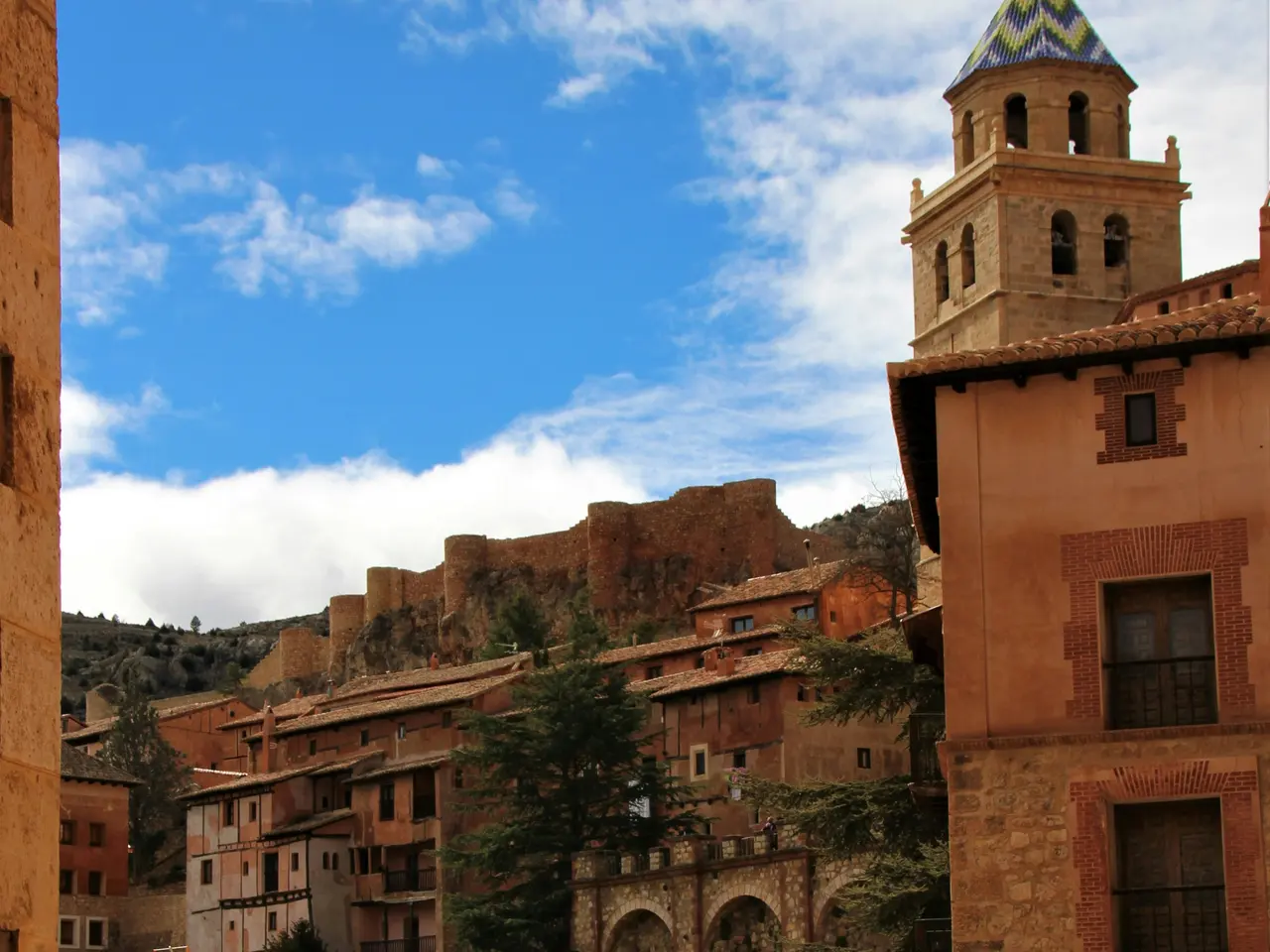
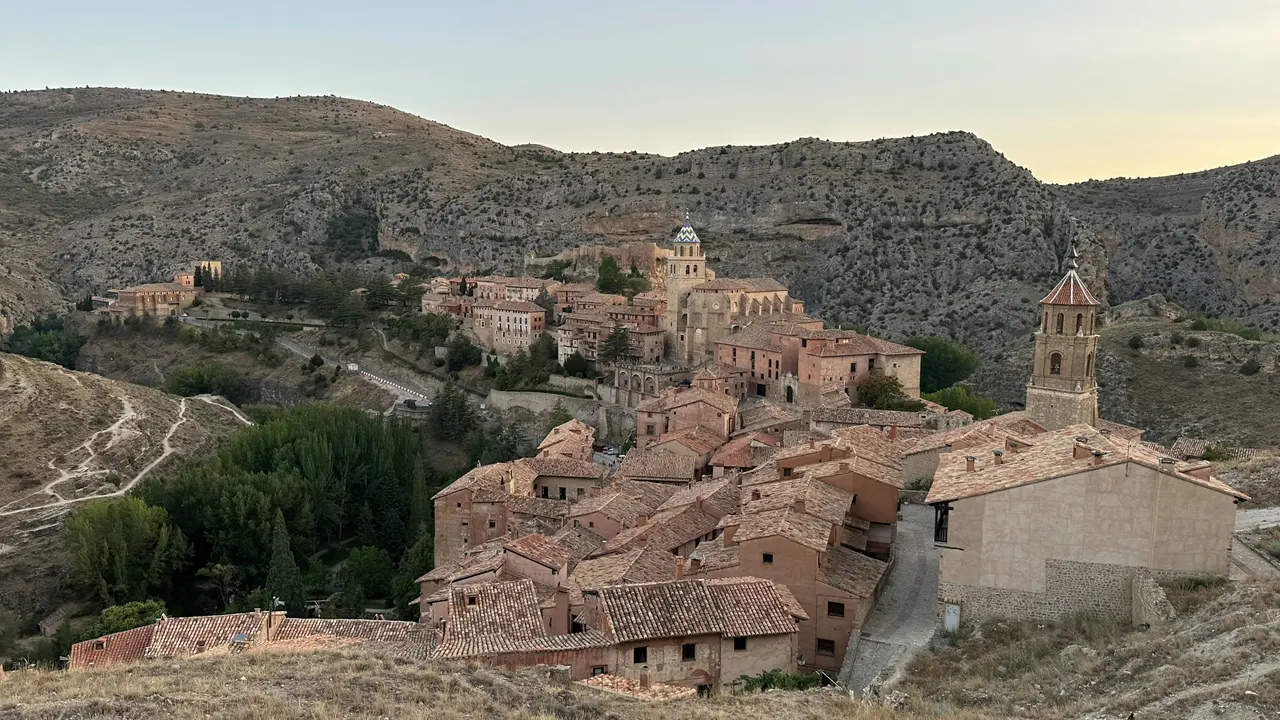
In southern Aragon, the architecture changes with the ground beneath it. Look up from Teruel’s narrow streets at glazed tiles and patterns in brick. In Albarracín, follow the Guadalaviar bend to see the red buildings and walls from below. The castle at Peracense sits among great blocks of sandstone. In Valderrobres and Mirambel, walk through the old entrances to see how each town grew around a slope, a river crossing or a defensive wall.
For a weekend, pair the provincial capital with Albarracín or give the whole stay to one eastern district. If walking is the main purpose of the trip, alternate a full outing with a short circuit in a town. Families can put Dinópolis on a day with little driving. Food gives another reason to spend time in one district. Choose somewhere you can learn about the places that produce ham, truffles or olive oil as well as buying them.
When to go
Spring and autumn for towns and lower walks
In spring, a trip around the historic towns can begin with a square or castle and continue along a river or through the pines. Ask about the water level after recent rain before choosing a narrow route in Matarraña. Expect different temperatures if you are coming from the Mediterranean coast. Keep a warm layer handy if your plans take you from low ground into Albarracín or the hills.
Autumn suits a journey through olive country and stone villages. Check how much daylight you will have left for the drive after Peracense or the Maestrazgo, especially if you want late light for photographs. The orientation of the slopes affects which streets or walls are lit. Leave time to walk round a hill town or to choose a different approach if the first view is in shadow.
Summer heat and winter at elevation
In summer, begin early on exposed ground around Bajo Aragón and use the middle of the day for lunch or an indoor sight. The hills provide shade in some places and open ground in others. Look at the forecast before committing to an exposed viewpoint or a walk with a long climb. A short stroll near the place where you are staying will be simpler to rearrange on a hot or stormy afternoon.
In winter, Teruel city is a practical base for heritage and seasonal dishes. For skiing around Valdelinares and Javalambre, check road and resort information before leaving. Snow or ice can change what is comfortable in an upland town even if the main road is clear. Plan to visit one historic interior and have a shorter walk in mind for the last part of the day.
Getting there and around
The A-23 links Teruel to Zaragoza to the north and the Valencian Community to the south. For an eastern trip around Bajo Aragón and Matarraña, look at Alcañiz as an alternative gateway. If you are crossing the province and returning home by a different route, make that part of the plan. On a round trip from one airport or station, put one of the shorter visits on the day when you already have the longest drive.
For public transport, choose the capital or a town on the corridor you plan to use. Check the regional government’s 2026 bus network and confirm the details for your date with the operator. There may be a further walk or transfer from a bus stop to a trail or castle entrance. If sleeping in a small village, check where you can eat and how you will get to your next accommodation before booking.
By car, find visitor parking on the approach to each old town. Some central streets turn sharply or rise steeply. Ask where you can drop your bags if you are staying inside the historic area. On a day in the Maestrazgo, leave time for the bends and for stopping to get your bearings. Plan the longest drive before the main visits if you want to be able to end the day on foot.
What to see in Teruel province
Teruel from the railway staircase to Plaza del Torico
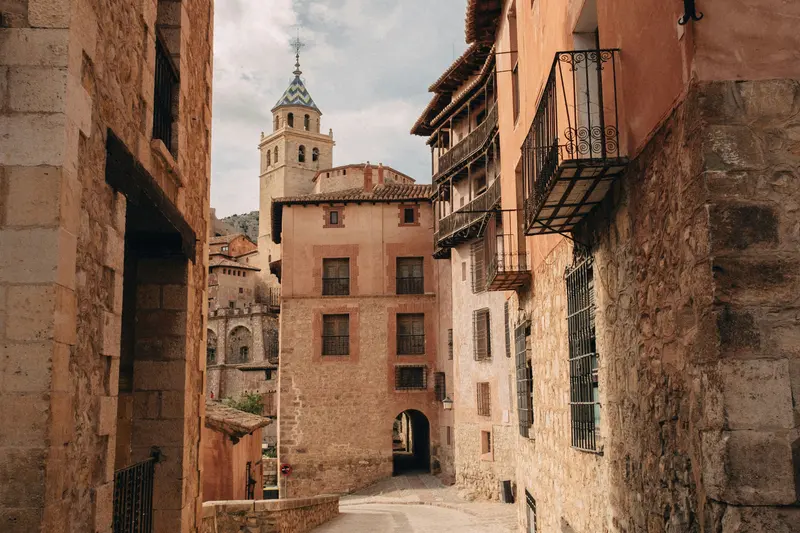
From the station side, climb the Escalinata towards the old town. The tower of El Salvador frames one of the ways in. Carry on to Plaza del Torico and look at the facades from both ends. Continue to the cathedral of Santa María de Mediavilla and San Pedro. The route shows the way the compact city is set out. It also lets you see which small streets you would like to revisit in different light.
Set aside time for at least one interior. In the cathedral, look for the painted wooden ceiling. At San Pedro, the monument and the story of the Lovers of Teruel provide some context for the city’s festivities and places. Check what is included in a visit on your dates. The streets between the monuments are close enough together to fill any spare time before or after a booked slot.
Albarracín and Peracense on the sandstone
In Albarracín, look up at the houses and walls above the Guadalaviar, then move through the narrow streets and into the square. A walk near the walls and a riverside outing give different views and require different amounts of time. If the ground is slippery, choose the easier of the options for your group. Keep the Rodeno pinewoods for a separate visit with enough daylight.
At Peracense, look at how the castle makes use of the red rock. From different positions you can distinguish walls cut against the rock from walls which rise out of it. The castle adds a stop in the Jiloca district on some routes from Zaragoza province. In poor light, choose between a proper visit to the fortress and a shorter stop nearby. Save any extra village for another day if it would leave you hurrying around the castle.
Alcañiz and the Guadalope
In Alcañiz, begin in Plaza de España and compare the civic and religious buildings facing it. Then head towards the castle of the Calatrava order. Look down on the bend of the Guadalope and work out where the lower part of the town sits. Alcañiz is worth a visit in its own right and makes a convenient step towards Matarraña. Add another town in the same direction if you have time to spare, keeping the evening for dinner in Alcañiz.
Monuments and heritage

Mudéjar towers and a painted ceiling
Teruel’s towers form part of the UNESCO-listed Mudéjar architecture of Aragon. Start by looking at the changes in width, the openings and the pattern of ornament. Brick and glazed ceramics catch the light in different ways. When there is time, approach both El Salvador and San Martín by more than one street. Narrow views can hide part of the tower and make individual details easier to pick out.
In Santa María de Mediavilla, the painted wooden ceiling is a different expression of the craftsmanship you see outside. See how the motifs are distributed across the wood. Check where you are allowed to stand and what you can see there. If the cathedral is closed during your stay, the streets and towers still allow a useful walk around the subject, with time to see some of the exterior detail at a slower pace.
The Maestrazgo squares and Valderrobres Castle
In Cantavieja, the square and surrounding facades sit within a settlement on high ground. In Mirambel, the walls and entrance lead into a much more enclosed group of streets. Go in on foot through the old gateway when practical. If you have a further day, put La Iglesuela del Cid on the itinerary and leave time to explore the streets at the end of the drive.
In Valderrobres, walk across the bridge and up towards the church and castle. The clear route makes it easy to see how the buildings are placed on the slope, from the river to the high point of the complex. Look up arrangements for the interiors and ask about gradients or other approaches if anyone in your party has limited mobility.
Charming villages
Matarraña towards the Ports
Beceite is a good base when you want to see the landscape around the Ports as well as the village. Walk through the village before setting out for the river. For El Parrizal, look up the designated entrance, rules and trail conditions for the date. A day in Beceite and Valderrobres still works if the river route is unsuitable.
In La Fresneda, walk between the squares and covered passages. In Calaceite, explore the higher streets and try a different way back to where you parked. Both villages reward a look at ordinary buildings and how they relate to the fields nearby. With two nights in the district, choose a different pair of stops each day, or use one day for a village and a short outing among the olive groves.
Mora de Rubielos and Rubielos de Mora
In Mora de Rubielos, the castle and former collegiate church are the centrepieces of a short heritage walk. In Rubielos de Mora, look for the gates and work your way between stone houses and squares. The names are easy to confuse. Save both parking locations and house addresses separately if you plan to travel between them.
For higher scenery, continue towards Alcalá de la Selva or Valdelinares on a clear day. Look back from modest viewpoints before driving onwards. Check the conditions on the approach road and allow time for the return. The change in temperature and the winding road can make the climb a worthwhile day on its own, particularly outside the warmest part of the year.
Nature and protected areas
The Rodeno pinewoods
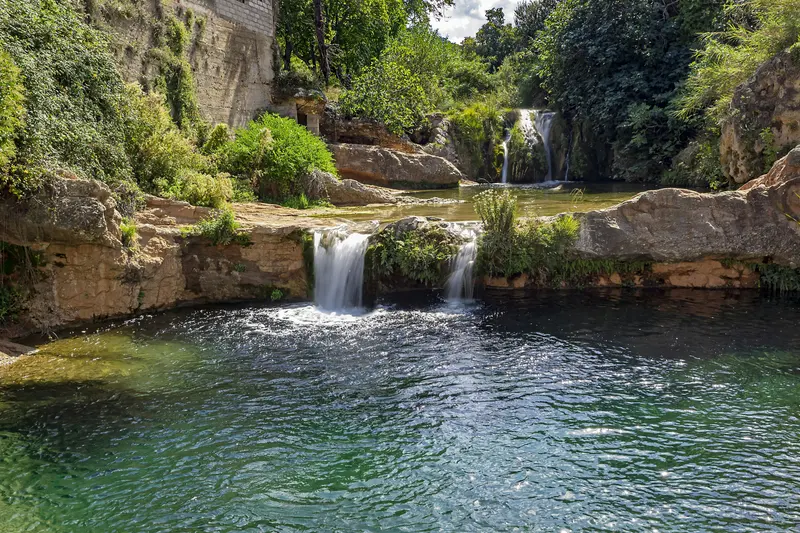
Between Albarracín and the woodland, notice how the sandstone forms ledges, walls and isolated blocks among the trees. The protected area contains rock shelters with prehistoric art. Use the official paths and take time to adjust your eyes to the shade of the shelters. For a short visit, look at a few panels and spend part of the outing seeing their relationship to the rock and the surrounding woodland.
Albarracín and the pinewoods are easy to pair with a night in the district. Take food and water if you will go straight from town to the forest. Plan a clear turning point. Tracks that look similar can return to different access roads, and the shade varies as the path changes direction. Download the map and keep the next destination handy for the drive back.
Maestrazgo, Matarraña and Gúdar
In the Maestrazgo, you can see useful geological detail on a short outing. At the Órganos de Montoro, stop in a suitable viewing place to see how the rock stands in close folds. For the walk towards the source of the Pitarque, check route information and conditions after recent rainfall. A drive between villages also gives a view of the cuts and slopes which make the region’s roads more involved than they look at first.
In Matarraña, decide between staying by the river and going deeper into the Ports. In Gúdar and Javalambre, choose the elevation as well as the length of the route. A group with different interests might spend part of the day in a village and try a nearby trail afterwards. If the weather or ground is uncertain, start with the shorter walk and allow time for another stop while there is still daylight.
Festivals and traditions
Turismo de Aragón listed Teruel’s Fiestas del Ángel from 3 to 13 July 2026. The Vaquilla and the local clubs, known as peñas, change the use of the squares and surrounding streets. For a future year, check the programme and distinguish the crowded events from the heritage visits you want to make at quieter times. Before booking, find out how you will reach your accommodation on the days you most want to spend in the centre.
In Bajo Aragón, Holy Week takes on a distinct character through drums in towns including Calanda. Each town has its own events and gathering places. Check the programme for the exact location and ask locally which event is most suitable if you are taking younger children. Depending on the programme, it can be easier to get there on foot from a nearby room.
What to eat
Cured ham and truffles in the hills
Try Teruel ham as thin slices and ask about curing if choosing some to take away. Find out how to keep it during the journey. Gúdar and Javalambre are places to explore black truffle in season. In a restaurant, ask how it is served and which ingredients are meant to bring out the aroma. A long lunch after a short morning walk lets you make a trip for the food without committing to another drive through the hills after dark.
Olive groves and fruit in Bajo Aragón
Ask about the origin and variety of the local olive oil around Alcañiz, Calanda and Matarraña. The location helps connect a meal to the groves along the route. Calanda peaches are seasonal. Outside the season, look for products you can buy and transport easily. In a market or mill, ask what you can taste on the day. If flying home, plan for bottles and jars in checked luggage and check your destination’s rules if you are carrying food across borders.
Sport and outdoor activities
The Ojos Negros Greenway uses a former railway route. Choose a section and a direction, and decide how you will return. For hired bikes, check collection, return and lights for tunnels. For a walk, the Rodeno and surrounding hills offer outings of different lengths. Among blocks of sandstone and similar-looking pinewoods, keep the route available offline. Make sure a one-way outing has a confirmed pickup or a way back to where you started.
For snow around Valdelinares and Javalambre, check resort and road information before leaving. A shorter village walk with an indoor visit is a useful winter alternative. In Matarraña, check river conditions separately if you plan to use walkways or pass through a narrow part of the valley. A guide or the local visitor information can help you choose a route that suits the day and your group.
Routes and itineraries
Three days around Teruel
See the old town and the towers on day one. Use the second day for Albarracín and a short outing in the Rodeno. For day three, choose Peracense if you are travelling north, or Dinópolis if you want to stay near the capital. If the woodland is a priority, sleep in Albarracín for one night and put the walk in the better part of the day.
Five days west to east
Allow two days for Teruel and Albarracín. Use day three to transfer to Bajo Aragón or stop in the Maestrazgo on the way. Spend two days in Matarraña, with one for Valderrobres and one for Beceite or two close villages. If you also want to see Alcañiz, leave it a clear afternoon rather than trying to stop between short village visits.
A week with the Maestrazgo
Use two nights in Teruel city or Albarracín, two in the Maestrazgo and three near Valderrobres or Alcañiz. In the hills, devote a day to Cantavieja and Mirambel and another to the landscape. For a journey out towards the coast, pick the last base according to where you are heading. Keep one morning flexible so you can revisit a place or adjust for conditions on the road.
Travelling with children
Give Dinópolis and Teruel’s old town separate time. On a short walk, start up the Escalinata and point out Plaza del Torico and one tower on the map so children can help lead the way. In the Rodeno, choose a route with a visible goal within easy reach. For steep towns, ask about steps and surfaces before taking a pushchair. A square with room to pause makes a good last stop before you go back to the accommodation.
Where to stay in Teruel province
Teruel or Albarracín in the west. In Teruel, you can stay within walking distance of places to eat and give the city or Dinópolis a full day. Albarracín works for early walks around the town and outings in the Rodeno. In the historic centre, ask about luggage drop-off and the walk from the parking area.
Mora de Rubielos or a Maestrazgo town. Choose a base close to the hills if it saves a winding drive after every walk. Check how you will arrive and where you can park and have dinner, especially if you are staying in the smaller villages.
Alcañiz, Valderrobres or Beceite in the east. Alcañiz has town services for trips around Bajo Aragón. Valderrobres has a central position for several village trips in Matarraña. Beceite gets you closer to the river and the Ports. Work out where you will eat after your longest outing.
See places to stay in Teruel province (opens in a new tab)Affiliate link: if you book through it, we may earn a commission at no extra cost to you.
Practical tips and common mistakes
Save the return as well as the destination. Mark the castle entrance, car park or start of the path before leaving. If crossing districts, put the first stop on the way out of one and the last within a comfortable drive of the next room.
Check winter roads and closing days individually. A steep street, a high road and a historic interior all have their own conditions. Confirm each with the local source. Keep the most exposed part of the day early enough to change the plan and get back with daylight to spare.