

 Español
 English

Why visit Albarracín
Start in Plaza Mayor to see how Albarracín fits into the bend of the Guadalaviar. The old town occupies a rocky spur in the west of Teruel province, in Aragon. One set of streets climbs towards the walls, another descends towards the cathedral and castle, and the river runs well below both. A walk that looks short on the map can take most of a morning once you allow for the slopes and a stop inside one of the buildings.
With a full day, combine the town with an hour at river level. Stay a night if you want to see the roofs in different light or walk among the red sandstone and pines of the Rodeno the following morning. The woodland and the old town have separate access points, so plan them as two visits.
When to go
Spring and autumn offer a good balance between indoor visits and walking. In autumn, keep the woodland for the first half of the day if you want time to find the rock shelters and return in daylight. Back in town, light moves unevenly across the slopes. A viewpoint in shadow can still give a clear view of the roofs on the opposite side.
In summer, climb in the morning and keep a museum in reserve for the hotter part of the day. Easter and holiday weekends can put pressure on the narrow lanes. On a winter visit, leave the river path and stone slopes flexible, especially after frost or snow. A cathedral or museum visit gives the day a focus when conditions outside are uncertain.
Getting there and around
From Teruel city, drive west on the N-234 and take the A-1512 through Gea de Albarracín into the Guadalaviar valley. If flying to Spain, consider the final road leg when deciding where to pick up a car. Visitors who want to rely on buses should confirm a return on the same day before booking a timed visit. For a short holiday, an overnight stop takes some pressure off the connection.
Regional tourism directs visitors to parking in the lower part of town. From there, expect cobbles, steps and sloping lanes on the way to Plaza Mayor. Ask your accommodation about luggage drop-off before driving towards an address in the old town. For a separate outing to the Rodeno, save the name of the trailhead and check which road reaches it. The lower town car park is the starting point for exploring Albarracín itself.
What to see in Albarracín
Plaza Mayor and the lanes
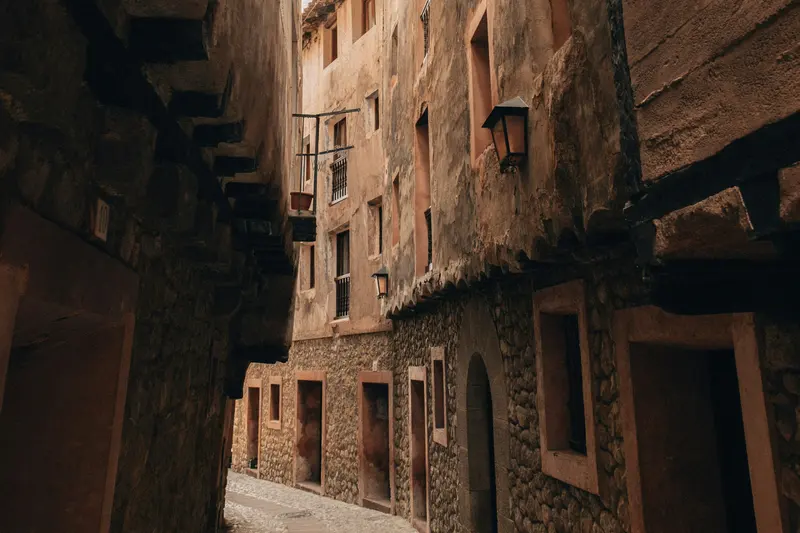
The town hall faces an irregular square with an opening onto the valley. Look over the edge before continuing along the lane towards Santiago, where projecting eaves and balconies face each other across the street. The cathedral lies along a different arm of the old town. Use the square to get your bearings and come back by another lane if you want to see how the houses fit around the slope.
The walls and Torre del Andador
The defences step up the hillside above the roofs. Looking back from a point on the ascent, you can pick out the bend of the river and the position of the castle. Looking upwards, follow the line of wall towards Torre del Andador. The climb is exposed and wet stone can be slippery. A clear view from a lower point is a worthwhile destination in itself, particularly if a long climb would take time away from a booked visit.
The River Guadalaviar
The riverside path puts the buildings several levels above you. The height of the spur is clearer from down here because you can trace the river around its foot. Some sections are narrow and the ground is uneven. If water levels are high or a passage is closed, turn back at the last open access and spend the rest of the walk in the lower part of town.
Monuments and heritage
The Cathedral of El Salvador stands next to the old episcopal palace close to the end of the spur. From outside, the buildings seem to occupy every available patch of ground between the lanes and the drop. In 2026 the Fundación Santa María de Albarracín offered a guided walk combining the town and cathedral, with the castle on a separate visit. Use the foundation’s programme to establish the order if you want to see both interiors.
The excavated castle site gives a view of an older settlement underneath the town visible today. The position is part of the visit: look across to the hillside and you can relate the spur to the defensive line climbing out of town. For architecture and sacred art choose the cathedral, or give the castle your time if the archaeology and defences are the reason you came.
Museums and culture
The museum of Albarracín occupies the old hospital. Its archaeological collection gives context to a visit to the castle, especially if you want to understand what came before the present streets. The Diocesan Museum, in the episcopal palace, takes a different approach through liturgical objects and tapestries. Compare the two collections before making your choice if you have time for one museum near the cathedral.
The Toy Museum gives children and adults something to compare across generations. Mar Nummus, in the local branch of the Territorio Dinópolis network, uses fossils to explore prehistoric seas. The main Dinópolis site is in Teruel city. Search for Mar Nummus by name if your plan is a visit in Albarracín and check the operator’s calendar before fitting it between other stops.
Neighbourhoods and areas
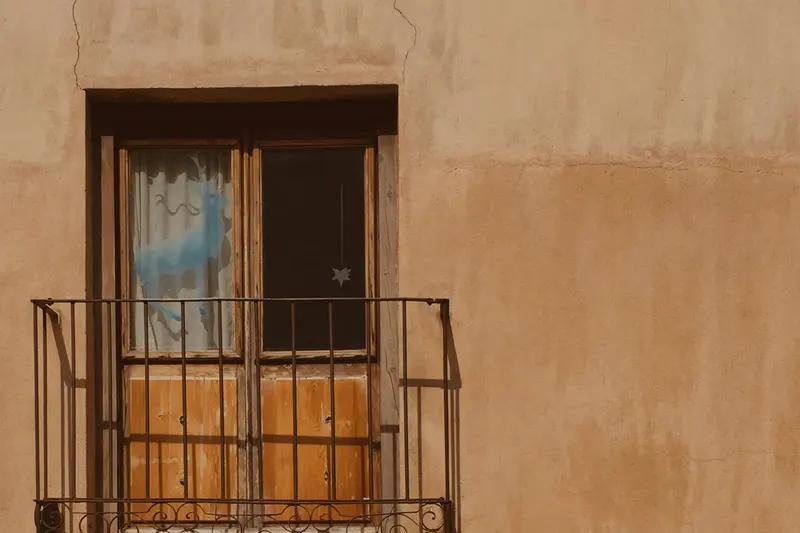 The upper lanes connect the square, the cathedral and the rise towards the walls. Near the Casa de la Julianeta, stand back from the junction to see how the narrow house widens above street level. A photograph from a few steps away shows its relationship with both lanes and leaves space for neighbours to pass.
Below the centre, the ground opens out around the entrances to the town and the river paths. This is a useful meeting area if one part of the group wants to climb and another prefers a shorter walk at a lower level. Set a specific meeting point before splitting up. The easiest point for both groups to recognise may be the car park where you began or a named way back up to Plaza Mayor.
Nature and protected areas
Red sandstone boulders and walls rise between the pines of the Rodeno protected landscape. Look for the Navazo recreation area if you want a marked route towards rock shelters. The wider group of sites is on UNESCO’s World Heritage List as Rock Art of the Mediterranean Basin on the Iberian Peninsula. Allow time for your eyes to adjust and look from the viewing area. The figures can be easy to miss against the colour of the rock.
The Albarracín Cultural Park covers a wider area and includes villages as well as woodland. Choose a specific destination in it before setting off. For a short walk close to town, choose either the river or a marked woodland route. The river explains the settlement’s defensive position, while the Rodeno brings the sandstone landscape and rock art into view.
Festivals and traditions
On 8 September 2026, the town celebrated Santa María de Albarracín. The programme listed bell ringing and processional figures with oversized heads for 13 September, followed on 14 September by the Santo Cristo de la Vega procession from cathedral to shrine. The route connects the top of the old town with the valley below. If you visit during a future edition, consult that year’s programme when deciding where to stay or which streets to use for a timed monument visit.
Routes and itineraries
A day in the old town and by the river
Walk up to Plaza Mayor from the lower part of town and continue towards the cathedral. If you have booked a tour, do it before climbing to the walls. Come back through the square by a different lane and finish by the Guadalaviar. On an afternoon arrival, pick either the riverside or the climb according to the light and the condition of the ground. Save the other walk for a future morning.
Two days with the Rodeno
Spend the first day on the town itself. Give the morning to an interior and use the afternoon for the houses, walls and views. Set off for a Rodeno trailhead on the next morning and pick an out-and-back walk that everyone in your group can manage. Leave the afternoon free to return to Albarracín or continue towards Gea. It is easier to swap both days around if you can move your museum visit.
Day trips
At Gea de Albarracín, look for a section of the Roman aqueduct that brought water towards Cella. The remains are in separate sections, with some passages cut into rock. Choose a named sector near Gea to start with, then consider the Fuente de Cella spring if you have the day free.
Teruel city makes an urban outing for its Mudéjar towers and provincial museum. Guadalaviar offers a day in the hills and, at its Museum of Transhumance, the story of the seasonal movement of livestock. Pick one direction according to your next base. Driving from the city into the far side of the hills in a single day leaves less time to explore either.
Travelling with children
Break the walk into visible tasks for children. Ask them to find Plaza Mayor, spot the outline of the Julianeta house and see how far down they can glimpse the river. With a pushchair, ask about access and keep the route short. A child carrier is easier to manage on the stone steps and narrower lanes. The Toy Museum or Mar Nummus adds an indoor stop to a day with a lot of walking.
Where to stay in Albarracín
A room in the historic centre puts the square, cathedral and evening walks within reach. A place lower down makes it easier to leave by car for Gea or the Rodeno. In a rural property outside the core, check which hamlet it belongs to, how you reach the main road and whether you will have to drive again for dinner. Inside the old town, ask how much of the last leg with luggage is on foot.
See places to stay in Albarracín (opens in a new tab)Affiliate link: if you book through it, we may earn a commission at no extra cost to you.