Español
 English

Why visit Zaragoza province
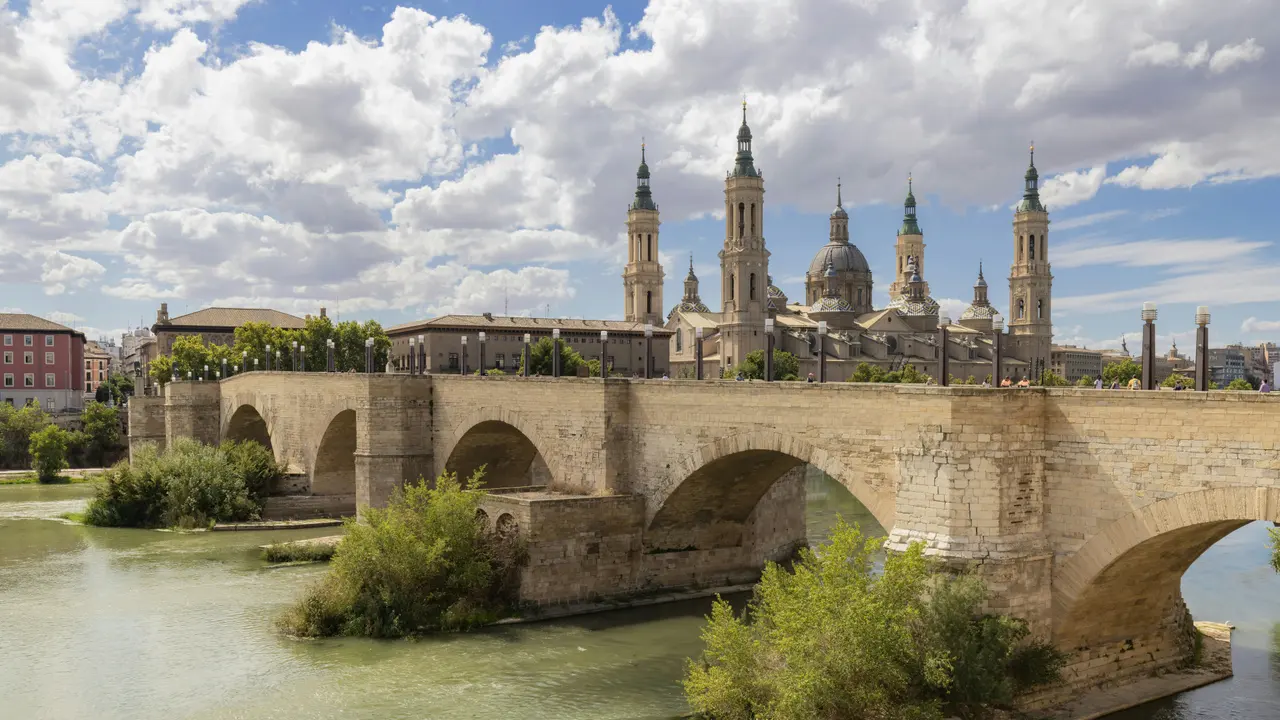
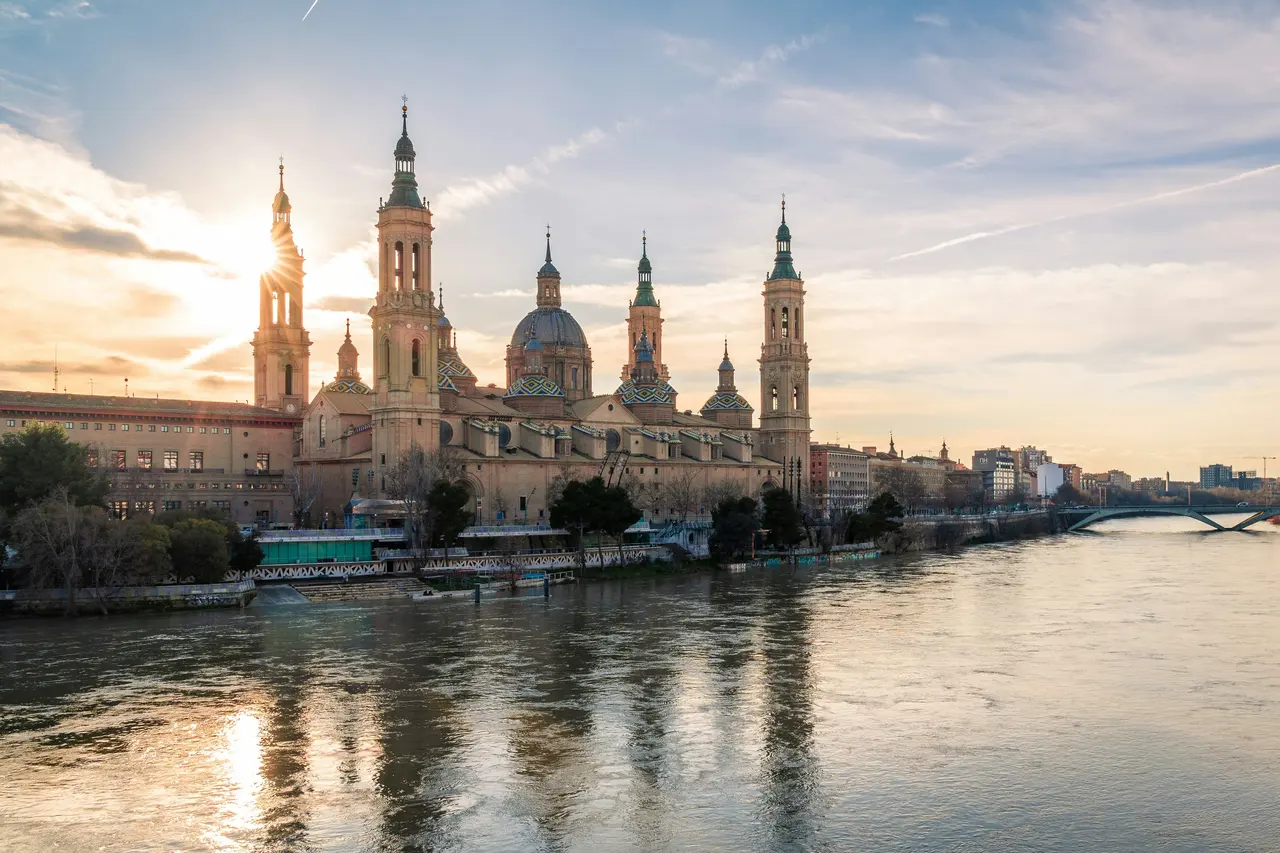
Decide what to do in Zaragoza province by starting at the Ebro and seeing which trips take you away from it. In the city, the river places El Pilar and the bridges in one view. To the north-west, the Cinco Villas district and Tarazona open up some good journeys through old towns and farmland. Around Calatayud, Nuévalos and Daroca, think of enclosed valleys, walls and waterfalls. In the east, Caspe and Mequinenza introduce a landscape of reservoirs and long approaches to the water.
Zaragoza’s position in Aragon makes it straightforward to combine rail and road. Without a car, the capital is an easy base for several days on foot and a day trip with a confirmed way back. For a tour of towns, consider sleeping near the sights. Sos del Rey Católico, Tarazona and Calatayud all give you somewhere to walk at the end of the day and a head start the next morning. Pick a gateway according to the valley, side of the Moncayo or stretch of the Ebro you are most interested in.
The shapes of the towns explain much of their history. In Zaragoza, a walk across a large square connects a basilica and a cathedral. In Daroca or Uncastillo, follow the relationship between the old defences, the slope of the streets and the land outside. Plan a trip around a small number of visits and leave time to walk between viewpoints. A morning and an afternoon at either end of a transfer can offer quite different views of the province.
When to go
Spring and autumn from the city to the hills
In spring, use drier spells for the river and old towns. Around Moncayo, choose the height of your outing after checking the forecast. A foothill circuit may be possible on a day when cloud or snow covers the top. If combining a walk with Tarazona or the monastery at Veruela, leave enough flexibility to put the walk in the better part of the day.
In autumn, vineyards and woods make a different trip from the city during the Fiestas del Pilar. At Gallocanta, pay attention to the light and to the reserve’s visitor information. Water levels and conditions affect what you can see from each place. Take a warm layer for sitting still with binoculars. In Zaragoza, look up the festival calendar and the locations of the events before you decide when to approach the busy streets around the main square.
Summer shade and cold-weather walks
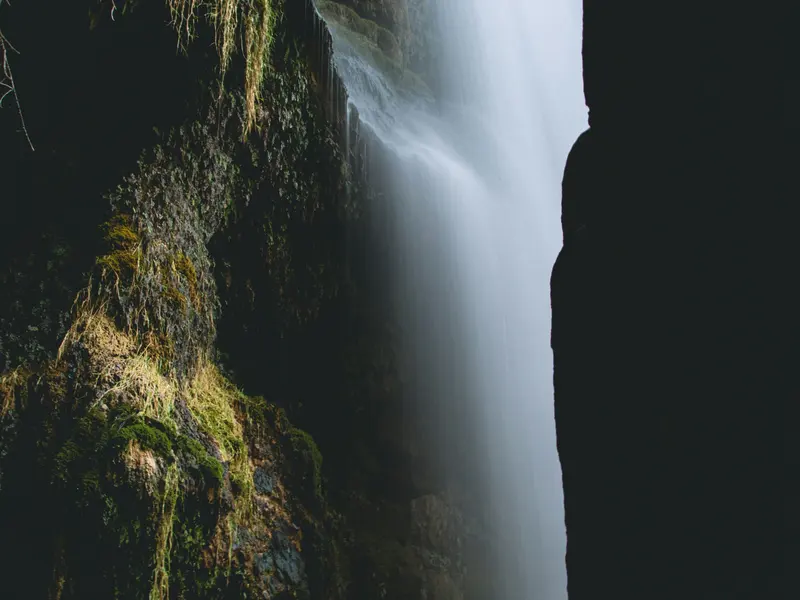
In hot weather, begin early in open places such as the paths around Belchite or dry farmland. Save the middle of the day for an indoor stop or a meal. The waterfalls at the Monasterio de Piedra provide places in the shade, though you still need time and energy to return. For late afternoon, a walk in the sheltered streets of a village can give a break from exposed trails.
In winter, the local wind, the cierzo, can make bridges and open riverbanks feel colder. In the city, break up the walk with indoor visits. In the hills, check the approach road and the elevation of the site. You may find quite different conditions at Veruela and higher in the Moncayo park on the same day. For a drive to a viewpoint, have a historic town nearby in mind in case the weather turns.
Getting there and around
Zaragoza-Delicias is the city’s main station. In 2026, Renfe’s route information covers the corridor between Madrid, Zaragoza and Catalonia. For the south-west, check Calatayud as a point of arrival in its own right. The edge of the old town, the station and the next place you want to visit may be some distance apart. Allow for luggage before starting a walk through central streets.
The regional government’s transport map lets you look up corridors such as Cinco Villas or Campo de Borja. Confirm the operator, the named stop and the return for each day trip. A bus may serve a town some distance from the particular castle, winery or trailhead. If planning to hire a car for a few days, consider picking it up when you leave Zaragoza and returning it before a final night on foot.
On the road, work out the start and finish of each day before listing stops. Tarazona and Veruela go naturally with the nearby side of Moncayo. Stops across the Ebro may require a separate outing. For Caspe and Mequinenza, find the exact point on the shore before leaving. In old towns, visitor parking outside the narrow streets often allows a shorter walk and a quicker exit than driving into the centre.
What to see in Zaragoza province
Zaragoza city on both banks of the Ebro
Cross Puente de Piedra or approach it on the far bank for a view of El Pilar over the Ebro. Back in the square, walk to La Seo and look at the brick and glazed ceramics of its side chapel. Nearby sites associated with the Roman city of Caesaraugusta show what remains below modern street level. On a morning in the old town, alternate views across the square with visits that let you see the materials at closer range.
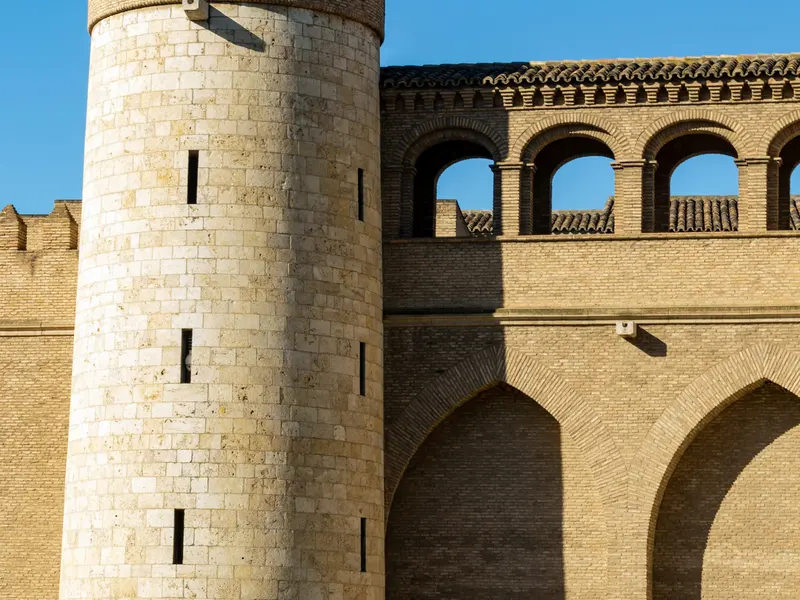
Give the Aljafería palace its own visit. From outside, the walls and towers dominate. Inside, the sequence through courtyard, arches and rooms takes more time to appreciate. Check visitor arrangements and availability on the date before fitting in nearby stops. If the afternoon is free, take a different route back towards the old town or finish by the water to see what the change in daylight does to the riverfront.
Calatayud and the Monasterio de Piedra
In Calatayud, walk through the old town and look up towards the fortifications on the surrounding slopes. The Collegiate Church of Santa María la Mayor is part of the UNESCO Mudéjar listing. Look up access to the interior first if it matters to your trip. If you came by train, the old town makes a good first visit before a booked transfer or a day of driving to nearby places.
At Nuévalos, the Monasterio de Piedra combines an architectural visit with a park along the River Piedra. Decide how much walking you want to do around the waterfalls, and check which paths suit your party. Wet surfaces, steps and stops to see the water take time. The monastery itself tells a different part of the history of the site. Allow a separate block of time for it so you can explore both the buildings and the landscape.
Tarazona, Veruela and Moncayo
In Tarazona, the cathedral of Santa María de la Huerta sits near the River Queiles and the older streets climb above it. Include both levels, looking back as you go up to understand how the buildings relate to the river. For a short visit, start with the area around the cathedral, then choose one street uphill for a view down to the lower part of town.
Veruela fits into a foothill day with a short walk nearby. For a higher outing in the Moncayo, arrange a separate block and check the approach. In unstable weather, spend the day on Tarazona and Veruela. If walking is the main reason for coming, use the clearer part of the day for the trail and keep one indoor sight afterwards.
Monuments and heritage
Mudéjar architecture in the city and farther out
The Aljafería and La Seo show two ways of using brick and patterned decoration. Calatayud, Tobed and Cervera de la Cañada place Mudéjar buildings in smaller settlements. Look at where each tower stands in relation to its surrounding streets and how the church’s scale fits the town. If the route depends on seeing the interiors, confirm the opening arrangements before fixing the order.
At Daroca, follow part of the walls and go back into town through a different street. The main street shows how the gates relate to the old buildings, while the slopes give a view of the route towards Teruel province. With limited time, pick a gate and a short climb. With a full morning, add the former collegiate church and spend some time in the lower part of the centre.
Old Belchite and Goya’s Fuendetodos
The Pueblo Viejo of Belchite preserves ruins linked to the Spanish Civil War and the later history of the town. The council’s visitor information checked in 2026 put the guided daytime visit at about an hour and a half. Check the arrangements and meeting point for your date and keep to the authorised routes. The story is easier to follow if you pay attention to the uses of each street and building before the conflict as well as what happened during the battle.
Fuendetodos makes a natural second focus for the same trip. Goya’s birthplace and the places that interpret his prints bring the story down to village scale. Check what is open and allow time to walk between the sites. A morning in Fuendetodos and an afternoon in Belchite can work when the booked times leave room to get from one to the other and stop for lunch.
Charming villages
Sos, Uncastillo and the Cinco Villas
In Sos del Rey Católico, walk up the stone streets and find the points where the old town opens towards farmland. Notice the change in scale between an entrance and the narrow streets just inside it. Park outside if practical and try a different route on the way down. In Uncastillo, look for Romanesque churches and compare their doorways, then look at the way the houses spread across the slope.
For a second day, choose another stop along the same route, such as Sádaba, where the castle can be seen from the land around it. If you only have one day, Sos and Uncastillo already give you two substantial walks. Check for festivals or booked visits in the specific town if you are coming for one sight or event.
Trasmoz, Borja and the villages near Daroca
At Trasmoz, the castle gives you a reference point for the foothills. In Borja, take in streets, squares and facades before following the road to another part of the district. A village and a short outdoor stop fit together without much driving. Leave a longer wine visit for a separate day if it depends on transport home.
Near Daroca, Anento adds a village and valley walk to a heritage trip. Find the right path before trying to add a viewpoint higher up. Check meals in the smaller villages and bring water so that the opening of a café does not determine how far you can walk. Put the longest drive early in the day and keep a final stop near where you will sleep.
Nature and protected areas
Moncayo at different heights
Choose one side of the Moncayo Natural Park and a walk with a clear starting point. The Agramonte area gives you access to woodland at lower elevations. Higher up, wind, ice and exposure require a different plan. Treat Pico de San Miguel as an outing in its own right. Use the official map and allow enough time for the descent before planning a later stop at Veruela.
The natural park also reaches sectors towards Calcena and Purujosa. The route into one side can take you quite far from another part of the same park. For a first day, choose a shorter outing and pay attention to the vegetation and the direction the slope faces. A different area within the park can then give you a genuinely different landscape on another visit.
Gallocanta and the eastern reservoirs
Gallocanta lies across the boundary between Zaragoza and Teruel provinces. Stop at a designated observation point and leave time to watch the water. Light and wind affect visibility and where birds settle, so take binoculars and keep to the reserve’s guidance. Combine the lagoon with Daroca if the weather and daylight make it possible to see both without racing the drive.
In the east, Caspe and Mequinenza reveal the scale of the reservoirs. Pick the bank and the actual launch point, car park or viewpoint before setting off. Places which seem close across the water can involve a considerable road journey. If you mainly want a walk and the view, keep to one sector and choose a route that brings you back easily.
Festivals and traditions
Zaragoza held the Fiestas del Pilar from 10 to 18 October 2026. The city’s programme placed the flower offering on 12 October in streets leading towards Plaza del Pilar. If attending a future edition, see which acts take place around that square and which need a journey elsewhere. For a procession, allow time to get into position on foot and work out a convenient route back once the event ends.
In Tarazona, the Cipotegato ran through town on 27 August 2026 to open the San Atilano festivities, which continued until 1 September, according to Turismo de Aragón. Spectators throw tomatoes at the costumed runner along the route. Consult the official programme and work out where to stand and how to leave the centre. In Cinco Villas, look at the dates for each settlement individually. They have their own programmes of local gatherings, music and dances.
What to eat
In Zaragoza, ask for borraja, or borage, when in season. Roast ternasco is young lamb that works well as a main meal to share. Tapas suit an evening on foot around the centre. At a market, ask where the vegetables come from so the place names help you connect the city to the river’s market gardens. For a trip into dry country, buy food and water before leaving the town and keep perishable things cool.
Around Borja, Cariñena and Calatayud, a winery visit helps explain how the landscape and growing conditions change from one district to another. Campo de Borja is a place to explore garnacha and the Moncayo foothills. Before booking in any of the areas, ask about seeing vineyards as well as tasting. Arrange a lift or driver first, and choose another stop that lies in the same direction if you want to make a full day of it.
Sport and outdoor activities
In Zaragoza, choose a stretch to walk or cycle alongside the Ebro and use the bridges to build a circuit. Decide roughly where you will cross back before setting off. In the Moncayo, match the outing to the altitude, surface and weather. A woodland walk and time around the foothills provide a straightforward way to look at the different kinds of vegetation.
For activities around Caspe and Mequinenza, check the launch point with the operator and ask about wind and conditions on the date. For fishing, check the applicable permits and rules. A route between authorised viewpoints can provide a shared day for a group that prefers to stay on land. Take water and allow enough time to turn back on dry open tracks without much shade.
Routes and itineraries
Three days from Zaragoza city
Spend the first day on the Ebro, El Pilar and La Seo. On day two see the Aljafería and explore another part of the centre. For day three choose one direction. Fuendetodos and Belchite make a historical pair, and Tarazona and Veruela suit a day of architecture in the foothills. Confirm how you will get back before booking any visit with a set time.
Five days towards Moncayo and Cinco Villas
Allow two days for Zaragoza, one for Tarazona and Veruela and one for a walk or village visit around the natural park. Spend day five between Sos and Uncastillo, staying close by if you want time to walk in both. If the Cinco Villas are your main interest, give them two days and shorten the outing in the Moncayo.
A week around Calatayud, Daroca and the east
Use an initial base in the city, a second around Calatayud or Daroca and a third in the east if you want to see Caspe or Mequinenza. In the south-west, put the Monasterio de Piedra and Gallocanta on separate days. In the east, choose one area of the shore to explore. If returning by rail, leave plenty of time for the journey back to Zaragoza or spend the last night in the city.
Travelling with children
In Zaragoza, join a square and a bridge with a short stretch where children can move around. At the Monasterio de Piedra, check steps and wet sections before bringing a pushchair. In a village, set a gate or viewpoint as a goal that is easy to recognise. At Gallocanta, bring binoculars that children can handle and start with a short spell at an authorised viewing area.
Where to stay in Zaragoza province
Zaragoza city. The old town gives you evenings on foot. Delicias can be convenient for an early train. If arriving by car, find out where to drop bags and how far it is from the parking area to the room.
Tarazona or Cinco Villas. Tarazona serves Veruela, the Queiles valley and the nearby side of Moncayo. Sos or Uncastillo work if you want a few days of Romanesque churches and country walks. Look for food and other services near the accommodation if you want to leave the car parked after dark.
Calatayud, Daroca or Caspe. Calatayud fits a trip focused on Mudéjar buildings and Nuévalos. In Daroca, you are closer to Gallocanta in the morning. Caspe suits a trip in the east. Check the road from your accommodation to the actual launch or meeting point if you are going out on the water.
See places to stay in Zaragoza province (opens in a new tab)Affiliate link: if you book through it, we may earn a commission at no extra cost to you.
Practical tips and common mistakes
Save the exact approach to each stop. Keep the town, car park and path entrance separate. Moncayo covers several approaches, and a spot on the Ebro can be reached only from a particular bank without a long drive.
Arrange timed visits first. Confirm entrances, meeting points and public transport returns before fitting in flexible stops. Leave the easiest walk for the end of the day when the light, the wind or the group’s energy can change.