Español
 English

Why visit Huesca province
The best things to do in Huesca province depend on the valley you choose. From the plain around Huesca city, the towers of Loarre Castle and the red rock at Riglos mark the start of the foothills. Further north, the roads into the Aragón valley, Tena, Sobrarbe and Ribagorza take different approaches. South of the main mountain chain, Alquézar and Barbastro bring together limestone gorges, historic streets and the vineyards of Somontano. Each part is worth a visit at its own pace.
Huesca occupies the north of Aragon. On a first trip, decide between a town with sights and services, such as Jaca or Aínsa, and a village that puts your first walk closer to the door, such as Torla-Ordesa or Benasque. Huesca city works for trips to Loarre, Riglos and western Guara. Barbastro makes more sense for the River Vero and the vineyards. Look at the drive to the first stop you want to reach early and the distance from where you will finish each day.
The landscape can change markedly within a short outing. You can see the red buttresses of Riglos from the village, where a short walk is enough to get a sense of their height. Deep valleys hide the weather higher up. A trip built around buildings can be rearranged more easily when the clouds come in. If a particular walk matters most to you, choose its day after checking the mountain forecast and keep a nearby option for the rest of your stay.
When to go
Spring and autumn in the foothills
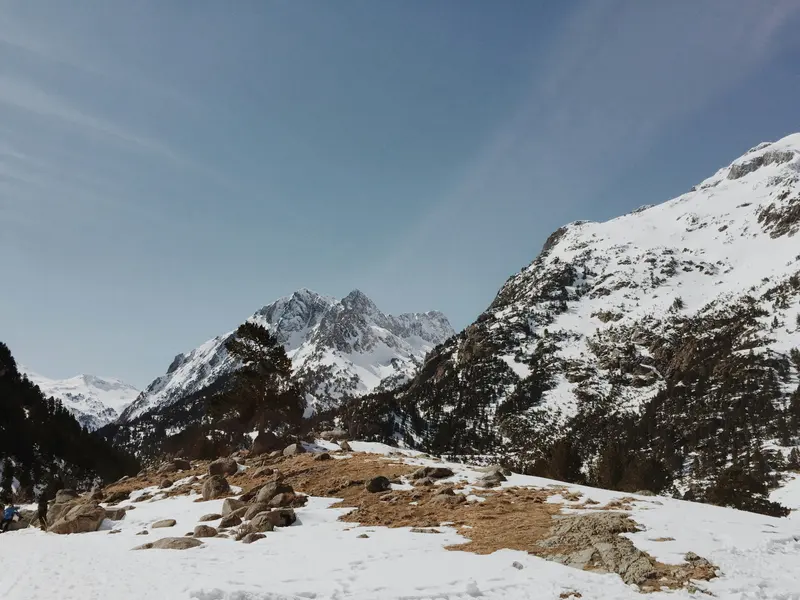
In spring, combine a lower walk in the Hoya or Guara with time in a castle or church. Take layers and look at the effect of recent rain or snowmelt near streams. A path in Guara may be clear and dry on a day when a Pyrenean track still has old snow. It helps to find out which bank of a river or side of a valley the route follows before setting off.
In autumn, wooded valleys and mountain roads can make a satisfying trip. The daylight changes quickly, especially if you are walking between high walls or coming down a slope that goes into shadow early. Stay near the outing you want to start in the morning. In Guara or Riglos, leave a block of time for birdwatching from a single spot. A visit indoors in Huesca, Jaca or Barbastro then makes an easy second part of the day.
Summer valley walks and winter snow
In summer, start on riverside or woodland paths early and save the villages for later. Keep an eye on forecasts for the height you will reach. Thunderstorms may develop after a clear morning. Leave enough time to turn round before entering an exposed section and choose a return that fits the least experienced person in the group.
For a winter visit, check resort information, roads and walking conditions separately. Jaca lets you spend time on the cathedral and other sights when access higher up the valley is difficult. For a heritage trip from the start, consider Huesca city and Somontano. Castles and open viewpoints can feel considerably colder than town squares, even at a modest elevation. Take a windproof layer for pauses outside.
Getting there and around
From Zaragoza province, Huesca city is a gateway to much of the Pyrenees. For the western corridor, look for Jaca and Canfranc in Renfe’s 2026 route information and check any changes for your dates. Barbastro is a road hub for several eastern areas, including Sobrarbe and Ribagorza. If coming from Catalonia, compare a direct approach into the east of the province with the route via Zaragoza and Huesca, depending on the valley where you are sleeping.
Use the regional government’s transport map to find the relevant corridor. A bus may get you to a district centre with shops and places to eat, while a walk starts further along the valley. Estimate that final leg separately. Check your outward and return services for the same date, especially if the last bus needs to connect with another service. If arranging a transfer to a village, find out where you can get meals and which walks start from the village itself.
By car, spend most days within a single valley or district. Use longer drives for transfers. Mountain roads may take you back towards the foothills or across a pass to reach a place that looks very close on a small map. Mark the car park or trailhead and allow time to walk onwards. In a town, decide where you will finish the visit and use one parking spot for the entire walk, especially around old streets where turning and dropping off luggage can take time.
What to see in Huesca province
Jaca and the two sides of the Aragón valley
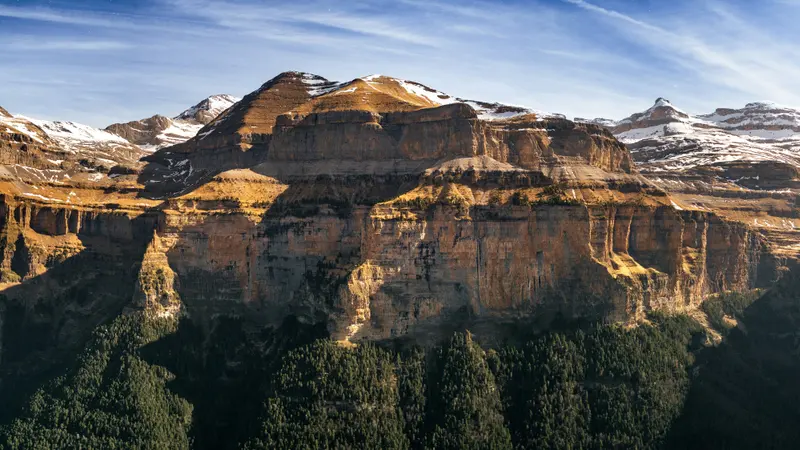
Start at Jaca Cathedral, then walk through the busy streets towards the Citadel. The open ground lets you see the outline of the defences from more than one corner. Give the interior a separate block of time if you want the full visit. An easy first afternoon can take in the cathedral square, one or two streets in the old town and the outside of the fortifications on the same walk.
Further up the valley, Canfranc village and Canfranc Estación are separate places. Look for the latter to see the historic international railway station. Its size is striking in a valley with little flat ground. Check the arrangements if you want to see inside, and make time for a walk around the setting after the visit. Somport lies further up towards the French border. On a doubtful weather day, you can stay partway up the valley and use the afternoon in Jaca.
Huesca city, Loarre and the red rocks of Riglos
In Huesca city, climb to the cathedral and find the provincial museum on Plaza de la Universidad. Then head down towards the shopping streets and Parque Miguel Servet. The upper and lower parts of the centre suit different lengths of visit. Keep the old quarter for a first short outing, or spend a day in town and move towards the park after lunch.
Loarre Castle and the Mallos de Riglos both show how suddenly the plain becomes foothills. At Loarre, allow time for the approach and the interior. In Riglos, stand back in the village to make sense of the line of rock towers, then choose a waymarked walk of a suitable length. A short outing at their foot lets you see the layers of conglomerate and watch birds passing the cliffs. This can fit into a day with the castle if you already know where you will start each visit.
Sobrarbe and Ribagorza as separate trips
The square and castle enclosure sit high above Aínsa. From there you can see how the rivers meet and begin to place the different ridges on the map. After that, choose a different street on the way down or stay for lunch. For a few days in Sobrarbe, take that first view as an introduction, then allow full outings for Pineta, Escuaín or whichever part of the national park you want to visit.
In Ribagorza, Benasque is a base in the Ésera valley, below the Posets-Maladeta mountains. The town works for a first evening on foot and for picking up provisions. Consider Llanos del Hospital or a lower walk after checking conditions. An outing can depend on the state of an approach road, the final transport or traces of snow higher up. Choose the trail by its starting point and elevation as well as its name.
Monuments and heritage
Loarre and San Juan de la Peña
The view from below Loarre Castle shows the walls against the slope. Inside, look at how the church, living spaces and defences fit the rock. Allow extra time for steps and gradients. If you are travelling with someone who tires easily, ask which parts of the visit are accessible and choose a place to meet if part of the group goes further. From the upper views, look back towards Huesca to understand what the castle overlooks.
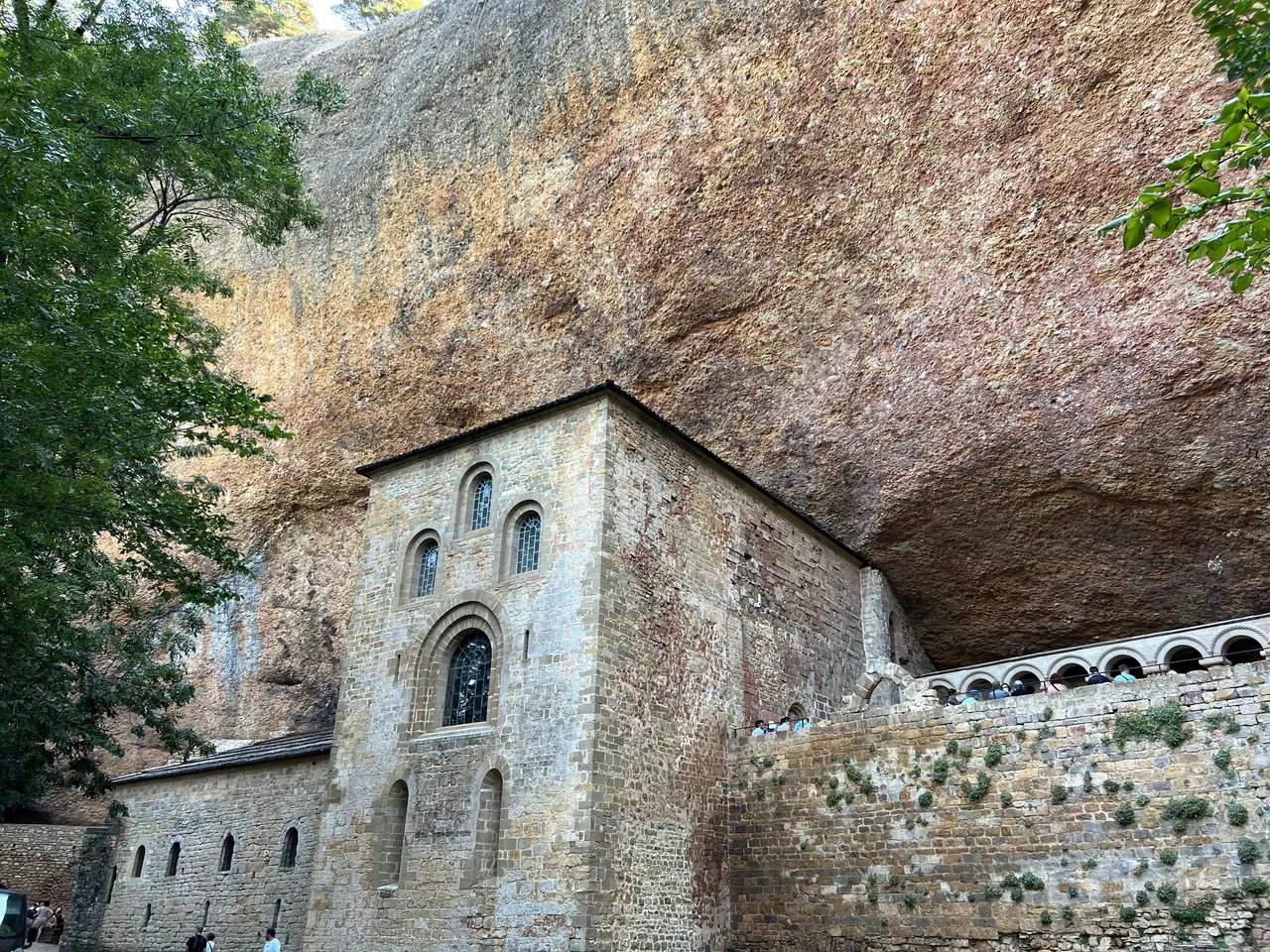
Near Jaca, find the old and new monasteries of San Juan de la Peña on the map. The old building sits beneath a rock overhang. The cloister and carved capitals are worth time of their own. At Santa Cruz de la Serós, the church of Santa María gives you a different setting for a related visit. It helps to think of the three sites as a cluster, checking the order in which they can be seen on your day.
Alquézar and Roda de Isábena
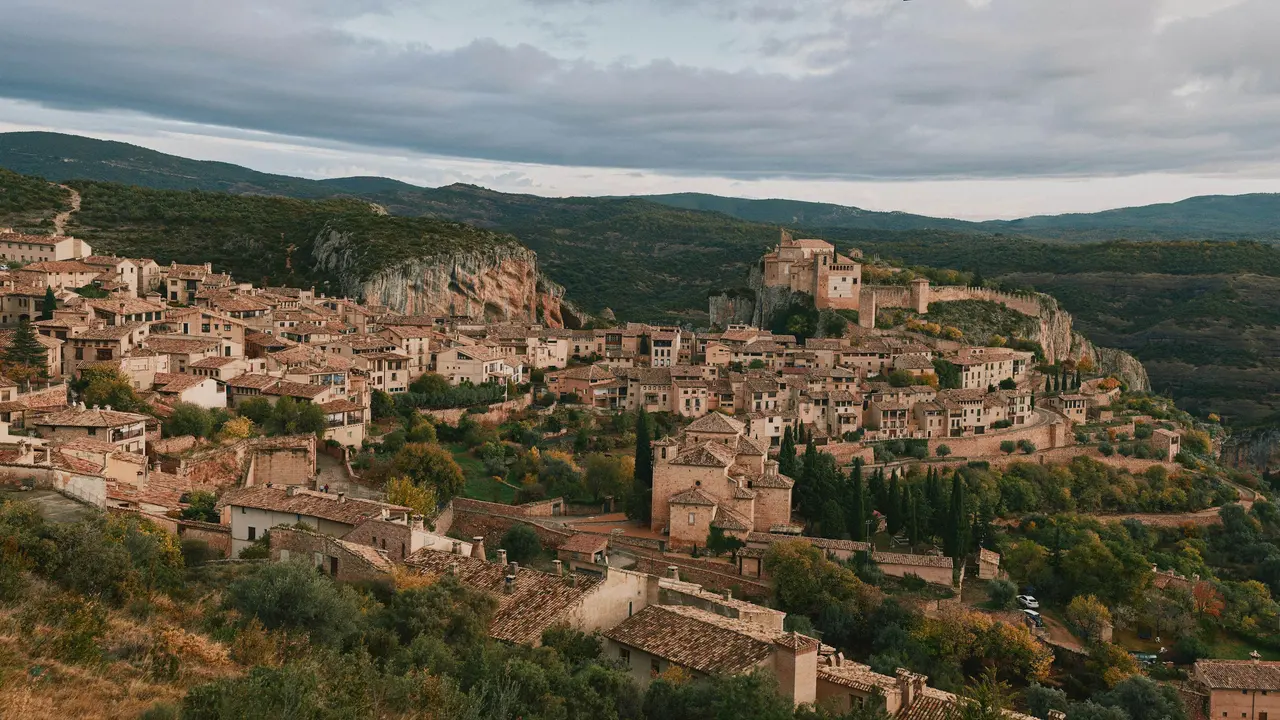
Walk uphill through Alquézar to the collegiate church. The shape of the former defensive site is clearest if you also see it from further down the village. Use another path back to the square and check conditions separately for the Vero walkways. The monument, village and walkway can easily fill a day, especially if you leave time to eat nearby and pause at a viewpoint.
The former cathedral of Roda de Isábena stands above a much smaller settlement. Its square, entrance and cloister give a different impression of Romanesque architecture from the busy middle of Jaca. Pair it with another stop in the Isábena valley. The drive to Benasque takes you onto another route through Ribagorza, so allow a separate day if you want to explore there too.
Charming villages
Ansó, Hecho and Siresa
In the Western Valleys, slow down to notice the roofs, chimneys and stonework of Ansó and Hecho. Ansó belongs to the Veral valley. From Hecho, the Aragón Subordán takes you past Siresa towards the Selva de Oza woods. For one day in the area, choose one valley for a walk and the other for a village stop. You can give each its own day on a longer stay.
In Siresa, pause for the monastery of San Pedro on the journey up the valley. In wet weather, keep the village in the plan and replace the longer walk with a brief outing on firmer ground. On a clear day, stop in the valley before carrying on to appreciate how narrow the route becomes and how the wooded slopes change above it.
Torla, Broto and the Chistau valley
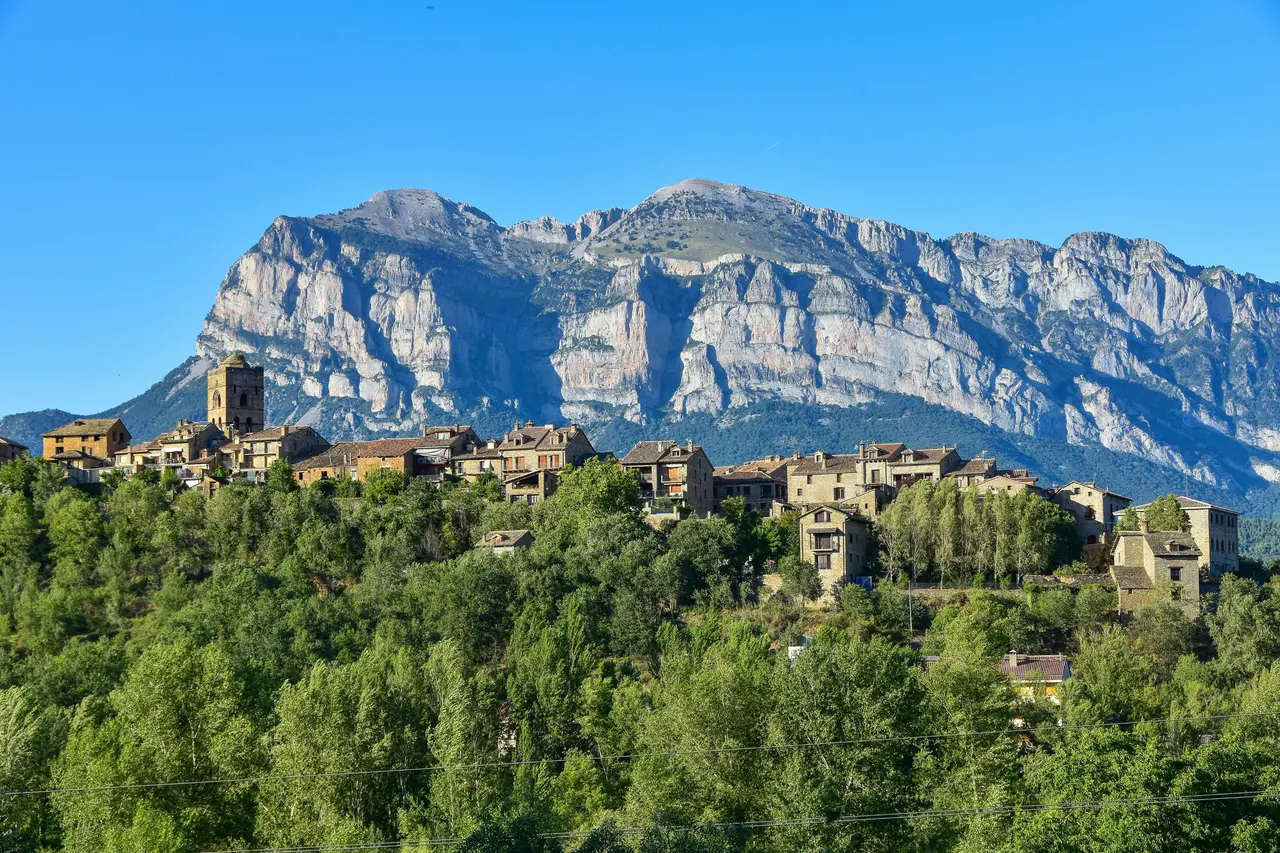
Torla-Ordesa sits above the River Ara and gives you a first look at the approaches to the national park. Walk through the village before or after your day in the valley. In Broto, the Sorrosal waterfall makes a short outing from the built-up area when access and ground conditions suit. Both villages are worth a stop even if you have already spent the morning walking near the cascades in Ordesa.
Plan, San Juan de Plan and Gistaín occupy different positions in the Chistau valley. Look at a contour map before listing several viewpoints or walks. A stay in one of these villages gives you time to see the way the buildings sit above one another, and the roads into the valley become part of the trip. Save an evening for a short walk after the main outing.
Nature and protected areas

Four ways into Ordesa and Monte Perdido
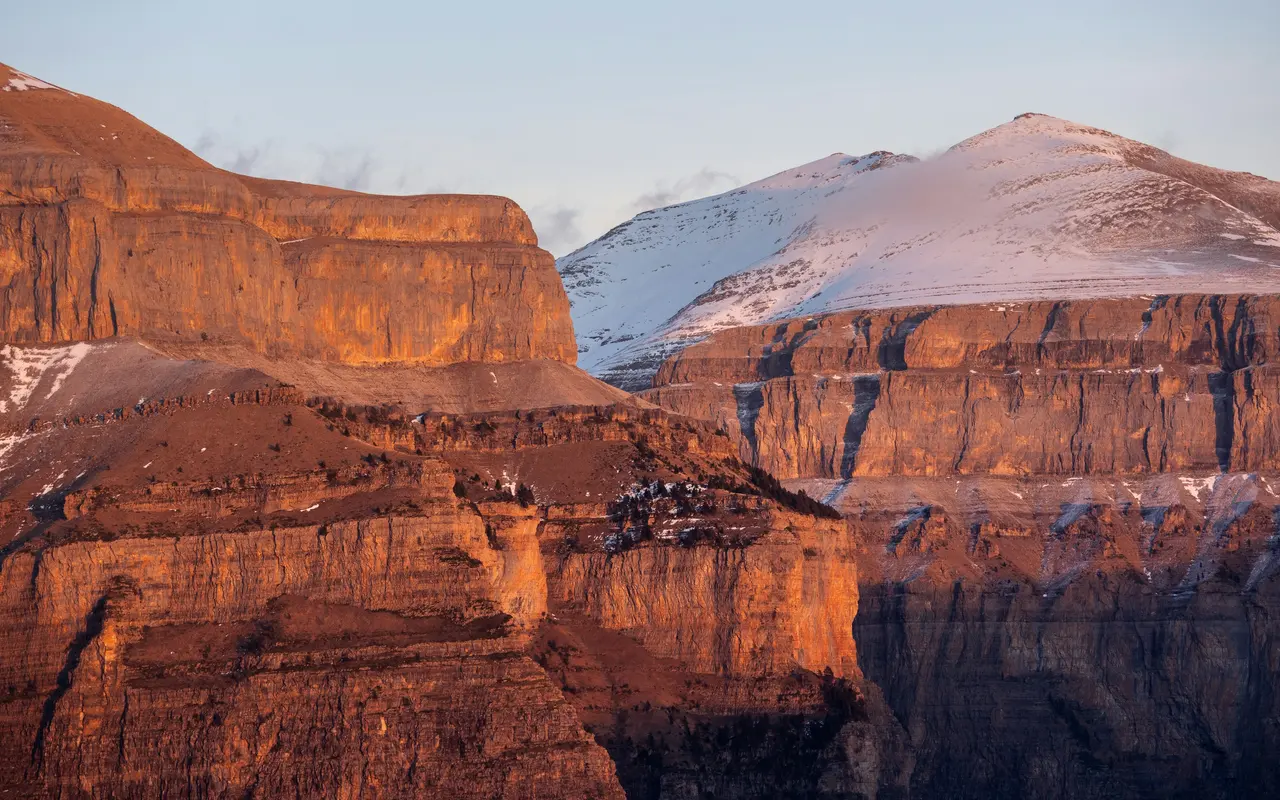
Bielsa leads towards Pineta, where the walls of the cirque are already visible from the valley floor. On the Ordesa side, begin at Pradera de Ordesa and build the Arazas walk around an achievable turning point. Check the park’s access information for the exact date. The approach to the meadow and the walk onwards take separate pieces of time. The official GR 11 route card gives 17.5 km return and 490 metres of ascent for the full walk to Cola de Caballo, with an estimated walking time of five and a half hours. For a shorter outing, turn round at the Estrecho waterfall and retrace your steps.
For Añisclo and Escuaín, choose between seeing the gorge from above and following a suitable path. Each has its own approach. Look up the place where you will leave the car or where a booked transfer will drop you. If the plan changes, a short outing near the base usually preserves more of the day than a last-minute drive between park sectors.
Guara and the Western Valleys
Vadiello, Salto de Roldán and the Bierge area occupy different parts of the Guara landscape. Follow the official routes for the views and use binoculars to watch birds over the cliffs. Check how much shade you can expect before going on a hot day. A river at the bottom of a ravine may be some distance from the exposed path above it.
In the Western Valleys, start with the forest near Oza or a shorter walk that has a clear return. Later, find a wider view of the slopes and open ground. Leave a higher walk for a steady forecast and use a route description that allows you to identify the junctions from the map. The same morning can feel very different in a sheltered wood and on an open ridge.
Festivals and traditions
Aínsa held its Ferieta on 31 January and 1 February 2026, according to Turismo de Aragón. Stalls, food tastings and music make it a way to see Sobrarbe in winter. For a later edition, find the published programme and place the individual events on the map of the upper town. The slope matters if you are carrying purchases or travelling with young children.
Huesca city dresses in white and green for San Lorenzo, with traditional dancing linked to the procession. Check the official programme for the time and place of performances on the dates you are there. Sobrarbe’s carnival traditions vary by village. Search for the specific event in the town where you plan to stay and ask where spectators can stand without getting in the way.
What to eat
In Somontano, combine lunch in Barbastro or Alquézar with something connected to the vineyards. If you want to learn about the wine, talk to a producer and ask what you can also see of the place where it is grown. Decide on driving arrangements before booking a tasting. In Graus, look for the local longaniza sausage. Ask whether it is sold ready to eat or intended to be cooked later.
In the mountain valleys, try migas, a fried breadcrumb dish, or a stew after walking. Small shops and markets also offer a way to learn about local cheese and cured meats. Ask what can travel well if you are buying supplies for the next day’s walk. Time lunch around the main outing, particularly in villages where the kitchen hours may be different from those you are used to. In Huesca city you can build a relaxed day around a proper meal, with the upper town in the morning and a shorter walk later.
Sport and outdoor activities
For a first canyoning trip in Guara, explain how comfortable you are in water and on wet rock. Ask the guide what the route demands, who monitors the water level and which route is available if the original conditions change. Rain upstream can matter on a day that starts dry where you are staying. With a mixed group, a waymarked walk above a ravine may offer a shared outing and good views.
In winter, choose which part of the Aragón or Tena valleys to visit after checking access and what is operating. During summer in Benasque, try a shorter walk before committing to a full day at higher elevation. At Riglos, use the walking routes and leave room for people on the rock. Pay attention to information on where to stop and where to keep moving beneath the walls.
Routes and itineraries
Three days around Huesca, Loarre and Guara
Start in Huesca for the cathedral, museum and old streets. Put Loarre and Riglos together on day two. On the last day, see Alquézar and allow time for the Vero walkways if suitable. Without a car, verify both trips before you book one base for all three nights. If the links are awkward, focus on the city and one of the other areas.
Five days from Jaca to Sobrarbe
Walk around Jaca on day one. Try San Juan de la Peña or Canfranc on day two and use day three for the other trip or a valley walk. Transfer to Torla, Broto or Aínsa and put your last two days towards one sector of the park and one village. Swap their order if the weather is better for walking on the second day. A short stop during the transfer can help you see what to prioritise next morning.
A week in two mountain valleys
Spend three days in Sobrarbe, keep most of the transfer day open and allow three days in Benasque. Use both long and short outings so there is a chance to recover or change the plan. If you prefer the Western Valleys or Guara, make one of them a main base. Resist the temptation to use the final morning for a rushed stop on the other side of the province. One last walk near where you slept makes better use of it.
Travelling with children
In Jaca, the Citadel and the short walk towards the cathedral break up a morning into manageable parts. Around Ordesa and Broto, pick a bridge, a clearing or a waterfall viewpoint as a destination. A familiar turning point makes it easier to return early if the weather changes. When visiting a castle or hillside village, ask about steps and surfaces before bringing a pushchair uphill.
Where to stay in Huesca province
Huesca or Barbastro for the foothills. Use Huesca for Loarre, the Hoya plain and west Guara. Barbastro works for the River Vero and Somontano. Check whether you want shops and places to eat at the door, or an early start by the road that leads to your first stop.
Jaca and the Aragón valley. Jaca gives you choices for meals and bad weather. Canfranc Estación suits walks closer to the upper part of the valley. For Ansó or Hecho, look up where you can eat on your dates if you expect to come back late from the trail.
Sobrarbe and Benasque. Torla and Broto put you closer to the Ordesa valley. Aínsa is useful for different parts of Sobrarbe. Benasque serves the upper Ésera, while Castejón de Sos gives a different position for Ribagorza. Think about the road out in the morning and where you will park when you get back.
See places to stay in Huesca province (opens in a new tab)Affiliate link: if you book through it, we may earn a commission at no extra cost to you.
Practical tips and common mistakes
Mark the actual start and a fallback. Save the car park, bus stop or entrance separately from the name of the valley. Consider what you will do if a storm changes the route conditions. A shorter path or a visit near your accommodation is easy to fit in without losing the rest of the day.
Plan for the slowest section. Add waiting time for public transport, steep steps and stops for food. If every outing requires a drive on both sides of the day, remove one stop or move to a second base. Leave some time alongside a river, wall or viewpoint before you have to leave for the next place.