

 Español
 English

Why visit Jaca
The best things to do in Jaca start within walking distance of each other. Begin in Plaza de San Pedro at the cathedral, then take Calle Mayor through the old town and head for the open ground around the Citadel. The route changes as you go, from doorways close together in a medieval street to the long, low walls of a fortress designed for artillery. If you have another hour or two, follow the slope down to the old bridge across the River Aragón.
Jaca sits on a terrace above the river in western Huesca province. It was an early capital of the kingdom of Aragon and remains a stopping point for pilgrims walking down from the Somport pass. Look south for the ridge of Mount Oroel. Once you can place the river, the ridge and the northbound road, it is easier to decide which side of the city you want to explore next.
For a weekend, spend one day in Jaca and choose one direction for your trip out. Canfranc and Somport follow the upper Aragón valley. San Juan de la Peña and Santa Cruz de la Serós make a different outing to the west. Staying in town gives you the option of swapping the mountain day for the cathedral, museums and a low-level walk if cloud covers the peaks.
When to go
Spring works well for indoor sights in the morning and a walk down to the river in the afternoon. The passes can hold snow when it feels mild in town, so check the conditions for the actual trail if you are thinking of walking around Somport or going up Oroel. Jaca’s First Friday of May celebrations bring processions and crowds into the centre. Build your weekend around them or choose a different date if your main aim is the Romanesque collection.
In summer, do exposed walks early and leave the Citadel’s grassy surroundings for the cooler part of the day. In hot weather you can pair a short riverside outing with a longer museum stop. If storms are forecast, set out early for any route that takes you away from town. A longer walk is easier to move to another day when you have already planned a tour of the old centre.
Autumn suits lower walks and visits to the stone churches around the valley. Keep an eye on daylight if you are setting off after lunch. For a winter break, start with the old town and see how the forecast develops before adding a walk. If skiing is the priority, check the road and lift conditions for the specific resort. There can be wind or ice in the upper valley on a bright day in Jaca.
Getting there and around
By road, rail and on foot
From Zaragoza, the road approach runs past Huesca and across to the Gállego valley before reaching Jaca. From the north, the Somport corridor runs through Canfranc. Check the pass or crossing you plan to use if approaching from France. If your accommodation is in one of the villages administered by Jaca, look up its full address before travelling. Some are beyond a comfortable walk from the station.
Adif’s 2026 station information shows regional trains stopping in Jaca on the route between Zaragoza Delicias and Canfranc. Allow for the walk from the station on the north side of town, particularly if you have luggage or a booked visit. For a day in Canfranc by rail, find a return train first. Look separately for the passenger platform and the entrance to the historic station visit.
If you are flying into Spain, compare the whole onward journey from the airport, including the transfer to Delicias or the time needed to collect a car. Once in central Jaca, you can reach the cathedral, Calle Mayor and the Citadel on foot. San Miguel bridge sits below the town. The uphill return takes more effort than the outward walk, particularly with bags or tired children.
What to see in Jaca
San Pedro and the old town
Begin outside the Cathedral of San Pedro. Find the circular carved monogram, known as a crismón, on the western doorway and look for the rows of small blocks often described as a chequerboard. Once you have noticed the pattern here, watch for it in other Romanesque buildings in Aragon. Standing back in the square makes it easier to see where the church fits into the street plan.
Plaza de Biscós is another good starting point. Take the smaller streets towards Calle Mayor and stop at the Renaissance town hall to see the carved entrance and coat of arms. Continue towards the Clock Tower, also known as the Prison Tower. It rises above the surrounding buildings and makes a useful landmark if you want to wander through the side streets and meet up again later.
Around and inside the Citadel
Work began on the castle of San Pedro towards the end of the sixteenth century. Start on the glacis, the open strip outside the moat. From one of the corners, look along two sides of the five-sided plan. The projecting bastions give you a sense of how defenders covered the wall between them. A partial circuit on foot shows more of the shape than walking directly to the entrance.
Inside, the courtyard shows how the buildings and defences fit together. The official guide lists different ways to visit in 2026, including independent and guided visits. If the architecture is your main interest, go round part of the perimeter before entering. If you are there for the miniatures, leave the green spaces outside for afterwards and return to the old town along Paseo de la Constitución.
Monuments and heritage
The Cathedral of San Pedro reflects the ties between the early kingdom, Romanesque architecture and the pilgrimage route. Look at the capitals after studying the doorway, then compare the medieval stonework with the later chapels. The chapel of San Miguel belongs to a different phase of the building. If you want to do the cathedral and museum together, allow yourself most of a morning.
The Benedictine convent houses the Romanesque tomb of Doña Sancha, a daughter of Ramiro I. Check the arrangements for seeing it before making the tomb the focus of your walk. The churches of Santiago and El Carmen take you away from the immediate cathedral area. You can pass their exteriors on a loop through the southern part of the old town after choosing one interior for a closer look.
At the medieval bridge of San Miguel, look at the steep deck from the approach before going across. The large span carries the route over the Aragón beneath the town. When conditions allow, see the arch from the bank, then change sides to see how the bridge meets the slope. The whole outing makes sense in daylight, with time for the climb back up from the river.
Museums and culture
Medieval painting at the Diocesan Museum
The museum occupies the cathedral cloister and adjoining rooms. Its highlights include wall paintings from the church of Saints Julian and Basilissa at Bagüés. Pause long enough to follow the scenes across each band. Their layout gives you an idea of the part colour once played in a church interior, even when you see the paintings in a museum.
The collection brings together works from other churches in the region. Look at how figures follow the curve of an apse or fit within the line of an arch. A visit is worth allowing time for in wet weather. Before you leave the cathedral quarter, take another look at a carved capital outside and compare how the painters and sculptors used the space they had.
A small-scale view of military history
Inside the Citadel, the Military Miniatures Museum sets figures alongside buildings, vehicles and landscapes in dioramas. Choose a handful of scenes if visiting with children. Try finding the same kind of detail in each, such as a crossing or a defensive position, before heading into the courtyard. Walking back out gives you a chance to compare the miniature landscapes with the real earth and stone defences around you.
Neighbourhoods and areas
San Pedro and Calle Mayor. Choose this area to begin the day at the cathedral and spend the evening on foot. Make a loop from the cathedral to the town hall and back via the Clock Tower. The squares give you obvious meeting points if people in the same group want to spend different amounts of time in the museum.
Paseo de la Constitución and the Citadel. Here the streets open onto a tree-lined walk and the grass around the fortress. It makes a good break between indoor visits. If your next stop is San Miguel bridge, look for the descent before leaving the higher ground. You will gain that height on the return.
The station and the approach to Rapitán. The north side is convenient for a train arrival or an early trip towards Canfranc. Allow a walk into the centre for the cathedral and evening plans. Make the hill of Rapitán a separate outing. The view from the slopes helps explain why the position was useful for overlooking approaches to town.
Nature and protected areas
The River Aragón changes the perspective without taking you far from Jaca. Walk down to San Miguel bridge and extend the outing along a marked section if the ground is suitable. After rain or frost, choose a firm turning point and leave the steeper climb back for daylight.
Mount Oroel rises to the south. The protected landscape of San Juan de la Peña and Monte Oroel includes separate areas that fit into different outings. The Parador de Oroel is a landmark for the mountain walk. At San Juan de la Peña, the old monastery uses the shelter of a rock overhang, while the later monastery occupies open ground above it. Make time for both if you are interested in how buildings make use of the landscape.
Festivals and traditions
The First Friday of May fell on 1 May in 2026. A parade and the singing of the local anthem recall a legendary victory associated with the defence of Jaca. Before a future visit, find the published route and pick a place where you can wait comfortably. Check the hours of any indoor sights you were hoping to visit that day.
The Santa Orosia and San Pedro celebrations took place from 23 to 29 June in 2026. On 25 June the procession brought together pilgrims, crosses from neighbouring parishes and traditional dancers. The cathedral and Plaza de Biscós are useful reference points. Look for the programme for the year you are travelling, especially if you want to combine a procession with music or a family event.
Sport and outdoor activities
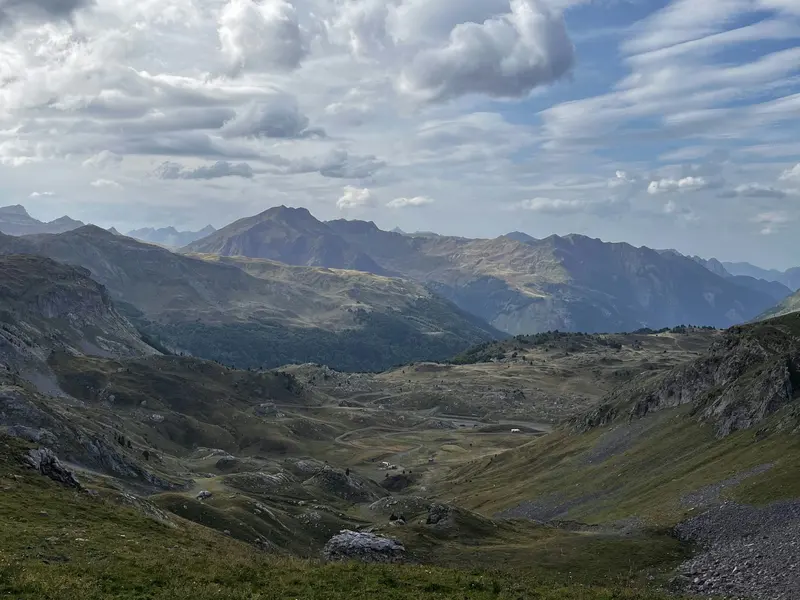
Follow the Aragonese Camino de Santiago west towards Santa Cilia if you want a walk with the valley as a guide. For a short outing, choose a turning point before setting off and double back. Arrange the journey home in advance if walking a full one-way stage. San Miguel bridge also works as a stand-alone destination if you want time for another sight later.
To climb Oroel’s ridge, check the forecast for the height you will reach. The final stretch is exposed after the wooded approach. If darkness comes early or the weather is uncertain, choose the lower riverside walk near town. In winter, Astún and Candanchú are separate resorts at the upper end of the valley. Confirm which one you are going to before arranging transport, equipment hire or a meeting point.
Routes and itineraries
Half a day. See the cathedral exterior and choose one indoor visit, either the Diocesan Museum or the Citadel. Walk through the old town between them and allow a few minutes on the open ground around the fortress.
One day. Start at the cathedral and museum and walk along Calle Mayor before lunch. Spend the afternoon at the Citadel and Paseo de la Constitución. If you want to include the bridge, set off early enough for the uphill return before dark.
Two or three days. Use day two for the old and new monasteries and Santa Cruz de la Serós. On day three, go to Canfranc and Somport or walk at Mount Oroel. If using the train, check Canfranc first and arrange the other days around it. With a car, save the clearest forecast for the outing that takes you highest.
Day trips
San Juan de la Peña and Santa Cruz de la Serós
Pause in the cloister of the old monastery to see how the overhang encloses it. The new monastery above it, at the San Indalecio clearing, shows how the complex changed when it moved to a more open site. Check the visitor arrangements for both buildings because they sit at different elevations and the best place to start depends on the arrangements that day.
In Santa Cruz de la Serós, compare the prominent tower of Santa María with the smaller church of San Caprasio. Both are within the village and you can see their settings on one walk. Choose an interior in advance if the monuments have different opening times on the day you visit.
Canfranc Estación and Somport

Look up Canfranc Estación on the map. The older village of Canfranc is further down the valley. At the historic international station, stand back to take in the length of the building and the narrow space between the hills. Check how to visit the building if you are interested in the railway history. If the roads are clear, continue towards Somport to see where the pilgrimage route enters the Spanish side of the valley.
Travelling with children
Ask children to spot the points of the Citadel and pick out the entrance bridge before going inside. The miniatures give them scenes to explore at their own pace. Jaca Citadel’s published 2026 family options included Pequevisitas and La Memoria de la Piedra. Look at the programme for your date before promising a particular activity.
The tree-lined Paseo de la Constitución and one of the old town squares make an easy second outing. If you go to the river, save some energy for the walk back up. For a pushchair, a short loop through the centre and the higher promenade is simpler than extending the walk along the banks.
Where to stay in Jaca
Near San Pedro or Calle Mayor. Stay here to break up sightseeing with a return to your room. If driving, ask where you can unload and where to leave the car for the day.
Around the Citadel and Paseo de la Constitución. This area works well with children or for evening walks. Check which side gives you the easiest exit if you will be heading west in the morning.
Near the station or in a village. A station-area room can simplify an early departure by rail. A village cottage suits a stay centred on the countryside. Check the location and allow a drive into town for the cathedral and evening plans.
See places to stay in Jaca (opens in a new tab)Affiliate link: if you book through it, we may earn a commission at no extra cost to you.